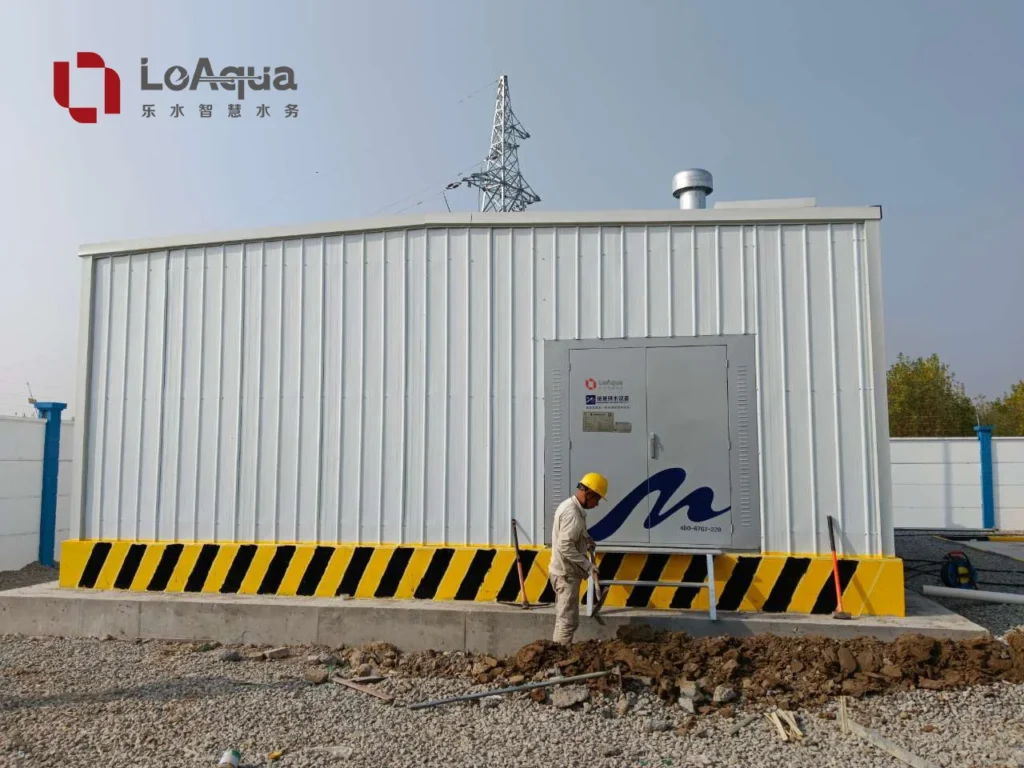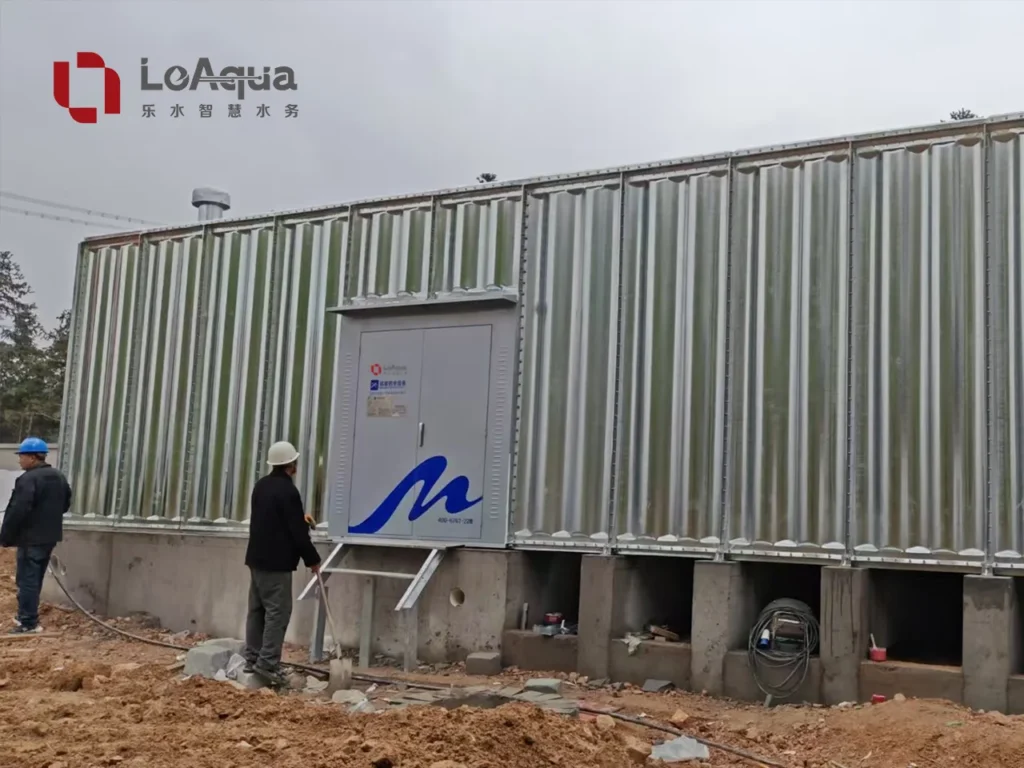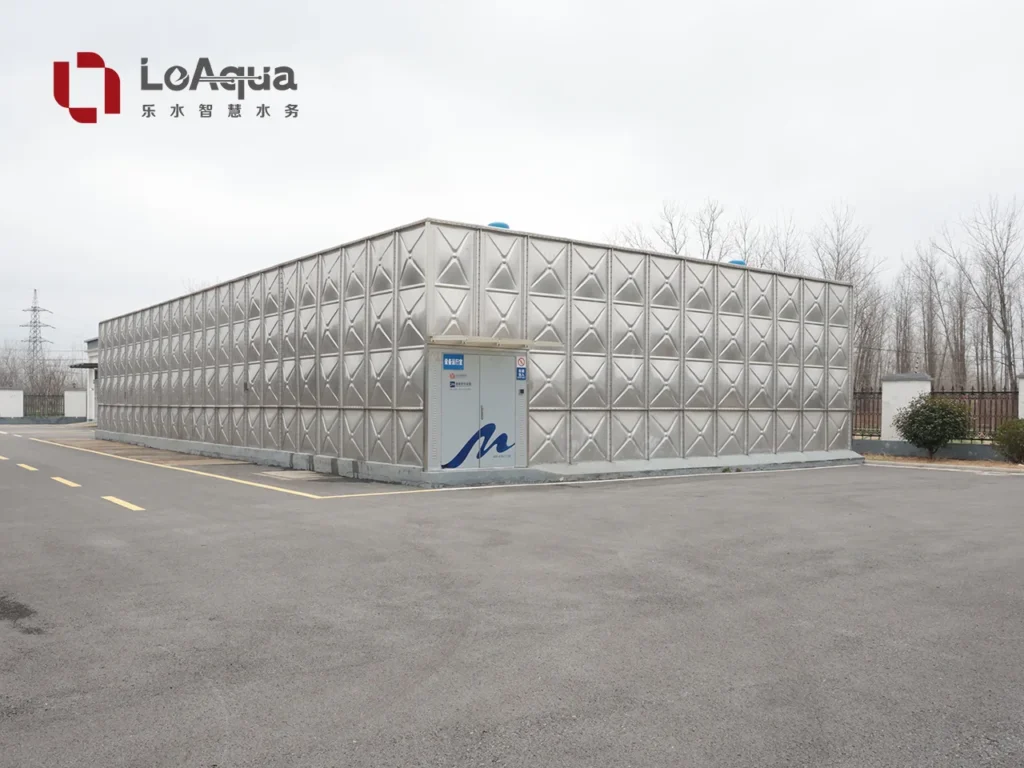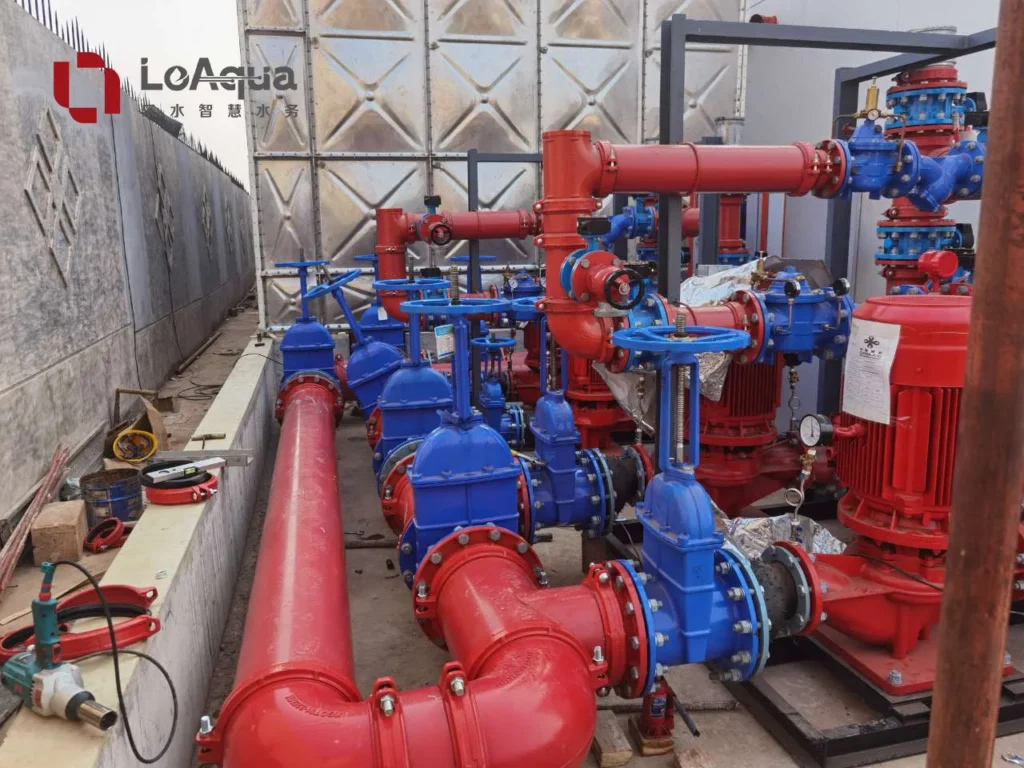
In post-conflict reconstruction and disaster recovery, water storage is rarely a simple replacement purchase. A tank may be needed quickly for an emergency service, then kept as part of a permanent network once roads, power, treatment and distribution are restored.
The procurement question is therefore broader than “which tank has the right volume?” Project teams need to define the service phase, water quality, site constraints, interfaces, documentation and future operating plan before they release a purchase order.
What is a water tank for a reconstruction project?
A water tank for a reconstruction project is a storage asset selected for the current recovery need and the conditions expected during operation. It may support an emergency distribution point, a hospital, a school, a housing area, an industrial facility or a wider water network.
The tank does not restore a water service by itself. The water source, treatment, pump station, power supply, pipework, controls, access and maintenance arrangements must be reviewed as one system. LeAqua’s existing post-conflict water infrastructure guide explains this wider distinction; this article focuses on the procurement decision for the storage package.
Start with the recovery phase, not the tank material
Emergency and reconstruction programmes often move through overlapping phases. The same location may need temporary storage first and a permanent, maintainable tank later. UNHCR’s WASH emergency guidance describes a progression from short-term measures such as emergency bladders or elevated tanks toward upgrades and longer-term water infrastructure, while emphasizing assessment and coordination with existing services.
| Project phase | Main procurement question | Typical evidence to request |
|---|---|---|
| Immediate response | How can safe water be stored and distributed while access, power or networks are disrupted? | Site assessment, water source, deployment constraints and safe operating instructions |
| Early recovery | Can the storage arrangement support a facility or temporary network as services return? | Capacity basis, foundation or support concept, connections and filling/drainage plan |
| Permanent reconstruction | Will the tank integrate with the rebuilt water, pumping and maintenance system? | Approved drawings, material information, test records, operations and maintenance documents, and responsibilities |
Temporary storage and permanent storage are different decisions
Temporary storage prioritizes speed, transport, safe setup and a clear removal or transition plan. A tank that is easy to place during an emergency may not be the right permanent asset if it lacks the required inspection access, connection arrangement, foundation design or documentation.
Permanent storage prioritizes service life under the project conditions, maintainability, hygiene controls where relevant, structural support, connections and integration with pumping and distribution. It should be evaluated against the rebuilt system rather than treated as a larger version of an emergency container.
- State whether the tank is a temporary asset, a permanent asset or a transitional installation.
- Define whether it stores potable water, process water, fire water or another service, and keep the requirements separate.
- Confirm access, roads, lifting, local labour, weather exposure, security and protection from contamination or damage.
- Specify what happens after the temporary phase: reuse, relocation, expansion, replacement or connection to the permanent system.
Five checks before issuing the RFQ
A reconstruction RFQ should give suppliers enough information to identify interfaces and exclusions. The following checks are more useful than sending only a required volume.
1. Confirm the service and water quality
Name the water service, expected operating pattern, source and treatment status. Potable storage may require different material, cleaning, inspection and documentation requirements from fire or process water. Do not use a general product description as a substitute for the project’s water-quality requirements.
2. Check the site and support condition
Record available footprint, elevation, access route, ground or structural support, seismic or wind considerations where applicable, and the expected test or operating load. LeAqua’s sectional tank foundation guide shows why the base and tank cannot be separated at procurement stage.
3. Map the hydraulic interfaces
Show inlet, outlet, overflow, drain, vent, level measurement, pump suction and any bypass or isolation arrangement. Confirm pipe sizes and connection standards from the project drawings; do not assume that a tank supplier’s standard nozzle arrangement will match a damaged or partly rebuilt network.
4. Plan logistics and installation
For a modular tank, check panel delivery, site assembly, lifting, storage of components, welding or bolting requirements, local supervision and weather protection. For a remote or damaged site, the installation sequence can affect the real project cost and schedule as much as the tank itself.
5. Define evidence and handover
Ask for the drawings, material information, installation instructions, inspection and leak-test records, operating guidance and warranty documents that the project actually needs. US EPA emergency drinking-water guidance notes that large-scale disasters can disrupt drinking-water services and that utilities should plan emergency drinking-water supply arrangements; a tank order should fit that wider response plan rather than sit outside it.
How should EPC teams compare supplier proposals?
Compare proposals on delivered scope, not only on tank capacity or unit price. A lower equipment price can leave the project carrying unpriced foundation work, pipe modifications, controls, testing, commissioning or local installation risk.
| Comparison item | Question to ask |
|---|---|
| Tank scope | Are panels, supports, roof, access, seals, fittings and accessories clearly listed? |
| Interfaces | Are inlet, outlet, overflow, drain, vent, level and pump connections shown on a drawing? |
| Site work | Who is responsible for the foundation, assembly, welding or bolting, testing and repair work? |
| Transition plan | Can the temporary arrangement be relocated, expanded or connected to the permanent system? |
| Records | What will be supplied for approval, handover, operation and future maintenance? |
Where LeAqua may fit
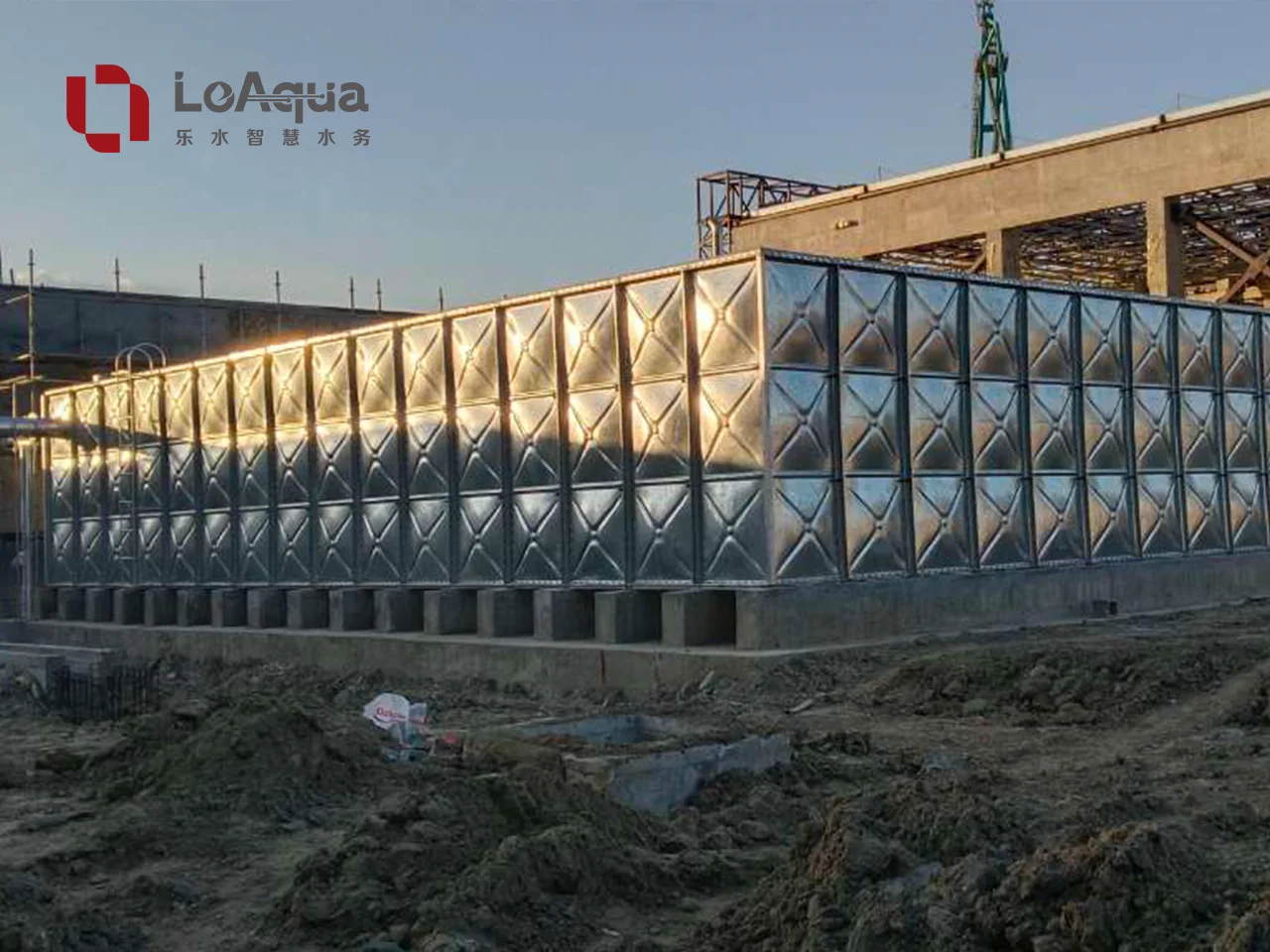
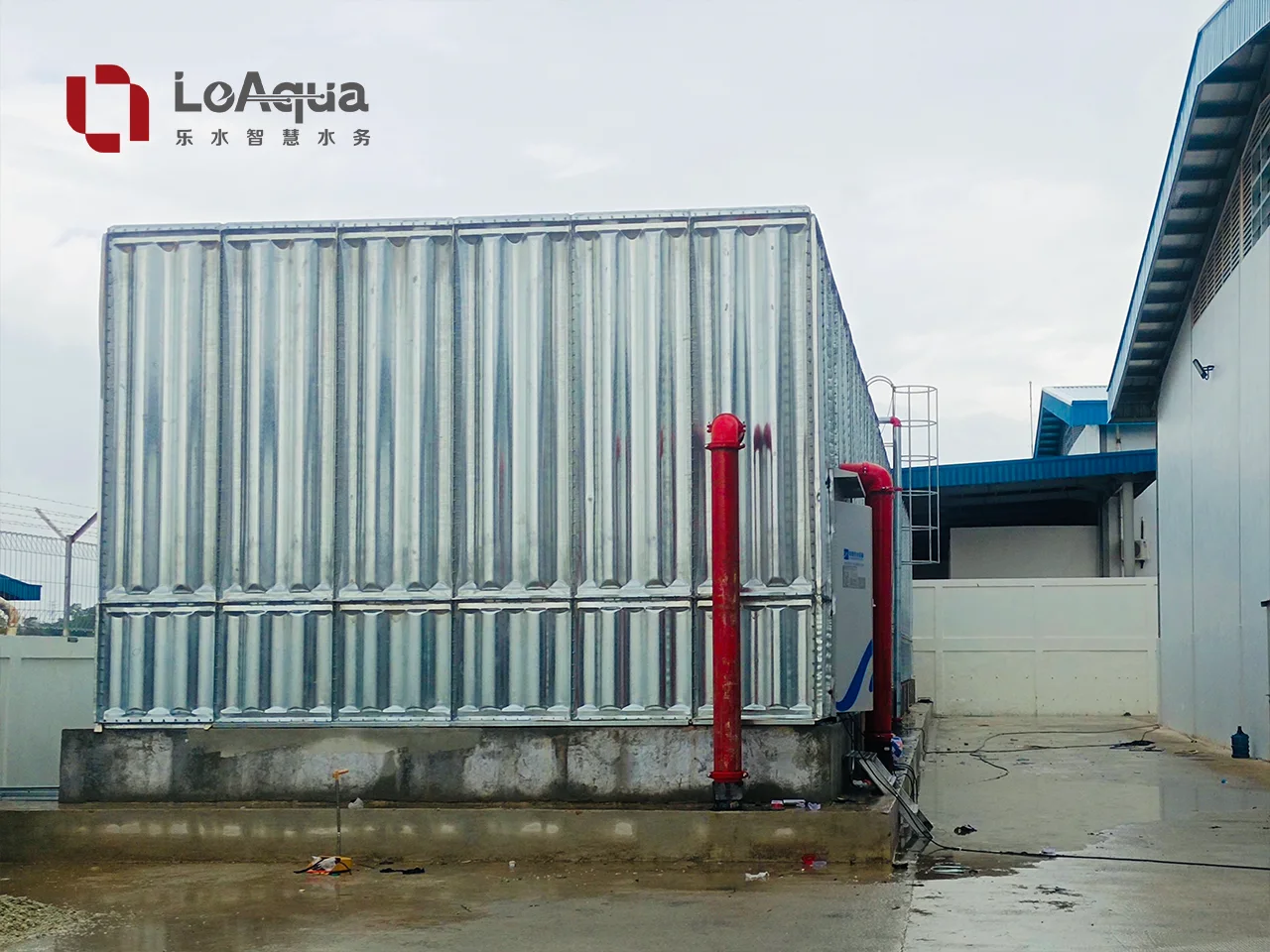
LeAqua presents modular stainless steel, composite and GRP/FRP water tank options, alongside water-storage and integrated pump-system content. That range can be relevant when a reconstruction project needs a defined tank package with coordinated connections, but the correct material and configuration still depend on the water service, site and project requirements.
For background on choosing between tank solutions, see the water tank selection guide. For a wider system package, review the water tank solutions page and confirm the required scope with the project engineer.
A practical procurement sequence
- Assess the damaged or incomplete water service and identify the users who must be served first.
- Separate immediate, transitional and permanent storage needs.
- Issue an RFQ with water service, site, interface, logistics and documentation requirements.
- Review technical compliance and exclusions before comparing price.
- Approve drawings and responsibilities before manufacturing or site assembly.
- Complete testing, records and handover as part of the rebuilt water system.
The best reconstruction water tank is not necessarily the fastest product to quote or the largest available model. It is the storage package that can serve the current recovery phase, connect to the next phase and remain understandable to the people who will operate it.
For a project enquiry, send the required service, capacity basis, site information, connection drawing and recovery-phase constraints. This gives the supplier a basis for discussing a tank scope without treating an emergency need as a complete engineering brief.