
Water Tank Solutions / Wastewater Storage Tanks
Wastewater storage
Wastewater Storage Tanks
Wastewater storage for collection, equalization and specified process interfaces.
Define the wastewater duty first, then coordinate the tank, level controls and downstream interfaces within the agreed supply scope. LeAqua can review storage configurations and selected equipment interfaces; treatment-process responsibility must be allocated separately.
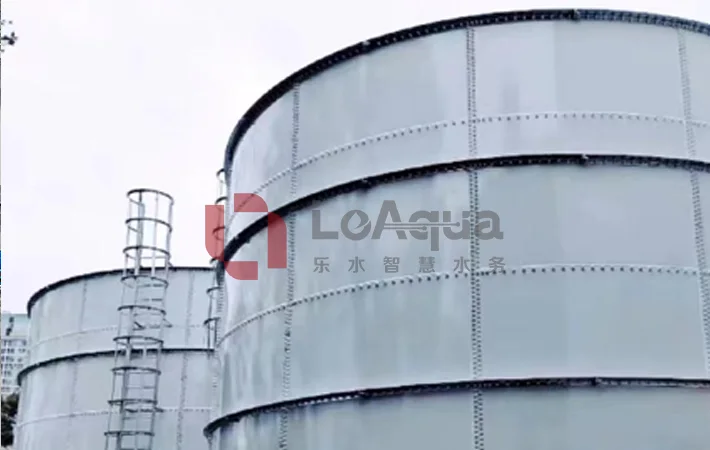
Storage. Compatibility. One coordinated specification.
Tank-only and coordinated wastewater storage configurations.
On this page
What is a wastewater storage tank?
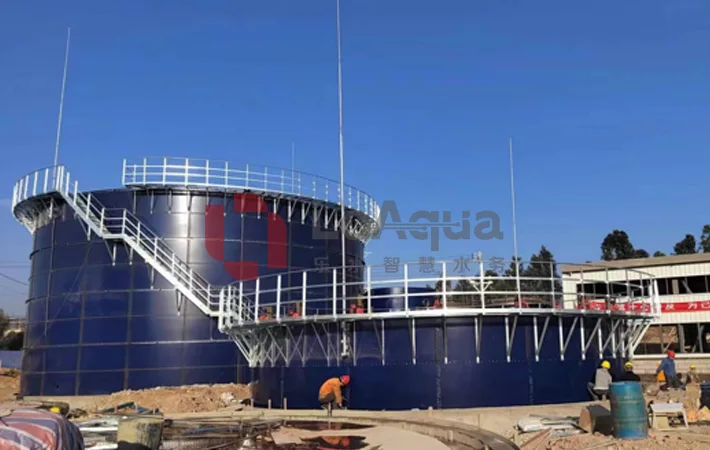
A wastewater storage tank holds, collects or equalizes wastewater before an identified downstream process, discharge or reuse step. The tank design must follow the actual wastewater chemistry, solids content, temperature, level control, access and operating method at the project location.
LeAqua can review modular storage and selected tank-and-pump interfaces within the agreed project scope. The proposal should start with wastewater type, chemistry, solids, retention or equalization duty, effective volume and site conditions, so compatibility can be reviewed before procurement.
Tank or process interface
Choose the wastewater storage arrangement that fits the duty
The right scope depends on whether the tank is specified separately or coordinated with level controls, transfer pumps and the downstream treatment or discharge system.
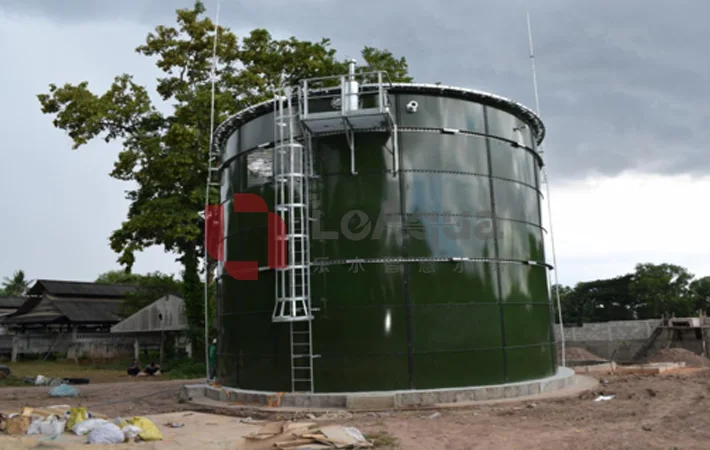
Tank package
Standalone wastewater storage tank
For projects with separate transfer equipment or a downstream process designed independently from the tank.
- Internal surface and lining selected for the wastewater duty
- Inlet, outlet, overflow, drain, vent and solids-management arrangements
- Support and foundation interface requirements
- Material compatibility information and inspection documentation within the agreed scope
Coordinate early: inlet and outlet levels, turnover target, service clearances and the responsibilities of the tank and pump suppliers.
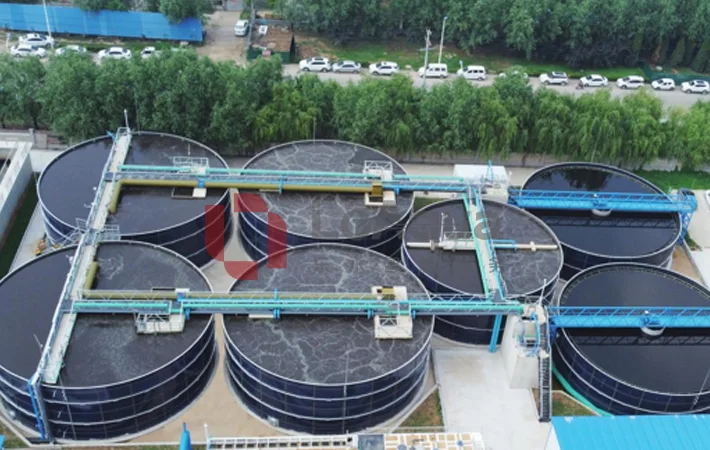
Coordinated system
Tank and wastewater interface package
For projects that need storage, transfer pumping and level controls planned together within one coordinated layout.
- Storage and transfer-equipment arrangement
- Transfer pumps, mixers or level controls as specified
- Pipework and control interfaces within the agreed package
- Level, overflow, ventilation or process monitoring defined in the project specification
Coordinate early: pump duties, pressure setpoints, power supply, access and the boundary between factory supply and site work.
Define the full supply boundary. Building pipework, power connections, installation, cleaning, disinfection and commissioning should be allocated explicitly in the quotation. An integrated package does not automatically include every site activity.
Storage plus process interface
Choose the storage route around the wastewater duty
Wastewater storage may be coordinated with transfer equipment and level controls, but the tank duty must be established first. A storage quotation does not automatically include treatment equipment, external pipework or commissioning.
Integrated transfer and level-control package
Transfer pumps, level controls and storage can be coordinated within one layout when the wastewater duty and downstream boundary are defined. Above-ground or buried arrangements require a project-specific review.
- Useful where the site needs a coordinated storage and transfer arrangement
- Confirm access, foundation, ventilation, drainage, corrosion exposure and service clearances
- Define whether downstream treatment, external pipework and site installation are included
Transfer and level-control equipment
Transfer pumps, mixers, level instruments or other process interfaces may be coordinated with the tank when the project defines the required duty and operating controls.
- Confirm transfer flow, head, redundancy and control logic from the process design
- Check power supply, ventilation, maintenance access and safe operation
- Separate downstream process scope from tank material and wastewater compatibility requirements
Scope boundary. This page covers storage and selected process interfaces. Final tank selection, compatibility, level control, downstream treatment, approvals and supply boundaries remain project-specific.
Specify before comparing quotations
How to specify a wastewater storage tank
Tank volume is only one input. Establish wastewater chemistry, solids, temperature, retention or equalization duty and site interfaces before comparing configurations.
| Design input | What to establish | Why it affects the tank |
|---|---|---|
| Demand profile | Occupancy, peak demand, replenishment source and expected daily use. | Sets the storage and refill basis; building area alone does not determine tank volume. |
| Effective storage & turnover | Usable volume, operating levels, refill time and target turnover for the stored water. | Helps balance reserve capacity with water freshness and operating continuity. |
| Wastewater compatibility | Material or lining, seals, fittings and compatibility documentation. | The tank materials must suit the wastewater chemistry and acceptance requirements. |
| Inlet, outlet & solids management | Inlet and outlet levels, venting, overflow, drain, access and solids-management arrangements. | Supports inspection, maintenance and reliable connection to the downstream system. |
| Site & structural conditions | Footprint, foundation, indoor or outdoor location, access, wind and seismic inputs. | Determines the layout, supports and installation method. |
| Project acceptance | Applicable local requirements, drawings, inspections, testing and approval documents. | Allows the proposed configuration to be checked before procurement. |
For a broader overview of tank selection, read the water tank selection guide.
Select the material for the wastewater duty
Stainless steel, GRP and composite sectional tanks are product options to evaluate. Suitability depends on pH, temperature, solids, chemical exposure, exact construction and project acceptance.
Stainless steel
Review the grade, welded or bolted construction, water chemistry, fabrication details and maintenance access.
GRP / FRP
Review the panel system, lining or resin compatibility, temperature limits, support arrangement, seals, solids management and project acceptance requirements.
Composite sectional tanks
Confirm the panel build-up, compatibility layer, external protection and the required structural configuration.
Structural form is a separate choice from material. Explore the double-sided arc-ribbed tank design where its configured layout suits wastewater storage.
Standards & project acceptance
Confirm compatibility and project requirements before selecting equipment
Wastewater requirements vary by project location and process. Identify the applicable discharge, environmental, safety and inspection requirements before selecting a storage tank.
Share wastewater analysis, material compatibility information, inspection records and any required environmental or process approvals before a configuration is proposed.
A general reference to wastewater storage does not establish compatibility or process approval for a particular product. Review the proposed tank, materials, operating conditions and supporting documents with the project designer and responsible authority.
Typical wastewater applications
Wastewater storage across project applications
Wastewater storage may support collection, equalization or specified process duties in industrial, municipal and infrastructure projects. The correct arrangement depends on wastewater characteristics, retention duty, access and site conditions. The images below are layout placeholders, not delivered project records.
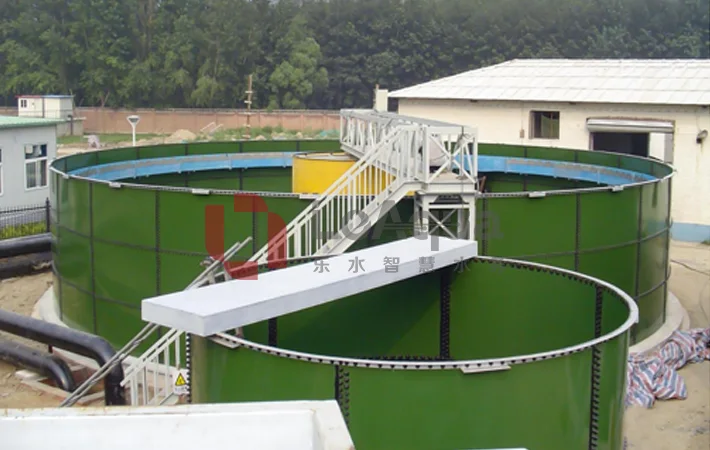
Industrial and process facilities
Wastewater collection and equalization
Wastewater storage coordinated with transfer equipment and a defined downstream process.
Application example — confirm volume from the wastewater duty and retention basis.
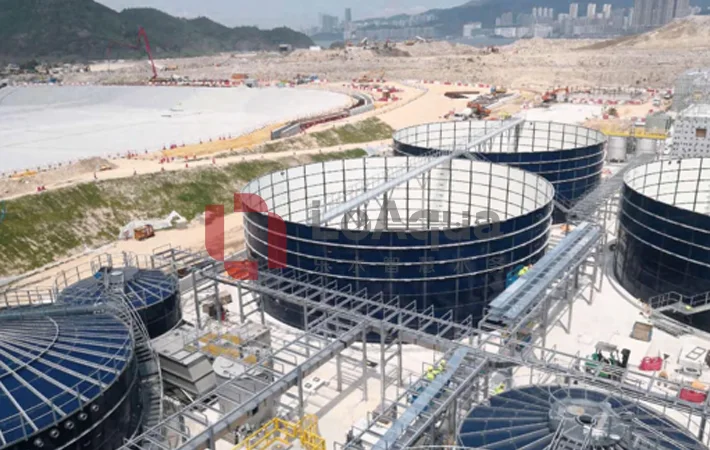
Municipal and infrastructure applications
Wastewater process interface
Storage, level control and downstream interfaces should be coordinated around the wastewater duty and site requirements.
Image shown for layout planning only; it is not a delivered LeAqua wastewater project.
Before you order
Wastewater storage tank buying questions
Can one tank serve both wastewater storage and treatment?
A storage tank is not the same as a treatment system. The tank, downstream process and operating responsibilities must be defined separately, with compatibility, ventilation, solids handling and maintenance reviewed before procurement.
What determines the price of a wastewater storage tank?
Effective volume, dimensions, material or lining, corrosion exposure, solids handling, connections, installation conditions and the agreed supply scope all affect the quotation. A tank-only price should not be compared directly with a package that includes treatment equipment, pumps, controls, freight or site services.
What documents should be checked for wastewater storage?
Include the project location, wastewater analysis, compatibility criteria, product drawings, inspection records and any required approval route in the initial enquiry. Confirm which party is responsible for process design and discharge requirements.
Can an existing wastewater storage tank be replaced?
A replacement can be evaluated against the existing volume, foundation, access, pipe connections, corrosion exposure and operating duty. Plan isolation, cleaning, ventilation, solids removal and temporary operation with the responsible project team before work starts.
Further reading
Start a wastewater storage enquiry
Tell us what your wastewater storage system needs
Share the information you already have. It helps define the tank configuration, compatibility review, supply scope and documentation needed for a useful proposal.
- Project location and wastewater characteristics
- Wastewater type, required volume, retention or equalization duty
- Available footprint, height and installation conditions
- pH, temperature, solids, chemical exposure and corrosion conditions
- Tank-only or tank-and-pump scope; specified transfer duty and level-control requirements if available
- Required delivery schedule and site-service scope
If the wastewater process design is still being developed, identify which inputs are provisional and which party owns the downstream process design.
Request a wastewater storage proposal
Include wastewater type, compatibility information and storage requirements in the message field.