What is High Pressure Water Mist?
NFPA 750 Definition
“Water mist is a water spray for which the droplet size Dv0.99 is less than 1000 μm at the minimum design operating pressure, measured 1 meter from the nozzle.”
NFPA 750 (1996 first edition) is the pioneering international standard for water mist systems, covering design, installation, and testing.
GB50898 (China Standard)
“Water mist produced at minimum operating pressure, with Dv0.50 < 200 μm and Dv0.99 < 400 μm at 1.0 m below the nozzle.”
Chinese national technical code for water mist fire suppression systems, specifying finer droplet size for high efficiency.


Water Mist vs Traditional Sprinklers: Technical Comparison
Why engineers are specifying water mist over conventional sprinkler systems
| Parameter | High Pressure Water Mist | Traditional Sprinkler System |
|---|---|---|
| Water Consumption | 5–10% of sprinkler volume ~50-150 liters/min per zone | High flow (500–2000+ L/min) Requires massive water tanks |
| Droplet Size | ≤100 μm (Dv0.99) High surface area, rapid vaporization | Large droplets (1-5 mm) Less cooling efficiency |
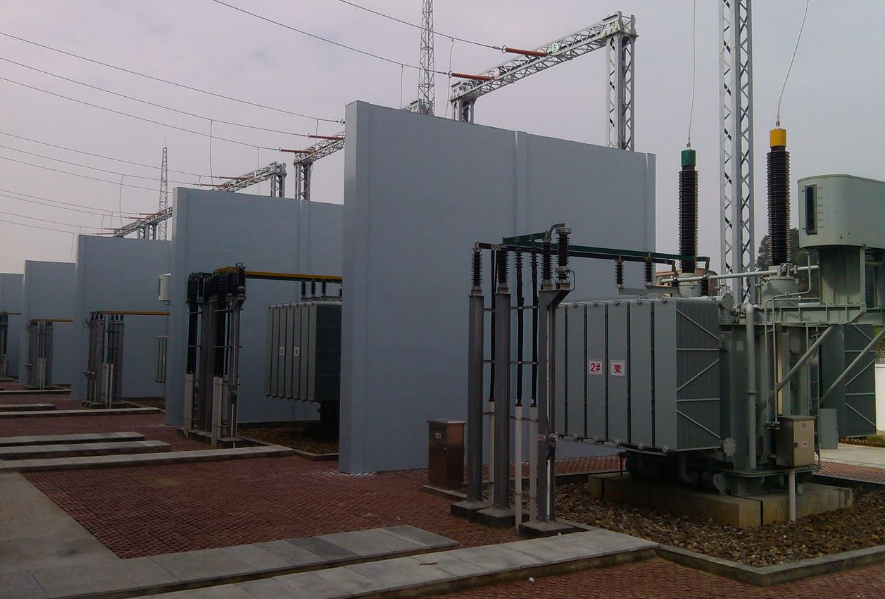
| Electrical Safety | Proven on live 1800VDC Safe for data centers, switchgear | Hazardous on live equipment Conductive water stream |
| Smoke Scrubbing | Binds smoke particles, absorbs toxic gases (HCL, HF) | Minimal smoke reduction |
| Water Damage | Minimal secondary damage Preserves assets, no flooding | Extensive water damage, drainage required |
| Pipe Sizing | Small diameter (15-80mm) Lightweight, easy installation | Large pipes (≥100mm), heavy structural load |
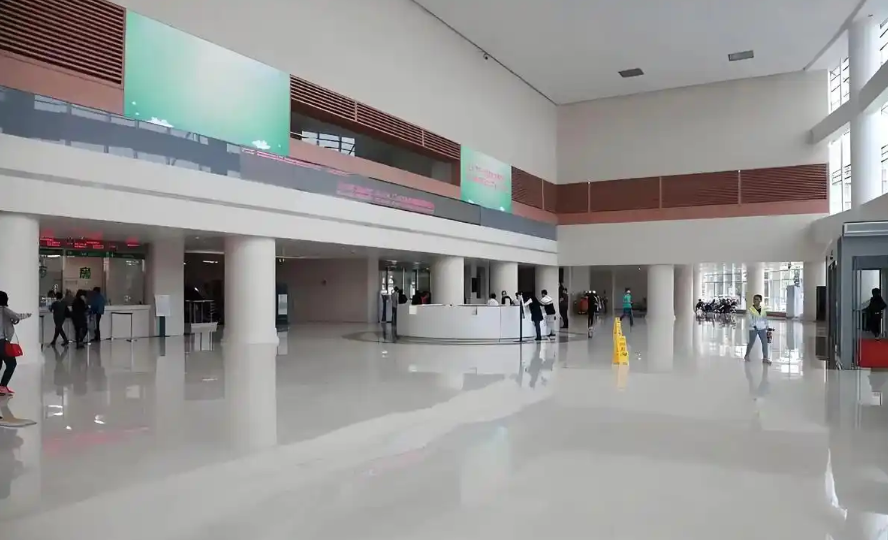
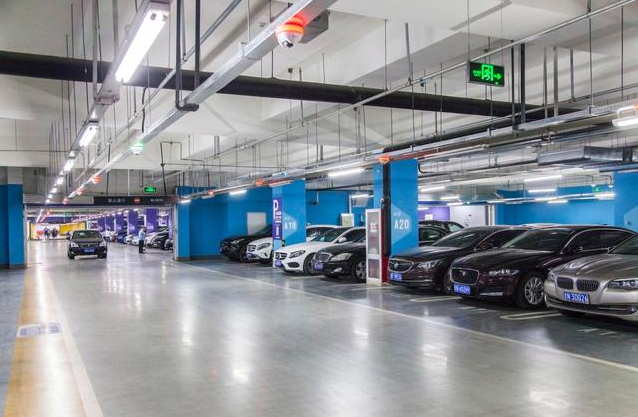
| Ideal Applications | Data centers, hospitals, archives, tunnels, EV battery, heritage sites | Warehouses, parking garages (low sensitivity areas) |
Key advantage: Water mist extinguishes fire by cooling + oxygen displacement, while sprinklers rely mainly on wetting. Mist provides radiant heat blocking and personnel safety.
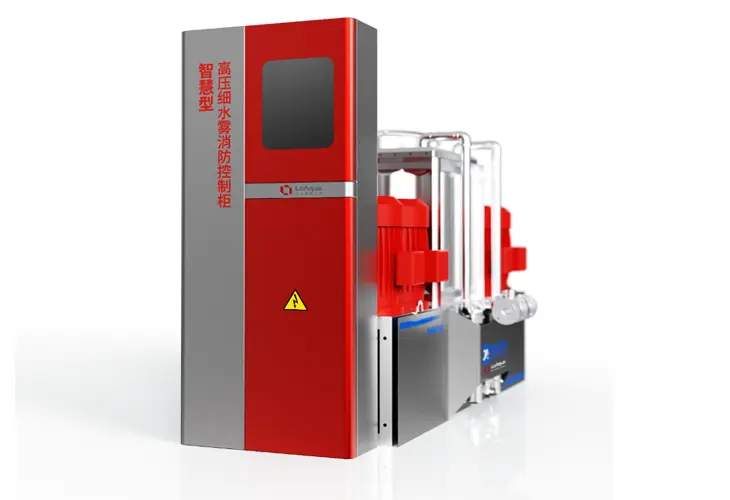
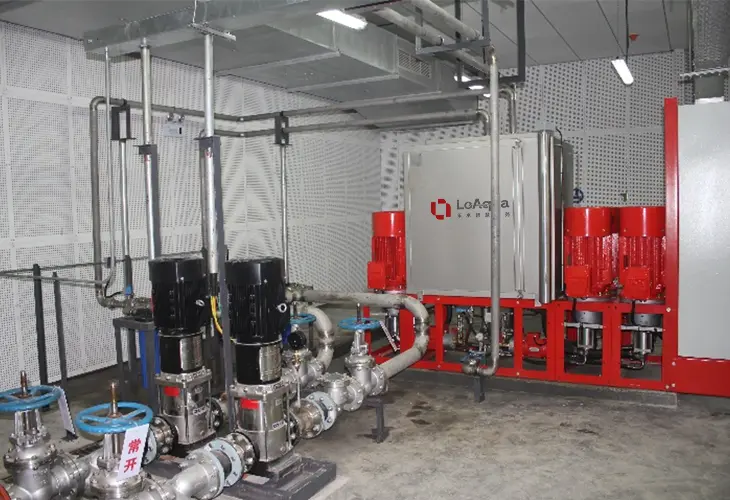
High Pressure Stationary Water Mist System
Permanent installation for critical infrastructure — whole service life
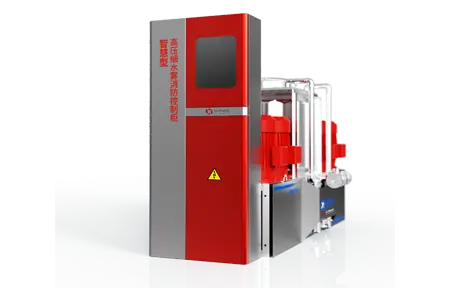
Core Components
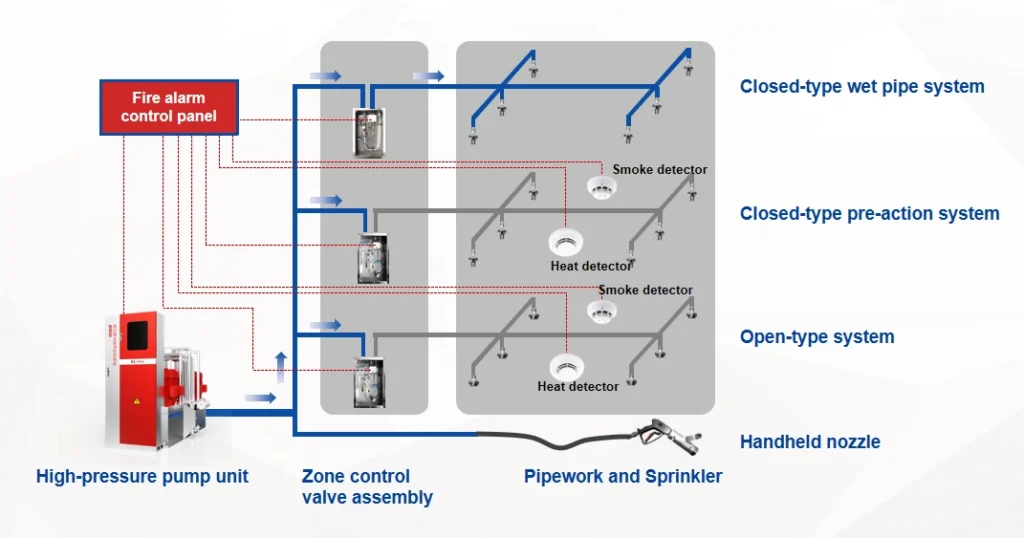
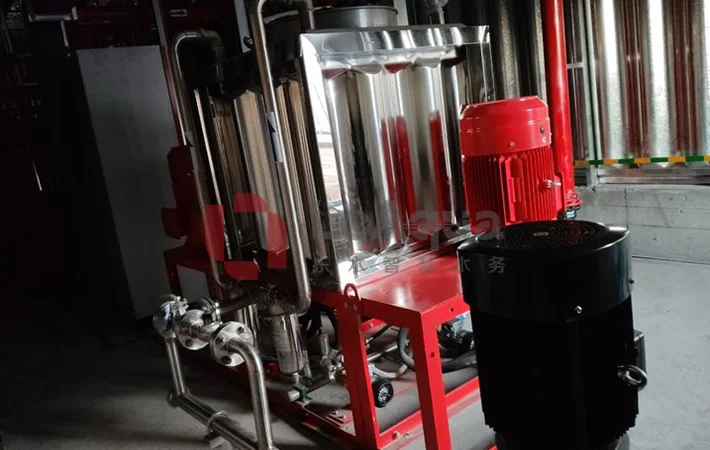
- High pressure pump unit: 12–16 MPa, water self-lubricated
- Flow: 70–150 L/min per pump (modular)
- Stainless steel nozzles: Dv0.99 ≤ 100μm, anti-drip device
- Electric motor-operated control valves (reliable sealing)
- PLC control panel, standby pressure 1.0-1.2 MPa
Key Advantages vs Sprinklers
- 90-95% less water → smaller tanks, no flooding
- Electrical insulation → protect live equipment
- Smoke scrubbing → safer evacuation
- Lower installation cost (smaller pipes, less structural support)
- Eco-friendly: pure water, no chemical agents

Application Conditions


Mobile Water Mist Systems
Portable, rapid response — ideal for temporary protection, EV battery fires, and industrial first aid
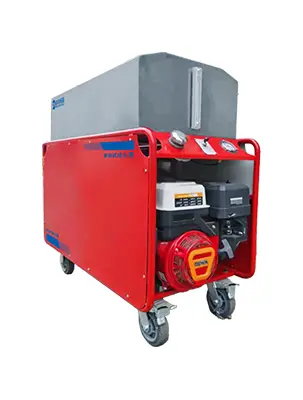
Hand-Held Lance & Trolley Units
- Operating pressure: 10–14 MPa, flow 11–30 L/min
- Lightweight lance (<2.5 kg), reach up to 15m
- Self-contained skid with water tank (200L–800L)
- Push trolley or trailer-mounted options
- Electric start or engine drive
- Deploys in under 30 seconds
Ideal for Lithium-Ion Battery Fires
- Proven suppression of thermal runaway (EV, ESS)
- Cools cells, prevents propagation
- No hazardous residue, safe for first responders
- Also for industrial machinery, paint shops, temporary hotspots

Mobile vs Stationary: Stationary systems protect entire zones automatically; mobile units offer flexibility for changing hazards, temporary facilities, and first-aid firefighting. Both share the same high-pressure water mist advantages: electrical safety, low water use, and smoke scrubbing.
Why Choose High Pressure Water Mist?
Superior fire control with unparalleled safety and minimal environmental impact
Rapid Fire Control
Cooling effect 100x greater than conventional sprinklers. High momentum mist penetrates hidden fire plumes, suppresses re-ignition.

Eco-Friendly & Safe
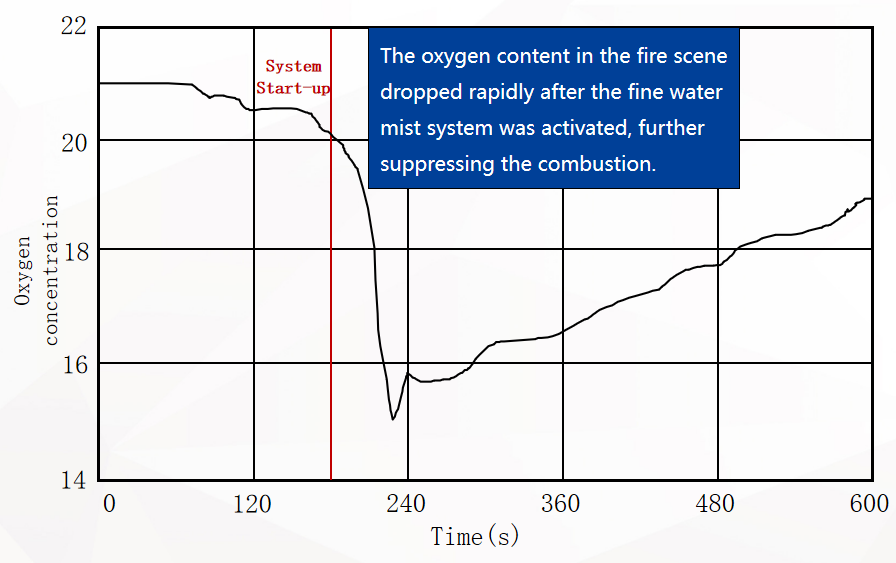
100% water, no harmful chemicals. Oxygen concentration around fire drops to ~15% while ambient stays 20-21% — safe for personnel.
Excellent Electrical Insulation
Proven by live 1800VDC transformer test: water mist does not cause short circuits, protects sensitive electronics.
Smoke & Toxin Scrubbing
Fine droplets bind with smoke particles, absorb HCL/HF gases, improving visibility and reducing toxic hazards.
Minimal Water Damage
Only 5-10% water volume of traditional sprinklers. No flooding, no secondary corrosion, quick recovery.
Why Engineers Choose Water Mist Over Sprinklers
Superior fire control with unparalleled safety and minimal environmental impact
Lifecycle Cost Savings
Smaller water tanks, lighter piping, no chemical refills, and reduced structural reinforcement offset initial investment.

Low Maintenance
No pressurized cylinders, no agent replacement. Water self-lubricated pumps = maintenance-free operation.
Business Continuity
Minimal water damage means faster recovery after discharge. No flooding of sensitive equipment.
Personnel Safety
Oxygen levels remain safe (>19% outside fire zone), no toxic byproducts, smoke scrubbing improves evacuation.
Water Mist System Technical Insights
-
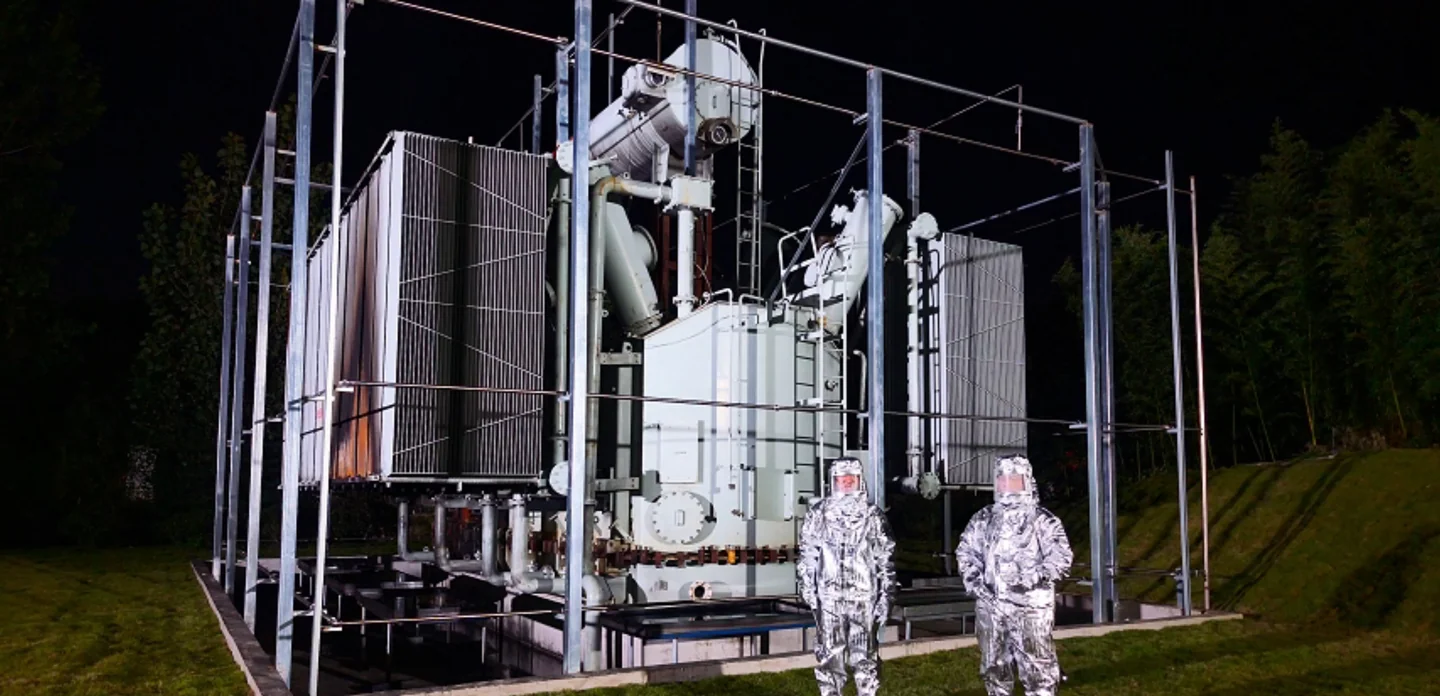
Water Mist Fire Suppression for Transformers: What the Test Shows
Water mist can suppress certain transformer oil fires when the system is tested for the hazard. Explore the test footage, nozzle coverage and evidence needed before specifying a system.
-
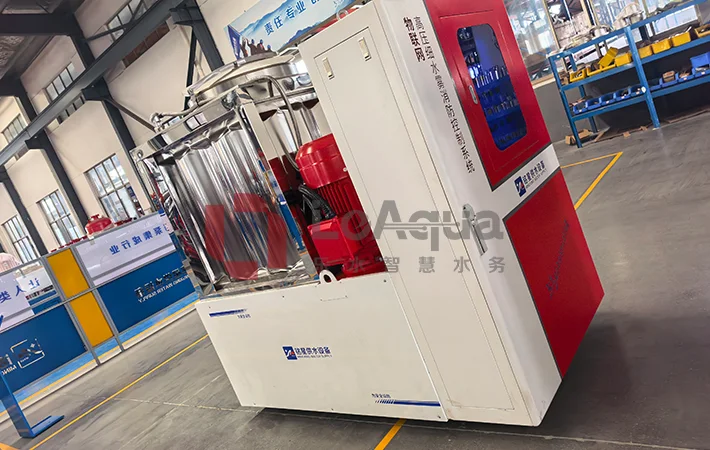
How to Select Water Mist Nozzles for a Fire Suppression System
Learn how to select water mist nozzles by hazard, pressure, flow, coverage, obstructions, water quality and approval requirements.
-
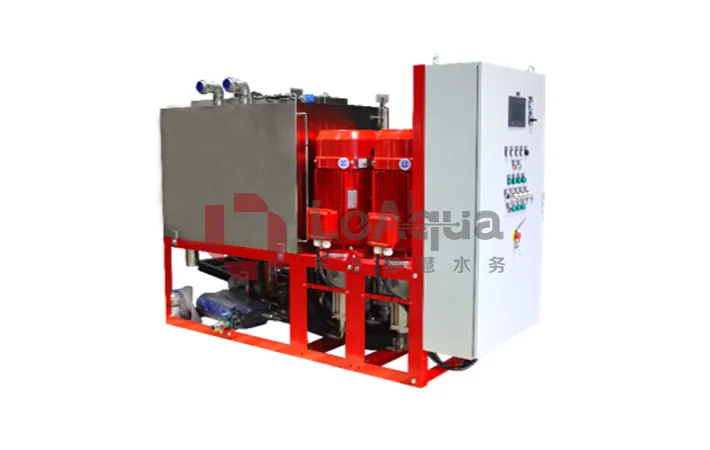
High-Pressure Water Mist Water Supply: Tank and Pump Guide
A high-pressure water mist system needs more than a pump and a nozzle network. Its water supply must provide suitable water quality, usable storage, reliable filtration, stable pressure, coordinated pump operation and clear monitoring. If any one of these interfaces is treated as an afterthought, the…
-
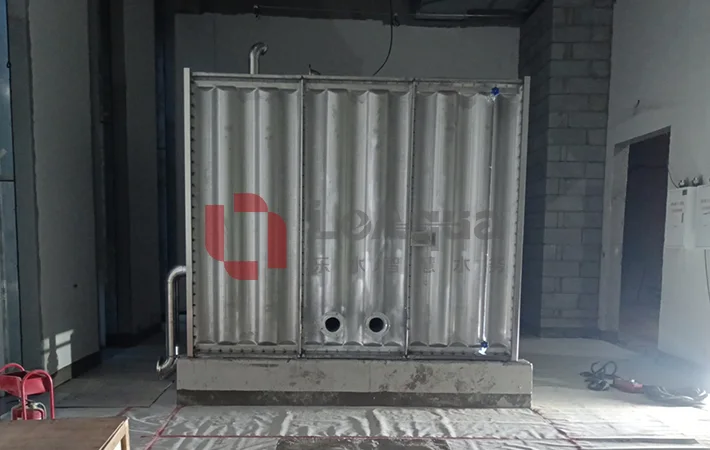
Water Mist System Commissioning: What Should Be Checked Before Handover?
Completing the installation of a water mist system does not mean the system is ready for service. Before handover, the project team must confirm that the installed equipment matches the approved design, operates correctly and communicates with the building’s fire alarm and control systems. Water mist…
-
Water Mist for Archives and Museums: Design Guide | LeAqua
Water Mist Fire Protection for Archives and Museums Archive and museum fire protection requires a careful balance. A fire must be controlled quickly, but the suppression system should not create unnecessary damage to documents, exhibits, historic interiors or sensitive equipment. Water mist may be considered for…
-
Water Mist vs Sprinkler Systems: How Should Projects Choose?
When a project team evaluates fire protection systems, water mist and sprinkler systems are often considered for the same facility. However, they are not interchangeable solutions. The right choice depends on the fire risk, enclosure, fuel type, water supply, ventilation, approval requirements, maintenance plan and project…