Water Tank News & Technical Insights
Latest Insights in Water Storage Tank Engineering & Modular Storage Solutions
Why Modular Composite Water Tanks Simplify Modern Construction
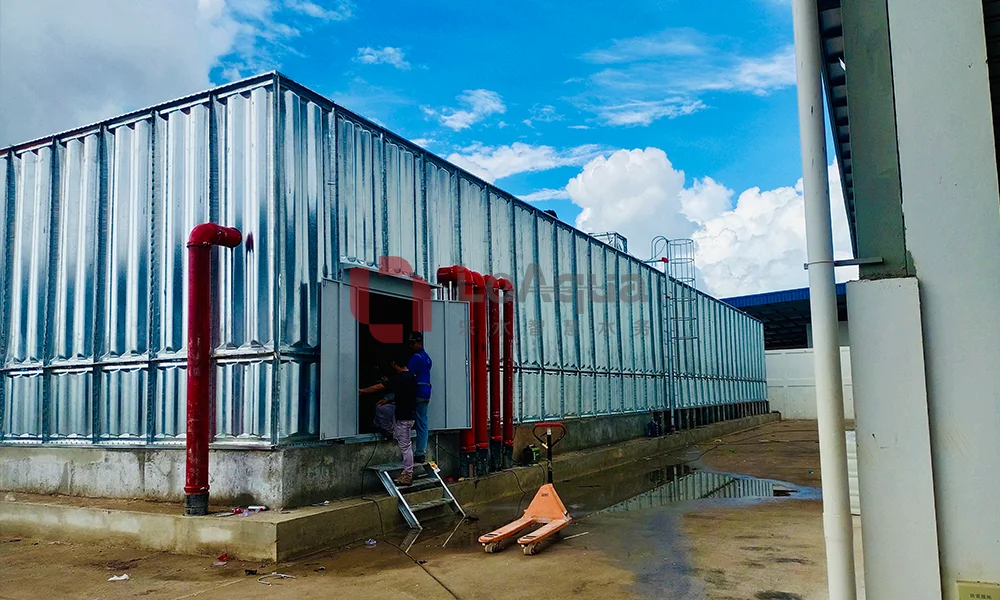
Construction projects today face increasing pressure to reduce installation time, improve quality control, and make better use of available space. Whether developing a commercial complex, municipal water supply system, industrial facility, or integrated pump station, project owners are expected to deliver reliable infrastructure while controlling both construction schedules and long-term operating costs. As a result, engineers are paying greater attention not only to the performance of a water tank after installation, but also to how efficiently it can be designed, transported, assembled, and maintained throughout its lifecycle. This shift has accelerated the adoption of modular composite water tanks, which combine…
Underground Water Tank Design: 5 Engineering Factors You Should Never Ignore
Underground water tanks have become an increasingly popular solution for commercial buildings, municipal infrastructure, industrial facilities, and integrated pump stations where efficient land use is a priority. Unlike above-ground installations, underground systems make full use of the available space by placing the water storage structure beneath the surface. Once installation is complete, the surrounding area can often be restored for roads, parking areas, landscaped spaces, or other functional uses, allowing valuable land resources to be utilized more effectively. However, placing a water tank underground introduces engineering challenges that differ significantly from those of above-ground installations. In addition to storing water…
How to Choose the Right Water Tank for Your Project
Selecting a water tank is not simply a matter of choosing a material or comparing storage capacity. Modern water storage projects involve a wide range of engineering considerations, including structural design, installation conditions, maintenance accessibility, lifecycle performance, future expansion, and the operational objectives of the entire water supply system. Whether the project serves a commercial building, municipal infrastructure, an industrial facility, a fire protection network, or an underground installation, the water tank becomes an essential part of the overall engineering system. Many first-time buyers begin by asking questions such as: Which water tank is the best? Which material lasts the…
How Long Does a Stainless Steel Water Tank Last? A Complete Engineering Guide
One of the most common questions asked by engineers, contractors, facility managers, and project owners is: How long does a stainless steel water tank actually last? It is a reasonable question because a water tank is not a short-term investment. Whether it serves a commercial building, a municipal water supply system, an industrial facility, or a fire protection network, it is expected to provide reliable performance for many years. However, there is no universal answer. Contrary to what many marketing articles suggest, the lifespan of a stainless steel water tank cannot be defined by a single number. A properly engineered…
Stainless Steel Water Tank vs Concrete Water Tank: Which Solution Fits Your Project?
Water storage has always been a fundamental part of municipal infrastructure, commercial buildings, industrial facilities, and fire protection systems. For decades, reinforced concrete water tanks were considered the standard solution for storing large volumes of water. Their permanent structure and familiarity made them a common choice for many infrastructure projects. However, construction methods and project requirements have changed significantly. Today, engineers are expected to balance installation schedules, land utilization, maintenance accessibility, lifecycle performance, and operational flexibility in addition to storage capacity. As a result, stainless steel water tanks have become increasingly common across a wide range of applications. Rather than…
Composite Water Tank vs Stainless Steel Water Tank: Understanding the Engineering Differences
Selecting a water storage system is no longer as simple as choosing a tank with sufficient capacity. Modern infrastructure projects require solutions that balance structural performance, long-term reliability, maintenance requirements, construction efficiency, and overall lifecycle value. Among the many options available today, stainless steel water tanks and composite water tanks are two of the most frequently discussed solutions. Although they appear similar from the outside, their engineering concepts, structural composition, and typical applications can differ significantly. One point should be clarified before making any comparison. Throughout this article, the term Composite Water Tank refers specifically to a stainless steel composite…
Composite Water Tanks for Long-Term Infrastructure: Why More Projects Are Making the Switch
Infrastructure projects are expected to operate reliably for decades. As a result, selecting a water storage system is no longer based solely on initial construction requirements. Engineers and project owners increasingly evaluate how a solution will perform throughout its entire service life. This shift has contributed to growing interest in composite water tanks for commercial, municipal, and industrial applications. LeAqua develops modular composite water tank solutions designed to support reliable operation and practical long-term infrastructure planning. Water Storage Is Becoming a Long-Term Asset A water tank is no longer viewed simply as equipment. Instead, it is increasingly treated as a…
Can Vehicles Drive Over an Underground Water Tank? Engineering Considerations Explained
One of the most common questions asked during project planning is whether an underground water tank can safely support vehicle traffic after installation. The answer depends on engineering design rather than the tank alone. When an underground water tank is properly designed with an appropriate structural system, backfilling method, and reinforced concrete cover, the ground surface above the tank can be used for roads, parking areas, and other traffic applications according to the project’s engineering requirements. This approach allows valuable land to serve multiple purposes without sacrificing water storage capacity. LeAqua develops underground stainless steel water tank solutions for projects…
Underground Water Tank Planning: What Engineers Consider Before Installation
An underground water tank is often viewed simply as a water storage structure placed below ground. In reality, successful underground water storage begins long before construction starts. Site conditions, operational requirements, maintenance planning, and long-term infrastructure goals all influence how an underground water tank should be designed and installed. Understanding these factors early can improve project performance throughout its operational life. LeAqua develops underground stainless steel water tank solutions that emphasize practical engineering and long-term reliability. Site Conditions Shape Tank Design Every project presents unique conditions. Engineers commonly evaluate factors such as: Available installation area Ground conditions Surface loading Utility…
Why Underground Water Tanks Are Becoming Part of Modern Infrastructure
As cities continue to grow, available land becomes increasingly valuable. Modern developments are expected to balance functionality, aesthetics, and efficient land use while maintaining reliable utility infrastructure. These changing priorities have contributed to the growing adoption of underground water tanks across commercial, municipal, residential, and industrial projects. Rather than occupying valuable surface space, an underground water tank allows water storage to become an integrated part of the site’s infrastructure without affecting above-ground activities. LeAqua develops underground stainless steel water tank solutions designed to support practical engineering and long-term infrastructure planning. Water Storage Is No Longer Limited to Surface Installations Traditional…
Why Stainless Steel Water Tanks Are Becoming a Long-Term Infrastructure Choice
Water storage decisions are changing. In the past, selecting a water tank was often treated as a straightforward engineering task—calculate the volume, determine the installation location, and choose a suitable structure. Today, project requirements have evolved. Water storage systems are increasingly expected to support long-term operation, adapt to changing demands, and integrate with broader infrastructure environments. Because of this shift, stainless steel water tanks continue to gain attention across commercial, industrial, municipal, and utility projects. LeAqua develops stainless steel water tank solutions designed to support practical implementation and long-term operational performance. Water Storage Is No Longer a Standalone Decision Modern…
Why More Facilities Are Evaluating High Pressure Water Mist Systems
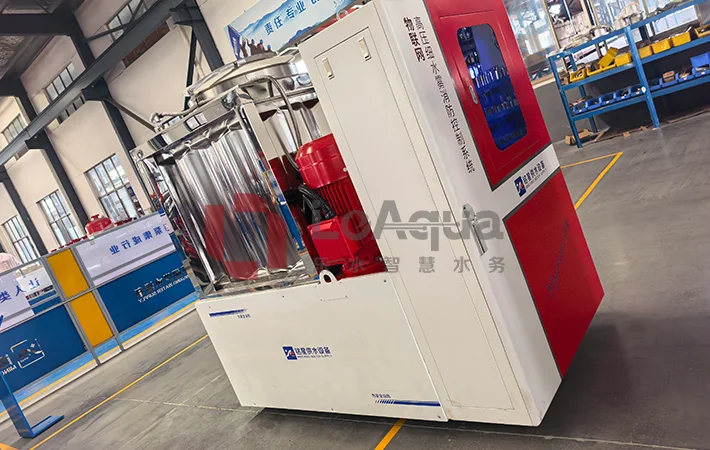
Fire protection systems continue to evolve as facilities demand higher operational continuity and more adaptable protection strategies. Among the technologies receiving increasing attention is high pressure water mist. Rather than relying solely on traditional approaches, many projects now evaluate how water mist systems fit into broader fire protection and infrastructure objectives. LeAqua develops water mist solutions intended to support practical application and modern operational requirements. Fire Protection Requirements Continue to Change Modern facilities often face new challenges: Higher equipment density Reduced downtime tolerance More integrated building systems Increased operational continuity requirements These changes influence how fire protection infrastructure is planned.…
Water Tank Selection Is Changing: What Modern Projects Prioritize Today
For many years, selecting a water tank was considered a relatively straightforward engineering decision. Capacity was calculated. Installation space was confirmed. The tank was selected. Today, water infrastructure projects have become significantly more complex. Project owners increasingly view a water tank as part of a broader operating environment rather than simply a storage component. This shift is changing how water storage systems are evaluated and implemented. LeAqua develops water storage solutions intended to support long-term operational performance and practical infrastructure planning. Water Storage Is Becoming Infrastructure Modern facilities depend on reliable water storage for more than reserve capacity. Water tanks…
What Project Owners Often Miss When Selecting a Bolted Water Tank
Water storage selection is often treated as a specification exercise. Capacity is defined. Dimensions are approved. Procurement moves forward. However, experienced project teams understand that successful water storage projects depend on decisions made long before installation begins. Bolted water tanks continue to gain attention because they allow project teams to think beyond basic equipment selection. LeAqua develops bolted water tank solutions intended to support practical project execution and reliable operation. Selection Risk Often Appears Later Many water storage decisions focus on immediate requirements. Yet long-term challenges frequently emerge in areas such as: Installation access Equipment coordination Maintenance planning Future operational…
Why Bolted Water Tanks Work Well in Integrated Water Systems
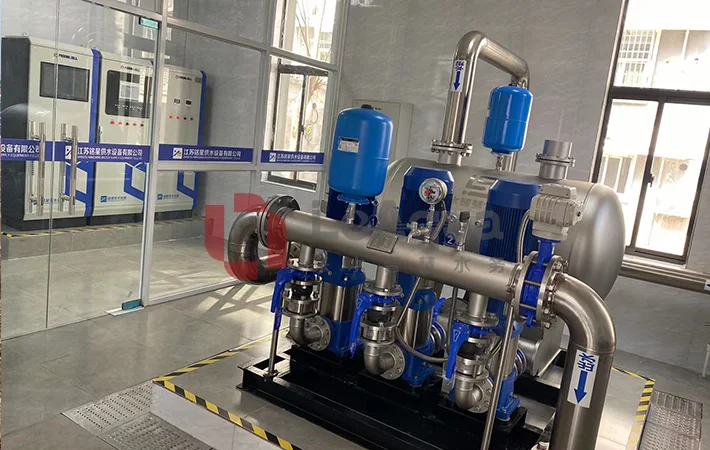
Water storage is no longer treated as an isolated piece of equipment. Modern infrastructure increasingly combines storage, pumping, monitoring, and distribution into a connected operating environment. As this transition continues, project owners are placing greater attention on how water storage integrates into the overall system. This change has contributed to growing interest in bolted water tank solutions. LeAqua develops bolted water tank systems designed to support coordinated infrastructure planning and reliable long-term operation. Water Tanks Are Becoming Part of Larger Systems Historically, water tanks were often installed as standalone facilities. Today, water storage frequently operates alongside: Booster equipment Distribution systems…