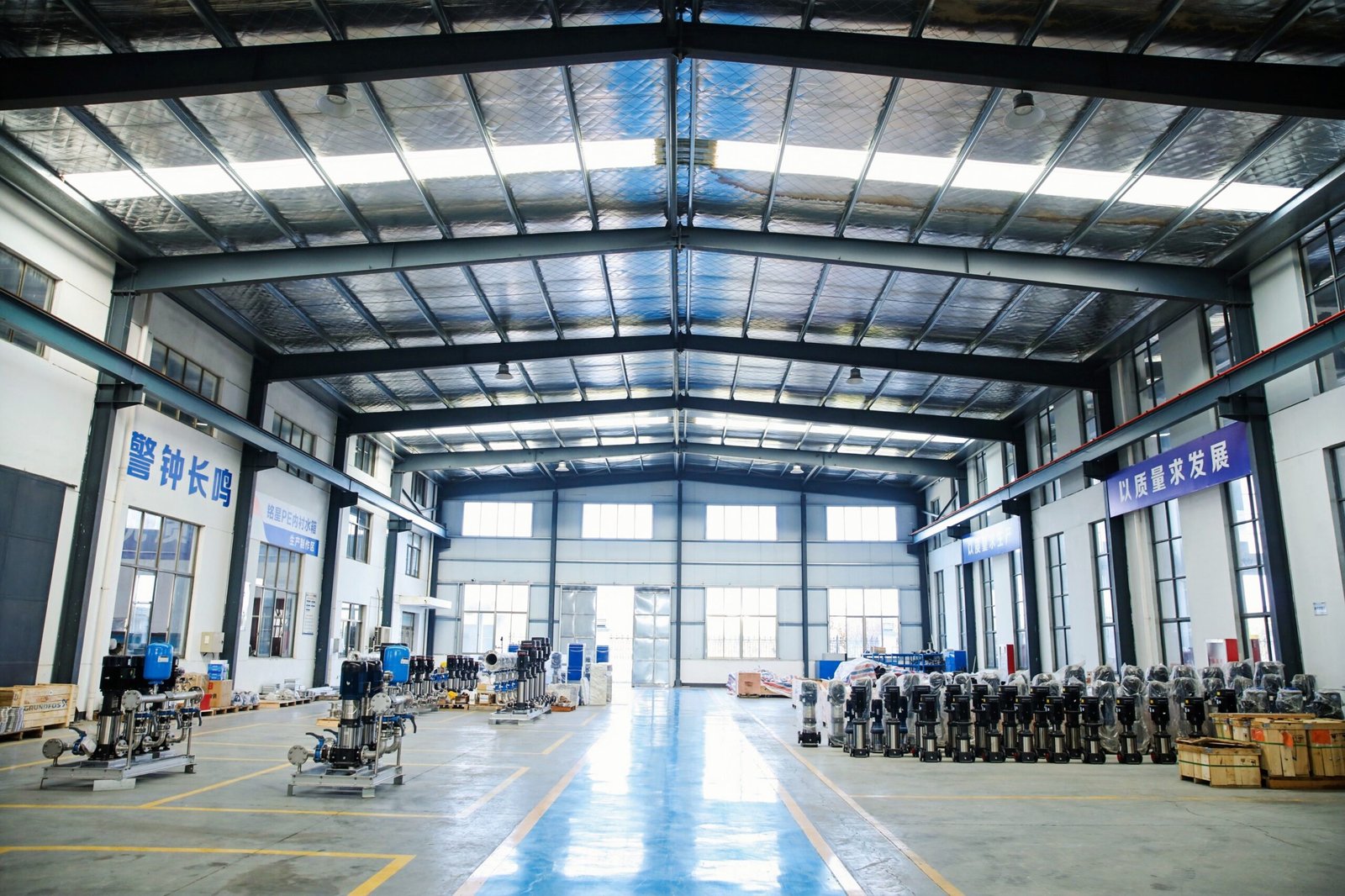
Infrastructure projects are expected to operate reliably for decades.
As a result, selecting a water storage system is no longer based solely on initial construction requirements. Engineers and project owners increasingly evaluate how a solution will perform throughout its entire service life.
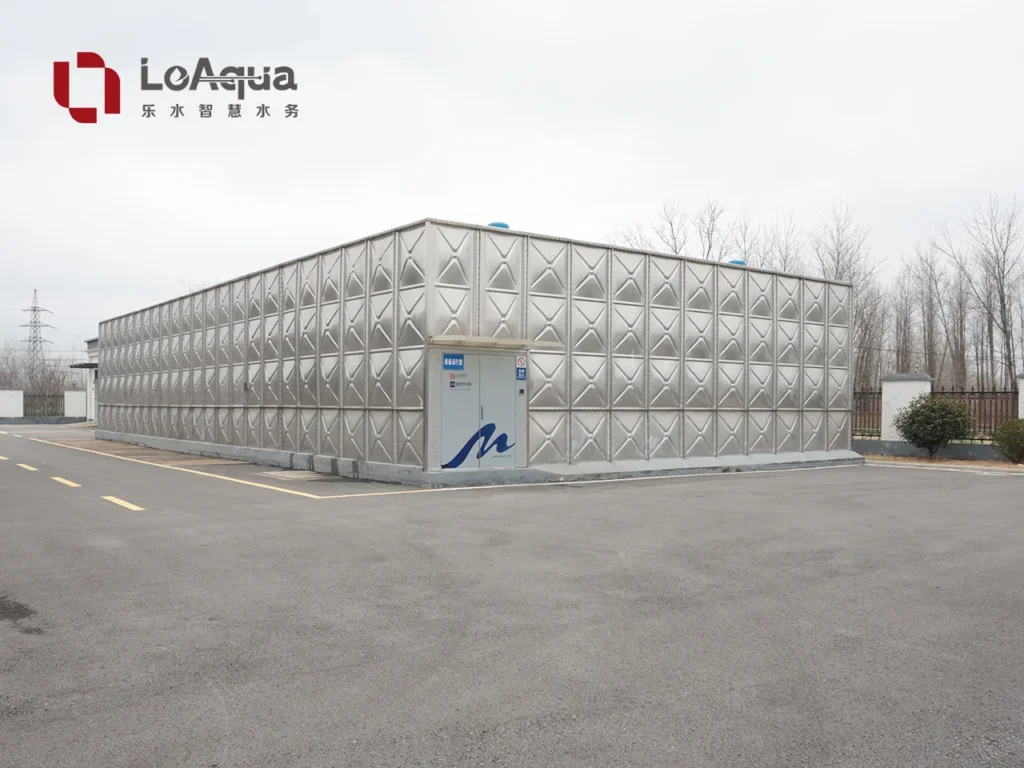
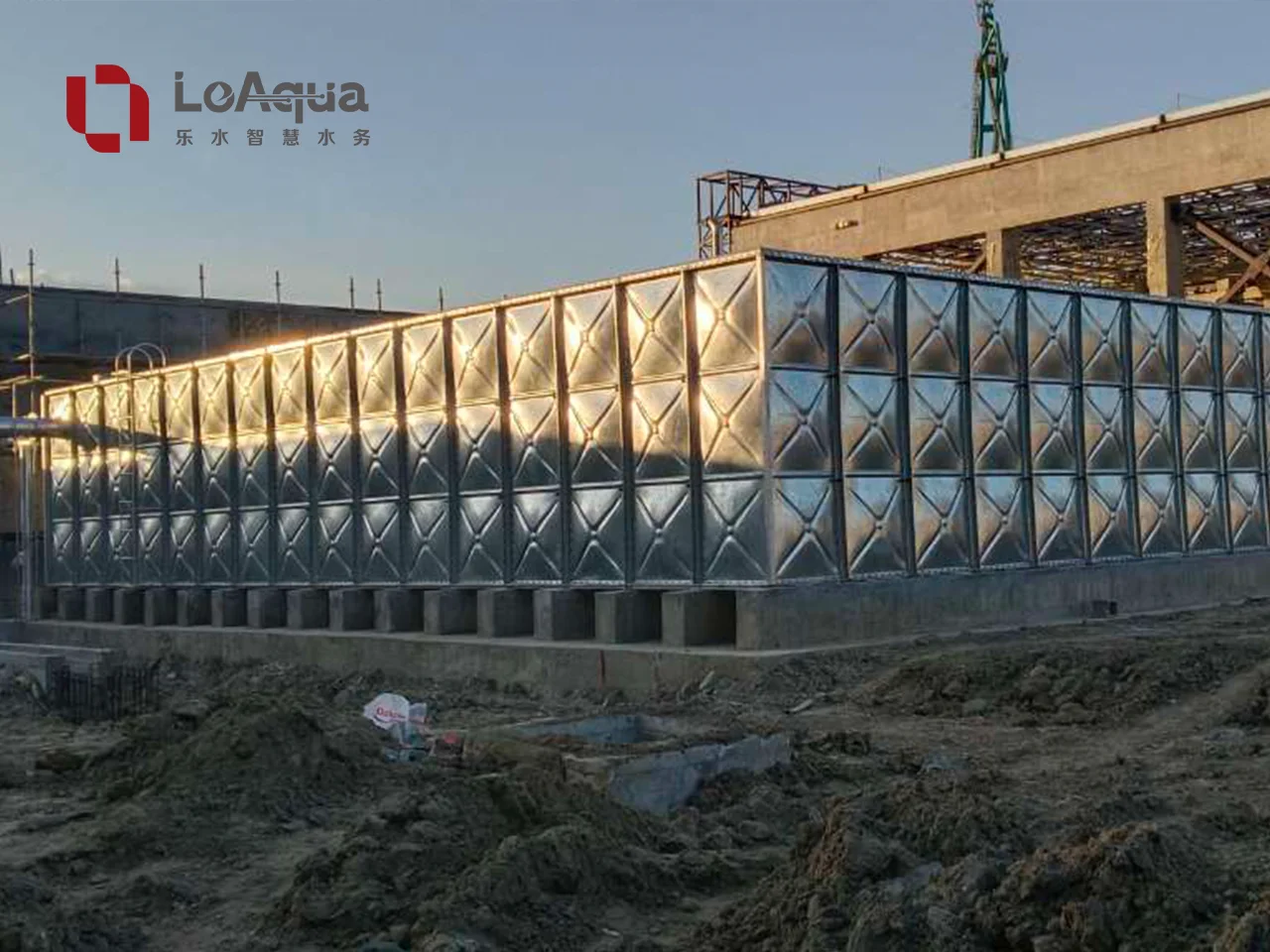
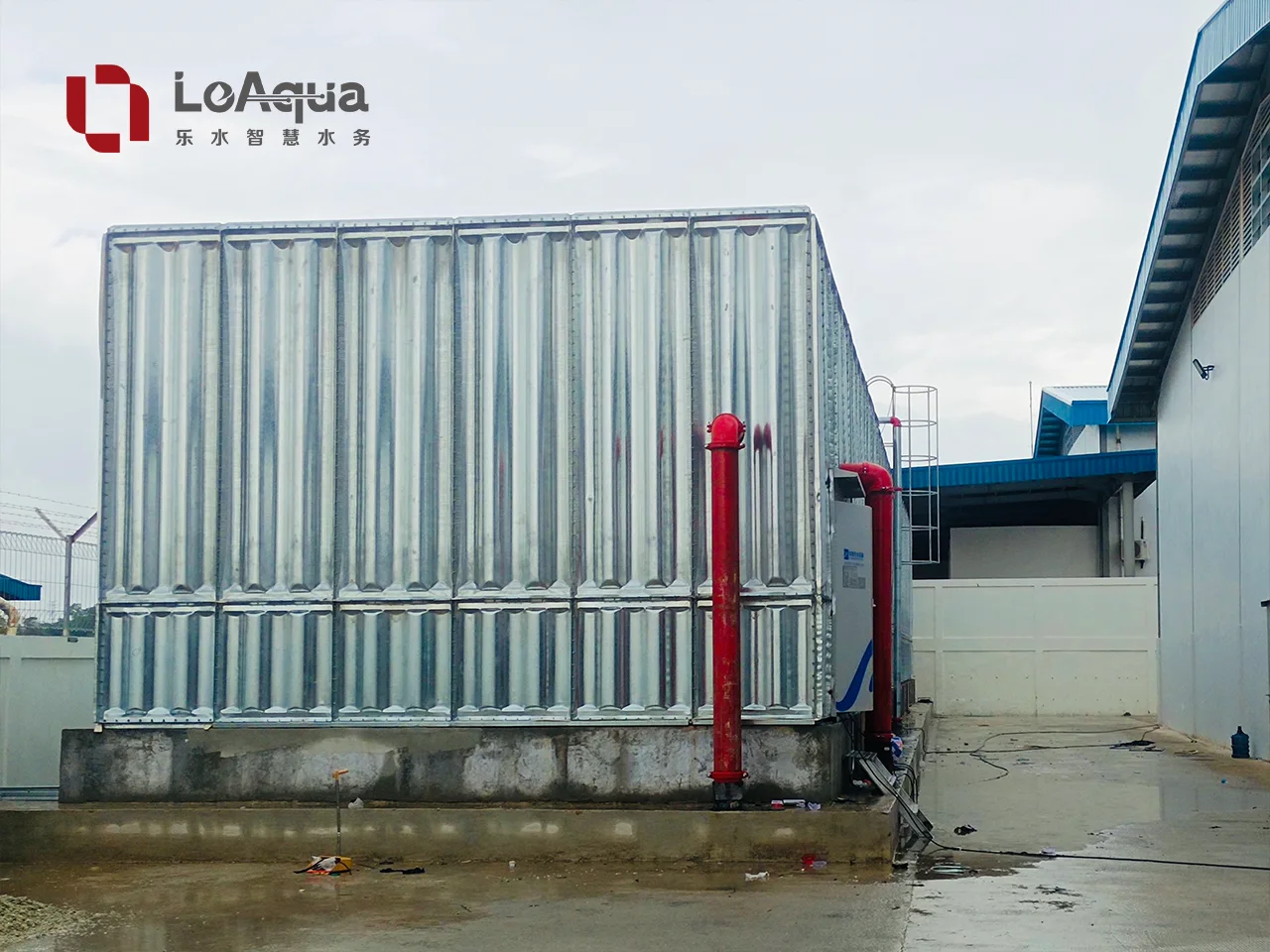
This shift has contributed to growing interest in composite water tanks for commercial, municipal, and industrial applications.
LeAqua develops modular composite water tank solutions designed to support reliable operation and practical long-term infrastructure planning.
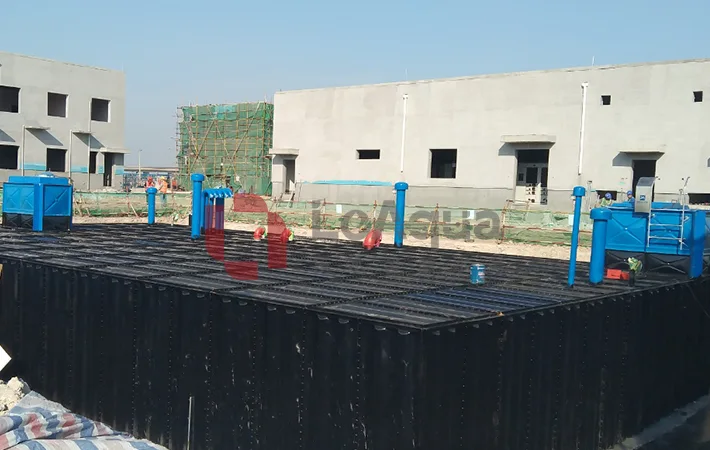
Water Storage Is Becoming a Long-Term Asset
A water tank is no longer viewed simply as equipment.
Instead, it is increasingly treated as a long-term infrastructure asset that supports the daily operation of buildings, utilities, and industrial facilities.
This changes how project teams evaluate water storage systems.
Common considerations include:
- Operational reliability
- Structural durability
- Maintenance planning
- Adaptability to future requirements
- Overall lifecycle value
Composite water tanks continue to gain attention because they align well with these long-term objectives.
Modular Design Supports Changing Project Needs
Modern infrastructure rarely remains unchanged.
Water demand may increase.
Facilities may expand.
Operational layouts may evolve.
A modular composite water tank provides flexibility by allowing engineers to configure storage capacity according to project requirements while supporting future adaptation when necessary.
This approach helps project owners plan beyond immediate construction needs.
Practical Performance Across Different Applications
Composite water tanks are widely used in a variety of environments, including:
- Commercial buildings
- Residential developments
- Municipal water supply
- Industrial facilities
- Public infrastructure
Their versatility allows them to support projects with different operating conditions while maintaining consistent water storage performance.
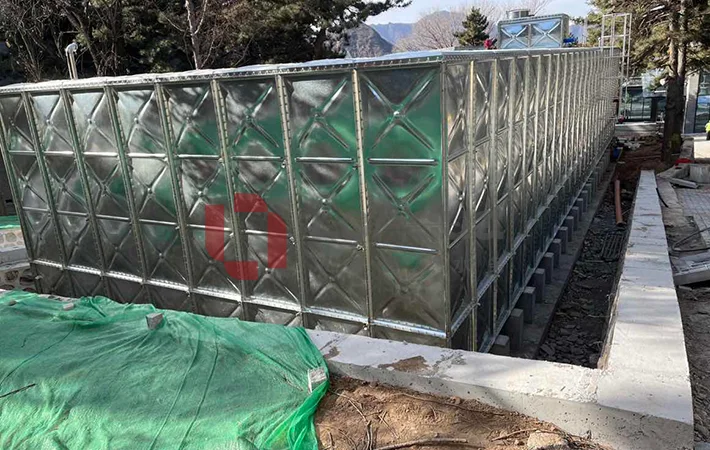
Looking Beyond Installation
Successful water storage projects depend on more than construction quality.
Long-term performance is influenced by planning, engineering, inspection, and maintenance throughout the service life of the system.
LeAqua approaches composite water tank development with attention to practical engineering, operational usability, and sustainable infrastructure performance.
Conclusion
As infrastructure projects place greater emphasis on long-term value, composite water tanks continue to become an increasingly attractive solution.
By combining modular engineering with dependable water storage performance, they help support the evolving needs of modern commercial, municipal, and industrial developments.