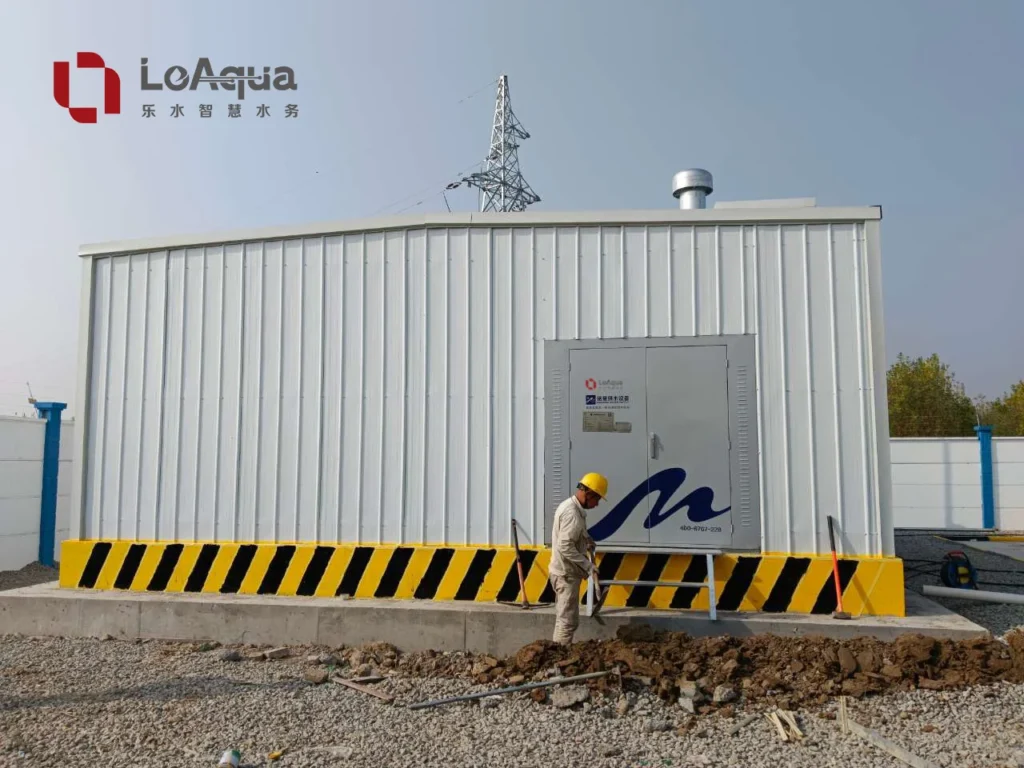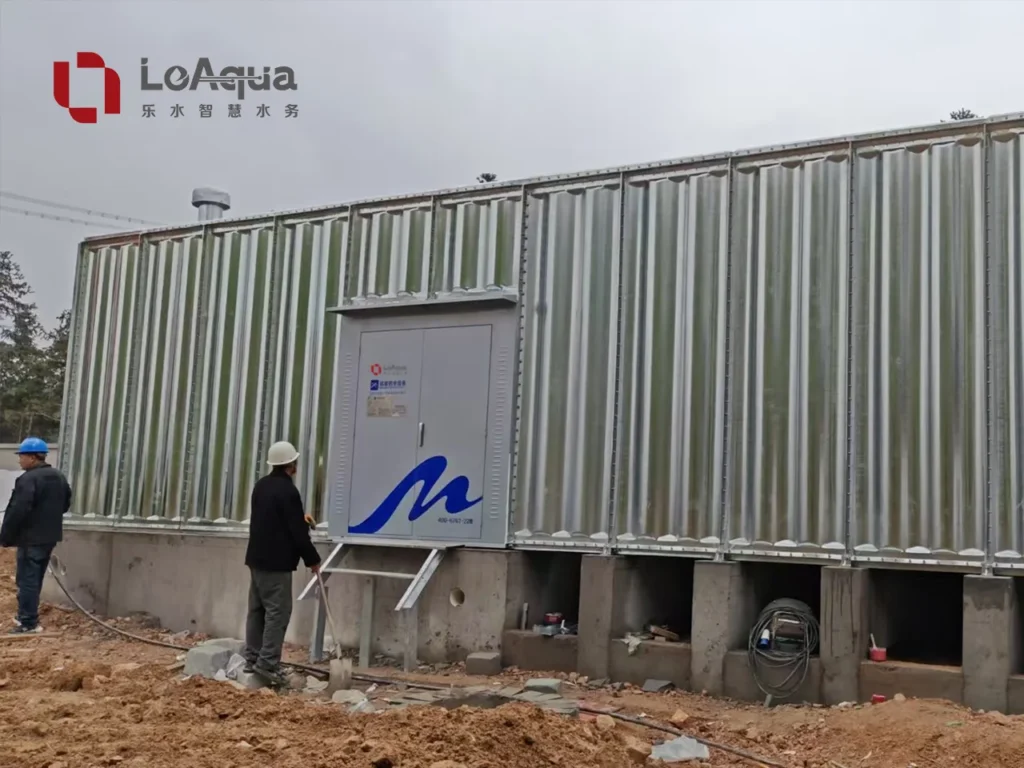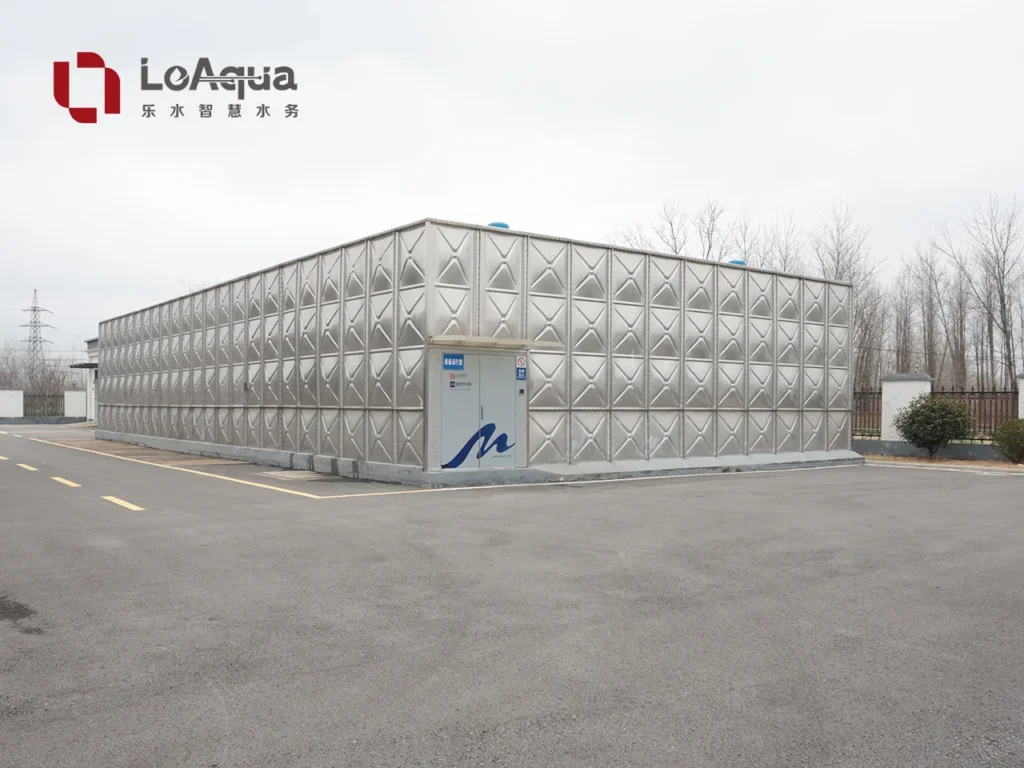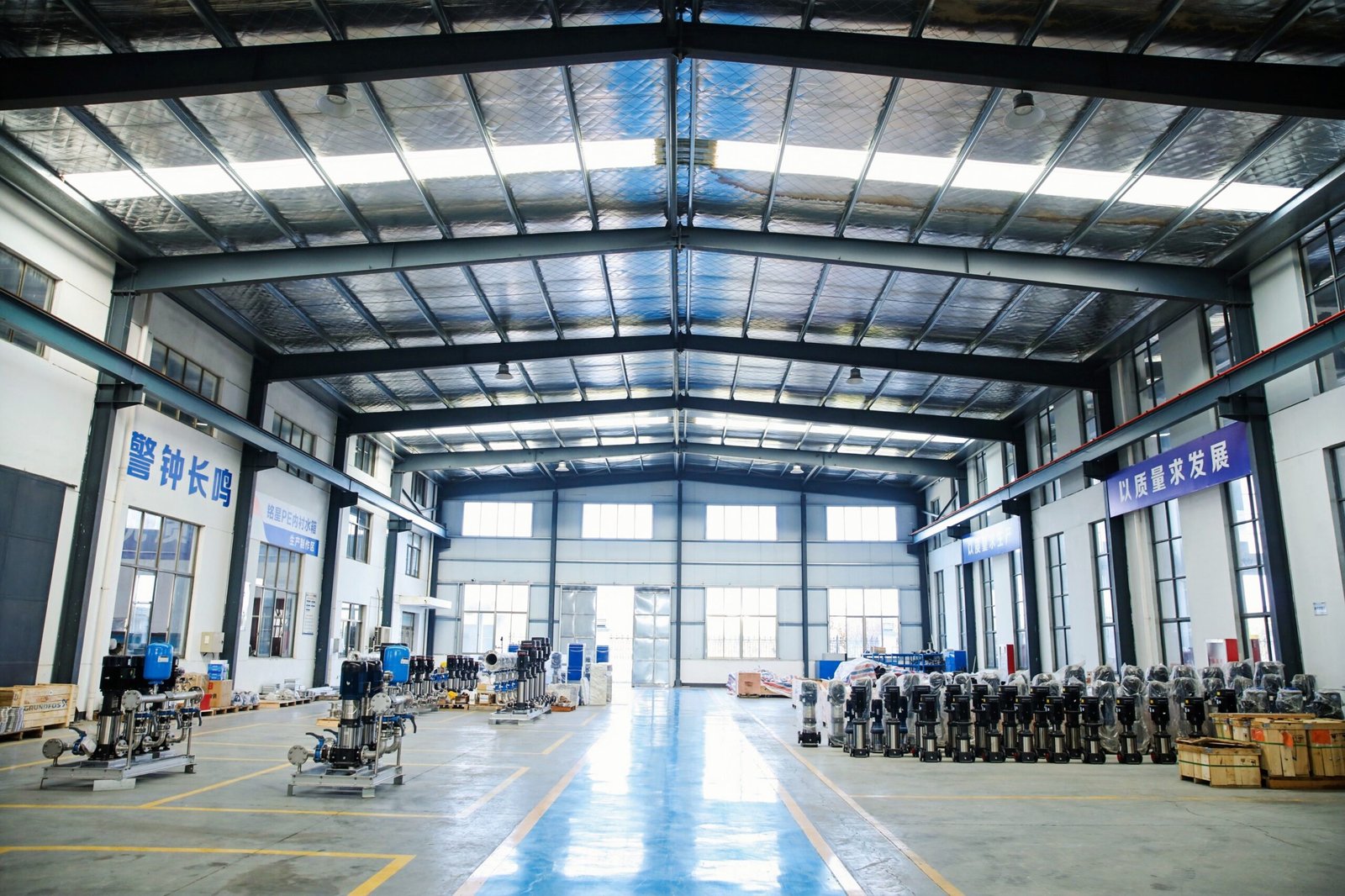
One of the most common questions asked during project planning is whether an underground water tank can safely support vehicle traffic after installation.
The answer depends on engineering design rather than the tank alone.
When an underground water tank is properly designed with an appropriate structural system, backfilling method, and reinforced concrete cover, the ground surface above the tank can be used for roads, parking areas, and other traffic applications according to the project’s engineering requirements.
This approach allows valuable land to serve multiple purposes without sacrificing water storage capacity.
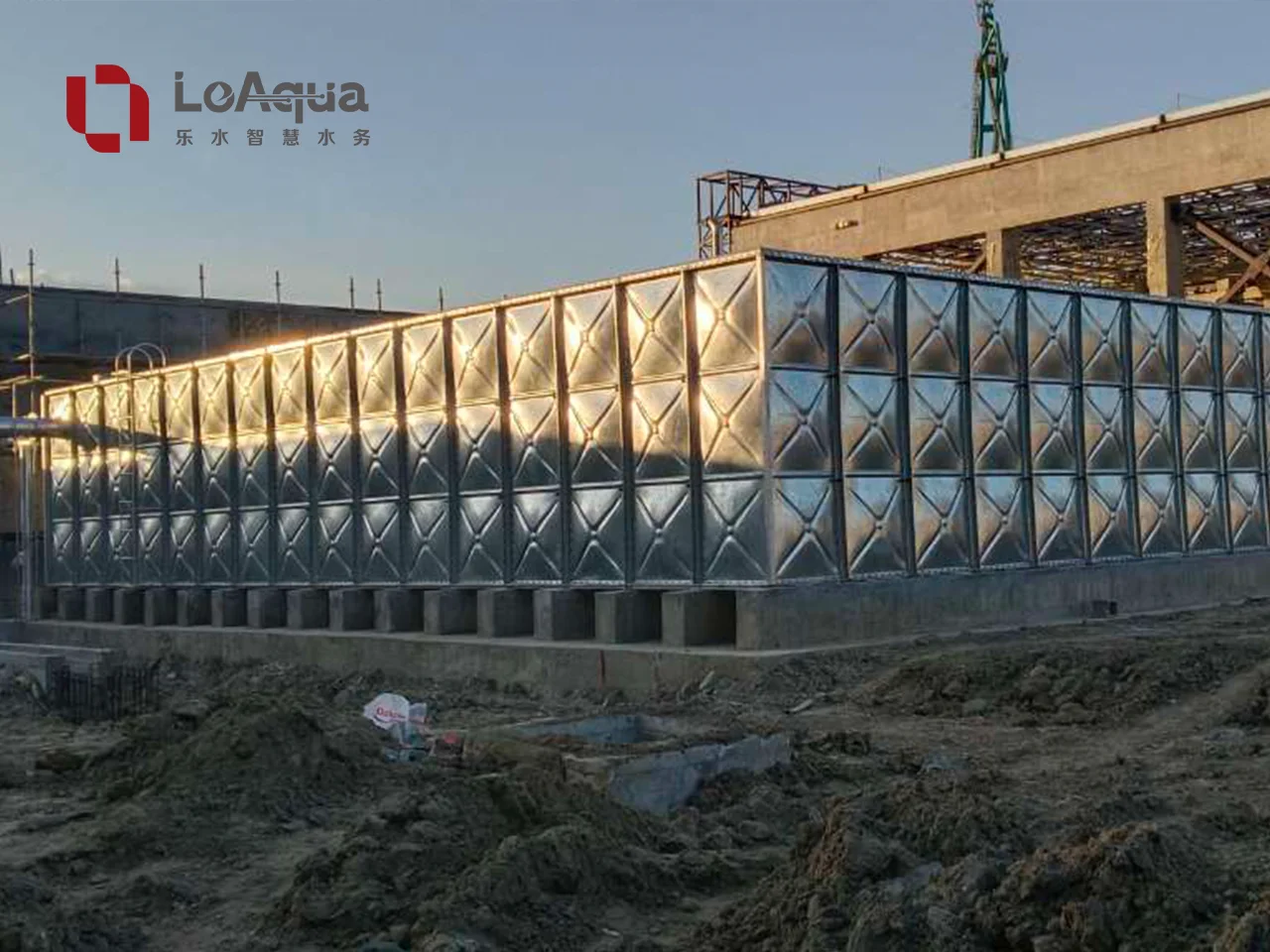
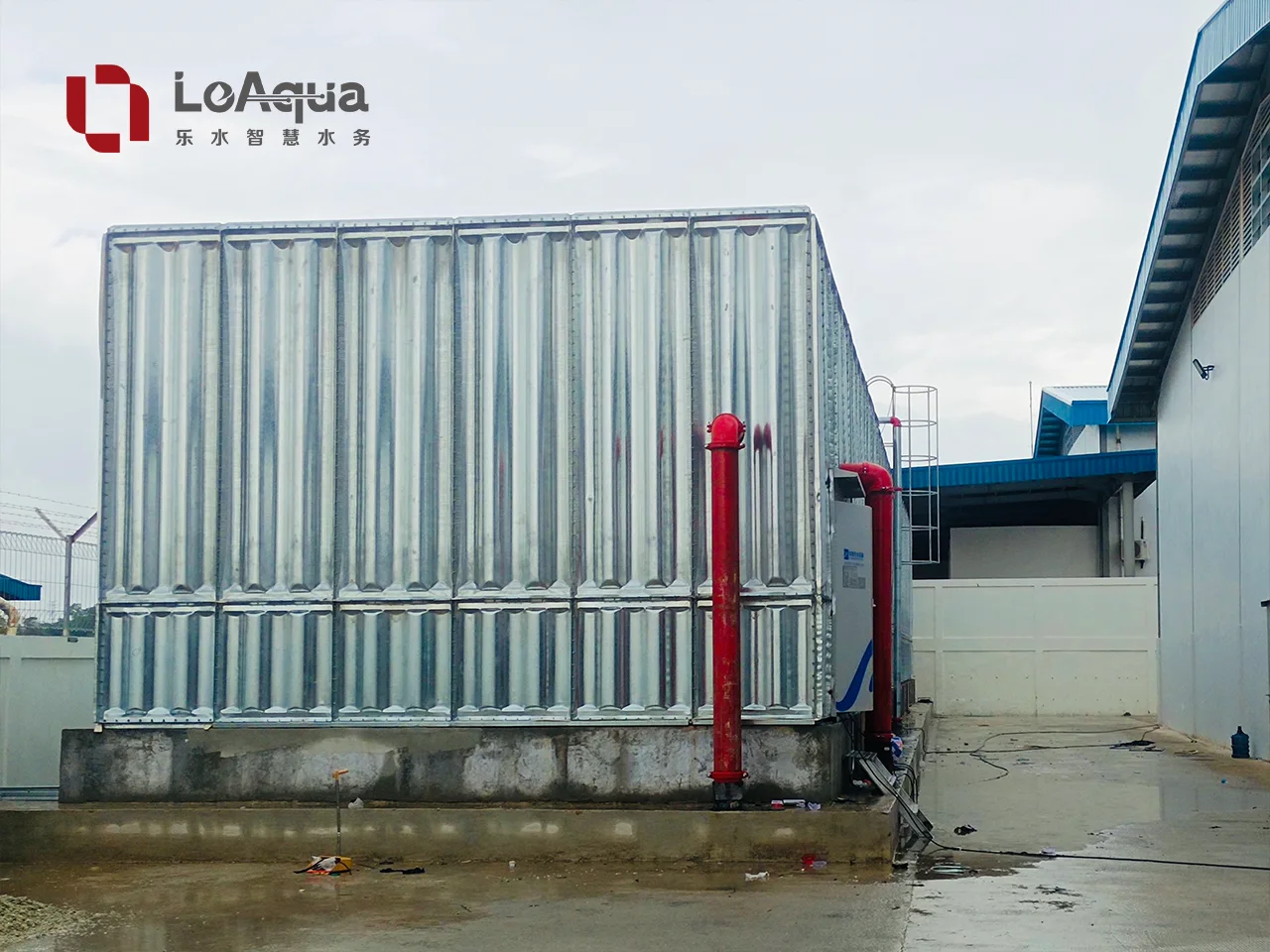
LeAqua develops underground stainless steel water tank solutions for projects that require efficient land utilization and dependable long-term performance.
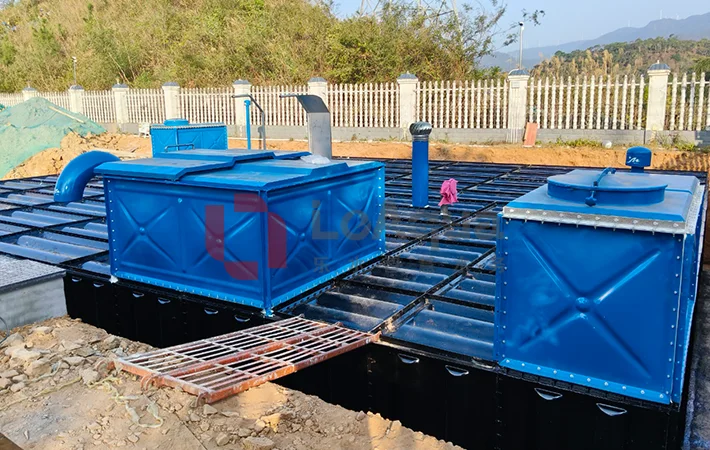
Underground Water Storage Maximizes Surface Space
In many urban and industrial developments, every square meter of land has value.
Instead of reserving large areas for above-ground water storage, underground installation allows the surface to remain available for daily operations.
Depending on project planning, the completed area above an underground water tank may be used for:
- Internal roads
- Parking areas
- Logistics routes
- Landscaped spaces
- Public activity areas
This helps improve overall site efficiency while maintaining reliable water storage.
Vehicle Loads Must Be Considered During Design
Supporting vehicle traffic is not achieved simply by burying a water tank underground.
Engineers evaluate several factors, including:
- Surface load requirements
- Soil conditions
- Reinforced concrete slab design
- Backfill specifications
- Structural load distribution
Each project should be designed according to its expected loading conditions to ensure long-term structural performance.
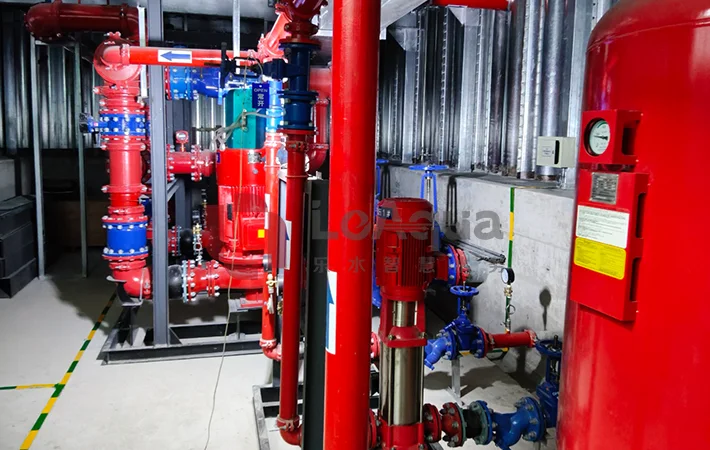
Engineering Practice Provides Valuable Experience
Successful infrastructure design is built on proven engineering practice.
Underground water tanks designed for traffic-bearing applications have been implemented in numerous commercial, municipal, and industrial projects.
These completed installations demonstrate that, when supported by proper structural engineering and construction methods, underground water storage can coexist with normal surface traffic while maintaining dependable operation over the long term.
LeAqua has participated in multiple underground water storage projects where engineered designs have successfully integrated water storage beneath functional site infrastructure.
Why Stainless Steel Remains a Practical Solution
For underground applications, project owners often consider long-term durability, maintenance accessibility, and operational reliability.
A stainless steel water tank provides a dependable water storage solution while supporting flexible infrastructure planning for modern developments.
Conclusion
An underground water tank can become an effective part of a multi-purpose site when the entire structural system is engineered correctly.
Rather than occupying valuable surface space, it allows roads, parking areas, and other facilities to coexist with reliable water storage, making it an increasingly attractive solution for modern infrastructure projects.