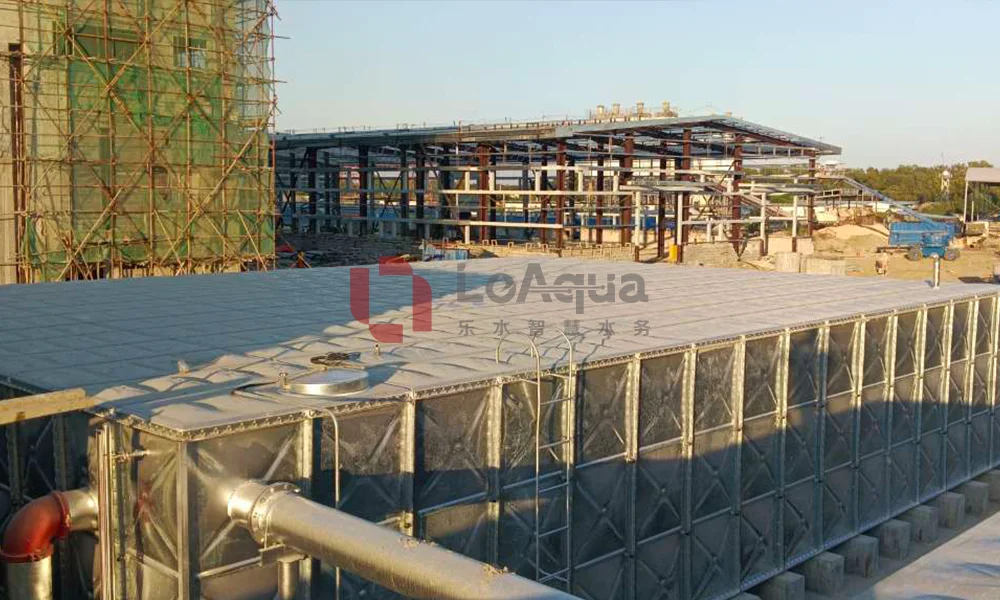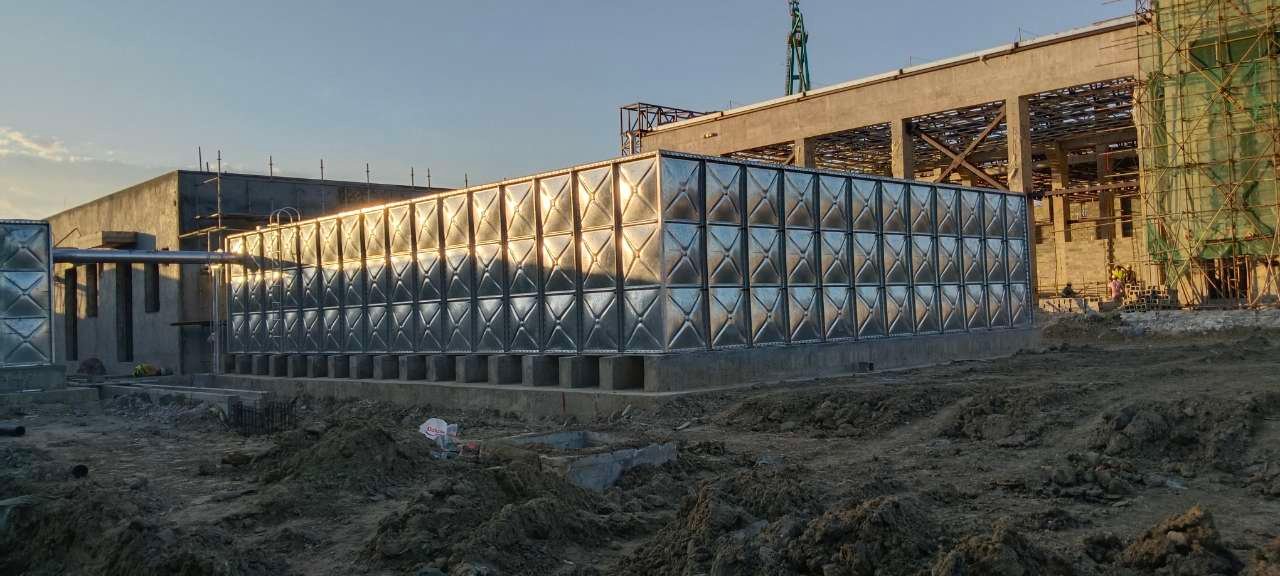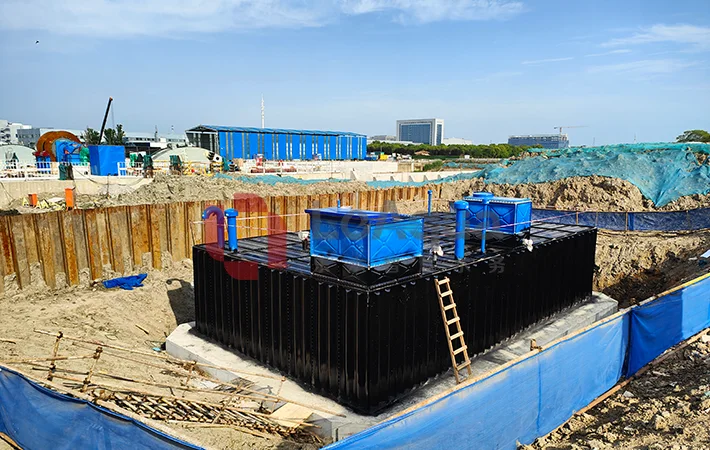
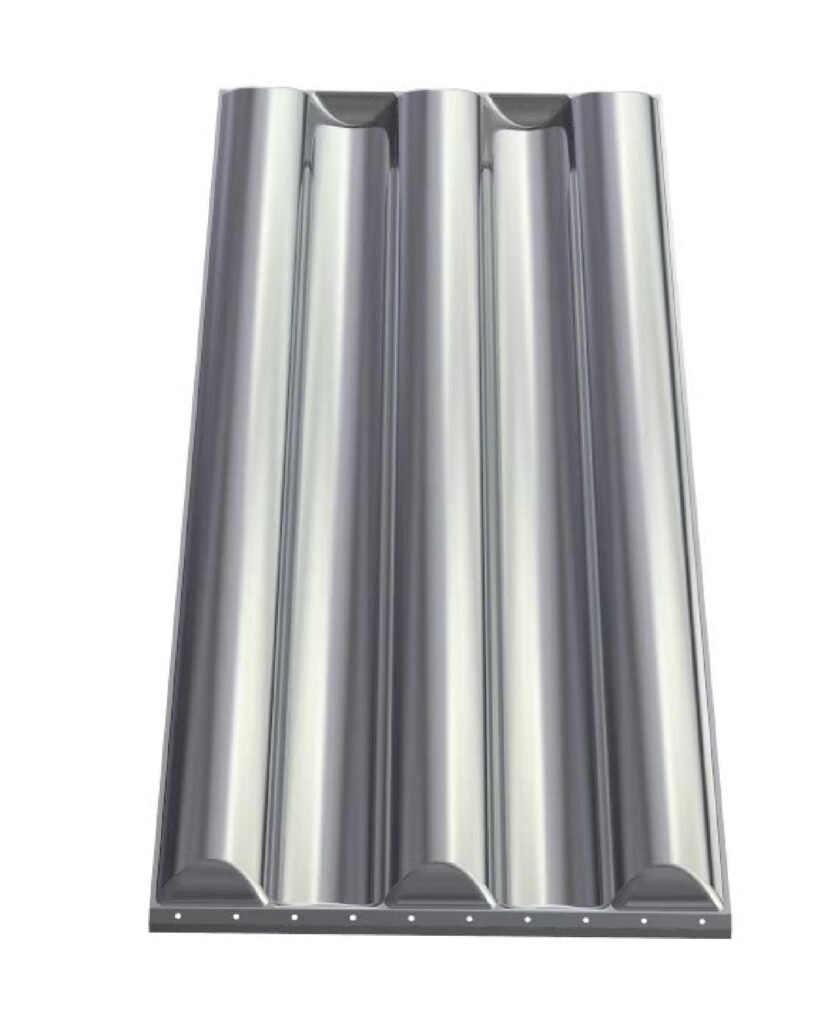
double sided rib reinforced water tank banner

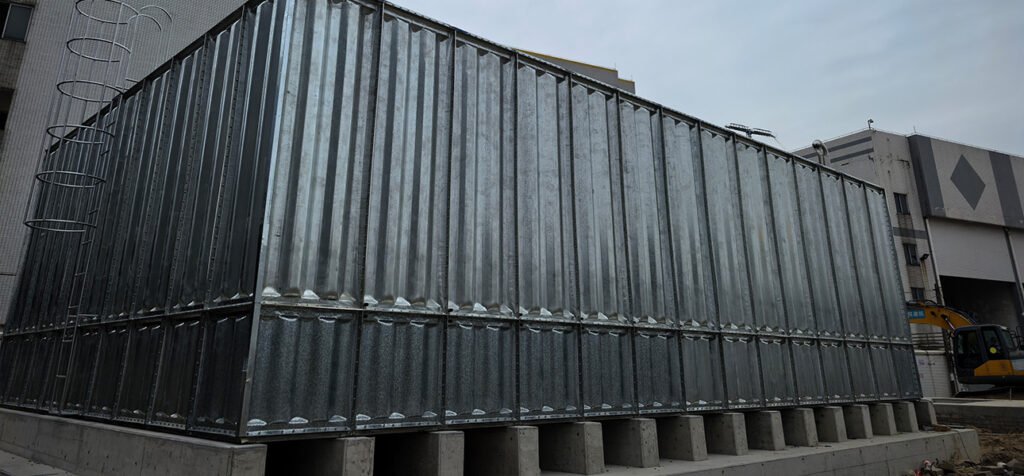
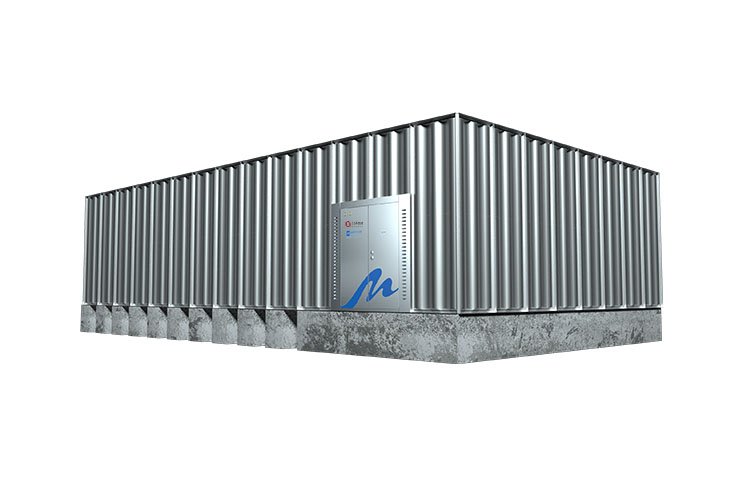
Double-sided Rib-Reinforced Water Tank

Introduction

  • Double-sided arc-rib panel structure for enhanced strength
  • One-time molded large panels without welding seams
  • High structural rigidity and deformation resistance
  • Simplified internal structure without horizontal tie-rods
  • Smooth curved rib design for better pressure distribution
  • Easy cleaning and maintenance
double sided rib reinforced water tank silder0
double sided rib reinforced water tank silder1
double sided rib reinforced water tank silder2
double sided rib reinforced water tank silder3
Previous slide
Next slide
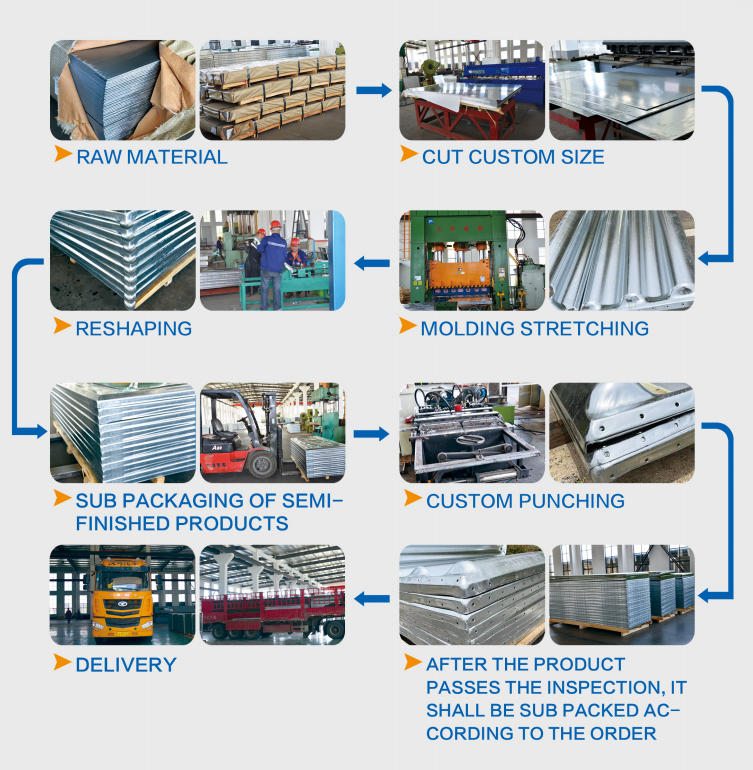
water tank processing
  • 1 m × 1 m
  • 1 m × 2 m
  • 1 m × 2.5 m
  • 1 m × 3.15 m
  • Reinforced concrete strip foundation or full concrete base
  • Level difference of foundation surface: ≤ 5 mm
  • Distance between two adjacent foundation centers: ≤ 1000 mm
  • Concrete foundation width: ≥ 240 mm
  • Foundation dimensions must match the tank layout design

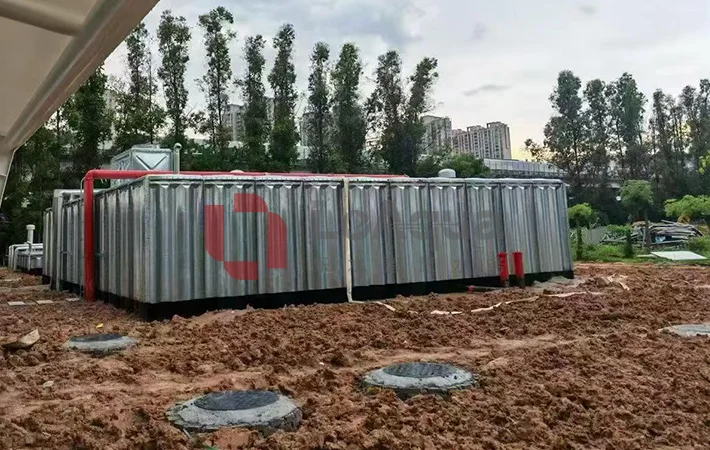
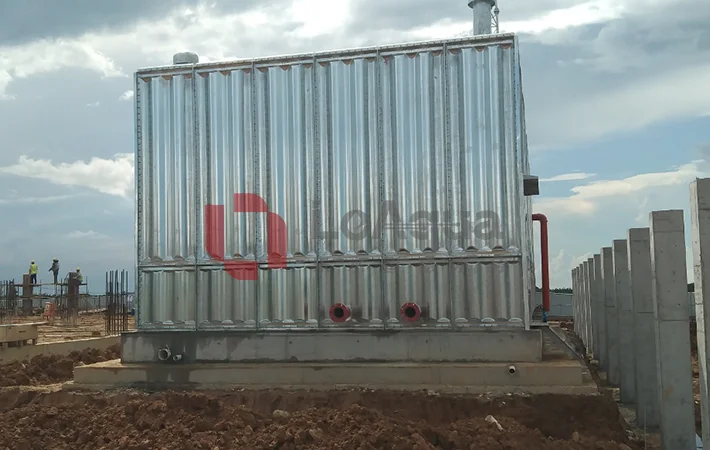
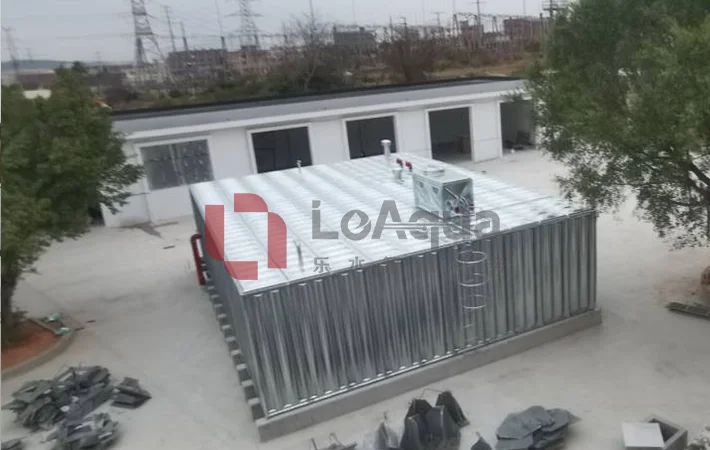
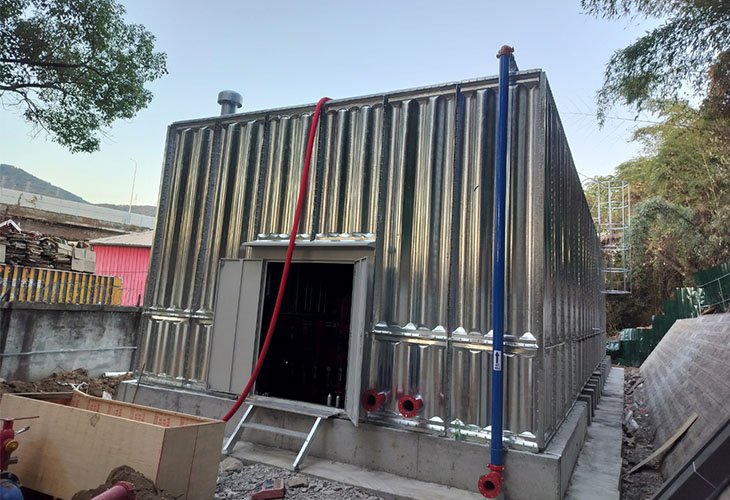
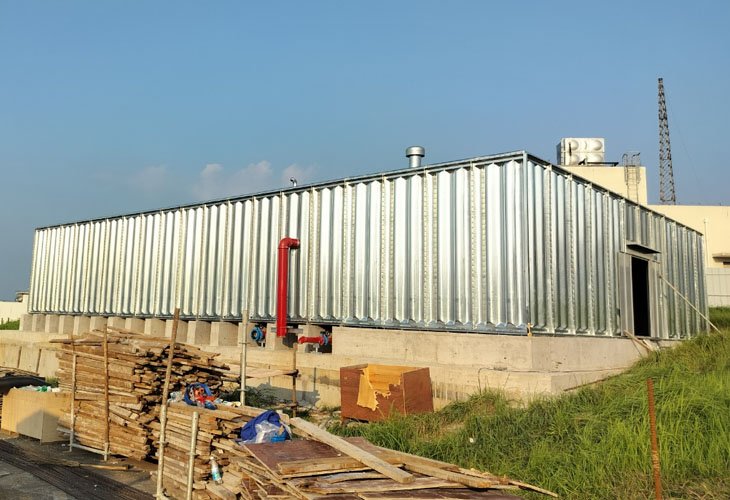
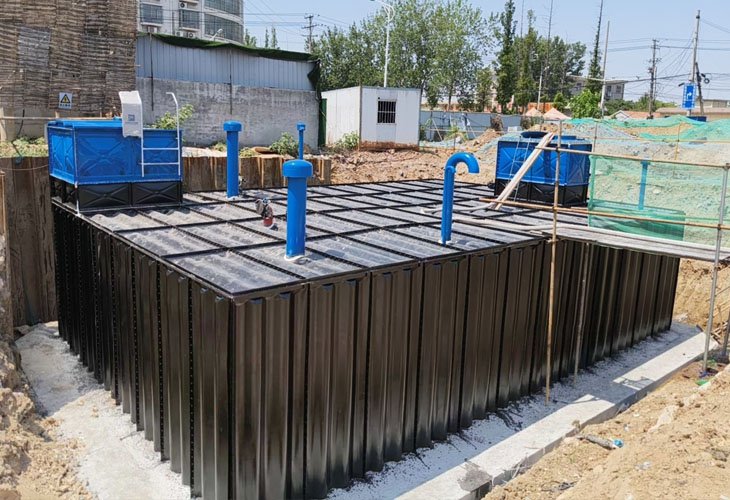
The panel is designed with a bidirectional curved rib (corrugated) structure on both its inner and outer surfaces — hence the name “double-sided rib-reinforced.”

These ribs consist of smoothly connected curved grooves and ridges arranged alternately along the panel length, forming a continuous structural pattern. The rib height typically ranges from 30–90 mm (commonly 55 mm), creating a three-dimensional reinforcement profile.

This engineering design significantly enhances panel rigidity and resistance to deformation. It allows the structure to better withstand concentrated loads, absorb impact forces, and evenly distribute stress throughout the tank system.

As a result, the water tank achieves improved structural stability, longer service life, and higher reliability in demanding applications.

Compared to conventional flat or single-rib panels, this design provides superior stiffness without significantly increasing material usage.

The double-sided curved rib panel structure is known for its excellent structural rigidity, which can be validated through topology optimization using advanced engineering software such as OptiStruct.

This type of structure has been widely adopted across various industries. Conventionally, double-sided rib panels are manufactured using cold-forming processes such as rolling or pressing.

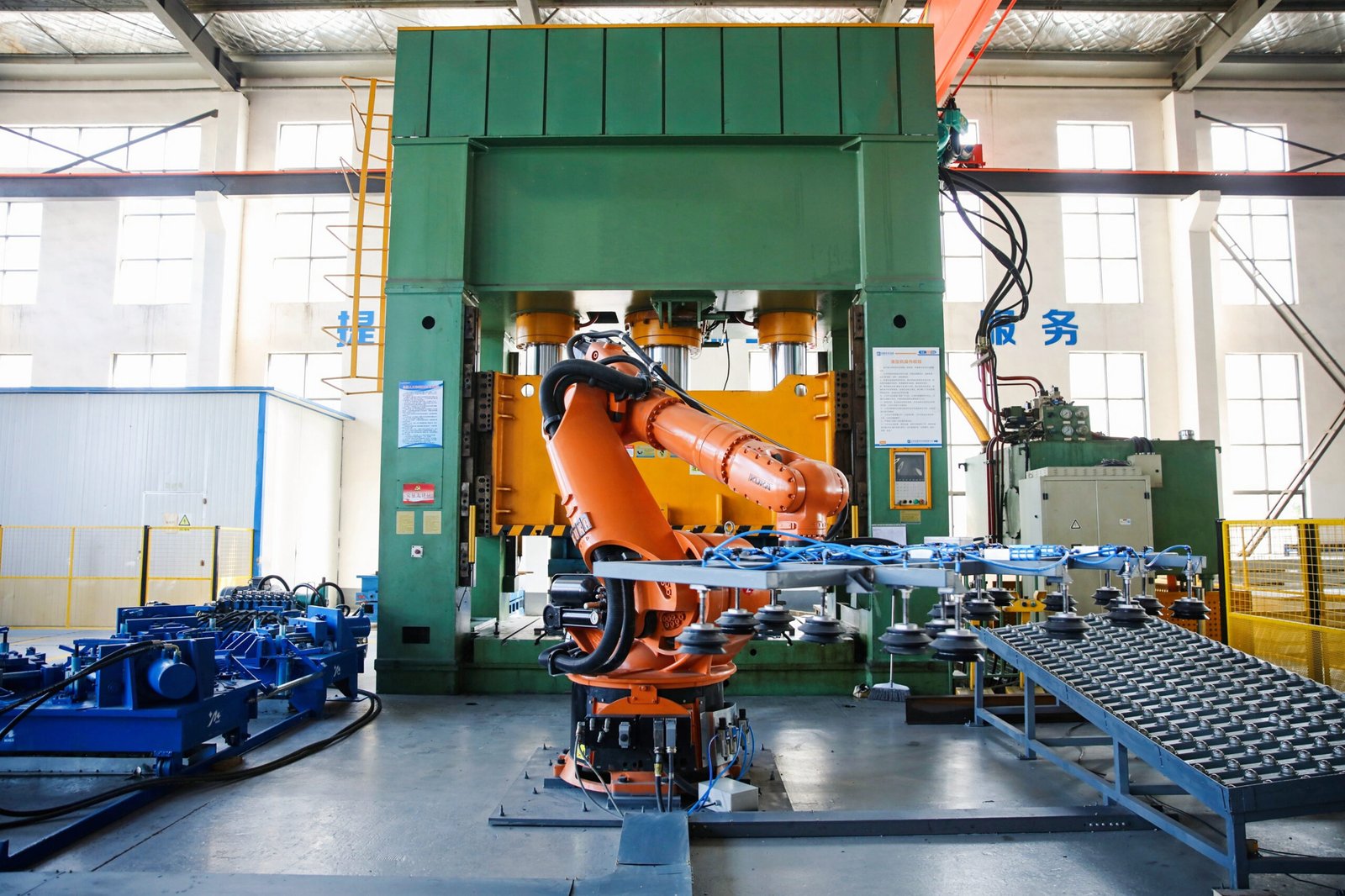
At Leaqua, our double-sided curved rib panels are developed through comprehensive engineering processes, including computer modeling, structural force analysis, and finite element analysis (FEA).

Compared to traditional flat panels, our one-piece molded and stretched panels achieve more than 5 times improvement in load-bearing performance, delivering significantly enhanced strength and reliability.

Engineering Evidence for Eliminating Internal Bracing

FEA Simulation Results & Structural Performance
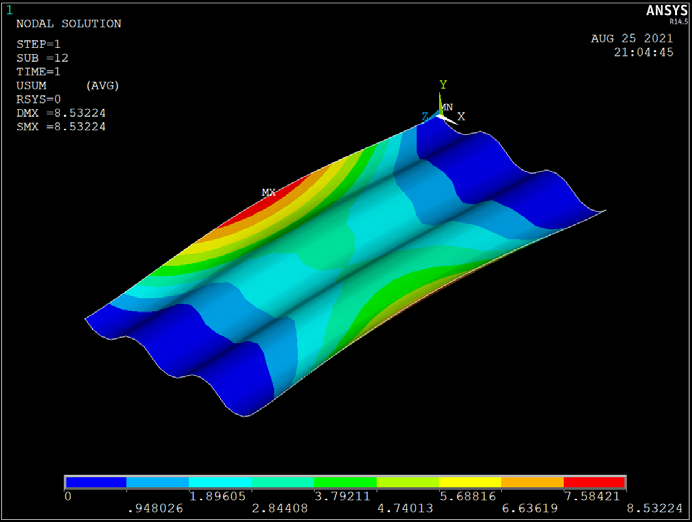
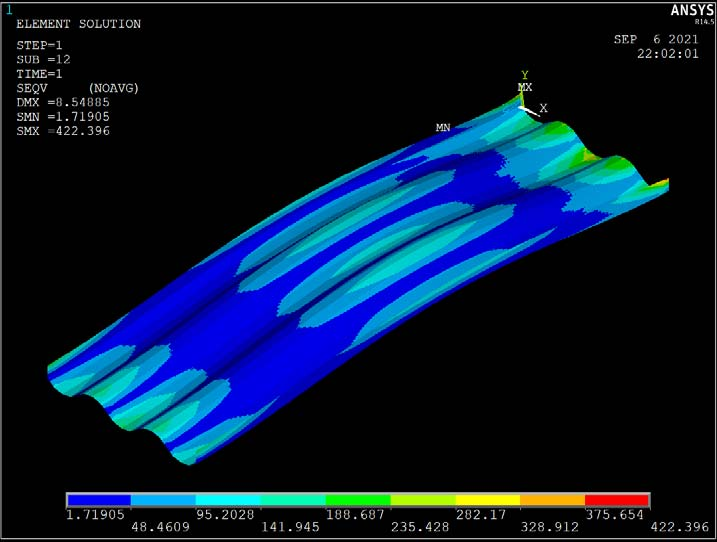
FEA Results – Roof Panel (1000 × 2000 mm)

The simulation shows that the maximum deformation occurs at the panel edges, reaching approximately 8 mm, which fully meets engineering requirements. (The reinforcing contribution of side vertical panels was not included in this model.)

Aside from localized stress concentrations at corner areas, the maximum stress on the main panel is about 130 MPa, remaining within safe and allowable limits.

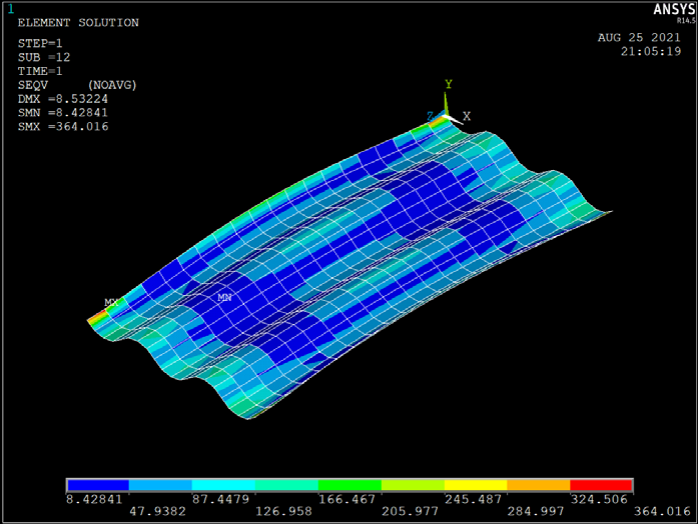
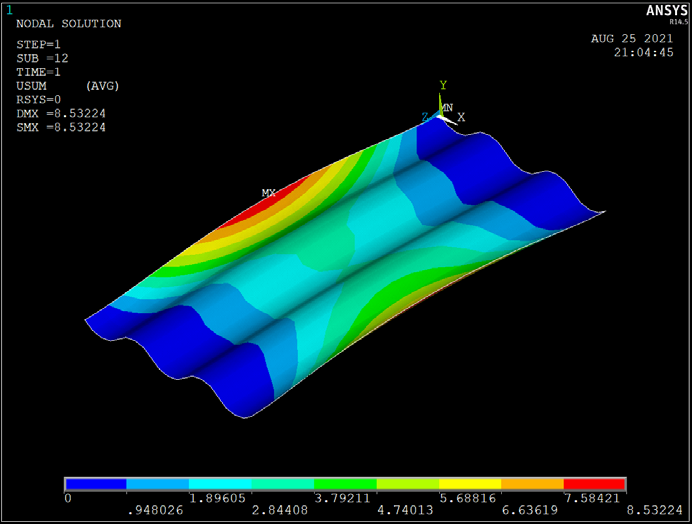
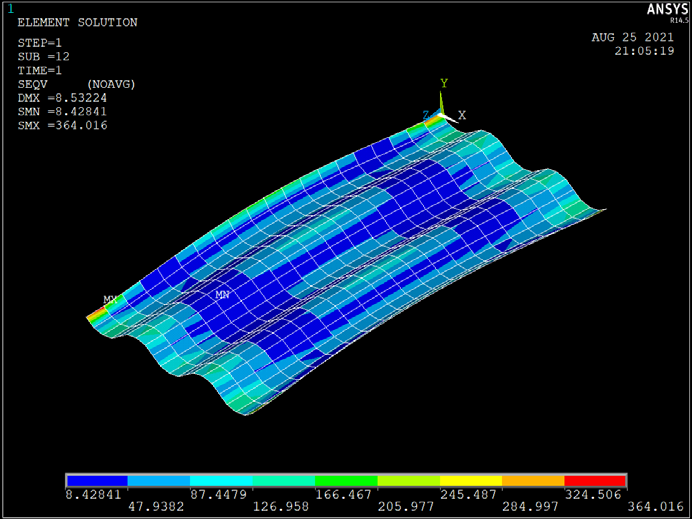
FEA Results – Side Wall Panel (1000 × 2150 mm)

The simulation shows that the maximum deformation occurs at the panel edges, reaching approximately 8.5 mm, which fully meets engineering requirements. (The reinforcing contribution of side vertical panels was not included in this model.)

Aside from localized stress concentrations at corner areas, the maximum stress on the main panel is about 80 MPa, remaining within safe and allowable limits.

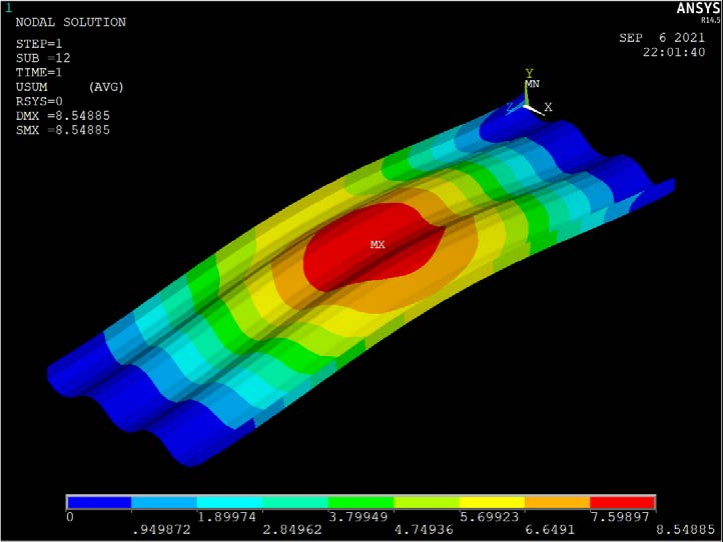
FEA Results – Side Wall Panel (1000 × 3150 mm)

According to the simulation results, the maximum deformation occurs at the center of the panel, reaching approximately 8.3 mm, which meets engineering requirements.

The vertical stiffening ribs significantly enhance the overall bending rigidity of the structure, effectively controlling deformation.

Aside from localized stress concentrations at corner elements, the maximum stress on the main panel is approximately 150 MPa, which remains within the allowable load-bearing range.

Validated Conclusion: No Internal Bracing Required

Based on the above analysis results, the curved rib panels are capable of meeting both load-bearing and force transfer requirements.

This enables the elimination of horizontal tie rods or bracing members within the pump room structure, resulting in a more efficient and simplified internal design compared to conventional tank systems.

This not only reduces internal structural complexity but also improves usable space and facilitates installation and maintenance.

Double-Sided Arc-Ribbed Water Tank Technical Insights

Compare Solutions

Explore Related Water Tank Solutions

Compare stainless steel, GRP, composite, and modular water tank solutions to find the right system for potable water, fire protection, industrial, and municipal applications.

Why Choose LeAqua?

Project Cooperation

Get personalized solutions and pricing for your water storage needs.

Blank Form (#3)
Data Protection: Your information is secure
×
证书放大预览

Water Tank · Global Certifications

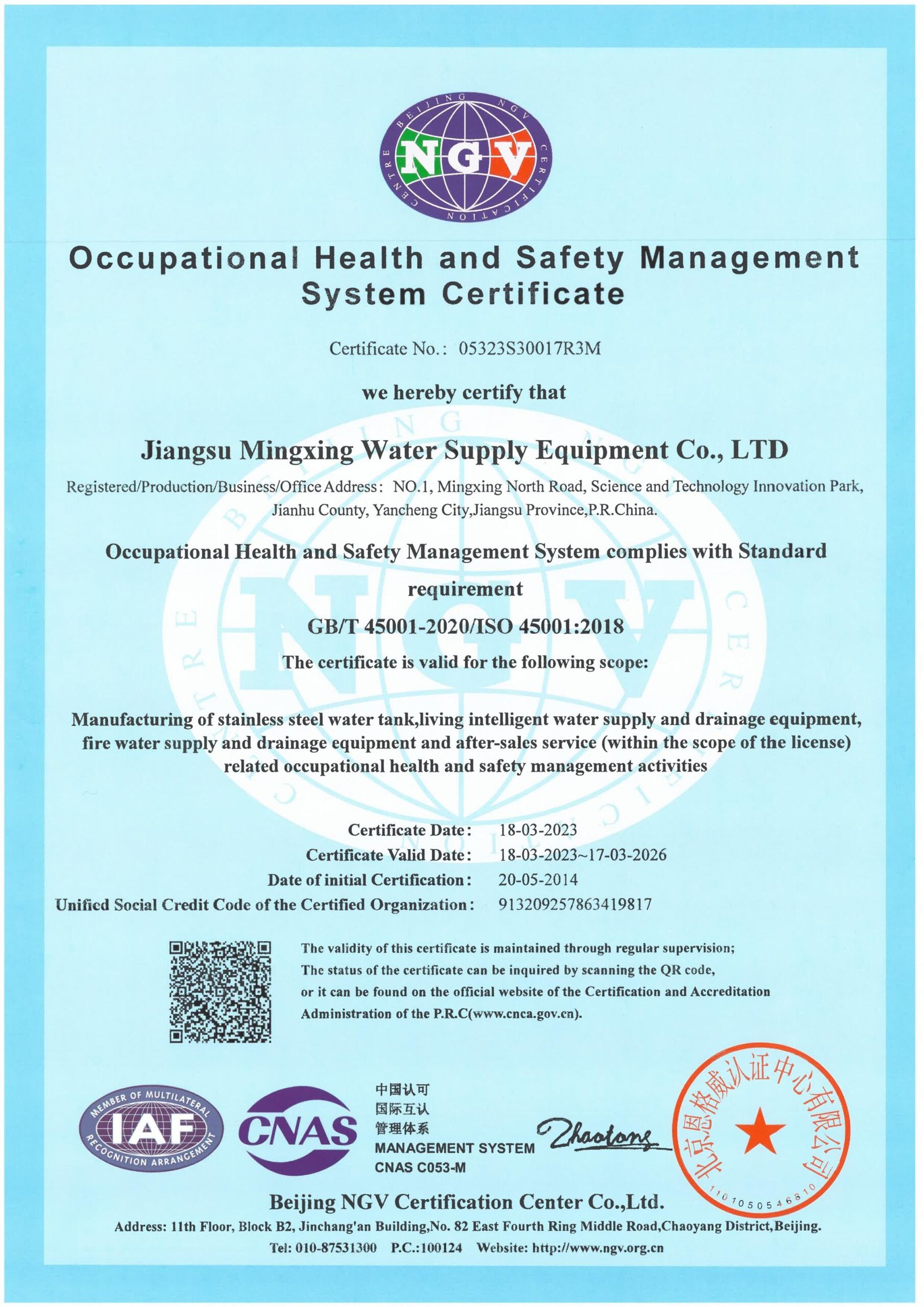
ISO45001:2018
ISO45001:2018
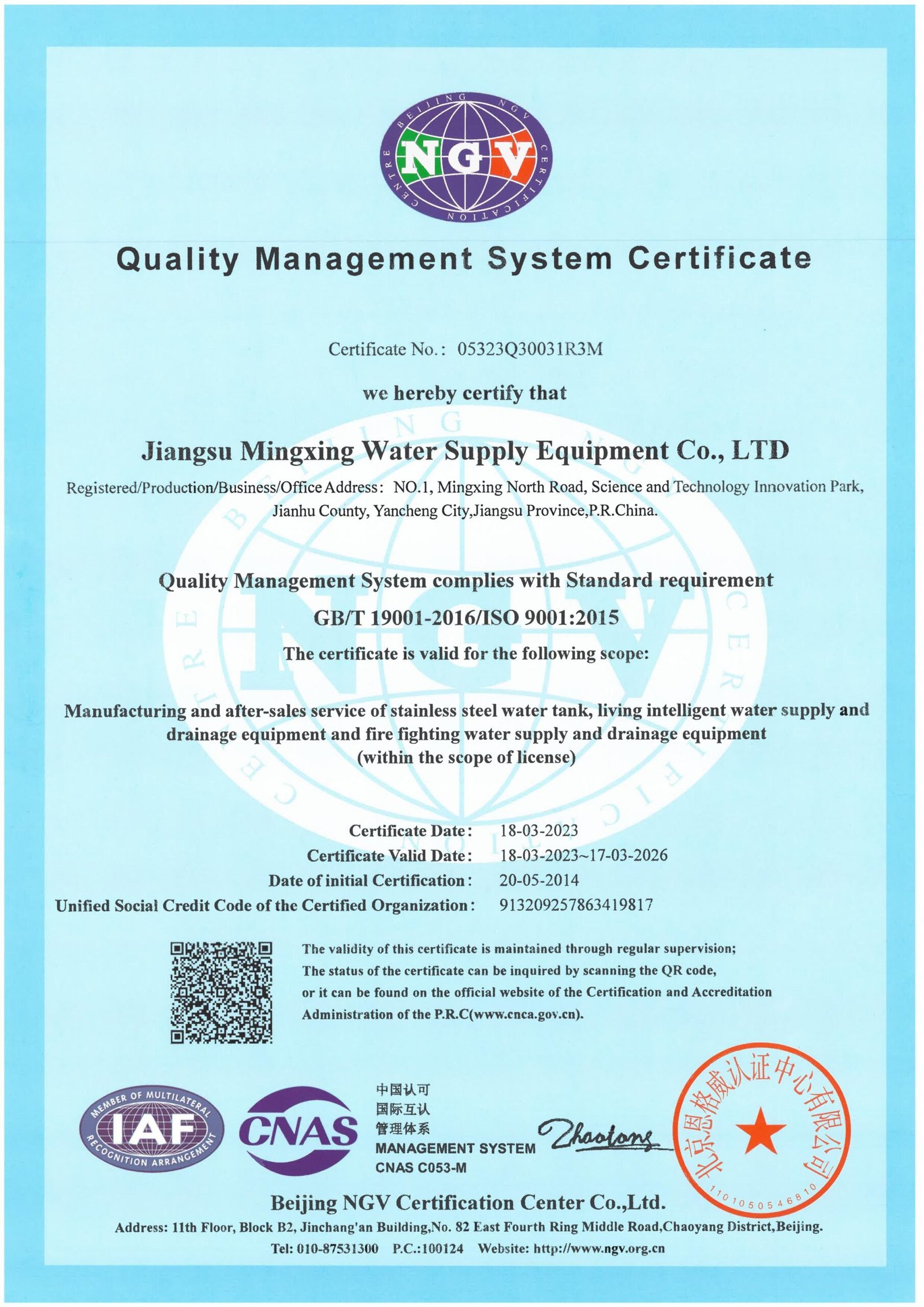
ISO9001:2015
ISO9001:2015
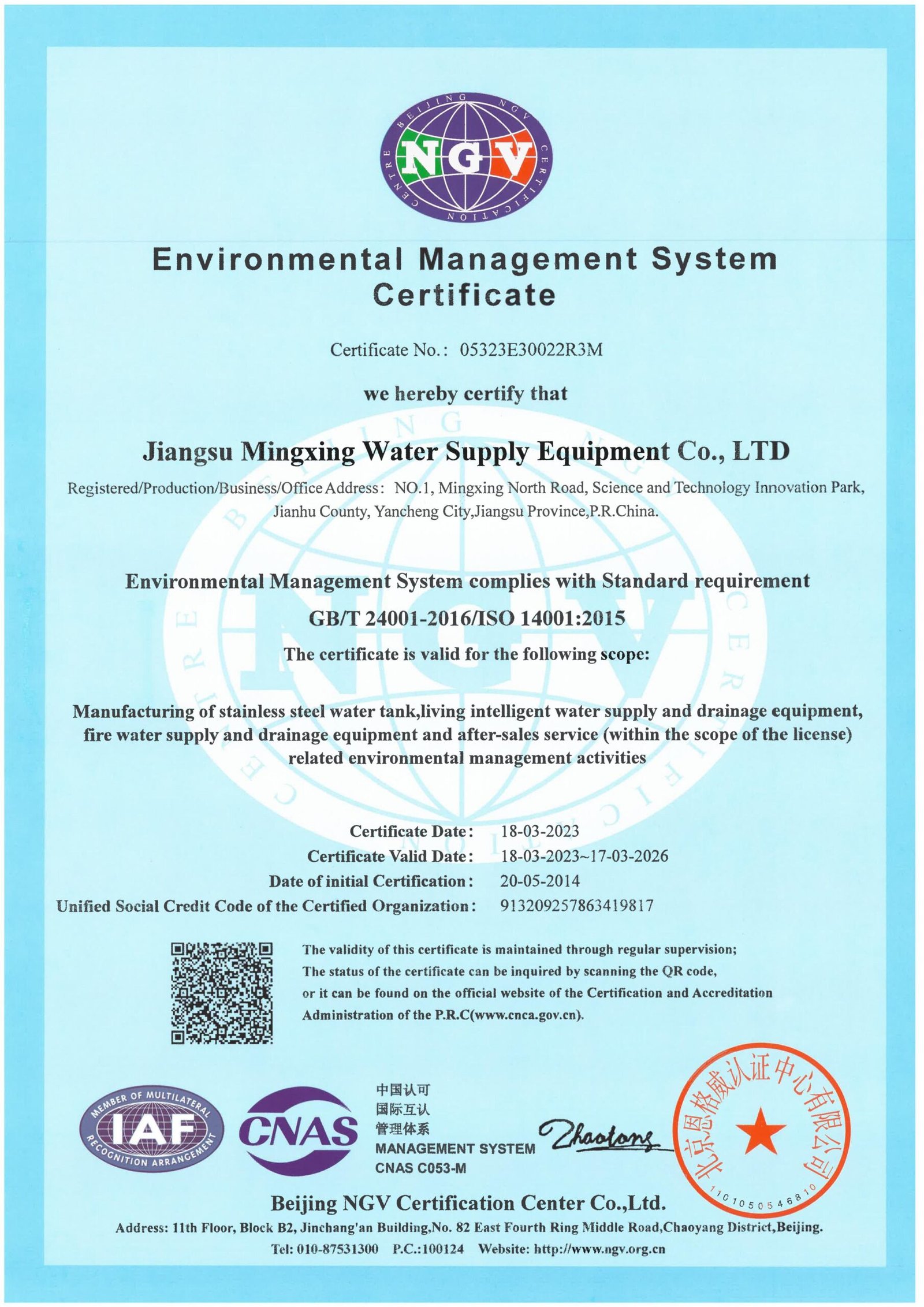
ISO 14001:2015
ISO 14001:2015
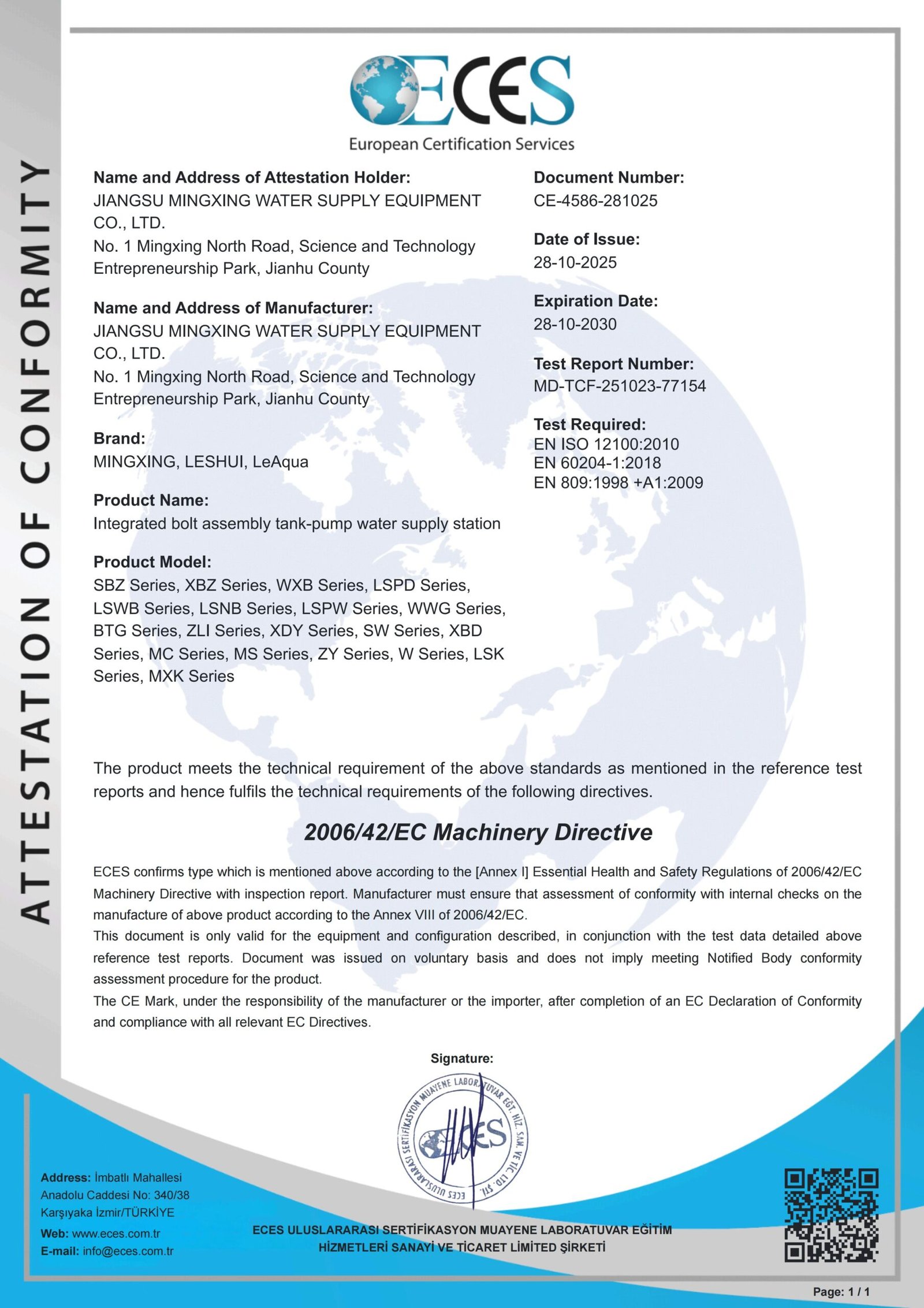
European Certification Services
ISO45001:2018
ISO45001:2018
ISO9001:2015
ISO9001:2015
ISO 14001:2015
ISO 14001:2015
European Certification Services

Start Your Water System Project Today

Contact our engineering team for a customized technical solution and cost-effective quotation tailored to your project requirements.

📄 Get a Quote 📘 Catalog Top