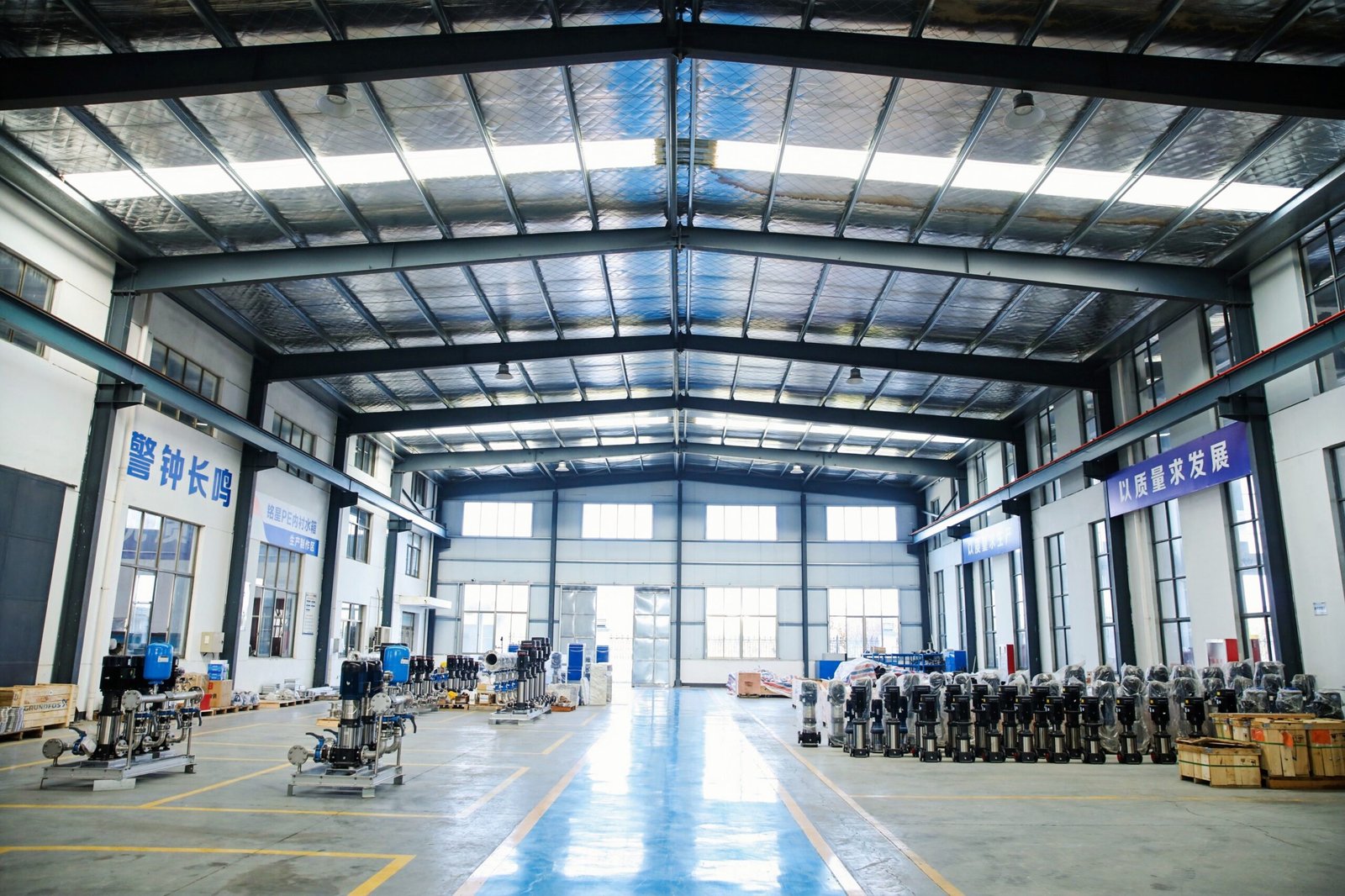
Choosing a water tank manufacturer is not simply a matter of finding the lowest quotation.
For a small standard tank, price may be one of the main considerations. For a large commercial, industrial, municipal, or fire protection project, however, the decision is more complicated.
The manufacturer needs to understand the required capacity, water quality, material, tank structure, installation conditions, applicable standards, and project environment. The way the tank is manufactured can also affect transportation, installation, maintenance, and long-term reliability.
This is why two suppliers can quote very different prices for what appears to be the same water tank.
When selecting a water tank manufacturer, engineers and buyers should look beyond the product brochure and ask a more important question:
Can this water tank manufacturer provide the right tank for the actual project requirements?
Here are the main factors worth checking before making a decision.
1. Start With Manufacturing Capability
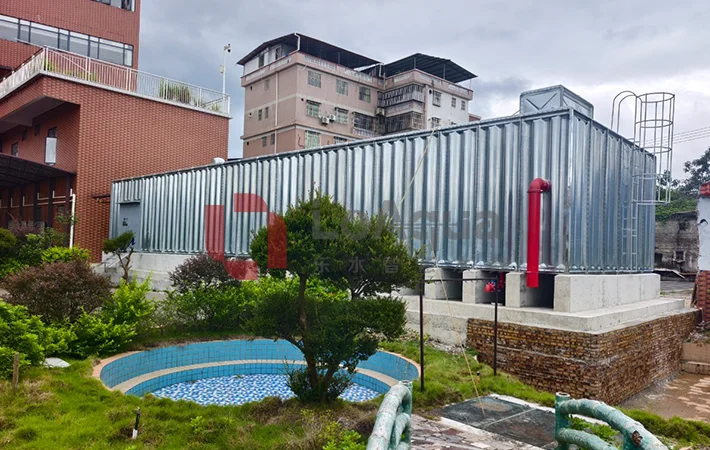
The first thing to check is whether the company actually manufactures the water tanks it sells.
This sounds obvious, but the water tank market includes manufacturers, trading companies, distributors, and companies that outsource part or all of their production.
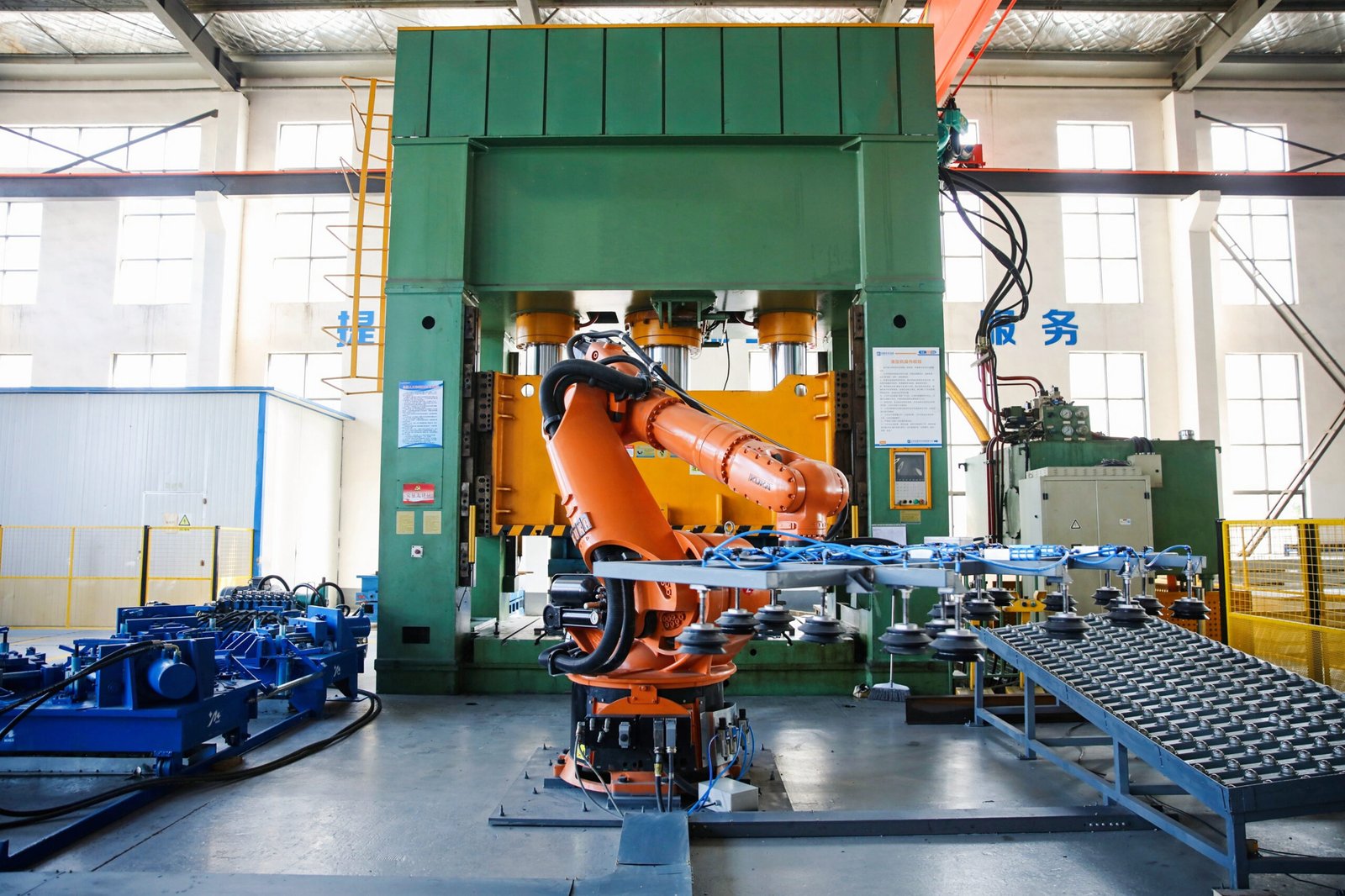
A water tank manufacturer with its own production facilities generally has more direct control over:
- Raw materials
- Panel production
- Forming or welding
- Surface treatment
- Assembly
- Quality inspection
- Packaging
- Production schedules
This can become particularly important when a project requires non-standard dimensions or a large number of tanks.
A useful question to ask is:
Where are the tanks manufactured, and which parts of the production process are performed in-house?
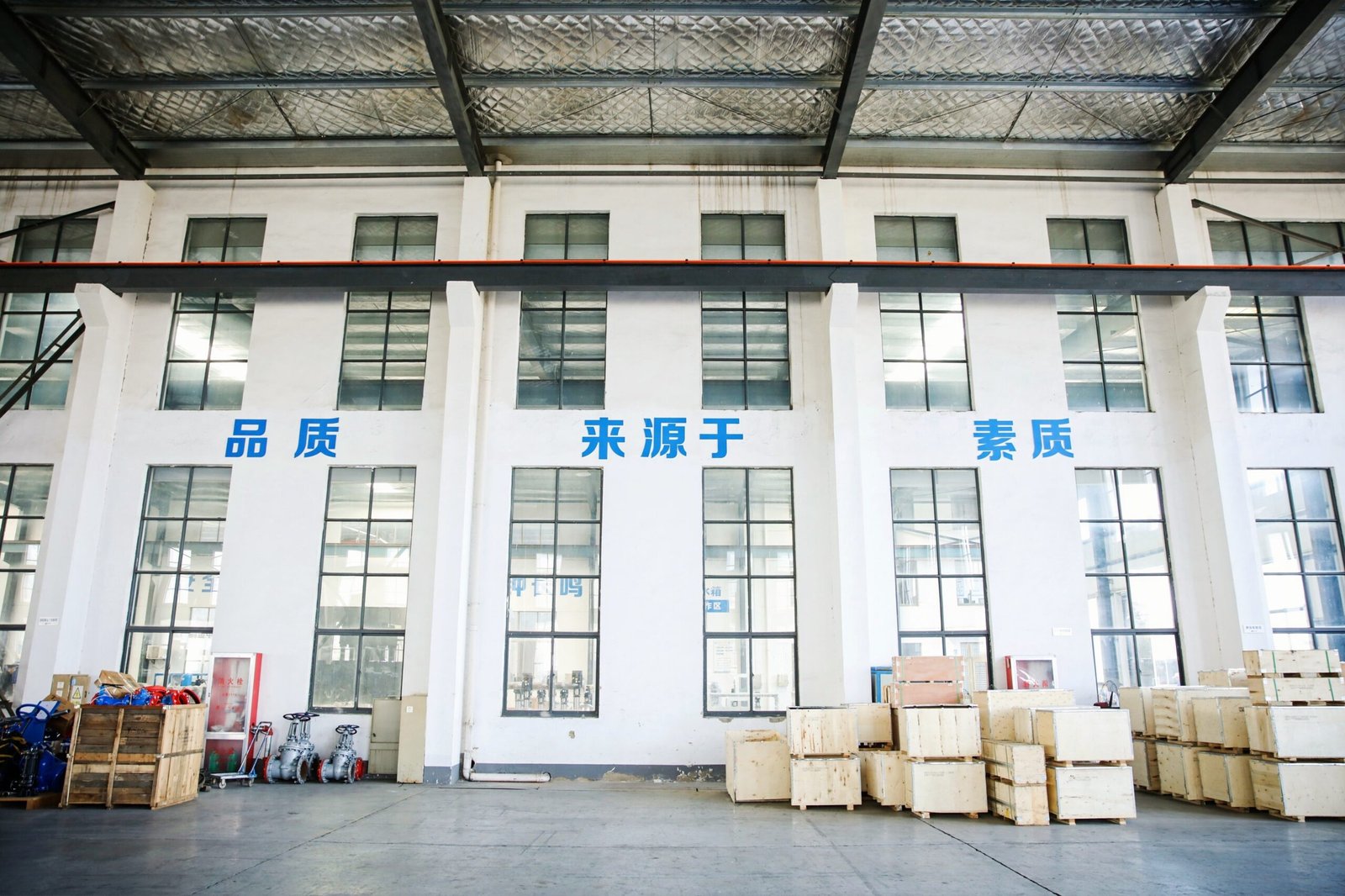
You can also ask for factory photographs, production videos, or arrange a factory inspection when the project value justifies it.
A professional water tank manufacturer should be able to explain its production process clearly.
2. Check the Water Tank Manufacturer’s Engineering Capability
Manufacturing capability is only one part of the equation.
A water tank is a relatively simple product to look at, but large tanks involve structural and hydraulic considerations that should not be ignored.
The manufacturer should be able to work with project information such as:
- Required capacity
- Tank dimensions
- Water type
- Operating conditions
- Panel thickness
- Structural loads
- Installation location
- Foundation conditions
- Seismic requirements
- Wind conditions
- Pipe connections
This is especially important for large modular tanks.
A supplier that only asks:
“How many cubic meters do you need?”
may not be asking enough questions.
For a properly engineered project, capacity is only the starting point.
3. Look at R&D Rather Than Just Sales Claims
Many water tank manufacturers describe themselves as experienced or professional suppliers.
Those words are easy to write on a website.
A better way to evaluate a company is to look at what it has actually developed.
Does the manufacturer have:
- Its own engineering team?
- Product development capabilities?
- Structural design experience?
- Testing facilities?
- Finite element analysis experience?
- Patented or proprietary structures?
- Technical publications?
- Participation in industry standards?
- Experience developing different tank systems?
These details can tell you much more about a manufacturer’s technical capability than a general statement such as “high quality manufacturer.”
For projects with unusual site conditions or large capacities, engineering capability can be more important than simply having a large production line.
4. Compare the Actual Tank Structure
“Water tank” is a broad term.
Different water tank manufacturers may offer very different structures, including:
- Welded stainless steel tanks
- Bolted stainless steel tanks
- Composite tanks
- FRP/GRP tanks
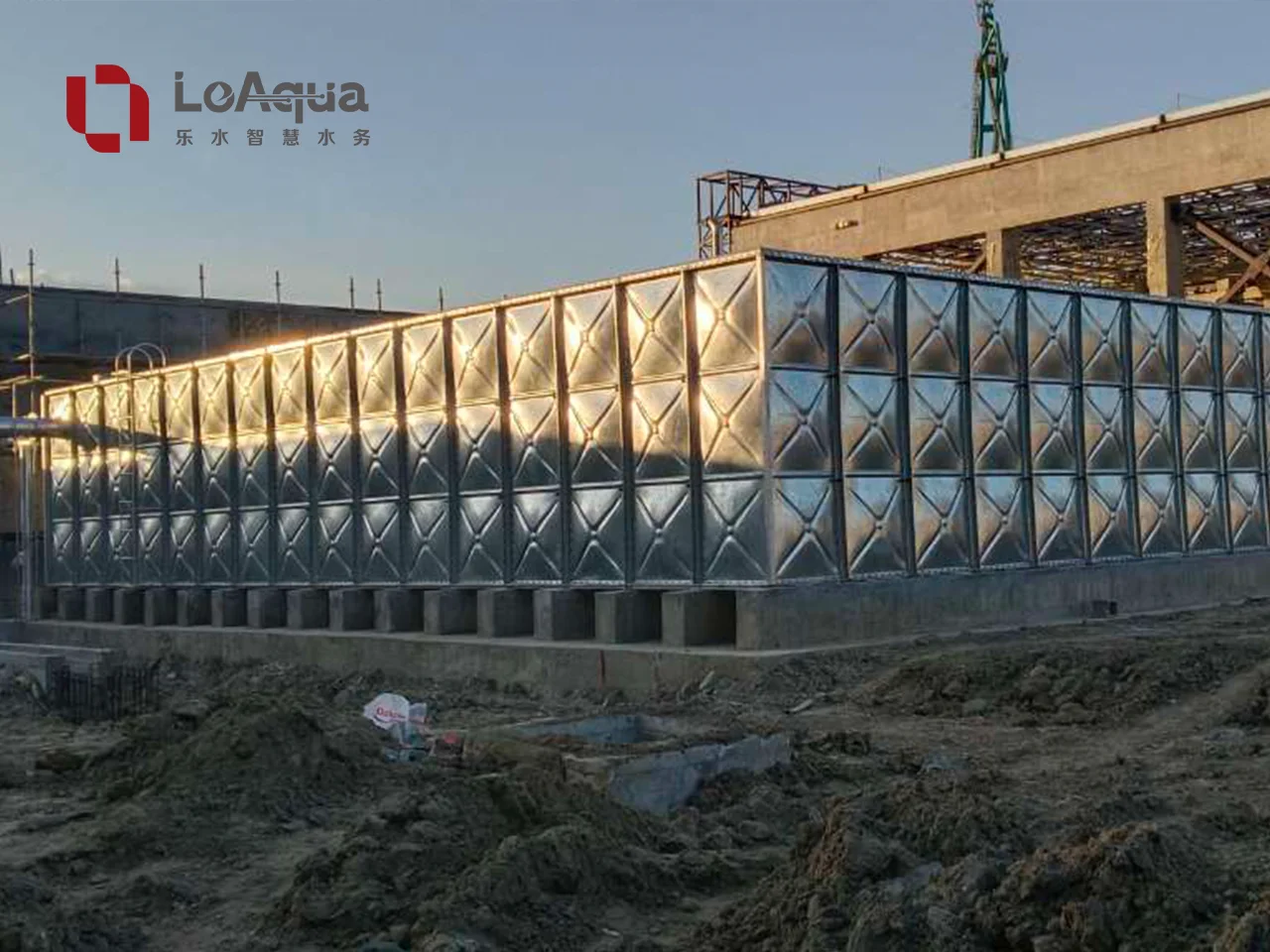
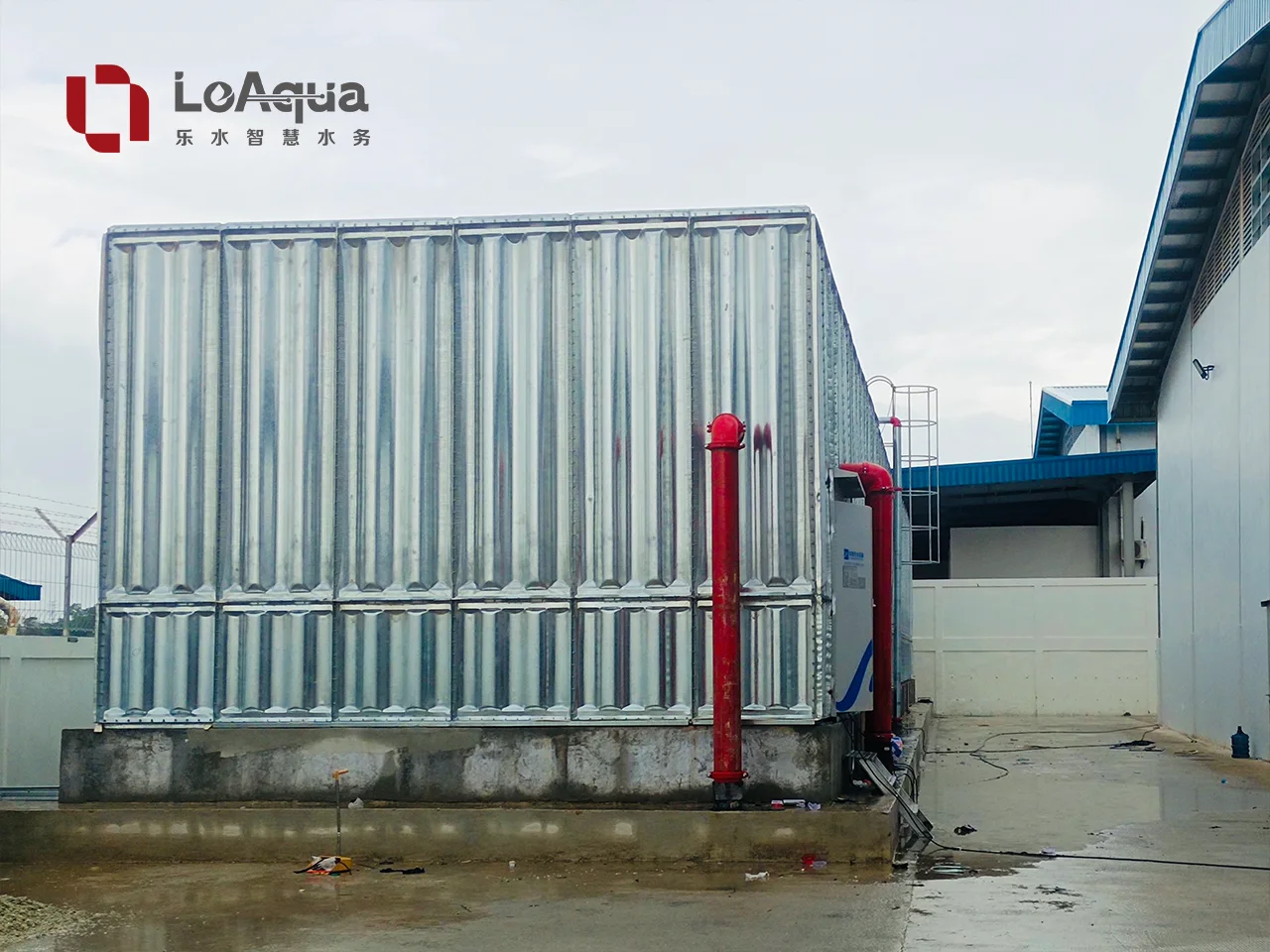
- Hot-dip galvanized tanks
- Pressed-panel tanks
- Rib-reinforced modular tanks
The right choice depends on the application.
For example, a project with limited site access may benefit from a modular tank that can be transported as individual panels and assembled on site.
A project requiring extensive on-site fabrication may have different requirements.
When comparing manufacturers, ask them to explain why their proposed structure is suitable for your project, rather than simply asking which tank is the strongest.
This also makes quotations easier to compare.
5. Check the Material Specification Carefully
Material is another area where apparently similar quotations can be misleading.
For stainless steel tanks, buyers commonly encounter grades such as:
- SUS304 / 304 stainless steel
- SUS316 / 316 stainless steel
The choice should be based on the water, environment, corrosion conditions, hygiene requirements, and applicable project specifications.
For example, 316 stainless steel may be considered where chloride exposure or other corrosive conditions are a concern.
The important point is not that one material is universally better.
It is that the manufacturer should be able to explain:
Why is this material appropriate for this application?
When comparing quotations, check the actual material grade and specification rather than relying on descriptions such as “food grade stainless steel” or “premium stainless steel.”
6. Ask How Panel Thickness Is Determined
Panel thickness is another specification that should not be compared by price alone.
In a water tank, hydrostatic pressure changes with water depth. The structural requirements of different sections of a tank can therefore vary.
A water tank manufacturer should be able to explain how panel thickness and reinforcement are determined for the proposed tank.
For a modular tank, you may want to check:
- Panel dimensions
- Panel thickness
- Reinforcement method
- Connection design
- Sealing system
- Roof structure
- Bottom structure
- Foundation requirements
If a supplier simply offers a very thin panel without explaining the structural design, a low quotation may not represent a better solution.
7. Review Quality Control From Raw Material to Finished Tank
Quality control should not begin after the tank has been manufactured.
A reliable manufacturer should have controls throughout the production process.
Depending on the tank type, this may include inspection of:
Raw material → Panel production → Forming or welding → Surface treatment → Assembly → Final inspection → Packaging
For stainless steel tanks, buyers can ask about:
- Material certificates
- Thickness inspection
- Surface quality
- Dimensional inspection
- Weld inspection, where applicable
- Bolt and connection inspection
- Leakage testing
- Final assembly checks
The exact inspection process will depend on the tank structure and project requirements.
What matters is that the manufacturer can explain how it controls quality, rather than simply saying that every product is “strictly inspected.”
8. Look at Real Project Experience
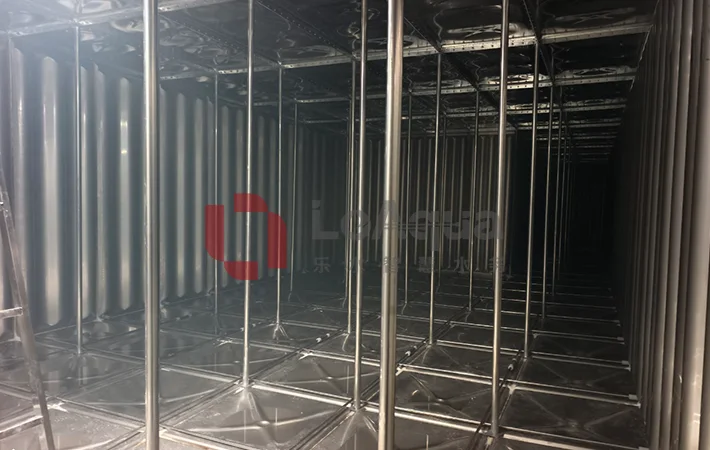
A water tank manufacturer’s project list can tell you whether its products have been used in situations similar to yours.
However, the number of projects alone is not particularly useful.
Try to find projects with similar:
- Capacity
- Application
- Climate
- Installation environment
- Tank material
- Structural requirements
- Transportation conditions
For example, a manufacturer may have supplied thousands of small domestic tanks but have limited experience with a 1,000 m³ industrial storage project.
The opposite can also be true.
For large engineering projects, relevant experience is usually more valuable than an impressive but unrelated project count.
9. Check Whether the Water Tank Manufacturer Can Handle Custom Requirements
Standard products are easy to compare.
Real engineering projects are often less straightforward.
You may have a restricted installation area, unusual tank dimensions, limited access, a specific pipe arrangement, or requirements from the project consultant.
A capable manufacturer should be able to discuss these constraints before production begins.
Questions worth asking include:
- Can the tank dimensions be customized?
- Can panel thicknesses be adjusted?
- Can connections be positioned according to the drawings?
- Can the tank fit within an existing building?
- Can the manufacturer provide technical drawings?
- Can the design be reviewed before production?
Customization does not necessarily mean designing a completely new tank.
Often, it means adapting an existing engineered system to the actual project.
10. Consider Transportation and Installation
The factory price is not always the final project cost.
For an overseas project, the total cost may include:
Manufacturing + Packaging + Inland Transportation + Shipping + Local Delivery + Installation
This becomes particularly important for large water tanks.
A fully assembled tank may require special transportation and lifting equipment.
A modular bolted tank, on the other hand, can be shipped as individual panels and assembled at the project site.
This can be useful when:
- Roads are narrow
- Site access is restricted
- The tank must be installed inside a building
- Large lifting equipment is difficult to arrange
- The project is located in a remote area
Therefore, when comparing manufacturers, ask about the installation method, not just the factory price.
11. Ask What Technical Documents Are Included
A professional water tank project normally requires more than a product quotation.
Depending on the project, the water tank manufacturer may need to provide documents such as:
- Technical specifications
- Product drawings
- Foundation requirements
- Installation instructions
- Material information
- Inspection records
- Testing documents
- Operation and maintenance information
For international projects, clear technical documentation can make communication between the manufacturer, consultant, contractor, and local installation team much easier.
Before placing an order, ask:
What technical documents will be provided with the tank?
This is a simple question, but it can prevent problems later.
12. Check Certifications, Standards, and Compliance
Certification should also be considered in context.
A long list of certificates does not automatically make a water tank manufacturer suitable for your project.
The important question is:
Does the water tank manufacturer’s documentation satisfy the requirements of this particular project?
Check:
- Applicable local regulations
- Project specifications
- Material requirements
- Fire protection requirements
- Structural requirements
- Testing requirements
- Quality management certifications
- Product certifications where required
If a project is being designed according to a particular international or national standard, communicate that requirement before requesting a final quotation.
The water tank manufacturer can then determine whether its proposed tank system can meet the specified requirements.
13. Evaluate Communication Before You Place the Order
Communication is easy to overlook during procurement.
But for an engineering project, poor communication can create problems long after the purchase order has been issued.
Pay attention to whether the supplier asks useful technical questions.
For example, a good supplier may ask:
What is the application?
What is the required capacity?
Where will the tank be installed?
Is the water potable, industrial, or for fire protection?
What are the available dimensions?
Are there seismic or wind requirements?
What standards does the project follow?
These questions indicate that the supplier is trying to understand the project rather than simply send a price.
14. Compare Total Project Value, Not Just the Lowest Price
Price is important.
It would be unrealistic to suggest otherwise.
But the cheapest quotation is not always the lowest-cost solution.
When comparing two water tank manufacturers, consider:
| Factor | What to Compare |
|---|---|
| Material | Grade and actual specification |
| Structure | Welded, bolted, composite, FRP/GRP, etc. |
| Capacity | Required and usable volume |
| Panel thickness | Actual specification |
| Accessories | Included scope |
| Drawings | Engineering documents provided |
| Installation | Method and responsibility |
| Transportation | Packing and shipping requirements |
| Testing | Inspection and testing scope |
| Warranty | Coverage and conditions |
| Technical support | Pre-sales and installation support |
| Project experience | Similar applications and capacities |
A slightly higher quotation may provide better overall value if it includes stronger engineering support, better documentation, easier installation, or a more suitable tank structure.
15. Questions to Ask a Water Tank Manufacturer Before Ordering
If you are currently comparing suppliers, the following checklist can make the process easier.
About the manufacturer
- Do you manufacture the tanks in your own factory?
- Where is the production facility?
- How long have you manufactured water tanks?
- What types of tanks do you produce?
About engineering
- Who designs the tank?
- Can you provide technical drawings?
- How is panel thickness determined?
- Can the dimensions be customized?
- Can you review our project drawings?
About materials
- What material grades are available?
- Can you provide material certificates?
- What material is recommended for our application?
About production
- How are the panels manufactured?
- What quality inspections are performed?
- How is leakage tested?
- How are finished panels packaged?
About installation
- Is installation included?
- Can the tank be assembled by a local contractor?
- What foundation is required?
- What installation tools are needed?
About the project
- Have you supplied similar tanks before?
- Can you provide relevant project references?
- Can you support the project during installation?
The answers to these questions will often tell you more than a supplier’s marketing brochure.
What Makes a Good Water Tank Manufacturer?
There is no single definition of the “best” water tank manufacturer.
The right manufacturer is the one that can match its manufacturing and engineering capabilities to the actual requirements of the project.
For a small standard tank, manufacturing efficiency and price may be the main considerations.
For a large modular tank, other factors become increasingly important:
Engineering → Material → Structure → Manufacturing → Logistics → Installation → Technical Support
A manufacturer that can manage these factors as one process can often provide more value than a company competing only on unit price.
Why LeAqua Takes an Engineering-Focused Approach
LeAqua is the R&D-focused water tank engineering brand of MingXing Water Supply Equipment.
Rather than offering only one type of tank, LeAqua works with several water storage technologies, including stainless steel, composite, FRP/GRP, hot-dip galvanized, and double-sided arc-rib reinforced modular water tanks.
The selection depends on the project’s:
- Application
- Installation conditions
- Material requirements
- Structural requirements
- Capacity
- Operating environment
This approach allows the tank to be considered as part of the wider water supply system instead of as an isolated product.
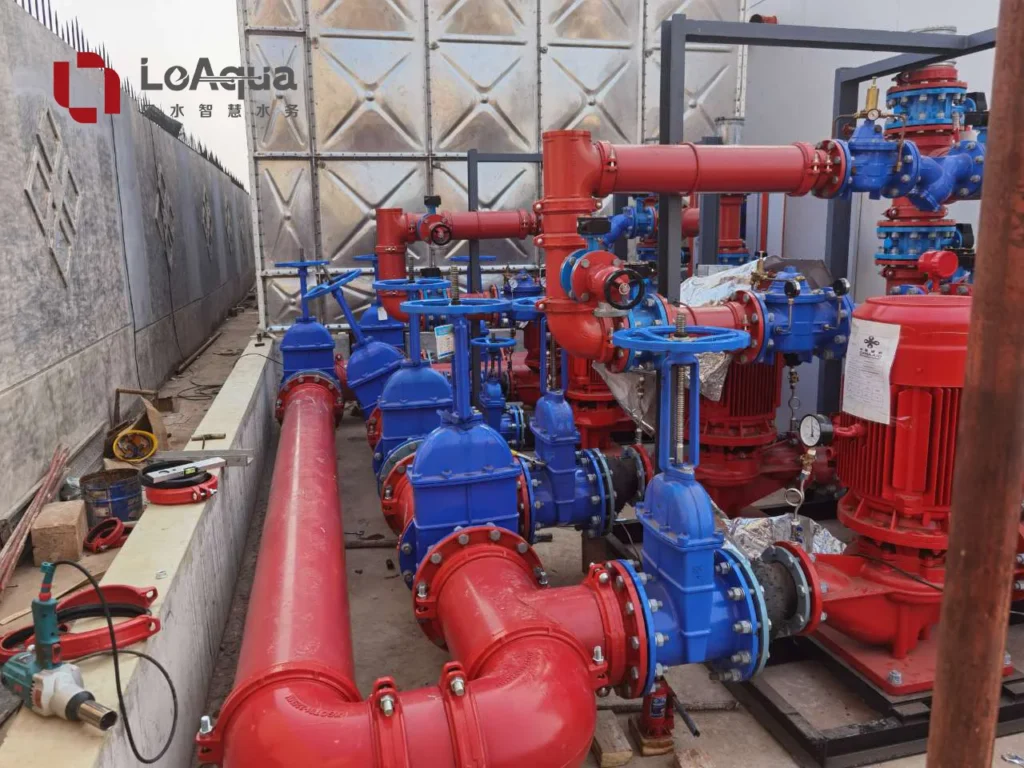
For projects requiring water storage and pumping together, LeAqua can also provide integrated pump station solutions.
The objective is straightforward:
Select the water tank based on the engineering requirements first, and the product afterward.
Final Checklist for Choosing a Water Tank Manufacturer
Before placing an order, make sure you can answer these questions:
1. Does the company actually manufacture the tank?
2. Can it provide engineering support and technical drawings?
3. Is the proposed material suitable for the application?
4. Is the tank structure appropriate for the capacity and site conditions?
5. Are panel thickness and reinforcement properly specified?
6. Does the quotation clearly define the scope of supply?
7. Are transportation and installation requirements understood?
8. Can the manufacturer provide relevant project experience?
9. Are the required standards and documents covered?
10. Can the manufacturer support the project after delivery?
If the answer to these questions is clear, comparing suppliers becomes much easier.
The goal is not simply to find a company that can sell you a water tank.
It is to find a water tank manufacturer that can deliver a tank engineered for your project, manufactured to the required specification, and supported through installation and operation.