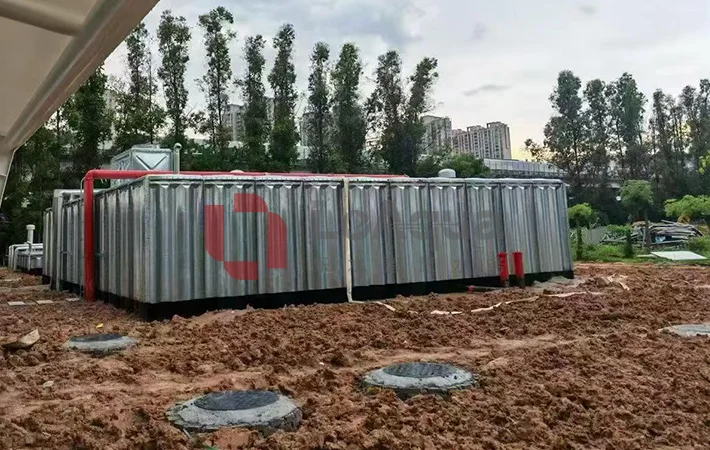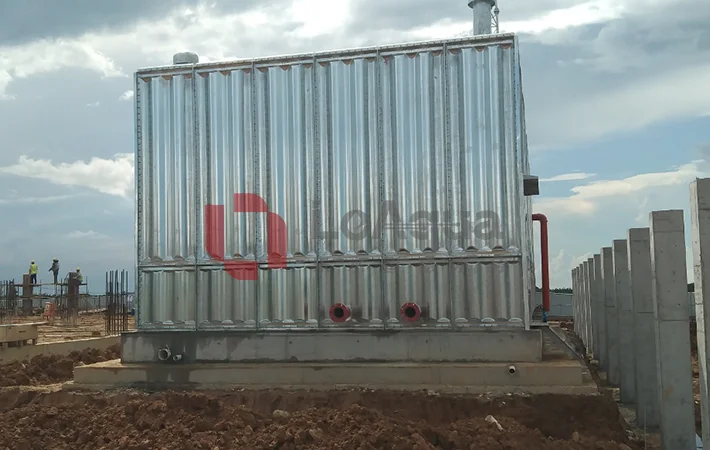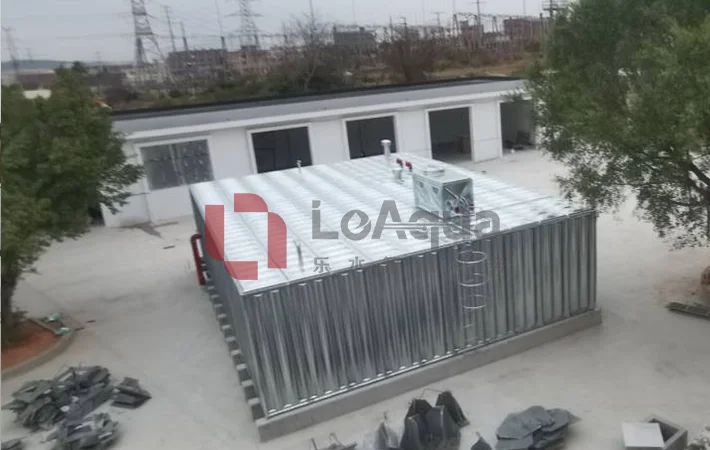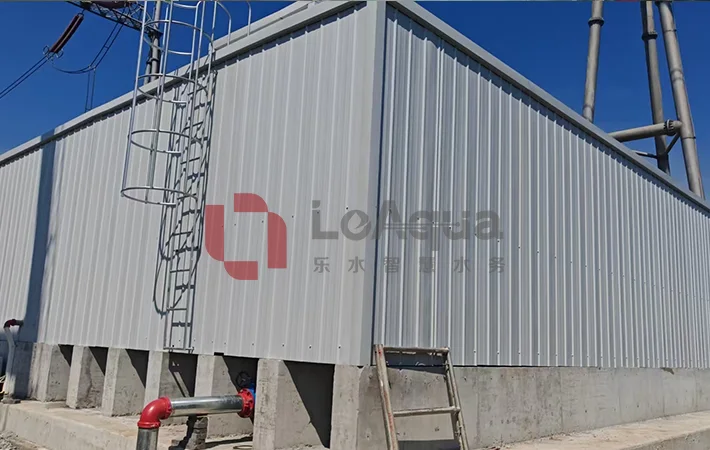
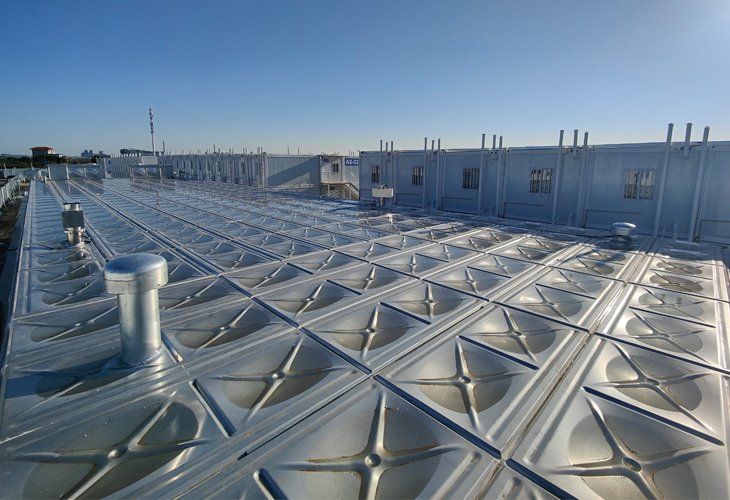
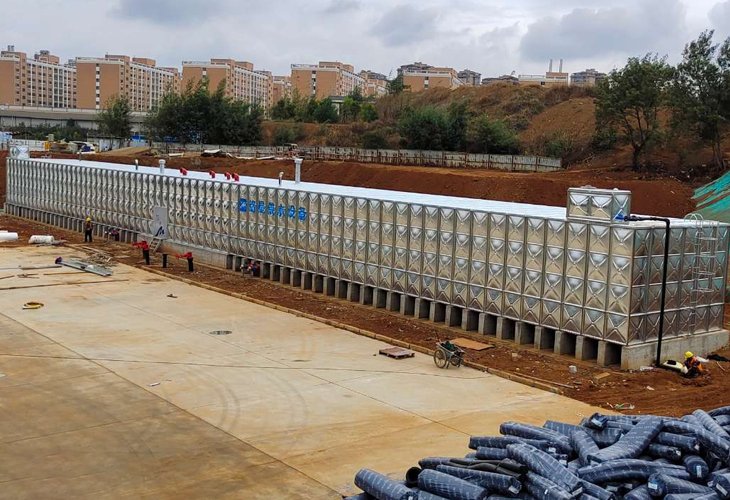
Welded Stainless Steel Water Tank
Introduction
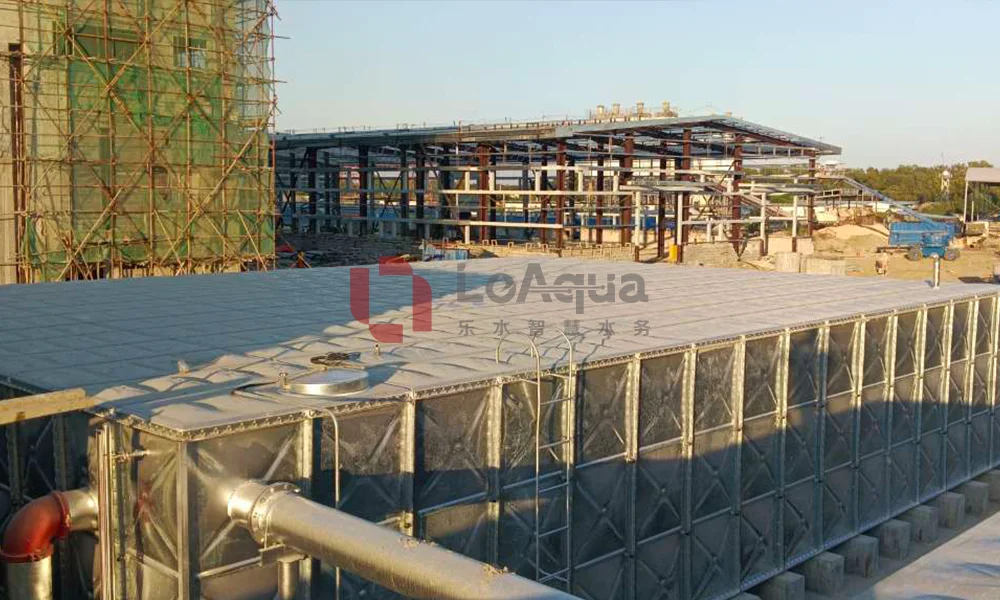
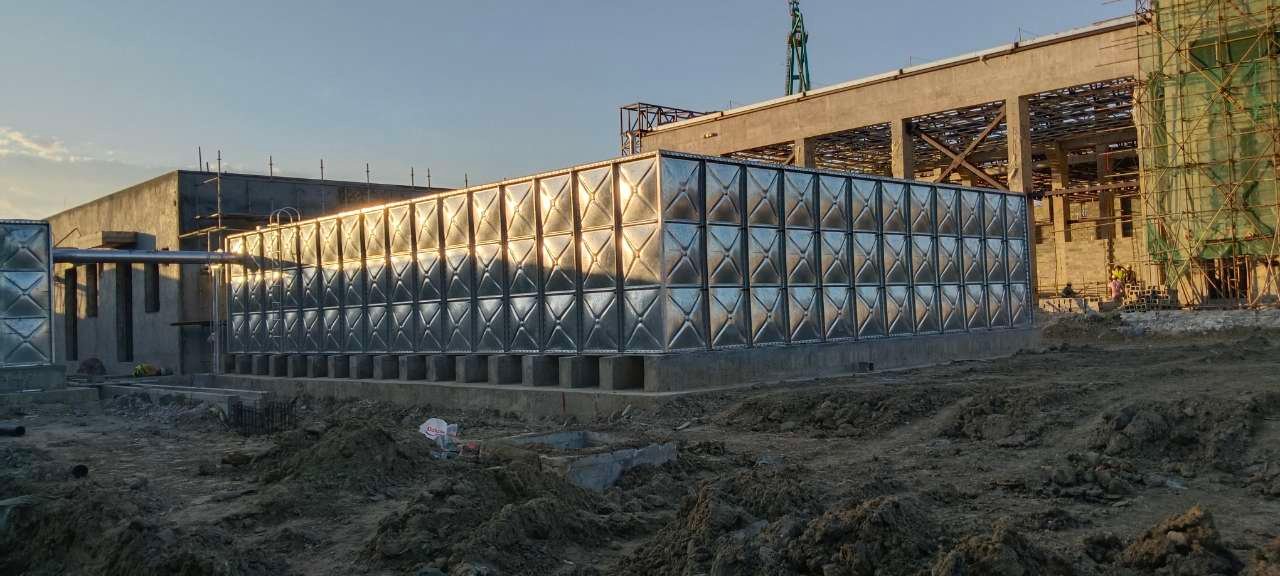
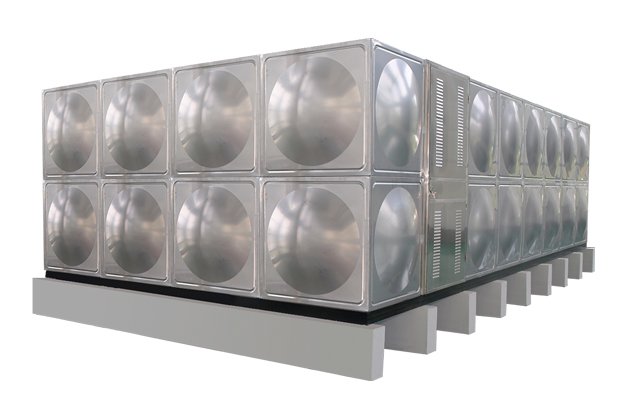
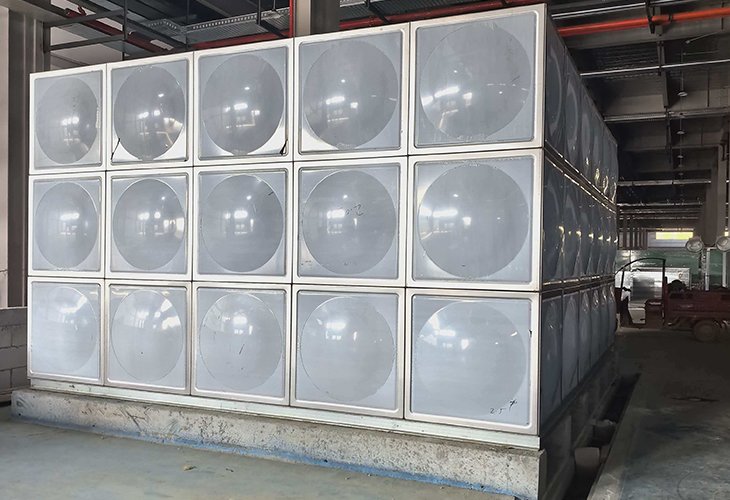
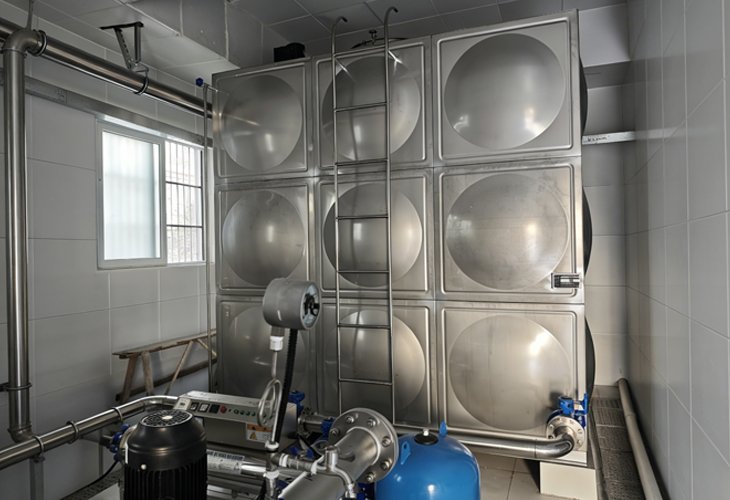
Welded stainless steel water tanks are manufactured using high-quality SUS304 or SUS316 stainless steel plates. The welded integral structure ensures excellent strength, corrosion resistance, and hygienic performance. These tanks are widely used for potable water storage, fire protection systems, and building water supply projects.
Key Features
- Manufactured from SUS304 or SUS316 stainless steel
- Smooth surface and streamlined panel design
- Excellent corrosion and oxidation resistance
- Hygienic material suitable for drinking water storage
- Modular panel structure for flexible installation
- Strong structural stability with internal reinforcement


Why Choose Welded Stainless Steel Water Tanks
No Welding Corrosion Risk
The tank panels are formed by one-time pressing without welding seams, effectively avoiding corrosion problems that may occur in welded water tanks.
High Structural Strength
The convex arc panel combined with an X-reinforcement structure significantly improves rigidity, providing more than three times the stiffness of conventional arc panels.
Efficient Installation
Large modular panels allow rapid on-site assembly, reducing construction time and installation costs.
Flexible Capacity Design
The modular structure enables tanks to be expanded or customized according to different project requirements.
Reliable Sealing Performance
Rubber sealing gaskets between panels ensure excellent leak-proof performance and long-term stability.
Application Conditions
- Suitable for cold water, hot water, and firefighting water
- Maximum water temperature: ≤ 60°C
- Not recommended for boiling water, softened water, or geothermal water storage
Technical Specifications
Panel Sizes
- 1 m × 1 m
- 1 m × 0.5 m
- 0.5 m × 0.5 m
Foundation Requirements
- Foundation design according to GB02S101 standard
- Level difference of foundation surface: ≤ 5 mm
- Distance between two adjacent foundation centers: ≤ 1000 mm
- Concrete foundation width: ≥ 240 mm
Base Frame
- Typically 10# channel steel for tank base support
- Larger tanks may require customized base structures
Internal Reinforcement
- Reinforcement rods made from the same stainless steel material as the tank
Bolted Stainless Steel Water Tank
Introduction
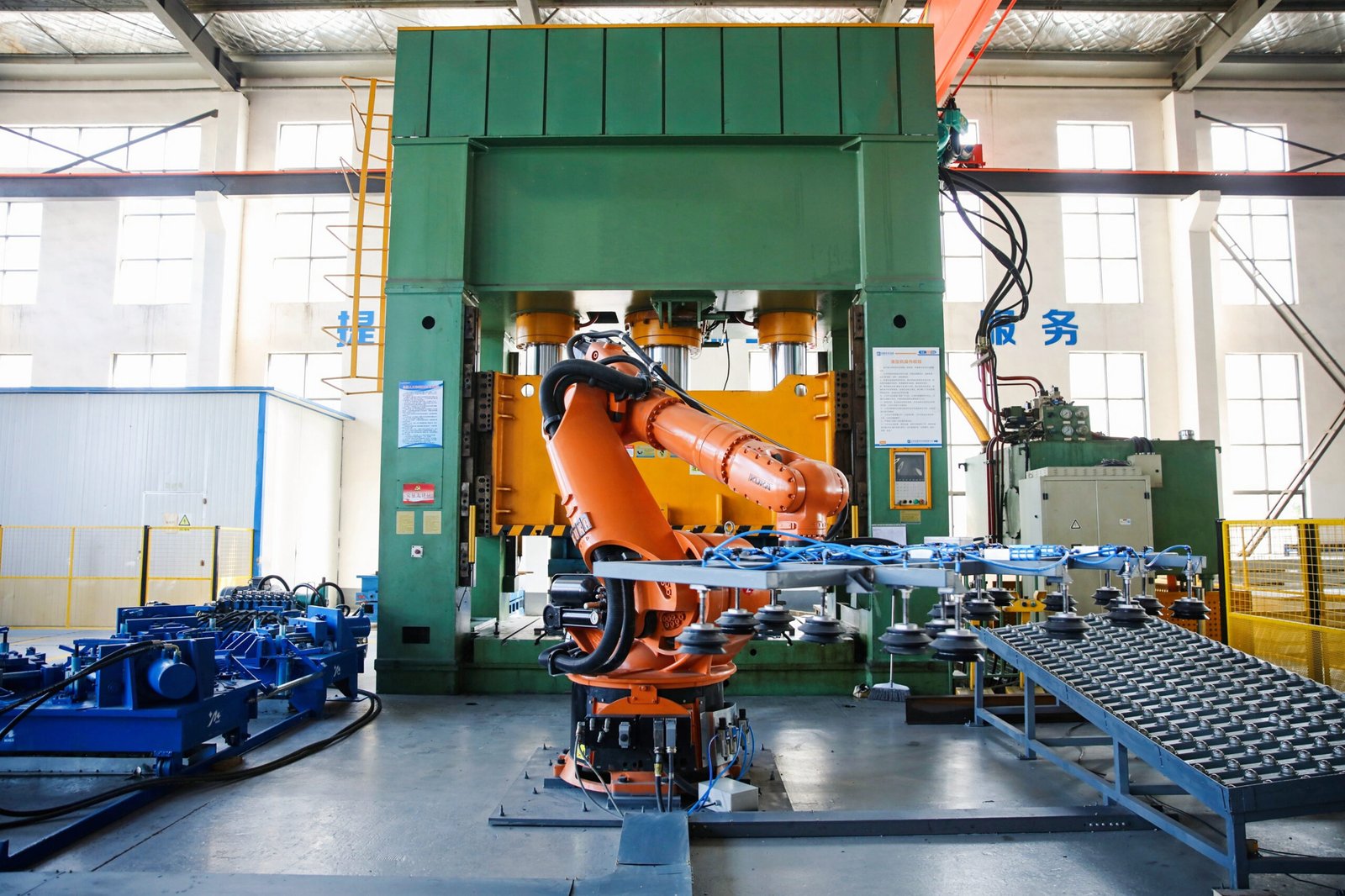
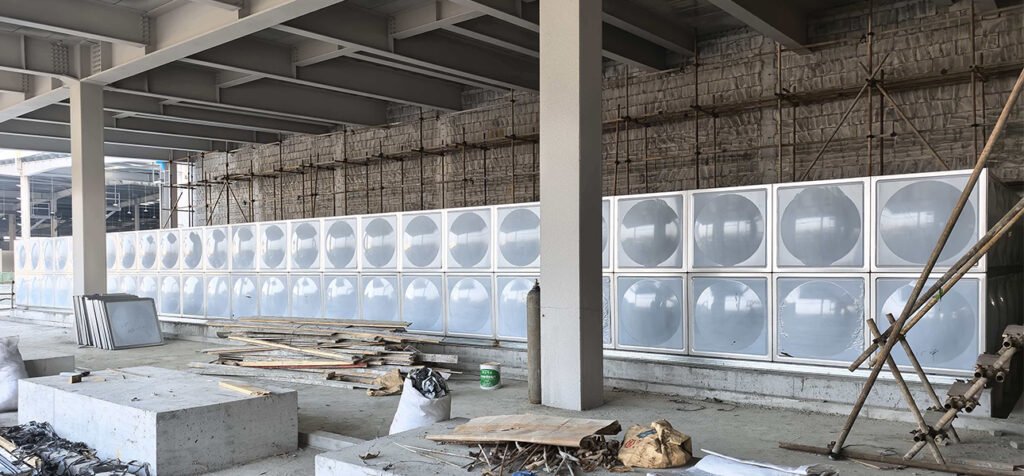
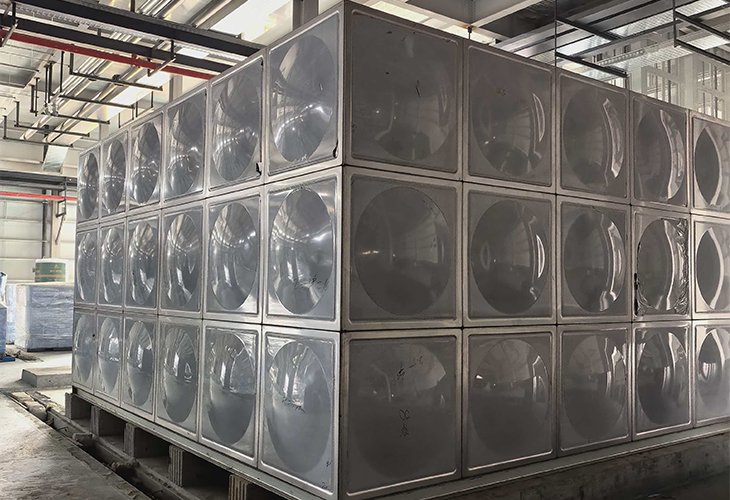
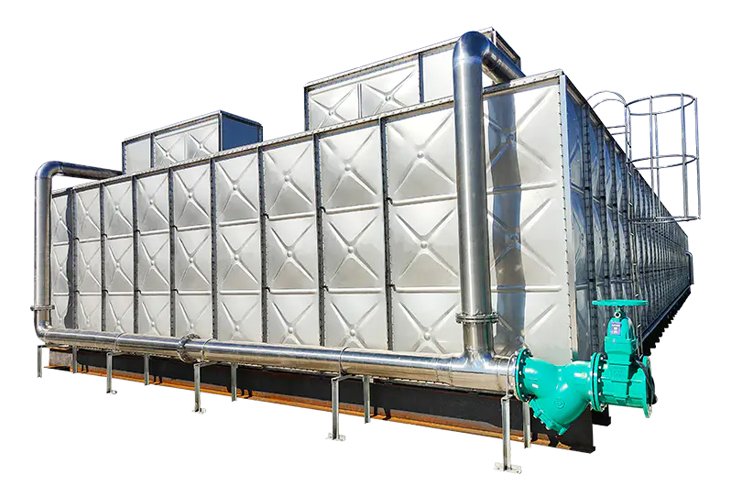
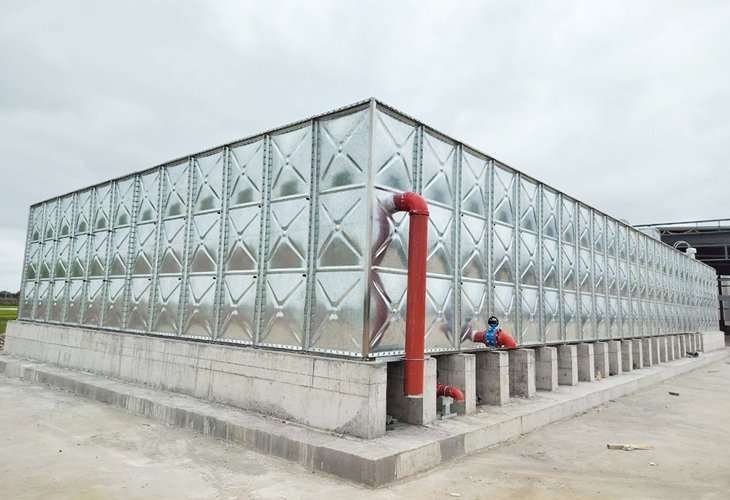
Bolted stainless steel water tanks are modular storage systems assembled from large pressed stainless steel panels. Each panel is formed by a 2500-ton hydraulic press through one-time mold pressing, creating a strong and uniform structure without welding seams.
Compared with traditional welded tanks, the bolted design effectively eliminates welding corrosion risks and allows flexible installation for various water storage projects.
Key Features
- One-time molded stainless steel panels with no welding seams
- Large modular panel design for fast on-site assembly
- Hot-dip galvanized or stainless steel bolts for strong connections
- Rubber sealing gaskets between panels to ensure leak-proof performance
- Flexible tank capacity through modular expansion
- Strong structural stability with internal reinforcement


Why Choose Bolted Stainless Steel Water Tanks
Superior Corrosion Resistance
304 stainless steel contains approximately 18% chromium and 8–10.5% nickel, providing excellent resistance to corrosion and ensuring long service life.
High Oxidation Resistance
The protective oxide layer on stainless steel surfaces remains stable even in humid environments, preventing rust and material degradation.
Hygienic and Safe
The smooth stainless steel surface reduces sediment accumulation and is easy to clean, helping maintain safe and hygienic water quality.
High Mechanical Strength
Stainless steel provides strong structural integrity and can withstand vibration, pressure, and long-term operation.
Optional 316 Stainless Steel
For environments with higher corrosion requirements such as coastal areas or chemical facilities, SUS316 stainless steel offers improved corrosion resistance and heat resistance.
Application Conditions
- Suitable for cold water, hot water, and firefighting water
- Maximum water temperature: ≤ 60°C
- Not recommended for boiling water, softened water, or geothermal water storage
Technical Specifications
Panel Sizes
- 1 m × 1 m
- 1 m × 0.5 m
- 0.5 m × 0.5 m
Foundation Requirements
- Foundation design according to GB02S101 standard
- Level difference of foundation surface: ≤ 5 mm
- Distance between two adjacent foundation centers: ≤ 1000 mm
- Concrete foundation width: ≥ 240 mm
Base Frame
- Typically 10# channel steel for tank base support
- Larger tanks may require customized base structures
Internal Reinforcement
- Reinforcement rods made from the same stainless steel material as the tank
Start Your Water System Project Today
Contact our engineering team for a customized technical solution and cost-effective quotation tailored to your project requirements.
Technical & Project FAQs
Common questions regarding selection, installation, standards, and delivery
What is a Stainless Steel Water Tank?
A stainless steel water tank is a highly durable and corrosion-resistant storage solution made from stainless steel. These tanks are commonly used for storing water in residential, commercial, and industrial settings due to their longevity and ability to withstand extreme environmental conditions.
Stainless steel tanks are ideal for storing potable water, industrial liquids, and even chemicals. They are built to prevent contamination and maintain water quality, making them a popular choice in various applications such as municipal water supply, fire-fighting reserves, and food processing plants.
How long does the Stainless Steel Water Tank last?
Stainless steel water tanks can last between 30 and 70 years, depending on factors such as the grade of stainless steel used, maintenance, and environmental conditions. Tanks made from high-grade materials, like Grade 316 stainless steel, can withstand harsher environments and have a longer lifespan compared to lower-grade options like Grade 304.
Regular maintenance, such as cleaning and inspection for corrosion, can further extend the lifespan of the tank. In coastal areas where saltwater corrosion is prevalent, stainless steel tanks should be made from more resistant alloys, ensuring a longer service life.
What are the Advantages of Stainless Steel Water Tanks?
Durability: Stainless steel tanks are resistant to corrosion, UV radiation, and extreme temperatures, ensuring long-term durability and minimal maintenance.
Hygiene: Stainless steel is a non-porous material, which prevents bacteria, algae, and fungi from growing inside the tank, ensuring the stored water remains clean and safe for use.
Strength: These tanks are highly resistant to physical damage, such as cracks and punctures, making them ideal for high-stress environments.
Eco-friendly: Stainless steel is a recyclable material, making it an environmentally friendly choice for water storage compared to plastic tanks.
Is a Stainless Steel Water Tank Better Than a GRP Tank?
Both stainless steel and GRP (Glass Reinforced Plastic) tanks have their own set of advantages and are suited to different needs. However, stainless steel tanks tend to offer superior durability and resistance to environmental factors, such as corrosion, UV radiation, and extreme temperatures.
Advantages of Stainless Steel over GRP:
- Longer Lifespan: Stainless steel tanks typically last longer, with a lifespan of 30-70 years, compared to GRP tanks, which may last 15-25 years depending on conditions.
- Higher Strength: Stainless steel is much stronger than GRP, making it ideal for environments with high physical stress.
- More Hygienic: Stainless steel is non-porous and resists algae and bacteria growth, whereas GRP tanks may have issues with biofilm accumulation over time.
Advantages of GRP over Stainless Steel:
- Lower Cost: GRP tanks are typically more affordable than stainless steel tanks, making them a cost-effective choice for certain applications.
- Lighter Weight: GRP tanks are lighter, which can reduce installation costs, especially for smaller or modular systems.
Ultimately, the choice between a stainless steel and GRP tank depends on your specific needs, including environmental conditions, budget, and the desired lifespan of the tank.
Applications of Stainless Steel Water Tanks
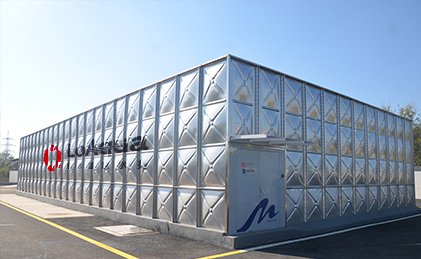
Municipal drinking Water Storage
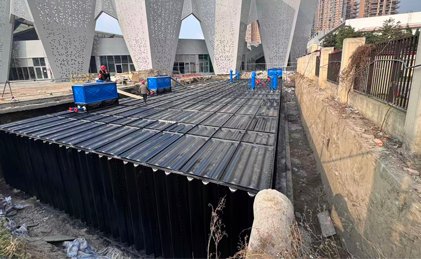
Stadium Project Water Tank
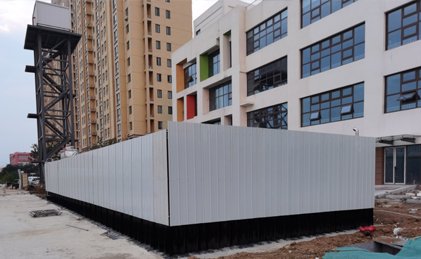
Building Water Supply Systems
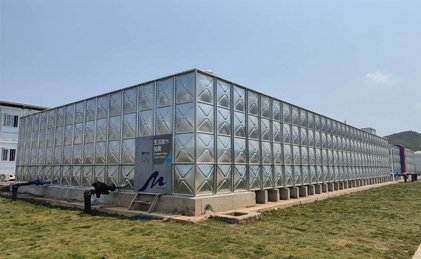
Hospitals
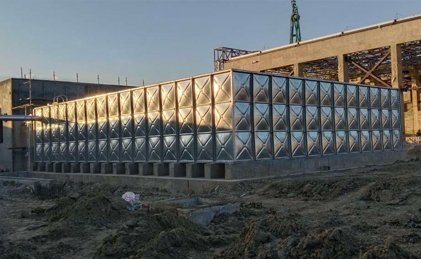
Industrial Water Storage
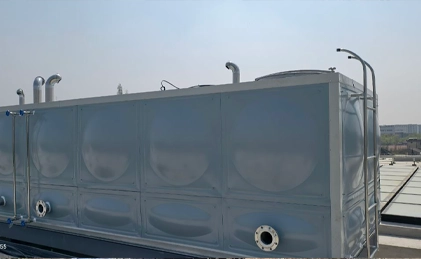
Museum Water Tank
Stainless Steel Water Tank Technical Insights

Why Modular Composite Water Tanks Simplify Modern Construction
Construction projects today face increasing pressure to reduce installation time, improve quality control, and make better use of available space. Whether developing a commercial complex, municipal water supply system, industrial facility, or integrated pump station, project owners are expected to deliver reliable infrastructure while controlling both…

Underground Water Tank Design: 5 Engineering Factors You Should Never Ignore
Underground water tanks have become an increasingly popular solution for commercial buildings, municipal infrastructure, industrial facilities, and integrated pump stations where efficient land use is a priority. Unlike above-ground installations, underground systems make full use of the available space by placing the water storage structure beneath…

How to Choose the Right Water Tank for Your Project
Selecting a water tank is not simply a matter of choosing a material or comparing storage capacity. Modern water storage projects involve a wide range of engineering considerations, including structural design, installation conditions, maintenance accessibility, lifecycle performance, future expansion, and the operational objectives of the entire…

How Long Does a Stainless Steel Water Tank Last? A Complete Engineering Guide
One of the most common questions asked by engineers, contractors, facility managers, and project owners is: How long does a stainless steel water tank actually last? It is a reasonable question because a water tank is not a short-term investment. Whether it serves a commercial building,…

Stainless Steel Water Tank vs Concrete Water Tank: Which Solution Fits Your Project?
Water storage has always been a fundamental part of municipal infrastructure, commercial buildings, industrial facilities, and fire protection systems. For decades, reinforced concrete water tanks were considered the standard solution for storing large volumes of water. Their permanent structure and familiarity made them a common choice…

Composite Water Tank vs Stainless Steel Water Tank: Understanding the Engineering Differences
Selecting a water storage system is no longer as simple as choosing a tank with sufficient capacity. Modern infrastructure projects require solutions that balance structural performance, long-term reliability, maintenance requirements, construction efficiency, and overall lifecycle value. Among the many options available today, stainless steel water tanks…
Explore Related Water Tank Solutions
Compare stainless steel, GRP, composite, and modular water tank solutions to find the right system for potable water, fire protection, industrial, and municipal applications.