When selecting a water tank for a project, capacity is usually one of the first specifications discussed.
However, engineers do not simply choose a larger tank because more storage always seems better.
The correct tank capacity depends on how the water will be used, how the system operates and what requirements the project needs to meet.
Before deciding the tank volume, engineers usually evaluate questions such as:
- How much water does the project require?
- How frequently will water demand change?
- Is reserve storage required?
- How will the tank work with pumps and other equipment?
- What are the installation limitations?
A properly selected water tank capacity helps balance:
- Water availability
- Installation space
- Initial investment
- Operating efficiency
- Long-term maintenance
Therefore, tank capacity is not only a volume calculation.
It is part of the complete water storage system design.
Why Water Tank Capacity Is Not Determined Only by Building Size
A common misunderstanding is that larger buildings always require larger water tanks.
In reality, engineers consider the actual water usage pattern rather than only the physical size of the building.
For example:
A small industrial facility with continuous production may require significant storage capacity.
A larger office building with lower water demand may require a different approach.
The same building area can have different storage requirements depending on:
- Number of users
- Type of activity
- Operating hours
- Water consumption pattern
- Local water supply conditions
Therefore, capacity selection starts with understanding the application.
Step 1: Define the Application of the Water Tank
The first question engineers ask is:
What is the water tank used for?
Different applications may require different capacity considerations.
Domestic and Commercial Water Storage
For residential and commercial buildings, engineers usually consider:
- Daily water consumption
- Peak usage periods
- Number of occupants
- Building operation schedule
A tank for a hotel, for example, may need to handle high demand during specific periods.
An office building may have different consumption characteristics because usage is concentrated during working hours.
The goal is to provide sufficient water availability without unnecessary storage.
Fire Protection Water Storage
Fire protection systems have different design requirements.
Engineers need to consider:
- Required firefighting duration
- Fire pump capacity
- Local regulations
- Building classification
In these systems, storage capacity is related to emergency requirements rather than normal daily consumption.
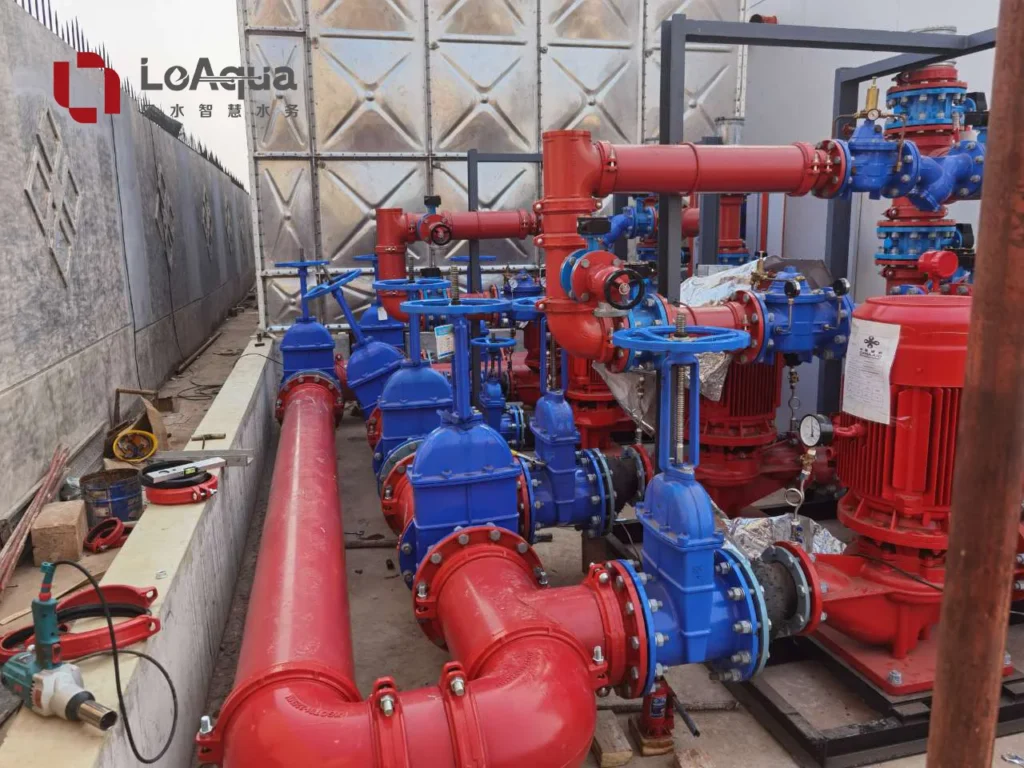
The water tank and fire pump system must be considered together to ensure the required supply can be delivered when needed.
Industrial Water Storage
Industrial applications often have more specific requirements.
Engineers may evaluate:
- Production processes
- Continuous operation requirements
- Water quality requirements
- Peak production demand
For some facilities, stable water availability is more important than daily average consumption.
Step 2: Calculate Water Demand Patterns
After identifying the application, engineers analyze how water demand changes over time.
Average consumption alone may not provide enough information.
Projects often experience:
- Peak demand periods
- Low demand periods
- Seasonal changes
- Emergency conditions
For example:
A residential building may have significant demand fluctuations throughout the day.
An industrial facility may require a relatively stable supply during operation hours.
Therefore, engineers consider both:
- Average demand
- Peak demand
when selecting tank capacity.
Step 3: Consider Required Storage Time
Another important factor is how long the stored water needs to support the project.
The required storage duration depends on the purpose of the system.
Engineers may consider:
- Reliability of the water source
- Possibility of supply interruption
- Emergency requirements
- Project operating conditions
For areas with unstable water supply, additional storage capacity may be required.
For projects with reliable external supply, a smaller buffer may be sufficient.
The objective is to create the right balance between security and practicality.
Step 4: Match Tank Capacity With Pump System Design
Tank capacity should not be selected separately from the pumping system.
The relationship between storage and pumping affects overall system performance.
Engineers consider:
- Pump flow rate
- Pump operating frequency
- Water demand changes
- Pressure requirements
For example:
A very small tank combined with a large pump may cause frequent pump starting and stopping.
A very large tank with unsuitable pump operation may increase unnecessary cost and maintenance requirements.
A balanced design considers both storage volume and water delivery requirements.
How Engineers Balance Capacity, Cost and Installation Space
Selecting water tank capacity is always a balance between technical requirements and practical limitations.
A larger tank may provide more stored water, but it also creates additional challenges.
Engineers need to consider:
- Available installation space
- Transportation limitations
- Construction schedule
- Project budget
- Future maintenance
For example, increasing tank capacity may require:
- Larger installation areas
- More structural support
- More complex transportation arrangements
In some projects, the available space becomes the limiting factor rather than the required water volume.
This is especially common in:
- Urban buildings
- Rooftop installations
- Existing facility upgrades
- Underground installations
Therefore, engineers often evaluate whether the required storage volume can be achieved through:
- Optimized tank dimensions
- Modular panel design
- Multiple tank configurations
- Better integration with pumping systems
The goal is not to maximize tank size.
The goal is to achieve the required water availability within the actual project conditions.
How Tank Structure Affects Usable Capacity
Tank capacity is not only about the total volume shown on a drawing.
Engineers also consider how much water can actually be used during operation.
The tank structure influences:
- Internal space utilization
- Cleaning accessibility
- Maintenance convenience
- Installation configuration
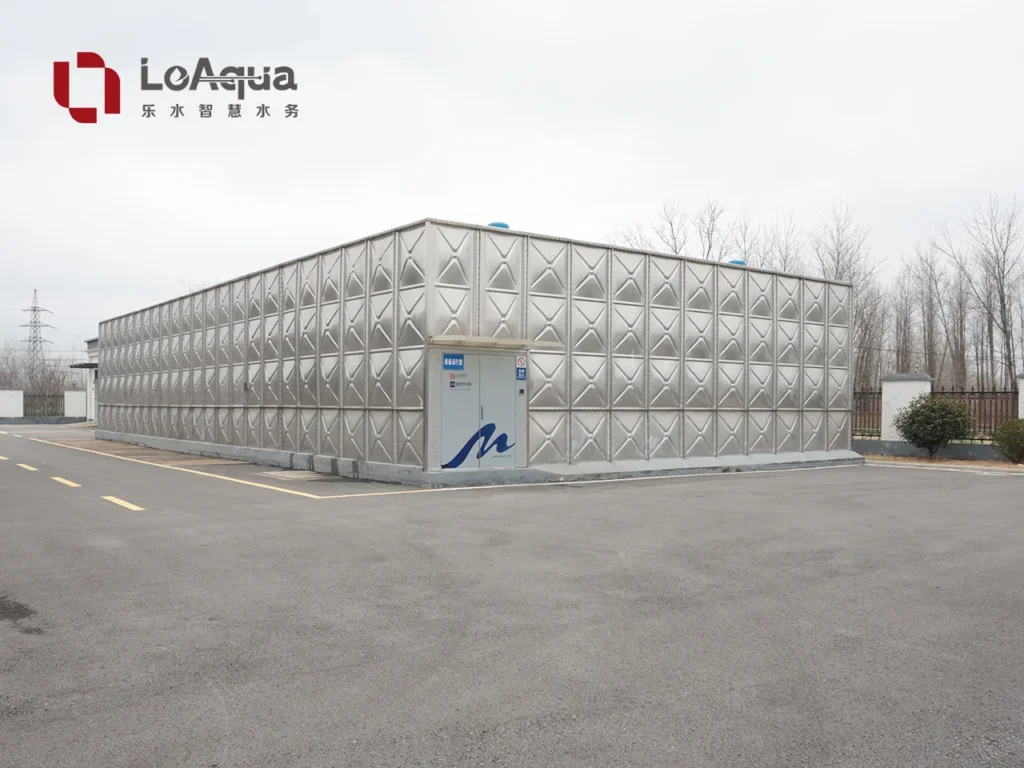
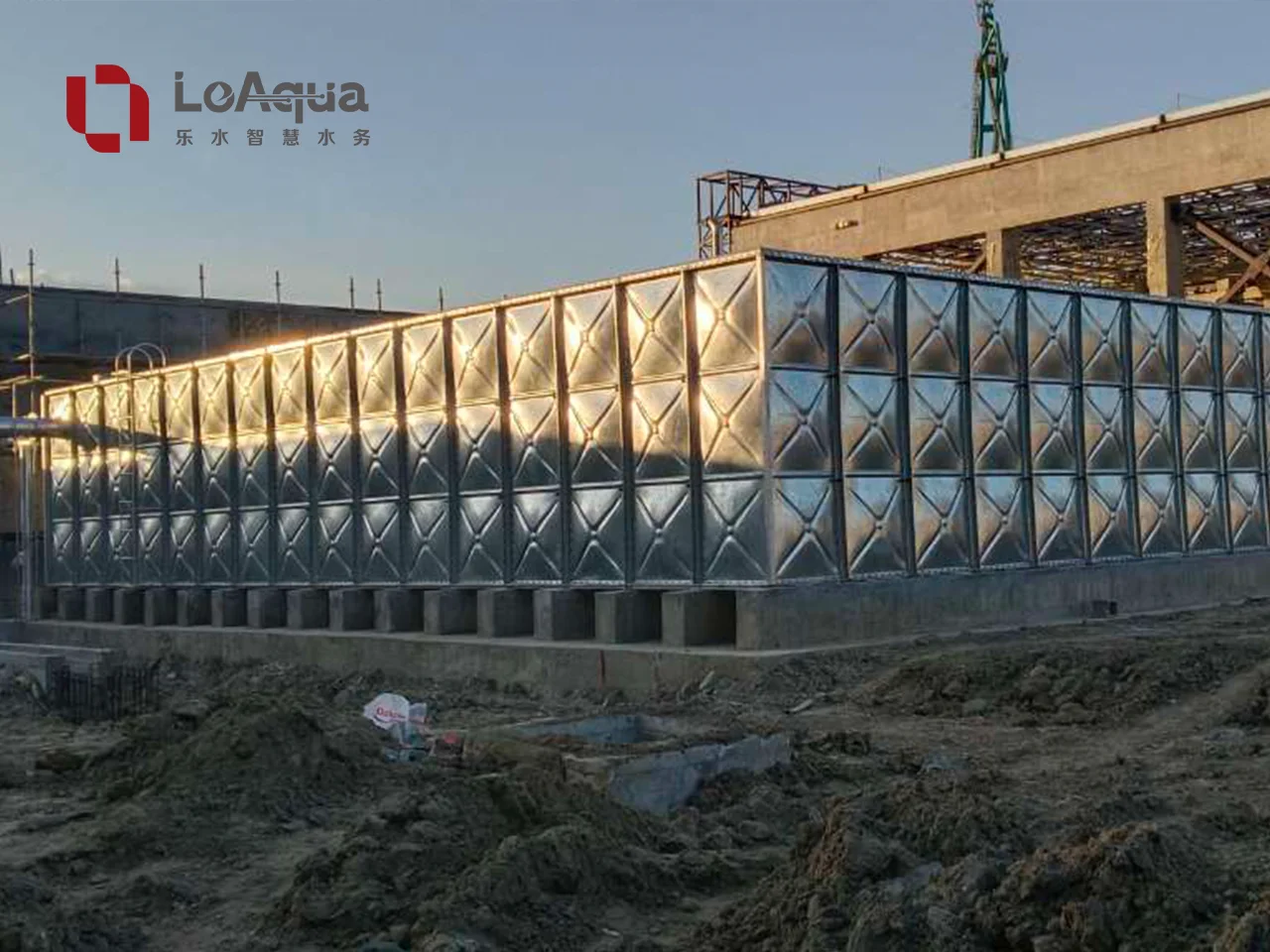
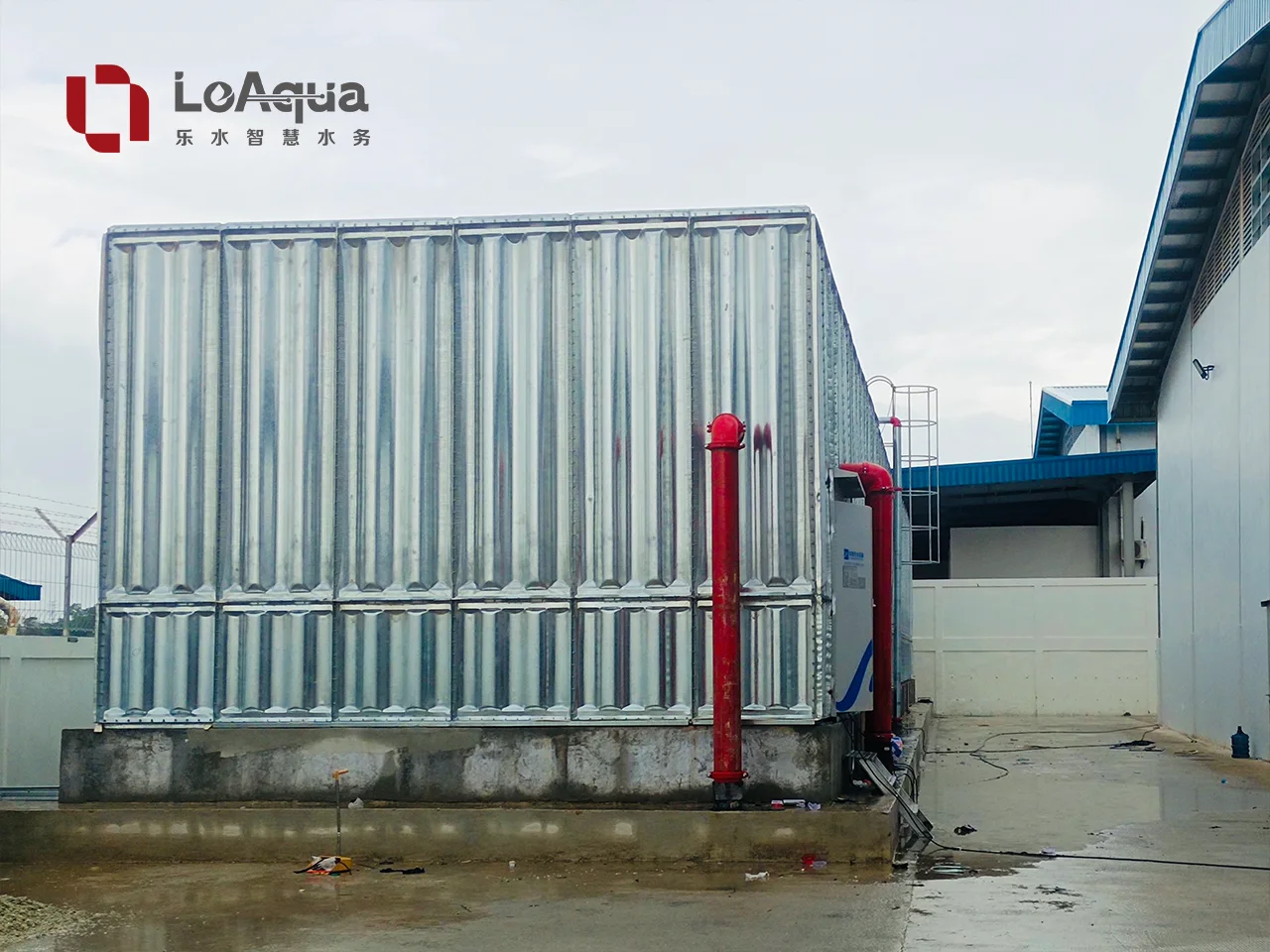
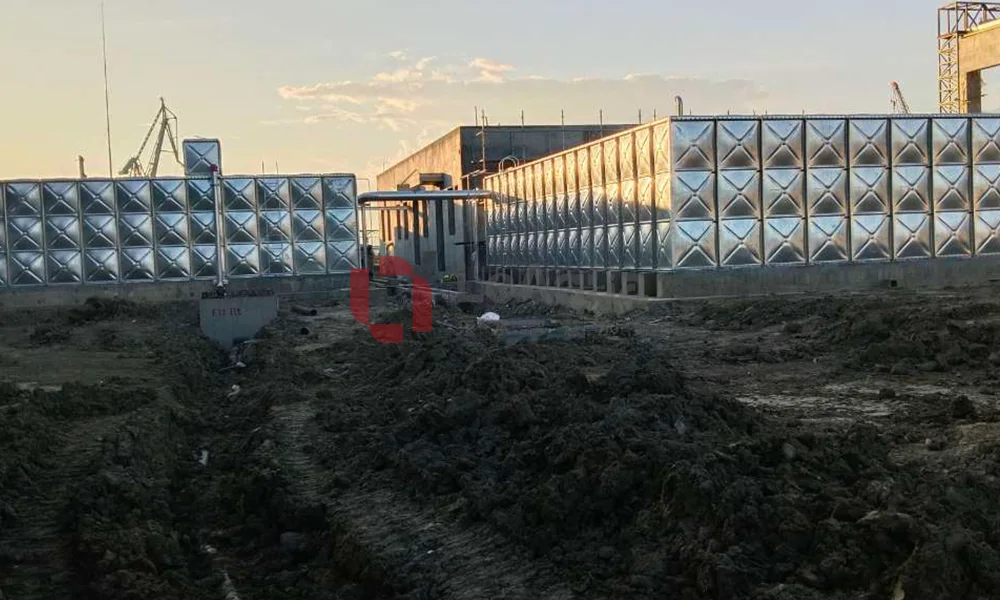
For modular water tanks, panel arrangement and internal reinforcement methods can affect the final layout.
Traditional reinforcement methods may require internal components that occupy some internal space.
Modern structural designs aim to improve rigidity while maintaining practical internal access.
For example, reinforced panel structures can help improve stiffness through panel geometry rather than relying only on additional internal supports.
This can provide advantages in applications where:
- Internal inspection is important
- Cleaning frequency is high
- Operators need easier access
A good tank design considers not only how much water can be stored, but also how the tank can be operated throughout its service life.
Common Mistakes When Selecting Water Tank Capacity
Mistake 1: Choosing Capacity Based Only on Maximum Demand
Some projects focus only on the highest possible water demand.
However, designing only for maximum demand may result in unnecessary oversizing.
Engineers need to consider:
- Normal operating conditions
- Peak demand periods
- Emergency requirements
A balanced design provides sufficient storage without creating unnecessary costs.
Mistake 2: Ignoring Future Requirements
A water supply system may operate for many years.
During this period, project conditions may change.
For example:
- Building occupancy may increase
- Production capacity may expand
- Water demand may change
Engineers may consider whether additional capacity or expansion options should be included during the initial design stage.
Modular water tanks can provide advantages in some situations because additional sections can sometimes be considered according to future requirements.
Mistake 3: Selecting Tank Capacity Without Considering Pumps
A storage tank and pump system should work together.
If the relationship between them is not considered, problems may occur.
Examples:
A tank that is too small may cause frequent pump operation.
A tank that is too large may increase water retention time and unnecessary cost.
Engineers therefore evaluate:
- Storage volume
- Pump flow
- Operating frequency
- Water demand pattern
as part of one system.
Water Tank Capacity and Different Installation Methods
The installation method can also influence capacity decisions.
Above-Ground Water Tanks
For above-ground installations, engineers consider:
- Available space
- Structural support
- Transportation access
- Weather conditions
Modular tanks are often considered because components can be transported and assembled according to site limitations.
Underground Water Tanks
For underground applications, capacity selection may also involve:
- Excavation conditions
- Waterproofing requirements
- Maintenance access
- Future inspection
The available underground space may determine the practical tank dimensions.
Rooftop Water Tanks
Rooftop installations require additional consideration of:
- Building structure
- Load distribution
- Equipment access
The tank capacity must match both water requirements and structural limitations.
Why Capacity Should Be Considered as Part of a Complete System
A water tank does not operate independently.
Its performance is connected with:
- Pump selection
- Pipe arrangement
- Control system
- Water demand management
For example, a project with a well-designed tank but unsuitable pumping equipment may still experience poor water supply performance.
Similarly, an efficient pump system cannot compensate for insufficient storage capacity.
This is why engineers increasingly evaluate water storage as part of a complete system rather than as an isolated product.
A complete approach considers:
Storage → Pumping → Distribution → Monitoring
as connected stages of one water supply process.
How LeAqua Supports Water Tank Capacity Design
At LeAqua, tank capacity selection is approached from an engineering perspective.
Instead of recommending a standard tank size for every project, engineers consider:
- Application requirements
- Installation conditions
- Water demand characteristics
- Structural design
- Future operation needs
With experience in modular water tank manufacturing and integrated water supply solutions, LeAqua supports projects from initial tank selection through system planning.
This approach helps customers evaluate not only:
“How much water can the tank store?”
but also:
“How will this storage system perform in the real project environment?”
Final Thoughts
Selecting water tank capacity is an engineering decision that requires more than calculating a volume.
The right capacity depends on:
- Water usage
- Operating conditions
- Installation environment
- Pump system design
- Future requirements
A properly selected tank provides enough storage without creating unnecessary cost, space or maintenance challenges.
The best water storage solution is not always the largest one.
It is the solution that matches the project’s actual requirements and supports reliable operation throughout its service life.