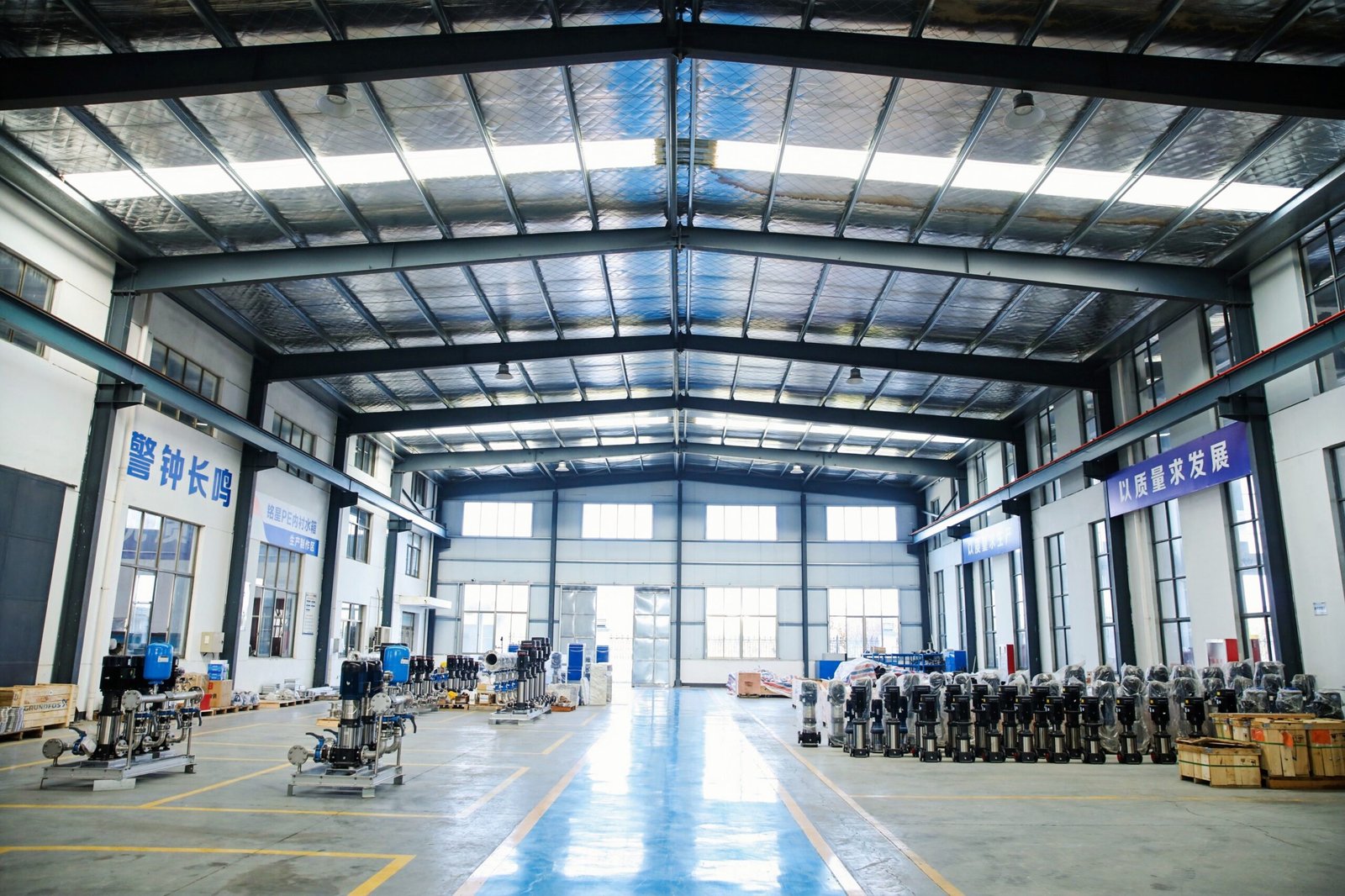
When people discuss water tank design, the conversation often starts with capacity.
“How many cubic meters do we need?”
While capacity is obviously important, it is rarely the first thing experienced engineers focus on when reviewing a project.
In practice, many design problems appear long before water enters the tank.
A tank can have the correct volume, be manufactured to specification, and still create installation difficulties because the foundation was not coordinated properly, access space was underestimated, or future maintenance was never considered during the design stage.
Over the years, one lesson has become clear:
Most water tank problems are not manufacturing problems. They are design-stage problems.
The purpose of good design is not simply to calculate storage volume. It is to ensure that the tank can be installed, inspected, maintained, and operated without creating unnecessary challenges later.
This article shares several practical considerations that engineers frequently review before approving a water tank design.
The First Drawing We Usually Review Is Not the Tank Drawing
Many project owners assume that tank design starts with the tank itself.
In reality, one of the first drawings we often review is the site layout.
Before discussing panel thickness, reinforcement details, or material grades, it is important to understand where the tank will actually be installed.
A few questions immediately affect the design:
- Can installation equipment reach the site?
- Is there enough clearance around the tank?
- Will maintenance personnel have access after construction?
- Are there nearby structures that limit future expansion?
- Is the tank above ground or underground?
These questions sound simple, but they often influence the final design more than people expect.
For example, a project may have enough space for a 500 m³ water tank on paper. After reviewing access roads, existing buildings, and utility corridors, the usable installation area may be much smaller than originally assumed.
We have also seen projects where the tank dimensions were finalized before transportation routes were reviewed. The tank itself met all technical requirements, but certain components could not be delivered efficiently because site access had been overlooked during the early design phase.
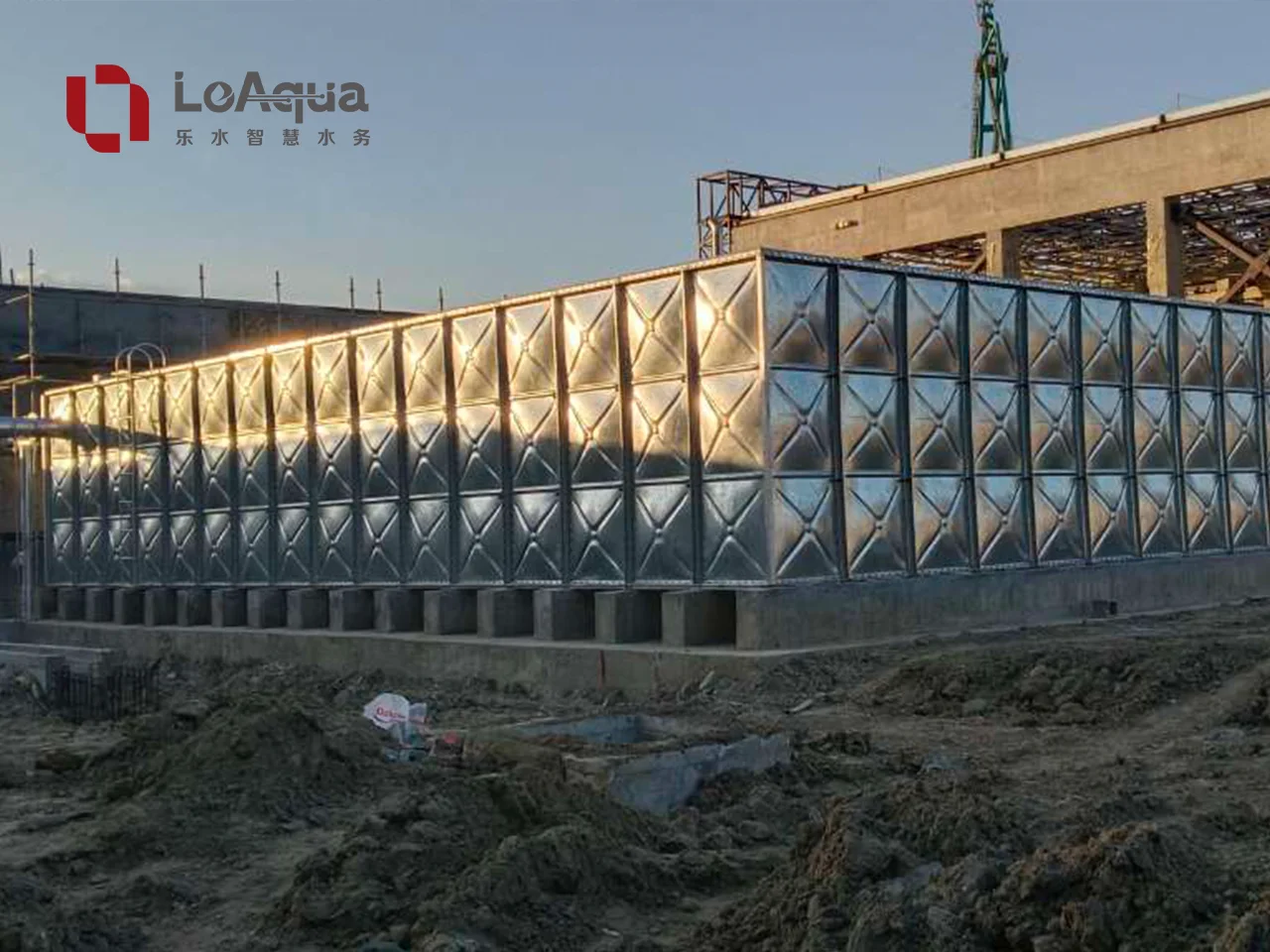
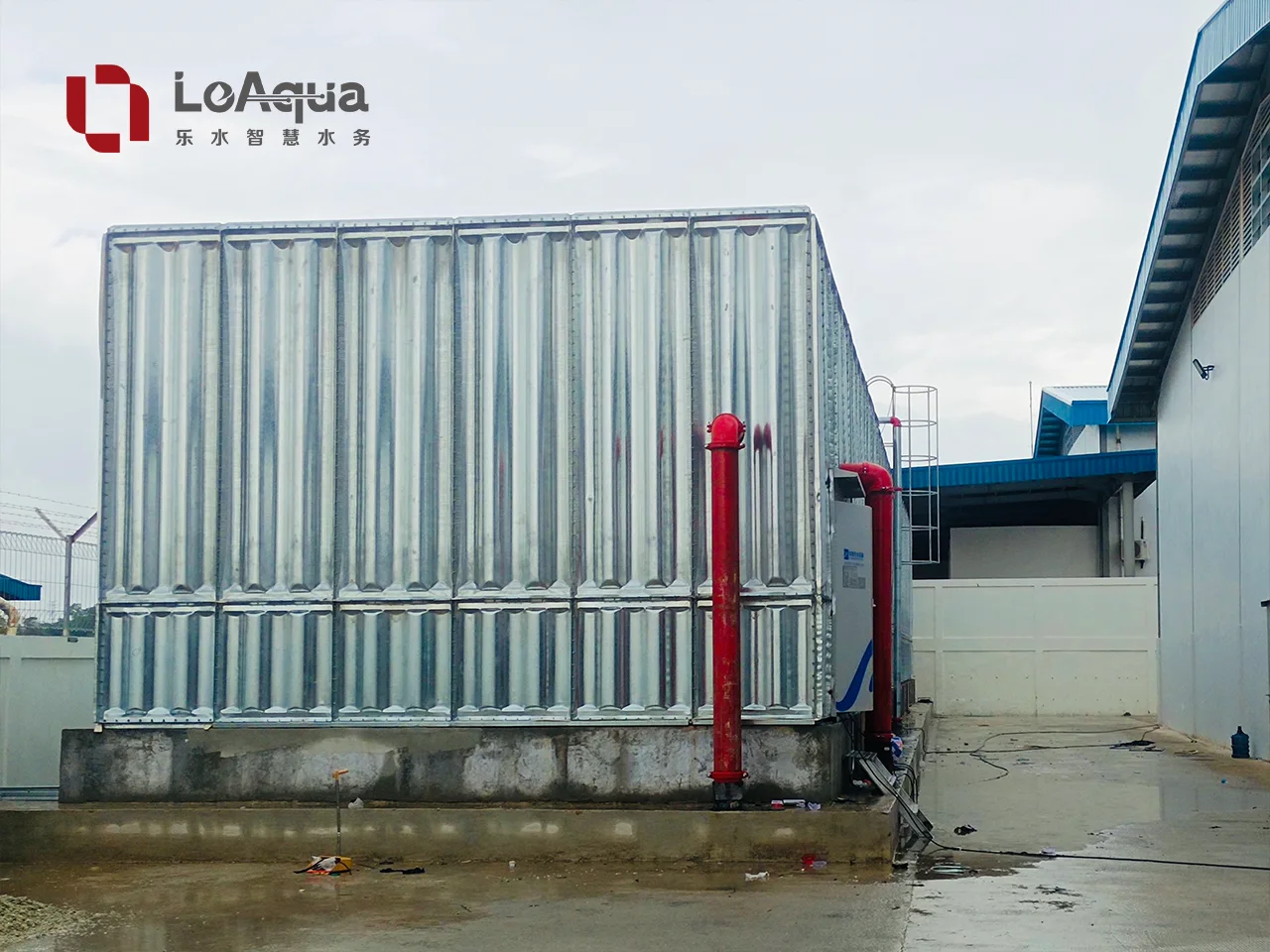
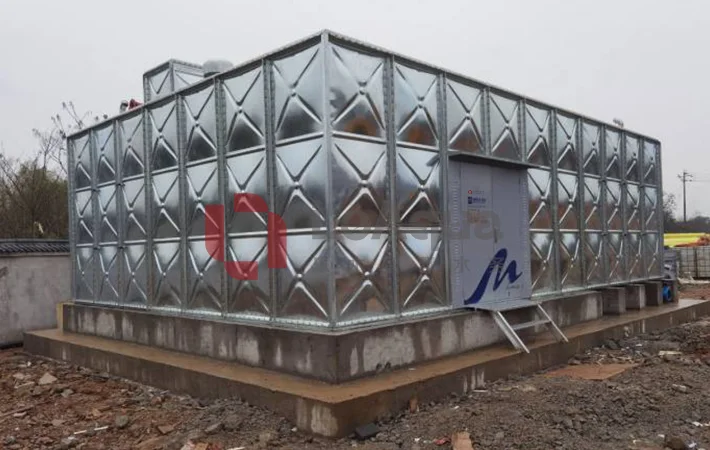
This is one reason modular water tanks have become increasingly common in commercial and municipal projects.
By transporting smaller components and assembling them on site, engineers gain more flexibility when dealing with restricted access conditions.
The lesson is straightforward:
Before reviewing the tank drawing, review the site.
A well-designed tank cannot compensate for a poorly understood installation environment.
Why Capacity Is Usually Not the First Decision
One of the most common misconceptions in water storage projects is that the required tank volume automatically determines the final design.
In reality, capacity is only one design input.
Two projects may both require 500 m³ of water storage, yet the final tank configurations may look completely different.
The reason is that storage volume must be considered together with site conditions, structural requirements, maintenance access, construction methods, and future expansion plans.
Consider a commercial development where land is limited.
The required storage volume may suggest a larger footprint, but available space may require a taller structure or an underground arrangement.
In another project, future expansion may already be planned.
Instead of building the entire storage volume immediately, engineers may choose a modular configuration that allows additional capacity to be added later.
A similar situation often occurs in industrial facilities.
Process requirements may indicate a specific storage volume, but pipe routing, equipment locations, and maintenance access can all influence the final layout.
For this reason, experienced design teams rarely begin by asking:
“What size tank do we want?”
Instead, they ask:
“What conditions must this tank work within?”
Only after those conditions are understood does the capacity become meaningful within the overall design.
The most successful projects are usually those where storage volume, structural design, installation requirements, and operational needs are evaluated together rather than as separate decisions.
The Foundation Drawing Often Deserves More Attention Than the Tank Drawing
When discussions focus on water tank design, attention naturally shifts to panel thickness, reinforcement details, or material selection.
However, on many projects, the first construction issue appears before the tank is even delivered.
It begins with the foundation.
A water tank is only as stable as the structure supporting it. If the foundation is not level, settlement occurs unevenly, or embedded components do not match the installation drawings, correcting these problems after delivery is often far more difficult than preventing them during design.
For this reason, experienced design teams normally review several items before approving the final tank layout:
- Foundation dimensions
- Elevation levels
- Load-bearing capacity
- Anchor locations (where applicable)
- Drainage around the foundation
- Space for installation and inspection
For underground projects, the foundation design becomes even more critical because the structure must work together with surrounding soil and the reinforced concrete base.
Ignoring these details during the design stage often leads to delays that have nothing to do with the water tank itself.
A carefully reviewed foundation drawing saves far more time than a rushed installation schedule.

Maintenance Begins During Design, Not After Installation
Maintenance is often considered an operational issue.
In reality, many maintenance challenges are created during the design phase.
A simple example is the location of the inspection opening.
If the opening is positioned where surrounding equipment blocks access, routine inspection becomes unnecessarily difficult. The tank itself may be functioning perfectly, but every maintenance task now requires additional work.
The same principle applies to pipe connections, valves, level sensors, overflow arrangements, and drain outlets.
Good design asks practical questions early:
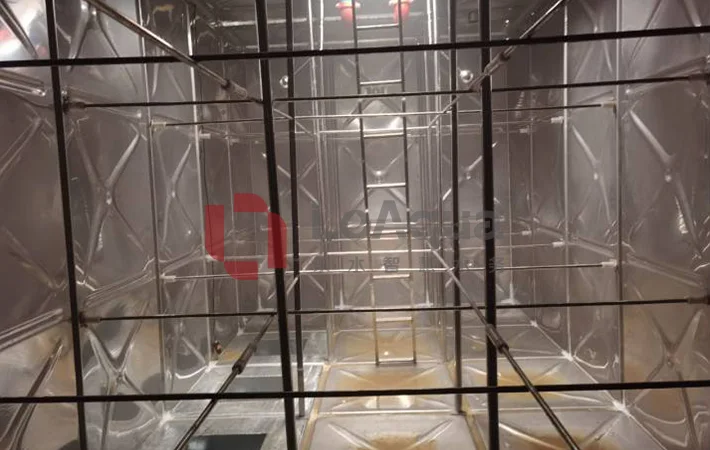
- Can a technician safely enter the tank?
- Is there enough working space around inspection points?
- Can accessories be replaced without dismantling other equipment?
- Will future cleaning be straightforward?
None of these questions changes the storage capacity of the tank, yet they directly influence how easily the system can be operated over the next twenty or thirty years.
This is why maintenance should never be treated as something to think about after construction has been completed.
Underground Installation Changes More Than the Tank Location
Moving a water tank below ground does not simply change where the structure is installed.
It changes the way engineers think about the entire project.
Above-ground tanks primarily resist the pressure generated by stored water together with environmental loads such as wind or seismic forces.
Underground installations introduce additional considerations.
The surrounding soil becomes part of the structural system.
Engineers evaluate questions such as:
- How will soil pressure act on the walls?
- Will groundwater create uplift forces?
- Is the tank located beneath a roadway or parking area?
- What surface loading should be considered?
- How will rainwater be drained away from the structure?
These questions influence both the civil works and the water tank design.
For modular underground water tanks, transportation and assembly also become part of the engineering discussion.
Factory-manufactured panels can often simplify installation where access is limited, while the structural configuration is adjusted according to the project’s loading conditions.
Rather than treating underground installation as a different product category, experienced engineers consider it a different design environment that requires its own set of structural checks.
One Design Rarely Fits Every Project
Clients sometimes ask for the same tank they used on a previous project.
While that approach may appear efficient, it is not always appropriate.
Two projects with identical storage capacities can require different structural arrangements because their construction conditions are different.
A hospital, a manufacturing plant, a commercial complex, and a municipal pumping station may all require 500 cubic metres of water storage.
The operating purpose may be similar.
The engineering conditions are not.
Site layout, available installation space, maintenance requirements, future expansion, and civil works all influence the final design.
For this reason, experienced engineers usually avoid starting with a standard tank configuration.
Instead, they begin with the project itself.
Once the project constraints are fully understood, selecting the most suitable structural approach becomes a much more straightforward process.
| Design Stage | Common Mistake | Better Practice |
| Capacity | Finalizing volume before checking the site | Review site constraints first |
| Foundation | Ignoring level tolerance | Verify the civil drawings before fabrication |
| Maintenance | No working space around inspection openings | Reserve maintenance clearance during design |
| Underground installation | Focusing only on water pressure | Evaluate soil and surface loads together |
Final Thoughts
Good water tank design is not achieved by choosing the thickest panel or the highest material grade.
It comes from understanding how the tank will be built, accessed, maintained, and used throughout the life of the project.
Many of the issues encountered during installation can be traced back to decisions made months earlier during the design stage.
Reviewing the site before reviewing the tank, coordinating the foundation with the structural layout, planning maintenance access, and considering future operational needs all contribute to a design that performs well in practice rather than only on drawings.
At LeAqua, every project begins with the engineering conditions rather than a predefined tank configuration. By evaluating the project as a complete system, the design process can better support construction, operation, and future maintenance across a wide range of water storage applications.