When selecting a water tank for a project, many customers start with one simple question:
“Which material is the best?”
However, engineers usually approach this decision differently.
There is no single material that is suitable for every project.
The selection depends on several factors, including:
- Water application
- Installation environment
- Structural requirements
- Maintenance expectations
- Project budget
- Service life requirements
Stainless steel, composite and FRP water tanks are all widely used solutions in different applications.
The key is not choosing the most expensive material or the strongest material.
The key is selecting a tank structure and material combination that matches the actual project conditions.
What Factors Do Engineers Consider Before Selecting Tank Materials?
Before comparing materials, engineers usually define the basic requirements of the project.
Important questions include:
- What type of water will be stored?
- Where will the tank be installed?
- How long should the tank operate?
- What environmental conditions will it face?
- How will maintenance be performed?
For example, a tank installed in a coastal area may face different corrosion challenges compared with one installed indoors.
A drinking water tank may have different hygiene requirements compared with an industrial process water tank.
Therefore, material selection is not only about the material itself.
Engineers evaluate the complete relationship between:
- Material
- Structure
- Manufacturing process
- Installation method
- Operating environment
Stainless Steel Water Tanks: When Do Engineers Choose Them?
Stainless steel water tanks are widely used in projects where hygiene, durability and appearance are important considerations.
Common applications include:
- Commercial buildings
- Residential developments
- Hotels
- Hospitals
- Public facilities
- Industrial water storage
Stainless steel provides several advantages:
Corrosion Resistance
Stainless steel has good corrosion resistance compared with many traditional materials.
This makes it suitable for many environments where long-term durability is required.
However, engineers still consider the actual environment carefully.
Factors such as:
- Water quality
- External atmosphere
- Chloride exposure
- Maintenance conditions
can influence material selection.
Hygienic Water Storage
For applications involving potable water, tank hygiene is a major consideration.
Engineers evaluate:
- Internal surface condition
- Cleaning accessibility
- Material compatibility
- Long-term maintenance
Stainless steel tanks are often selected when clean internal surfaces and easy maintenance are important.
Structural Flexibility
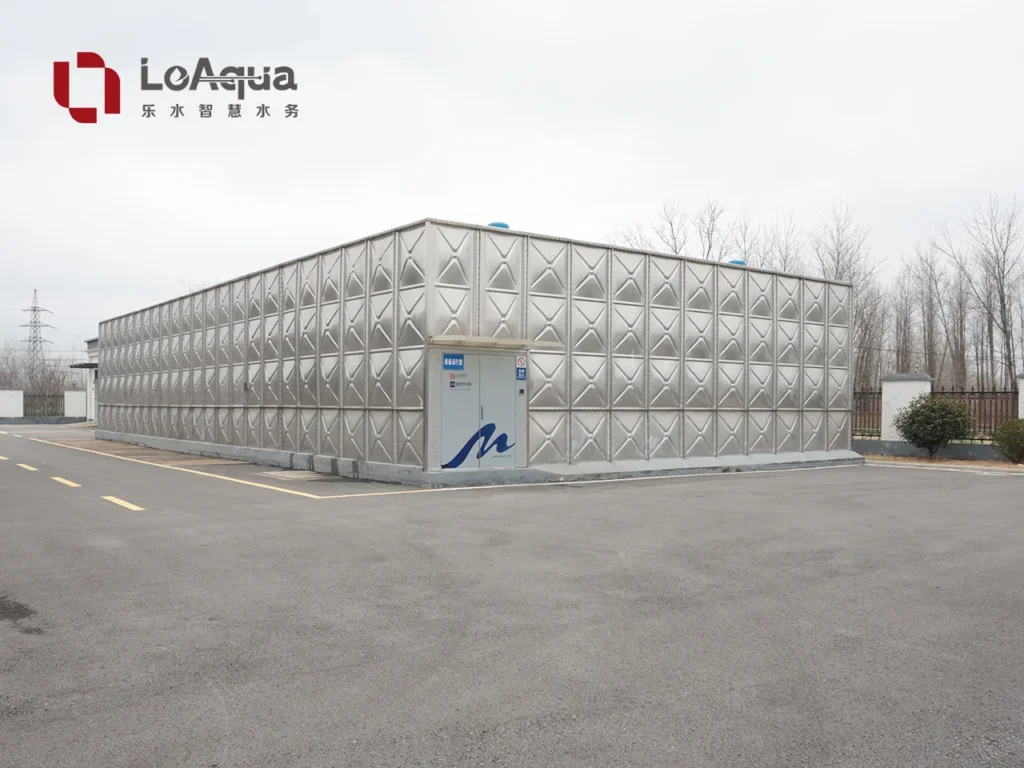
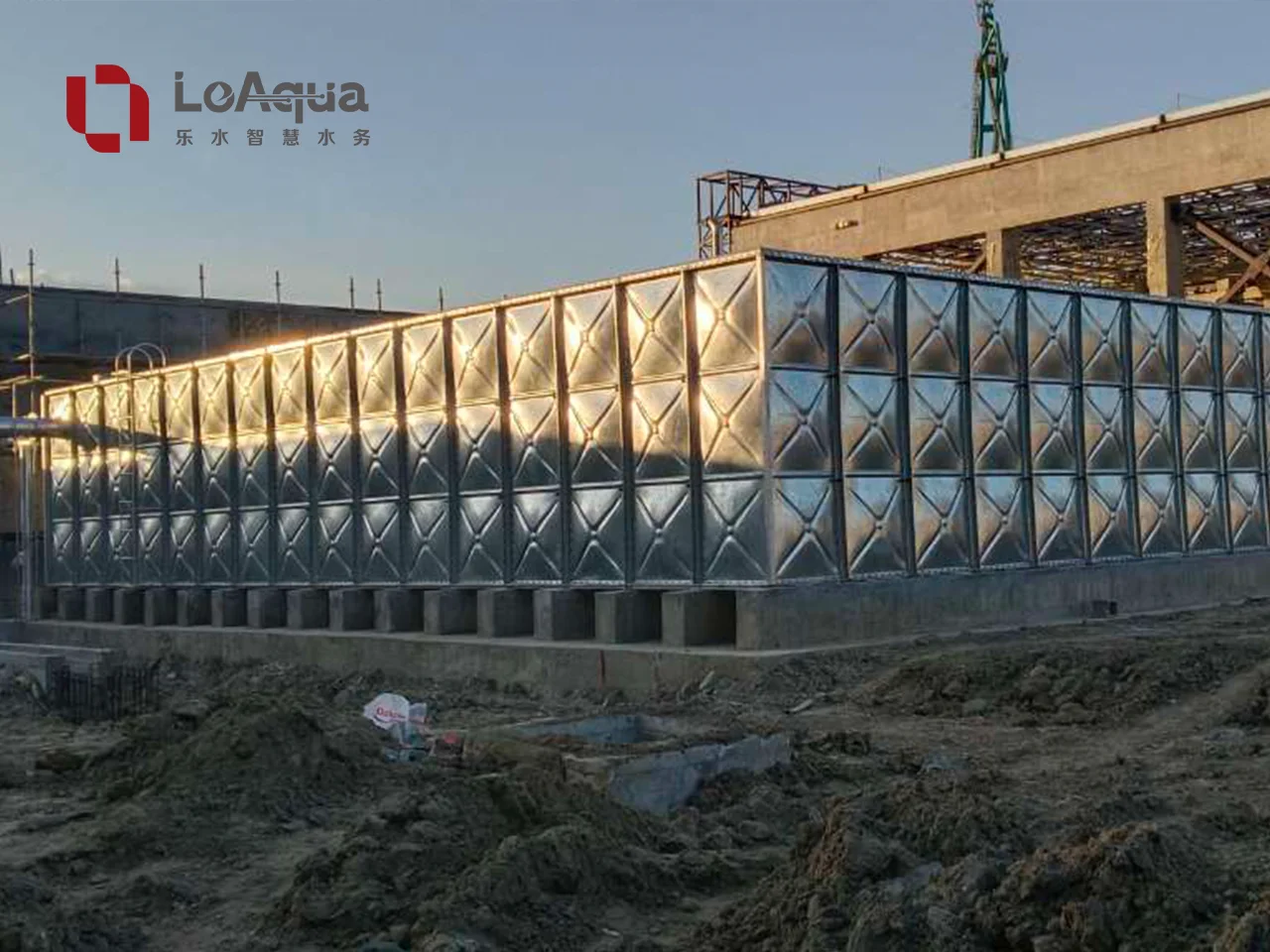
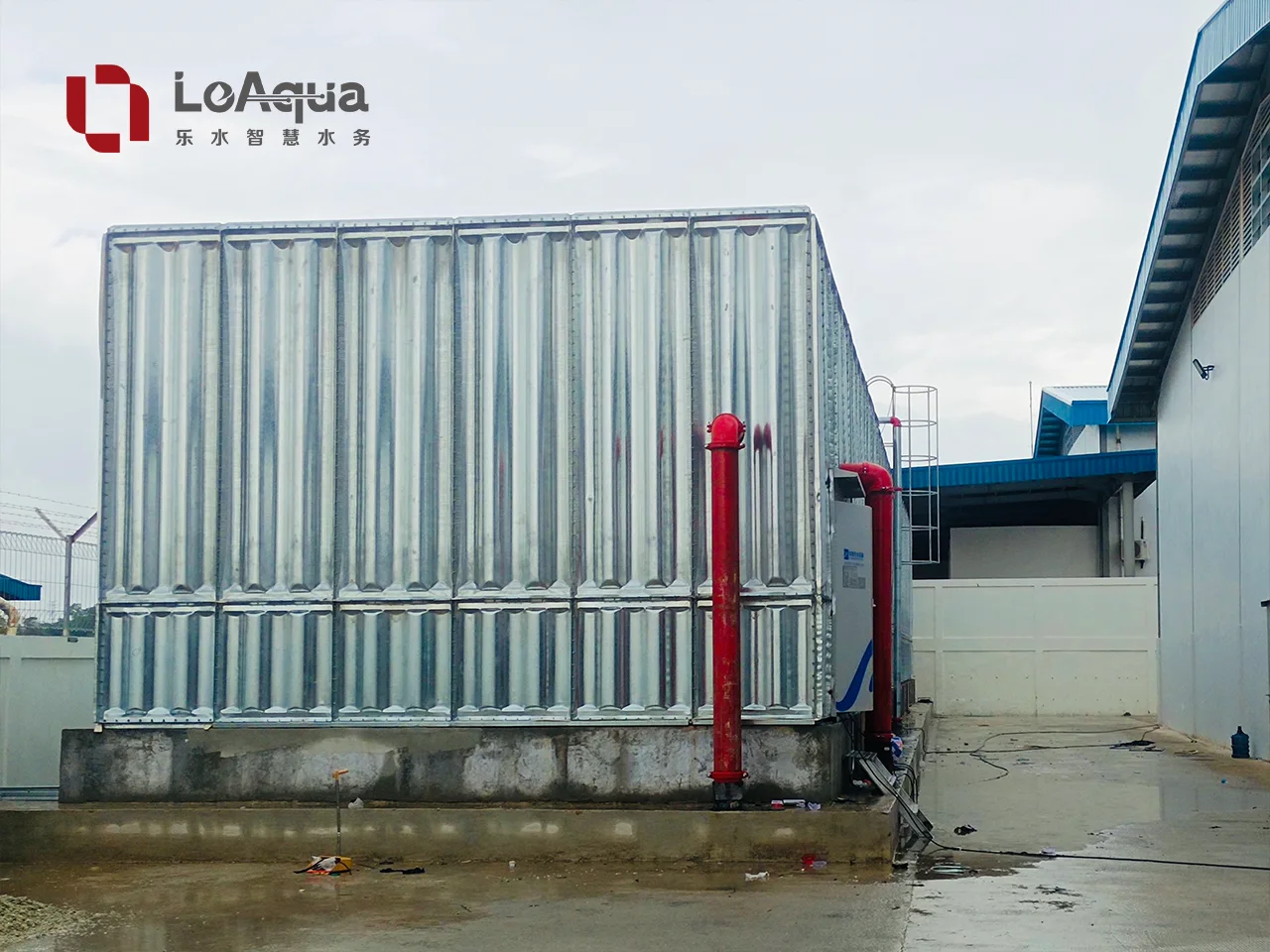
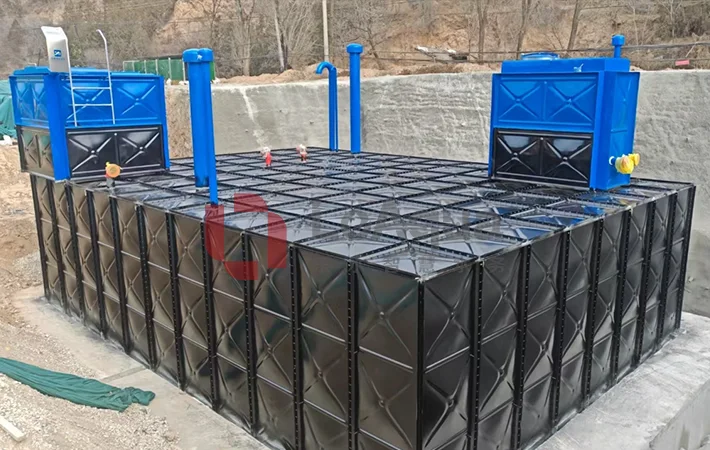
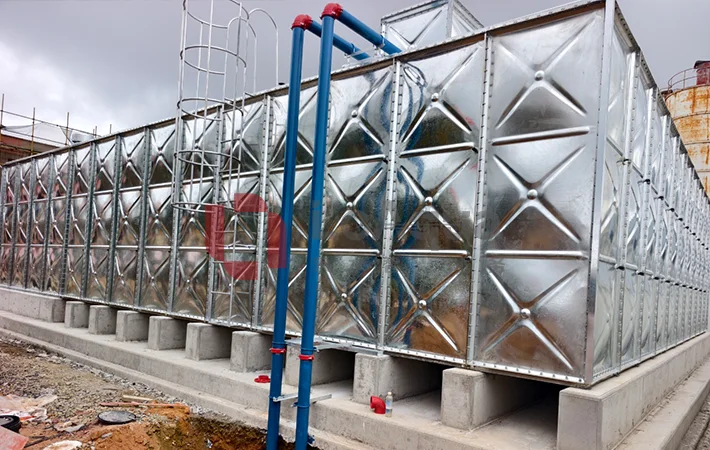
Modern stainless steel modular tanks are not limited to simple flat-panel structures.
Different panel designs and reinforcement methods can improve structural performance while maintaining installation flexibility.
For example, rib-reinforced panel designs can increase rigidity and reduce dependence on internal support structures.
This can provide advantages in applications where:
- Internal cleaning space is important
- Maintenance access is required
- The tank needs modular installation
Composite Water Tanks: Why Are They Used?
Composite water tanks combine different materials to achieve specific performance advantages.
A typical composite structure may combine:
- Stainless steel surface layer
- Reinforced structural layer
- Supporting metal structure
The purpose is to balance:
- Material performance
- Structural strength
- Cost efficiency
- Installation requirements
Engineers may consider composite solutions when they need a combination of corrosion resistance and structural performance.
Balancing Performance and Project Requirements
In some projects, using stainless steel for every structural component may not always be the most efficient approach.
Composite designs allow engineers to optimize different parts of the tank according to their function.
For example:
The water-contact surface may focus on hygiene and corrosion resistance.
The supporting structure may focus on strength and stability.
This engineering approach allows different materials to contribute where they are most effective.
Composite Tanks for Large Modular Projects
Large projects often require:
- Flexible transportation
- Fast installation
- Large storage capacity
- Adaptable design
Composite modular tanks can provide advantages in these situations.
Engineers can consider:
- Panel dimensions
- Site conditions
- Installation sequence
- Structural requirements
before selecting the final configuration.
FRP Water Tanks: Where Do Engineers Consider Them?
FRP (Fiber Reinforced Plastic) water tanks are another commonly used modular storage solution.
They are often considered when projects require:
- Lightweight construction
- Corrosion resistance
- Easy transportation
- Flexible installation
FRP water tanks are widely used in various applications, depending on local requirements and project conditions.
Lightweight Installation Advantages
Compared with some metal structures, FRP panels can be easier to transport and handle.
This can be beneficial for:
- Remote locations
- Projects with difficult transportation conditions
- Areas where installation equipment is limited
Corrosion Considerations
FRP materials have strong resistance to many corrosion environments.
This makes them suitable for projects where corrosion resistance is an important factor.
However, engineers still need to evaluate:
- Temperature conditions
- Mechanical requirements
- Long-term operating environment
before making a final decision.
How Engineers Compare Stainless Steel, Composite and FRP Water Tanks
When engineers compare different water tank materials, they usually do not look at only one factor.
A tank that performs well in one project may not be the most suitable choice for another project.
The evaluation usually involves several aspects:
| Consideration | Stainless Steel Tank | Composite Tank | FRP Tank |
| Water hygiene requirements | Suitable for projects requiring clean internal surfaces | Depends on structure and contact layer | Depends on material specifications |
| Corrosion resistance | Good resistance with proper grade selection | Depends on material combination | Good resistance in many environments |
| Structural design | Available in different reinforced panel designs | Combines different material advantages | Lightweight structure |
| Transportation | Modular design supports site assembly | Suitable for modular projects | Lightweight panels can simplify handling |
| Maintenance requirements | Easy inspection and cleaning with proper design | Depends on configuration | Requires consideration of long-term conditions |
The table does not mean one material is universally better.
Instead, it shows why engineers evaluate the entire project before making a selection.

Why Tank Structure Matters as Much as Material
Material is only one part of water tank performance.
The structure and manufacturing method also have a significant influence.
Two tanks made from similar materials may perform differently because of differences in:
- Panel design
- Reinforcement method
- Connection structure
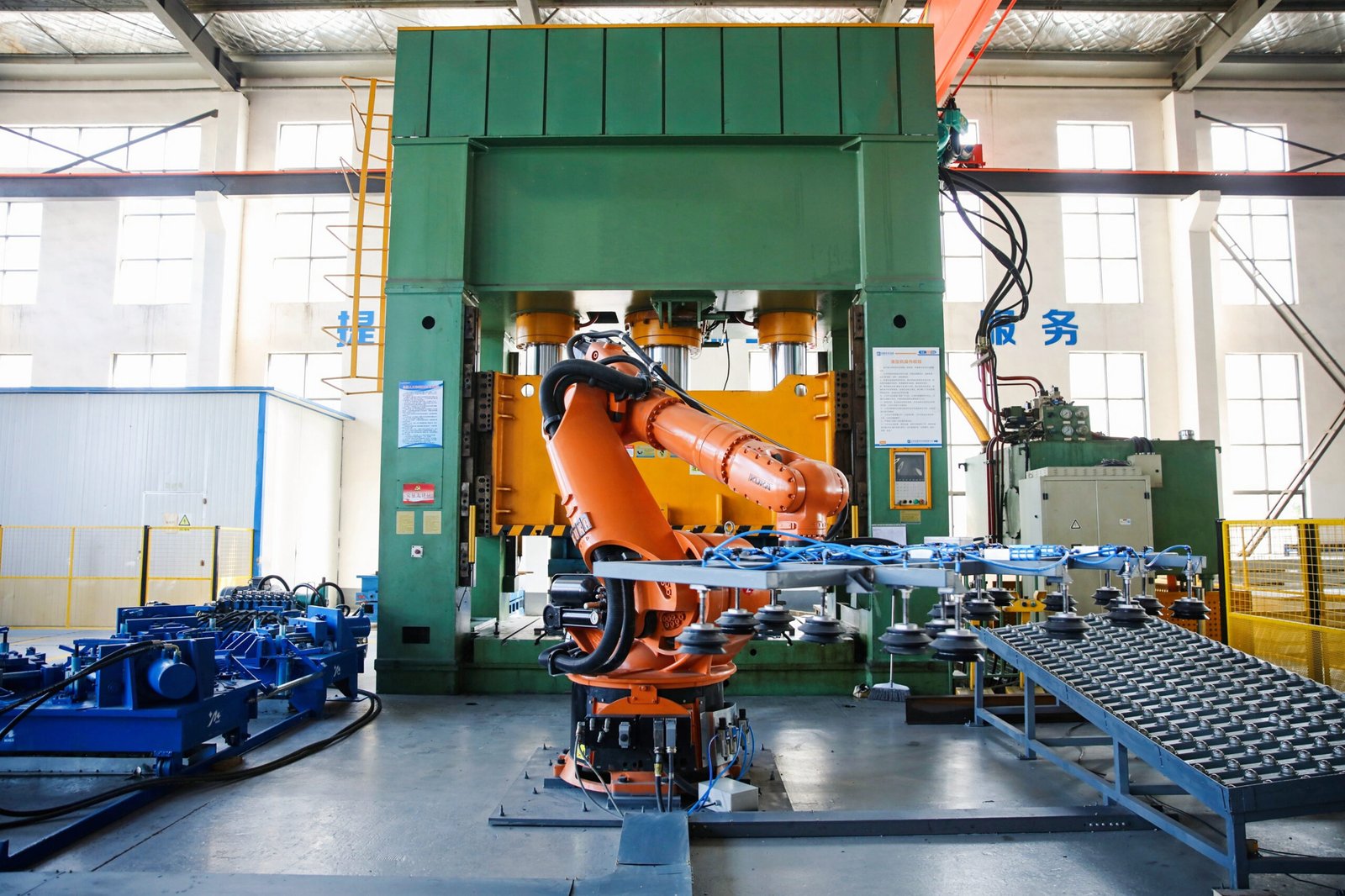
- Manufacturing accuracy
- Installation quality
For modular water tanks, panel rigidity is especially important.
The tank needs to withstand:
- Water pressure
- Long-term loading
- Transportation conditions
- Installation forces
A well-designed structure can improve performance without simply increasing material thickness.
This is why modern tank engineering focuses not only on material selection but also on structural optimization.
Why Reinforcement Design Is Important for Modular Water Tanks
Traditional modular tanks often use internal tie rods or reinforcement components to maintain structural stability.
While this method can provide support, engineers also need to consider:
- Internal cleaning accessibility
- Maintenance convenience
- Space utilization
Newer panel reinforcement designs aim to improve rigidity while reducing unnecessary internal structures.
For example, rib-reinforced panels use formed geometry to increase stiffness.
The principle is similar to many engineering structures where shape contributes to strength.
This approach can provide benefits such as:
- Better panel rigidity
- Cleaner internal space
- Easier inspection
- More convenient maintenance
However, the actual performance depends on the complete design, including:
- Panel geometry
- Material thickness
- Connection method
- Manufacturing accuracy
How Engineers Select the Right Tank Material for Different Projects
Instead of asking:
“Which water tank material is the best?”
Engineers usually ask:
“Which tank solution matches this project’s requirements?”
The decision process often follows several steps.
Step 1: Understand the Water Application
The first consideration is how the stored water will be used.
Examples include:
- Potable water storage
- Fire protection water storage
- Industrial water storage
- Process water applications
The application affects requirements related to:
- Hygiene
- Inspection
- Maintenance
- Operating conditions
Step 2: Evaluate the Installation Environment
The same tank design may perform differently depending on where it is installed.
Engineers consider:
- Indoor or outdoor installation
- Coastal or inland environment
- Available installation space
- Temperature conditions
- Transportation limitations
For example, a project located in a remote area may prioritize transportation and installation efficiency.
A project in a coastal environment may pay more attention to corrosion considerations.
Step 3: Consider Long-Term Maintenance
Initial installation is only one stage of a water tank’s lifecycle.
Engineers also consider:
- How the tank will be cleaned
- How inspections will be performed
- Whether components can be replaced
- How easily problems can be identified
A tank design that makes maintenance easier can reduce operational difficulties in the future.
Why LeAqua Focuses on Engineering-Based Water Storage Solutions
At LeAqua, water tank selection is approached from the perspective of the complete project requirement.
Different materials and structures serve different engineering purposes.
The objective is not to promote one material for every application.
Instead, the focus is understanding:
- Where the tank will be installed
- How the water will be used
- What structural requirements exist
- How the system will operate over time
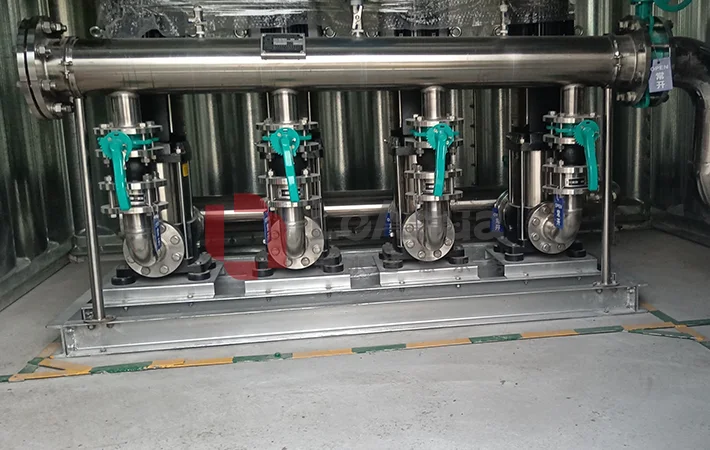
Through experience in modular water tank manufacturing and water supply system development, LeAqua provides solutions including:
- Stainless steel water tanks
- Composite water tanks
- Double-sided rib-reinforced water tanks
- FRP water tanks
- Integrated water supply solutions
This allows engineers and project owners to evaluate both the tank itself and its role within the complete water system.
Final Thoughts
Selecting a water tank material is not simply a comparison between stainless steel, composite and FRP.
Each material has different characteristics, and the right choice depends on the project conditions.
Professional engineers consider:
- Water requirements
- Installation environment
- Structural design
- Maintenance expectations
- Long-term operation
A successful water storage solution comes from matching the right material, structure and engineering approach to the actual application.
The best water tank is not necessarily the one made from the most expensive material.
It is the one that provides the right performance for the project’s real requirements.