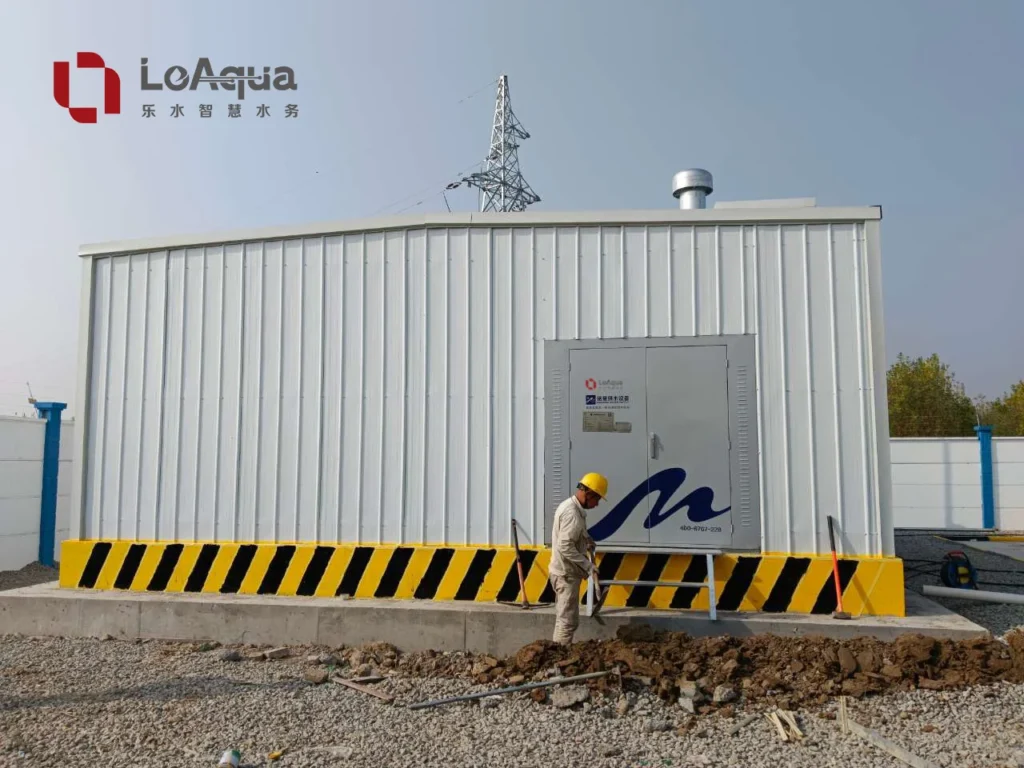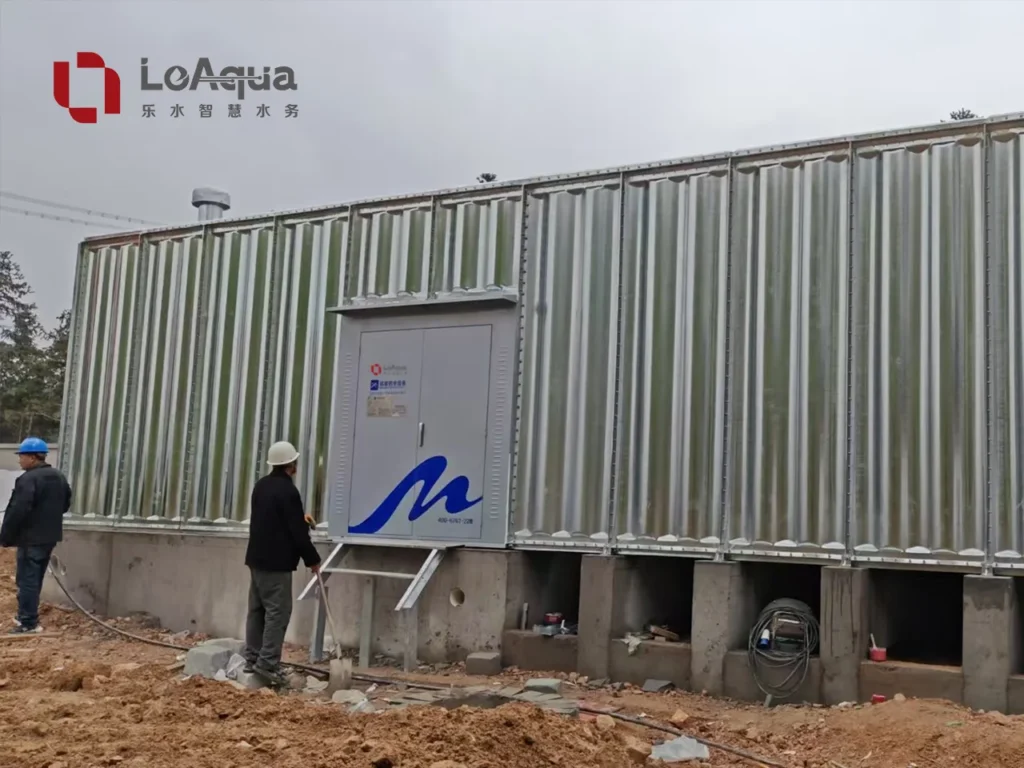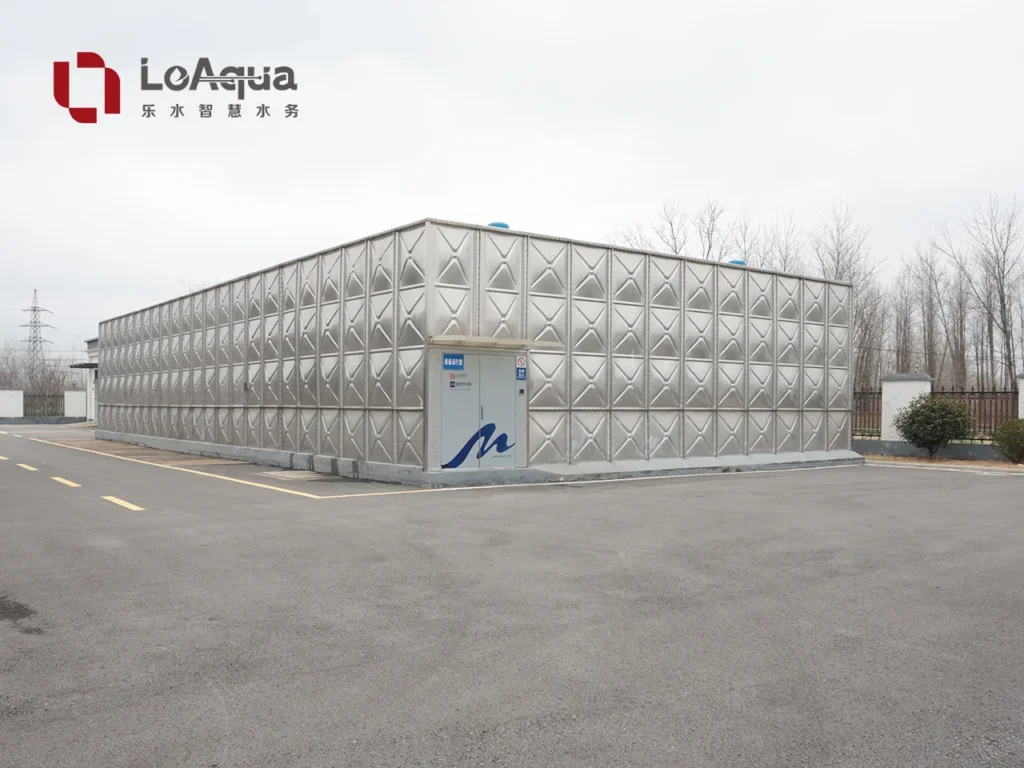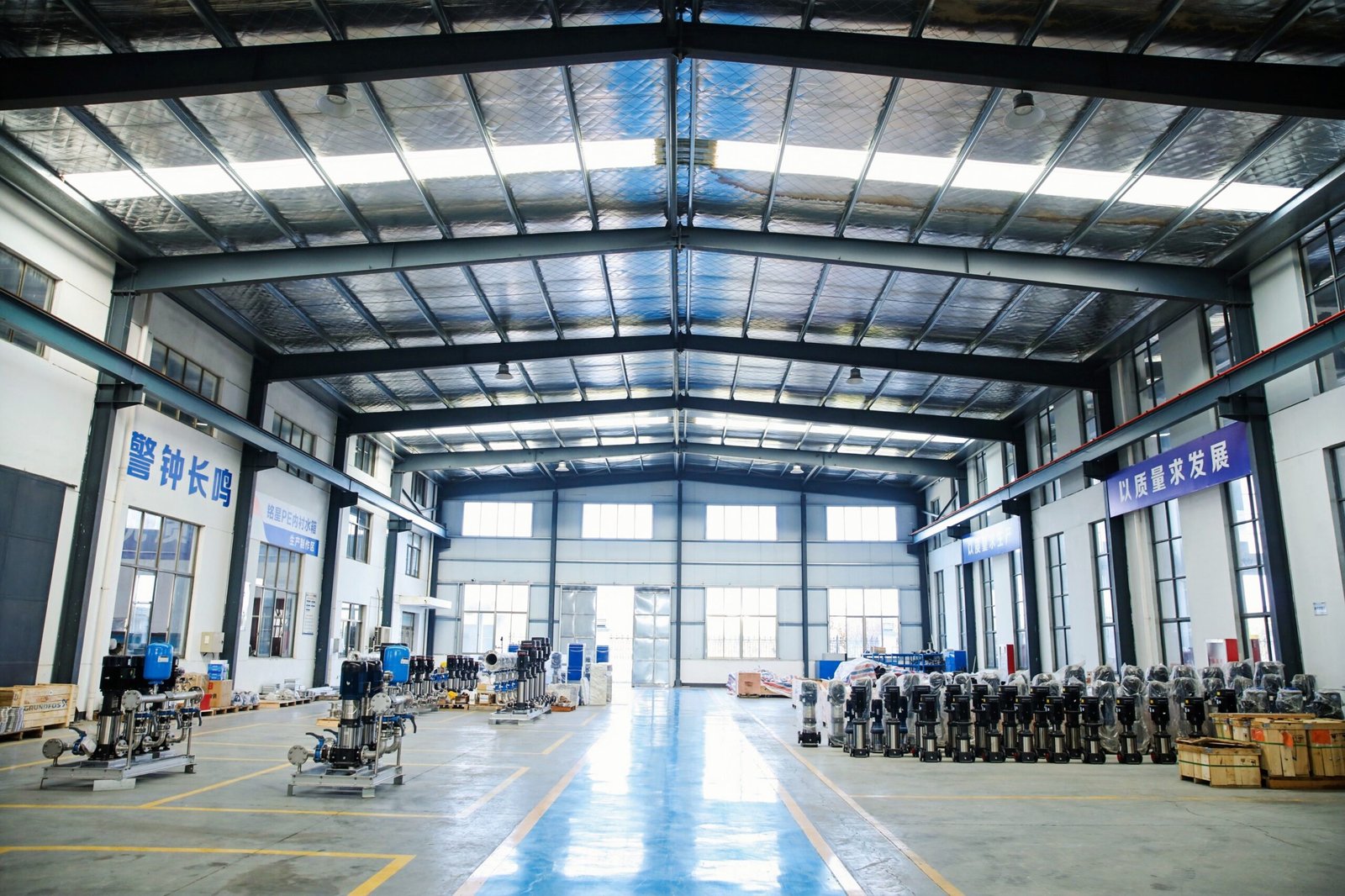
When planning a water supply system, many people start with a simple question:
“How large should the water tank be?”
However, a water storage tank alone does not always solve the complete water supply requirement.
A tank can store water, but another system is needed to deliver that water at the required pressure and flow rate.
This is where a water tank with pump system becomes important.
By combining water storage with pumping equipment and control systems, the complete solution can provide more stable water delivery for different applications.
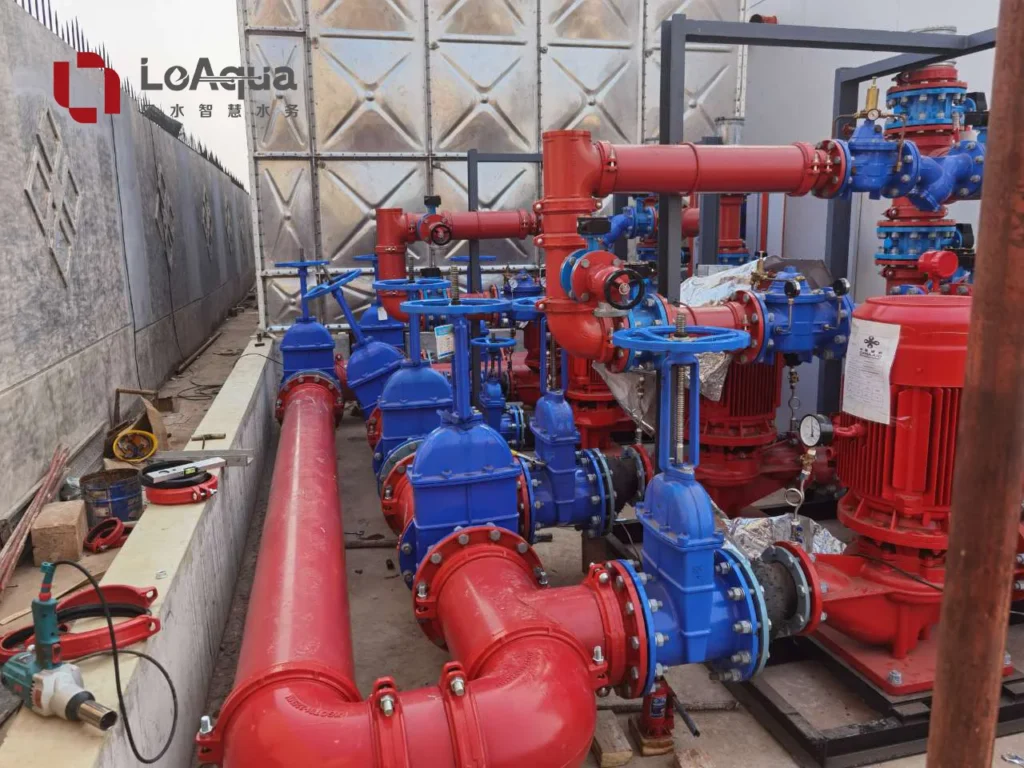
A typical water tank with pump system may include:
- Water storage tank
- Pump unit
- Control cabinet
- Valves and pipe connections
- Monitoring equipment
The exact configuration depends on project requirements.
A small commercial building, a residential development, an industrial facility or an infrastructure project may all need water storage and pumping, but the design considerations can be different.
Therefore, engineers do not only select a tank size.
They evaluate how storage, pumping and control functions work together as one system.
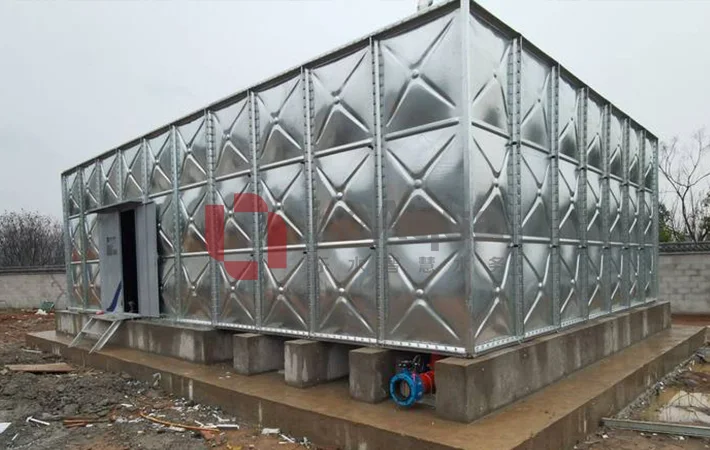
What Is a Water Tank With Pump System?
A water tank with pump system is a complete water supply arrangement that combines stored water capacity with pumping equipment to deliver water according to the requirements of the users or facility.
The basic principle is simple:
- Water is stored inside the tank.
- Pumps transfer water from the tank to the required points.
- Control systems manage pump operation according to demand.
Compared with a standalone water tank, a tank with pump system provides additional functions related to:
- Water pressure control
- Automatic operation
- Stable water delivery
- System monitoring
In engineering projects, a more integrated version of this concept may also be described as an integrated pump station.
The difference is mainly in the level of system integration.
A simple tank and pump combination may involve separate equipment selected independently.
An integrated solution considers the tank, pumps, controls and operating requirements together during the design stage.
Main Components of a Water Tank With Pump System
1. Water Storage Tank
The storage tank provides the required water volume for the system.
Engineers determine tank capacity based on factors such as:
- Daily water demand
- Peak consumption periods
- Emergency requirements
- Fire protection requirements
- Project operating conditions
The tank material and structure may vary depending on the application.
Common options include:
- Stainless steel water tanks
- Composite water tanks
- FRP/GRP water tanks
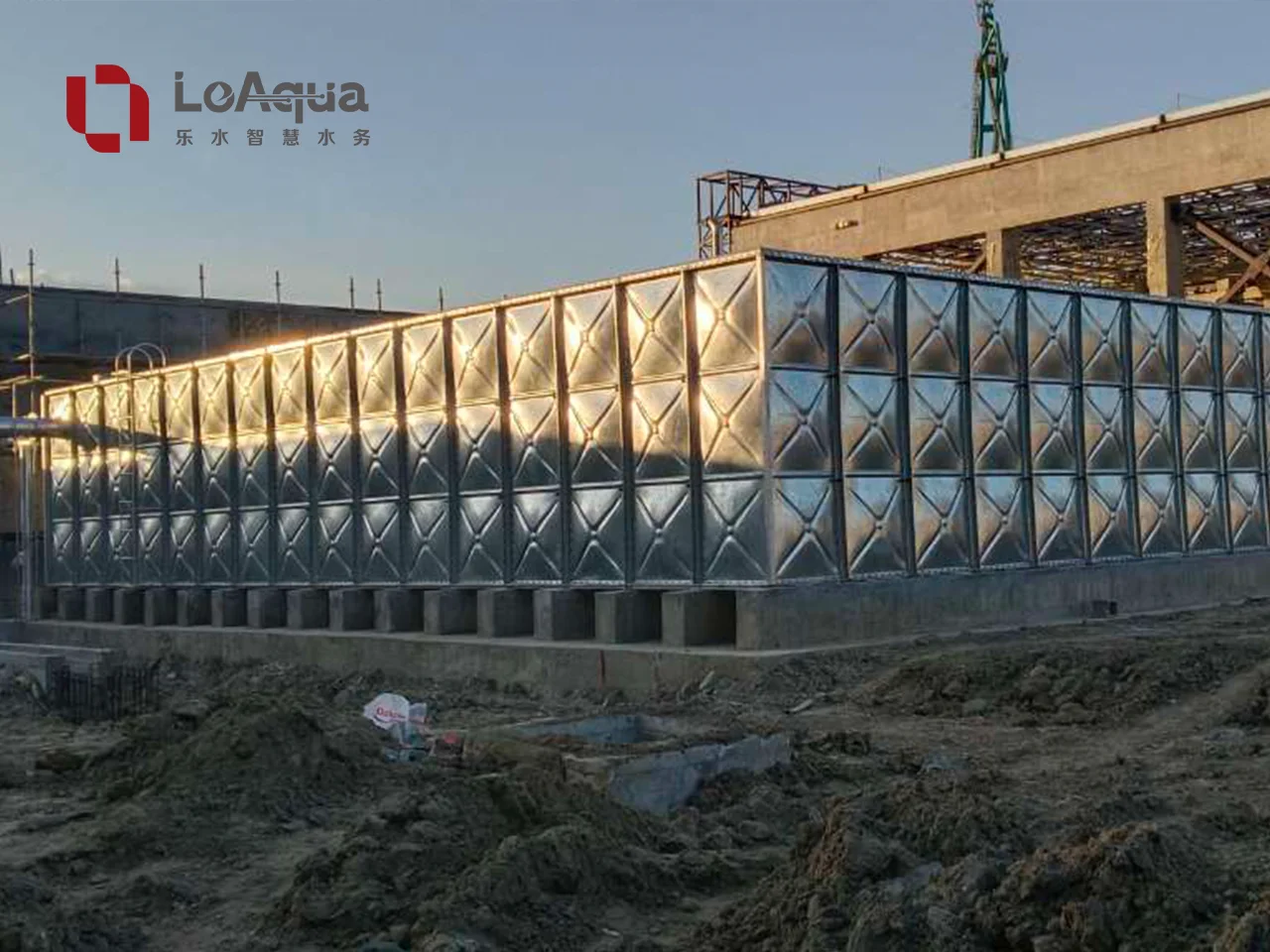
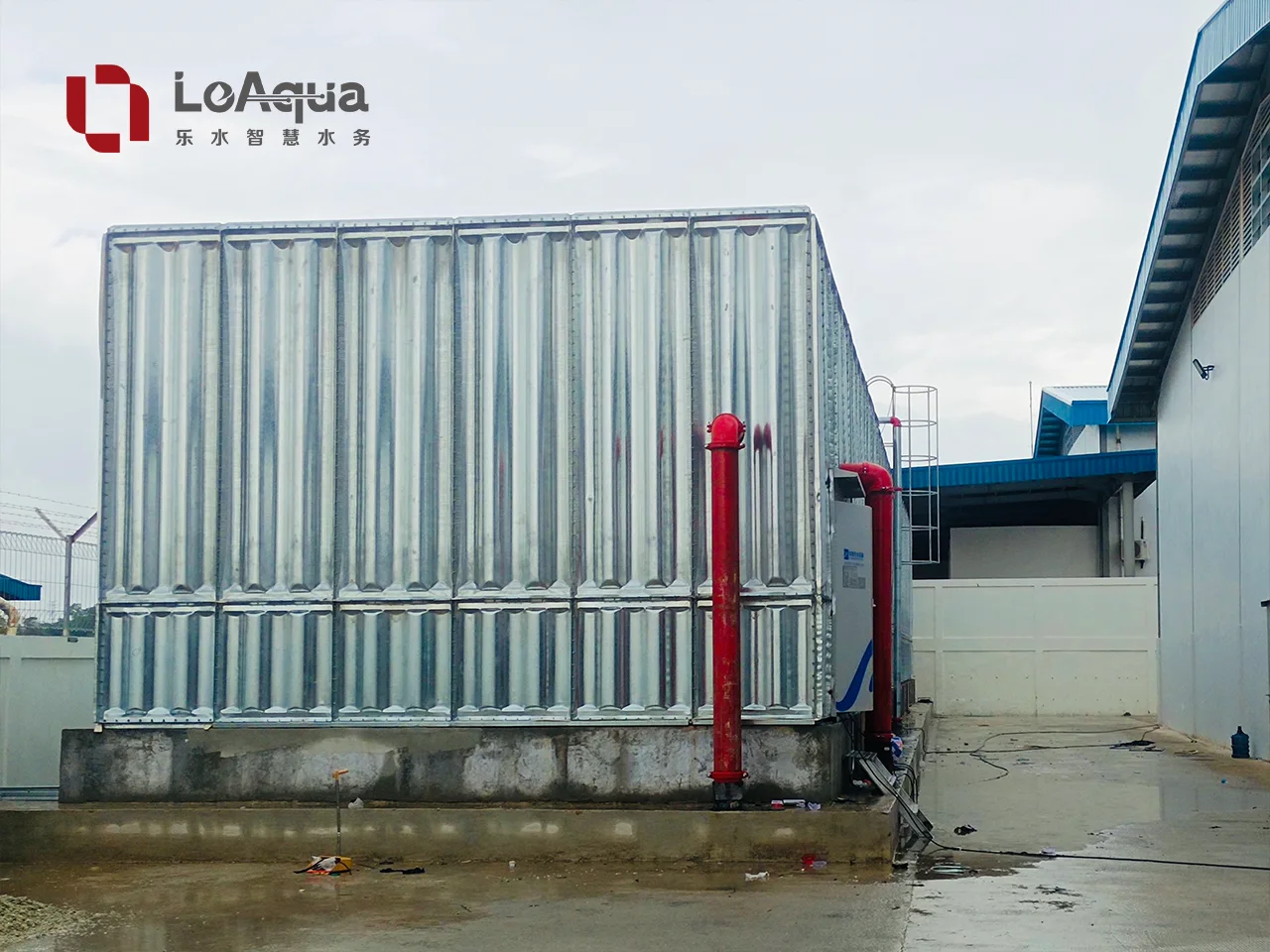
- Hot-dip galvanized water tanks
The selection is not based only on material preference.
Engineers also consider:
- Installation environment
- Maintenance requirements
- Service life expectations
- Project standards
A properly designed storage tank provides the foundation for stable system operation.
2. Pump System
The pump is responsible for moving stored water to where it is needed.
While the tank determines how much water is available, the pump determines how effectively that water can be delivered.
Pump selection usually considers:
- Required flow rate
- Required pressure
- Operating hours
- Number of users
- Building height or distribution distance
For example, a high-rise building may require different pump performance compared with a low-rise commercial facility.
This is why pump selection should be connected with the overall water supply design rather than treated as an independent decision.
3. Control System
The control system manages how the pump operates.
Depending on the project requirements, it may include:
- Automatic start and stop functions
- Pressure monitoring
- Level monitoring
- Alarm functions
- Remote monitoring
Without proper control, pumps may operate inefficiently or fail to respond correctly to changing demand.
A well-designed control system helps maintain stable operation while reducing unnecessary equipment running time.
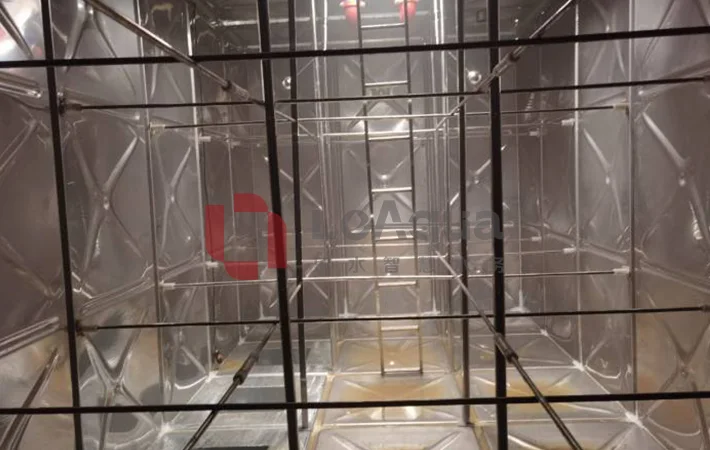
How Does a Water Tank With Pump System Work?
The operation process can be understood through several basic steps.
Step 1: Water Storage
The process begins with water entering the storage tank.
The tank provides a buffer between the water source and the end users.
This is important because water demand is not always constant.
During periods of low demand, water can be stored.
During periods of higher demand, the stored water can support the system.
Step 2: Pump Activation
When water is required, the pump system starts operation.
Depending on the control method, the pump may start automatically according to:
- Pressure changes
- Water demand
- System signals
The pump transfers water from the storage tank through the distribution network.
Step 3: Pressure and Flow Control
During operation, the system needs to maintain suitable pressure and flow.
This requires coordination between:
- Pump performance
- Pipe system
- Control settings
- Actual water demand
If these elements are not properly matched, problems may occur, such as:
- Insufficient pressure
- Excessive energy consumption
- Frequent pump cycling
This is why engineers evaluate the tank and pump system together during the design stage.
Why Do Projects Need a Water Tank With Pump System?
A water tank provides storage capacity, but many projects require more than simply keeping water available.
The actual purpose of a water supply system is to deliver water at the required pressure, flow and timing.
This is why many projects combine storage tanks with pumping systems.
A water tank with pump system can help solve several common challenges in modern buildings and facilities.
1. Maintaining Stable Water Pressure
One of the main reasons projects use pumps together with storage tanks is to maintain stable water pressure.
In many buildings, water demand changes throughout the day.
For example:
- Morning periods may have higher domestic water demand.
- Industrial facilities may have different production schedules.
- Commercial buildings may experience peak usage during business hours.
If a system relies only on direct water supply, pressure may fluctuate depending on external conditions.
A tank with pump system provides a controlled method of supplying water.
The pump can adjust operation according to actual demand and help maintain more stable delivery conditions.
This is particularly important for:
- Multi-story buildings
- Industrial facilities
- Large commercial projects
- Public infrastructure
2. Providing More Reliable Water Availability
A water storage tank creates a buffer between the water source and end users.
This can be important when:
- Water supply is interrupted temporarily
- Demand changes significantly
- Additional storage capacity is required
However, stored water alone does not guarantee effective supply.
The pumping system determines whether the stored water can reach the required location.
For example, a building may have enough stored water, but without suitable pumping capacity, the upper floors or distant usage points may not receive sufficient pressure.
Therefore, storage capacity and delivery capability need to be considered together.
3. Improving Automatic Operation
Modern water supply systems increasingly require automatic operation.
A traditional approach may require manual monitoring and adjustment.
A water tank with pump system can include automatic controls that respond to changing conditions.
Typical automatic functions may include:
- Pump start and stop control
- Water level monitoring
- Pressure adjustment
- Equipment protection
- Alarm notification
This reduces the need for constant manual operation and helps operators understand system conditions more easily.
For larger projects, automatic control is especially valuable because equipment may need to operate continuously while maintaining stable performance.
4. Simplifying System Coordination
One challenge in traditional water supply projects is that different components are often designed separately.
For example:
A tank supplier provides storage equipment.
A pump supplier provides pumping equipment.
An electrical contractor handles controls.
Each part may meet its own requirements, but the final system still requires coordination.
A water tank with pump system takes a more integrated approach.
Engineers can consider:
- Storage capacity
- Pump flow
- Pressure requirements
- Control logic
- Maintenance requirements
together during the design stage.
This helps reduce conflicts between different components before installation begins.
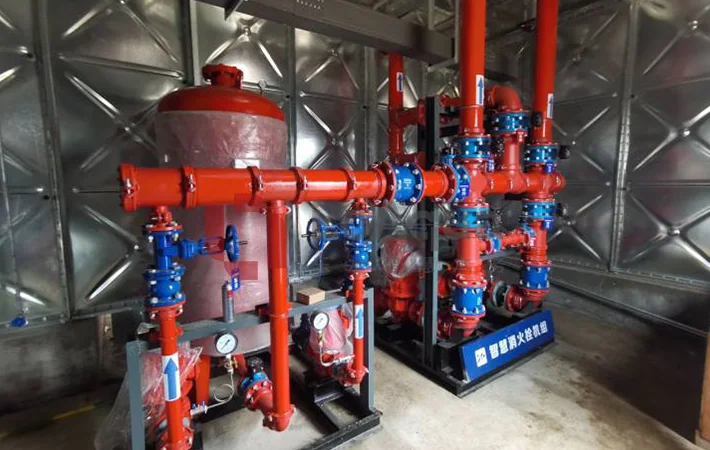
Water Tank Only vs Water Tank With Pump System
To understand the difference more clearly, engineers often compare a standalone tank with a complete water supply system.
Water Tank Only |
Water Tank With Pump System |
|
| Water storage | ✓ | ✓ |
| Pressure control | Limited | ✓ |
| Automatic operation | Limited | ✓ |
| Water delivery management | Depends on external system | Integrated |
| Monitoring capability | Usually separate | Can be included |
| System coordination | Requires additional design | Considered together |
A water tank alone can solve the storage requirement.
However, a water tank with pump system addresses the complete process of storing and delivering water.
The choice depends on the project requirements.
For simple applications, a standalone storage solution may be sufficient.
For projects requiring stable pressure, automatic operation and coordinated management, a complete system approach may provide more value.
Why More Projects Are Moving Toward Integrated Water Supply Solutions
As construction projects become more complex, the demand for coordinated water supply systems continues to increase.
Modern projects are not only concerned with initial installation.
They also consider:
- Operating efficiency
- Maintenance requirements
- Equipment management
- Future expansion
This has encouraged a shift from individual equipment selection toward integrated solutions.
An integrated water supply solution considers the relationship between:
- Water storage
- Pumping equipment
- Control systems
- Monitoring platforms
Instead of asking:
“Which tank should we buy?”
Engineers increasingly ask:
“How should the complete water supply system be designed?”
This change in thinking is especially important for large-scale projects where system performance affects daily operation.
How LeAqua Approaches Water Tank With Pump Systems
At LeAqua, water supply projects are considered from a complete system perspective.
A project may begin with a requirement for a water storage tank, but the final solution often depends on multiple factors:
- Required storage volume
- Water demand characteristics
- Pump performance
- Control requirements
- Long-term operation needs
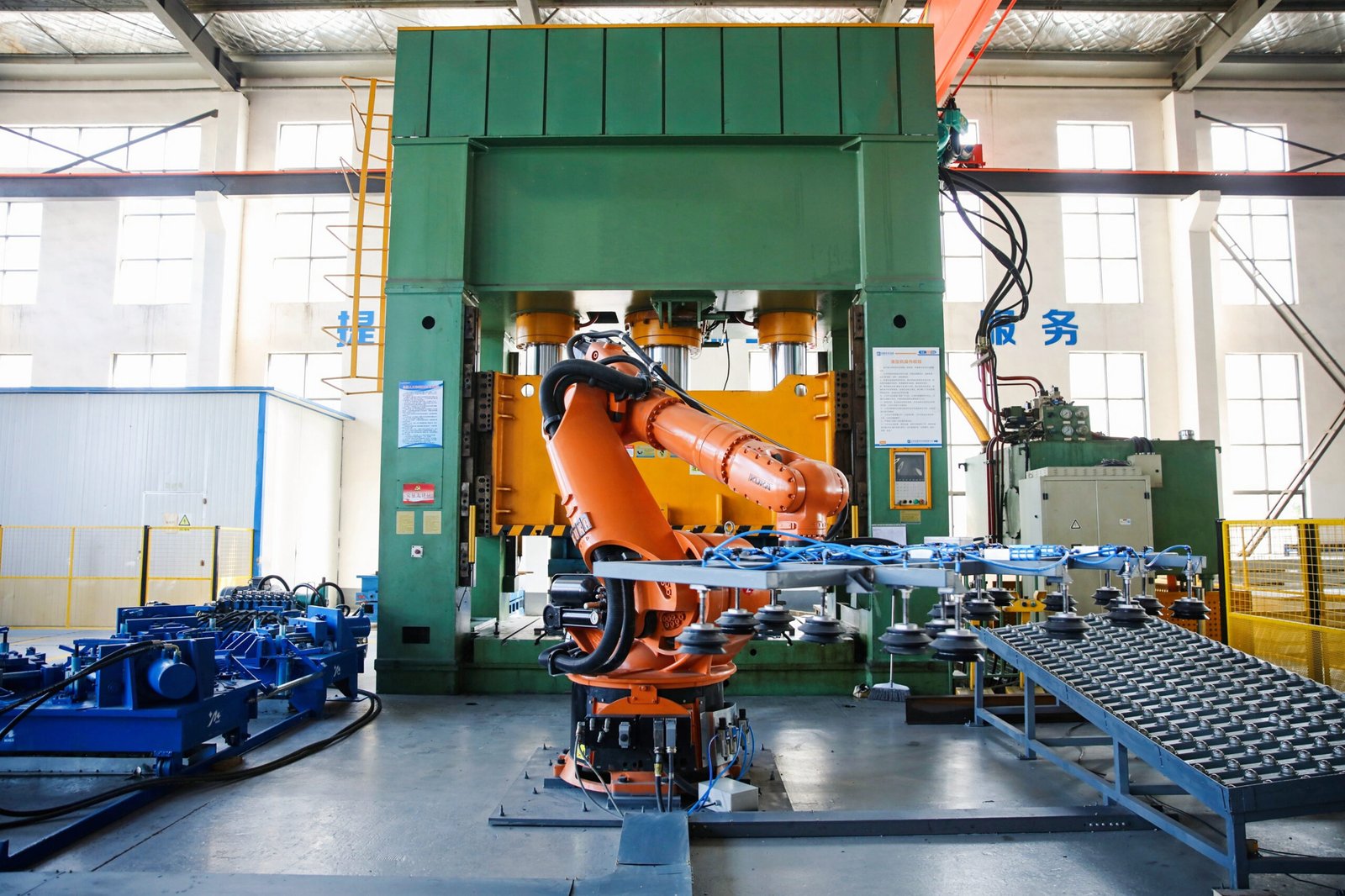
By combining water tank manufacturing capability with pump system integration and intelligent monitoring technology, LeAqua focuses on providing coordinated water supply solutions.
This approach allows engineers and project owners to evaluate storage, pumping and management requirements together.
For projects requiring more than basic water storage, a complete system approach can provide better coordination throughout the project lifecycle.
Final Thoughts
A water tank with pump system is not simply a combination of a tank and a pump.
It represents a complete approach to water storage and delivery.
The tank provides available water capacity.
The pump provides water movement and pressure control.
The control system manages operation and responds to changing requirements.
When these elements are designed together, the result is a more coordinated water supply solution.
For modern buildings, industrial facilities and infrastructure projects, the future of water management is moving beyond individual equipment selection.
The focus is shifting toward complete systems that can store, deliver and manage water more effectively.