One of the most common questions asked by engineers, contractors, facility managers, and project owners is:
How long does a stainless steel water tank actually last?
It is a reasonable question because a water tank is not a short-term investment. Whether it serves a commercial building, a municipal water supply system, an industrial facility, or a fire protection network, it is expected to provide reliable performance for many years.
However, there is no universal answer.
Contrary to what many marketing articles suggest, the lifespan of a stainless steel water tank cannot be defined by a single number. A properly engineered tank may remain in service for decades, while another installed under different conditions may require major repairs much sooner.
The difference is rarely determined by stainless steel alone.
Instead, long-term performance depends on a combination of engineering design, material selection, manufacturing quality, installation practices, operating environment, water quality, and routine maintenance.
Understanding these factors is far more valuable than relying on a simple estimate such as “30 years” or “50 years.”
This guide explains the engineering considerations that influence the service life of stainless steel water tanks and discusses how project owners can maximize long-term reliability throughout the lifecycle of the system.
Rather than focusing on theoretical lifespan alone, the article examines the practical factors that determine how a water tank performs in real engineering projects.
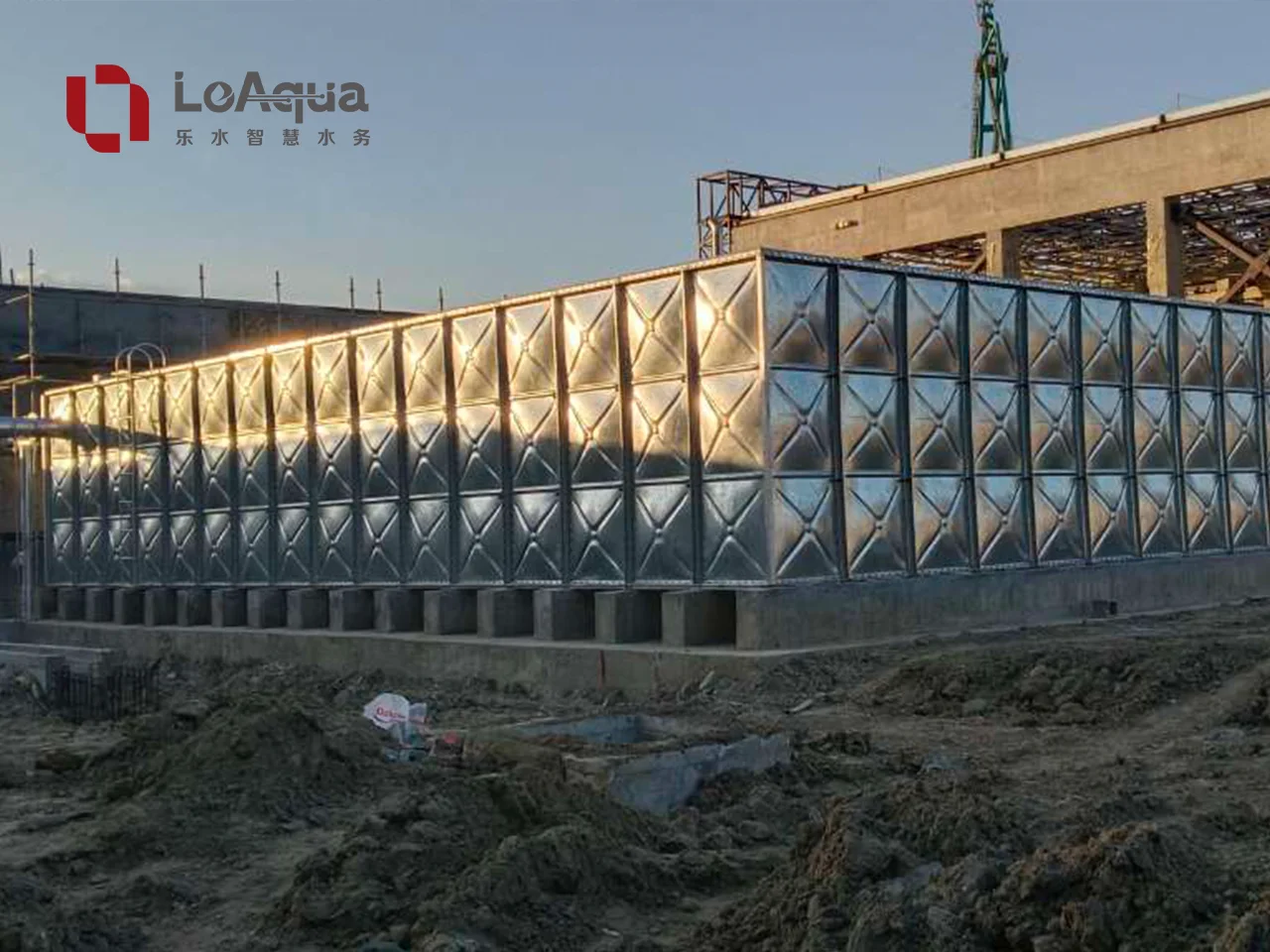
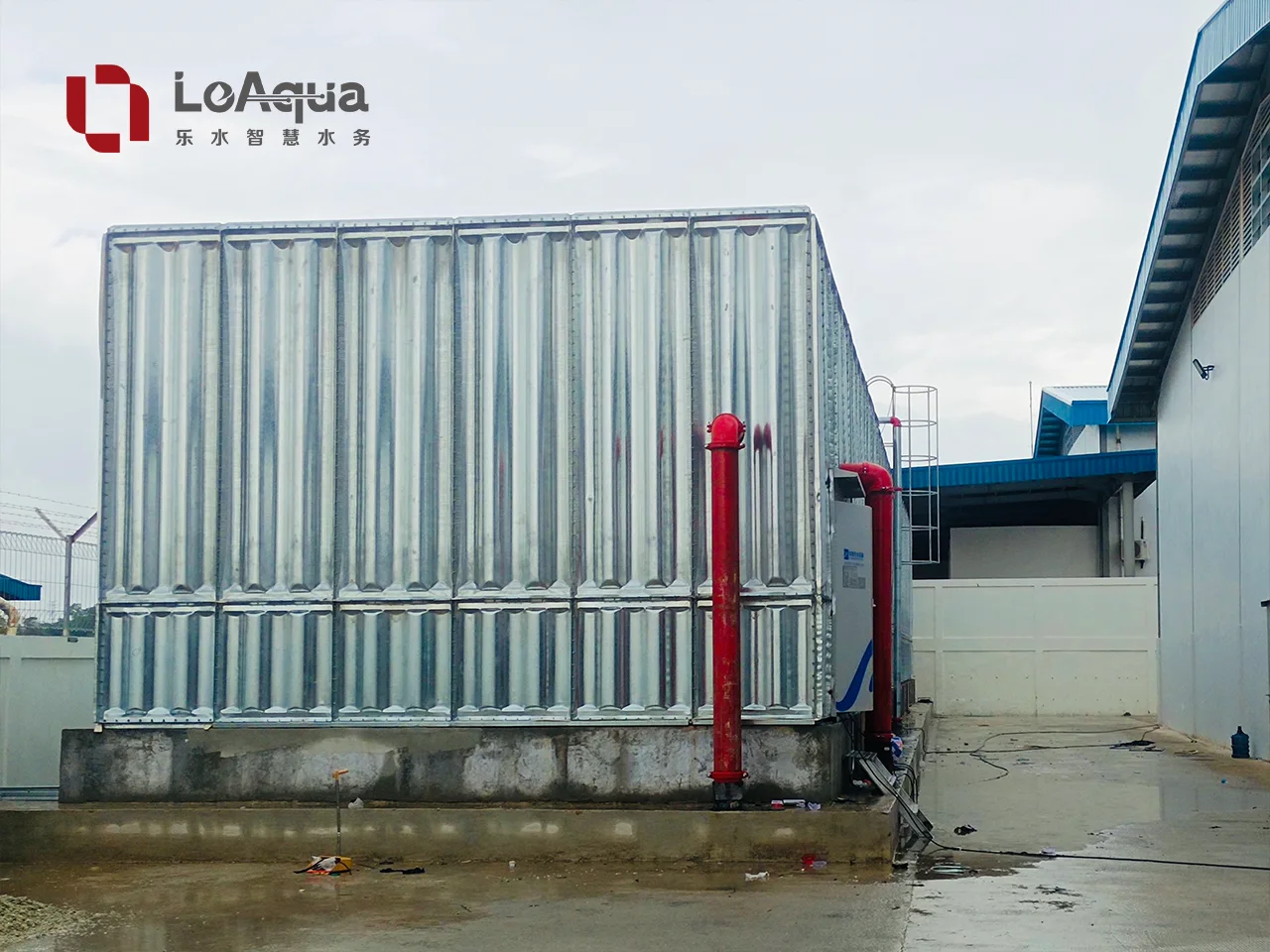
LeAqua designs modular and welded stainless steel water tanks for commercial, municipal, industrial, and fire protection applications with an emphasis on long-term operational reliability and practical lifecycle performance.
What Does “Service Life” Really Mean?
When discussing the lifespan of a stainless steel water tank, it is important to understand what engineers mean by service life.
Service life is not simply the number of years before a tank is replaced.
Instead, it refers to the period during which the tank can continue operating safely, reliably, and economically while meeting its intended design requirements.
A water tank may remain structurally sound for many years, but if it no longer satisfies operational needs, requires excessive maintenance, or cannot meet updated project requirements, it may reach the end of its practical service life long before the structure itself fails.
For this reason, engineers often evaluate service life from several perspectives:
- Structural integrity
- Water quality performance
- Corrosion resistance
- Maintenance requirements
- Operational reliability
- Lifecycle cost
- Adaptability to future infrastructure needs
This broader definition provides a more realistic assessment than simply asking how many years the tank can remain standing.
For modern infrastructure projects, long-term value is measured not only by durability but also by the ability to support reliable daily operation with manageable maintenance over time.
The Material Is Important—But It Is Not the Whole Story
Many people assume that the lifespan of a stainless steel water tank depends only on whether it is manufactured from stainless steel.
In reality, the material itself is only one part of a much larger engineering system.
Two tanks manufactured from the same grade of stainless steel may perform very differently if they are installed in different environments or built according to different engineering standards.
Several factors work together to influence long-term performance, including:
- Stainless steel grade (such as SUS304 or SUS316)
- Structural design
- Panel manufacturing quality
- Welding or bolted assembly quality
- Foundation stability
- Installation accuracy
- Water chemistry
- Environmental conditions
- Preventive maintenance
Because these factors interact throughout the entire service life of the tank, engineers rarely evaluate material selection in isolation.
Instead, they consider how the complete water storage system will perform under actual operating conditions.
This engineering perspective explains why two stainless steel water tanks with similar specifications may achieve very different service lives over several decades of operation.
Why Engineering Design Has the Greatest Influence
Although stainless steel provides excellent durability, engineering design often has a greater influence on long-term reliability than the material alone.
A well-designed water tank distributes loads efficiently, accommodates thermal movement, allows practical inspection, and provides sufficient structural stability throughout years of operation.
Conversely, even high-quality materials cannot compensate for poor engineering decisions.
Professional design typically considers:
- Storage capacity
- Internal water pressure
- Wind and seismic loading
- Foundation conditions
- Panel reinforcement
- Connection details
- Inspection accessibility
- Future maintenance requirements
These factors work together to determine how the structure responds throughout its operational life.
For this reason, experienced manufacturers focus not only on material selection but also on structural calculations, manufacturing precision, and quality-controlled installation.
LeAqua approaches stainless steel water tank design from this system-level perspective, recognizing that long-term reliability is achieved through the combination of engineering, manufacturing, and proper project execution rather than material selection alone.
The Six Factors That Determine How Long a Stainless Steel Water Tank Lasts
There is no single factor that determines the lifespan of a stainless steel water tank.
Instead, long-term performance results from the interaction of multiple engineering, environmental, and operational conditions.
Understanding these factors allows project owners to make informed decisions during both the design stage and the operational life of the system.
1. Stainless Steel Grade
Material selection is one of the earliest decisions made during water tank design, and it has a direct influence on long-term durability.
The two most commonly specified materials are SUS304 and SUS316.
SUS304 is widely used for commercial buildings, industrial facilities, hotels, schools, residential developments, and municipal water supply systems because it provides excellent corrosion resistance for most standard water storage applications.
SUS316 contains molybdenum, giving it improved resistance in environments where water chemistry is more aggressive, such as coastal regions, high-chloride environments, or certain industrial processes.
However, selecting SUS316 does not automatically mean a longer service life.
If a project operates under normal water quality conditions, a properly engineered SUS304 stainless steel water tank can provide decades of reliable performance while offering an excellent balance between durability and lifecycle value.
The most appropriate material should always be selected according to actual operating conditions rather than assuming a higher material grade is necessary for every project.
2. Water Quality
Water itself has a significant influence on the lifespan of any storage system.
Factors such as chloride concentration, pH level, dissolved minerals, and water treatment methods all affect how materials perform over time.
For example, potable municipal water generally creates different operating conditions from untreated groundwater or certain industrial process water.
When engineers evaluate a water storage project, understanding the characteristics of the stored water is often as important as selecting the tank material itself.
Matching the tank design to the expected water quality helps ensure dependable long-term operation.
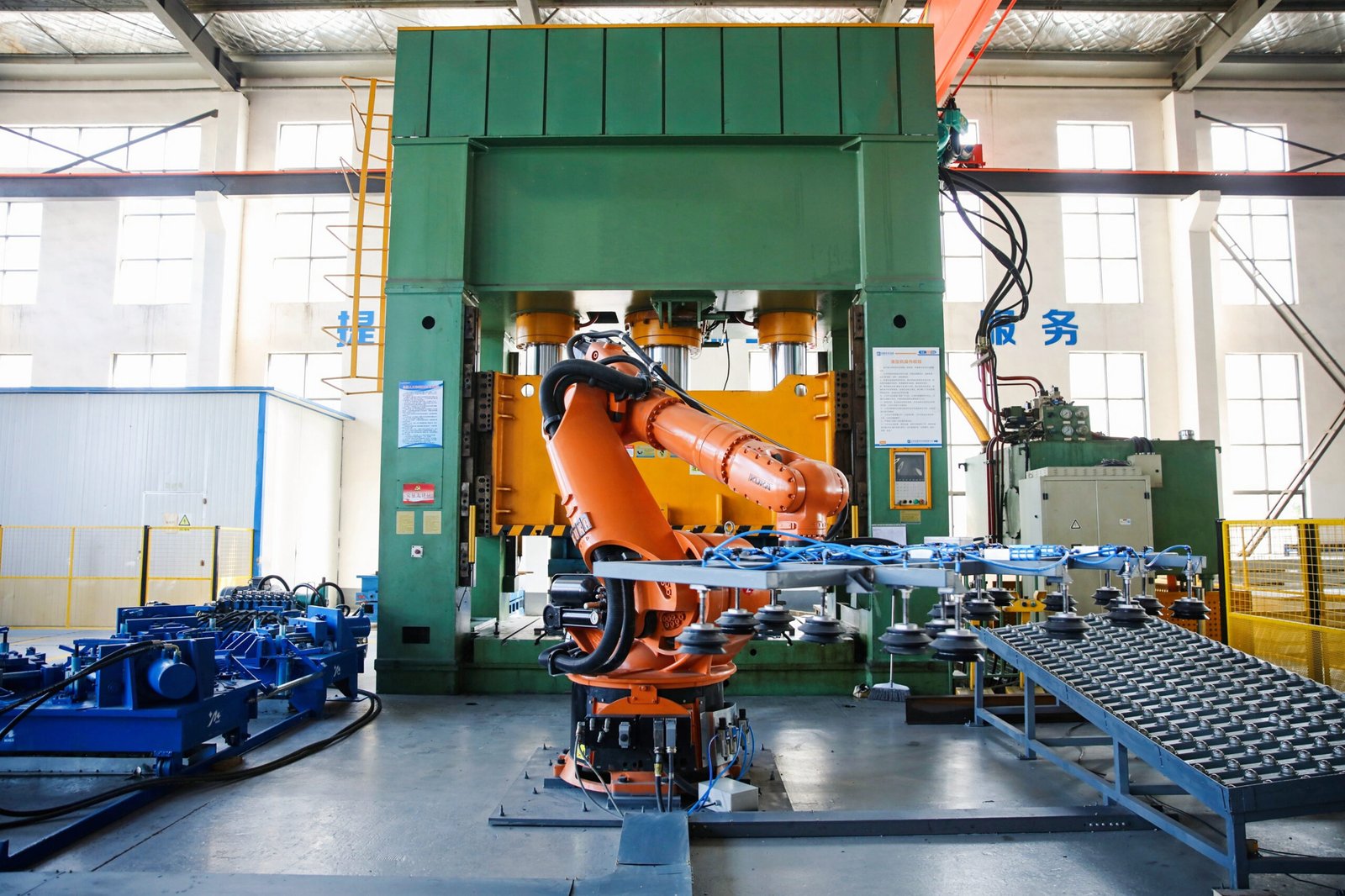
3. Manufacturing Quality
The quality of manufacturing directly affects how well a stainless steel water tank performs over many years.
Precision during fabrication influences:
- Panel consistency
- Dimensional accuracy
- Structural alignment
- Connection reliability
- Surface quality
Factory-controlled production environments generally provide greater consistency than uncontrolled fabrication conditions.
For modular systems, accurate panel manufacturing also simplifies installation and helps maintain the designed structural performance after assembly.
Reliable long-term operation begins with consistent manufacturing quality.
4. Installation Quality
Even the highest-quality materials cannot compensate for poor installation.
Improper foundation preparation, inaccurate leveling, insufficient bolt tightening, incorrect welding procedures, or poor sealing can all reduce the long-term performance of a water storage system.
Professional installation typically includes:
- Foundation inspection
- Structural alignment
- Correct fastening procedures
- Leak testing
- Final system inspection
Because installation is the final stage of the engineering process, it directly influences how the tank performs throughout its operational life.
For this reason, experienced manufacturers often provide technical guidance or installation support to help ensure that the completed system performs as designed.
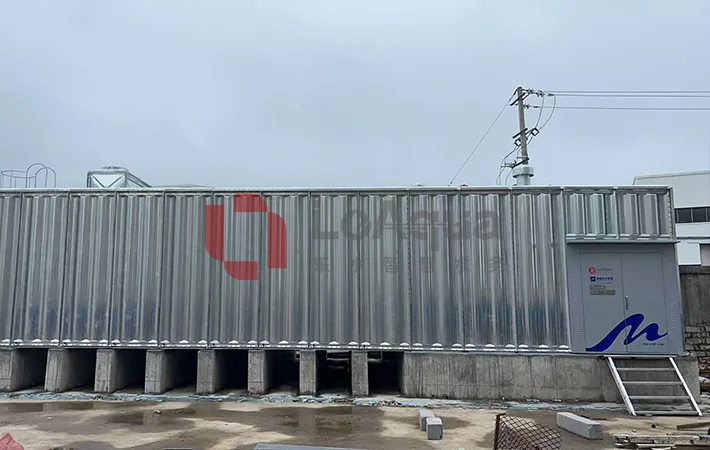
5. Operating Environment
The surrounding environment also contributes to service life.
Conditions that engineers commonly evaluate include:
- Coastal or inland location
- Ambient humidity
- Temperature variation
- Industrial atmosphere
- Wind exposure
- Underground or above-ground installation
Each environment places different demands on the water storage system.
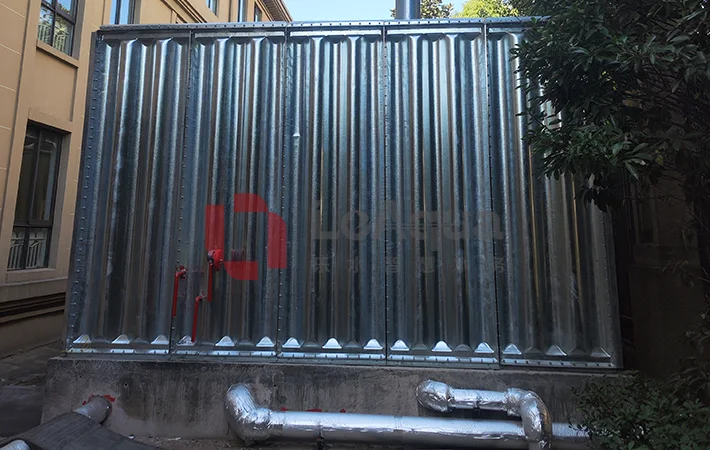
For example, an underground stainless steel water tank may require different structural considerations from an above-ground installation because soil pressure, surface loading, and groundwater conditions become part of the overall engineering design.
Similarly, tanks installed in coastal environments may require different material selections than those located inland.
Understanding environmental conditions before construction helps optimize long-term performance.
6. Preventive Maintenance
Perhaps the most overlooked factor affecting service life is preventive maintenance.
A stainless steel water tank should not be viewed as equipment that can simply be installed and forgotten.
Routine inspection helps identify potential issues before they develop into larger maintenance challenges.
Typical maintenance activities include:
- Scheduled internal inspections
- Cleaning according to operating requirements
- Inspection of bolts, seals, and accessories
- Checking inlet and outlet connections
- Monitoring water quality
- Recording maintenance history
These procedures usually require far less effort than major repairs and contribute significantly to extending operational reliability.
Many water tanks remain in excellent condition for decades because maintenance is performed consistently rather than only after problems appear.
Is Bolted or Welded Construction More Durable?
Another question frequently raised by project owners is whether bolted stainless steel water tanks or welded stainless steel water tanks have a longer service life.
In practice, there is no universal answer.
When both systems are properly engineered, manufactured, installed, and maintained, each can provide dependable long-term performance.
The choice between bolted and welded construction is usually influenced by project requirements rather than durability alone.
Bolted stainless steel water tanks are often selected because they simplify transportation, support modular installation, and provide flexibility for future expansion or relocation.
Welded stainless steel water tanks may be preferred where project conditions require a fully welded structure or where installation methods make welded construction more practical.
Rather than asking which construction method lasts longer, engineers typically ask which solution best matches the project’s design objectives, installation conditions, maintenance strategy, and future operational requirements.
This engineering perspective leads to more reliable long-term outcomes than selecting a construction method based on assumptions alone.
| Factors Affecting Stainless Steel Water Tank Lifespan | ||
| Factor | Impact on Service Life | Can It Be Controlled? |
| Stainless Steel Grade | High | ✔ Yes |
| Water Quality | High | ✔ Partially |
| Engineering Design | Very High | ✔ Yes |
| Manufacturing Quality | High | ✔ Yes |
| Installation Quality | Very High | ✔ Yes |
| Preventive Maintenance | Very High | ✔ Yes |
| Operating Environment | Medium–High | ✖ Partially |
How to Extend the Service Life of a Stainless Steel Water Tank
Although every project operates under different conditions, several engineering practices can significantly improve the long-term reliability of a stainless steel water tank.
Select the Appropriate Material
Choosing the correct stainless steel grade is one of the earliest decisions that affects long-term performance.
SUS304 is suitable for most commercial, municipal, and industrial water storage applications, while SUS316 may be considered for environments with higher chloride concentrations or more demanding operating conditions.
Rather than automatically selecting the highest-grade material, engineers should match the material to the actual service environment.
Prioritize Engineering Design
The lifespan of a water tank begins long before manufacturing.
Proper structural calculations, panel design, reinforcement arrangements, foundation planning, and load analysis all contribute to reliable long-term operation.
Well-engineered systems generally experience fewer structural issues throughout their service life than systems designed solely around initial cost.
Ensure Professional Installation
Installation quality directly influences the performance of the finished system.
Proper leveling, accurate alignment, correct bolt tightening, qualified welding procedures, and thorough leak testing all contribute to long-term reliability.
Following the manufacturer’s installation recommendations helps ensure that the tank performs according to its original engineering design.
Establish a Preventive Maintenance Plan
Routine maintenance should be considered part of the normal operating procedure rather than a response to equipment problems.
A preventive maintenance plan typically includes:
- Scheduled inspections
- Interior cleaning
- Water quality monitoring
- Inspection of accessories and connections
- Maintenance record documentation
Consistent maintenance not only helps identify potential issues early but also supports stable operation throughout the tank’s service life.
Common Mistakes That Reduce Water Tank Lifespan
Many service-life issues are not caused by the stainless steel itself but by avoidable engineering or operational mistakes.
Some of the most common include:
- Selecting materials without considering water quality.
- Installing the tank on an improperly prepared foundation.
- Delaying routine inspection and cleaning.
- Ignoring small leaks or damaged accessories.
- Using the tank outside its intended design conditions.
- Modifying the structure without engineering evaluation.
Avoiding these common mistakes can significantly improve long-term performance while reducing maintenance costs over time.
When Should a Stainless Steel Water Tank Be Repaired or Replaced?
A stainless steel water tank does not usually reach the end of its service life suddenly.
Instead, engineers monitor the condition of the system through regular inspections and maintenance.
Repair may be appropriate when:
- Individual components require replacement.
- Accessories have reached the end of their service life.
- Minor structural issues can be corrected without affecting overall integrity.
- The tank continues to meet operational requirements.
Replacement may be considered when:
- Project water demand has increased significantly.
- Major structural modifications are required.
- The existing system no longer meets current operational or regulatory requirements.
- Lifecycle evaluation indicates that replacement provides greater long-term value than extensive repairs.
Each project should be assessed individually, considering engineering performance, maintenance history, and future operational needs.
Frequently Asked Questions
Can a stainless steel water tank last more than 30 years?
Yes. A properly engineered, correctly installed, and well-maintained stainless steel water tank may remain in reliable operation for several decades. Actual service life depends on engineering quality, operating conditions, water chemistry, and maintenance practices.
Does SUS316 always last longer than SUS304?
Not necessarily.
SUS316 provides improved corrosion resistance in certain environments, but under normal operating conditions a well-designed SUS304 stainless steel water tank can also deliver excellent long-term performance.
The appropriate material should always be selected according to project requirements.
Does regular cleaning extend service life?
Regular cleaning helps maintain water quality and allows operators to identify potential issues during inspections. Together with preventive maintenance, it contributes to dependable long-term operation.
Which construction method is easier to maintain?
Both bolted and welded stainless steel water tanks can provide reliable service when properly engineered. Maintenance requirements depend more on engineering quality, accessibility, and operational management than on the construction method itself.
What is the most important factor affecting tank lifespan?
There is no single determining factor.
Engineering design, material selection, manufacturing quality, installation, operating environment, water quality, and preventive maintenance all work together to influence long-term performance.
Conclusion
The lifespan of a stainless steel water tank cannot be defined by a single number.
Instead, it is the result of sound engineering, appropriate material selection, professional manufacturing, proper installation, and consistent maintenance throughout the system’s operational life.
Rather than asking “How many years will the tank last?”, project owners should ask “How can we maximize long-term reliability?”
This engineering perspective provides a more practical foundation for infrastructure planning and helps ensure that water storage systems continue to perform safely and efficiently for many years.
LeAqua develops modular and welded stainless steel water tanks with a focus on engineering quality, lifecycle performance, and dependable long-term operation for commercial, municipal, industrial, and fire protection projects.