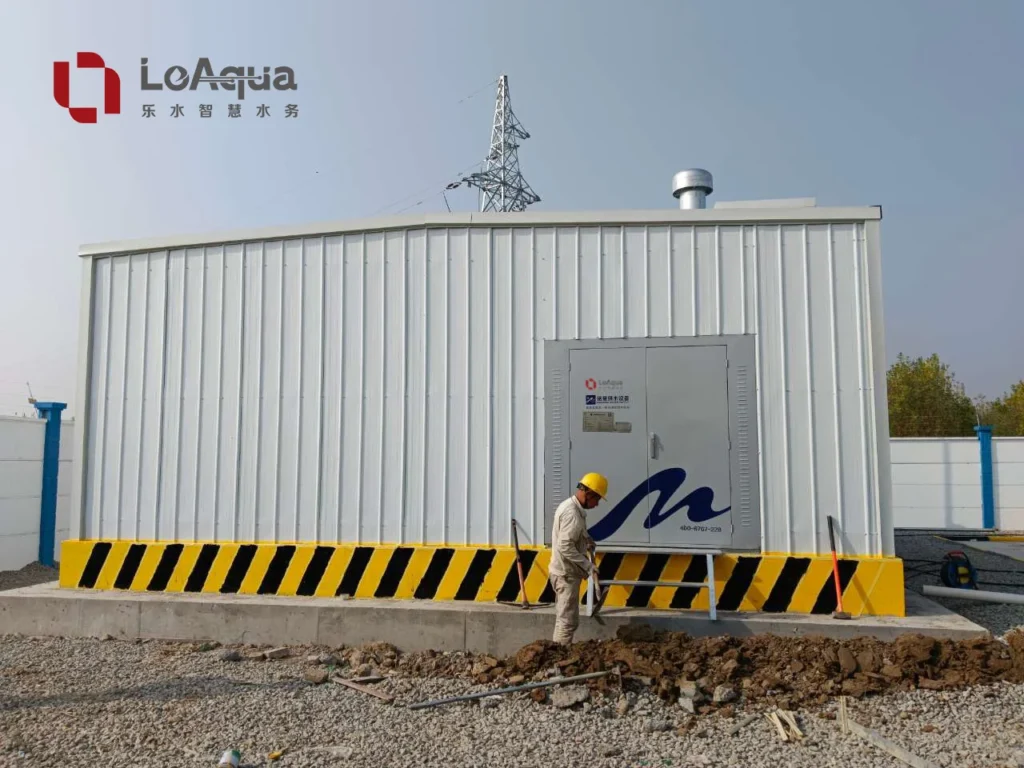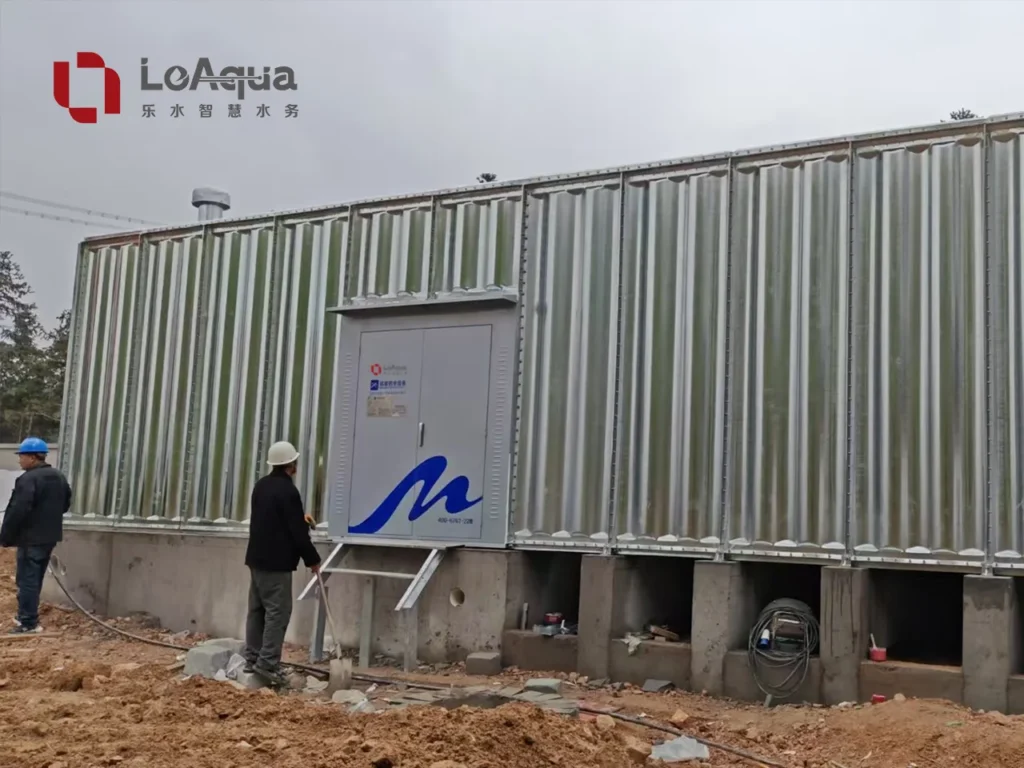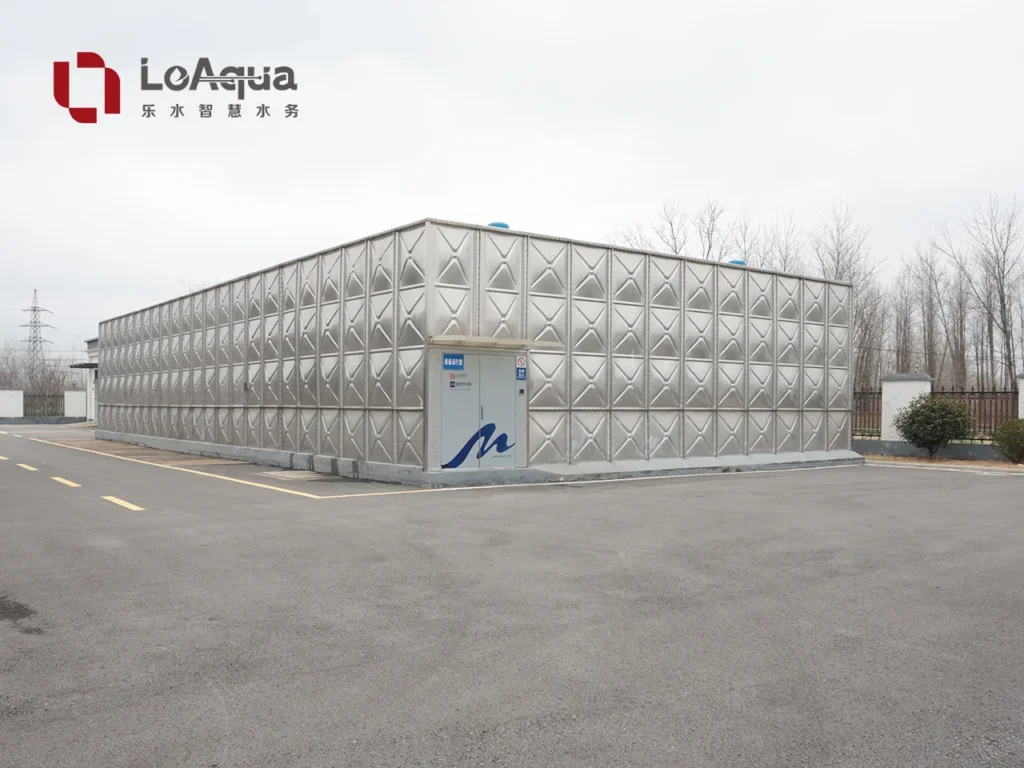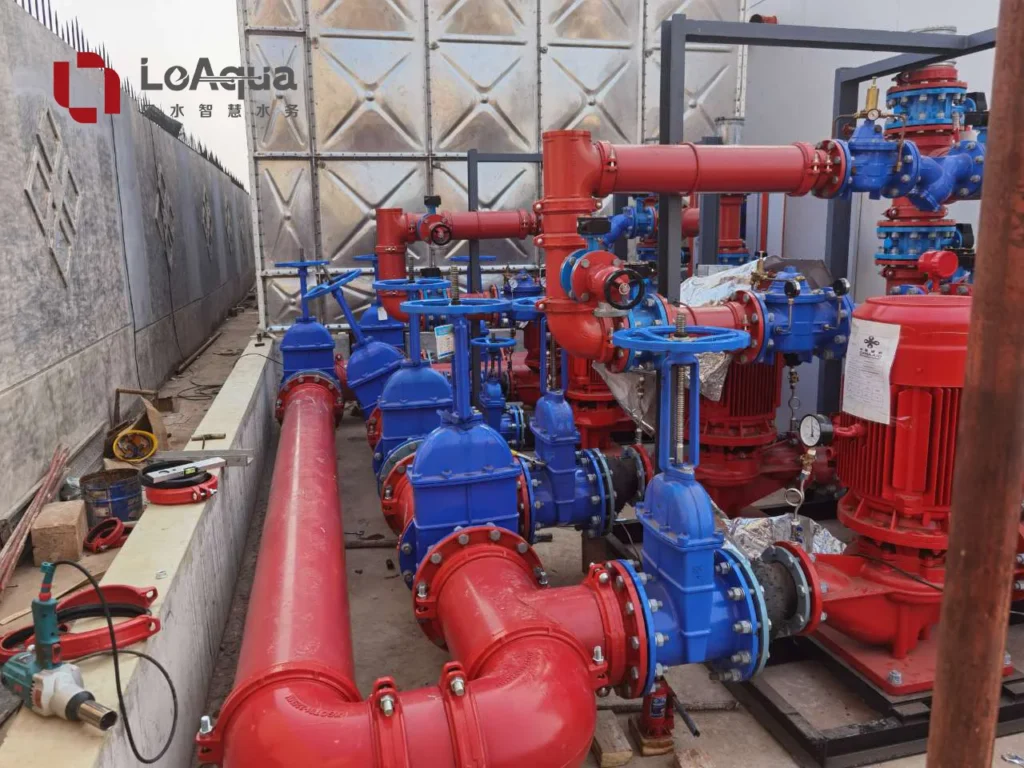
Water storage has always been a fundamental part of municipal infrastructure, commercial buildings, industrial facilities, and fire protection systems. For decades, reinforced concrete water tanks were considered the standard solution for storing large volumes of water. Their permanent structure and familiarity made them a common choice for many infrastructure projects.
However, construction methods and project requirements have changed significantly. Today, engineers are expected to balance installation schedules, land utilization, maintenance accessibility, lifecycle performance, and operational flexibility in addition to storage capacity. As a result, stainless steel water tanks have become increasingly common across a wide range of applications. Rather than replacing concrete in every situation, stainless steel water tanks provide an alternative engineering solution that addresses many of the challenges associated with modern construction projects.
The question is therefore not “Which material is better?” A more appropriate question is: Which water storage solution is better suited to the engineering objectives of your project? This guide compares stainless steel water tanks and concrete water tanks from an engineering perspective, examining structural characteristics, construction methods, maintenance requirements, lifecycle considerations, and practical applications. Instead of promoting one solution over another, the objective is to help project owners, engineers, consultants, and contractors understand where each system performs best. LeAqua develops engineered stainless steel water tank solutions for commercial, municipal, industrial, underground, and fire protection applications, supporting projects that require reliable long-term water storage with practical construction methods.
What Is a Stainless Steel Water Tank?
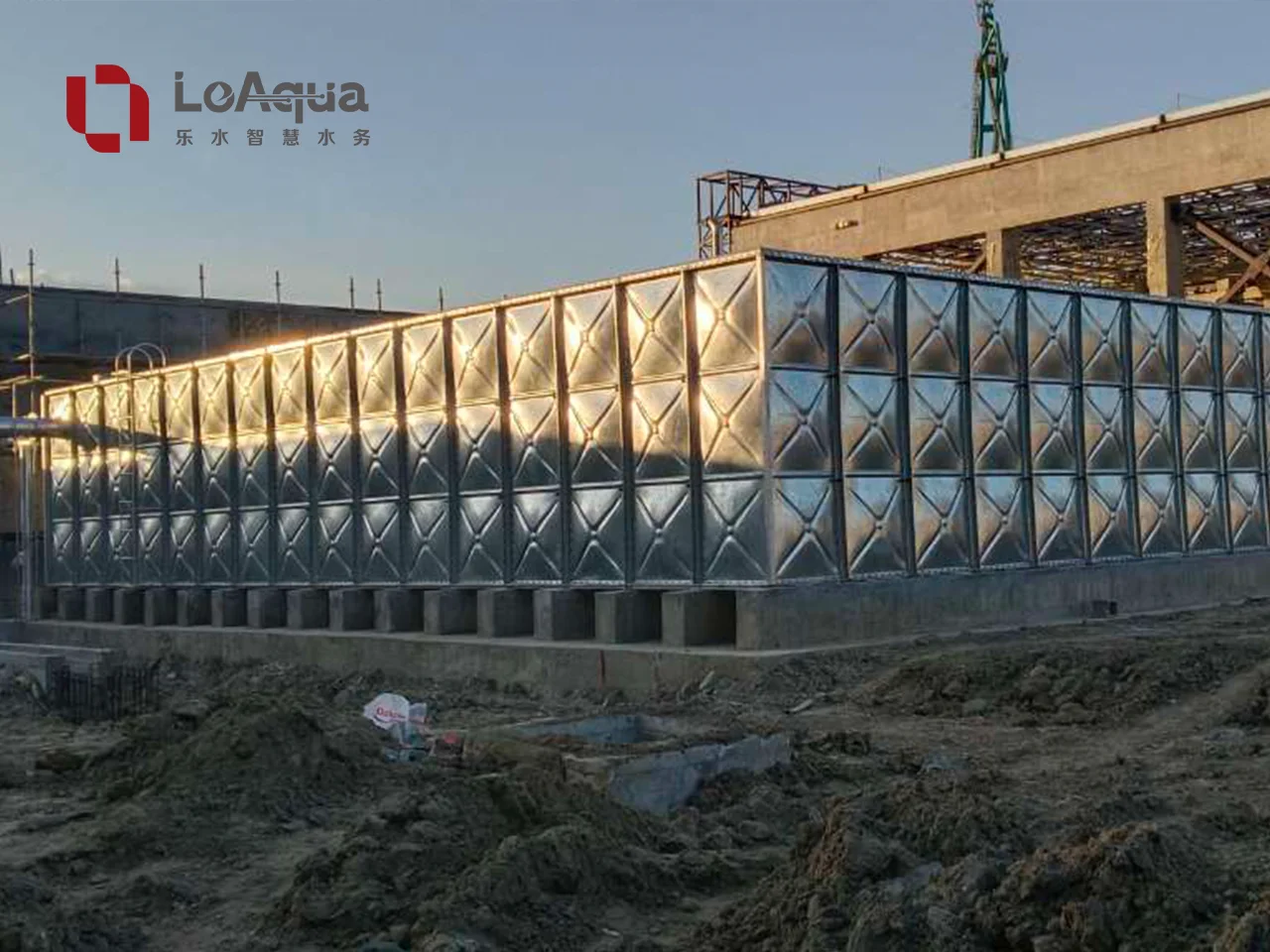
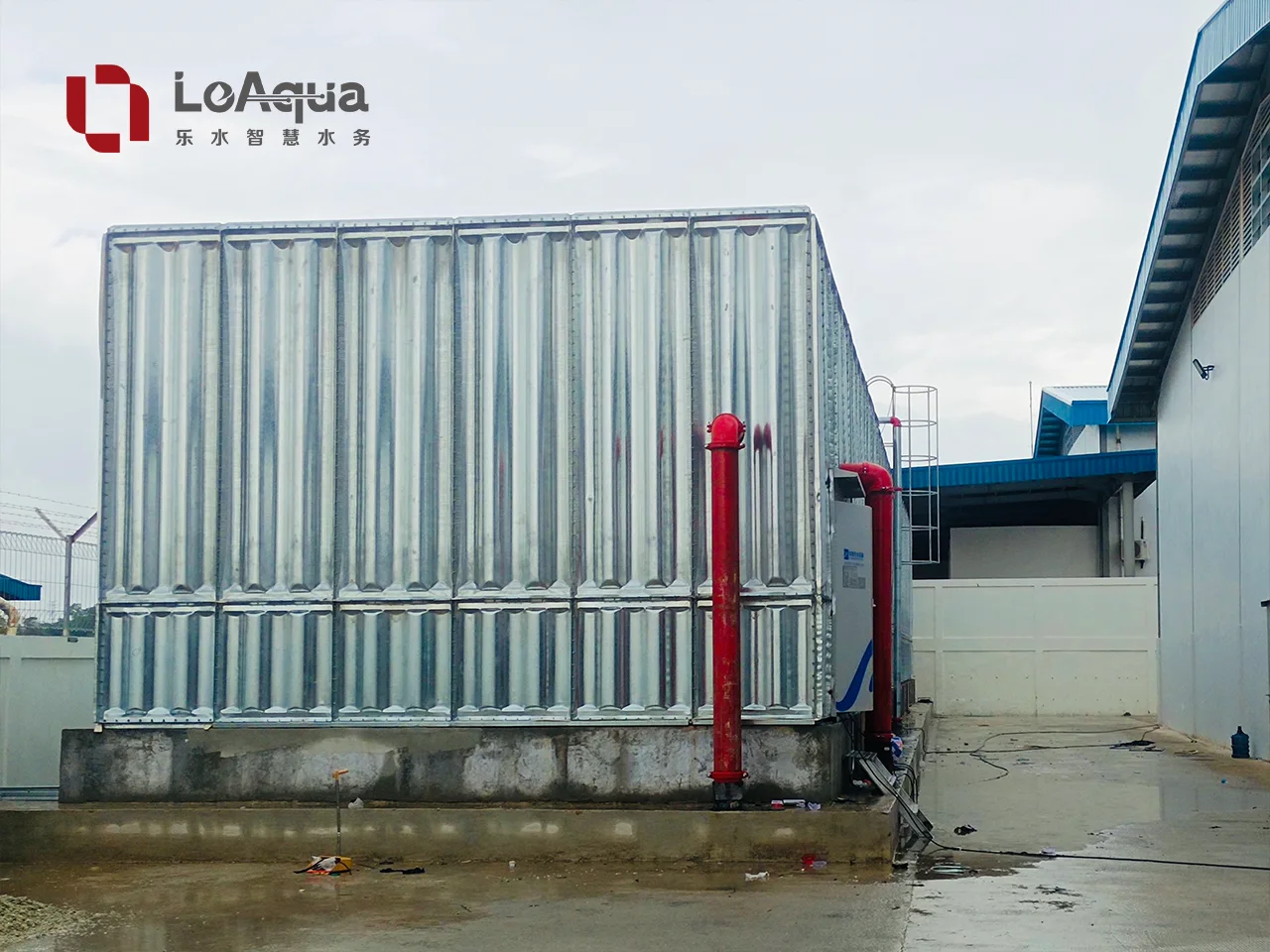
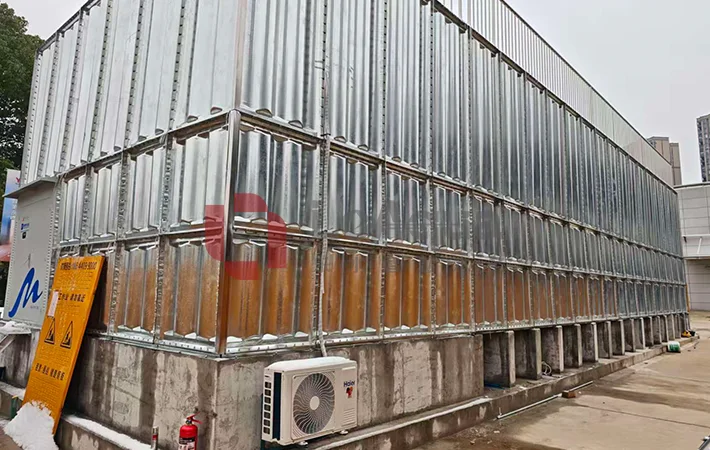
A stainless steel water tank is a water storage system manufactured using stainless steel panels that are assembled through welded or modular bolted construction. Modern stainless steel water tanks are widely used because they combine hygienic water contact surfaces with dependable structural performance and flexible installation methods. Depending on project requirements, tanks may be manufactured using materials such as SUS304 or SUS316 and configured for applications including:
- Commercial buildings
- Municipal water supply
- Industrial facilities
- Fire protection systems
- Pump stations
- Underground water storage
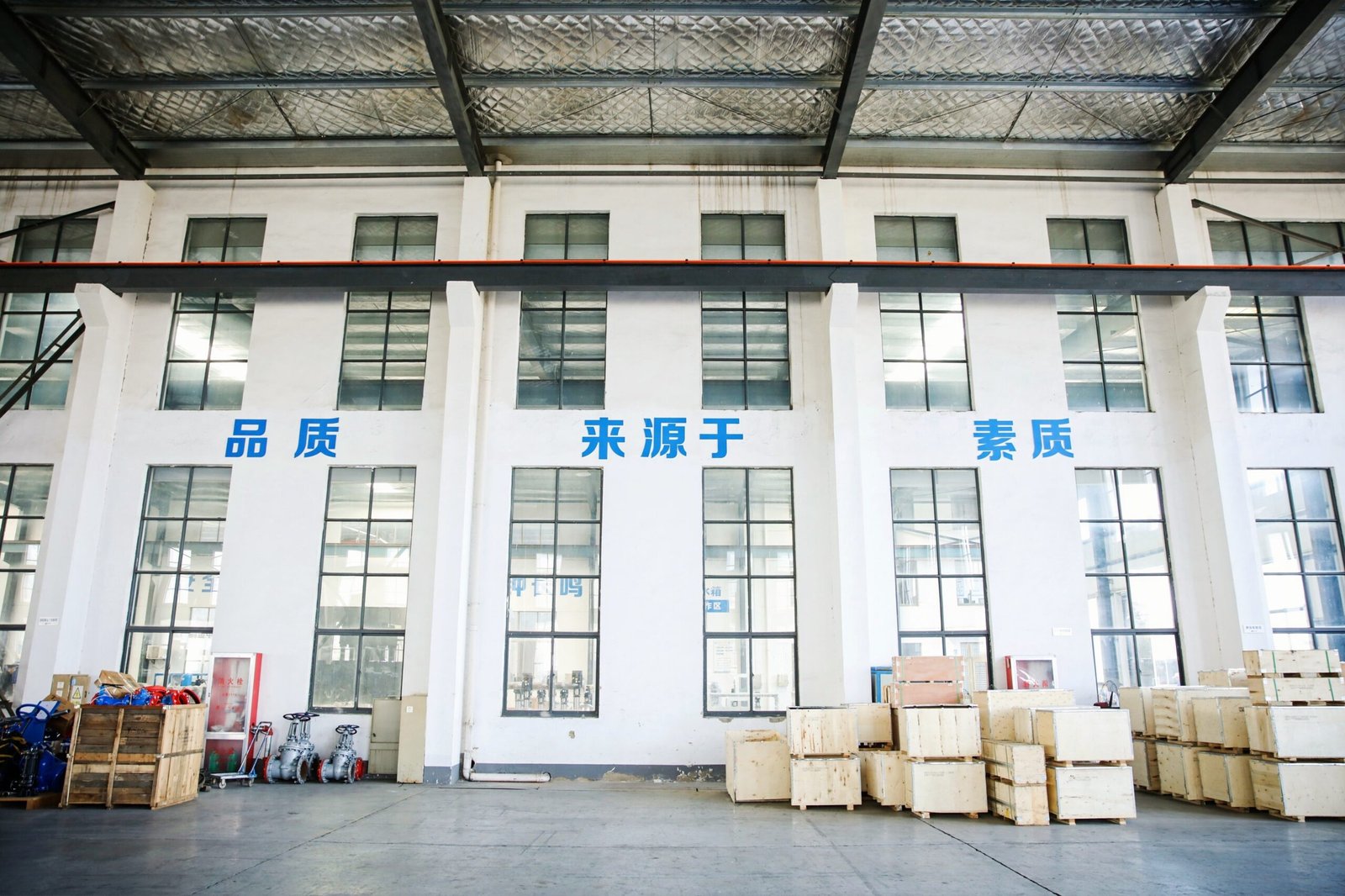
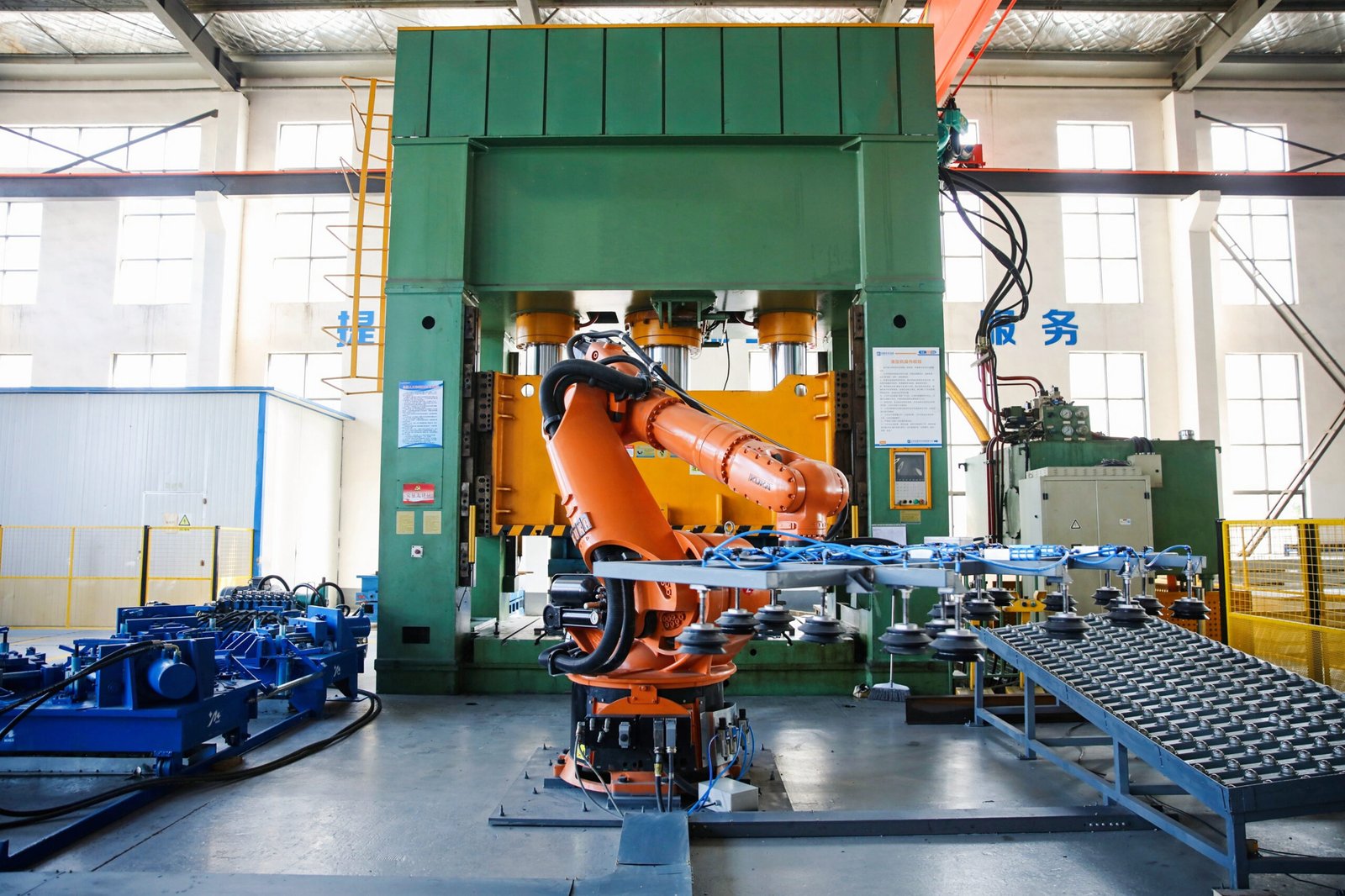
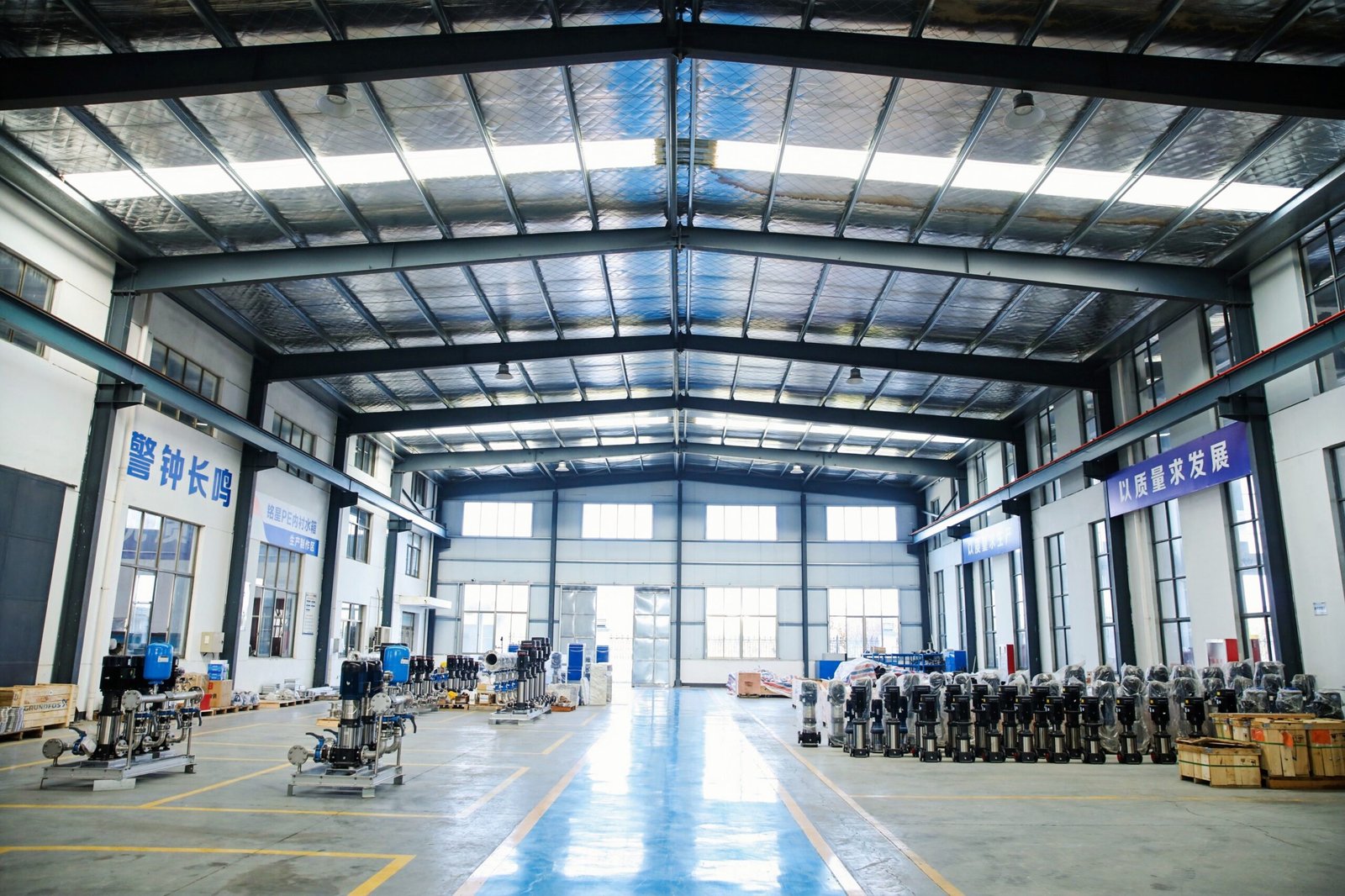
Because stainless steel tanks are typically manufactured in factories before transportation and installation, they provide a high degree of dimensional accuracy and consistent manufacturing quality.
What Is a Concrete Water Tank?
A concrete water tank is a water storage structure constructed primarily from reinforced concrete that is cast on-site or assembled using precast concrete components. Concrete tanks have been widely used for decades, particularly in municipal infrastructure and projects requiring very large storage capacities. Typical applications include:
- Water treatment facilities
- Municipal reservoirs
- Irrigation systems
- Large infrastructure projects
Unlike modular water tanks, concrete tanks become a permanent part of the site structure. Their design often involves civil engineering, reinforcement design, foundation construction, waterproofing systems, and extended curing periods before the tank can be placed into operation. Because concrete construction is closely integrated with the site itself, project planning usually begins during the earliest stages of civil design. Understanding these differences provides the foundation for comparing how each system performs throughout its service life.
Structural Design Philosophy
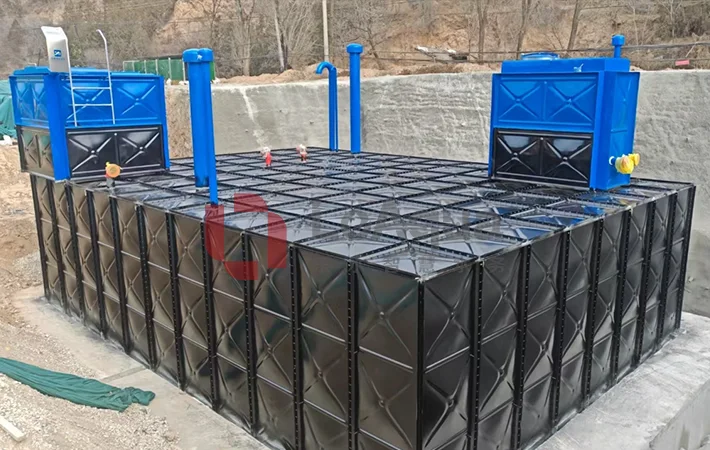
Although both systems are designed to store water safely for many years, their engineering philosophies are fundamentally different. A concrete water tank becomes part of the building or site structure itself. Its strength is achieved through reinforced concrete, foundation integration, and permanent civil construction. A stainless steel water tank follows a different approach. The storage structure is manufactured as an independent engineered system that can be transported, assembled, inspected, and integrated with surrounding infrastructure. Rather than relying on massive permanent construction, stainless steel systems achieve structural performance through engineered panel design and structural calculations. Neither concept is universally superior. The appropriate choice depends on project objectives, construction conditions, and long-term operational requirements.
Construction and Installation
One of the largest differences between these two solutions is how they are built. Concrete water tanks require extensive on-site civil work, including excavation, reinforcement installation, formwork, concrete pouring, waterproofing, and curing. Construction schedules are often closely linked with weather conditions and civil engineering progress. By comparison, stainless steel water tanks are manufactured under controlled factory conditions before being transported to the project site for assembly. This approach can reduce on-site construction complexity while allowing installation to proceed alongside other building activities. For projects with demanding construction schedules, factory-manufactured systems often provide greater planning flexibility.
Maintenance and Inspection
Water storage infrastructure is expected to remain operational for decades. Routine inspection therefore becomes an important consideration. Concrete tanks may require periodic evaluation of waterproofing systems, surface conditions, and structural integrity over time. Stainless steel water tanks are generally designed to facilitate internal inspection, cleaning, and maintenance through dedicated access points and modular components. Regardless of tank type, preventive maintenance remains essential for achieving reliable long-term performance.
Adaptability for Future Projects
Infrastructure requirements rarely remain unchanged. Population growth, facility expansion, and changing operational requirements may influence future water demand. Because stainless steel water tanks are engineered as modular systems, they can often provide greater flexibility during future infrastructure modifications. Concrete tanks, by comparison, are typically designed as permanent structures with limited opportunities for later alteration without major civil engineering work. For projects where long-term adaptability is an important consideration, engineers frequently evaluate these differences during the planning stage.
Lifecycle Cost Considerations
Initial construction cost is only one part of a water storage project’s overall investment. For infrastructure expected to operate for decades, engineers increasingly evaluate the total lifecycle cost, including installation, operation, maintenance, inspection, and future adaptability. Concrete water tanks often require substantial on-site civil construction before the storage system becomes operational. Excavation, reinforcement, concrete pouring, waterproofing, and curing all contribute to the overall project schedule and lifecycle planning. Stainless steel water tanks follow a different approach. Because major manufacturing is completed in the factory, installation focuses primarily on foundation preparation and modular assembly. This can simplify project coordination and reduce dependence on extended civil construction activities. Lifecycle evaluation should therefore include factors such as:
- Construction schedule
- Maintenance accessibility
- Future expansion
- Operational reliability
- Inspection efficiency
- Long-term asset management
Rather than focusing solely on the initial purchase price, many project owners now evaluate which solution delivers greater value throughout the expected service life of the facility.
When Does a Concrete Water Tank Make Sense?
Despite the growing popularity of stainless steel water tanks, reinforced concrete continues to play an important role in modern infrastructure. Concrete water tanks are commonly selected for projects such as:
- Large municipal reservoirs
- Water treatment facilities
- Irrigation infrastructure
- Permanent civil engineering projects
- Very large storage capacities integrated into structural works
Where a project is already centered around extensive civil construction, integrating a concrete water tank may be an appropriate engineering choice. The decision depends on the overall design strategy rather than the storage structure alone.
When Is a Stainless Steel Water Tank the Better Choice?
Many commercial and industrial projects require greater flexibility than traditional civil construction can provide. A stainless steel water tank is frequently selected when projects prioritize:
- Faster project delivery
- Modular installation
- Potable water applications
- Fire protection systems
- Building water supply
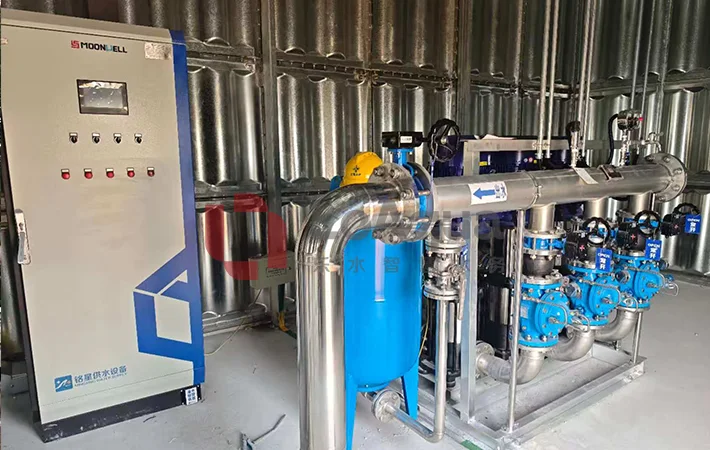
- Underground pump stations
- Future maintenance accessibility
- Potential system expansion
Because stainless steel water tanks are engineered as complete storage systems rather than permanent civil structures, they can adapt more easily to a wide variety of building types and infrastructure projects. For many commercial developments, this flexibility becomes an important consideration during the planning stage.
Engineering Recommendations from LeAqua
Selecting a water storage system should begin with project requirements rather than material preference. LeAqua recommends evaluating every project according to several engineering factors:
- Required storage volume
- Water quality requirements
- Available installation space
- Construction schedule
- Structural loading
- Long-term maintenance planning
- Future expansion potential
- Overall lifecycle objectives
By assessing these factors together, engineers can determine whether a stainless steel water tank or a concrete water tank better supports the long-term goals of the project. The objective is not simply to select a material, but to build a dependable water storage system that performs reliably throughout its operational life.
Frequently Asked Questions
Which water tank lasts longer?
Both stainless steel water tanks and concrete water tanks can provide long service lives when properly designed, constructed, and maintained. Service life depends on engineering quality, environmental conditions, operating practices, and regular maintenance rather than material alone.
Which solution is easier to install?
Stainless steel water tanks are generally manufactured in factories and assembled on site, while concrete water tanks require extensive civil construction before becoming operational.
Are stainless steel water tanks suitable for municipal projects?
Yes. Stainless steel water tanks are widely used in municipal water supply, commercial developments, industrial facilities, and fire protection systems where modular construction and reliable water storage are required.
Can both systems store potable water?
Yes. When designed and constructed according to applicable standards, both systems can be used for potable water storage.
Can stainless steel water tanks be installed underground?
Yes. Properly engineered stainless steel water tanks can be integrated into underground water storage systems for commercial developments, municipal projects, and pump stations.
Conclusion
The comparison between a stainless steel water tank and a concrete water tank is not about identifying one universally superior solution. Both systems continue to play important roles in modern infrastructure because they address different engineering requirements. Concrete water tanks remain well suited to many permanent civil engineering projects, while stainless steel water tanks provide a flexible, modular solution for commercial, industrial, municipal, and fire protection applications. By evaluating lifecycle performance, construction methods, maintenance requirements, and long-term operational goals together, project owners can make informed decisions that support reliable water storage for decades. LeAqua develops engineered stainless steel water tank systems designed to help customers build dependable water storage infrastructure through practical engineering, modular manufacturing, and long-term operational reliability.