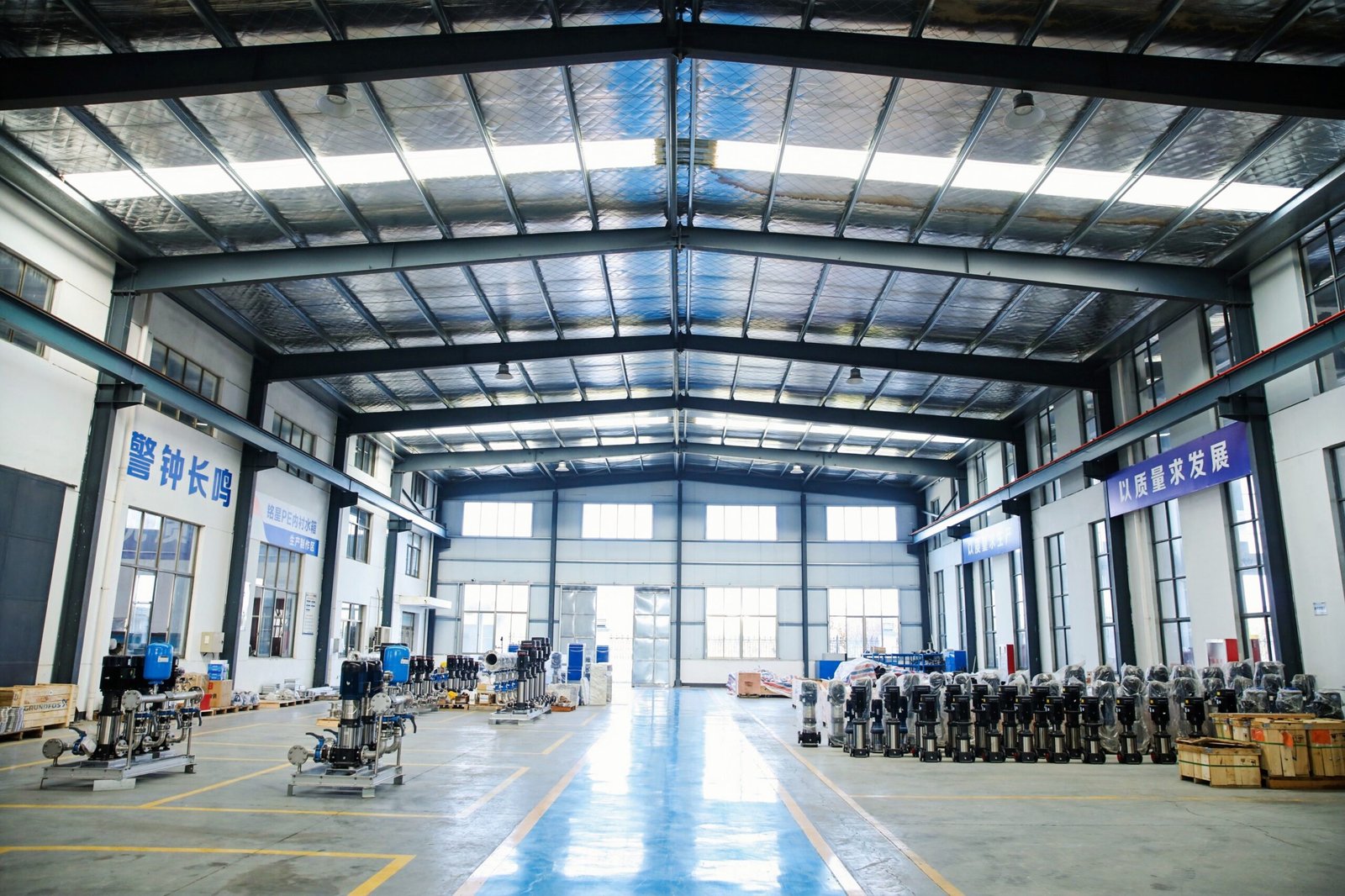
In many water supply projects, engineers face a common challenge:
How can storage, pumping and control systems work together efficiently as one complete solution?
Traditionally, these parts are often designed and supplied separately.
A project may purchase:
- A water storage tank from one supplier
- Pumps from another supplier
- Control equipment from a separate contractor
Although this approach can work, it often creates additional coordination requirements during design, installation and commissioning.
Engineers need to confirm that different components are correctly matched.
They also need to manage communication between multiple suppliers throughout the project.
As building systems become more complex, many projects are moving toward integrated approaches that combine key components into a coordinated system.
An integrated pump station is one example of this approach.
Instead of treating storage, pumping and control as separate elements, it combines these functions into one engineered water supply solution.
The purpose is not simply to put several products together.
The purpose is to create a system where each component is designed to work with the others from the beginning.
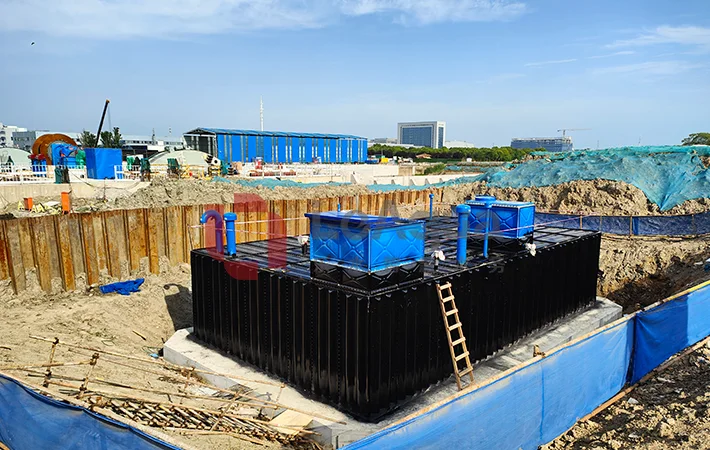
What Is an Integrated Pump Station?
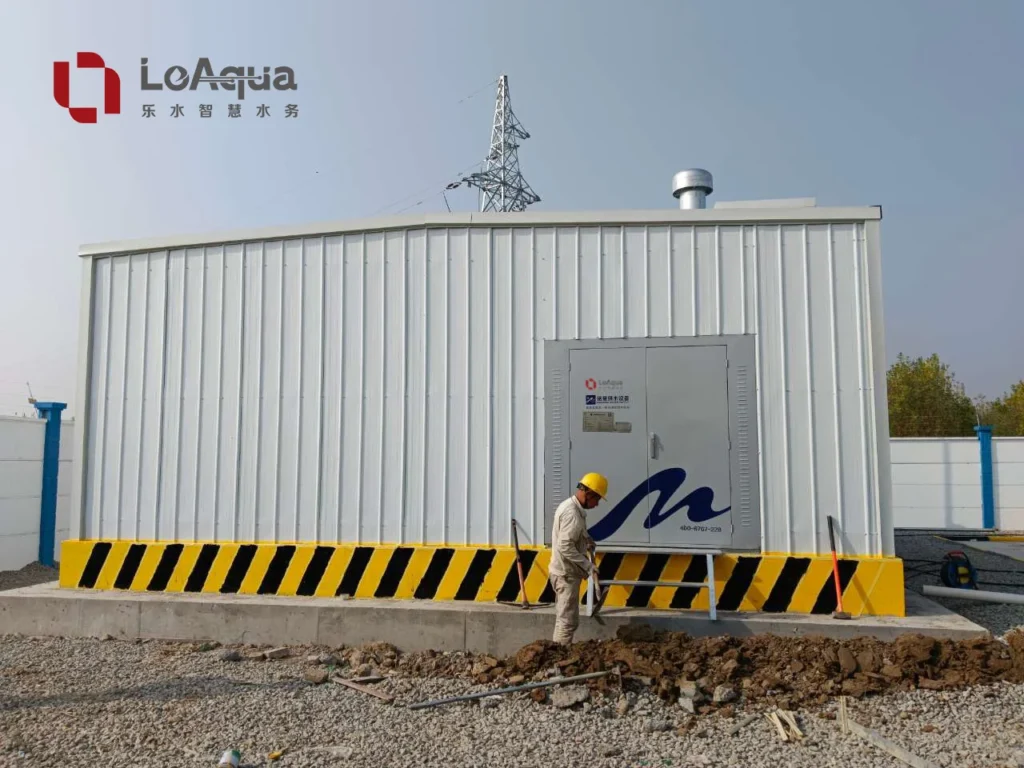
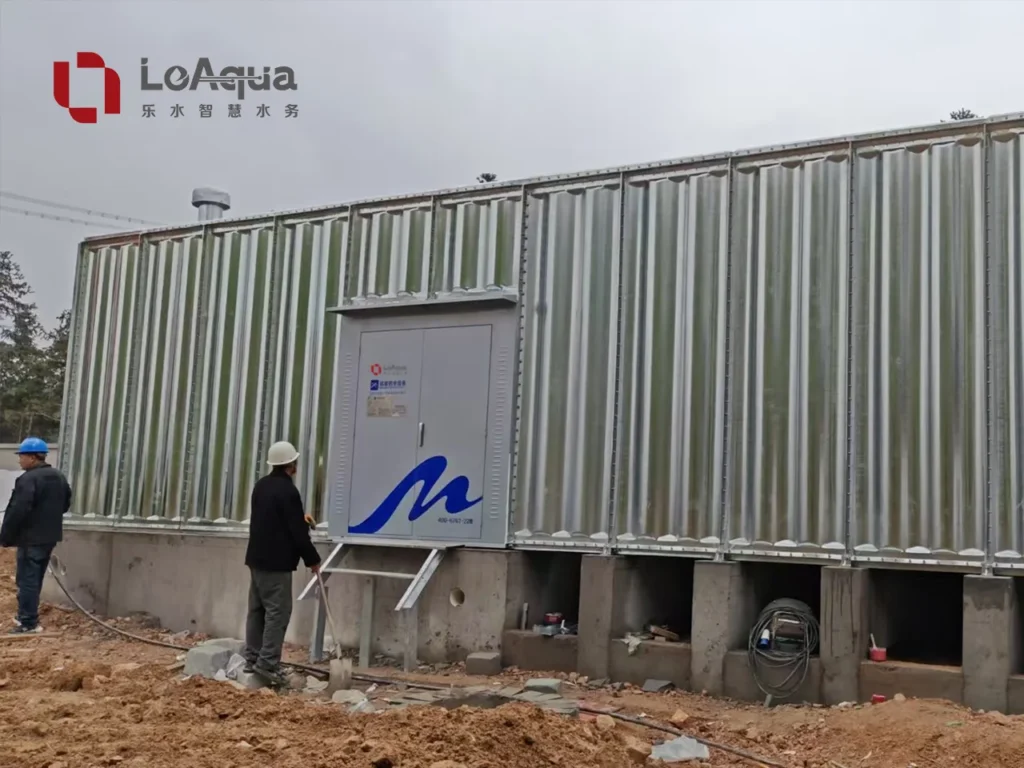
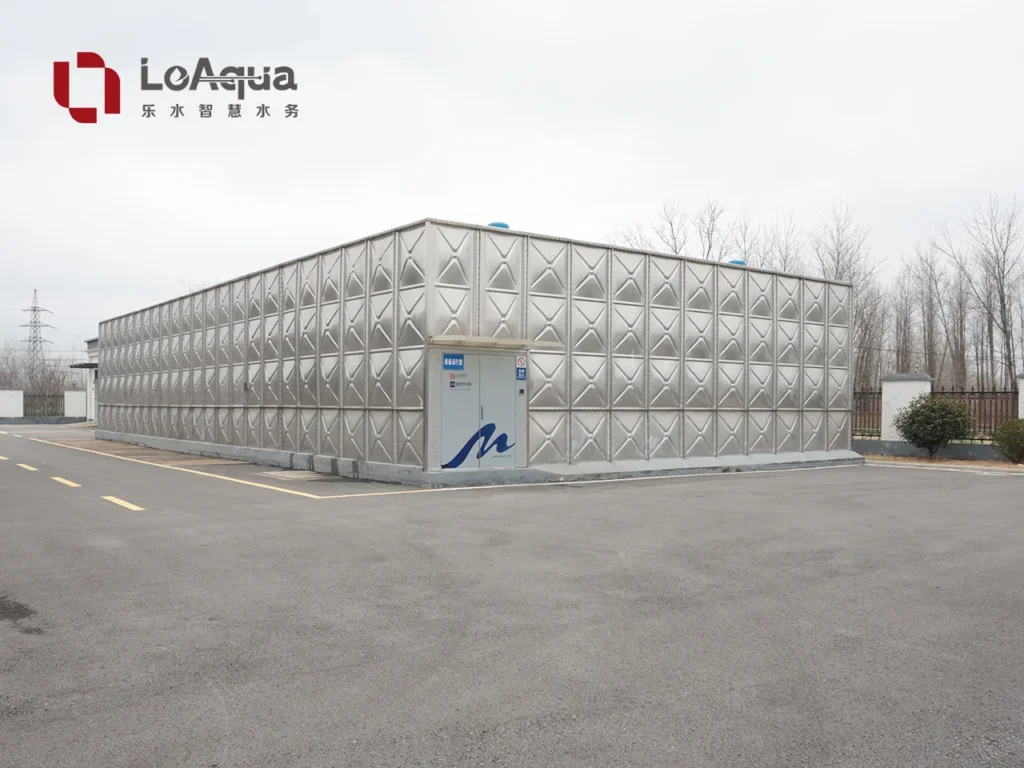
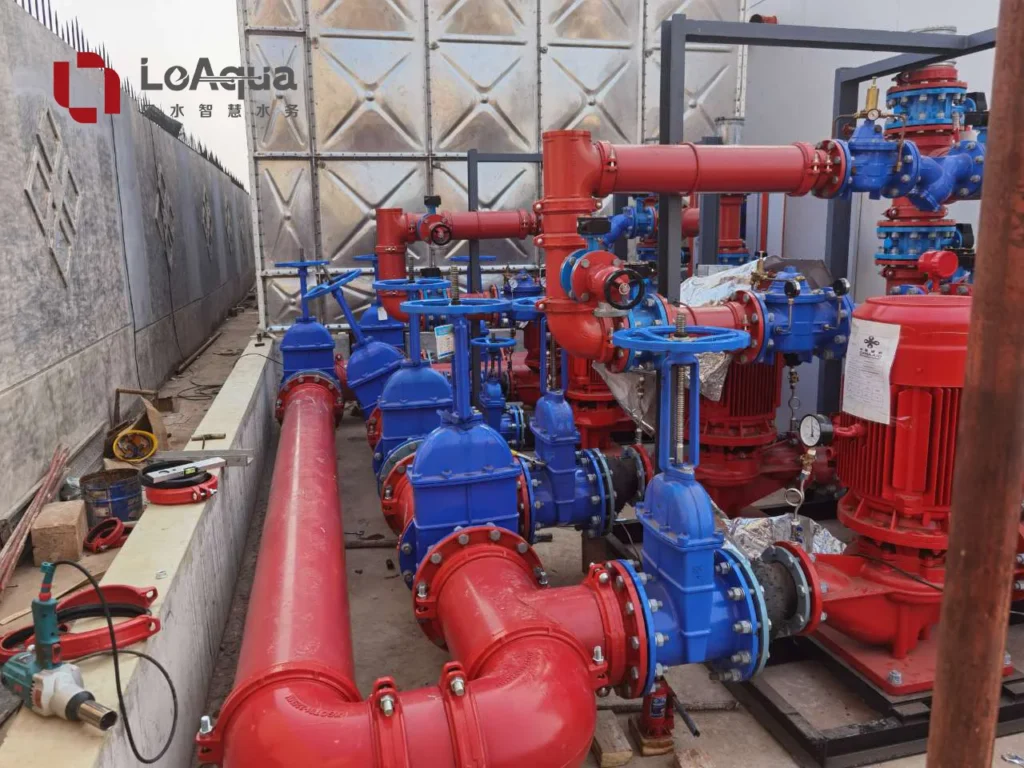
An integrated pump station is a complete water supply system that combines water storage, pumping equipment, control systems and related components into a coordinated solution.
Depending on project requirements, an integrated pump station may include:
- Water storage tank
- Pump sets
- Pressure control equipment
- Electrical control cabinet
- Monitoring system
- Valves and piping connections
The exact configuration depends on the application.
For example, a commercial building may require a system designed for stable daily water supply.
An industrial facility may require continuous operation and easier maintenance.
A fire protection project may focus on rapid response and reliable emergency operation.
Therefore, an integrated pump station is not a fixed product with only one configuration.
It is a system approach that allows engineers to combine different components according to actual project requirements.
How Is an Integrated Pump Station Different from a Traditional Pump Room?
One of the easiest ways to understand an integrated pump station is to compare it with a traditional pump room.
In a traditional approach, different parts of the system are usually handled separately.
The process may involve:
- Designing the tank separately
- Selecting pumps independently
- Installing piping and controls on site
- Completing system commissioning after installation
This means more coordination is required between different parties.
An integrated pump station changes this approach by considering the relationship between components earlier in the process.
Traditional Pump Room |
Integrated Pump Station |
|
| Design approach | Components designed separately | System designed as a whole |
| Equipment coordination | Managed between suppliers | Coordinated before delivery |
| Installation | More site assembly required | More factory integration |
| Commissioning | Multiple systems tested together | Integrated system verification |
| Maintenance | Multiple equipment sources | Centralized system management |
The main difference is not simply the physical structure.
The difference is the engineering approach behind the system.
Why Are Projects Considering Integrated Pump Stations?
1. Better Coordination Between Storage and Pumping
One common issue in water supply projects is that storage and pumping are sometimes designed separately.
However, these two parts directly affect each other.
For example:
- Tank capacity affects available water supply
- Pump flow affects delivery performance
- Pressure requirements affect pump selection
- Control strategy affects operating efficiency
When these elements are considered together, engineers can develop a solution that better matches the actual project requirements.
This system-level approach reduces the possibility of individual components being selected correctly but performing poorly together.
2. Reduced Coordination Between Multiple Suppliers
Large projects often involve many parties.
When the tank, pump system and control equipment come from different suppliers, engineers may need to coordinate:
- Technical specifications
- Connection details
- Installation requirements
- Testing procedures
An integrated approach reduces some of these coordination challenges because key components are considered together.
This does not eliminate the need for engineering management, but it simplifies communication and reduces uncertainty during implementation.
Space and Installation Advantages of Integrated Pump Stations
Space limitations are becoming an increasingly important consideration in modern construction projects.
In many urban developments, industrial facilities and infrastructure projects, available installation space is limited.
Traditional water supply systems may require separate areas for:
- Water storage tanks
- Pump rooms
- Electrical control equipment
- Monitoring systems
This can increase the overall footprint of the system and create additional coordination requirements during construction.
An integrated pump station approaches the layout differently.
By considering storage, pumping equipment and control systems together, engineers can develop a more coordinated arrangement.
This can help projects achieve:
- More efficient use of available space
- Simplified equipment layout
- Reduced on-site coordination
- Easier installation planning
However, the advantage is not simply that the system occupies less space.
The more important point is that the space is planned around the complete operating process.
Engineers can consider:
- Where operators need access
- How maintenance will be performed
- How equipment will be inspected
- How future modifications can be managed
A compact system is only valuable when it remains practical throughout its service life.
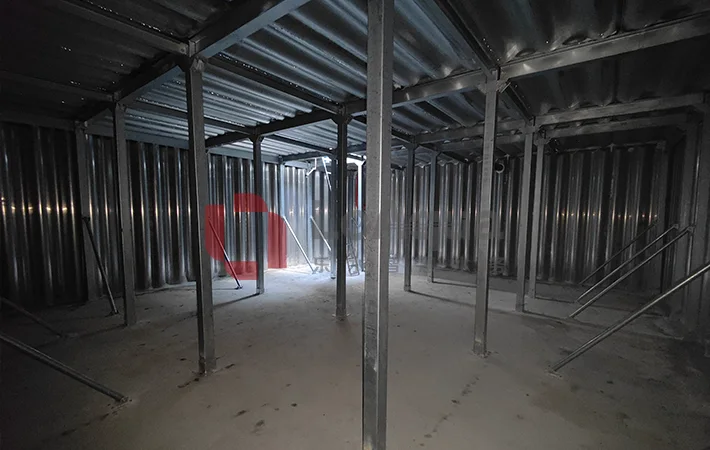
Why Factory Integration Improves Commissioning
One of the most challenging stages of a water supply project is commissioning.
Even when every individual component meets its specification, the complete system may still require adjustment if different parts were designed separately.
For example:
- Pump settings may need adjustment according to actual pipe conditions.
- Control logic may require modification after equipment connection.
- Communication between devices may need additional testing.
When major components are integrated before delivery, engineers can complete more coordination work during the manufacturing stage.
This allows important items to be reviewed earlier:
- Equipment compatibility
- Connection arrangement
- Control sequence
- Operating conditions
As a result, on-site commissioning can focus more on system verification rather than solving basic coordination problems.
This is particularly valuable for international projects, where technical adjustments after delivery may require additional time and communication.
How IoT Changes Pump Station Management
Modern water supply systems are increasingly moving beyond basic automatic operation.
Traditional systems may allow equipment to operate automatically, but operators may have limited information about what is happening inside the system.
Intelligent monitoring changes this approach.
By collecting operating information, engineers and operators can better understand:
- Water level conditions
- Pump operating status
- Pressure changes
- Alarm information
- Equipment running history
This information helps support preventive maintenance.
Instead of waiting until a problem affects operation, operators can identify unusual conditions earlier.
For example:
A change in pump operating frequency may indicate increasing demand.
An abnormal pressure pattern may suggest a system condition that requires inspection.
A repeated alarm may indicate that further investigation is needed.
The purpose of monitoring is not to replace engineering judgment.
It is to provide better information for making operational decisions.
When Should a Project Consider an Integrated Pump Station?
Not every project requires the same type of water supply solution.
Engineers usually consider integrated pump stations when several requirements exist at the same time.
Examples include:
Projects with Limited Installation Space
When available space is restricted, an integrated arrangement can help optimize equipment layout.
Projects Requiring Reliable Water Supply
Facilities such as commercial buildings, industrial plants and public infrastructure often require stable water delivery.
In these cases, coordination between storage, pumping and control becomes especially important.
Projects Requiring Faster Installation
For projects with strict construction schedules, reducing on-site assembly work can provide practical advantages.
Factory integration allows more preparation before equipment reaches the site.
Projects Requiring Intelligent Management
When operators need remote monitoring, operating data and maintenance information, integrated systems can provide a more complete management approach.
An Integrated Pump Station Is More Than a Combination of Equipment
It is important to understand that an integrated pump station is not simply:
Water tank + pump + control cabinet.
The real value comes from how these components are designed to work together.
A complete system requires consideration of:
- Water demand
- Storage requirements
- Hydraulic performance
- Control strategy
- Maintenance requirements
- Future operation
This is why engineering involvement is important.
The best solution is not necessarily the one with the most equipment.
It is the one where every component has a clear role within the overall system.
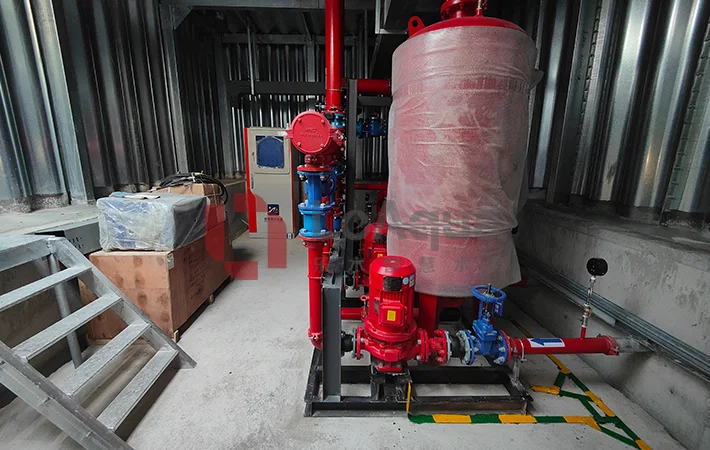
How LeAqua Approaches Integrated Water Supply Solutions
At LeAqua, integrated pump stations are developed based on the understanding that water storage and water delivery cannot be separated completely.
A project may start with a water tank requirement, but the final performance depends on many connected factors:
- How much water needs to be stored
- How water needs to be delivered
- What pressure is required
- How the system will be controlled
- How operators will manage the equipment in the future
By combining water tank manufacturing capability with pump system integration and intelligent monitoring concepts, LeAqua focuses on developing complete water supply solutions rather than supplying isolated components.
This approach allows engineers and project owners to consider the entire system from the beginning.
Final Thoughts
An integrated pump station provides a different way of approaching water supply system design.
Instead of selecting storage, pumping and control equipment separately and connecting them later, it considers these functions together as one coordinated solution.
For projects that require reliable operation, efficient installation and easier long-term management, integrated systems can provide important advantages.
The future of water supply is not only about storing water.
It is about managing the complete process of storing, transferring and monitoring water throughout the entire system lifecycle.