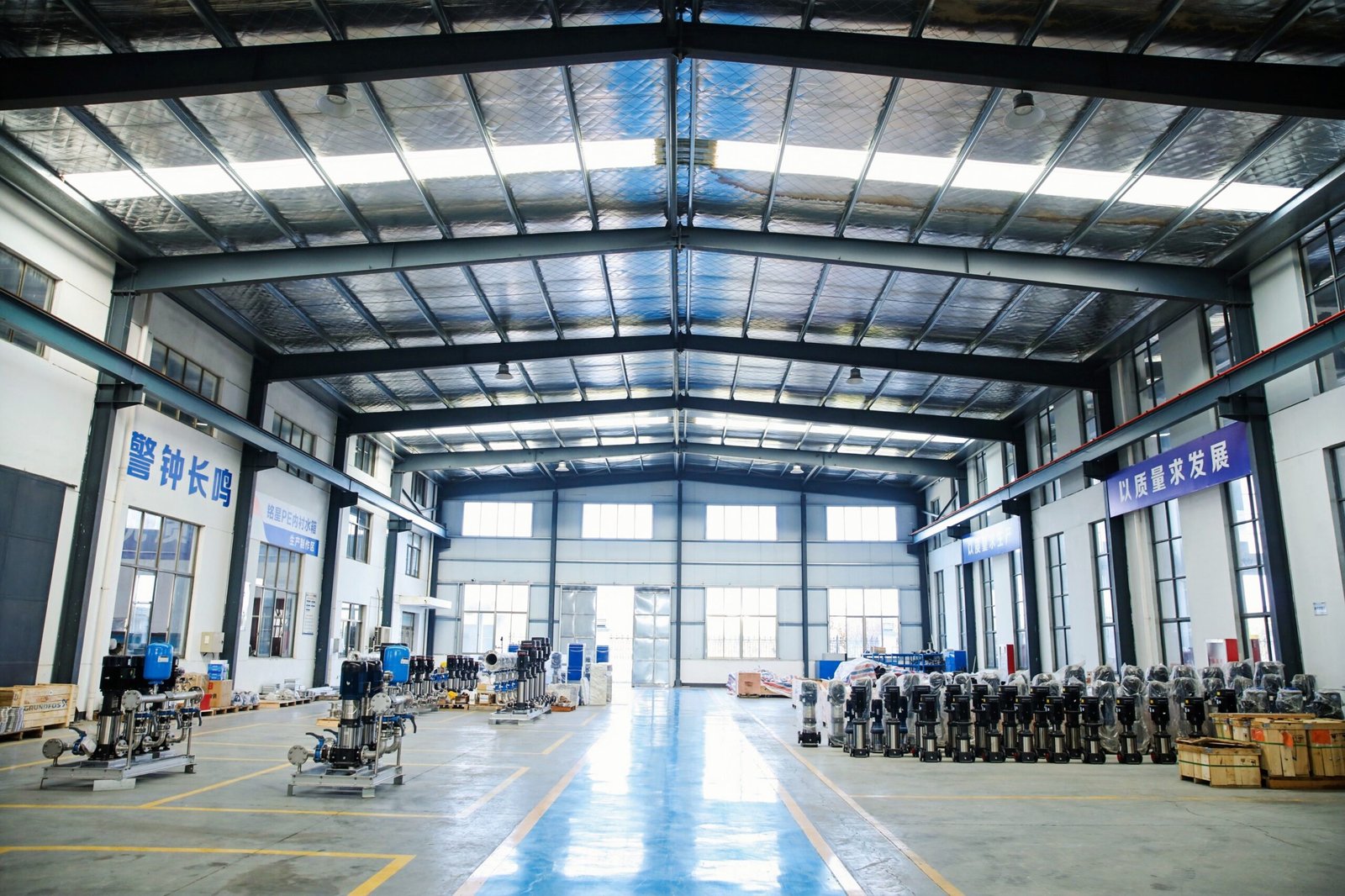
When planning a water supply project, many clients begin with a simple question:
“Which type of water tank is the best?”
However, experienced engineers usually approach the decision differently.
There is rarely one water storage solution that is suitable for every project.
The right choice depends on a combination of factors, including:
- Required storage capacity
- Project location
- Installation conditions
- Water quality requirements
- Operating environment
- Maintenance expectations
- Future expansion plans
A residential building, industrial facility, hospital and infrastructure project may all require water storage, but their engineering priorities can be completely different.
For example, a project with limited access to the installation area may place greater importance on modular assembly.
A facility requiring long-term outdoor operation may focus more on material durability and environmental resistance.
A project with strict operational requirements may pay closer attention to monitoring, maintenance and system integration.
Therefore, engineers do not select a water storage solution by looking at the tank alone.
They evaluate how the storage system will work together with pumps, controls, pipework and the overall water supply system.
The goal is not simply selecting a tank.
The goal is selecting a solution that can support the project throughout its service life.
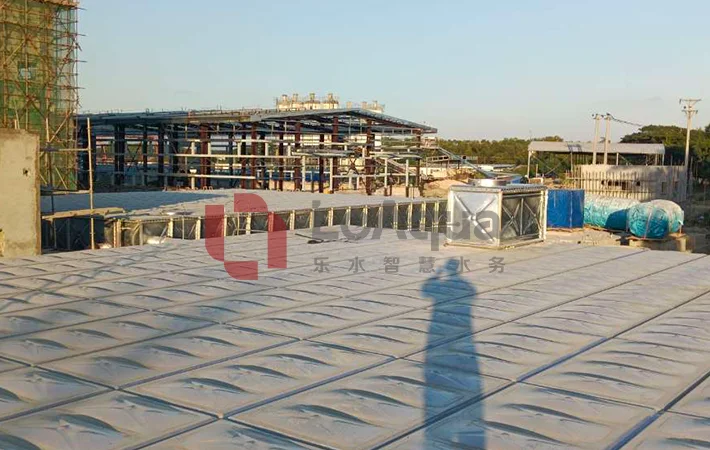
Engineers Start with Project Requirements, Not Product Types
Before comparing different storage solutions, engineers first define what the project actually requires.
This step is often more important than the material selection itself.
A common mistake is to start by comparing products:
“Is stainless steel better?”
“Is composite better?”
“Is concrete better?”
But without understanding the project conditions, these comparisons may not provide a meaningful answer.
Engineers usually begin with several fundamental questions.
How Much Water Needs to Be Stored?
Storage capacity is one of the first considerations.
However, capacity is not selected only based on building size.
Engineers consider:
- Daily water consumption
- Peak demand periods
- Emergency requirements
- Fire protection requirements
- Operating conditions
A larger tank is not always a better solution.
Excessive storage capacity may increase initial investment and require more installation space.
Insufficient capacity may affect system operation.
The correct approach is to determine the storage requirement based on actual water demand and project objectives.
Where Will the System Be Installed?
Installation conditions have a major influence on solution selection.
Engineers review:
- Available space
- Transportation limitations
- Foundation conditions
- Construction schedule
- Access for installation equipment
- Future maintenance requirements
For example, a large tank may be technically suitable but difficult to transport or install in a restricted location.
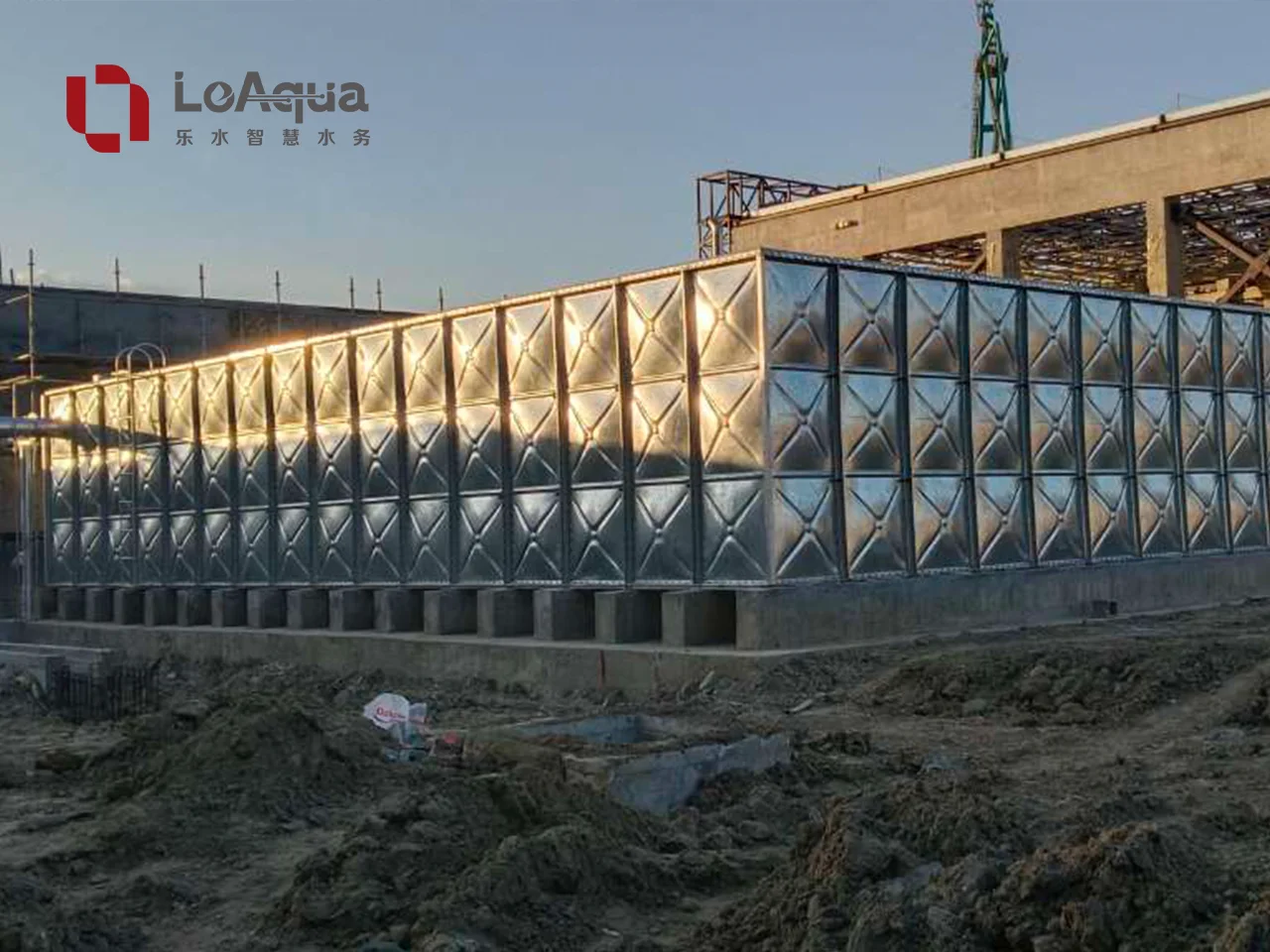
In such cases, modular water storage solutions can provide practical advantages because components can be delivered and assembled according to site conditions.
On the other hand, projects with sufficient space may have different priorities, such as reducing long-term maintenance requirements or integrating additional equipment.
The installation environment is therefore not a secondary consideration.
It is one of the factors that determines which solution is practical.
Material Selection Is Based on Engineering Requirements
Once basic project requirements are understood, engineers then compare different material options.
The purpose is not to find the “best material” in isolation.
It is to understand which material characteristics match the project conditions.
Common water storage solutions include:
- Stainless steel water tanks
- Composite water tanks
- FRP/GRP water tanks
- Hot-dip galvanized water tanks
- Concrete water storage structures
Each solution has different characteristics.
Stainless Steel Water Tanks
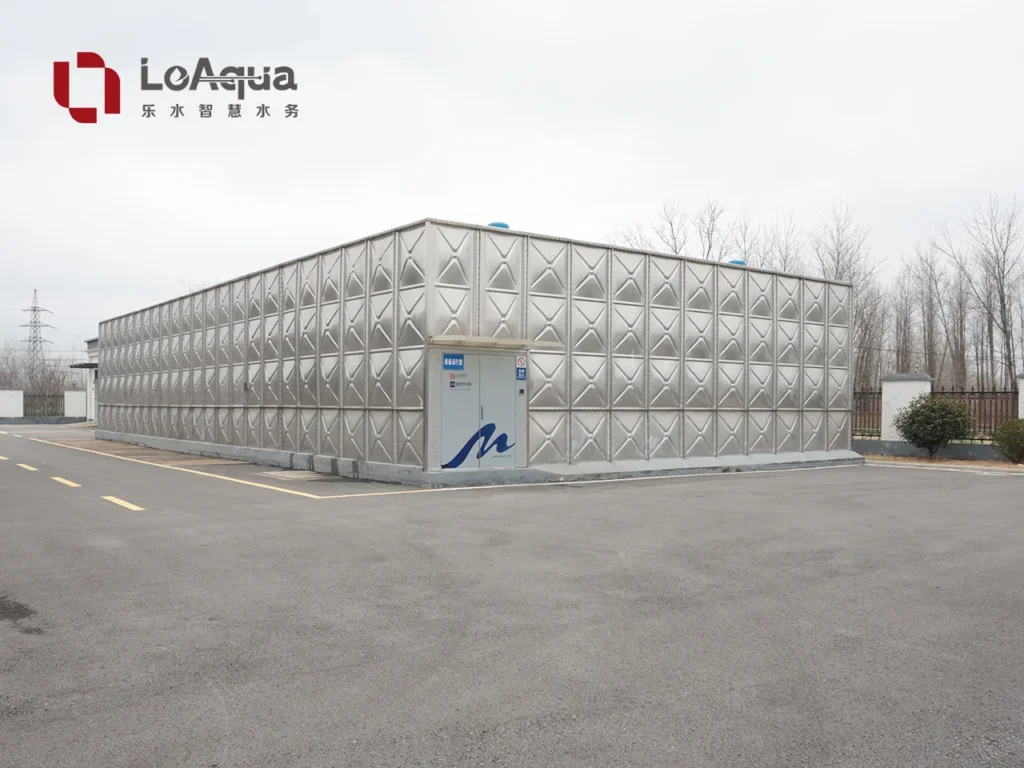
Stainless steel water tanks are widely used in many water storage applications because of their corrosion resistance, structural performance and long service life.
Engineers may consider stainless steel solutions when factors such as:
- Durability
- Hygiene requirements
- Long-term appearance
- Maintenance expectations
are important.
Different stainless steel tank designs can also be adapted according to project requirements, including welded and modular bolted configurations.
The selection depends on the required capacity, installation environment and overall system design.
Composite Water Tanks and Other Modular Solutions
Composite water tanks are another option considered by engineers when evaluating water storage requirements.
The term “composite” can describe different structural approaches depending on the manufacturer and design.
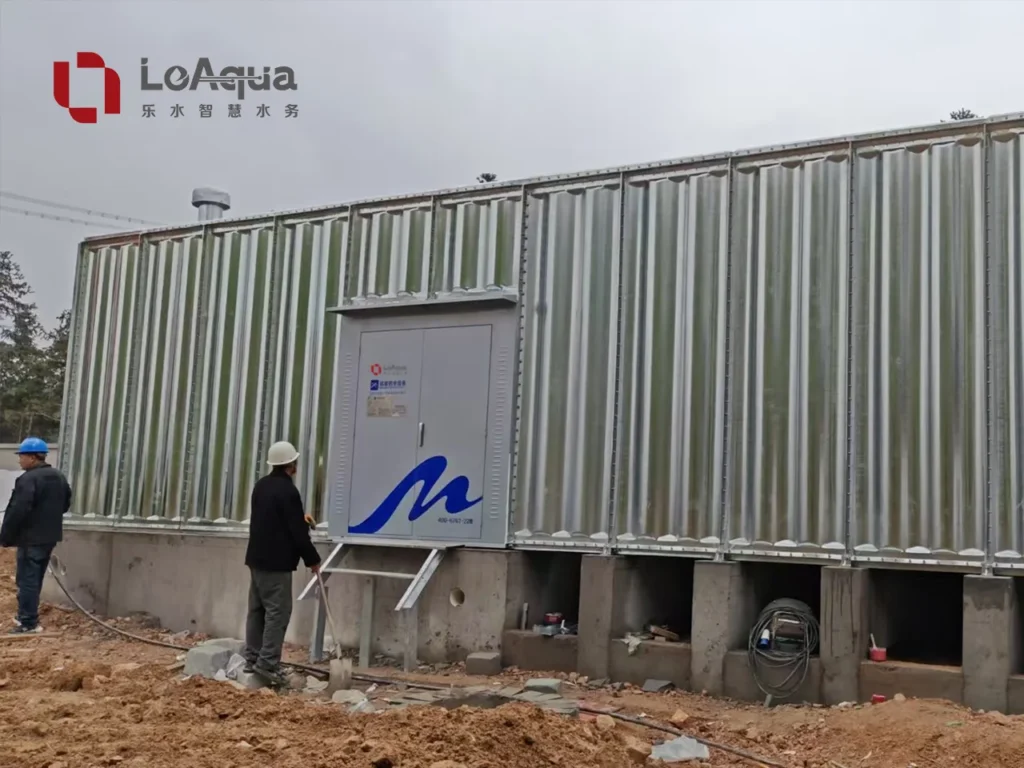
For LeAqua, composite water tanks refer to a structure that combines stainless steel panels with galvanized steel reinforcement layers, providing a balance between material performance and project requirements.
When engineers evaluate this type of solution, they usually consider several practical factors:
- Required storage capacity
- Installation conditions
- Transportation limitations
- Structural requirements
- Long-term maintenance expectations
One advantage of modular composite tank designs is installation flexibility.
Instead of transporting a complete large structure, individual panels and components can be delivered to the project site and assembled according to the installation environment.
This can be particularly useful for projects where:
- Access routes are limited
- Transportation space is restricted
- Large lifting equipment is difficult to arrange
- Construction schedules require flexible installation
However, engineers do not select a modular solution only because of transportation advantages.
They also review structural design, connection methods and long-term operating requirements.
The final decision still depends on the complete project conditions.
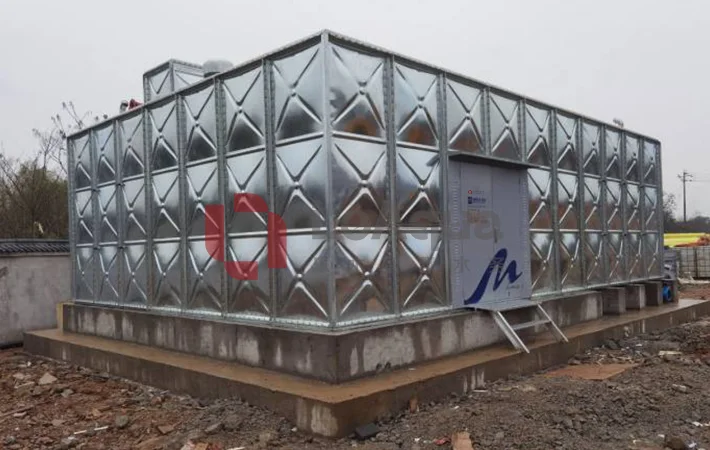
Double-Sided Rib-Reinforced Water Tanks: Considering Structure Beyond Material
In some projects, engineers look beyond material selection and focus more on structural design.
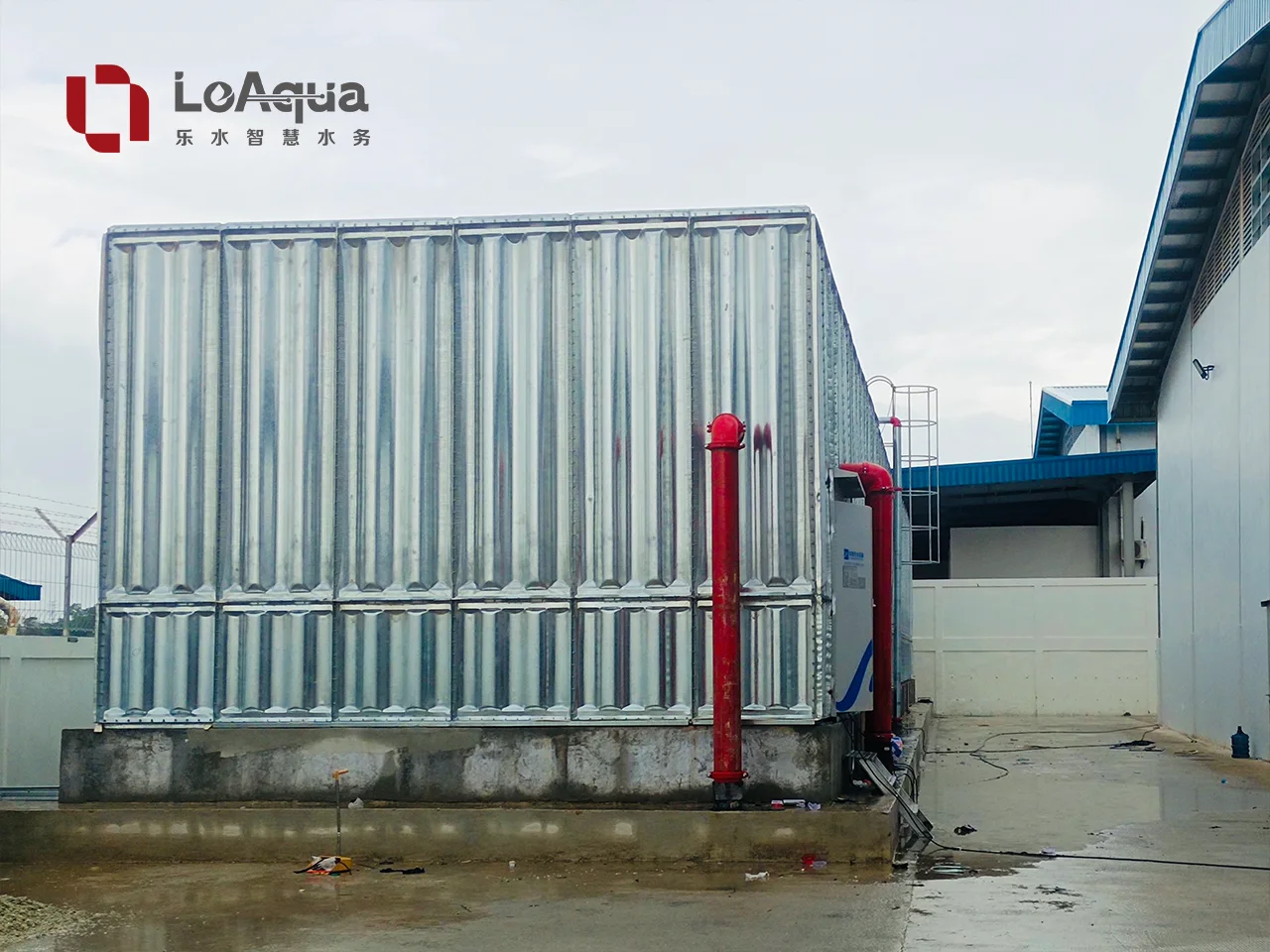
A good example is the double-sided rib-reinforced water tank.
Instead of relying only on increasing material thickness, this type of design improves panel stiffness through a formed rib structure.
The engineering idea is similar to many structures used in other industries:
A properly designed shape can improve structural performance without simply adding more material.
When evaluating this type of tank, engineers may consider:
- Panel rigidity
- Internal space requirements
- Cleaning accessibility
- Installation efficiency
- Structural behaviour under water pressure
One practical difference is the internal layout.
Traditional modular tanks may require internal reinforcement components depending on design requirements.
A rib-reinforced structure can help reduce internal obstructions, creating a more open internal environment.
This can be beneficial for applications where inspection, cleaning and internal accessibility are important considerations.
However, the choice between different tank designs should still be based on the project requirements rather than assuming one structure is suitable for every situation.
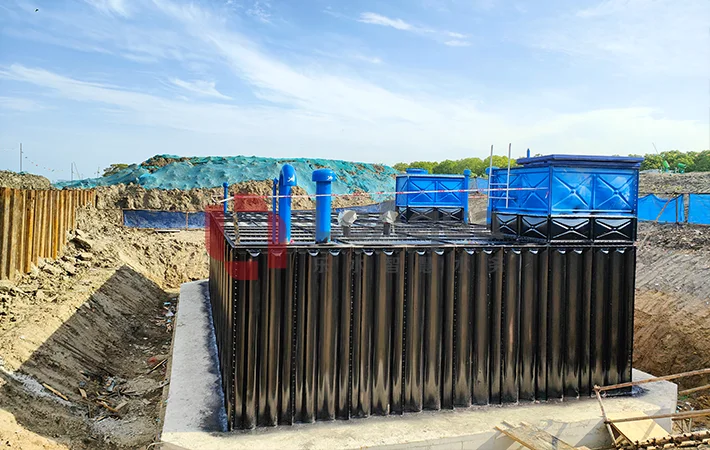
Underground Water Storage Requires Different Considerations
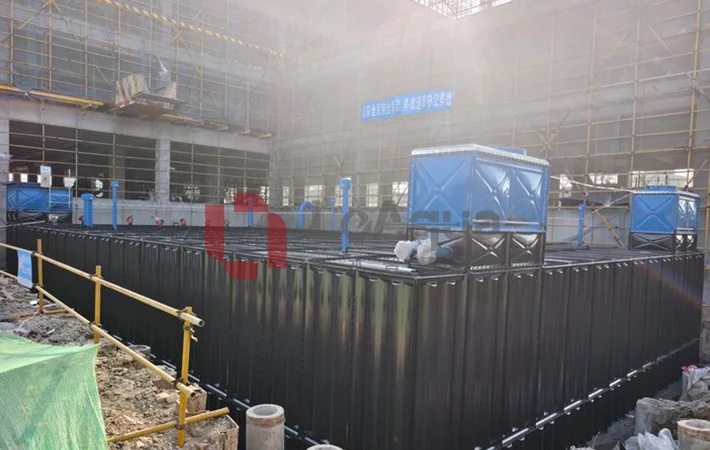
For projects where above-ground space is limited, underground water storage can become an important option.
However, underground installation changes the engineering considerations.
Unlike above-ground tanks, underground systems need to consider additional factors such as:
- Soil conditions
- External pressure
- Waterproofing requirements
- Access for inspection
- Maintenance planning
- Vehicle or structural loads above the tank
For example, if vehicles need to pass above the underground structure, engineers need to evaluate the expected loads and ensure the design is suitable for those conditions.
The underground environment can provide advantages, such as better space utilization and reduced visual impact, but it also requires careful planning before construction.
Engineers therefore evaluate not only the tank itself, but also the relationship between the tank, surrounding structure and site conditions.
Comparing Solutions Means Looking at the Complete System
Although water tanks are often the first component discussed, engineers understand that storage is only one part of a water supply system.
A complete project may also include:
- Pump equipment
- Control systems
- Pipework
- Monitoring functions
- Future expansion requirements
This is why professional evaluations usually move beyond the question:
“Which tank is better?”
The more important question is:
“Which solution can support the entire system requirement?”
For example, a tank with sufficient capacity may still fail to provide the expected water supply performance if the pump selection, pressure requirements or control strategy are not properly matched.
Likewise, high-performance pumping equipment cannot solve a system problem if the storage strategy was not considered correctly.
The storage solution and the water delivery system need to be reviewed together.
Why Integrated Pump Stations Are Becoming Part of Water Storage Planning
As projects become more complex, the relationship between storage and water delivery becomes increasingly important.
Traditional procurement often separates:
- Water tank supplier
- Pump supplier
- Control supplier
Each supplier provides their own equipment.
However, the final project performance depends on how these components operate together.
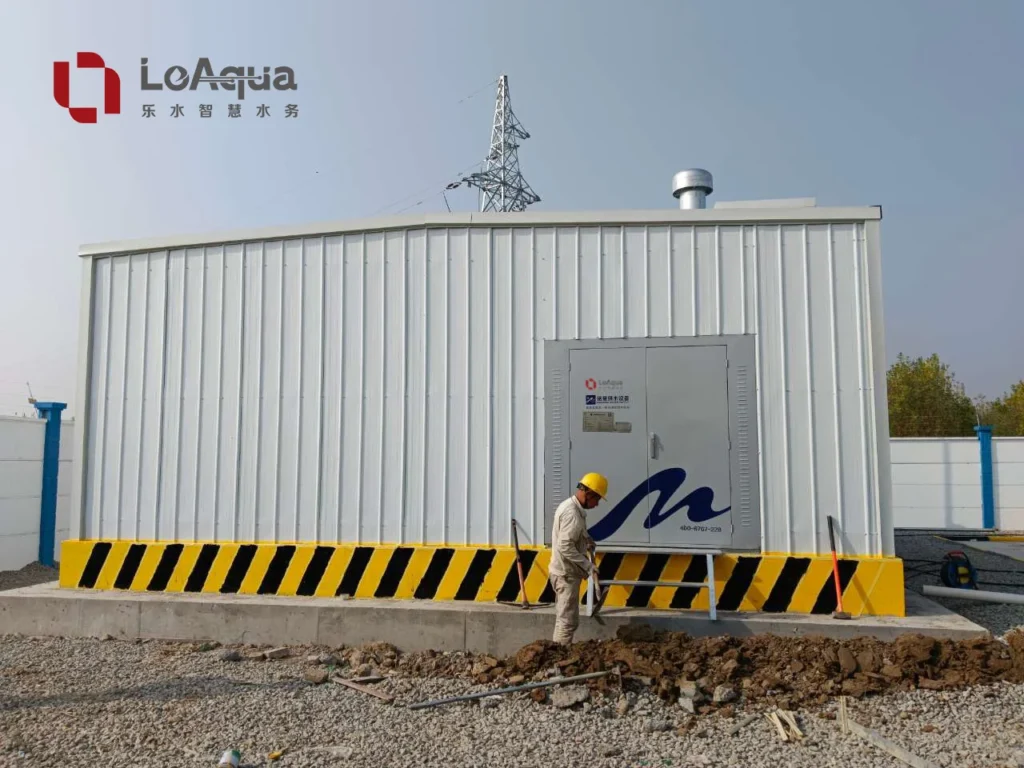
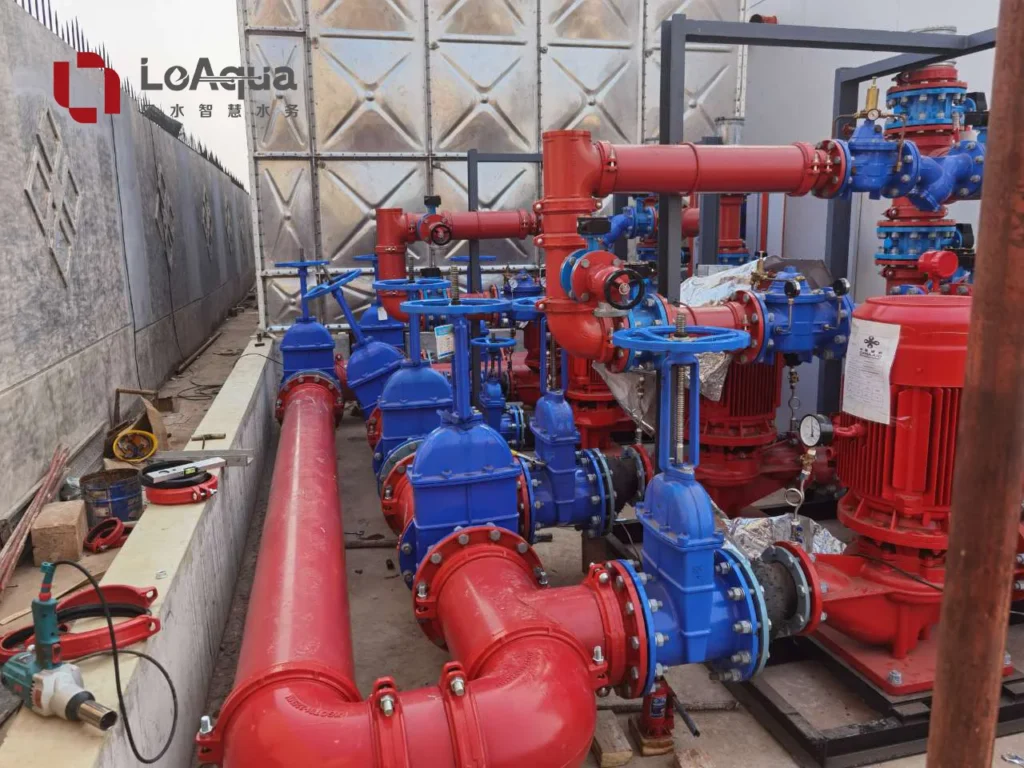
An integrated pump station brings these elements together during the engineering stage:
- Water storage
- Pumping equipment
- Control system
- Monitoring functions
This allows engineers to review the complete operating logic before installation.
For projects such as commercial buildings, industrial facilities, infrastructure projects and other applications requiring stable water supply, this integrated approach can simplify coordination between different parts of the system.
The value is not simply reducing the number of suppliers.
The value is ensuring that the storage and delivery processes follow the same engineering plan.
A Practical Framework Engineers Use When Comparing Water Storage Solutions
Instead of asking which tank is universally better, engineers often compare solutions based on several project factors.
Evaluation Factor |
Engineering Consideration |
| Storage requirement | Required volume, demand pattern and future needs |
| Installation condition | Available space, transportation and construction limitations |
| Structural requirements | Water pressure, external conditions and design approach |
| Material characteristics | Corrosion resistance, durability and maintenance expectations |
| Internal accessibility | Inspection, cleaning and operational requirements |
| Integration requirements | Pumping, control and monitoring coordination |
| Lifecycle considerations | Operation, maintenance and future expansion |
This type of evaluation helps avoid selecting equipment based only on initial price.
A water storage system is a long-term investment, and the most suitable choice is usually the one that fits the project’s complete requirements.
Final Thoughts
Selecting a water storage solution is not simply a comparison between different tank materials.
Engineers consider capacity, installation conditions, structural requirements, maintenance needs and system integration before making a decision.
Stainless steel tanks, composite tanks, rib-reinforced tanks and underground storage solutions all have their own applications.
The important question is not which option is always the best.
The important question is which option best matches the project’s actual operating requirements.
At LeAqua, water storage projects are considered from a complete engineering perspective. By combining storage design, pumping systems, control technology and monitoring requirements, projects can be planned as integrated water supply systems rather than individual equipment purchases.
A successful water storage solution is not defined only by the tank installed on site.
It is defined by how effectively the complete system performs throughout its service life.