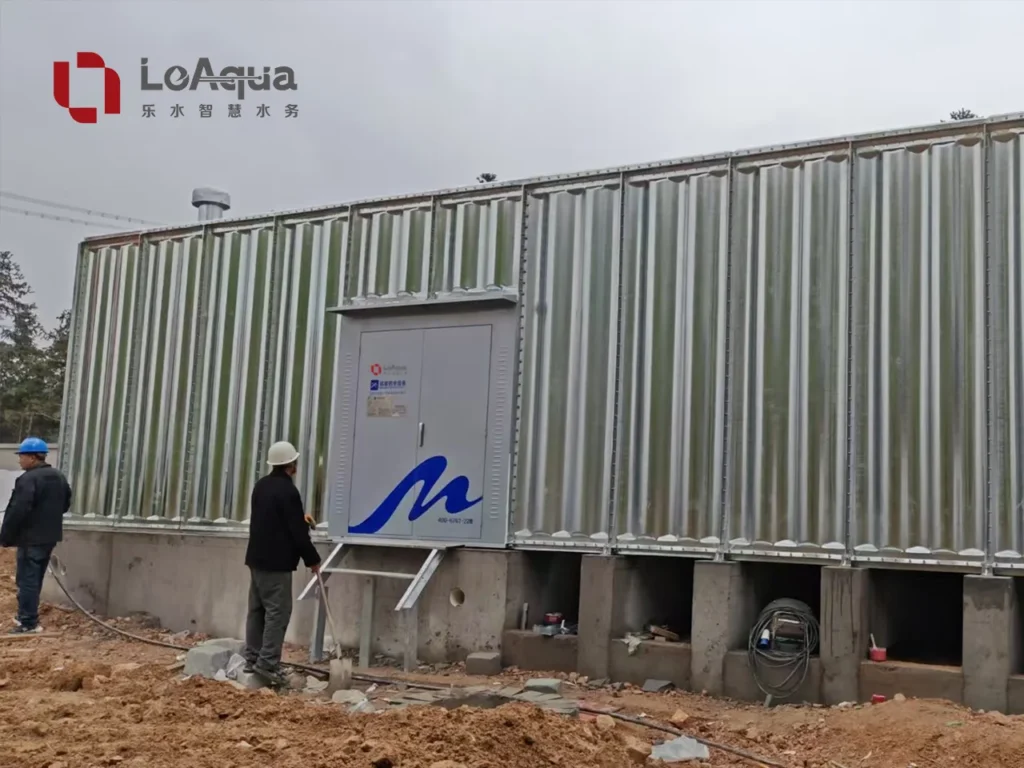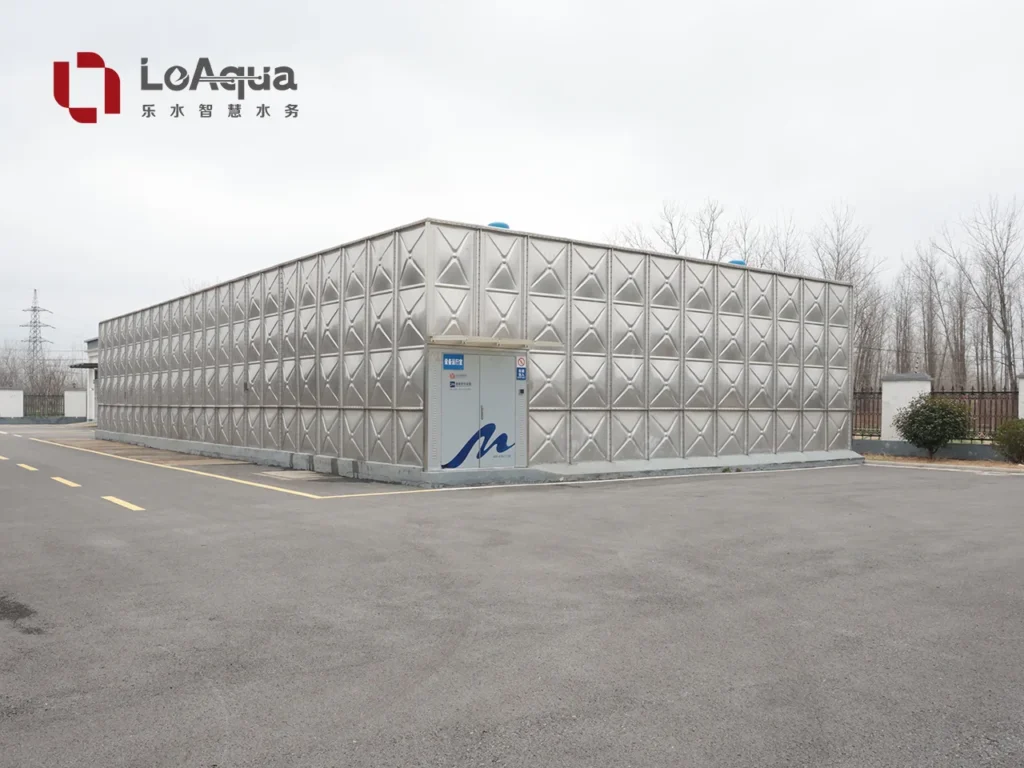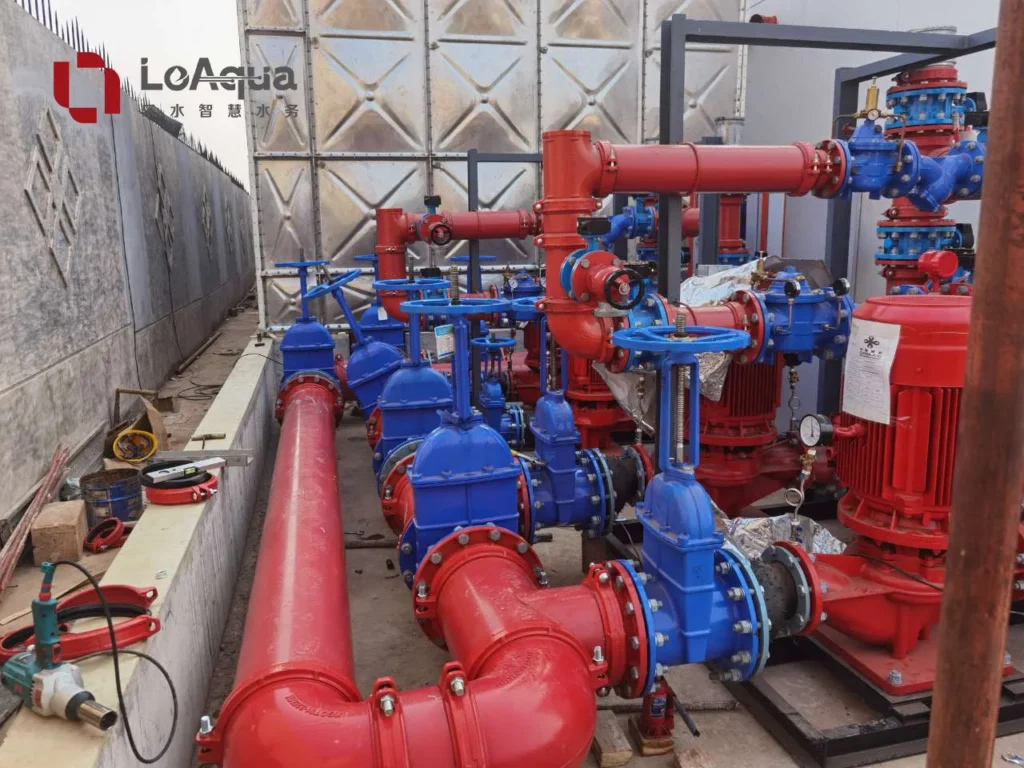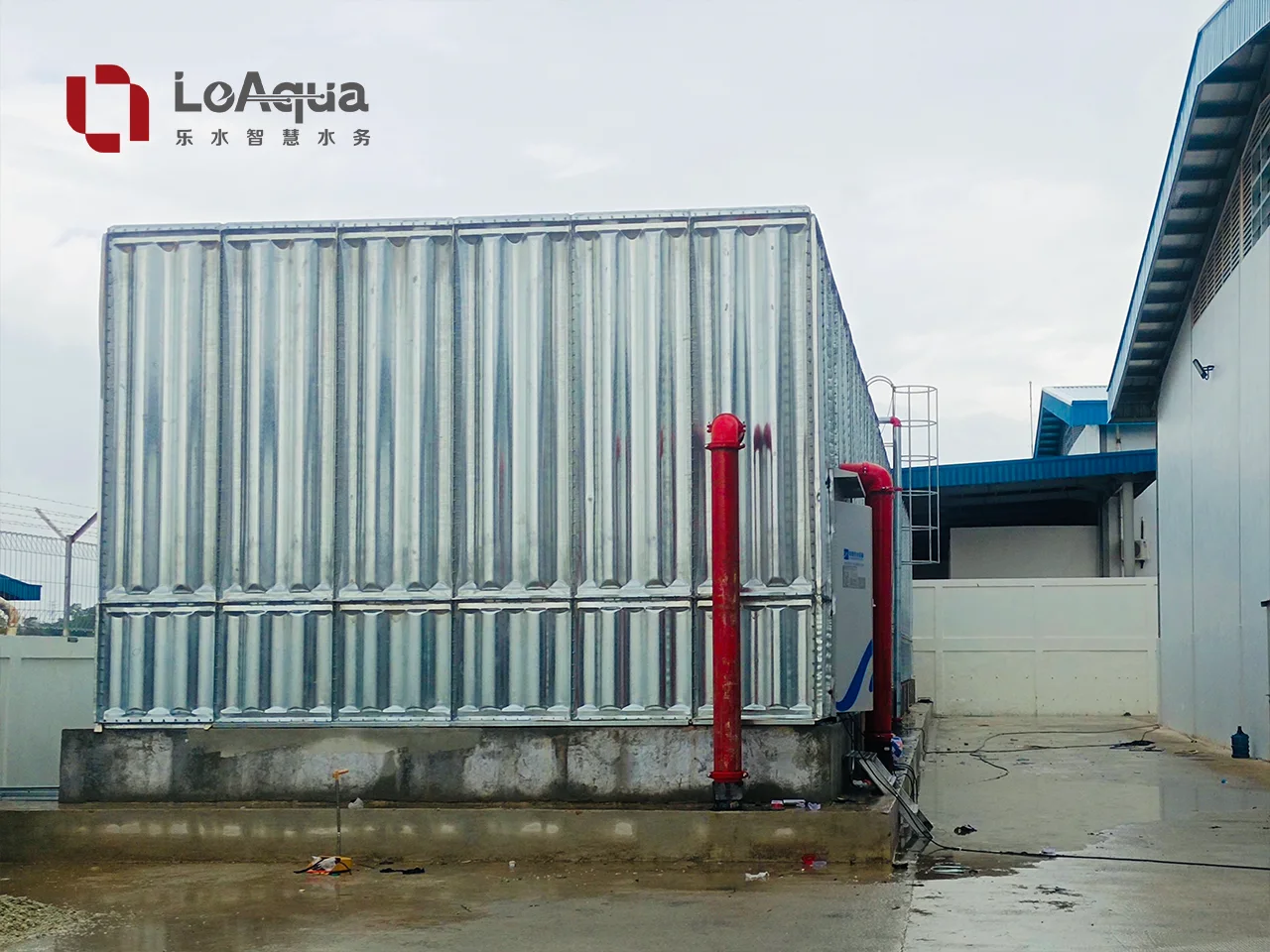
A water tank can be installed, filled and running while its handover file is still incomplete. Months later, the maintenance team may not know which drawing reflects the final pipework, what level settings were approved or which parts are covered by warranty.
Water tank handover documents prevent that gap. They record what was supplied, what changed on site, what was tested and how the completed system is meant to be operated. The required package varies by contract and application, but it should be agreed before final acceptance rather than assembled from emails after the project closes.
What should be included in a water tank handover package?
Direct answer: A water tank handover package normally includes final drawings, an equipment and component schedule, material and inspection records, completed test reports, an operation and maintenance manual, warranties, spare-parts information, training records and a list of unresolved items. Each document should identify the actual tank and its final installed arrangement.
The word “final” matters. Preliminary submittals may be useful for review, but they do not show later revisions, approved substitutions or site changes. The owner needs a controlled set that matches the equipment left in service.
The Whole Building Design Guide describes commissioning documentation as the historical record of project decisions and lists test reports, training forms, readiness checklists and issue logs among the typical closeout records. A water tank package does not need to copy a whole-building commissioning manual, but the same principle applies: the file must explain what was installed and how acceptance was reached.
Handover is different from supply scope and commissioning
Three document stages are often mixed together:
| Stage | Main question | Typical document |
|---|---|---|
| Quotation and purchase | What is the supplier responsible for? | Supply scope, exclusions and document schedule |
| Installation and commissioning | Does the installed system meet the approved requirements? | Checklists, test procedures and results |
| Final handover | What does the owner need to operate, maintain and trace the system? | Final drawings, O&M manual, records and warranties |
The water tank supply scope should define the documents that are included in the contract. Commissioning then produces records showing what was checked. Handover collects the accepted versions into one package and identifies anything that remains open.
For potable-water projects, the handover file may also contain product- or material-specific hygiene documents. Those requirements are covered separately in the potable water tank certification and document checklist.
1. Final drawings and equipment schedules
The drawing set should show the water tank as it was installed, not simply as it was first quoted. Depending on the project, that may include:
- General arrangement and external tank dimensions
- Nominal and effective capacity information
- Inlet, outlet, overflow, drain and vent locations
- Normal, high and low operating water levels
- Compartment arrangement and isolation points
- Access hatches, ladders and maintenance clearances
- Foundation or support interface
- Pump, valve, instrument and control interfaces
- Final equipment and connection schedules
If site changes were made, they should be marked on the final record drawings. A revision number, date and approval status help the maintenance team distinguish the accepted drawing from earlier versions.
An as-built drawing is not automatically accurate because “as-built” appears in the title block. The project team should compare it with the installed tank, connection elevations and equipment tags before accepting it.
2. Inspection and test records
Test records should show the object tested, the method used, the conditions at the time, the result and the people responsible for witnessing or accepting it. A page that only says “test passed” is difficult to use later.
The package may include:
- Manufacturing or pre-dispatch inspection records
- Delivery and damage inspection records
- Assembly and fastener checks
- Tank water-tightness or leakage test records
- Cleaning and internal-condition records
- Pump start-up and operating test results
- Duty and standby pump sequence checks
- Level sensor, alarm and control checks
- Corrective-action and re-test records
Not every item applies to every tank. A tank-only supply will not produce pump or controls records, and the required water-tightness procedure may be defined by the project specification rather than the tank supplier.
The existing water storage system commissioning guide explains the physical checks. The handover file should contain the completed records from those checks, including the final status of defects found during commissioning.
Acceptance rule: A test report should link the result to a specific tank, drawing revision and test condition. If the report cannot be matched to the installed equipment, it provides weak evidence even when the result is marked as satisfactory.
3. What belongs in the water tank O&M manual?
An operation and maintenance manual should be usable by the person responsible for the tank after the contractors leave. Copying a product brochure into a folder does not achieve that.
A practical water tank O&M manual can contain:
- Tank identification, application and design basis
- Component list and relevant manufacturer information
- Approved operating levels and limitations
- Normal start-up, shutdown and isolation steps
- Filling, draining, cleaning and return-to-service instructions
- Inspection points for panels, joints, seals, supports and connections
- Pump and control instructions where included in the system
- Safe access and project-specific precautions
- Recommended spare and consumable parts
- Fault-finding information and escalation contacts
- Maintenance record templates
The U.S. Department of Veterans Affairs commissioning manual notes that final O&M submittals can include scheduled maintenance information, recommended critical spares and local supplier contacts. Commissioning references also group record documents, approved submittals, O&M data, warranties, training and test reports in the systems manual. The information belongs in one controlled package, but each part serves a different purpose.
For drinking-water service, the manual should also connect inspection, cleaning and monitoring activities with the project’s water-safety procedures. The World Health Organization water safety plan manual uses operational monitoring templates that identify what is checked, where, when, how, by whom and what action follows an unacceptable result.
4. Material records, certificates and warranties
This section should contain only the documents required by the approved specification and contract. A large folder of unrelated certificates can hide the information the buyer actually needs.
Useful checks include:
| Document | What to match |
|---|---|
| Material record | Tank component, grade, specification and batch or traceability reference where required |
| Product approval or certificate | Holder, named product, scope, issuer and validity |
| Warranty | Covered equipment, start date, duration, exclusions and claim route |
| Spare-parts list | Part description, quantity, reference and storage requirement |
| Supplier directory | Responsible company, contact person and after-sales route |
Management-system certificates should not be used as substitutes for product or water-contact documentation. Likewise, a warranty statement should name the equipment it covers and explain who receives a claim.
5. Training records and unresolved items
Handover is not complete simply because the documents have been uploaded. The people taking over the system need to know where the files are and how to use the equipment safely.
Training records can state:
- Date, location and attendees
- Equipment or procedures covered
- Trainer and responsible organization
- Documents used during the session
- Questions or actions left open
- Additional training required
The open-item or punch-list log is equally important. It should record the remaining issue, its effect on operation, the responsible party, the target date and the agreed evidence for closure. Hiding minor defects to create a “clean” handover file usually makes final closure harder.
Who prepares each part of the handover package?
Responsibility depends on the contract, but a typical division looks like this:
| Item | Tank supplier | Installer or contractor | Owner, consultant or EPC |
|---|---|---|---|
| Product data and supplier drawings | Prepare | Confirm site changes | Review and accept |
| Site installation records | Support where agreed | Prepare | Witness or review |
| Tank test records | Prepare or participate within supply scope | Complete site portions | Accept against project criteria |
| Pump and control records | Provide for supplied equipment | Coordinate site testing | Review complete system result |
| O&M information | Provide equipment-specific content | Add installed-system information | Define format and receive final set |
| Training | Deliver within agreed scope | Coordinate attendance and site access | Confirm completion |
| Open-item log | Close supplier items | Close installation items | Control final acceptance |
This responsibility table should be agreed before testing begins. Otherwise the supplier, installer and main contractor may each assume that someone else is preparing the final package.
A simple document acceptance process
- Set the required document list in the purchase order or project specification. Include format, language, number of copies and responsible party.
- Create a document register. Give each item an owner, revision status and due date.
- Review draft O&M information before commissioning. Operators need the instructions during testing and training, not several weeks afterward.
- Complete tests against approved procedures. Record failures, corrections and re-tests rather than replacing the history with a blank final page.
- Update drawings after site changes. Check dimensions, nozzles, levels, valves, equipment tags and control settings.
- Close or formally accept open items. State any temporary condition or deferred test clearly.
- Issue one controlled final package. Keep the editable originals and the accepted PDF set in an agreed location.
This process also makes later inspections easier. In its guidance for private water supplies, the UK Drinking Water Inspectorate recommends that installers explain record keeping, provide operation and maintenance training, and retain management, maintenance and structural-inspection information for storage tanks and pipework. The legal details vary by location, but the practical lesson is useful: records need to remain understandable after the installer has left.
How LeAqua can support project handover
For a water tank or integrated tank-and-pump package, LeAqua can coordinate the equipment-specific drawings, component information, test documents and operating material included in the agreed supply scope. The exact deliverables need to be confirmed in the quotation and technical submittal because tank-only, installed-tank and integrated-system contracts do not create the same records.
When requesting a proposal, include the required document schedule, acceptance language, file format, review stages and training expectations. This allows the document workload to be priced and planned with the equipment rather than added at the end.
Final check before acceptance
Before signing the handover, ask one practical question: could a new maintenance team identify the installed tank, find the final drawing, understand the operating limits, repeat the required checks and contact the correct party without searching through old email threads?
If the answer is no, the package is not finished. Send LeAqua the project document schedule together with the tank capacity, application, supply scope and system interfaces so the required handover deliverables can be reviewed before the order is finalized.