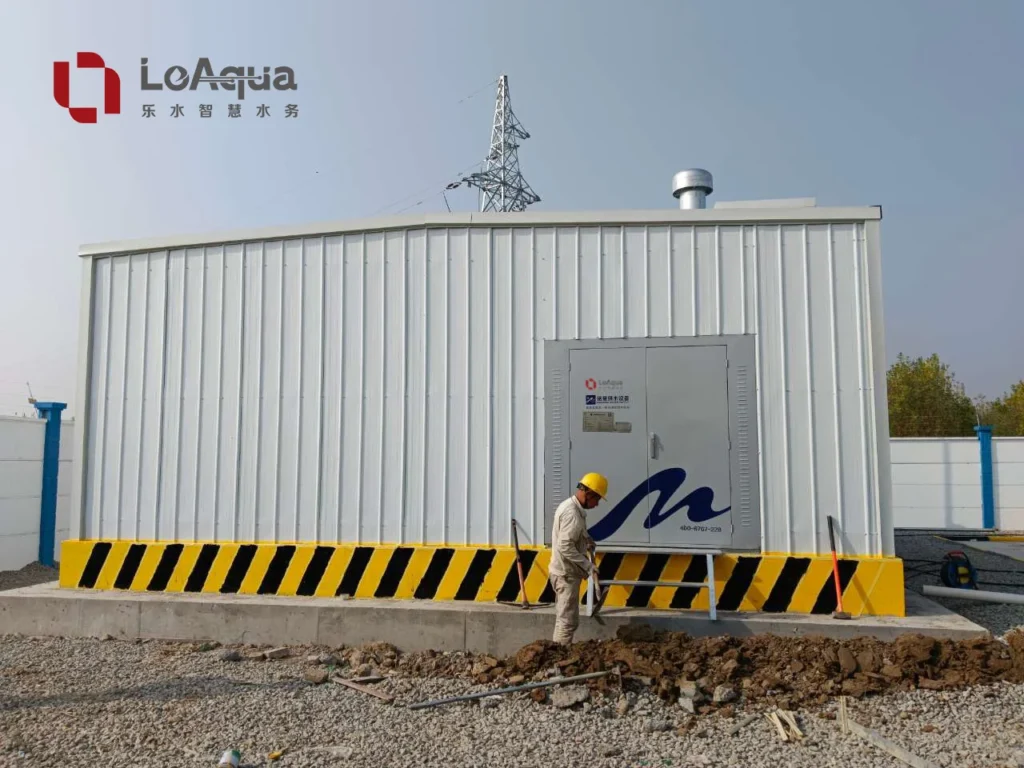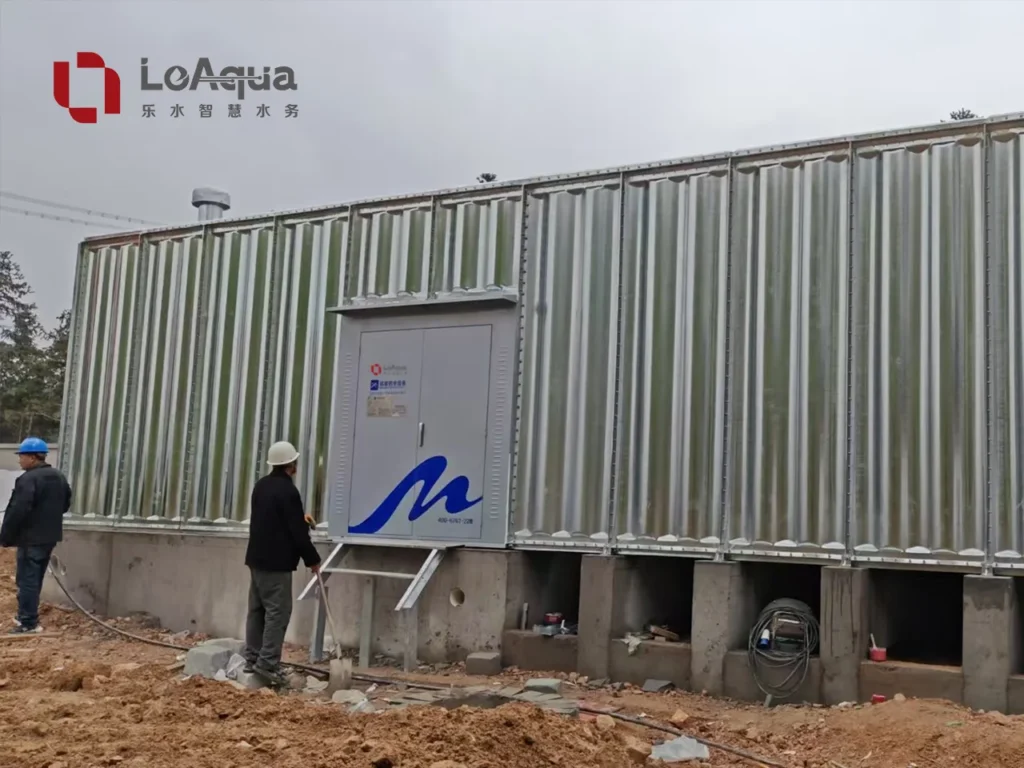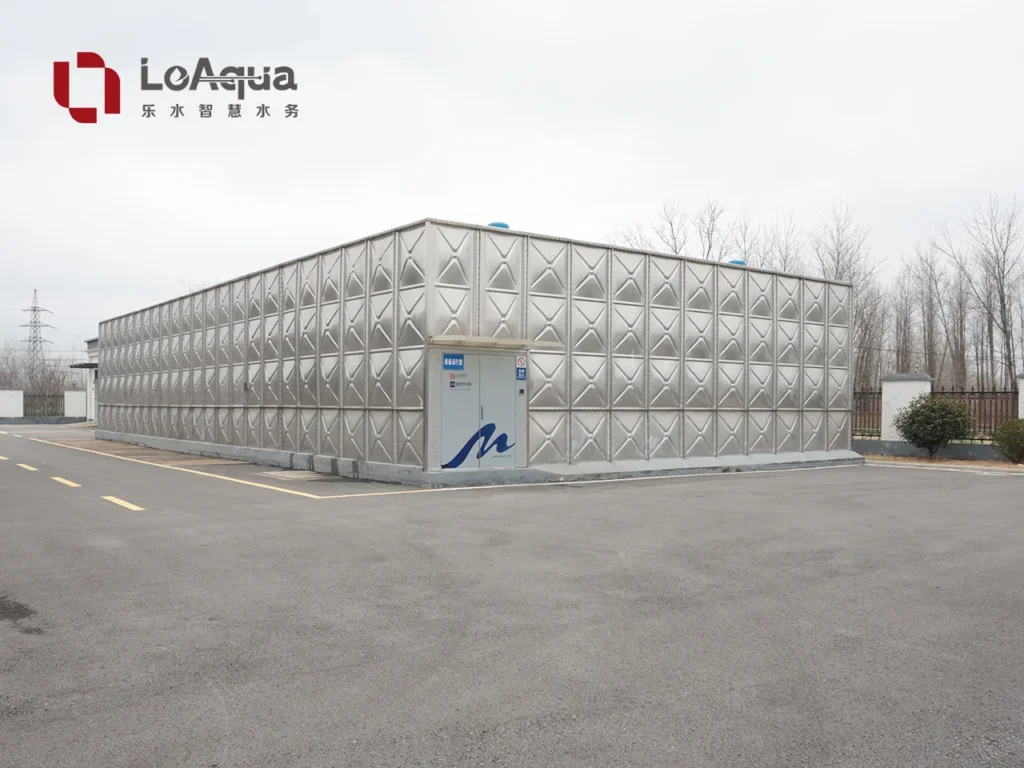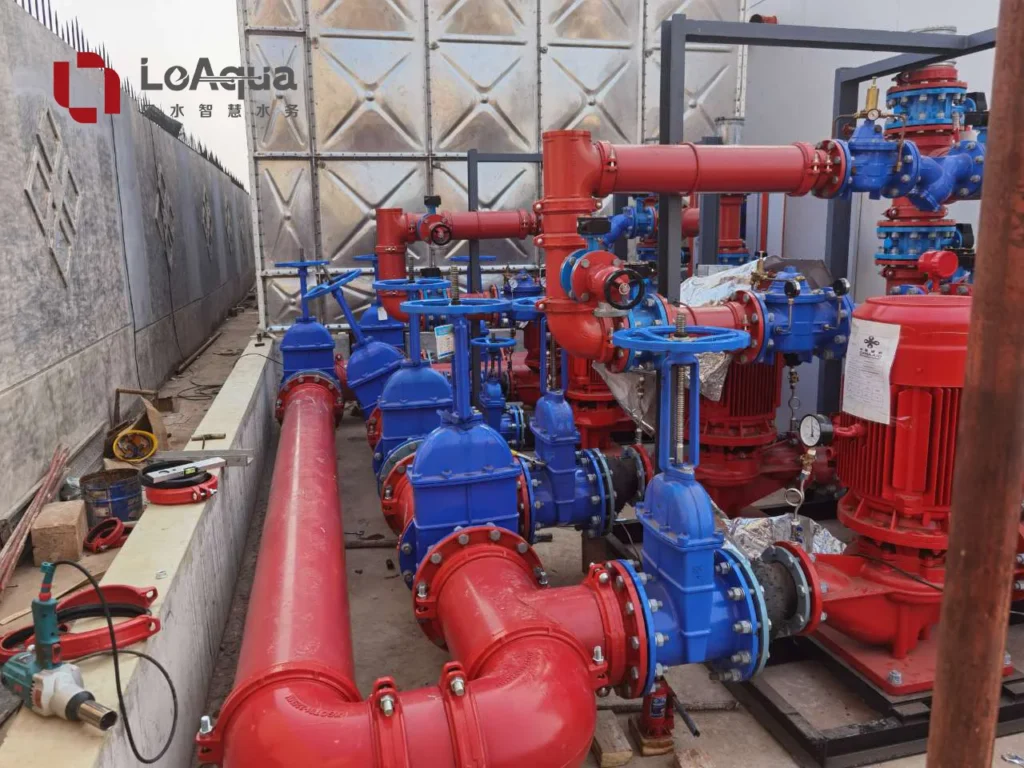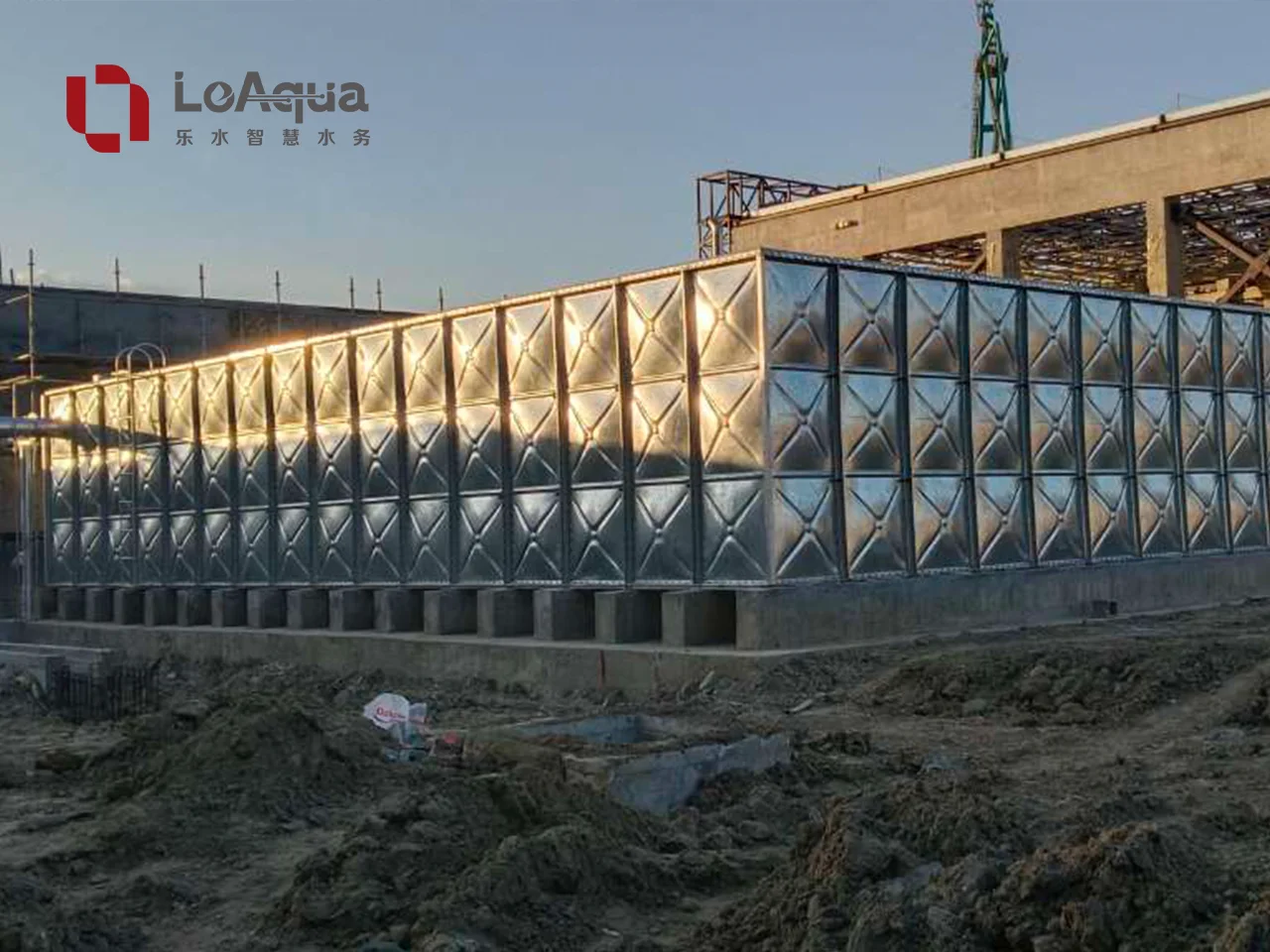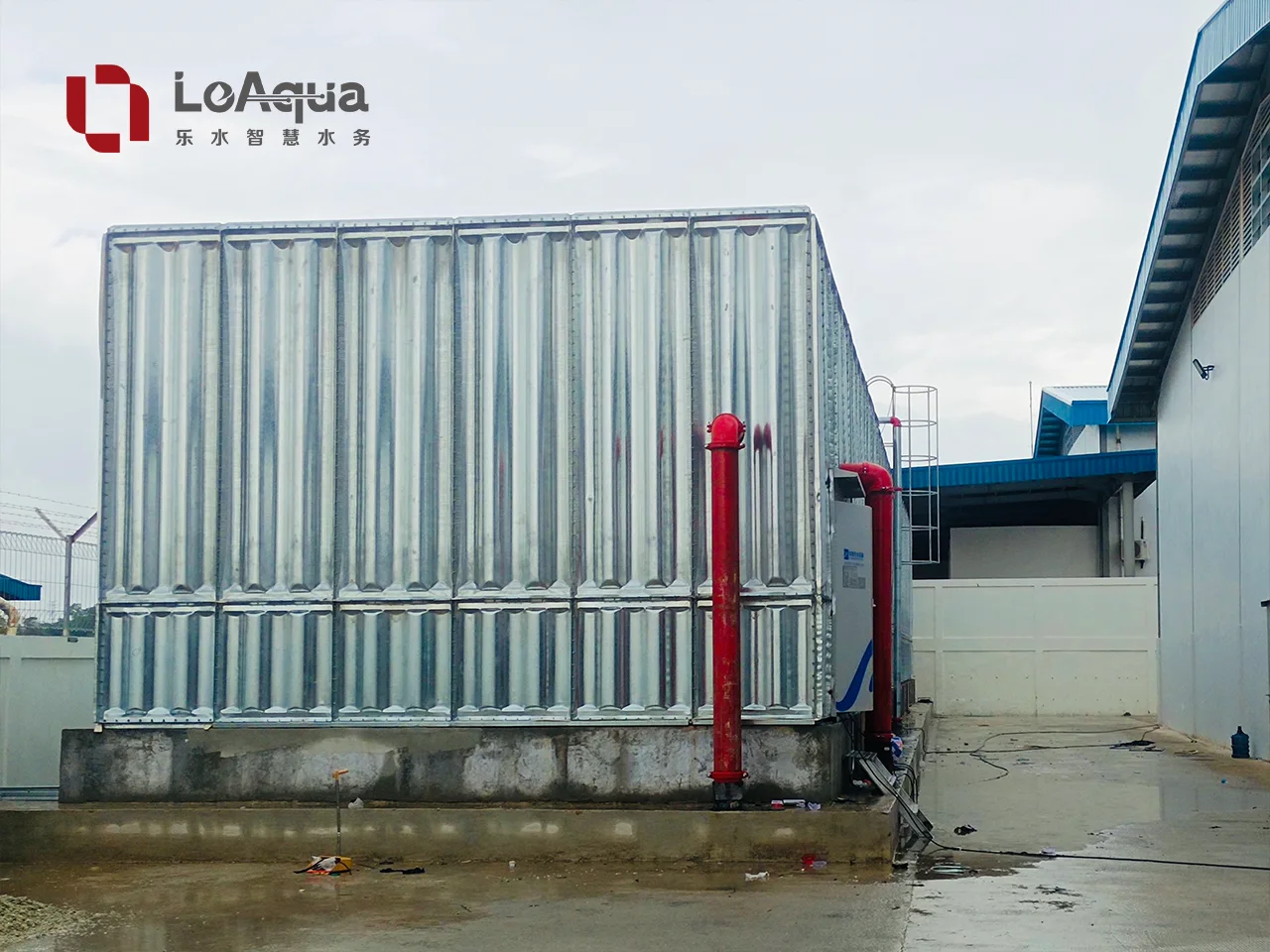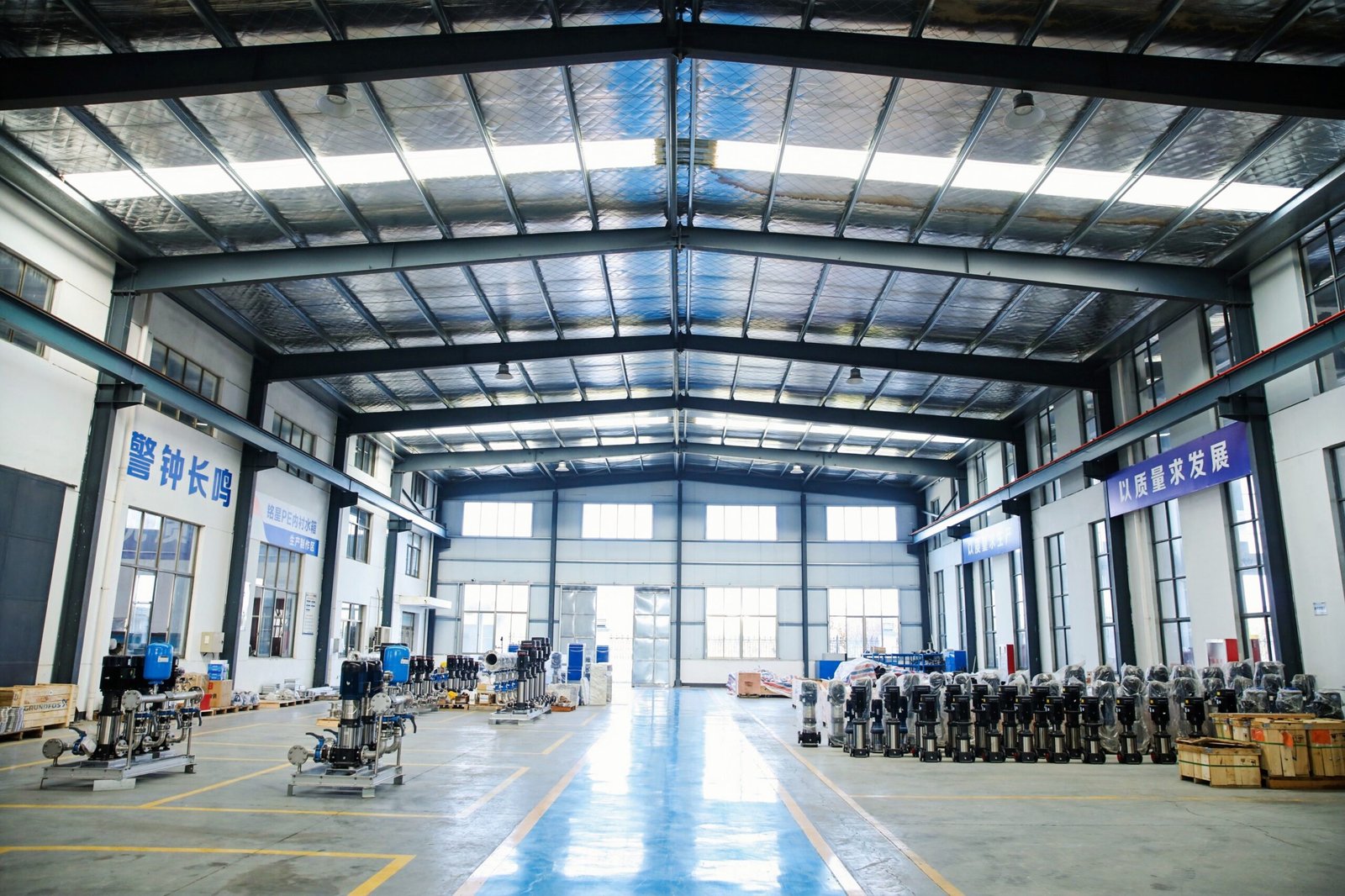
A water storage system may look complete once the tank, pumps and control equipment have been installed.
The equipment is in place.
The pipe connections have been completed.
The electrical wiring has been connected.
However, experienced engineers know that installation completion does not always mean system readiness.
Before a water storage system begins normal operation, commissioning is required to confirm that every component performs as expected and works together as a complete system.
Commissioning is the stage where engineering decisions made during design and installation are verified in real operating conditions.
It is where engineers answer important questions:
- Does the system deliver the required flow and pressure?
- Are pumps operating according to the designed sequence?
- Do sensors provide accurate information?
- Can the control system respond correctly to changing conditions?
- Are there any issues that could affect future operation?
These checks are especially important for systems that combine multiple components, such as storage tanks, booster pumps, control cabinets and remote monitoring systems.
A water storage system is not successful simply because each individual component works.
It is successful when all components operate together as one coordinated solution.
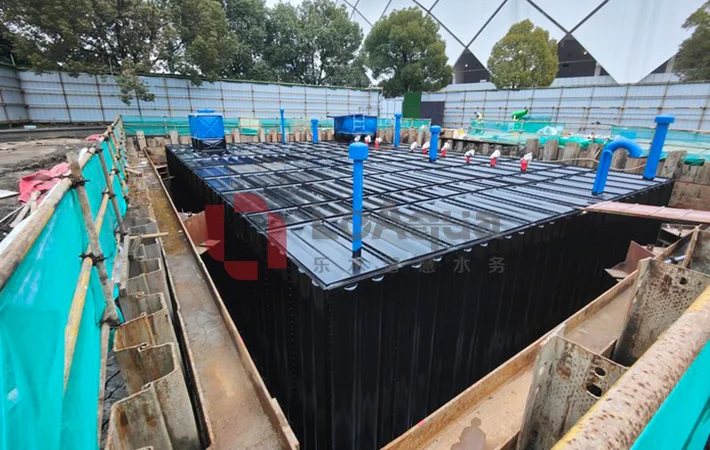
Commissioning Starts with a Complete System Review
Before testing individual equipment, engineers usually begin with an overall review of the completed installation.
This step confirms that the actual system matches the approved design.
Typical reviews include:
- Equipment installation position
- Pipe connection arrangement
- Electrical connection
- Valve configuration
- Sensor installation
- Control cabinet setup
- Safety and access conditions
This comparison is important because construction conditions can sometimes require adjustments during installation.
For example, pipe routes may change due to site conditions.
Equipment positions may be modified to suit available space.
Electrical connections may be adjusted during construction.
These changes may be acceptable, but they need to be reviewed to ensure they do not affect system performance.
A small modification in one area can influence another part of the system.
A change in pipe routing may affect pressure loss.
A different equipment position may affect maintenance access.
A sensor installed in an unsuitable location may provide inaccurate operating information.
Therefore, commissioning begins with confirming that the completed system still follows the intended engineering requirements.
Tank Inspection Before Operation
The water tank is one of the most important parts of the water storage system, and engineers typically perform detailed checks before filling and operation.
The purpose is not only to confirm that the tank can store water.
It is also to ensure that the tank will perform correctly throughout its service life.
Common inspection points include:
Structural Condition
Engineers check:
- Panel connections
- Fasteners and sealing components
- Supporting structure
- External appearance
- Any visible deformation or damage
For modular water tanks, proper assembly is especially important because the final structure depends on the connection between individual panels.
Each connection contributes to the overall stability of the tank.
Leakage Testing
Before the system is placed into service, water tightness is verified.
Engineers check:
- Tank body
- Connections
- Flanges
- Pipe penetrations
- Drainage points
Leakage problems are usually easier and less costly to correct before the system enters operation.
This is why testing is completed before the tank becomes part of the daily water supply process.
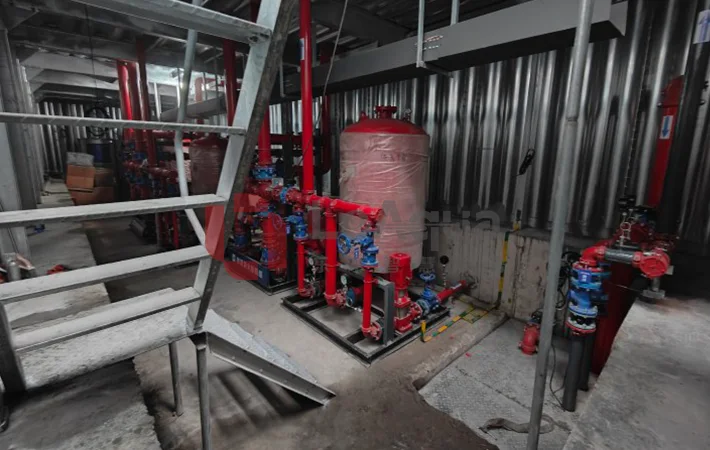
Internal Cleanliness and Preparation
For applications involving domestic or drinking water, internal cleanliness is particularly important.
Before operation, engineers verify that:
- Construction debris has been removed
- Internal surfaces are clean
- Required cleaning procedures have been completed
- The system is ready for water storage
The commissioning stage provides the final opportunity to confirm that the storage environment meets project requirements before daily operation begins.
Engineering Note
A common misunderstanding is that commissioning is only a final inspection.
In reality, commissioning is a performance verification process.
It connects the original design assumptions with actual site conditions and confirms whether the complete water storage system is ready for operation.
Pump Performance Testing Confirms Real Operating Conditions
After the storage tank has been inspected, engineers usually move to one of the most important parts of commissioning: verifying pump performance.
A pump may operate normally after installation, but normal operation does not always mean the system is performing according to the original design.
Engineers need to confirm that the actual operating conditions match the expected requirements.
Typical pump commissioning checks include:
- Flow rate verification
- Pressure measurement
- Pump rotation direction
- Motor operation
- Vibration and noise inspection
- Duty and standby pump switching
The purpose of these tests is not simply to confirm that the pump can start.
It is to verify that the complete pumping system can deliver water under the conditions required by the project.
Flow and Pressure Testing
Flow and pressure are two of the most important indicators during commissioning.
A pump may achieve the expected flow rate under one condition but fail to maintain sufficient pressure when the demand changes.
For example, a commercial building may require stable pressure across multiple floors.
An industrial facility may require consistent water delivery during production.
A fire protection system may require the pump to respond immediately when demand increases.
During commissioning, engineers compare measured results with the original design parameters.
If differences are identified, possible causes may include:
- Unexpected pipe resistance
- Incorrect valve settings
- Equipment adjustment requirements
- Changes made during construction
Finding these issues during commissioning is much easier than discovering them after the system has entered daily operation.
Duty and Standby Pump Operation Is Verified
Many important water supply systems use multiple pumps rather than relying on a single unit.
A common arrangement includes:
- Duty pump
- Standby pump
- Additional backup capacity where required
During commissioning, engineers verify that the pumps can operate according to the designed sequence.
For example:
When demand increases, does the main pump start correctly?
If the duty pump stops unexpectedly, does the standby pump respond?
Can the control system identify abnormal conditions?
Are switching functions working properly?
These tests are important because redundancy only provides value when the system can automatically respond when needed.
A standby pump that has never been properly tested cannot provide true operational confidence.
Control System Verification Before Handover
Modern water supply systems rely increasingly on automatic control.
The control system acts as the connection between operating conditions and equipment response.
During commissioning, engineers review whether the control logic matches the intended operating strategy.
Typical checks include:
- Pressure control
- Water level monitoring
- Pump start and stop sequence
- Alarm functions
- Manual and automatic modes
- Communication between devices
For example, a system may be designed to maintain a specific pressure range.
The engineers need to confirm that sensors detect pressure changes accurately and that the controller responds correctly.
If the control logic is not properly configured, even high-quality mechanical equipment may not perform as expected.
This is why control systems should not be considered an additional accessory.
They are an important part of how the entire water supply system operates.
Remote Monitoring and Data Verification
For projects requiring intelligent management, commissioning also includes verification of monitoring functions.
Remote monitoring systems are designed to provide operators with information after the project is completed.
Before handover, engineers check whether important data can be collected and displayed correctly.
Examples include:
- Water level
- Pump operating status
- Pressure values
- Alarm notifications
- Equipment running records
- Maintenance information
The purpose of monitoring is not simply to show data.
The real value is helping operators understand system conditions and respond earlier when abnormal situations occur.
For large facilities such as industrial plants, commercial buildings or infrastructure projects, this information can significantly improve daily management.
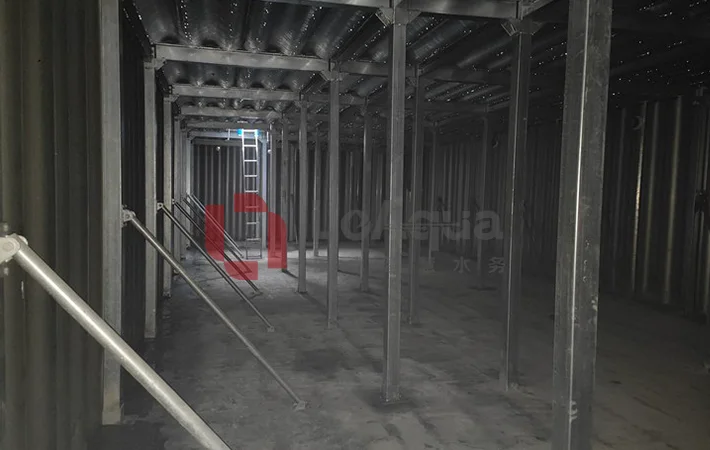
Why Factory Integration Makes Commissioning Easier
One challenge with traditional equipment procurement is that different components are often supplied by different companies.
The tank may come from one manufacturer.
The pumps may come from another.
The control system may be configured separately.
While this approach can work, it often creates additional coordination requirements during commissioning.
Engineers need to verify whether each part communicates and operates correctly with the others.
An integrated approach reduces some of these challenges by allowing major components to be reviewed together before delivery.
When storage tanks, pump sets, control systems and monitoring functions are considered as one system, commissioning becomes less about solving compatibility issues and more about verifying designed performance.
This is one reason integrated pump stations are increasingly considered for projects that require reliable water supply, simplified installation and coordinated operation.
Final Thoughts
Commissioning is the stage where engineering design becomes real-world performance.
A water storage system is not ready for operation simply because the equipment has been installed.
It needs to be tested, adjusted and verified as a complete system.
Engineers check the tank structure, pump performance, control logic, monitoring functions and connection between all components because every part influences the final result.
The most successful projects are usually those where engineering coordination continues from design through installation and commissioning.
At LeAqua, water storage and pumping solutions are developed with this complete-system approach. By considering storage tanks, pump equipment, control systems and monitoring requirements together, projects can move from installation to operation with greater confidence.
A well-designed water storage system is not defined only by the equipment delivered to the site.
It is defined by how effectively the complete system performs after it starts running.