A water storage system is not finished when installation and commissioning are completed.
For many projects, the real challenge begins after the system starts operating.
A tank may store water successfully on the first day.
A pump may deliver the required pressure during initial testing.
The control system may respond correctly during commissioning.
However, a water supply system is expected to operate for years, often under changing conditions and continuous demand.
Over time, components experience normal wear, operating conditions may change, and maintenance requirements become an important factor affecting system performance.
This is why experienced engineers do not consider maintenance as a separate activity after a project is completed.
Instead, maintenance should be part of the original engineering approach.
The design of the tank, pump arrangement, control system and monitoring functions can all influence how easily the system can be inspected, serviced and managed in the future.
A well-planned water storage system is not only designed to operate today.
It is designed to remain manageable throughout its service life.
Maintenance Starts with Understanding How the System Operates
Before discussing maintenance tasks, engineers first need to understand the actual operating conditions of the system.
A water storage system in a residential building may have very different maintenance requirements compared with a manufacturing facility, hospital or infrastructure project.
The maintenance plan depends on factors such as:
- Water usage pattern
- Operating hours
- Storage capacity
- Pump configuration
- Environmental conditions
- Required water quality
- Importance of continuous supply
For example, a system supplying a critical facility may require more frequent inspection because interruptions can affect essential operations.
A system with multiple pumps may require additional checks to confirm that duty and standby units continue to operate correctly.
A large-capacity storage system may require planned inspections to maintain internal cleanliness and structural condition.
Therefore, engineers do not simply ask:
“How often should the equipment be maintained?”
They first ask:
“How is this system expected to operate throughout its lifecycle?”
This approach helps create maintenance plans based on actual project requirements rather than applying the same schedule to every installation.
Regular Water Tank Inspection Helps Prevent Long-Term Problems
The water tank is the foundation of any storage system.
Although modern tanks are designed for long-term service, regular inspection remains important to ensure continued performance.
Engineers typically review several areas during routine inspections.
Structural Condition Review
The first step is checking whether the tank structure remains in good condition.
Inspection points may include:
- Panel connections
- Bolted joints
- Sealing components
- Supporting structure
- External surfaces
- Signs of damage or deformation
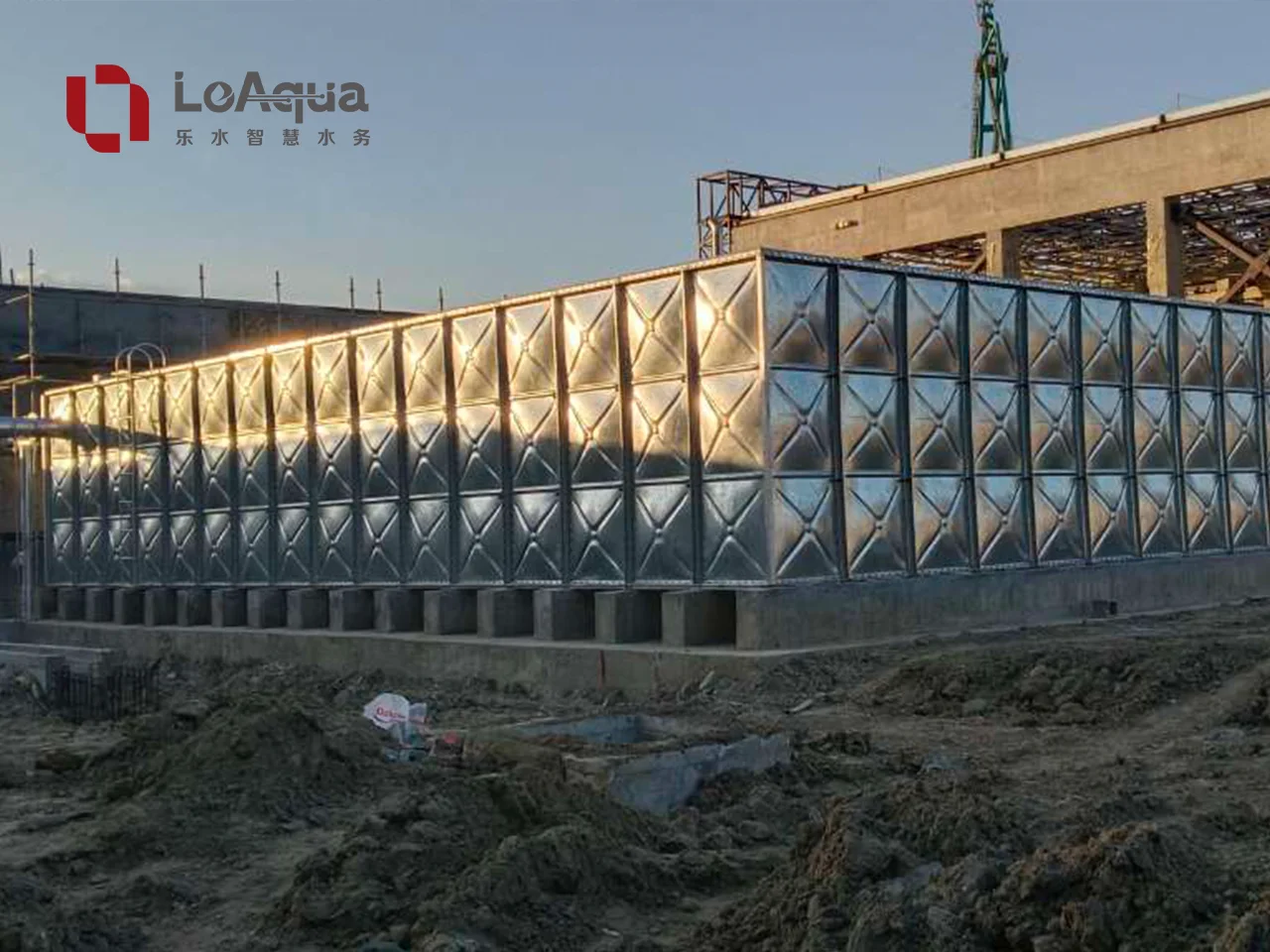
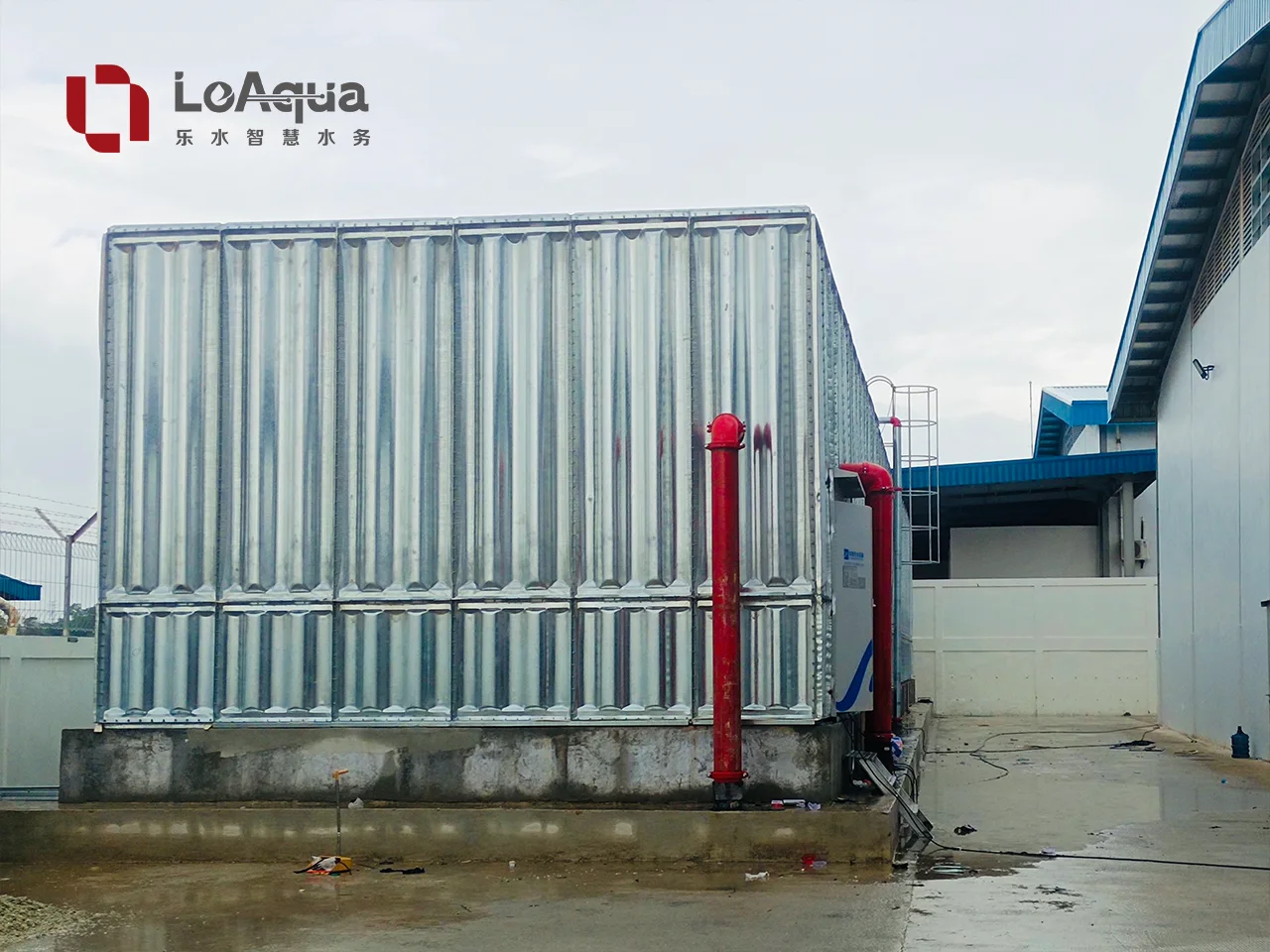
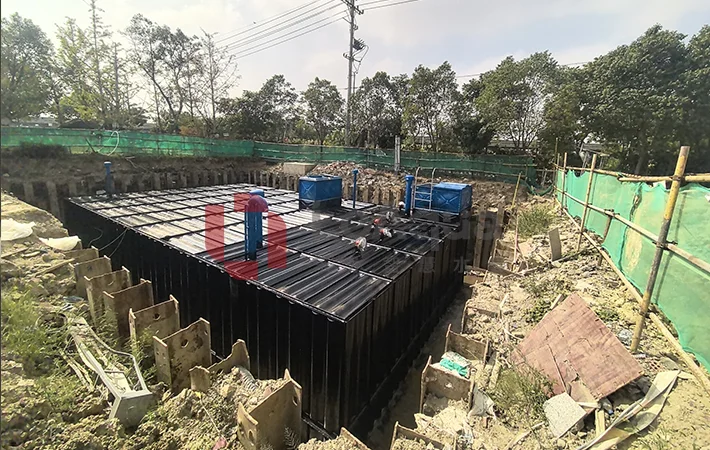
For modular water tanks, the connection between individual panels plays an important role in maintaining overall structural performance.
During long-term operation, engineers pay attention to whether any components require adjustment or replacement.
Early identification of small issues can prevent more significant problems later.
Internal Cleanliness and Water Quality Management
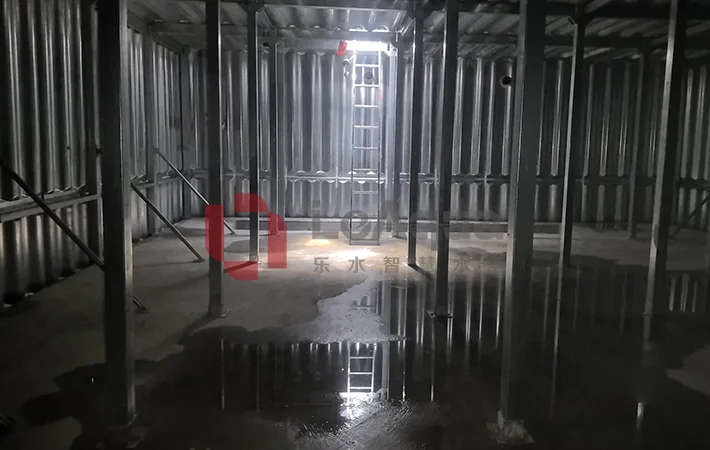
Maintaining internal cleanliness is another important part of water tank management.
The requirements may vary depending on the application.
For drinking water systems, maintaining a clean storage environment is essential.
For fire protection systems, ensuring that stored water remains available and the equipment remains functional is a priority.
For industrial applications, water quality requirements depend on the specific process.
Engineers may consider:
- Internal inspection schedules
- Cleaning procedures
- Sediment accumulation
- Water quality monitoring
- Access requirements
A practical maintenance plan considers not only how to clean the tank, but also how easily maintenance personnel can safely access and inspect the system.
Engineering Note
Many maintenance problems can be traced back to decisions made during the design stage.
A system with appropriate access points, clear equipment arrangement and suitable monitoring functions is usually easier to maintain than one where these factors were considered only after installation.
This is why lifecycle thinking has become increasingly important in modern water storage projects.
Pump Maintenance Is Essential for Continuous Water Supply
Although the water tank provides storage capacity, the pump system determines how effectively that stored water can be delivered when needed.
For this reason, pump maintenance is one of the most important parts of long-term water supply management.
A pump may continue running even when its performance has gradually decreased.
Small changes, such as unusual vibration, increased operating noise or longer running times, can indicate developing problems before a complete failure occurs.
Engineers usually monitor several conditions during routine inspections:
- Pump operating hours
- Pressure performance
- Flow changes
- Vibration levels
- Noise conditions
- Motor condition
- Valve operation
These checks help identify whether the equipment is still operating close to its original design conditions.
Duty and Standby Pump Testing
Many important water supply systems include multiple pumps to maintain continuity.
A typical arrangement may include:
- Duty pump
- Standby pump
- Additional capacity depending on project requirements
However, having a standby pump does not automatically guarantee system reliability.
Engineers need to confirm that backup equipment can operate correctly when required.
Maintenance procedures may include:
- Testing automatic switching functions
- Confirming standby pump availability
- Checking control signals
- Verifying alarm responses
This is particularly important for facilities where uninterrupted water supply is critical.
A pump that remains unused for long periods still requires inspection because mechanical components can be affected by time, environment and operating conditions.
Monitoring Helps Engineers Move from Reactive to Preventive Maintenance
Traditional maintenance often follows a simple approach:
A problem occurs.
Someone notices the problem.
Repair work begins.
While this method can solve immediate issues, it may result in unexpected downtime and higher maintenance costs.
Modern water supply systems are increasingly moving toward preventive maintenance.
Instead of waiting for failure, engineers use operating data to understand system conditions before problems become serious.
Monitoring systems can provide information such as:
- Water level changes
- Pump running status
- Pressure fluctuations
- Operating records
- Alarm notifications
- Equipment performance trends
This information allows operators to identify abnormal situations earlier.
For example, if a pump begins operating more frequently than usual, the change may indicate increased demand, pressure problems or equipment performance changes.
The data itself does not replace engineering judgment, but it provides engineers with a clearer understanding of how the system behaves over time.
Why Integrated Systems Simplify Long-Term Management
As water supply projects become more complex, managing separate equipment from different suppliers can create additional challenges.
A tank supplier may provide storage equipment.
A pump supplier may provide pumping equipment.
A control company may provide automation systems.
Each component may work independently, but long-term operation depends on how well these components communicate and cooperate.
An integrated approach considers the relationship between:
- Water storage
- Pump performance
- Control logic
- Monitoring functions
- Maintenance requirements
before the system is delivered.
This approach helps engineers understand not only what equipment has been installed, but also how the entire system is expected to operate.
For projects requiring stable water supply and easier operation management, integrated pump stations provide a practical way to combine storage, pumping and control functions into one coordinated solution.
An integrated pump station is not simply a combination of individual products.
It represents a system designed around the actual operating requirements of the project.
Maintenance Should Be Considered During System Design
One common mistake in water supply projects is treating maintenance as something to consider after installation.
In reality, many maintenance challenges are determined much earlier.
During design, engineers can influence:
- Equipment accessibility
- Inspection space
- Pipe arrangement
- Valve locations
- Control system layout
- Future replacement requirements
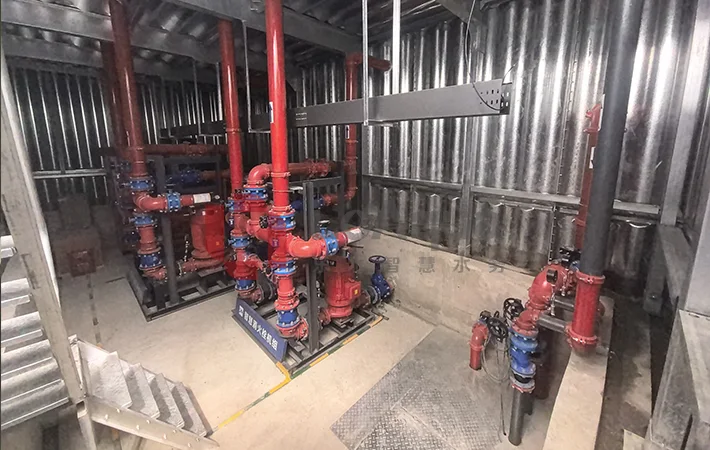
For example, a pump room layout that allows easy inspection can reduce maintenance time.
A monitoring system designed during the initial project stage can provide more useful operational information than one added later.
A storage system with proper access arrangements can make cleaning and inspection safer and more efficient.
This is why experienced engineers consider the entire lifecycle of a water storage system, not only the initial construction stage.
The best systems are not simply easy to install.
They are also easy to operate, maintain and manage over many years.
Final Thoughts
A water storage system is a long-term asset rather than a one-time installation.
Its performance depends not only on the quality of individual components, but also on how well the complete system is designed, monitored and maintained.
Regular tank inspections help maintain storage conditions.
Pump checks help ensure continuous water delivery.
Monitoring systems help operators understand performance changes before failures occur.
Most importantly, maintenance becomes more effective when it has already been considered during the engineering and design stages.
At LeAqua, water storage projects are approached from a complete-system perspective. By considering tanks, pump sets, control systems and monitoring requirements together, projects can achieve better coordination from installation through long-term operation.
A successful water supply solution is not defined only by what is installed on the first day.
It is defined by how reliably the system continues to perform years later.