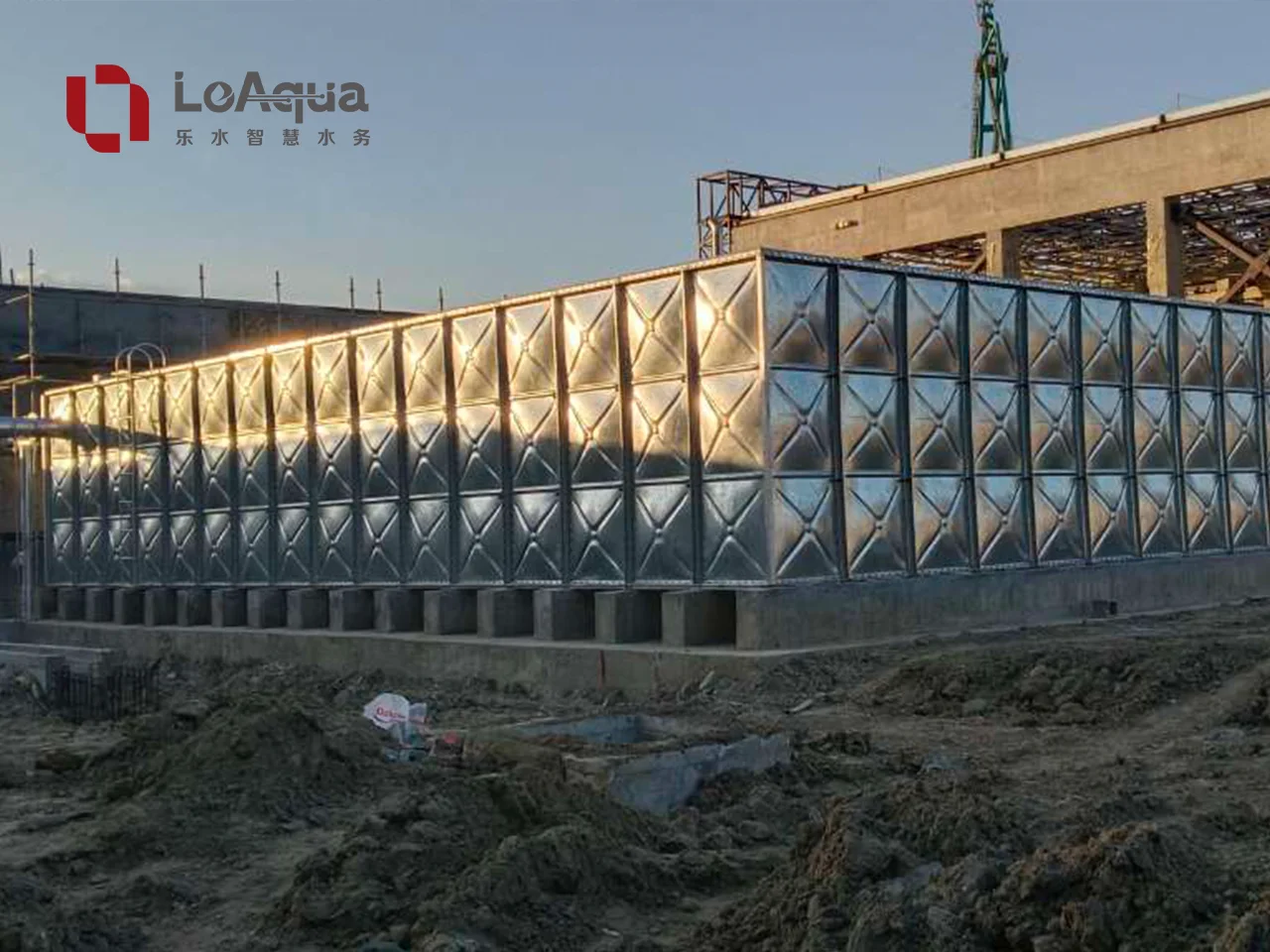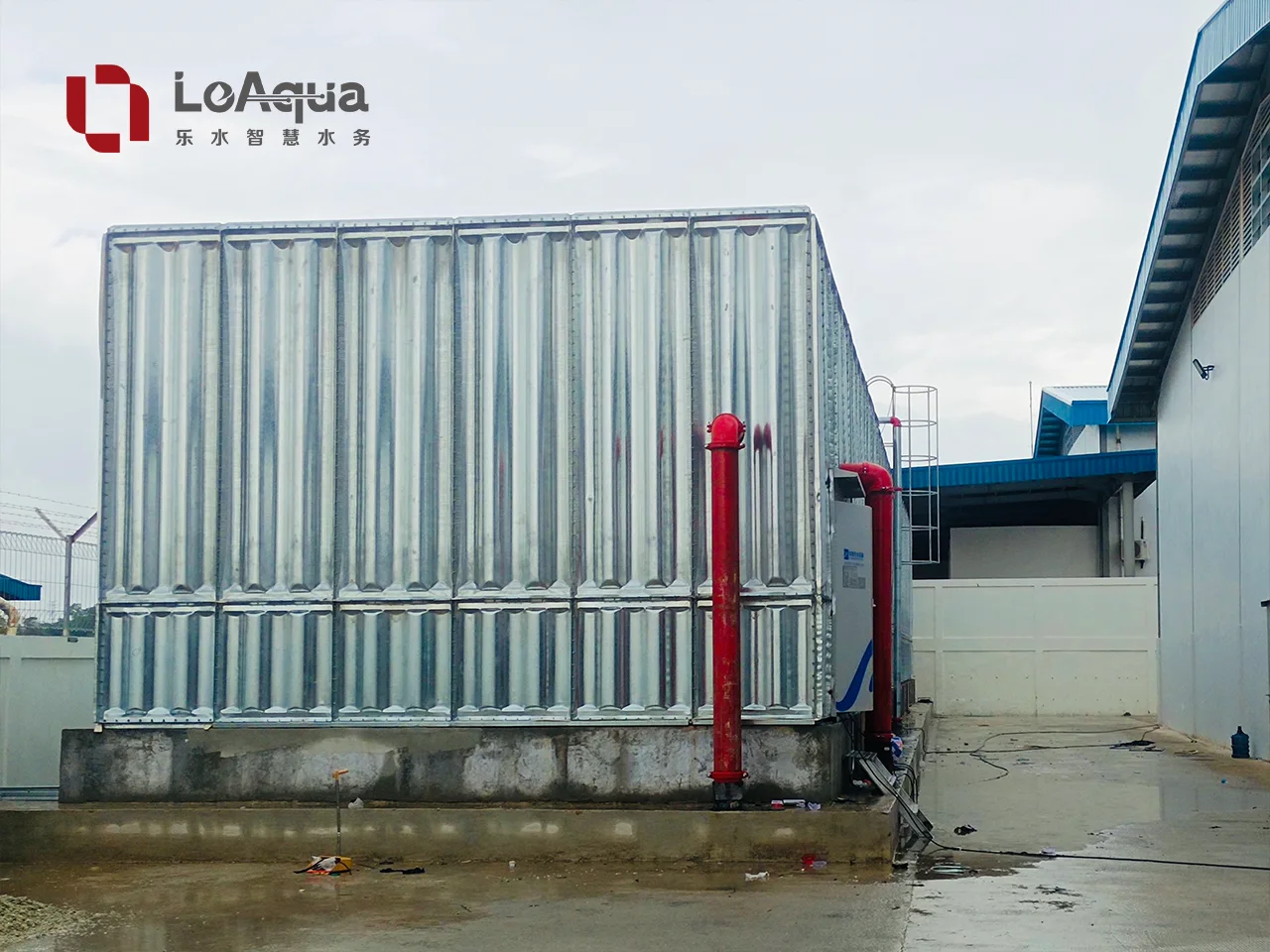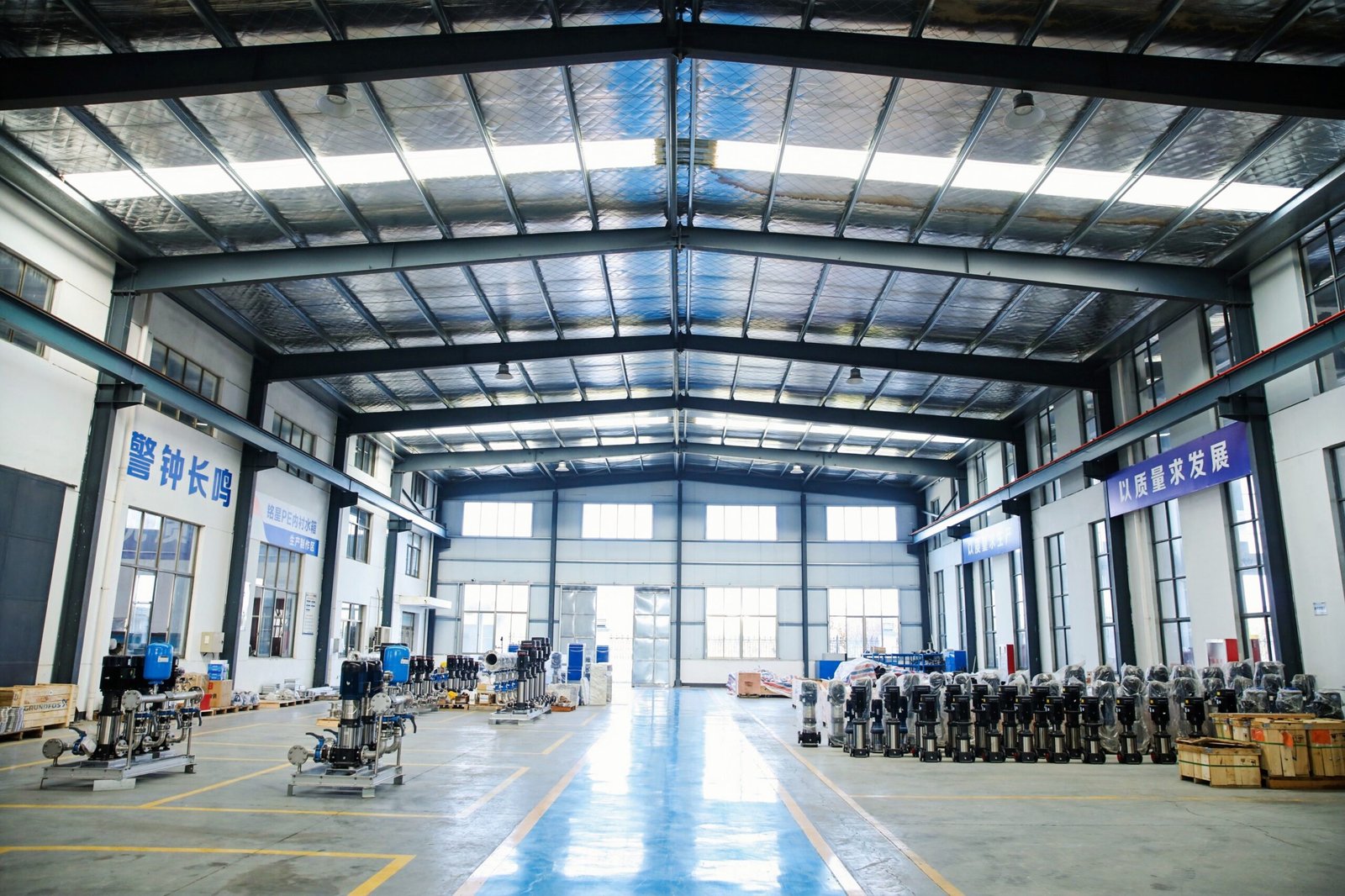
For many years, selecting a water tank was considered a relatively straightforward engineering decision.
Capacity was calculated.
Installation space was confirmed.
The tank was selected.
Today, water infrastructure projects have become significantly more complex.
Project owners increasingly view a water tank as part of a broader operating environment rather than simply a storage component.
This shift is changing how water storage systems are evaluated and implemented.
LeAqua develops water storage solutions intended to support long-term operational performance and practical infrastructure planning.
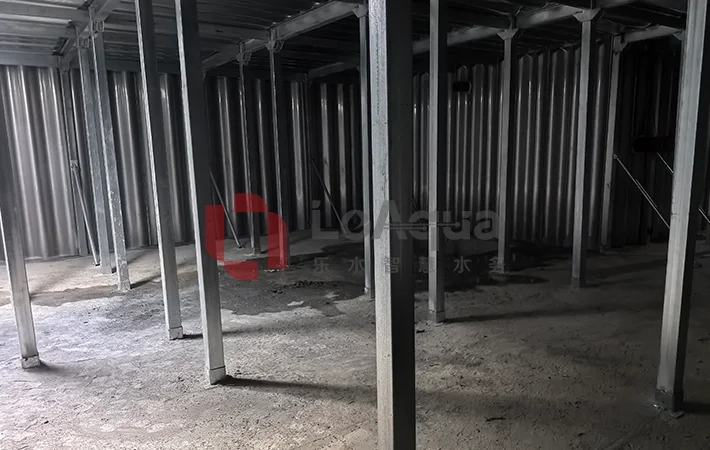
Water Storage Is Becoming Infrastructure
Modern facilities depend on reliable water storage for more than reserve capacity.
Water tanks may support:
- Domestic water supply
- Fire reserve requirements
- Pressure balancing
- Utility coordination
- Operational continuity
As these responsibilities expand, the water tank itself becomes an increasingly important infrastructure asset.
Capacity Is No Longer the Only Decision Factor
Water volume remains important, but project decisions increasingly consider additional factors.
Typical evaluation criteria include:
- Installation conditions
- Accessibility
- Future requirements
- Maintenance planning
- Operational flexibility
Projects that consider these factors early often reduce adjustment requirements later.
Long-Term Performance Is Becoming More Valuable
Water infrastructure is expected to remain operational for many years.
As a result, project teams increasingly evaluate:
- Service expectations
- Inspection practicality
- Infrastructure compatibility
- Future adaptability
This approach shifts attention from short-term installation toward long-term project performance.
Water Tanks Are Supporting More Connected Systems
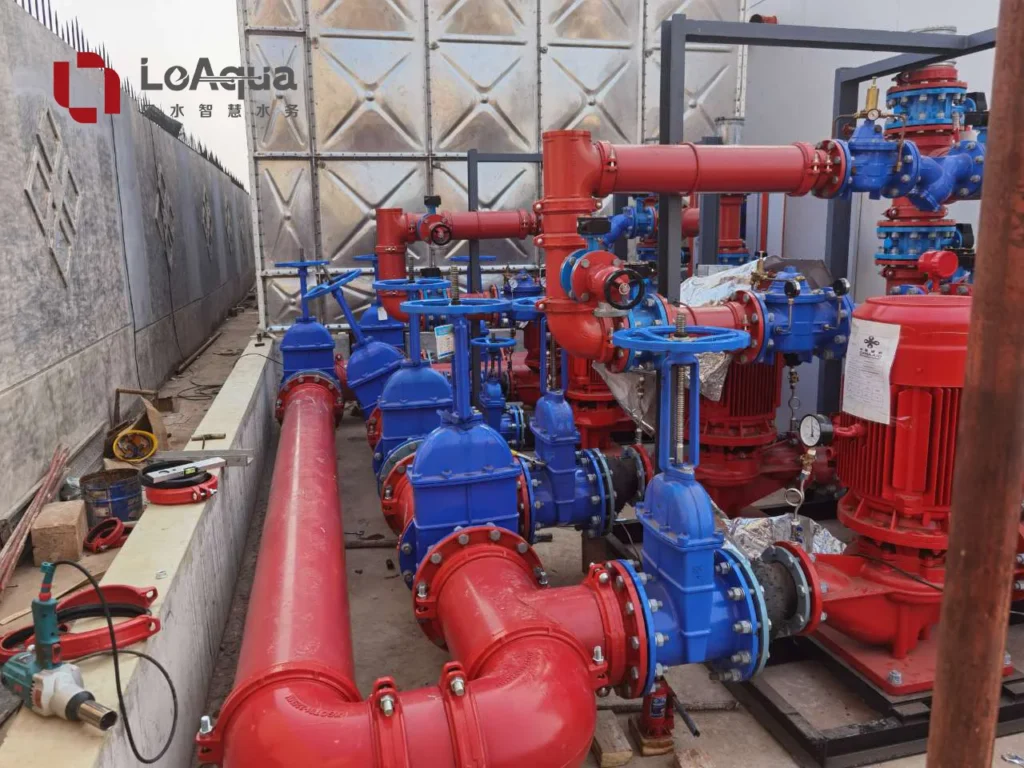
Water storage increasingly operates alongside:
- Pump equipment
- Monitoring platforms
- Control systems
- Facility infrastructure
As system coordination becomes more important, water tank selection also becomes more strategic.
LeAqua supports this transition through engineering approaches focused on practical operation and long-term usability.
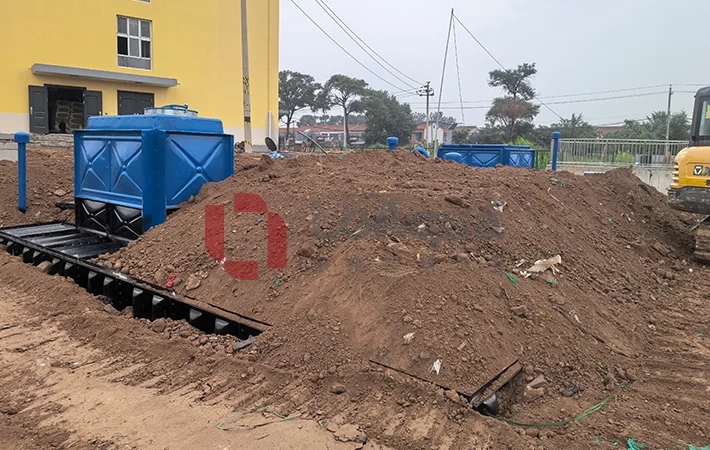
Why Flexibility Continues to Matter
Infrastructure requirements rarely remain static.
Facilities grow.
Operations change.
Demand evolves.
Water storage systems designed with flexibility in mind may support stronger outcomes over time.
Conclusion
Modern water tank selection involves more than determining storage volume.
Long-term planning, operational goals, and infrastructure coordination increasingly shape how water storage systems are designed and implemented.
Projects that evaluate these factors together are better positioned for sustainable performance.