Fire protection systems continue to evolve as facilities demand higher operational continuity and more adaptable protection strategies.
Among the technologies receiving increasing attention is high pressure water mist.
Rather than relying solely on traditional approaches, many projects now evaluate how water mist systems fit into broader fire protection and infrastructure objectives.
LeAqua develops water mist solutions intended to support practical application and modern operational requirements.
Fire Protection Requirements Continue to Change
Modern facilities often face new challenges:
- Higher equipment density
- Reduced downtime tolerance
- More integrated building systems
- Increased operational continuity requirements
These changes influence how fire protection infrastructure is planned.
Water Mist Focuses on Controlled Water Application
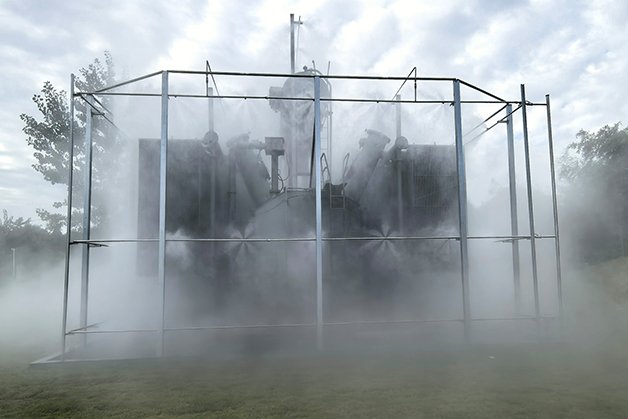
High pressure water mist systems are designed to distribute water through fine droplets.
This creates a different approach to water application compared with conventional large-volume discharge concepts.
Because of this operating principle, water mist systems are increasingly evaluated in projects where controlled water application is an important consideration.
Modern Facilities Require Flexible Protection Thinking
Fire protection planning increasingly balances:
- Equipment considerations
- Operational continuity
- Maintenance planning
- Infrastructure integration
As a result, project teams increasingly evaluate technologies according to project requirements rather than applying identical solutions everywhere.
Water Mist Is Becoming Part of Integrated Infrastructure
Fire protection no longer operates independently.
Systems increasingly coordinate with:
- Monitoring platforms
- Facility controls
- Building operation systems
- Maintenance workflows
Water mist technologies are increasingly considered within this broader operational framework.
LeAqua approaches water mist development with attention to practical implementation and long-term operational usability.
Long-Term Planning Influences System Decisions
Project owners increasingly evaluate:
- Lifecycle expectations
- Maintenance accessibility
- Operational goals
- Infrastructure compatibility
This broader decision process continues to influence adoption of water mist technologies.
Conclusion
High pressure water mist systems continue to receive attention because they support evolving fire protection expectations and changing infrastructure requirements.
Selecting the appropriate protection strategy increasingly depends on operational priorities and long-term project planning.