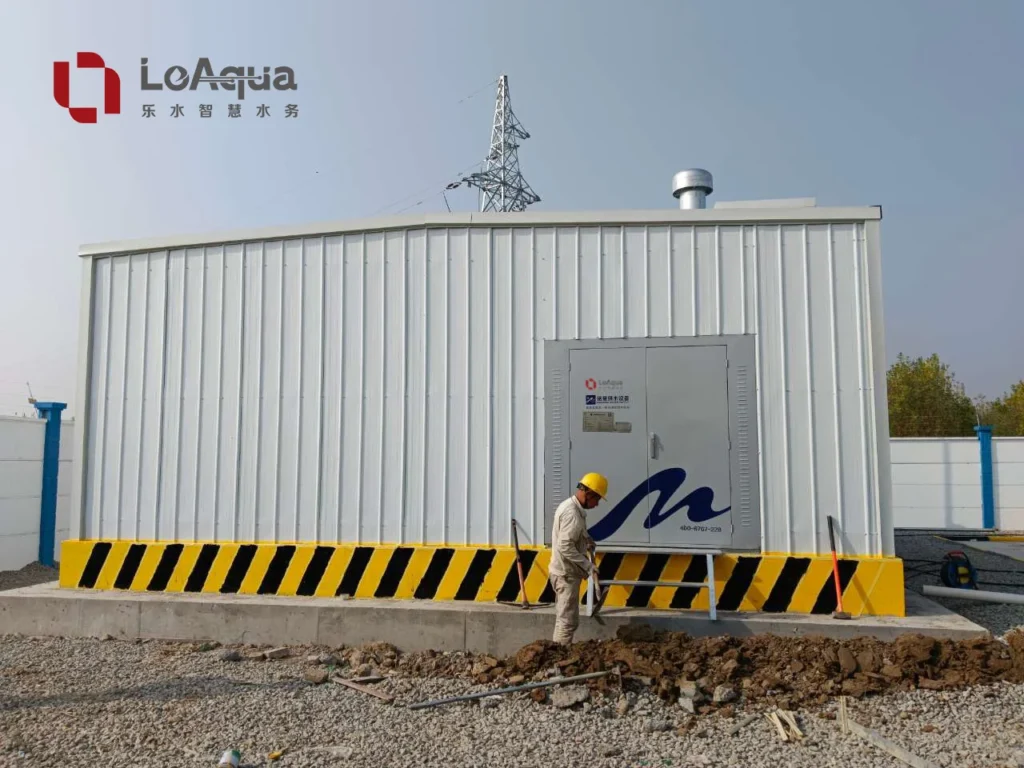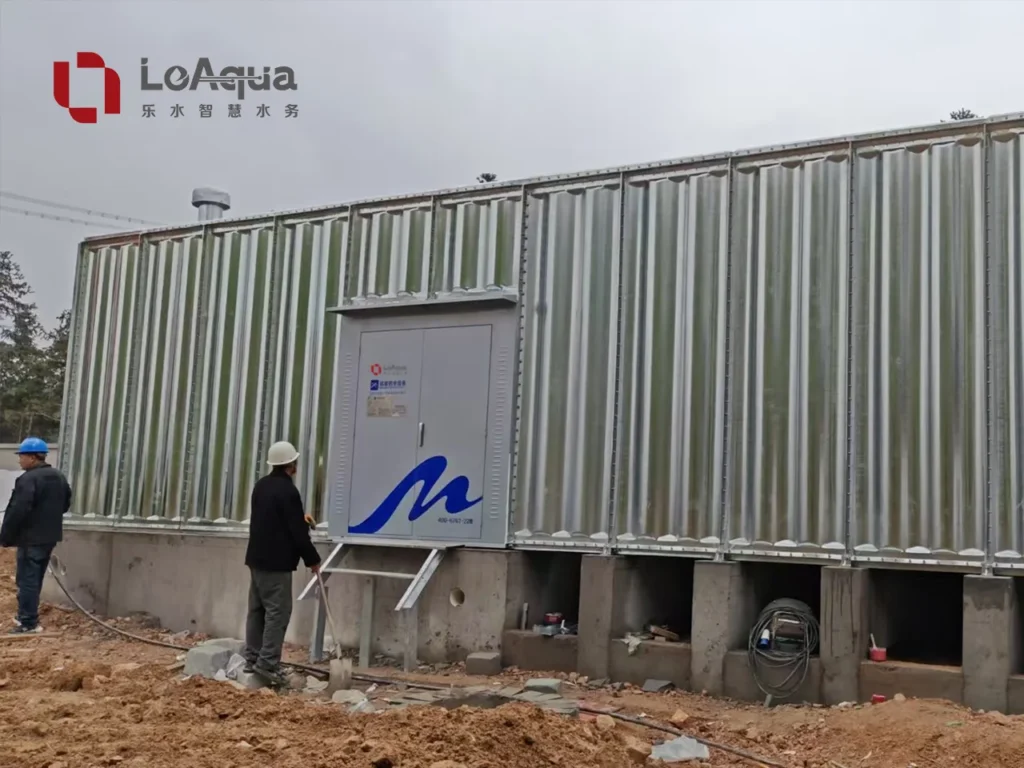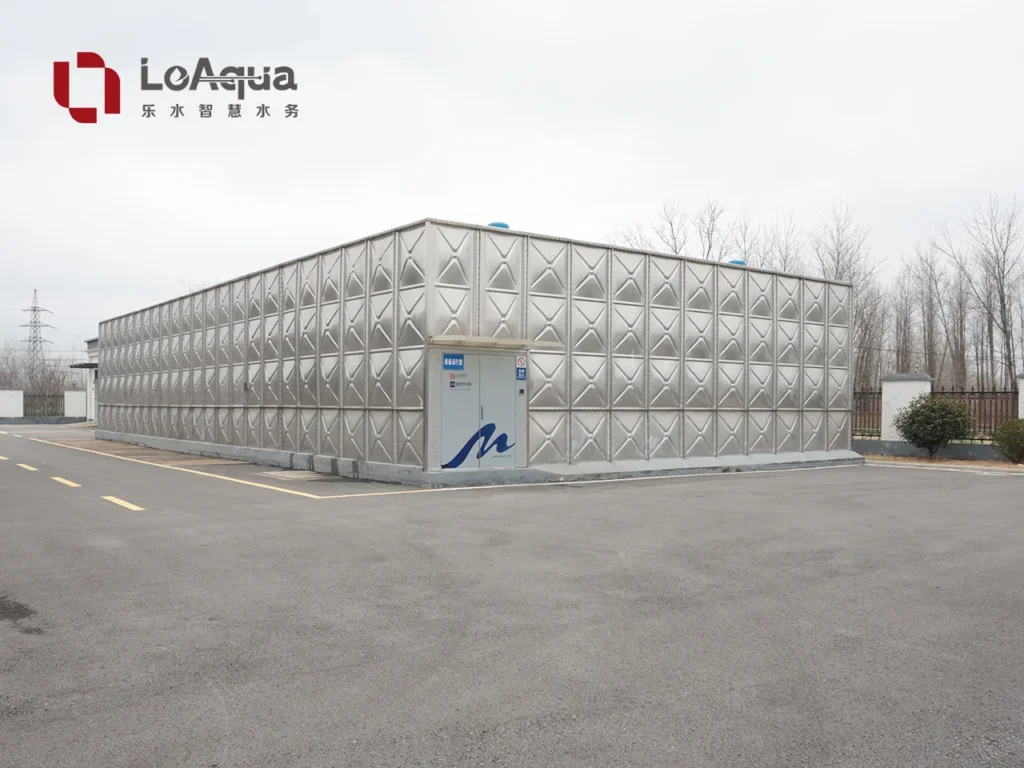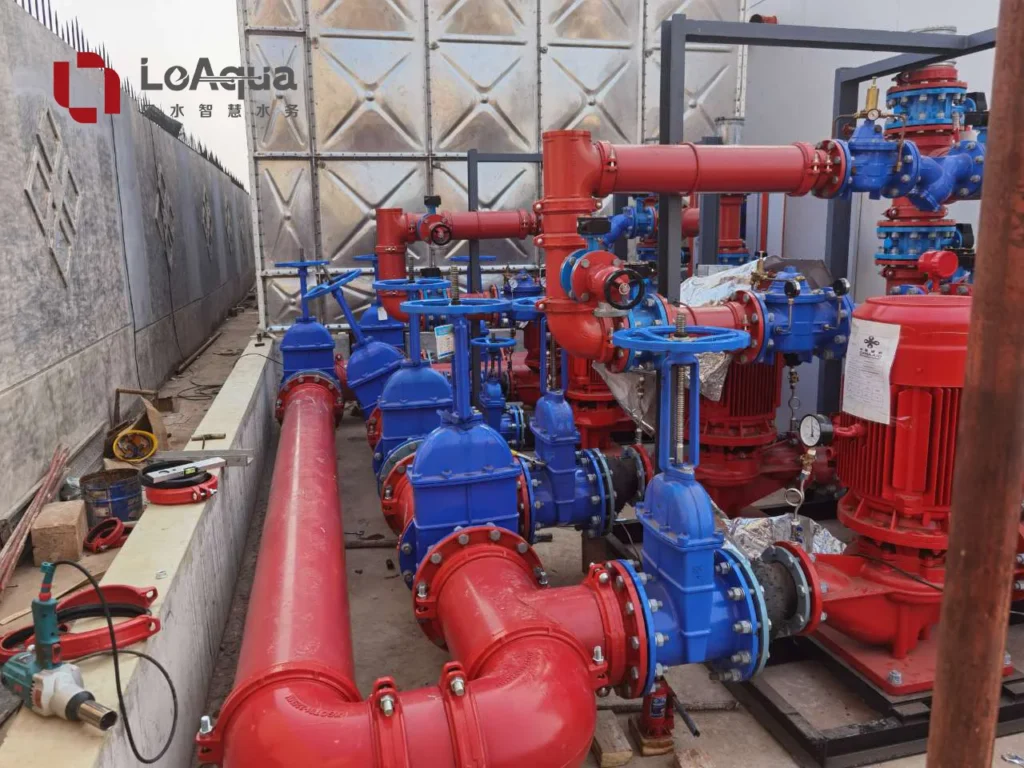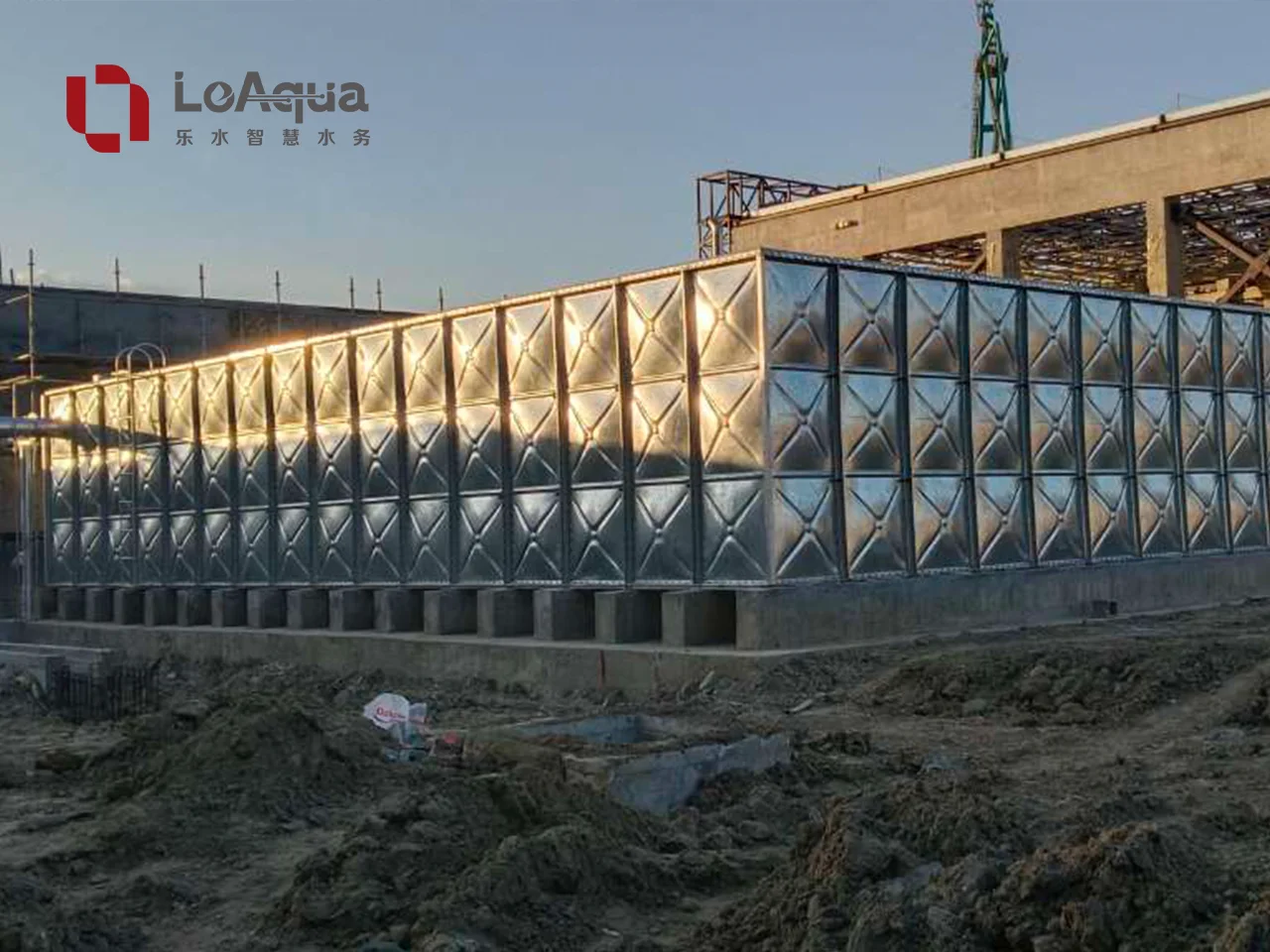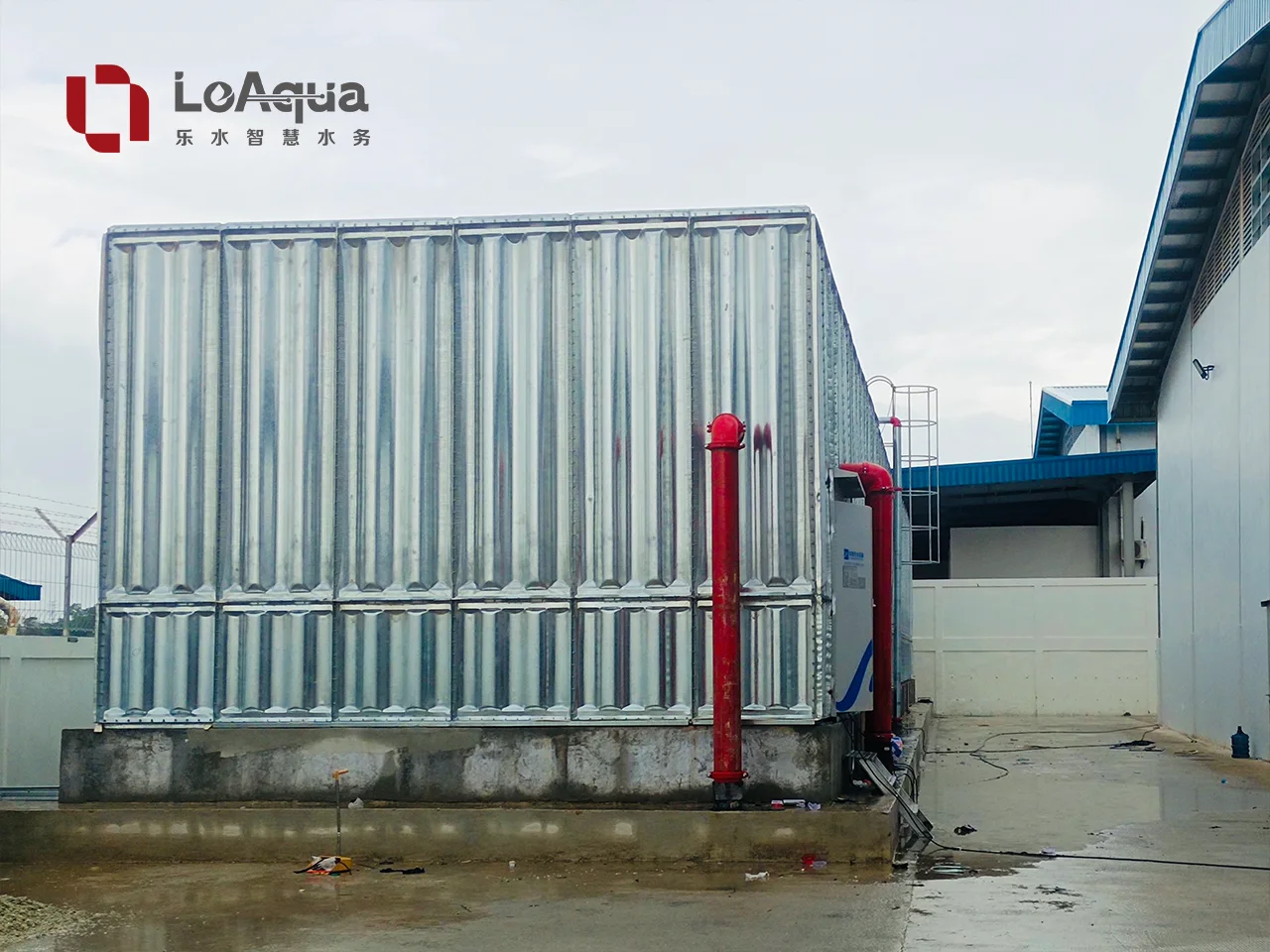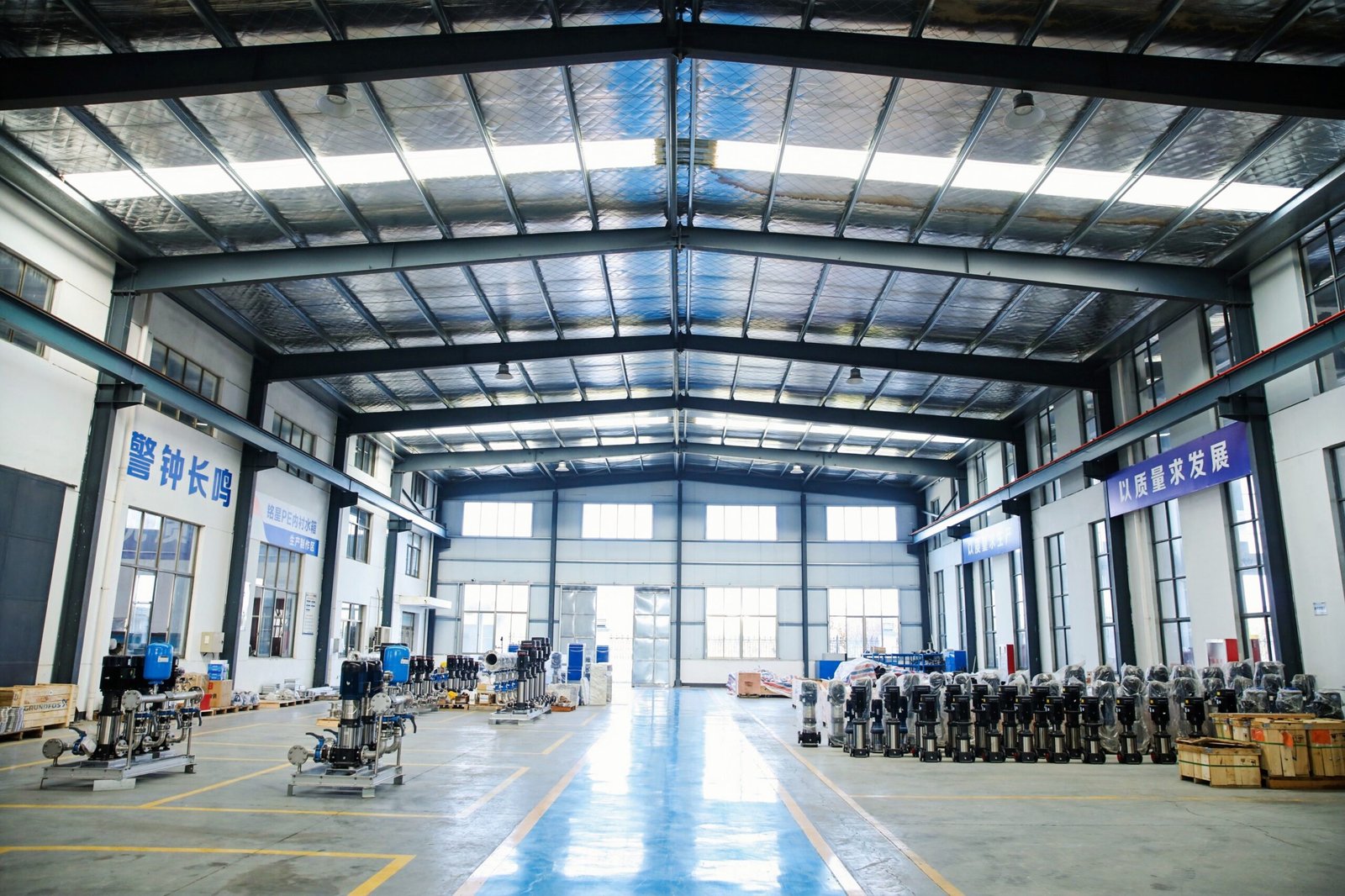
Water storage decisions are changing.
In the past, selecting a water tank was often treated as a straightforward engineering task—calculate the volume, determine the installation location, and choose a suitable structure.
Today, project requirements have evolved.
Water storage systems are increasingly expected to support long-term operation, adapt to changing demands, and integrate with broader infrastructure environments.
Because of this shift, stainless steel water tanks continue to gain attention across commercial, industrial, municipal, and utility projects.
LeAqua develops stainless steel water tank solutions designed to support practical implementation and long-term operational performance.
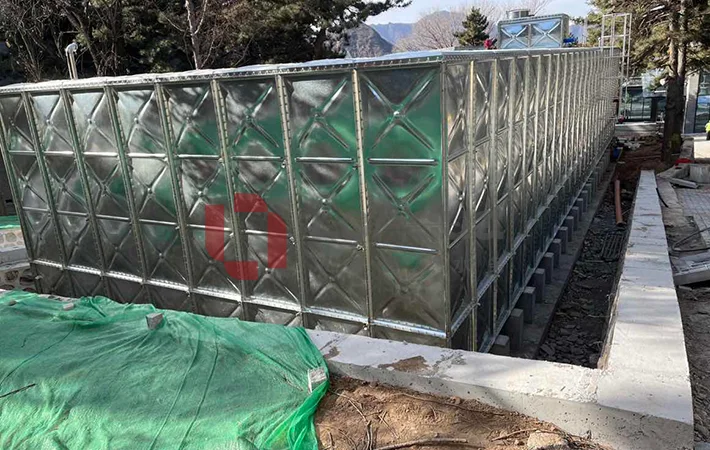
Water Storage Is No Longer a Standalone Decision
Modern facilities depend on water storage in more ways than before.
A water tank may support:
- Daily operational water demand
- Reserve capacity
- Pressure stabilization
- Utility coordination
- Infrastructure continuity
As these responsibilities increase, selecting a water storage solution becomes a strategic decision rather than a simple equipment purchase.
Long-Term Thinking Is Changing Selection Criteria
Project owners increasingly evaluate infrastructure through a broader lens.
Important considerations now often include:
- Expected service life
- Operational continuity
- Inspection practicality
- Future adaptability
- Overall project usability
This approach changes how water tanks are selected.
Rather than focusing only on short-term installation outcomes, more projects evaluate how the system will perform over years of operation.
Infrastructure Needs Continue to Evolve
Water demand rarely remains fixed.
Facilities expand.
Usage patterns change.
New equipment is introduced.
Water storage systems increasingly need to support these transitions without creating unnecessary operational challenges.
This trend has contributed to continued interest in stainless steel water tank solutions.
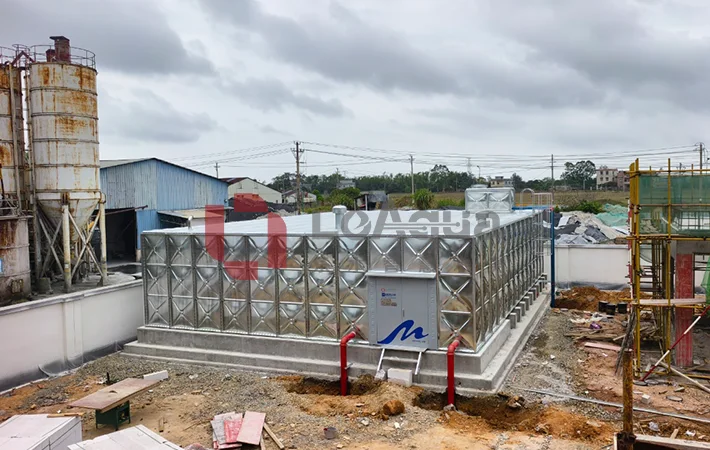
Planning for Operation Starts Before Installation
Reliable operation often begins during planning.
Project teams increasingly consider:
- Installation conditions
- Access requirements
- Maintenance expectations
- Future compatibility
These decisions influence performance long after installation is completed.
Water storage systems designed with operational practicality in mind often support more stable long-term outcomes.
Stainless Steel Continues to Support Modern Water Storage
Modern infrastructure places increasing emphasis on reliability and long-term value.
Stainless steel water tanks continue to remain widely used because they support:
- Structural durability
- Adaptable implementation
- Practical maintenance
- Long-term infrastructure planning
Different projects require different approaches, but stainless steel continues to remain one of the most established water storage solutions.
Building Water Infrastructure for the Future
Water storage infrastructure increasingly supports broader operational goals.
Rather than evaluating water tanks as isolated assets, project owners now consider how water storage contributes to overall project performance.
LeAqua approaches stainless steel water tank development with attention to practical engineering, infrastructure usability, and long-term operation.
Conclusion
Stainless steel water tanks continue to play an important role because modern infrastructure increasingly values long-term performance over short-term decisions.
Projects that evaluate operation, flexibility, and infrastructure requirements together are better positioned for sustainable long-term outcomes.