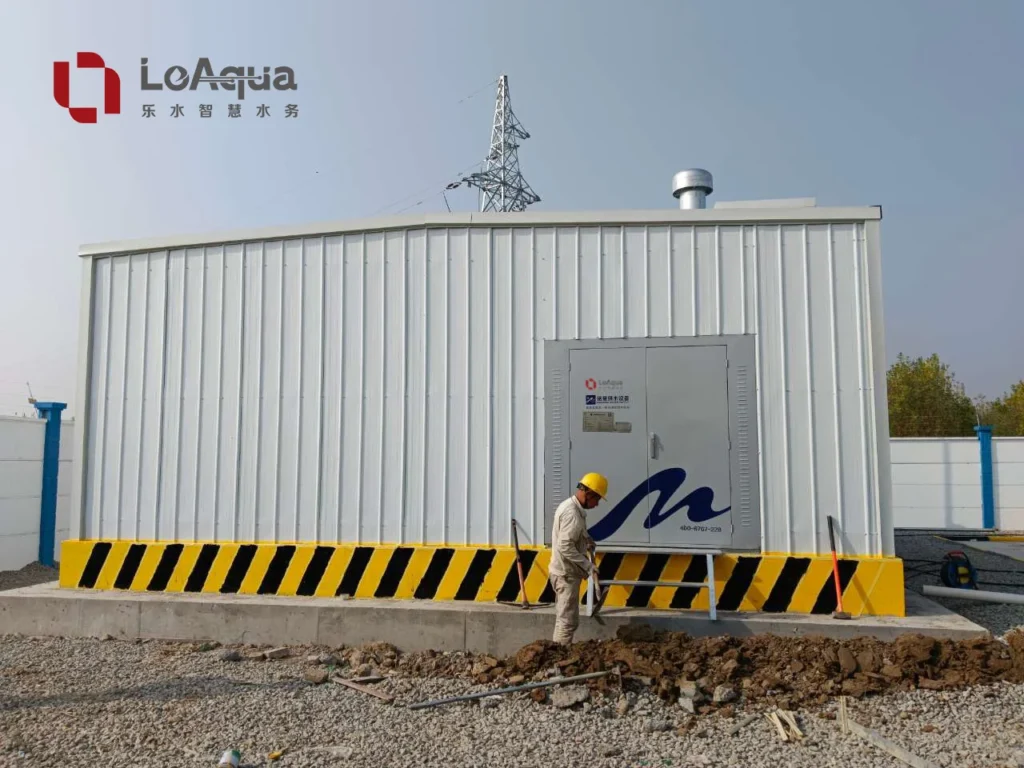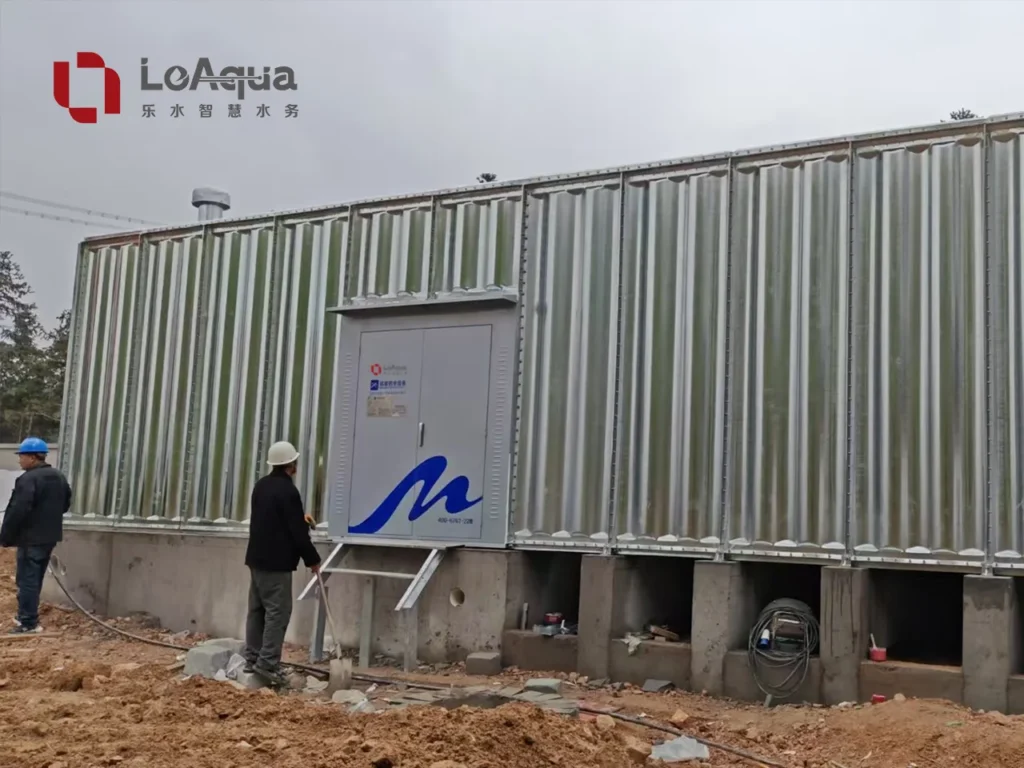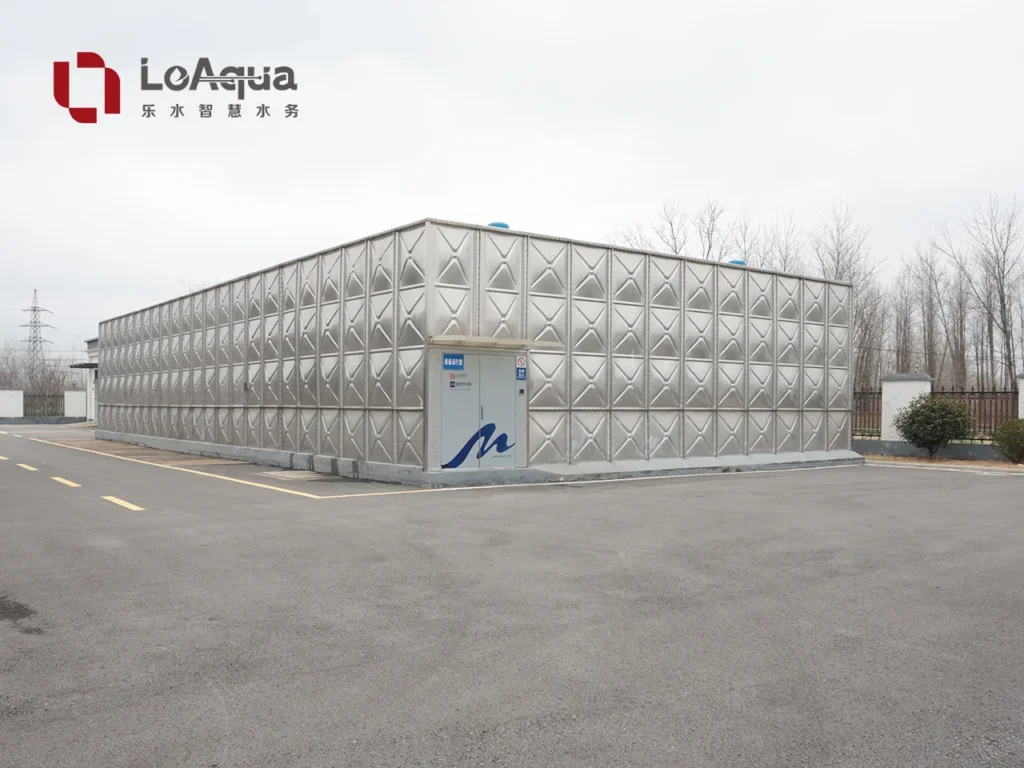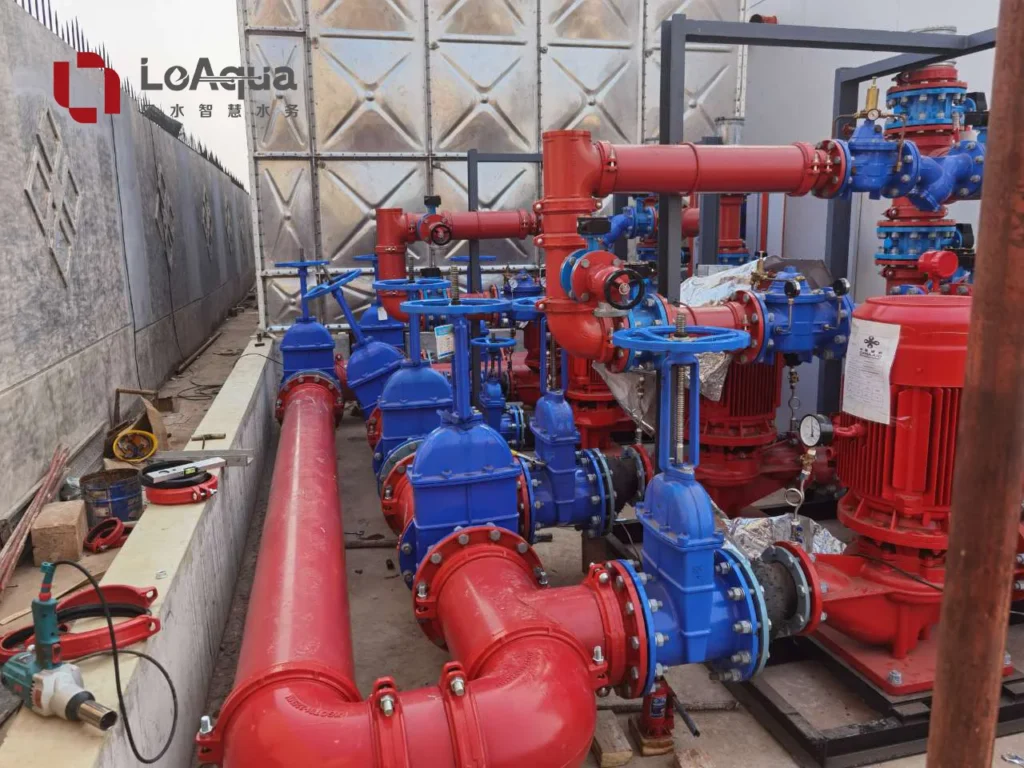
As cities continue to grow, available land becomes increasingly valuable. Modern developments are expected to balance functionality, aesthetics, and efficient land use while maintaining reliable utility infrastructure.
These changing priorities have contributed to the growing adoption of underground water tanks across commercial, municipal, residential, and industrial projects.
Rather than occupying valuable surface space, an underground water tank allows water storage to become an integrated part of the site’s infrastructure without affecting above-ground activities.
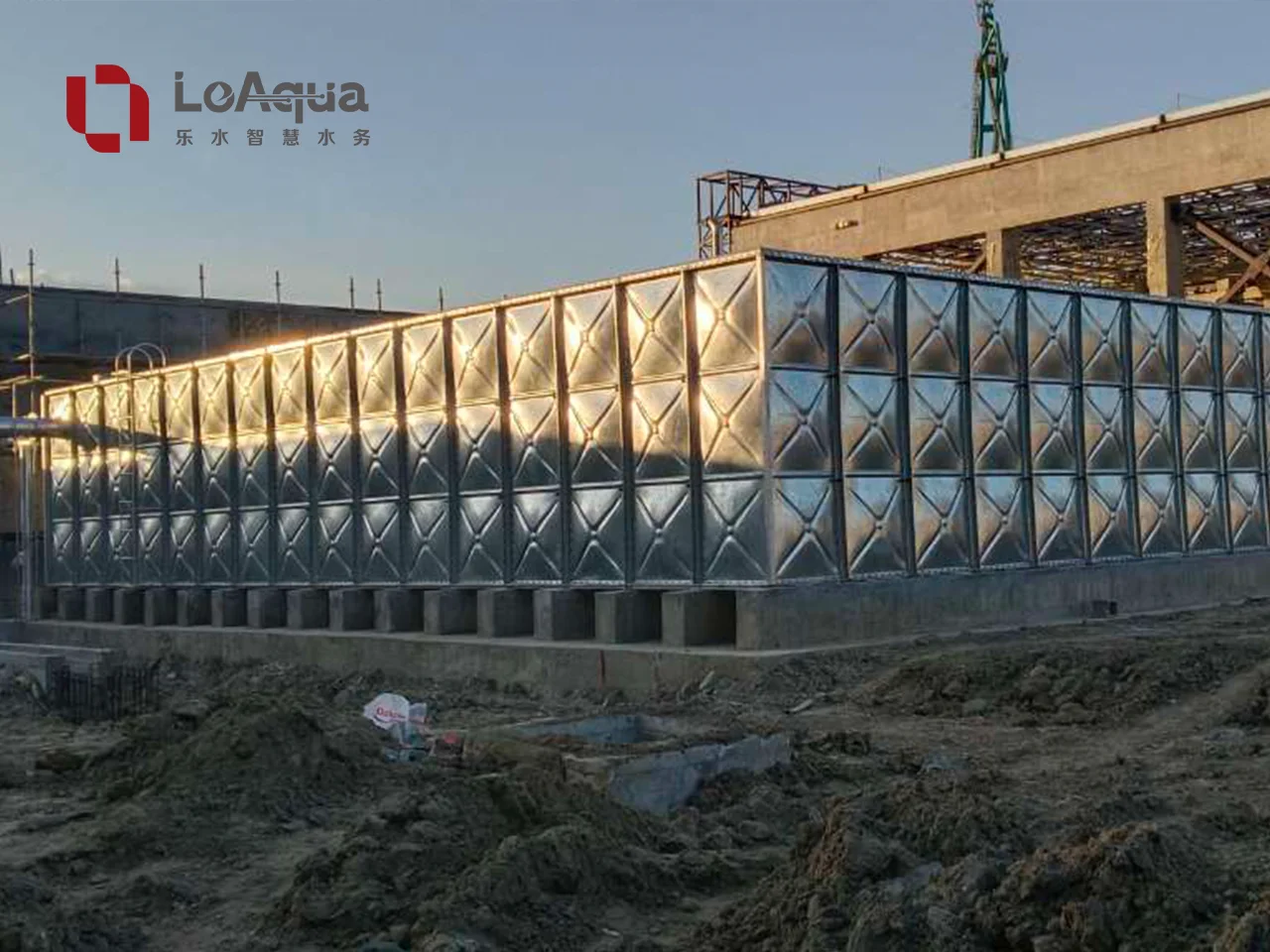
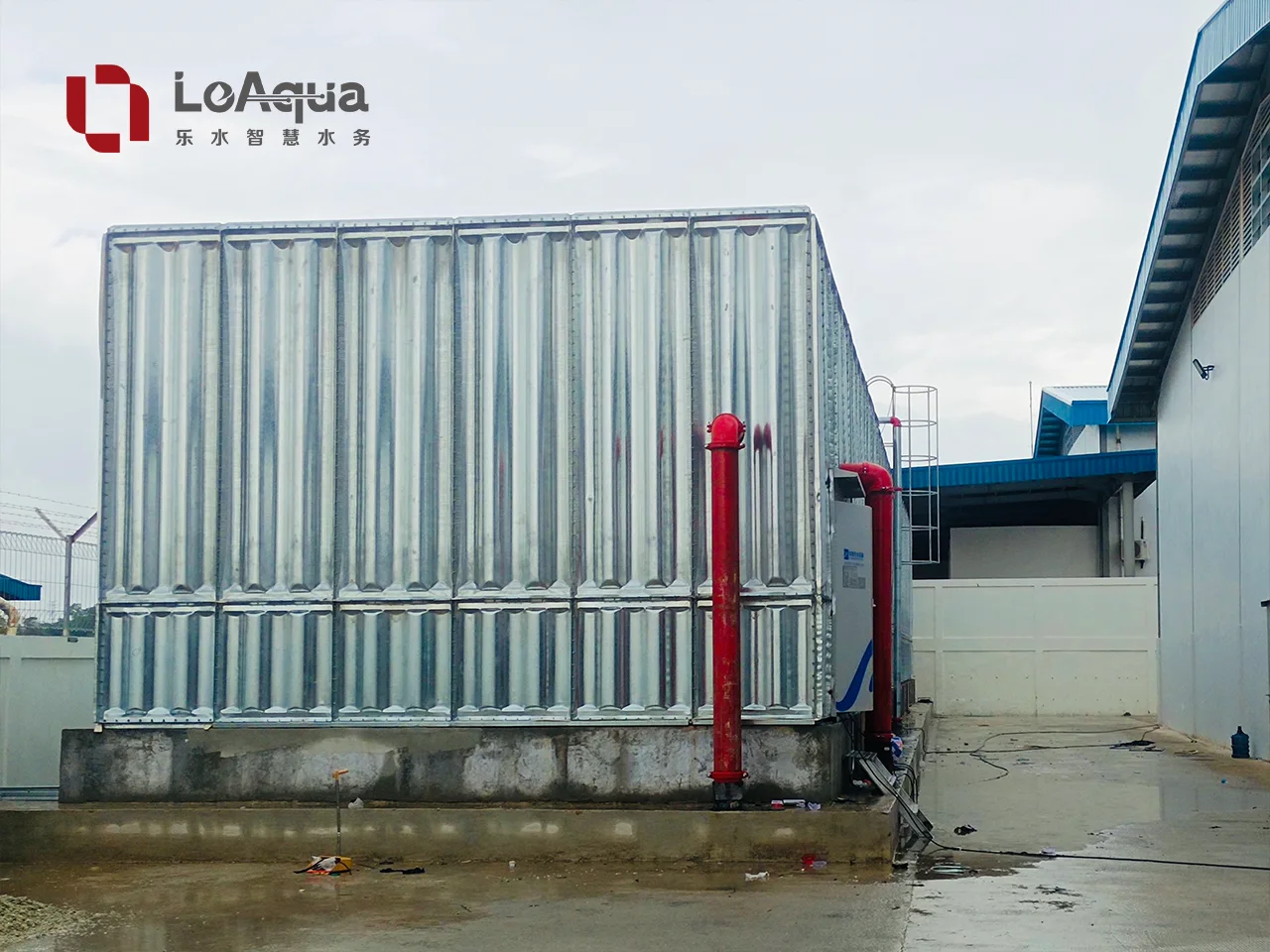
LeAqua develops underground stainless steel water tank solutions designed to support practical engineering and long-term infrastructure planning.
Water Storage Is No Longer Limited to Surface Installations
Traditional water tanks are commonly installed above ground, where they are easy to access and inspect.
However, many modern projects face different challenges, including:
- Limited land availability
- High-density developments
- Architectural design requirements
- Multi-purpose outdoor spaces
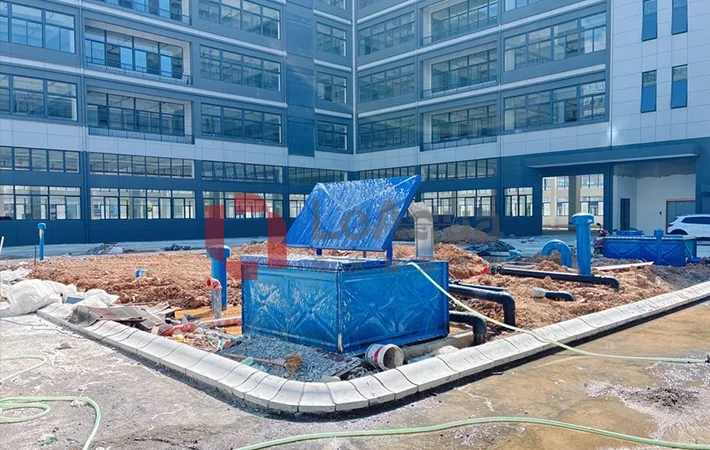
An underground water tank helps address these challenges by placing water storage below the usable surface while allowing the area above to remain available for landscaping, roads, parking areas, or public facilities.
Underground Installation Supports Better Land Utilization
One of the greatest advantages of underground water storage is the efficient use of available land.
Instead of dedicating valuable surface space to water storage, developers can maximize the functionality of the site.
This approach is increasingly adopted in:
- Commercial complexes
- Residential communities
- Public infrastructure
- Industrial facilities
- Municipal developments
By integrating water storage below ground, projects can better balance engineering requirements with architectural planning.
Stainless Steel Supports Reliable Underground Storage
Material selection becomes particularly important for underground installations.
A stainless steel water tank is frequently considered for projects that require long-term durability, structural stability, and dependable water storage performance.
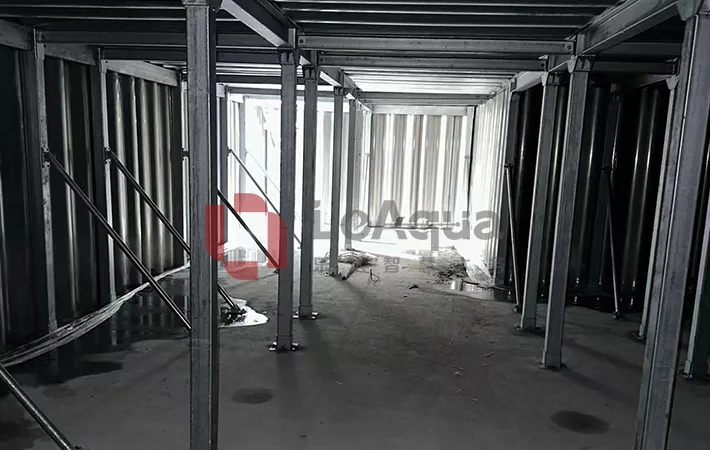
When properly engineered for underground applications, stainless steel systems can support demanding infrastructure environments while remaining practical for long-term operation.
LeAqua designs underground stainless steel water tanks with attention to structural engineering, installation practicality, and operational reliability.
Planning for Future Infrastructure
Infrastructure projects are expected to remain operational for decades.
As a result, project owners increasingly evaluate:
- Long-term maintenance
- Operational continuity
- Future development
- Site adaptability
An underground water tank supports these objectives by integrating water storage into the site’s long-term planning rather than treating it as a separate facility.
Conclusion
Underground water tanks continue to play an increasingly important role in modern infrastructure because they combine efficient land utilization with reliable water storage.
For projects seeking practical engineering solutions without sacrificing valuable surface space, underground stainless steel water tanks remain an effective option for long-term development.