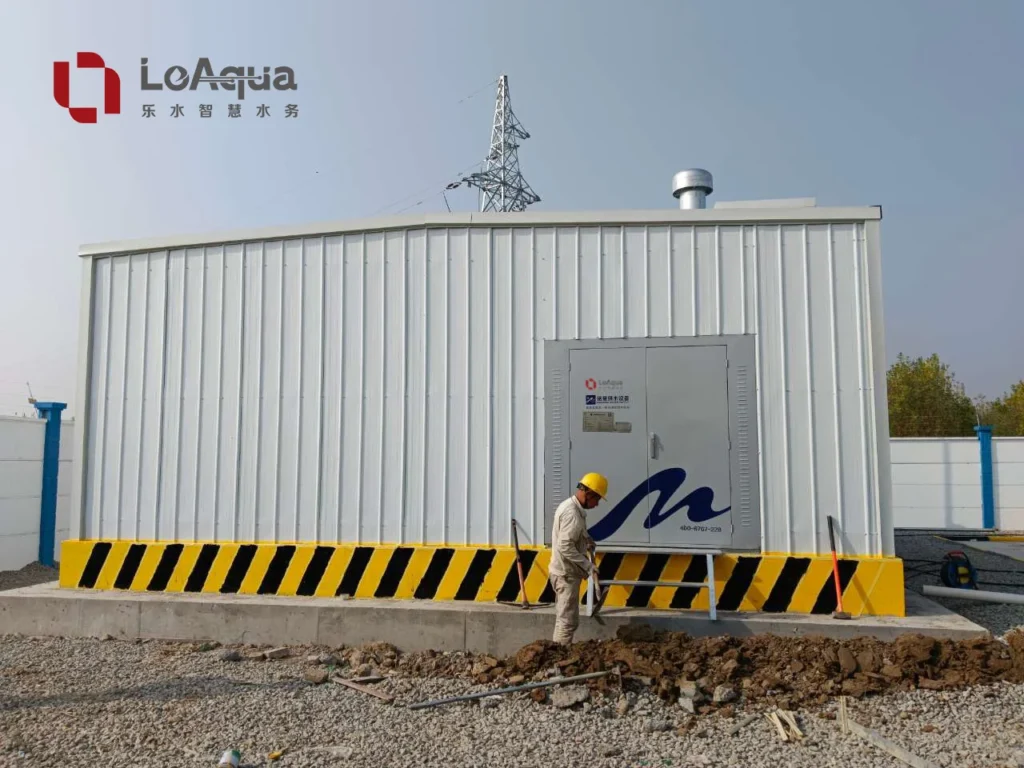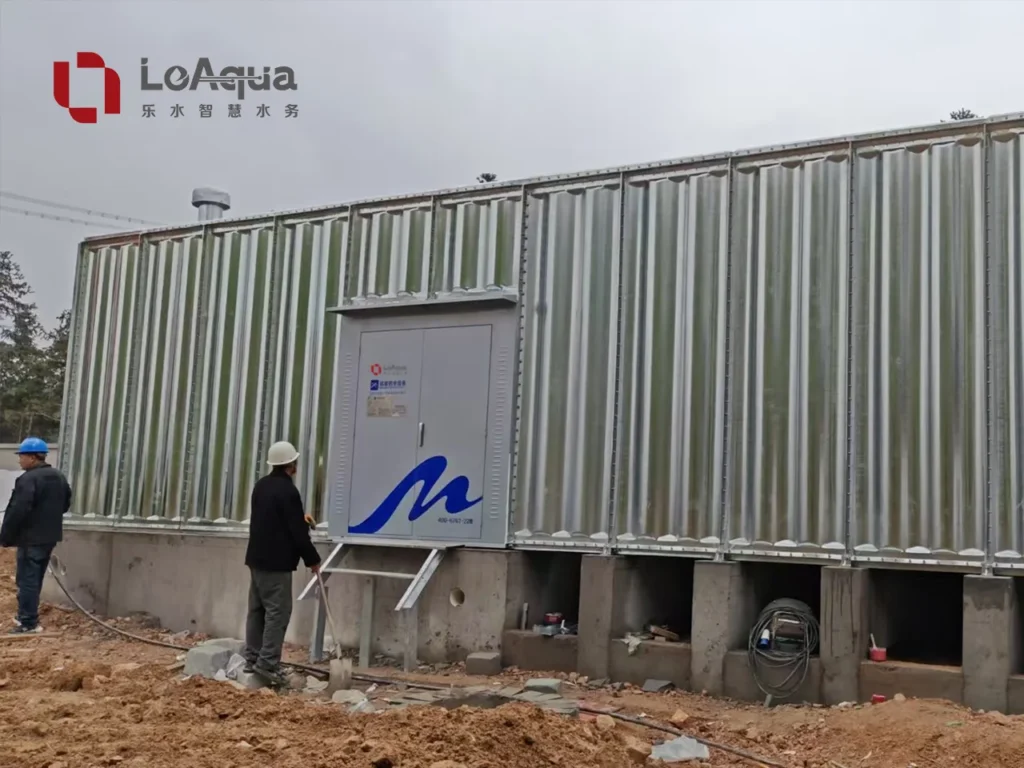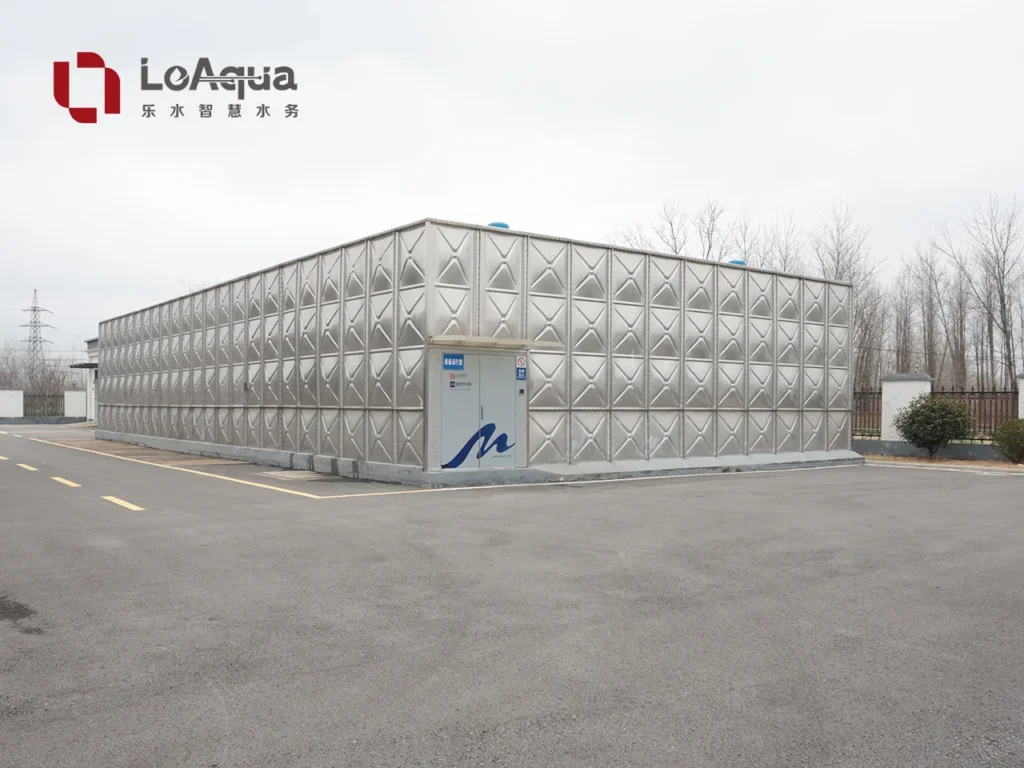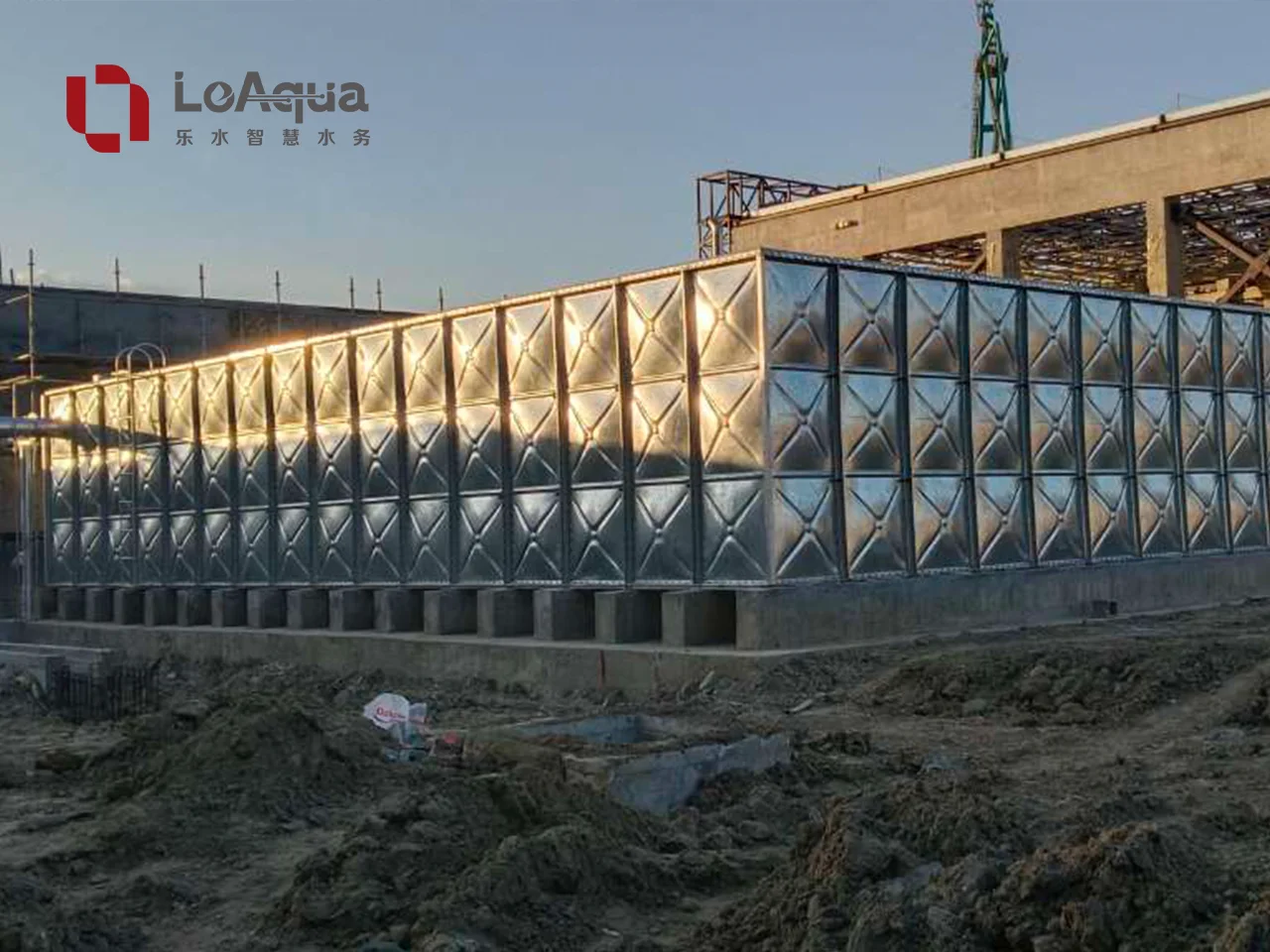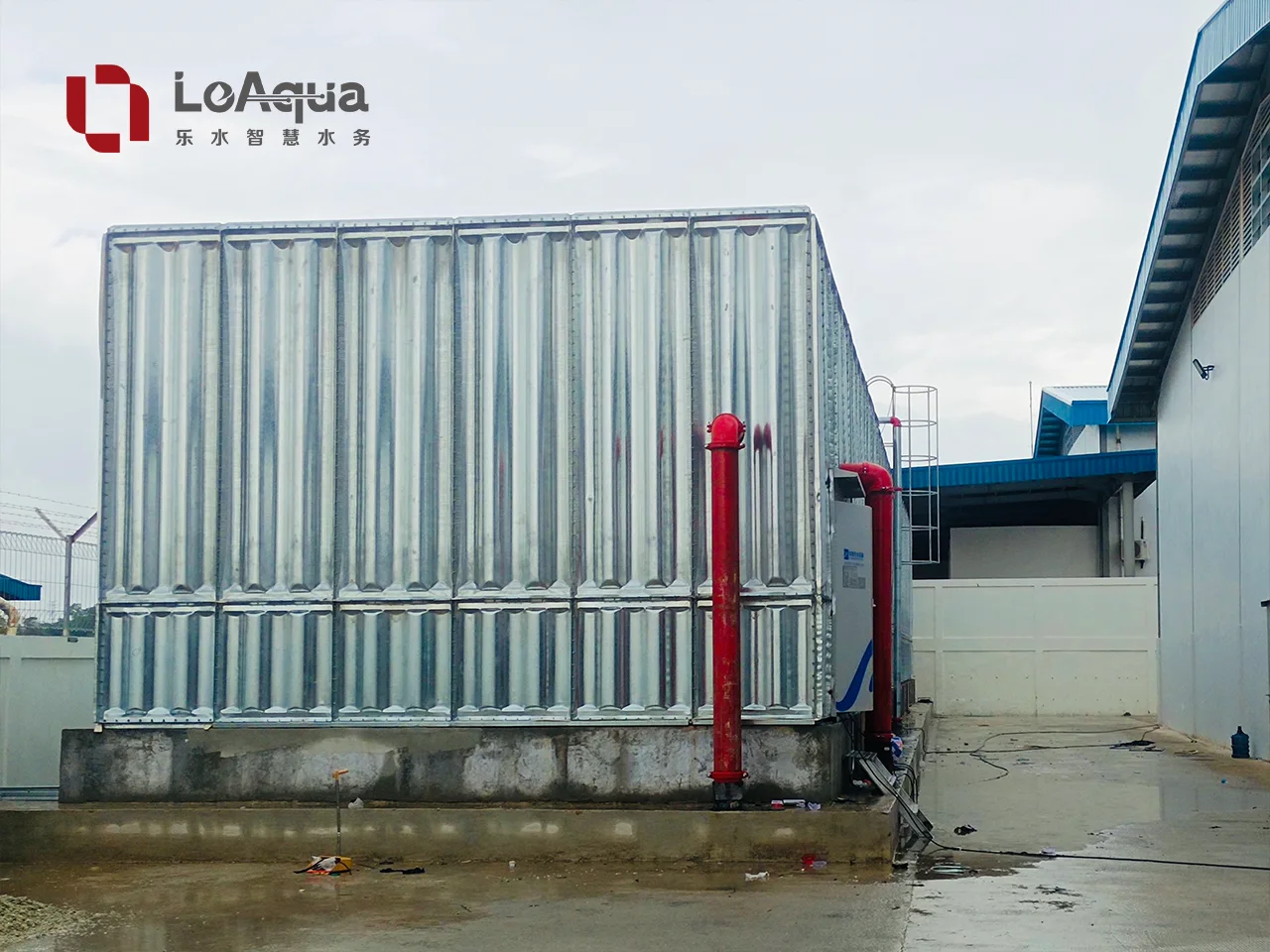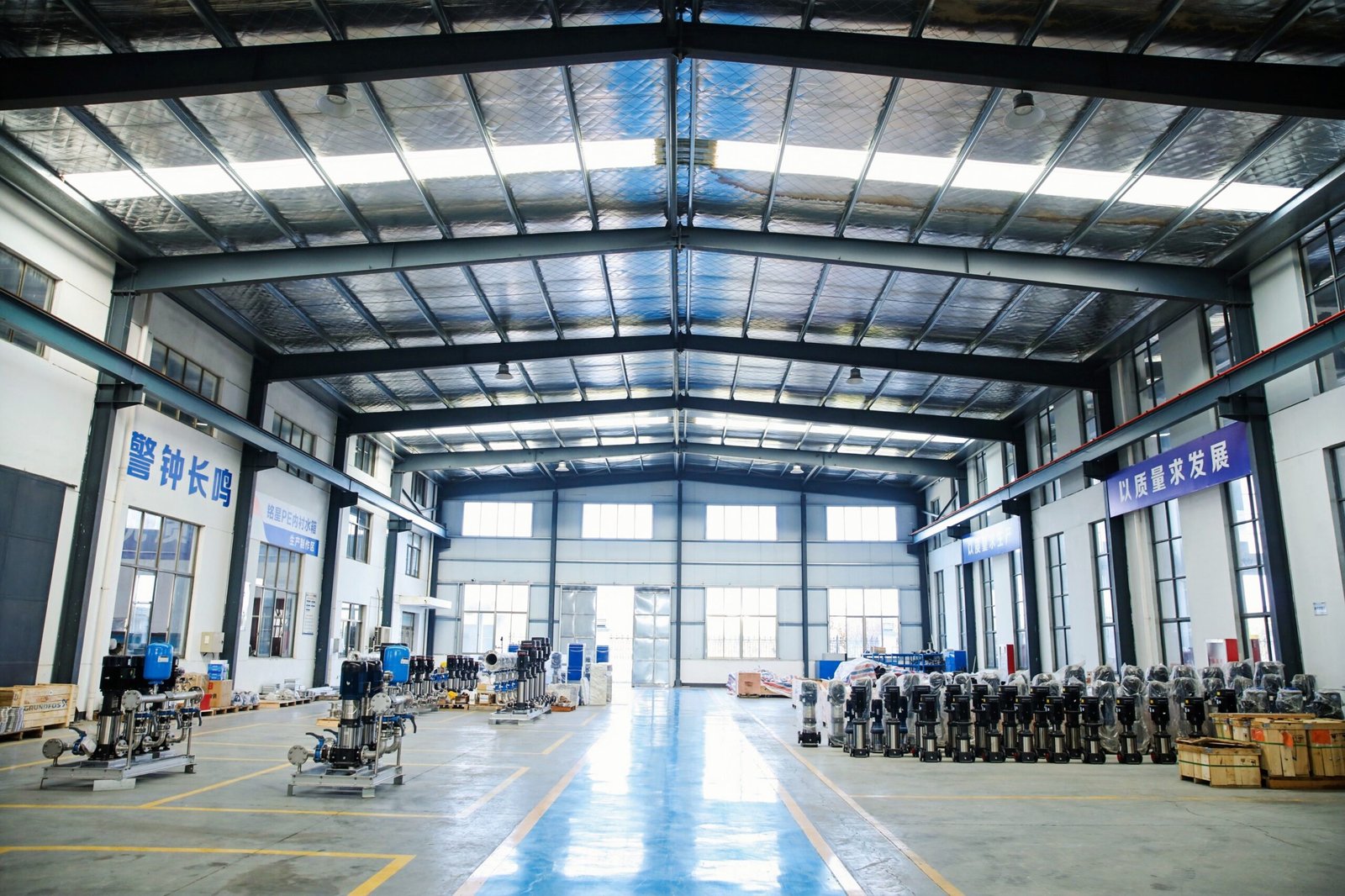
An underground water tank is often viewed simply as a water storage structure placed below ground.
In reality, successful underground water storage begins long before construction starts.
Site conditions, operational requirements, maintenance planning, and long-term infrastructure goals all influence how an underground water tank should be designed and installed.
Understanding these factors early can improve project performance throughout its operational life.
LeAqua develops underground stainless steel water tank solutions that emphasize practical engineering and long-term reliability.
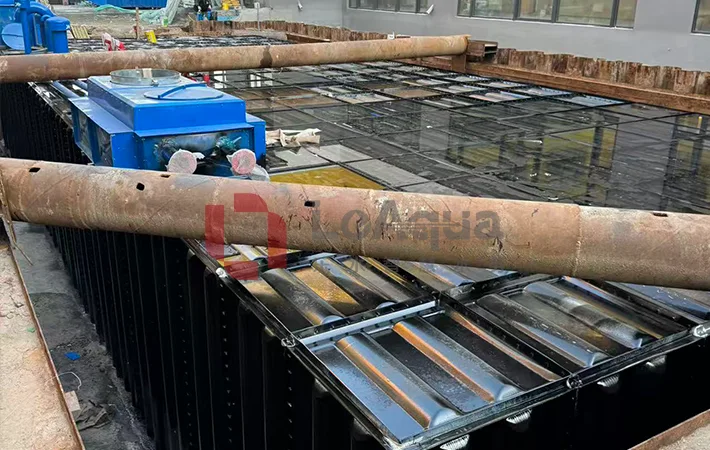
Site Conditions Shape Tank Design
Every project presents unique conditions.
Engineers commonly evaluate factors such as:
- Available installation area
- Ground conditions
- Surface loading
- Utility coordination
- Access for construction
These considerations influence both the configuration of the water tank and the overall construction process.
Planning early helps reduce unnecessary design changes during implementation.
Accessibility Remains Important
Although the tank is installed below ground, regular inspection and maintenance should still be considered during project planning.
A well-designed underground water tank should allow practical access for:
- Routine inspection
- Cleaning operations
- Equipment maintenance
- Long-term servicing
Maintenance planning is an important part of achieving reliable long-term operation.
Integrating Water Storage Into Site Planning
Underground water storage is often one component of a larger infrastructure system.
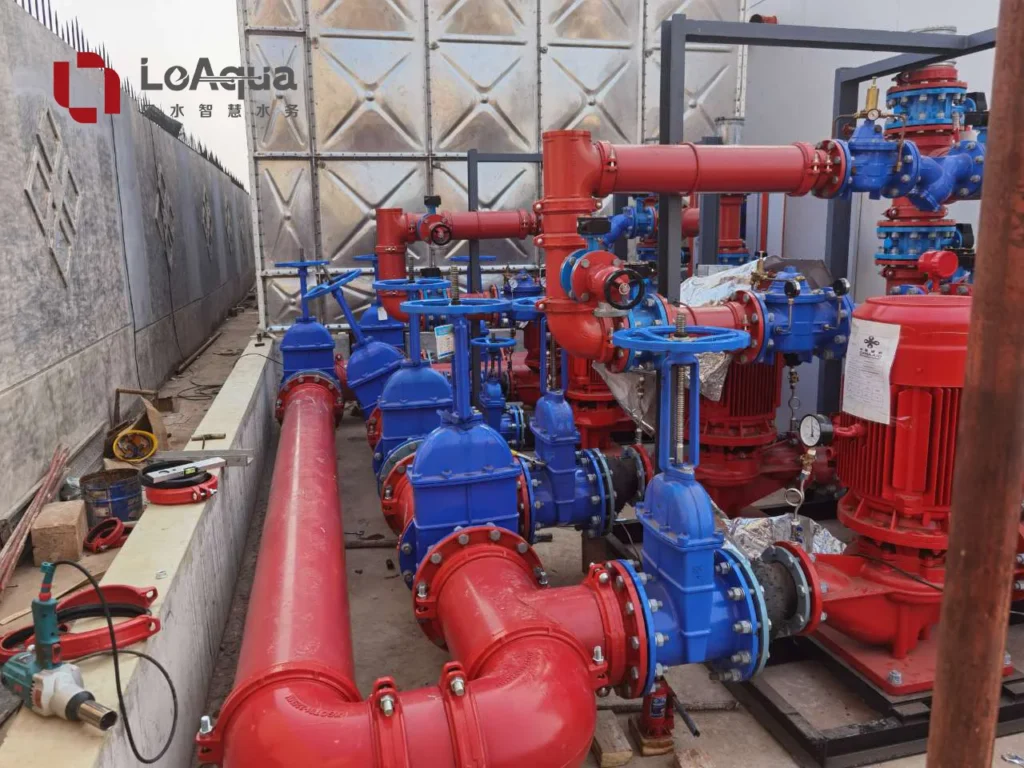
Projects may combine the tank with:
- Pump systems
- Water supply networks
- Fire protection infrastructure
- Monitoring equipment
Considering these systems together during planning helps improve coordination and operational efficiency.
Why Stainless Steel Remains a Practical Choice
A stainless steel water tank is widely used in projects requiring dependable water storage and long service life.
For underground applications, practical engineering, structural integrity, and lifecycle planning all contribute to successful implementation.
LeAqua develops underground stainless steel water tank systems that support modern infrastructure through durable design and practical project execution.
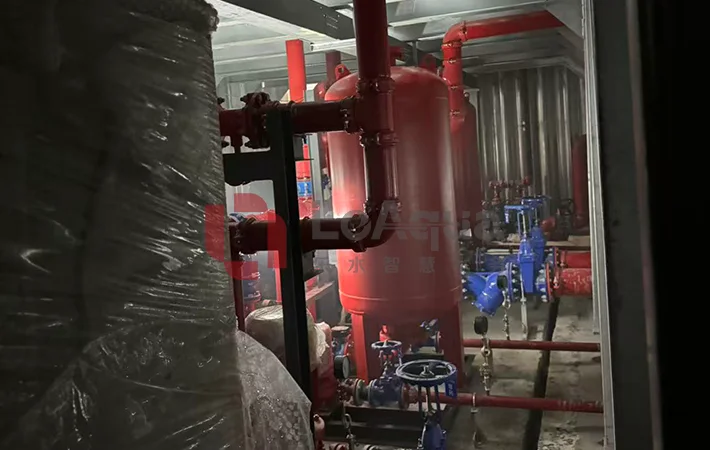
Looking Beyond Construction
The success of an underground water tank is measured not only by installation but also by years of reliable operation.
Project owners increasingly evaluate:
- Lifecycle performance
- Maintenance efficiency
- Operational continuity
- Future infrastructure compatibility
Considering these factors from the beginning helps create stronger long-term project outcomes.
Conclusion
Planning an underground water tank involves much more than determining where it will be buried.
Site conditions, maintenance access, infrastructure integration, and long-term operational goals all contribute to successful water storage.
By addressing these considerations early, projects can achieve more reliable and sustainable underground water storage solutions.