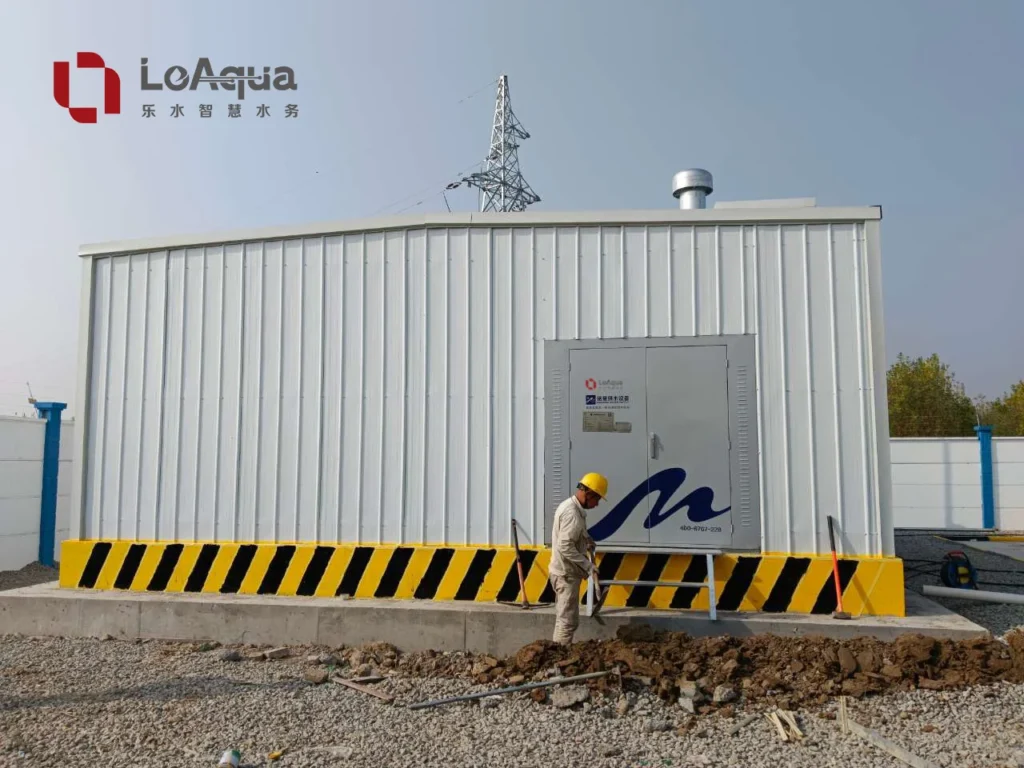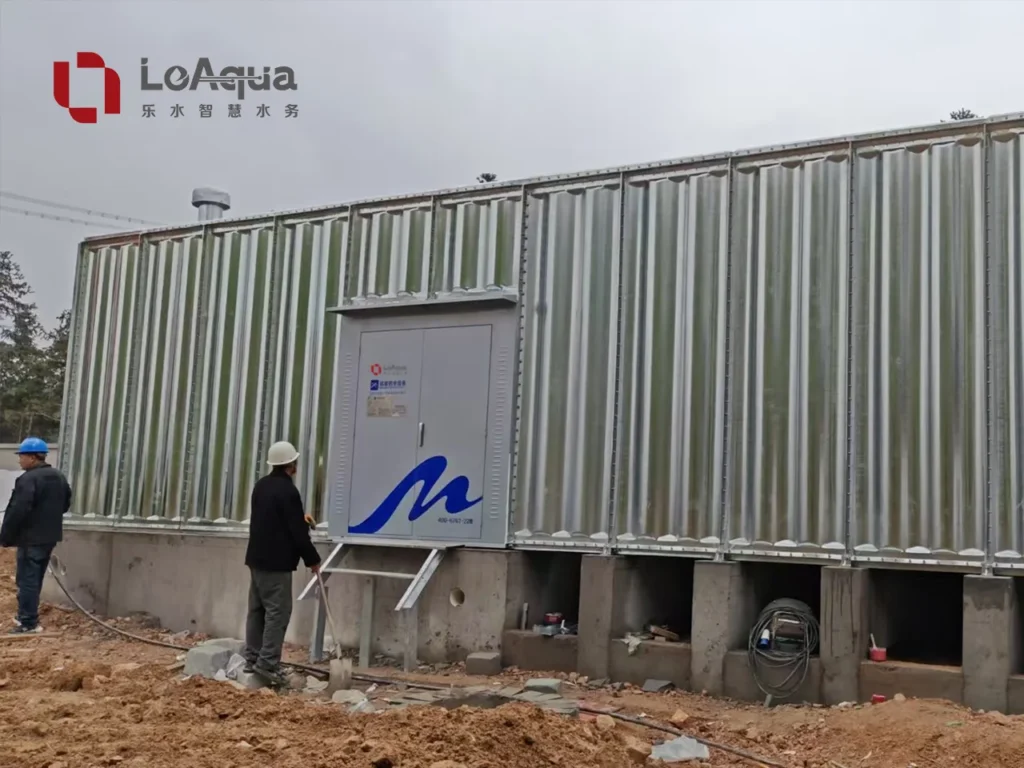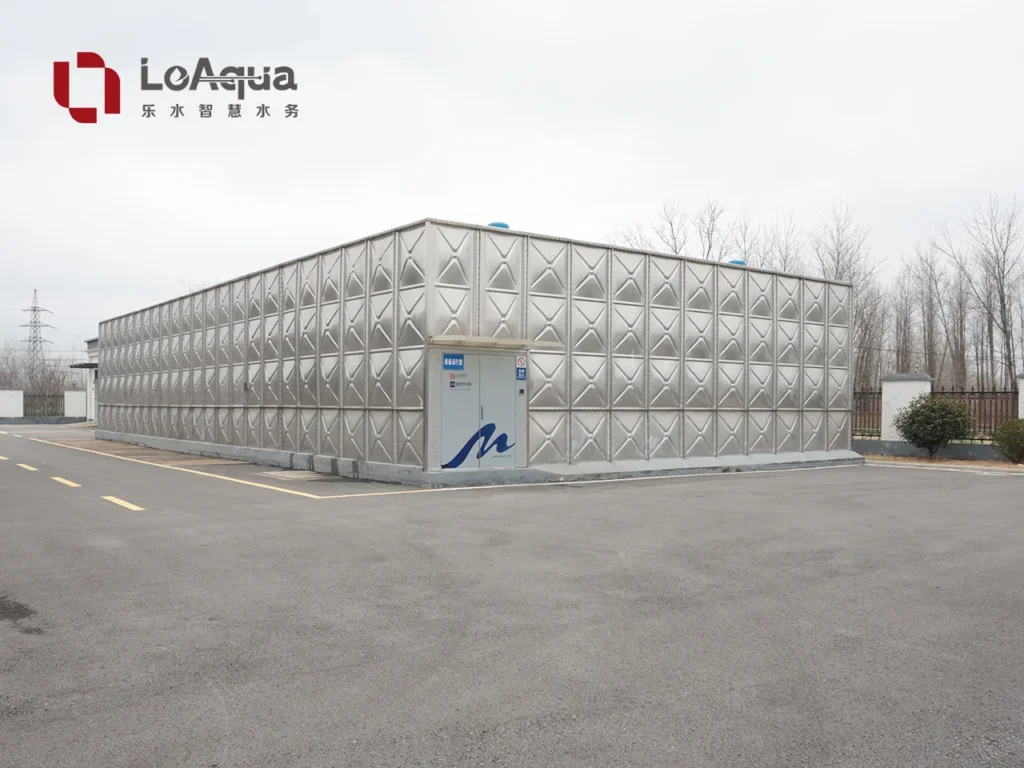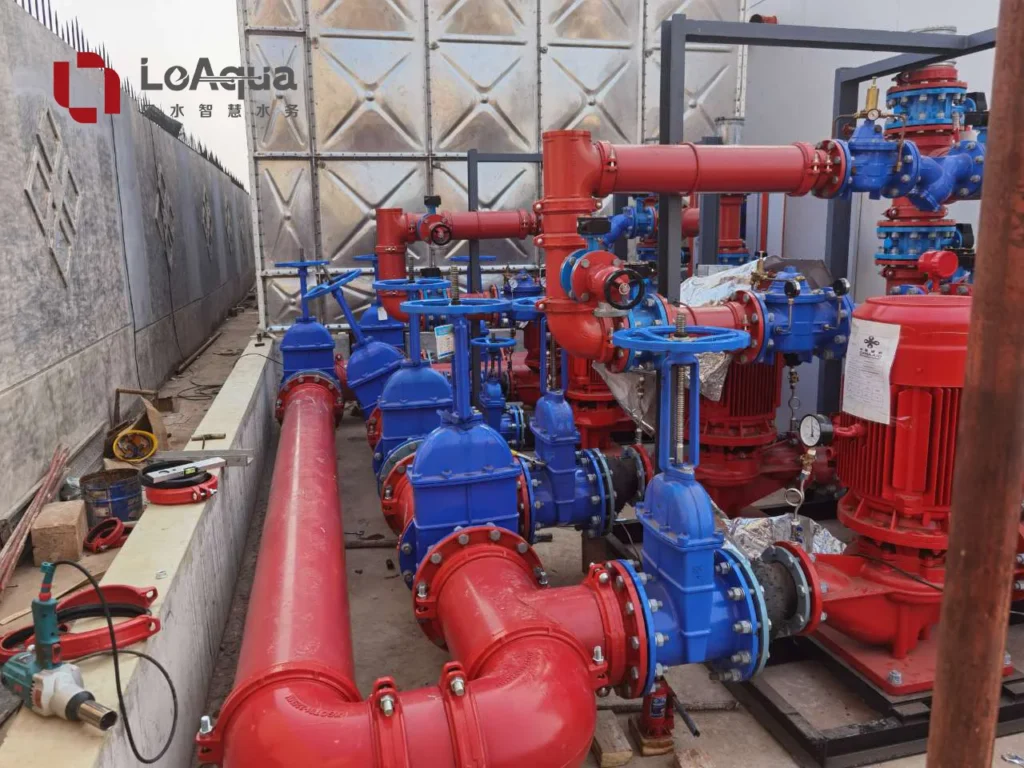
Underground water tanks have become an increasingly popular solution for commercial buildings, municipal infrastructure, industrial facilities, and integrated pump stations where efficient land use is a priority.
Unlike above-ground installations, underground systems make full use of the available space by placing the water storage structure beneath the surface. Once installation is complete, the surrounding area can often be restored for roads, parking areas, landscaped spaces, or other functional uses, allowing valuable land resources to be utilized more effectively.
However, placing a water tank underground introduces engineering challenges that differ significantly from those of above-ground installations.
In addition to storing water safely, the tank structure must withstand soil pressure, groundwater conditions, surface loading, and long-term environmental influences throughout its service life.
For this reason, successful underground water tank projects rely not only on material selection but also on sound structural engineering, careful installation planning, and long-term maintenance strategies.
This article explains five engineering factors that should be considered during the design stage to help improve safety, reliability, and lifecycle performance.
LeAqua develops engineered underground water storage solutions based on modular construction principles, supporting commercial, municipal, industrial, and fire protection projects with practical and reliable water storage systems.
1. Structural Design Must Consider More Than Water Pressure
One of the biggest differences between underground and above-ground water tanks is the type of structural loads acting on the system.
An above-ground tank primarily resists the pressure generated by the stored water together with environmental loads such as wind or seismic forces.
An underground water tank, however, must also resist additional external forces that continue throughout its service life.
These may include:
- Soil pressure surrounding the tank
- Groundwater uplift where applicable
- Surface loads from vehicles or equipment
- Settlement caused by changing soil conditions
- Dynamic loads in traffic areas
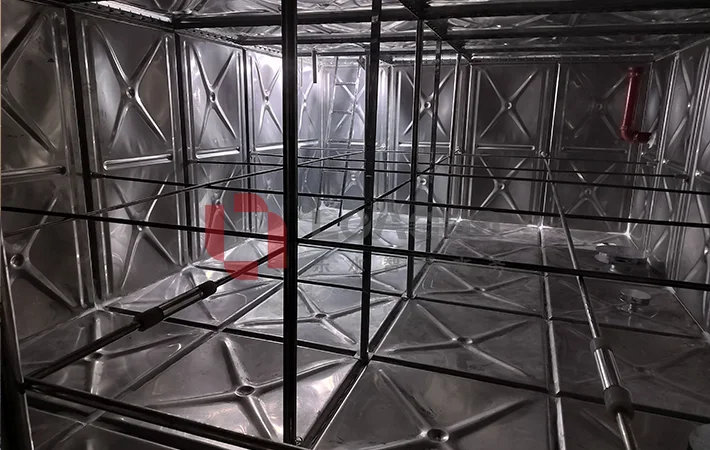
For this reason, underground water tanks are designed as part of the surrounding civil structure rather than as independent storage equipment.
Proper engineering calculations help ensure that the structure performs reliably under both internal and external loading conditions.
2. Surface Areas Can Often Remain Fully Functional
One of the greatest advantages of underground water storage is the efficient use of land.
Because the tank is installed below ground level, the surface above the structure can often continue serving other purposes after construction is completed.
Depending on the engineering design, underground water tanks may be located beneath:
- Parking areas
- Internal roads
- Landscaped spaces
- Public plazas
- Industrial yards
- Pump station facilities
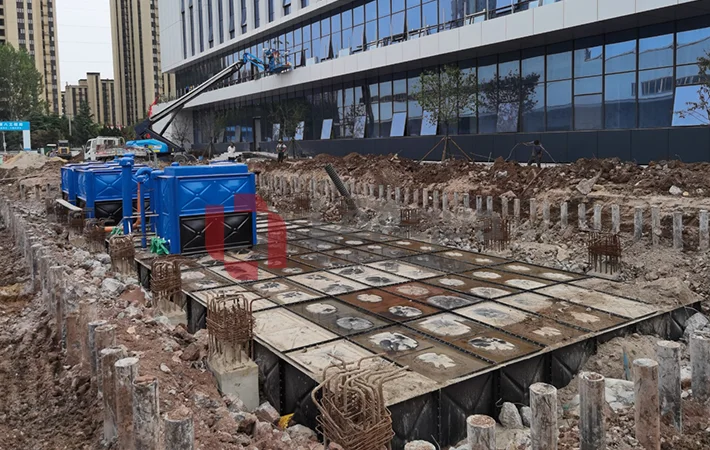
In many municipal and commercial projects, properly engineered underground water tanks are designed to support vehicle traffic while maintaining reliable long-term structural performance.
This approach allows water storage infrastructure to be integrated into the site without occupying valuable above-ground space.
For growing cities and industrial developments where land resources are increasingly limited, underground installation provides an effective solution for combining infrastructure with functional surface use.
3. Waterproofing Is Only One Part of the Overall Design
Waterproofing is often viewed as the primary challenge for underground water tanks.
While preventing groundwater infiltration is certainly important, successful projects consider waterproofing as one component of a much larger engineering system.
Long-term performance also depends on:
- Foundation preparation
- Drainage design
- Structural connections
- Joint sealing
- Material durability
- Construction quality
These elements work together to protect the integrity of the underground structure throughout changing environmental conditions.
Rather than relying on a single waterproofing method, engineers generally evaluate the complete interaction between the tank, surrounding soil, groundwater conditions, and site drainage.
4. Maintenance Accessibility Should Be Planned from the Beginning
One common misconception is that underground water tanks are difficult to inspect or maintain.
In reality, accessibility depends largely on engineering design rather than installation location.
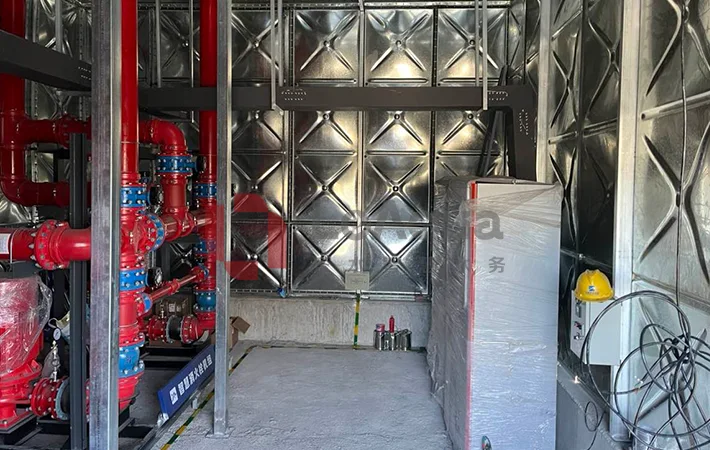
Professional underground water tank projects typically include features that support routine inspection and maintenance, such as:
- Accessible inspection openings
- Internal access routes
- Ventilation systems
- Drainage arrangements
- Equipment access for cleaning and servicing
Planning these features during the design stage helps reduce future maintenance challenges and supports efficient long-term operation.
Routine inspection remains an important part of ensuring water quality and structural reliability throughout the system’s service life.
5. Long-Term Reliability Depends on the Complete Engineering System
The performance of an underground water tank cannot be attributed to a single material or structural feature.
Instead, reliable operation results from the interaction of engineering design, manufacturing quality, installation accuracy, operating conditions, and preventive maintenance.
Modern underground water tanks may be engineered using different structural solutions, including stainless steel water tanks and composite water tanks, depending on project requirements.
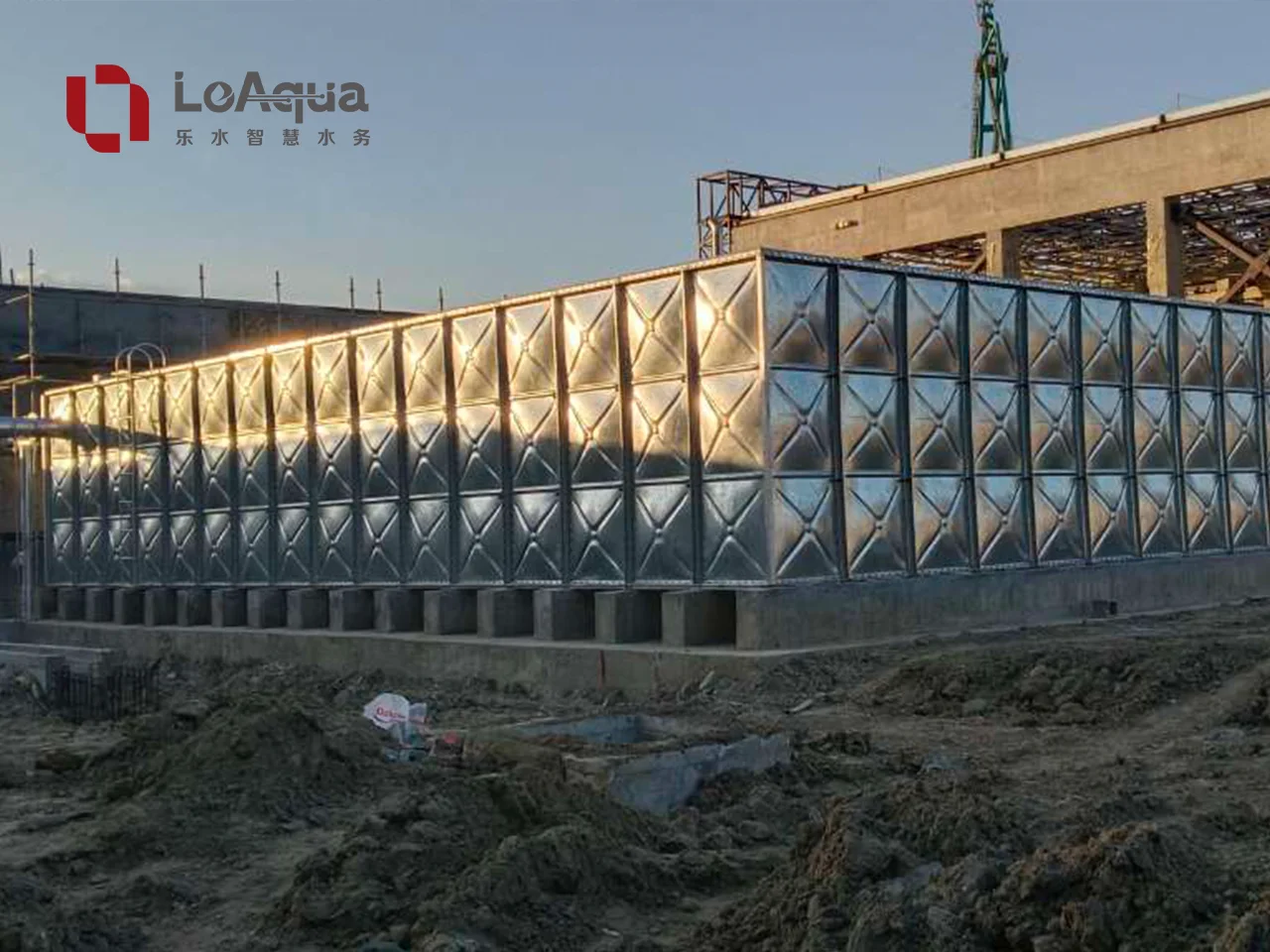
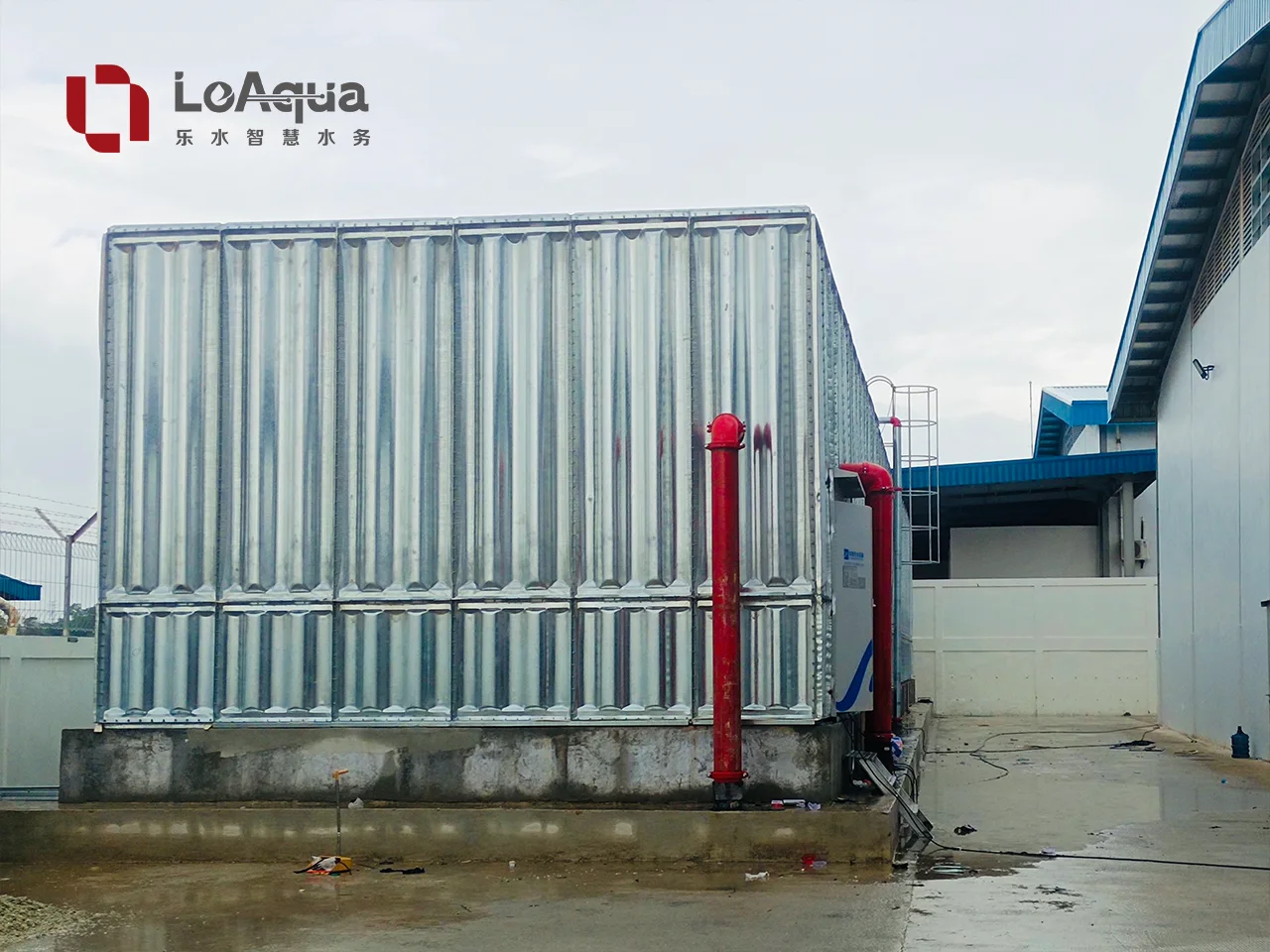
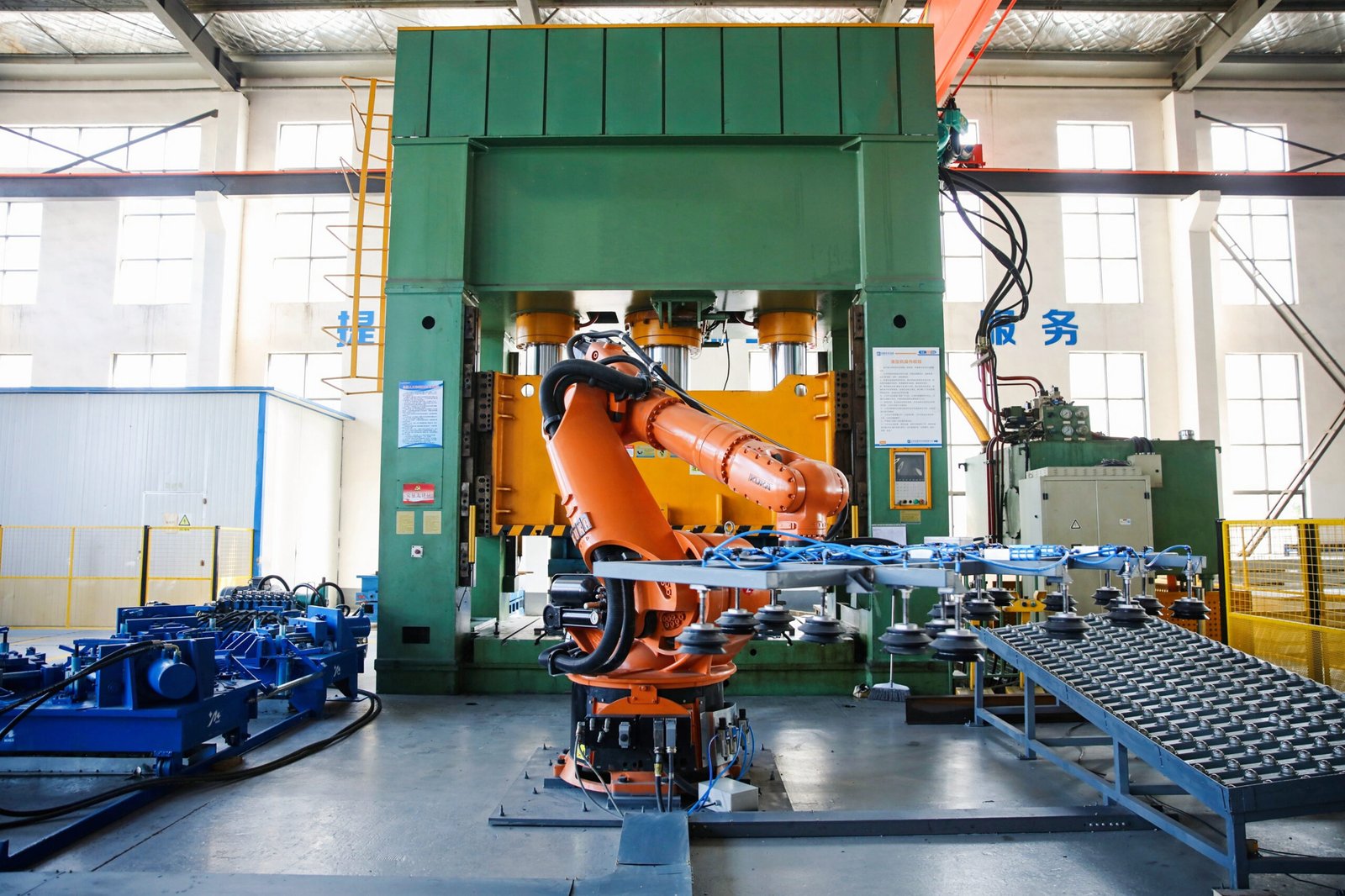
For modular systems such as LeAqua’s Double-sided Rib-Reinforced Water Tank, the pressed-panel structural design provides an efficient modular construction approach while supporting transportation, installation, and long-term structural performance.
Rather than asking which underground water tank is universally “best,” engineers evaluate which structural solution most effectively satisfies the technical, operational, and lifecycle objectives of the project.
Frequently Asked Questions
Can underground water tanks support vehicle traffic?
Yes. When properly engineered, underground water tanks can be designed to withstand specified surface loads, allowing roads, parking areas, or other functional spaces to remain in use above the structure.
Are underground water tanks suitable for drinking water storage?
Yes. Depending on the engineering design and selected structural solution, underground water tanks can be configured for potable water storage, municipal water supply, fire protection, and industrial applications.
Do underground water tanks require regular maintenance?
Like all engineered water storage systems, underground water tanks should be inspected and maintained periodically to ensure reliable operation, maintain water quality, and identify potential issues before they develop into larger maintenance requirements.
Conclusion
Underground water tanks offer far more than an effective way to save surface space.
When supported by sound engineering design, proper structural analysis, professional installation, and planned maintenance, they become reliable long-term infrastructure assets capable of serving a wide variety of commercial, municipal, industrial, and fire protection applications.
By evaluating underground water storage from a complete engineering perspective rather than focusing on individual components, project owners can make better-informed decisions that improve both construction efficiency and long-term operational performance.