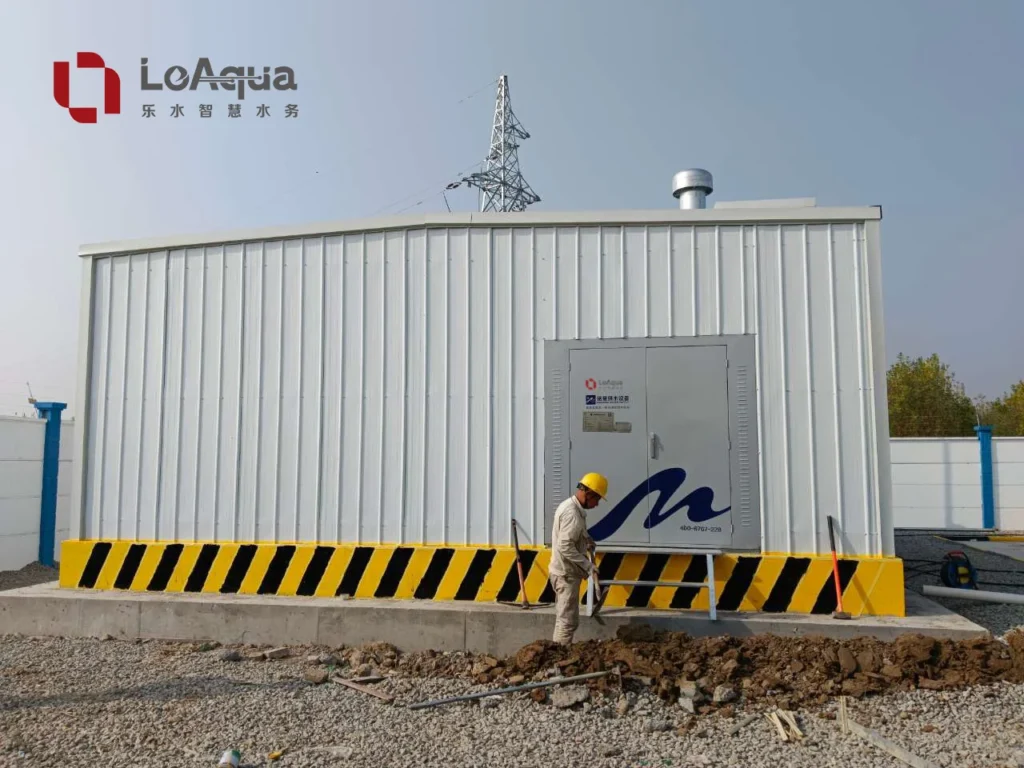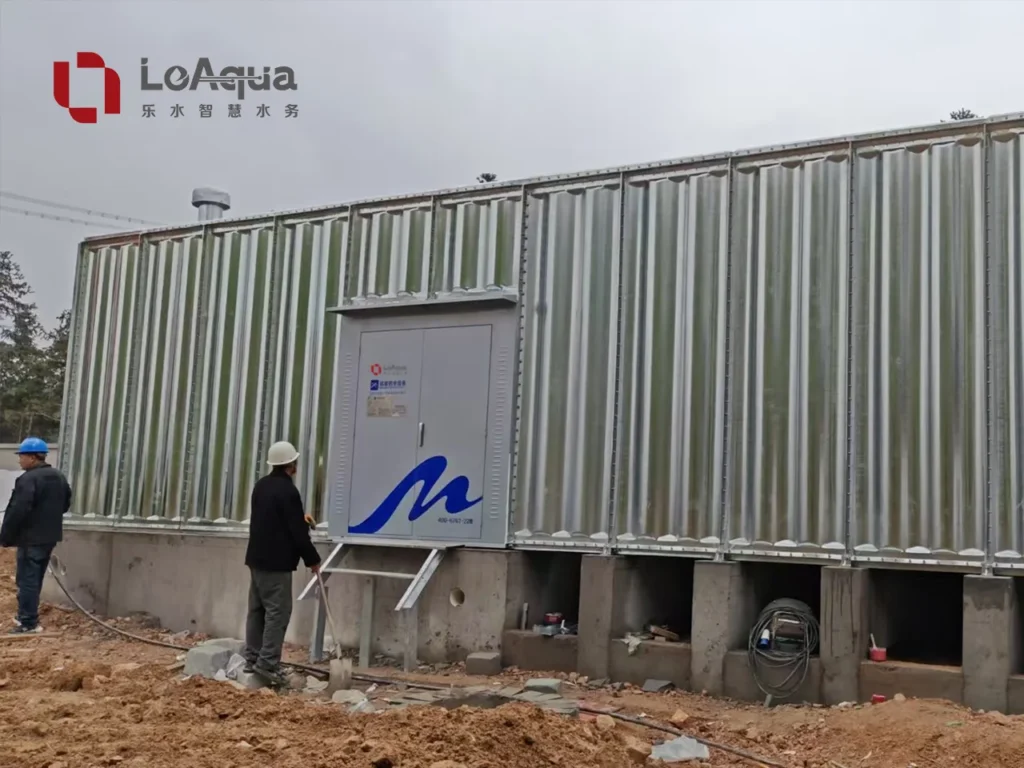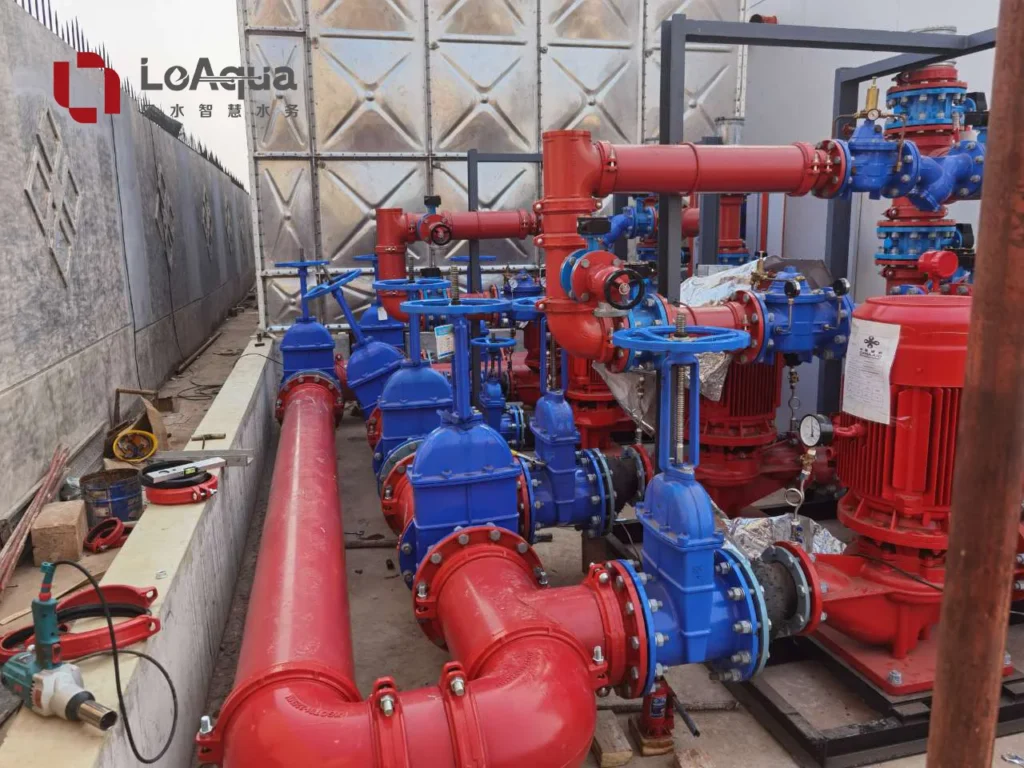
Construction projects today face increasing pressure to reduce installation time, improve quality control, and make better use of available space.
Whether developing a commercial complex, municipal water supply system, industrial facility, or integrated pump station, project owners are expected to deliver reliable infrastructure while controlling both construction schedules and long-term operating costs.
As a result, engineers are paying greater attention not only to the performance of a water tank after installation, but also to how efficiently it can be designed, transported, assembled, and maintained throughout its lifecycle.
This shift has accelerated the adoption of modular composite water tanks, which combine engineered structural design with factory-manufactured components to simplify project delivery without compromising long-term reliability.
Rather than viewing a water tank as an isolated product, modern engineering treats it as part of the overall construction process.
LeAqua develops modular composite water tanks, including its Double-sided Rib-Reinforced Water Tank, with a focus on structural efficiency, modular construction, and dependable long-term operation across commercial, municipal, industrial, fire protection, and underground water storage projects.
Modular Construction Starts in the Factory
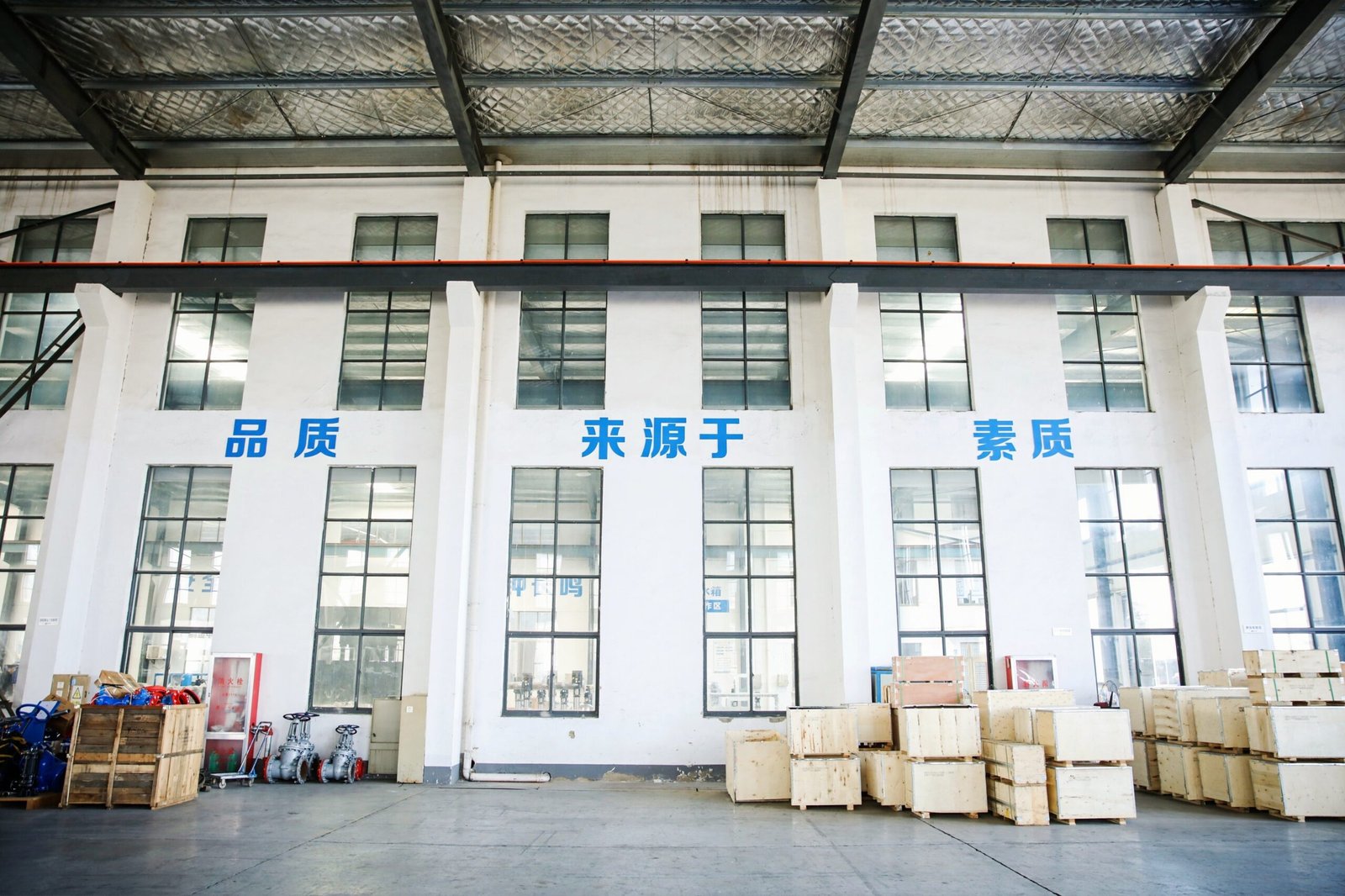
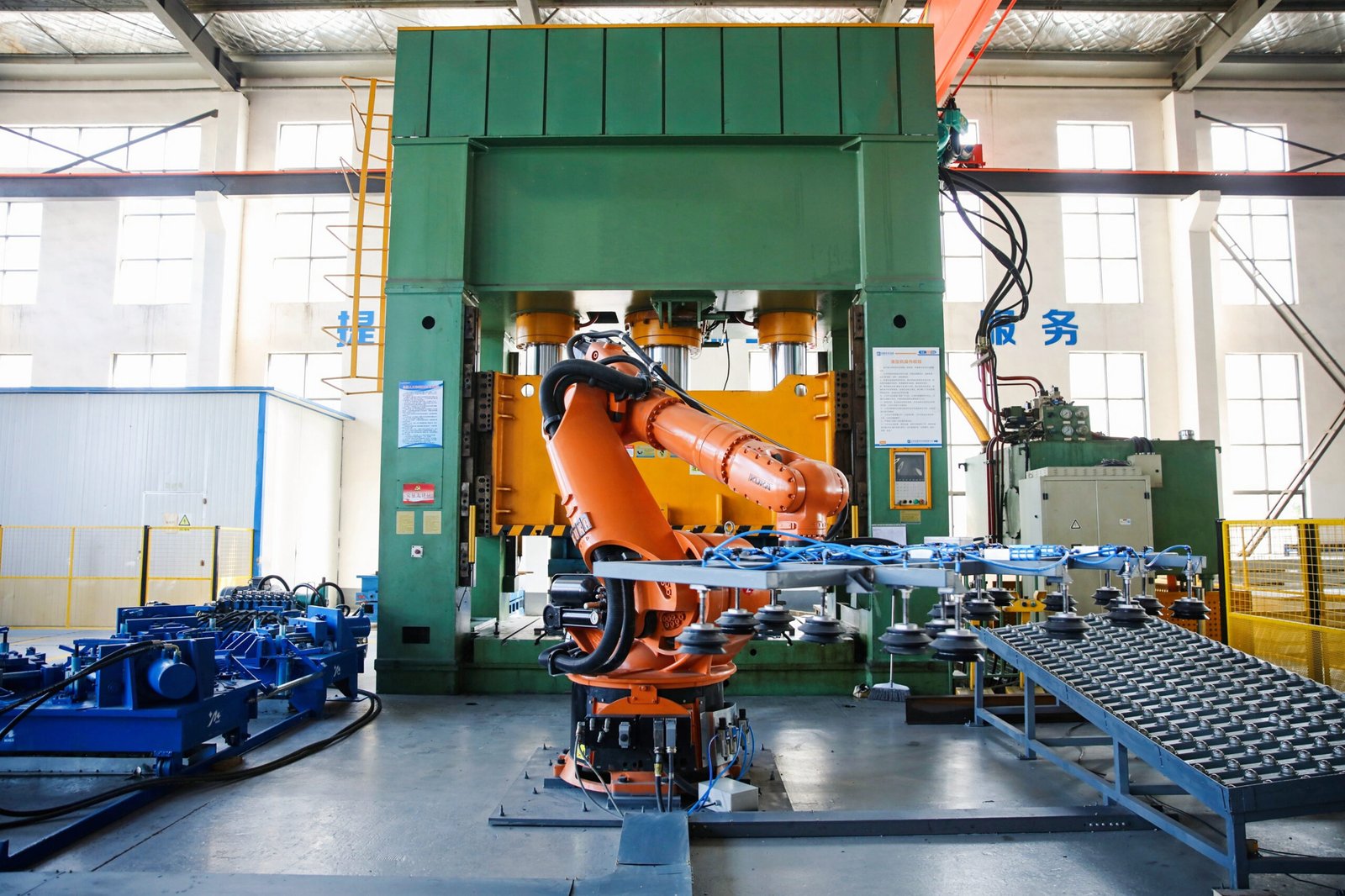
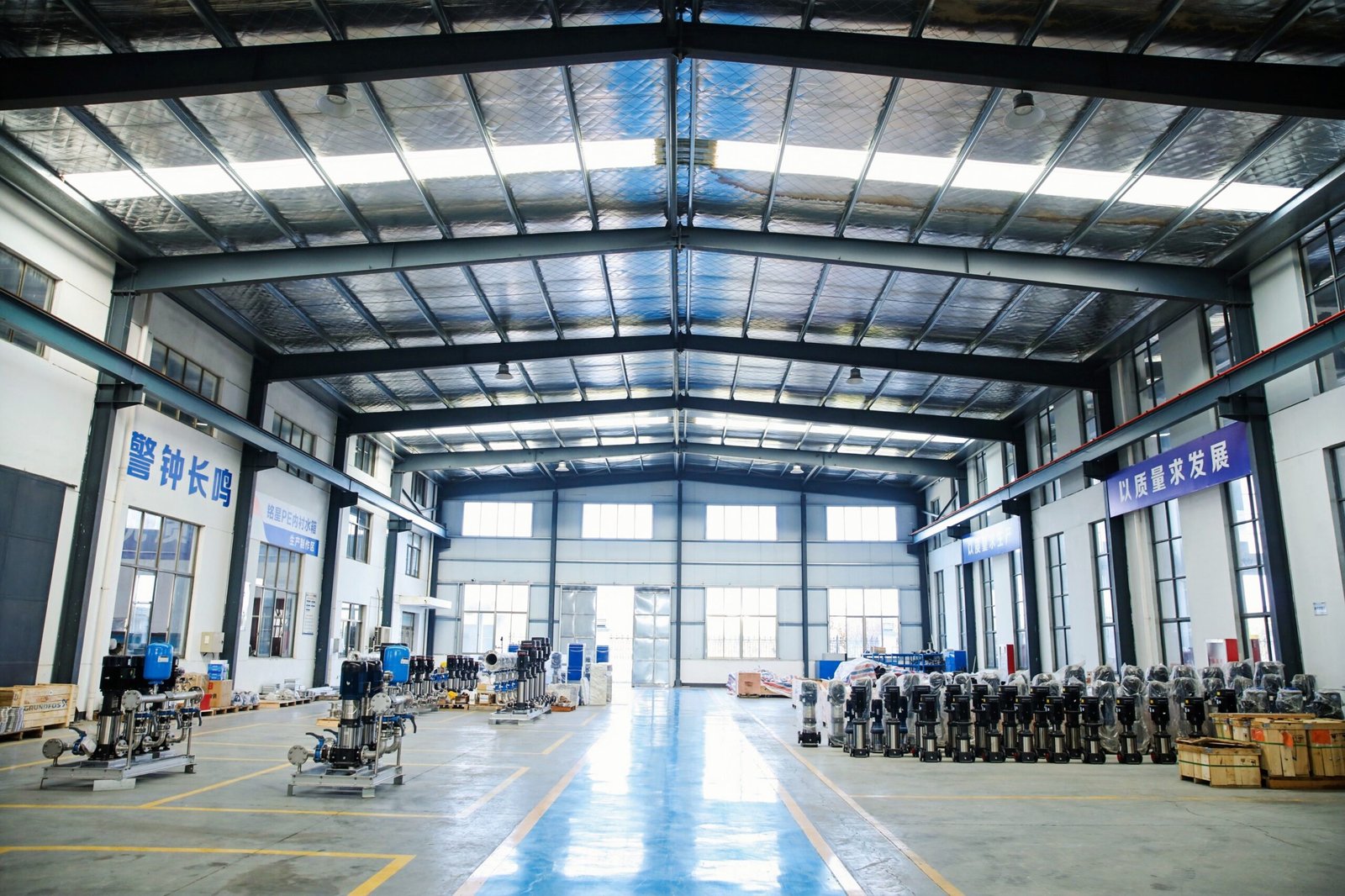
One of the defining characteristics of a modular composite water tank is that much of the manufacturing process is completed before the product arrives on site.
Panels, reinforcement components, sealing systems, and connection details are manufactured under controlled factory conditions before being transported to the project location for final assembly.
Compared with systems that rely heavily on extensive on-site fabrication, factory manufacturing offers several engineering advantages:
- Improved dimensional consistency
- Better production quality control
- Reduced influence from weather conditions
- More predictable construction schedules
- Easier logistics planning for large projects
By shifting a significant portion of the work to the manufacturing stage, project teams can improve installation efficiency while maintaining consistent product quality.
Modular Installation Improves Project Flexibility
Every construction site presents unique challenges.
Limited access, restricted working space, tight project schedules, or difficult transportation routes often influence how a water storage system is installed.
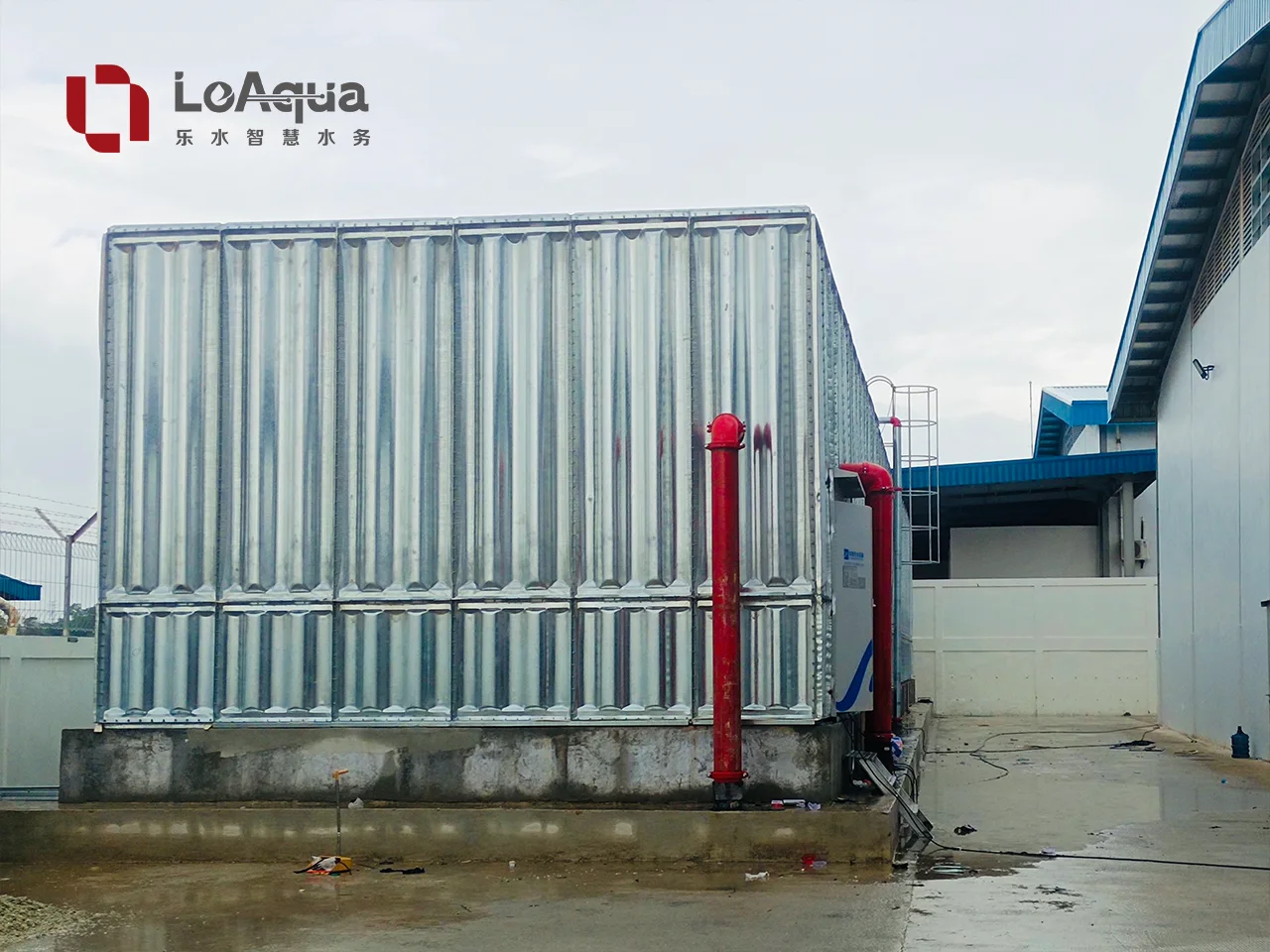
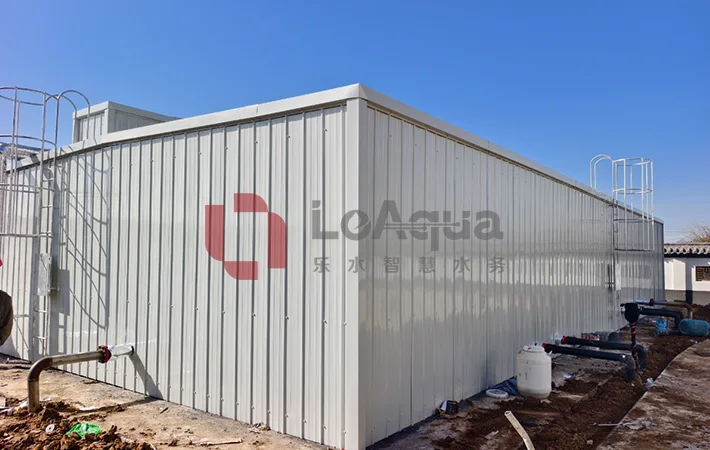
Because modular composite water tanks are assembled from individual factory-produced panels, they provide greater flexibility during transportation and installation than many conventional large-volume structures.
Depending on the engineering design, modular systems can be assembled in locations where transporting a fully fabricated tank would be impractical.
This flexibility is particularly valuable for:
- Commercial buildings
- Existing facility upgrades
- Municipal infrastructure projects
- Remote construction sites
- Underground installations
Instead of adapting the project to suit the tank, modular construction allows the tank to adapt more easily to the project environment.
Structural Design Is as Important as Material Selection
Many discussions about composite water tanks focus primarily on material composition.
However, experienced engineers understand that structural design is equally important.
A well-designed modular water tank distributes loads efficiently, supports stable operation, and simplifies long-term maintenance.
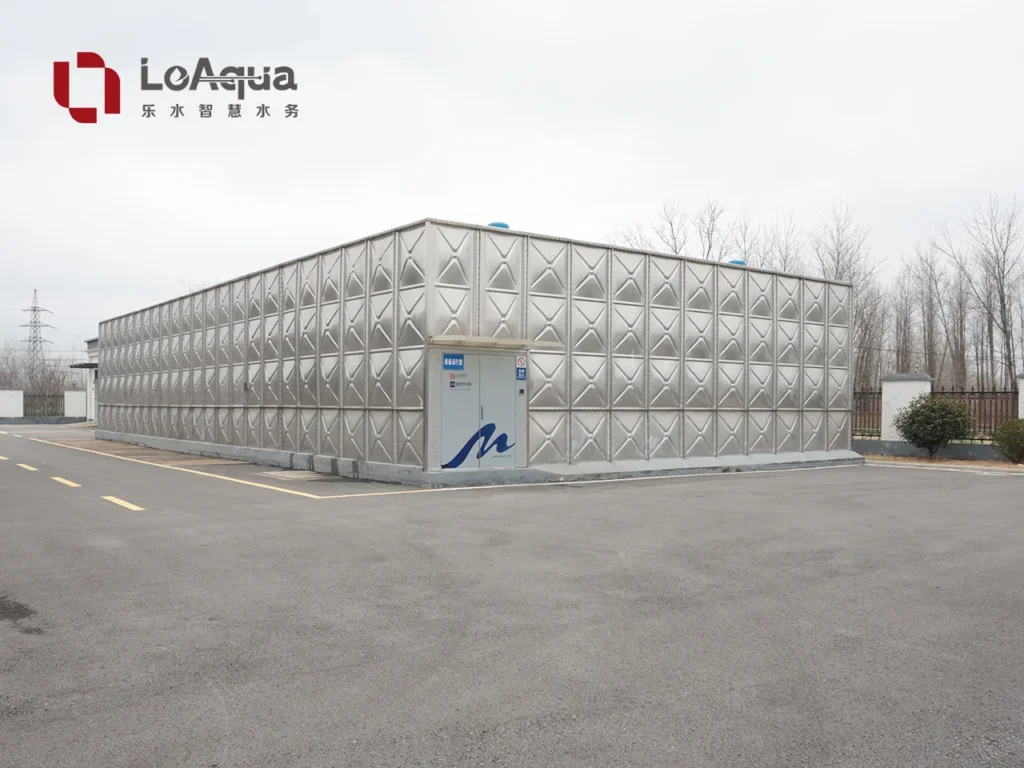
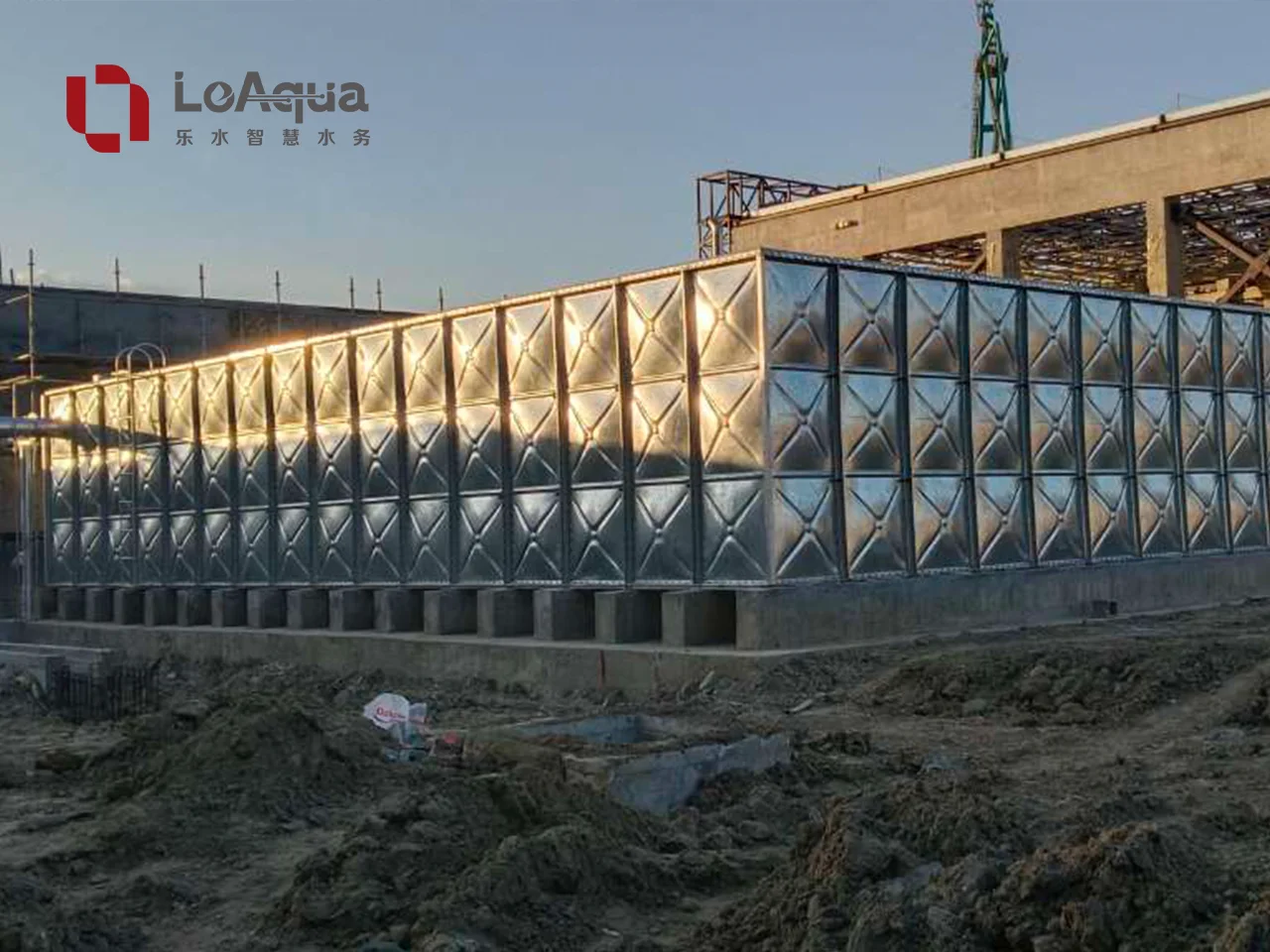
For example, LeAqua’s Double-sided Rib-Reinforced Water Tank adopts a modular pressed-panel structural concept in which reinforcing ribs are formed on both sides of each panel.
This engineering approach increases panel rigidity and improves load distribution throughout the structure while maintaining the advantages of modular construction.
Under many standard design conditions, the reinforced panel geometry can also reduce the reliance on conventional internal bracing, creating a cleaner internal layout that benefits inspection and routine maintenance. Where project-specific structural calculations require additional reinforcement, the design can be adjusted accordingly to meet engineering requirements.
The result is not simply a different panel shape, but a structural solution developed to improve overall system performance throughout the tank’s operational life.
Lifecycle Efficiency Extends Beyond Installation
Construction efficiency should not be measured only by how quickly a water tank is assembled.
Engineers increasingly evaluate the complete lifecycle of the system, including inspection, maintenance, future upgrades, and long-term operational reliability.
A modular composite water tank supports this lifecycle approach through:
- Factory-manufactured components
- Standardized modular assembly
- Simplified transportation
- Flexible project integration
- Practical inspection and maintenance planning
- Adaptability for future expansion where required
By considering the entire operational lifecycle rather than only the construction phase, project owners can make decisions that continue delivering value long after installation has been completed.
Frequently Asked Questions
What is a modular composite water tank?
A modular composite water tank is assembled from factory-manufactured panels that combine a stainless steel water-contact surface with a structural outer layer. The modular design supports efficient transportation, installation, and future maintenance.
Are modular composite water tanks suitable for different types of projects?
Yes. Depending on engineering design requirements, modular composite water tanks can be configured for commercial buildings, municipal infrastructure, industrial facilities, potable water storage, fire protection systems, and underground water storage.
What is the advantage of modular installation?
Modular installation allows individual components to be transported separately and assembled on site, improving flexibility where access, transportation, or construction conditions are limited.
What makes the Double-sided Rib-Reinforced Water Tank different?
Its modular pressed-panel structure incorporates reinforcing ribs on both sides of each panel to improve structural rigidity and load distribution. The design also helps optimize the internal structure under many standard engineering conditions while maintaining the flexibility of modular construction.
Conclusion
Modern construction projects demand more than reliable water storage.
They require engineering solutions that improve construction efficiency, simplify installation, support future maintenance, and provide dependable long-term performance.
Modular composite water tanks meet these expectations by combining factory-controlled manufacturing with practical on-site assembly and engineered structural design.
For projects requiring flexible installation, efficient project delivery, and lifecycle-focused engineering, modular composite water tanks represent an effective approach to modern water storage infrastructure.
Through continuous engineering innovation, LeAqua’s Double-sided Rib-Reinforced Water Tank further demonstrates how structural design and modular construction can work together to support reliable water storage solutions for a wide range of applications.