After enough project meetings, you begin to notice a pattern.
The questions change slightly from project to project, but they usually revolve around the same concerns.
Rarely does someone start by asking how thick the steel is or how many bolts are used.
Instead, the first questions are almost always about the project itself.
Will the tank fit the available space?
How long will installation take?
Can the capacity be increased later?
What happens if the building layout changes?
Those conversations are useful because they shift the discussion away from catalogues and towards real engineering decisions.
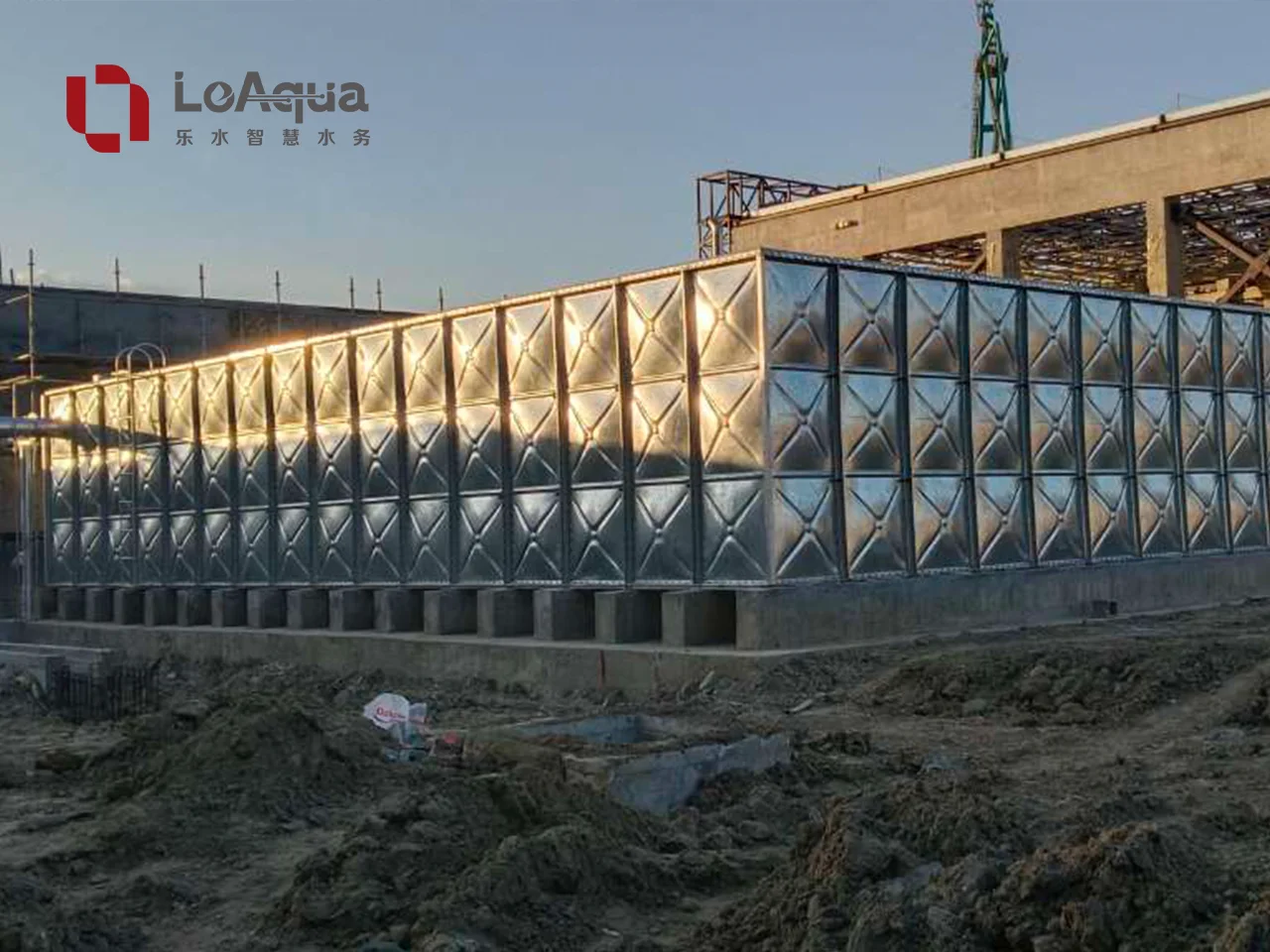
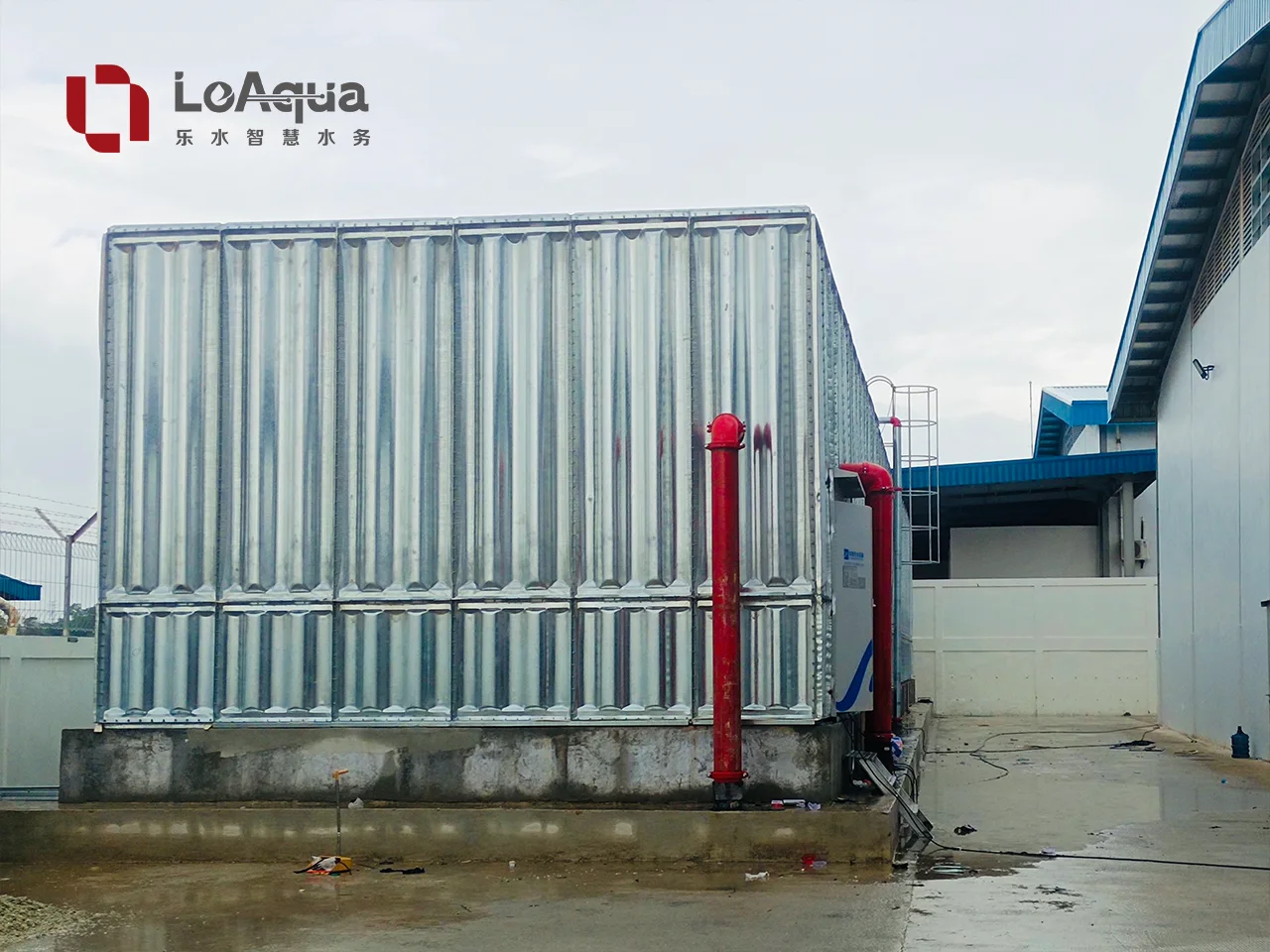
Choosing a bolted water tank isn’t simply about selecting a product from a list. The tank has to fit the construction programme, the site conditions and the way the facility will operate for many years after commissioning.
Some questions appear on almost every project. Others only arise because a client has experienced problems on a previous job.
Either way, they are usually worth discussing before manufacturing begins rather than after materials have already arrived on site.
“Can We Increase the Capacity in the Future?”
Interestingly, this question is often asked before anyone has agreed on the initial tank size.
That may sound unusual, but it reflects how many construction projects develop.
A commercial building may add another phase a few years later.
A factory may install additional production lines.
A municipal project may serve a growing community sooner than expected.
Nobody can predict every future requirement, but experienced project teams usually try to avoid closing off future options too early.
This is one reason modular bolted water tanks are frequently considered for projects where future expansion is a possibility.
Adding capacity later is never as simple as connecting a few extra panels. Foundation capacity, pipework, structural loading and available space all need to be reviewed.
However, discussing expansion during the design stage is far easier than redesigning the entire system after the site has been completed.
The question itself isn’t really about the tank.
It’s about how much flexibility the project may need over the next ten or twenty years.
“How Much Space Do We Actually Need?”
Storage volume tells only part of the story.
The available construction space often has a much greater influence on the final design than people expect.
A client may already know the required capacity but still be unsure whether the tank should be taller, longer or installed underground.
Sometimes the tank fits perfectly on the site plan but leaves almost no room for installation or future maintenance.
On other projects, surrounding equipment gradually occupies the available space while the building is under construction, leaving less room than the original drawings suggested.
This is why many project discussions begin with a site layout rather than a product brochure.
Understanding the available space helps determine not only the tank dimensions but also transportation, assembly methods and maintenance access later in the project.
A well-planned installation starts with realistic space, not optimistic assumptions.
“What Will Slow the Project Down?”
This question usually comes from clients who have managed construction projects before.
They know that delays are rarely caused by a single dramatic problem.
More often, they’re caused by dozens of small issues that weren’t identified early enough.
A drawing that wasn’t updated.
A foundation that wasn’t checked.
A delivery scheduled before the site was ready.
A pipe connection that conflicts with another trade.
None of these problems is directly related to the quality of the bolted water tank, yet each one has the potential to delay installation.
That’s why experienced suppliers spend time discussing project coordination as well as product specifications.
The earlier these details are reviewed, the fewer surprises tend to appear once installation begins.
“What Will Maintenance Look Like Five Years From Now?”
Interestingly, this question isn’t always raised by the person buying the tank.
It often comes from whoever will be responsible for operating the facility after construction is complete.
Their perspective is different.
The installation team wants to finish the project safely and on schedule. The maintenance team is already thinking about inspections, cleaning, replacing components and accessing equipment years later.
That difference changes the conversation.
Instead of asking how quickly the tank can be assembled, they ask whether someone can safely reach the inspection opening.
Instead of focusing on the delivery date, they ask whether a level sensor can be replaced without dismantling nearby pipework.
These aren’t dramatic engineering problems.
They’re practical ones.
And practical questions usually have the biggest impact over the life of the tank.
It’s much easier to leave enough maintenance space during design than to discover, several years later, that routine inspections have become unnecessarily complicated.
“What Should We Prepare Before Requesting a Quotation?”
This question saves more time than many people realise.
A quotation can be prepared from a basic storage requirement, but the more information available at the beginning, the fewer assumptions need to be made later.
Some clients already have complete construction drawings.
Others may only know the required storage capacity and the location of the project.
Both situations are perfectly normal.
As the project develops, additional details gradually become available.
Typical information that helps at an early stage includes:
- Required storage capacity
- Intended application, such as potable water, fire protection or process water
- Installation location
- Preferred material, if already determined
- Site restrictions that could affect transportation or installation
- Whether future expansion is expected
Not every project starts with all of these answers.
The important thing is identifying the unknowns early enough that they don’t become problems later.
Good discussions usually begin with the project requirements rather than the product specification.
Sometimes the Best Question Is the One Nobody Asked
Every experienced project manager can remember a meeting that ended with someone saying,
“I wish we’d discussed that earlier.”
Rarely is that comment about the tank itself.
More often, it’s about access for a crane, the final route of a pipe, a change to the building layout or a maintenance requirement that only became obvious once construction had already started.
These are the kinds of details that don’t attract much attention during the first meeting.
Later, they often become the details everyone remembers.
That’s one reason technical discussions before ordering are so valuable.
They’re not simply about choosing a tank.
They’re about reducing the number of unexpected decisions that have to be made once the project is already underway.
Final Thoughts
Ordering a bolted water tank is rarely the first step in a project, and it is almost never the last decision that affects the outcome.
By the time manufacturing begins, the project has already been shaped by site conditions, construction schedules, maintenance requirements and countless conversations between different teams.
The questions raised before an order is placed often reveal far more about the success of the project than the specification sheet alone.
At LeAqua, discussions with clients usually begin with understanding how the tank will fit into the wider project rather than recommending a standard configuration. Every site has its own constraints, and recognising those constraints early helps create a smoother manufacturing and installation process.
The most productive project meetings don’t always produce immediate answers.
Sometimes they simply uncover the right questions before construction begins.