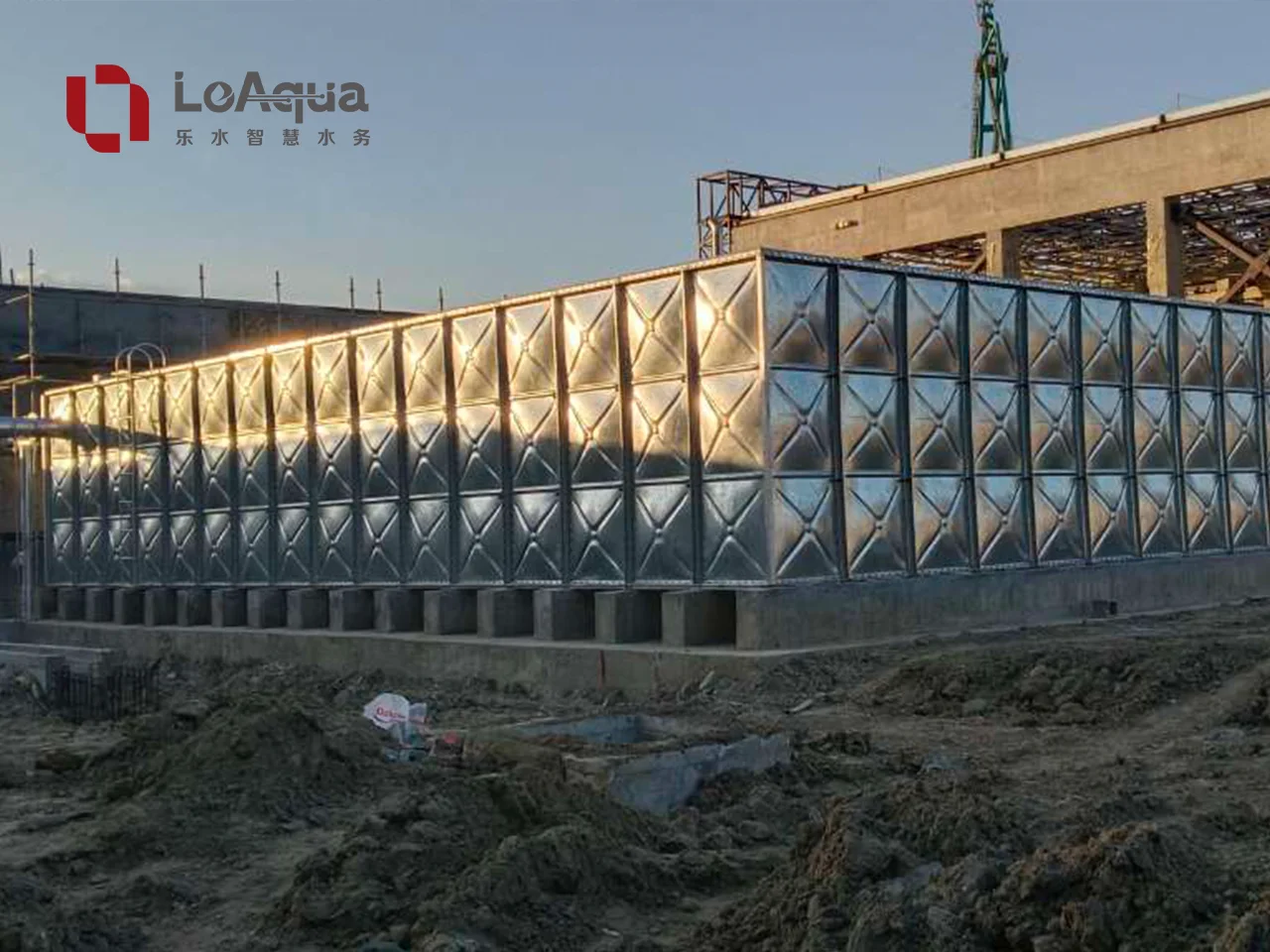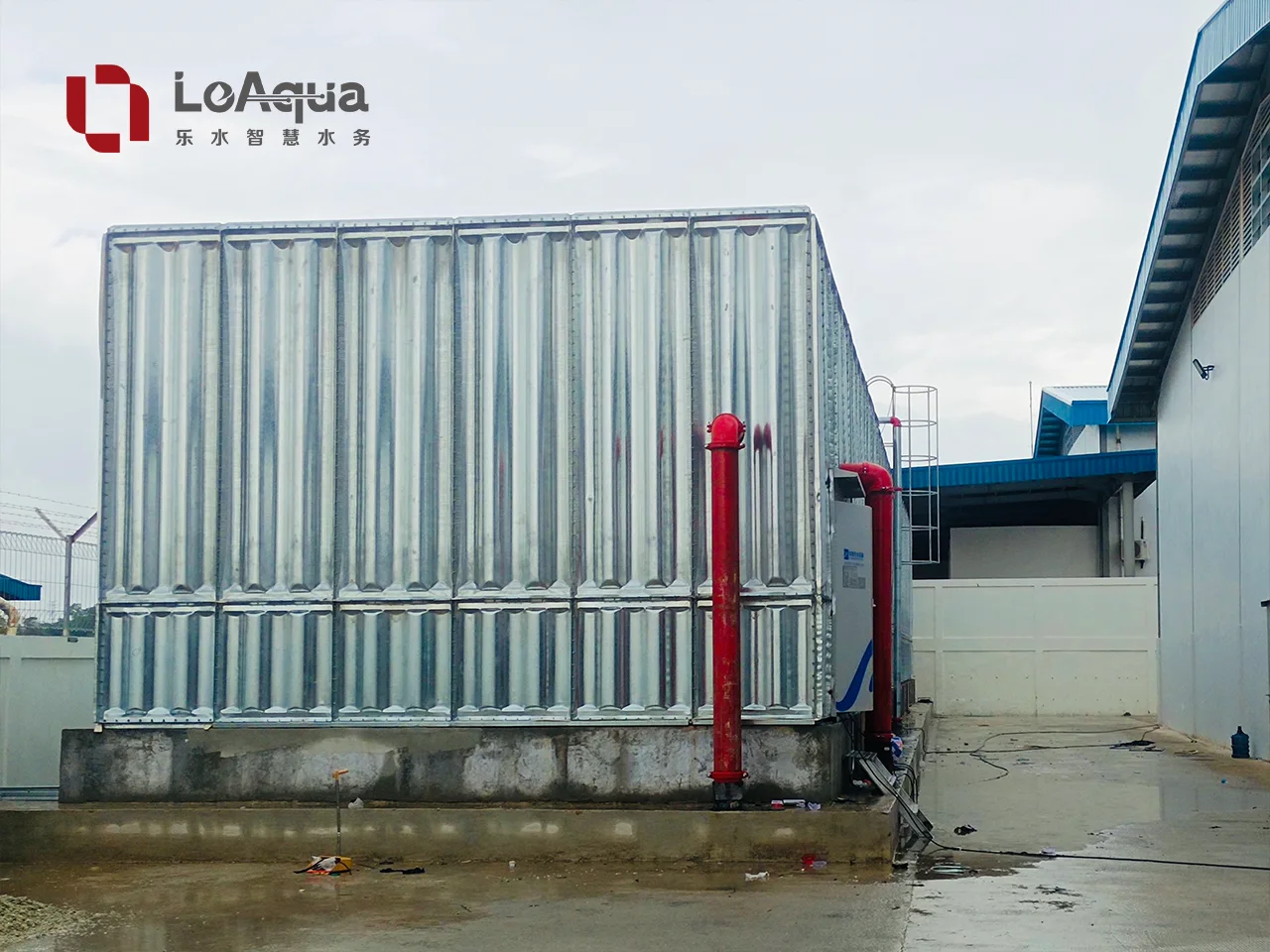
Cleaning and hygiene are critical considerations in modern stainless steel water tank systems, especially for potable water storage, fire protection systems, and commercial water supply applications.
However, not all modular water tanks are equally easy to maintain. In many traditional tank structures, internal reinforcements, dead corners, and poor drainage design can significantly increase cleaning difficulty and long-term maintenance costs.
As a research-driven manufacturer, LeAqua focuses on improving water tank hygiene through structural engineering and optimized internal tank design.Find out how tank design affects cleaning and hygiene, and why modern tanks are easier to maintain.
Why Water Tank Cleaning Matters
Water tanks that are difficult to clean may develop:
-
sediment accumulation
-
stagnant water zones
-
bacterial growth risks
-
long-term water quality issues
For industries requiring hygienic water storage, maintenance accessibility is an important part of overall tank performance.
This is why modern stainless steel water tank engineering increasingly focuses not only on strength, but also on cleanability and operational efficiency.
Common Cleaning Challenges in Traditional Water Tanks
Many traditional modular water tanks rely on internal reinforcement structures to resist hydrostatic pressure. While structurally effective, these designs often create maintenance problems.
Internal Tie-Rods Block Access
Traditional tanks frequently use:
-
tie-rods
-
cross-bracing systems
-
internal support structures
These components obstruct cleaning equipment and make manual cleaning more difficult.
In large tanks, maintenance personnel may struggle to fully access internal surfaces.
Dead Corners and Sediment Accumulation
Flat internal corners and complex reinforcement layouts can create areas where:
-
water circulation is weak
-
sediment settles easily
-
contaminants accumulate over time
These “dead zones” increase the difficulty of maintaining hygienic water conditions.
Increased Maintenance Complexity
Complex internal structures may lead to:
-
longer cleaning time
-
higher labor costs
-
more frequent maintenance requirements
For commercial and industrial applications, this can significantly affect operational efficiency.
How Modern Water Tank Design Improves Cleanability
Modern water tank engineering increasingly uses structural optimization to simplify internal tank geometry.
Instead of relying on excessive internal reinforcements, advanced arc-ribbed stainless steel water tanks improve rigidity through panel design itself.
Tie-Rod-Free Tank Structure
By using optimized arc-ribbed panel geometry, LeAqua develops tie-rod-free modular water tanks with cleaner internal layouts.
This design:
-
removes internal obstructions
-
improves accessibility
-
simplifies maintenance procedures
-
reduces contamination risk
Smooth Internal Surfaces
Modern arc-ribbed tanks also feature:
-
smoother panel transitions
-
fewer sharp internal corners
-
improved surface continuity
These characteristics help reduce sediment retention and improve cleaning efficiency.
Improved Drainage and No Water Accumulation
Proper drainage is another important factor in hygienic tank design.
LeAqua’s optimized structural design helps:
-
reduce stagnant water zones
-
improve drainage performance
-
minimize water accumulation at the tank bottom
This helps maintain better long-term hygiene conditions
Why Stainless Steel Is Ideal for Hygienic Water Storage
Compared with some traditional materials, stainless steel water tanks offer several hygiene advantages:
Combined with optimized structural design, stainless steel becomes one of the most effective materials for hygienic water storage systems.
Engineering Design and Long-Term Maintenance
Ease of cleaning is not simply a maintenance issue—it is the result of engineering decisions made during product development.
Through continuous R&D and structural optimization, LeAqua focuses on improving both structural performance and long-term operational efficiency.
This reflects a modern engineering approach where:
-
structural strength
-
maintenance accessibility
-
hygiene performance
are considered together as part of total tank design.
Water Tank FAQ
Are stainless steel water tanks hygienic?
Yes. Stainless steel water tanks are widely used for hygienic water storage because they resist corrosion and provide smooth, easy-to-clean surfaces.
What makes a water tank easy to clean?
A tank is easier to clean when it has:
-
simple internal structure
-
no internal obstructions
-
smooth surfaces
-
proper drainage design
Why are tie-rods a problem for cleaning?
Tie-rods can block access, create dead zones, and increase sediment accumulation inside the tank.
Are tie-rod-free water tanks better?
In many cases, yes. Tie-rod-free designs simplify maintenance and improve internal accessibility while maintaining structural strength through optimized geometry.
Modern water tank performance is no longer defined only by strength and capacity. Hygiene, maintenance efficiency, and cleanability have become equally important in advanced water storage engineering.
By combining stainless steel materials, arc-ribbed structural optimization, and tie-rod-free internal design, LeAqua develops modular water tanks that are both structurally efficient and easier to maintain.