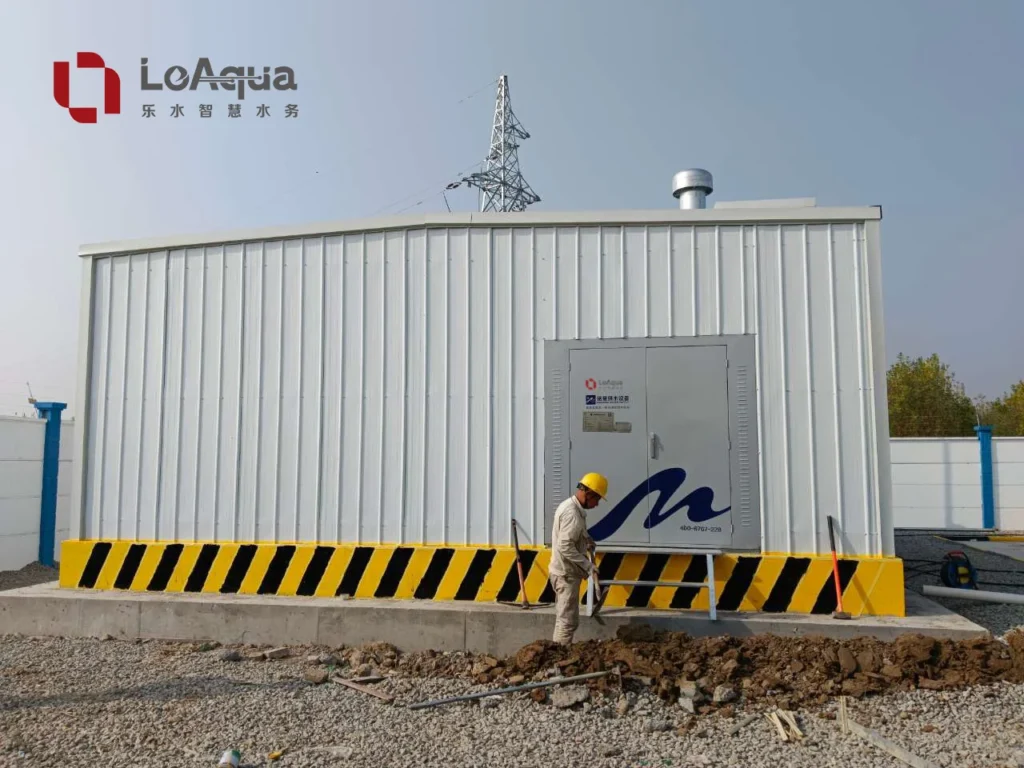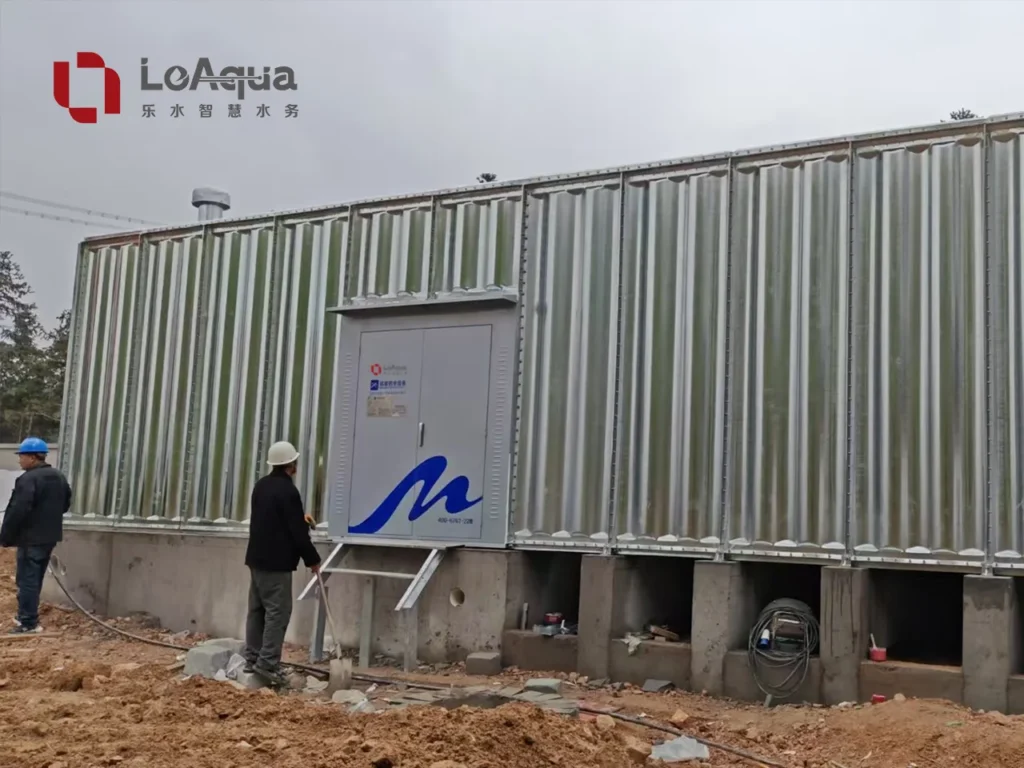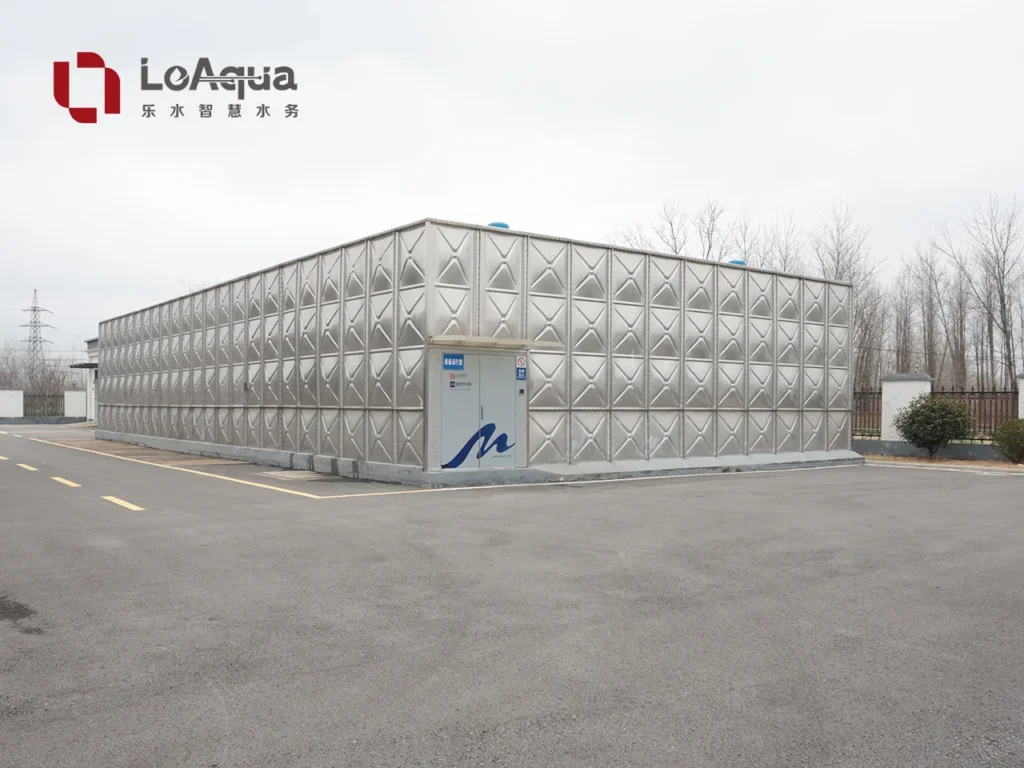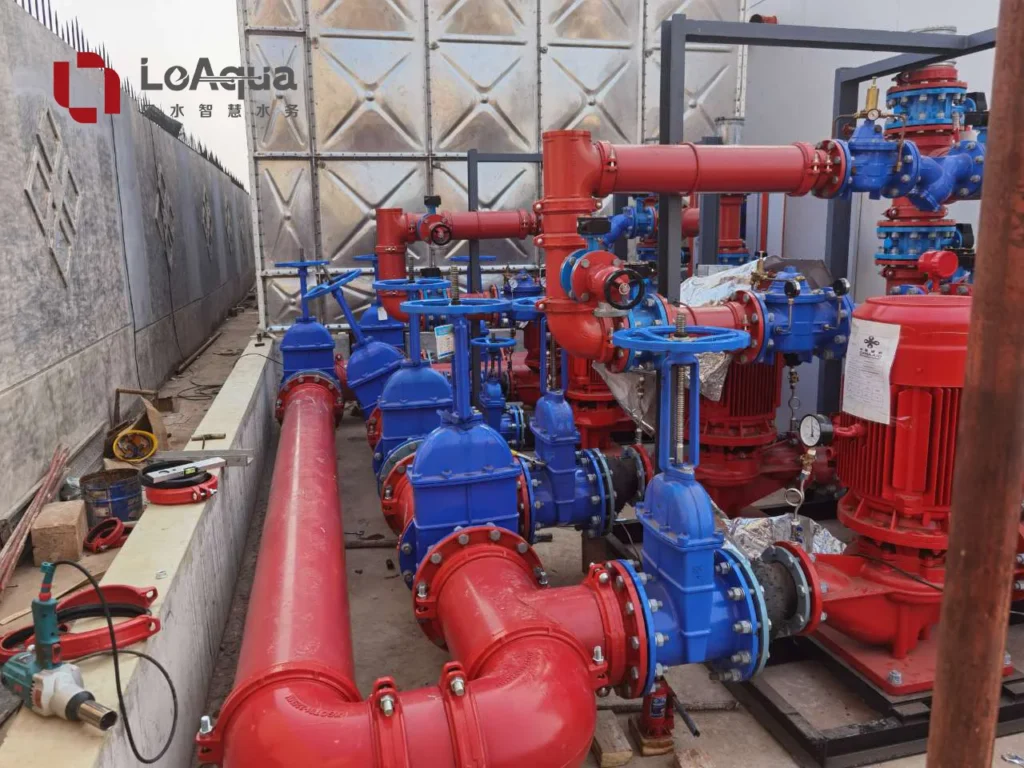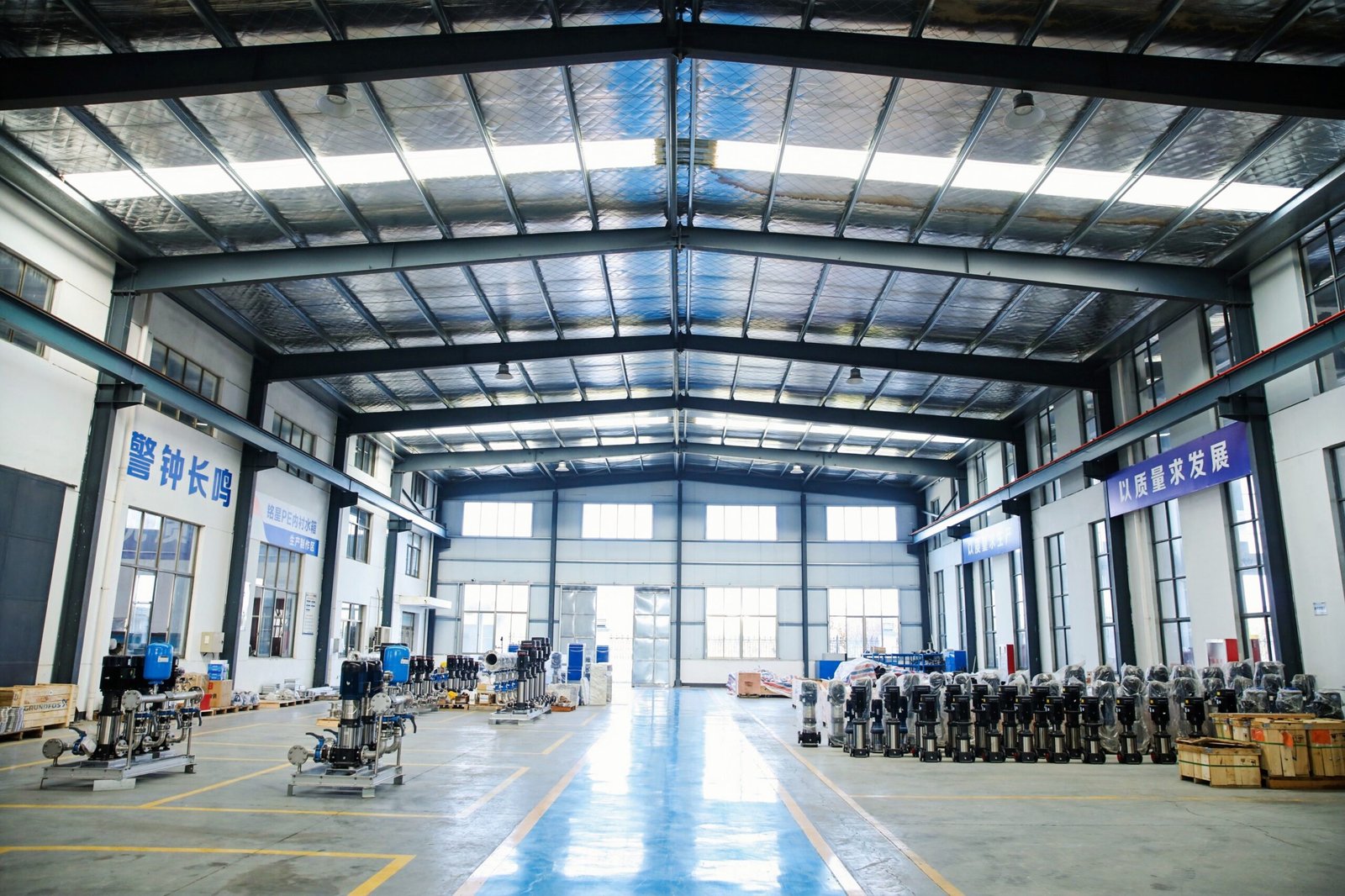
Underground water storage systems play an important role in modern infrastructure projects.
As urban land utilization requirements continue to increase, more projects are shifting from traditional above-ground concrete reservoirs to underground stainless steel water tanks and integrated underground pump station systems.
This trend is especially visible in:
- Commercial buildings
- Hotels
- Hospitals
- Industrial facilities
- Municipal infrastructure
- Fire protection projects
Modern underground stainless steel water tanks offer advantages in space efficiency, corrosion resistance, installation speed, and long-term maintenance reliability.
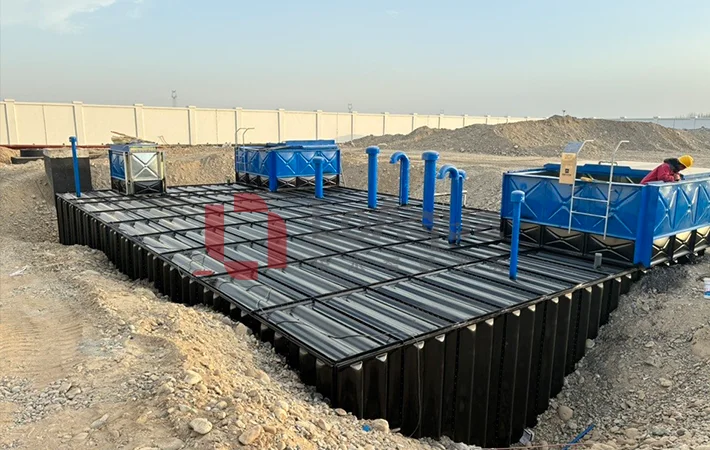
Underground Water Storage Improves Land Utilization
One major advantage of underground water storage systems is improved space utilization.
Traditional above-ground water tanks may occupy valuable commercial or operational areas.
Underground installations help preserve usable surface space for:
- Parking areas
- Landscaping
- Commercial facilities
- Public infrastructure
This is especially important in densely populated urban projects where land costs are high.
Modular Stainless Steel Structures Improve Installation Efficiency
Traditional underground concrete water reservoirs often require lengthy construction processes.
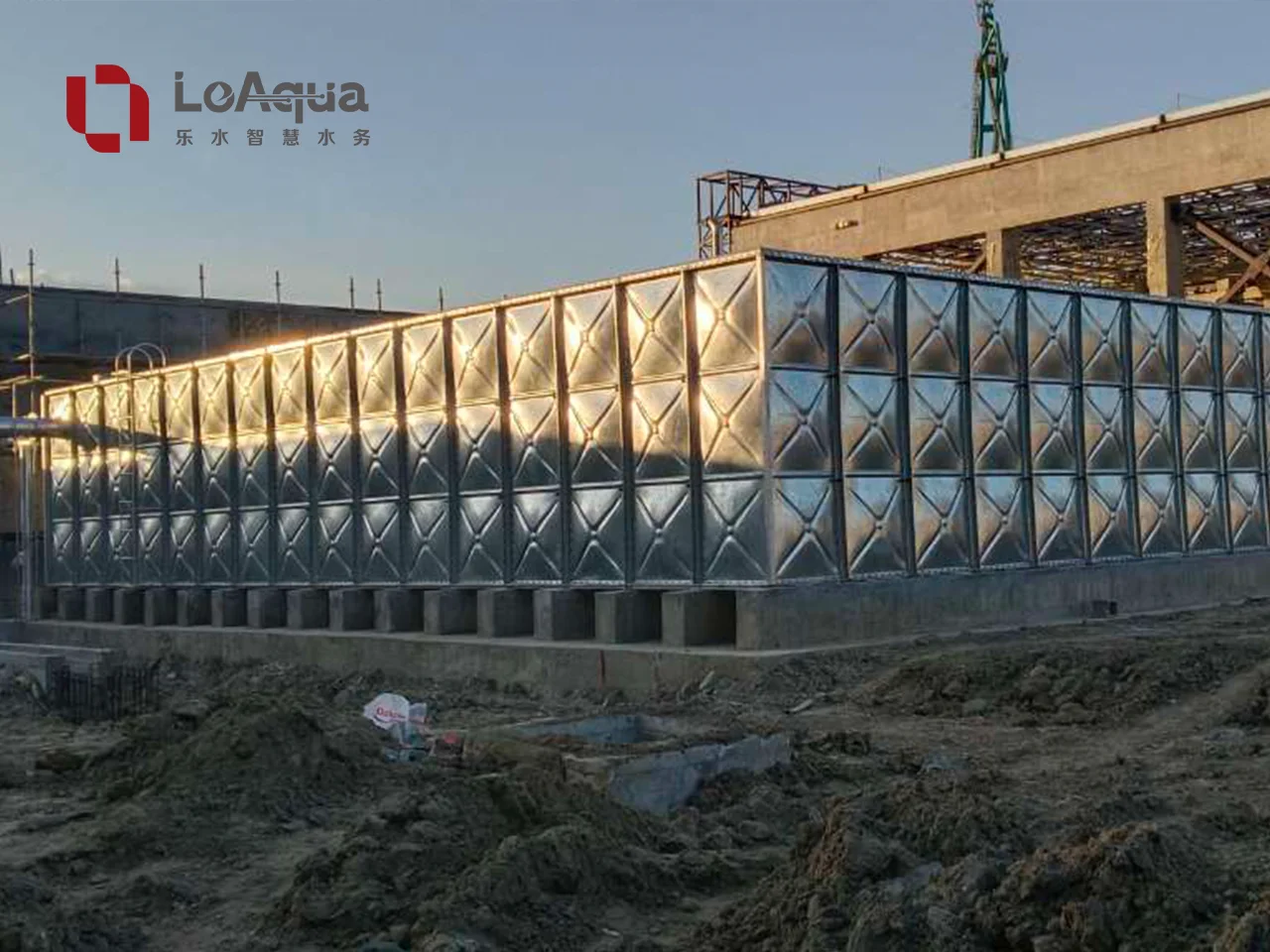
By contrast, modular stainless steel water tanks increasingly use factory-prefabricated systems that simplify installation.
Modern modular systems, including LeAqua underground stainless steel water tank solutions, commonly adopt:
- Deep-drawn stainless steel panels
- Hot-dip galvanized support structures
- High-strength bolted assembly
- Standardized installation procedures
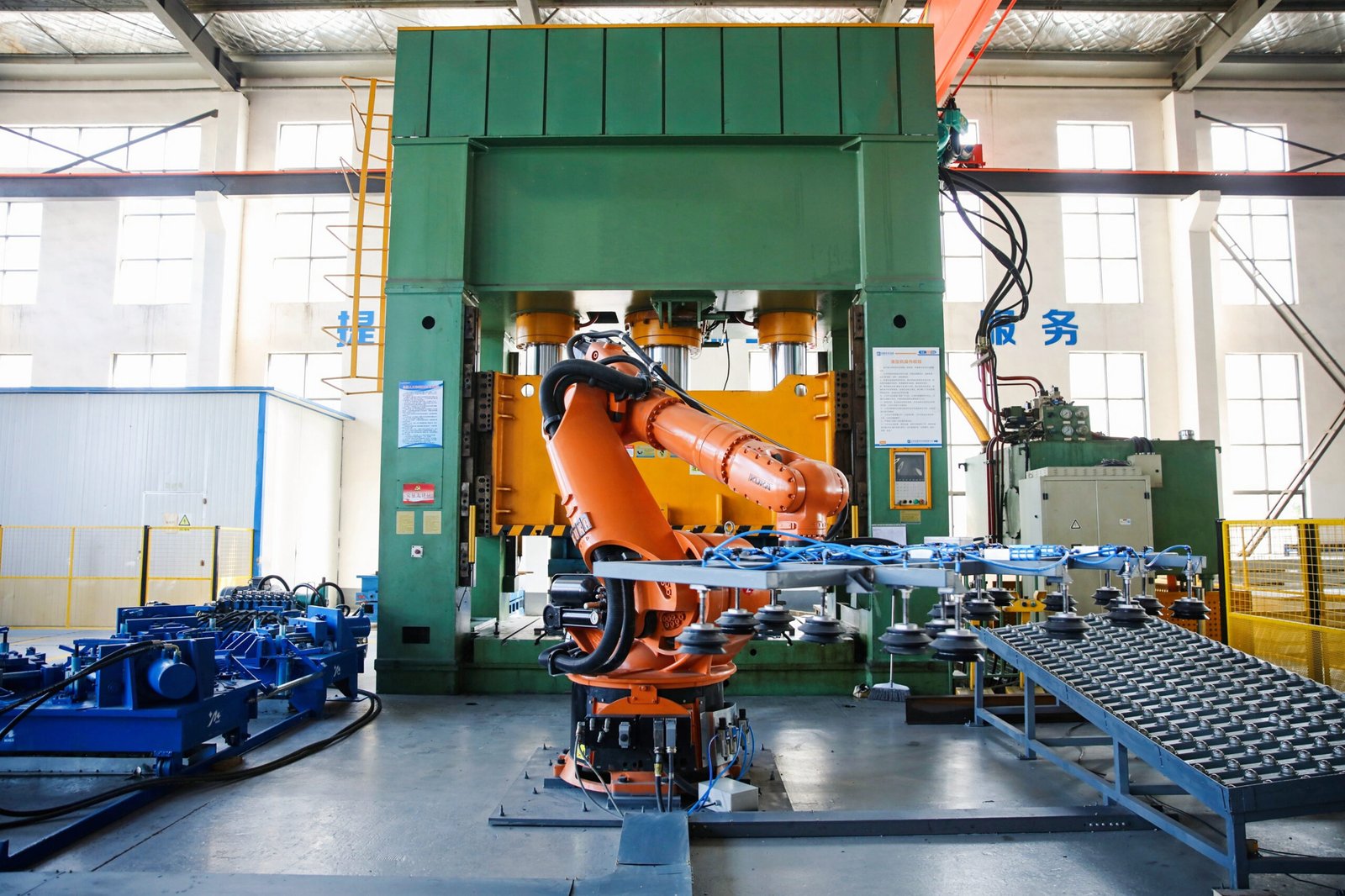
Factory-prefabricated production also improves quality consistency and reduces construction risks associated with on-site fabrication.
Corrosion Resistance Is Essential for Underground Projects
Underground environments expose structures to long-term moisture and soil corrosion risks.
Improper anti-corrosion treatment may eventually lead to:
- Structural weakening
- Leakage
- Maintenance difficulties
- Safety risks
Modern underground stainless steel water tanks often combine:
- SUS304 stainless steel
- Galvanized structural components
- Multi-layer anti-corrosion systems
- Epoxy protective coatings
to improve long-term durability.
For underground fire protection projects, structural corrosion resistance directly affects operational safety and maintenance reliability.
Why Weld-Free Modular Panels Matter
Welding quality significantly affects the lifespan of underground water tanks.
Poorly treated welding seams may become vulnerable to corrosion over time, especially in humid underground environments.
Modern deep-drawn modular panels increasingly reduce unnecessary welding by using single-shot hydraulic forming processes.
Integrated molding technology can improve:
- Structural consistency
- Corrosion resistance
- Sealing performance
- Long-term durability
Some modular systems also adopt large-format molded panels without horizontal seams to reduce corrosion risks further.
Structural Rigidity Is Important for Underground Water Tanks
Underground tanks must withstand multiple structural loads, including:
- Internal water pressure
- Soil pressure
- Groundwater pressure
- Surface load
Advanced structural panel geometry can significantly improve rigidity and deformation resistance.
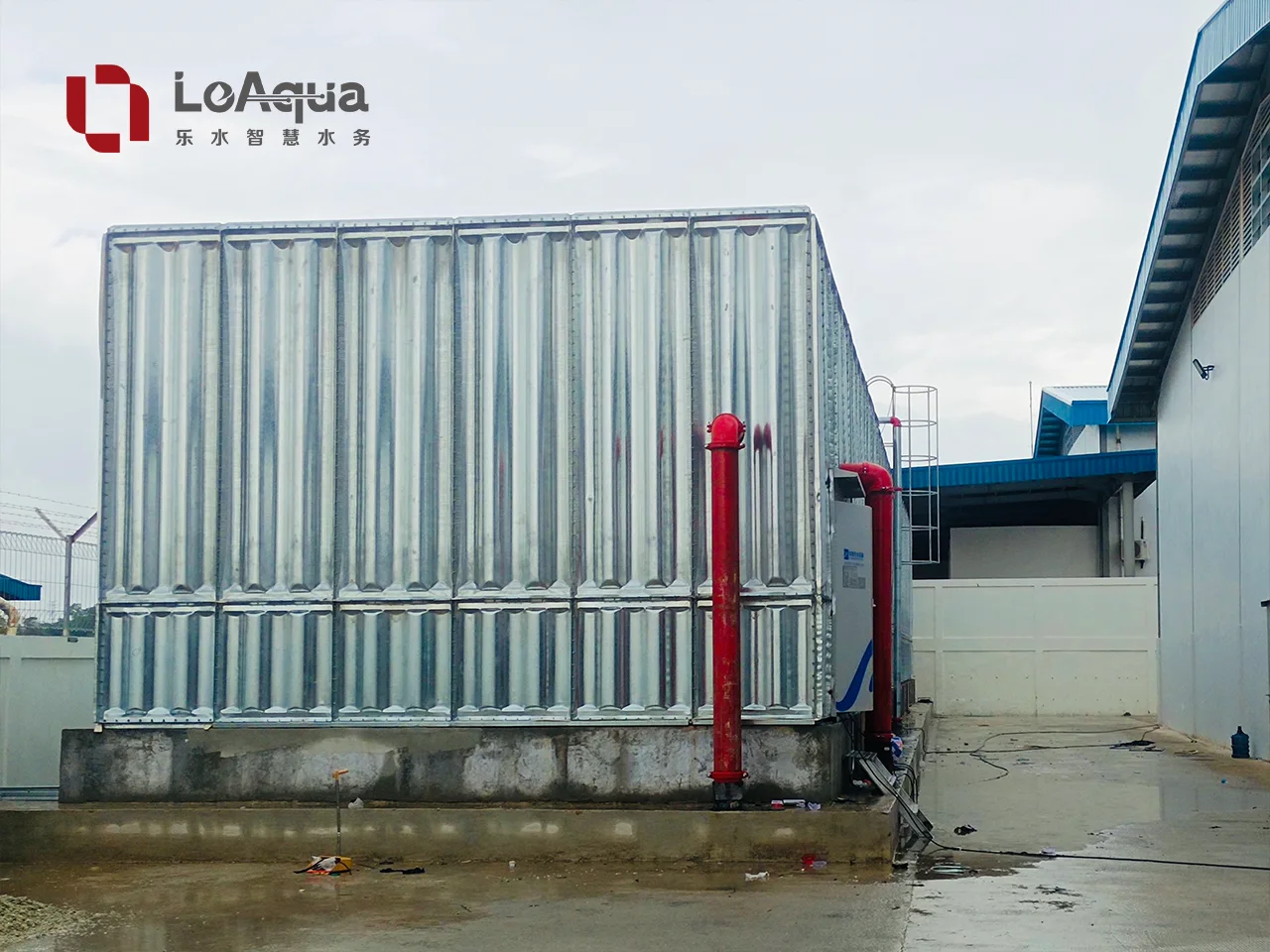
Double-sided arc-ribbed modular panels use continuous corrugated structures to distribute stress more evenly across the tank body.
This structural approach can improve tank stability while reducing excessive internal reinforcement requirements under standard operating conditions.
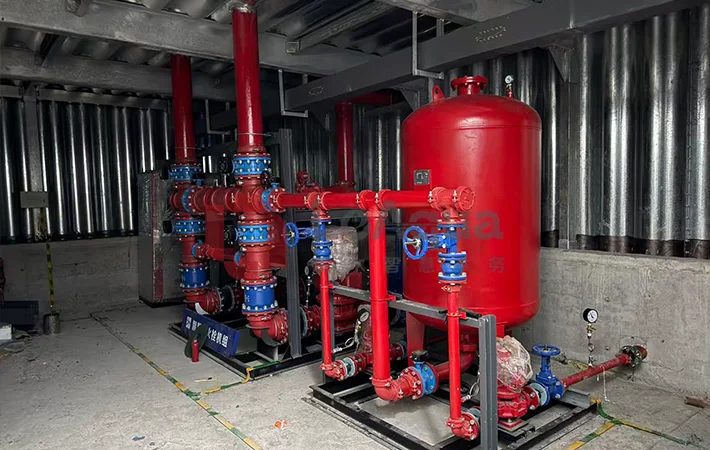
Smart Integrated Underground Pump Stations
Modern underground water storage systems increasingly integrate:
- Fire pumps
- Control cabinets
- Monitoring systems
- Flow sensors
- Pressure sensors
- Remote alarm systems
Integrated underground pump stations can improve system automation and maintenance management.
Remote monitoring systems may allow operators to monitor:
- Water levels
- Pump operation
- Pressure conditions
- Fault alarms
- Power consumption
LeAqua integrated underground pump station systems can combine water storage, pump equipment, and intelligent monitoring into a compact modular solution.This is becoming increasingly important for modern smart building infrastructure.
Conclusion
Underground stainless steel water tanks are becoming more widely adopted because they offer advantages in land utilization, structural reliability, corrosion resistance, installation efficiency, and intelligent system integration.
As infrastructure projects continue demanding higher engineering standards and longer service life, LeAqua underground stainless steel water tank systems provide an increasingly practical solution for modern water storage applications.