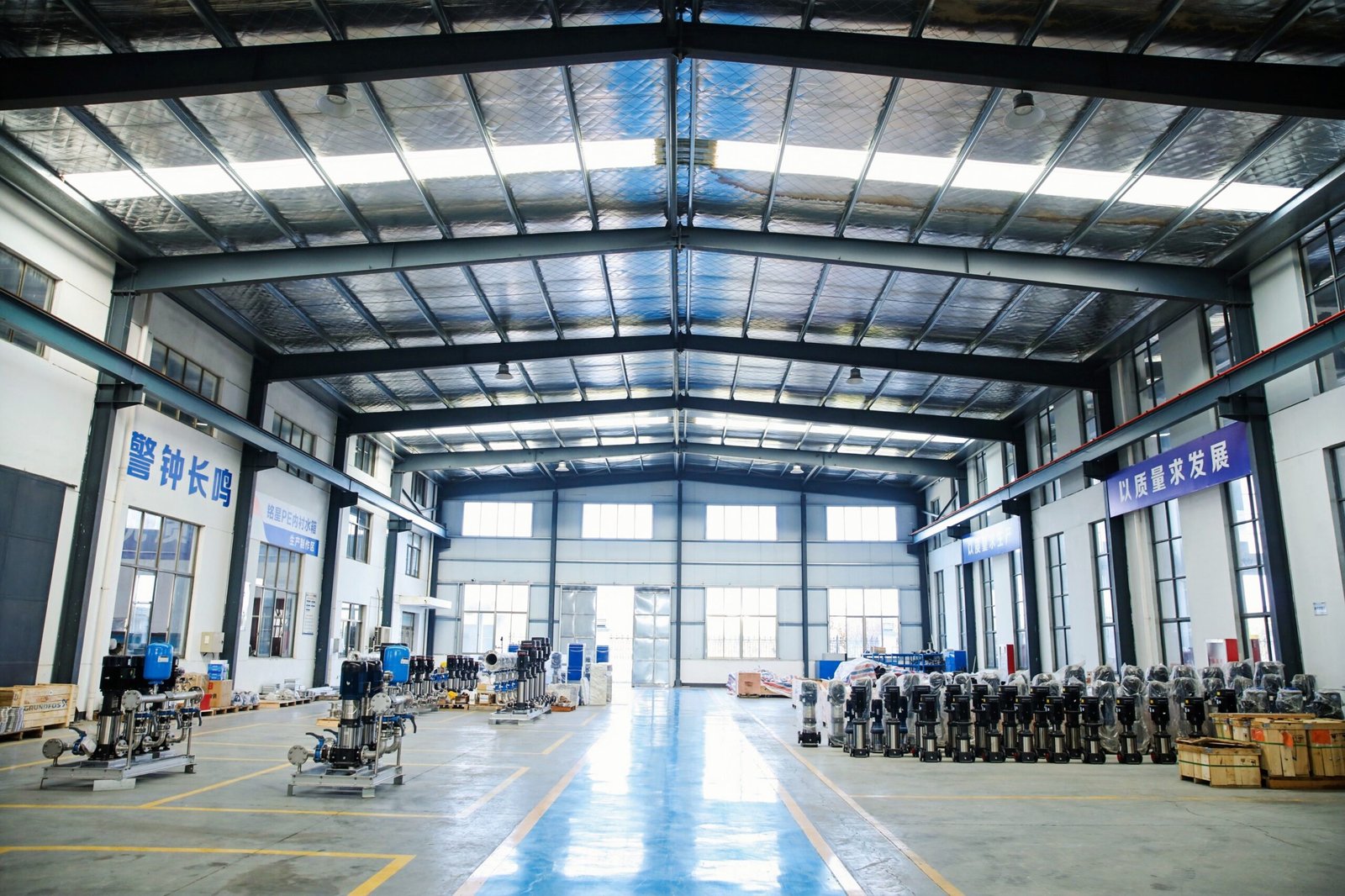
People often associate underground water tanks with one obvious advantage: they save surface space.
That’s true, but once the tank has been buried, another question becomes far more important.
How will it be maintained?
Unlike an above-ground installation, an underground water tank is surrounded by soil, concrete and other site infrastructure. Once construction is complete, making changes becomes significantly more difficult than it would be during the design stage.
For that reason, experienced engineers don’t wait until commissioning to think about maintenance.
They begin discussing it while the drawings are still being reviewed.
Questions about inspection access, drainage, ventilation and future servicing are often raised long before the first excavation begins.
The objective isn’t simply to keep the tank operating.
It’s to make sure routine maintenance remains practical years after the construction team has left the site.
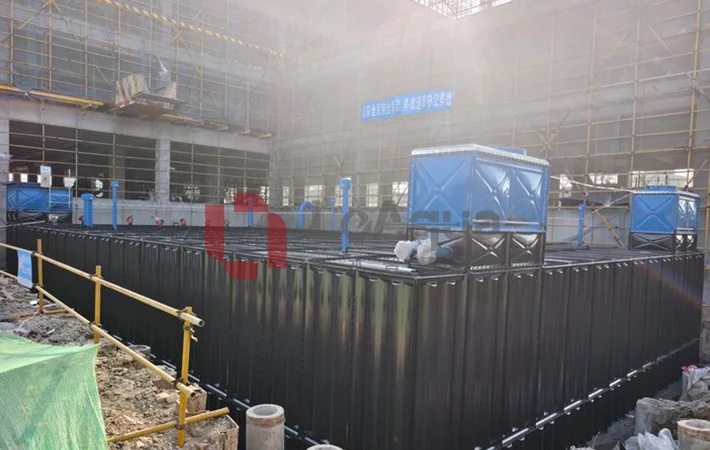
Maintenance Starts with Access, Not with the Tank
One assumption appears on many projects:
“If the tank is underground, we’ll figure out the maintenance access later.”
That approach rarely works well.
Access is not an accessory that can simply be added at the end of a project. It influences the layout from the beginning.
For example, an inspection opening may need to avoid structural beams above the tank. A maintenance route may need to stay clear of buried utilities. In some projects, the access location is determined by how operators will safely enter the site rather than by the tank itself.
These decisions seem small while they’re still lines on a drawing.
Once concrete has been poured and the ground has been backfilled, they become permanent.
One experienced site supervisor once described underground construction in a simple way:
“The easiest thing to change is the drawing. The hardest thing to change is the ground.”
That observation explains why access planning receives so much attention during the early design stages.
Good maintenance doesn’t begin with opening an inspection hatch.
It begins with deciding where that hatch should be.
Every Inspection Should Have a Purpose
Not every access opening needs to be used every month.
Not every inspection requires someone to enter the tank.
One of the first discussions during maintenance planning is deciding what information operators actually need throughout the life of the system.
Some checks can be completed from the surface.
Others only become necessary during scheduled cleaning or major inspections.
Understanding that difference helps avoid unnecessary complexity.
Adding more access points doesn’t automatically improve maintenance.
Instead, engineers usually consider questions such as:
How will the water level be monitored?
Can sensors be serviced without entering the tank?
Will routine inspections require confined-space procedures?
How will cleaning equipment reach the inside of the tank?
The goal is not to create more inspection openings.
It’s to make sure each one has a clear purpose.
A maintenance plan should simplify future work, not create additional tasks that provide little practical value.
The Ground Above the Tank Is Part of the Maintenance Plan
Once an underground water tank disappears beneath the surface, it’s easy to stop thinking about it.
The project moves on. Roads are paved, landscaping is completed, parking areas are opened and daily operations return to normal.
Years later, maintenance still has to happen.
That’s why engineers don’t just design the tank below ground—they also pay close attention to what will happen above it.
On some sites, the space above the tank remains a landscaped area. On others, it becomes part of a driveway, a loading area or even a fire access road. In those situations, maintenance planning needs to consider far more than the tank itself.
Can inspection covers still be opened without disrupting normal operations?
Will maintenance vehicles have enough working space?
If the site expands in the future, will new structures block access?
These questions are often easier to answer before construction begins than years after the project has been completed.
For underground systems designed to support soil cover or vehicle loading, long-term access becomes even more important. The structure may remain completely hidden during normal operation, but it should never become impossible to inspect.
A well-designed underground installation is one that people rarely notice—until maintenance is needed. When that day comes, access should still be straightforward.
Maintenance Should Still Make Sense Ten Years Later
Construction projects are usually measured in months.
Water tanks are expected to serve for decades.
That difference changes the way engineers think.
Instead of asking, “Can this be installed?” they eventually start asking, “Will someone still understand this layout ten years from now?”
Maintenance isn’t only about entering the tank.
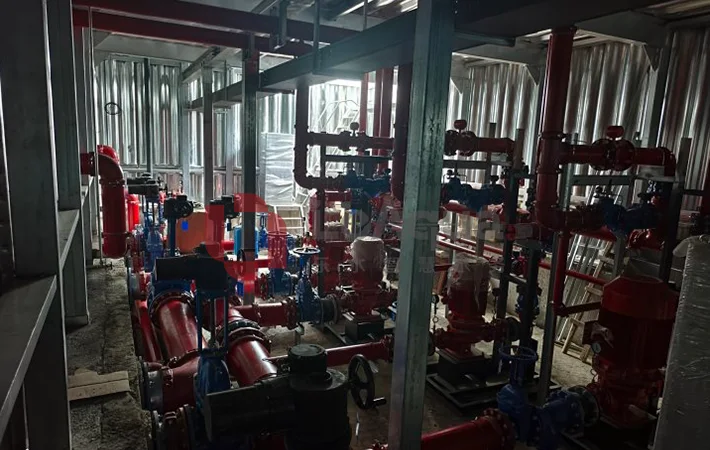
It includes replacing instruments, checking pipework, inspecting internal components and carrying out scheduled cleaning without unnecessary disruption to the surrounding facility.
One practical habit is to imagine the first major inspection taking place long after everyone involved in construction has moved on to other projects.
Would a new maintenance team immediately understand how the system is arranged?
Can isolation valves be identified easily?
Is there enough room to remove a sensor or replace a damaged fitting without dismantling other equipment?
Good maintenance planning leaves behind more than a water tank.
It leaves behind a system that still makes sense years later.
Good Maintenance Depends on More Than One Discipline
People sometimes think underground tank maintenance belongs entirely to the operations team.
In practice, it begins much earlier.
Civil engineers influence the access route.
Mechanical engineers determine the pipe arrangement.
Electrical engineers decide where monitoring equipment is located.
The installation team contributes practical experience from previous projects, while future operators often identify details that designers may not notice.
The final maintenance plan is rarely created by one person.
It develops through collaboration.
That’s one reason drawing reviews are so valuable. A small adjustment suggested by one discipline may prevent a much larger problem after the facility has entered service.
Successful underground projects usually share one characteristic.
The maintenance strategy was considered while the project was still being designed—not after it was buried beneath the ground.
Final Thoughts
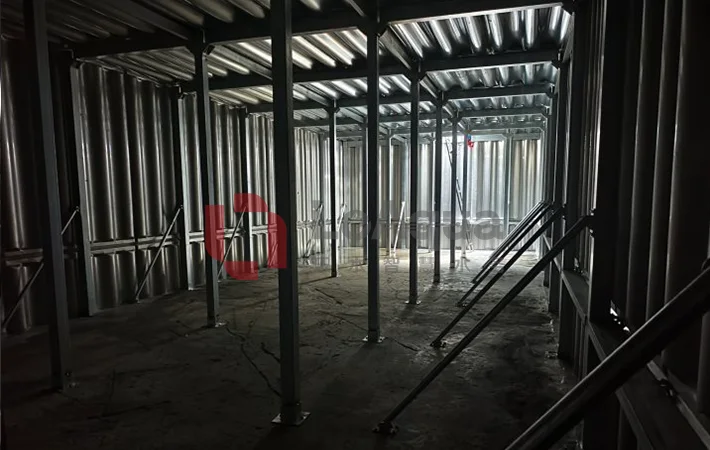
Underground water tanks are designed to stay out of sight, but they should never be out of mind.
The decisions made during design—where access is located, how inspections will be carried out, and how future maintenance teams will work—often have a greater impact than the construction process itself.
Thinking about maintenance early doesn’t make a project more complicated.
It usually makes it simpler.
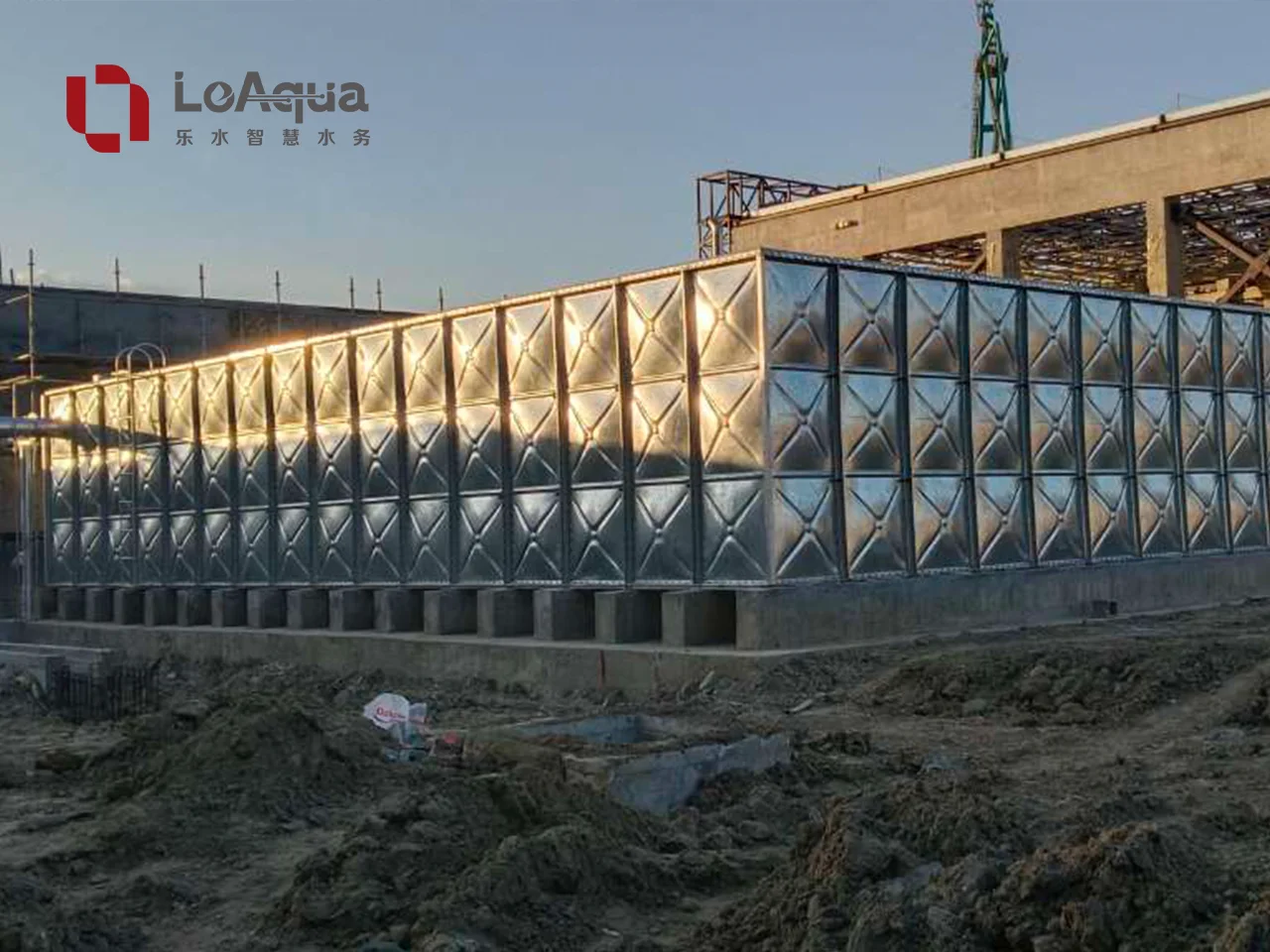
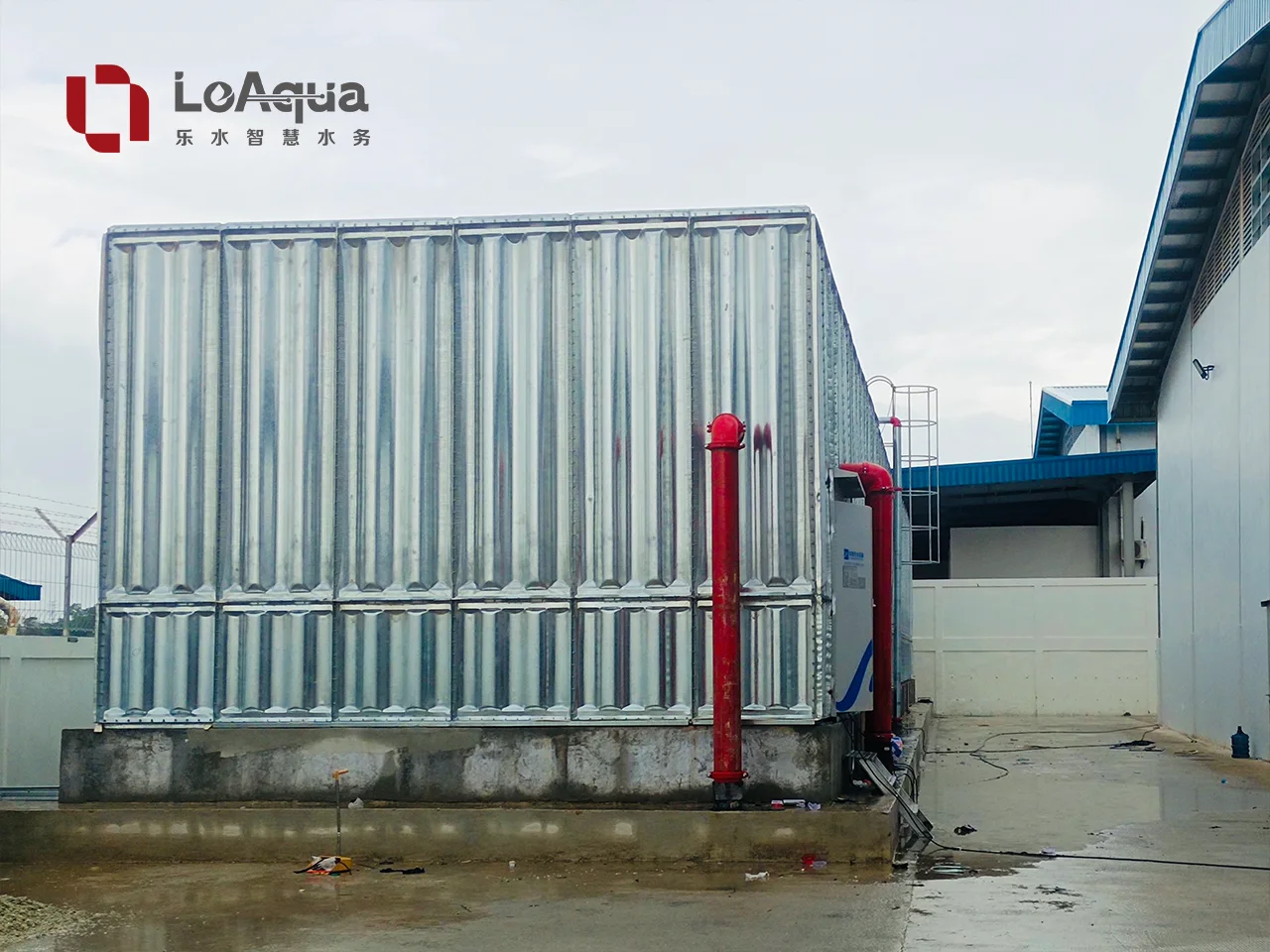
At LeAqua, underground water tank projects are reviewed not only from a structural perspective but also from the viewpoint of future operation. Whether the system is an underground stainless steel water tank, a modular composite water tank or a Double-sided Rib-Reinforced Water Tank, the objective remains the same: create a design that is practical to build today and practical to maintain many years from now.
A successful underground water tank is not judged only by the day it is commissioned.
It is judged by how easily it can still be inspected, maintained and operated long after construction has been forgotten.