One of the first questions clients ask is surprisingly straightforward:
“How large should the water tank be?”
It’s a reasonable question.
Storage capacity appears to define the entire project. Whether the requirement is 10000 m³ or 50000 m³, it feels like the logical place to begin.
In practice, experienced engineers often start somewhere else.
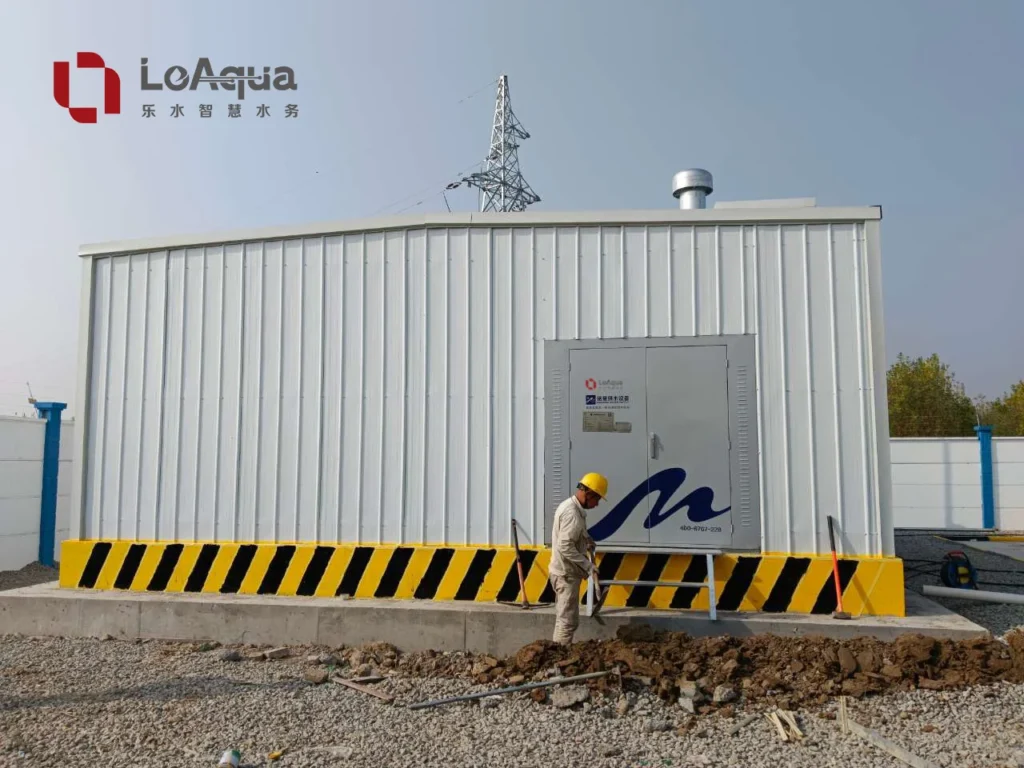
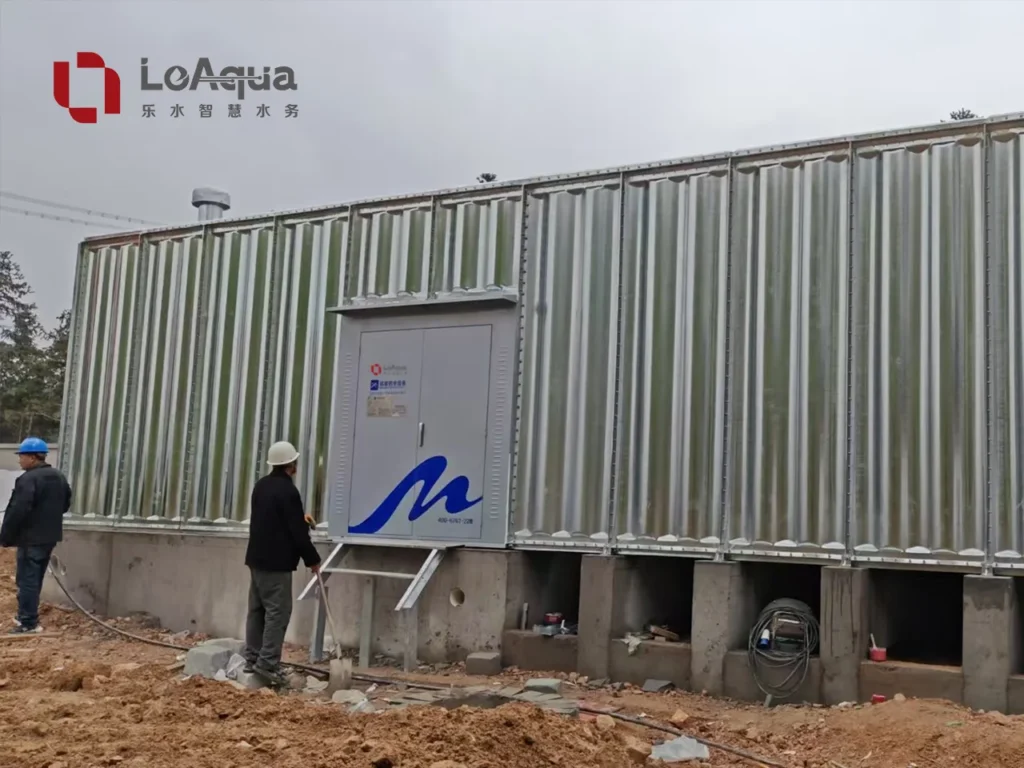
Not because capacity is unimportant, but because the same storage volume can lead to very different designs depending on where the tank will be installed, how the water will be used and what the site allows.
A 20000-cubic-metre tank serving a manufacturing plant may look completely different from a 20000-cubic-metre tank supplying a residential development. The volume is identical. Almost everything else may change.
That is why the first design discussion is rarely about the number itself.
It is about understanding the project behind the number.
Capacity Is a Result of the Project, Not the Starting Point
During early project meetings, many people expect engineers to begin calculating tank size immediately.
Instead, the conversation often moves in another direction.
What is the water being stored for?
Is it potable water, fire protection or process water?
Will demand remain stable throughout the year?
Is this the first phase of a larger development?
Answers to these questions influence decisions that extend far beyond storage volume.
For example, two projects may require exactly the same amount of stored water. One might prioritise rapid installation because construction time is limited. The other may focus on future expansion because additional buildings are already planned.
Both tanks could hold the same volume.
They may not be designed in the same way.
Capacity is therefore better viewed as one design requirement among many, rather than the decision that determines everything else.
The Site Usually Shapes the Tank More Than the Capacity Does
It doesn’t take long before the discussion moves from litres and cubic metres to the site itself.
Engineers want to know where the tank will actually stand.
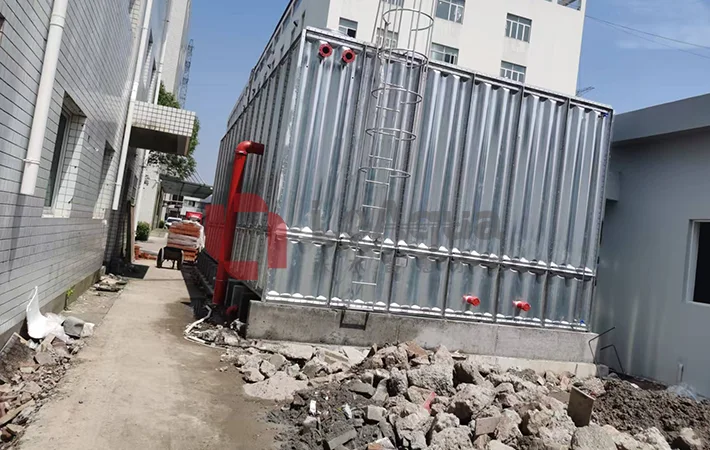
Available land, nearby buildings, underground utilities, maintenance access and transportation routes often influence the final layout long before manufacturing begins.
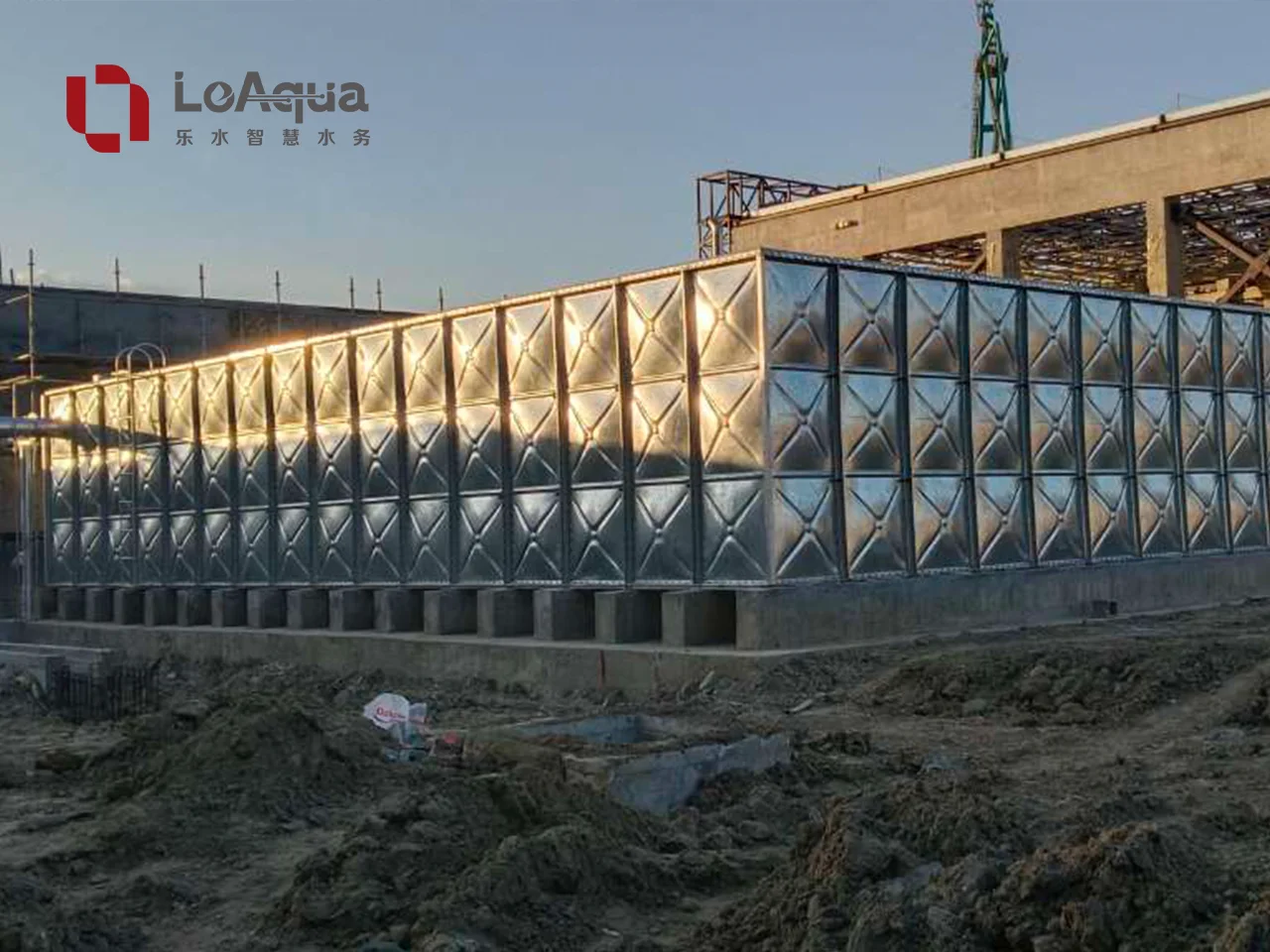
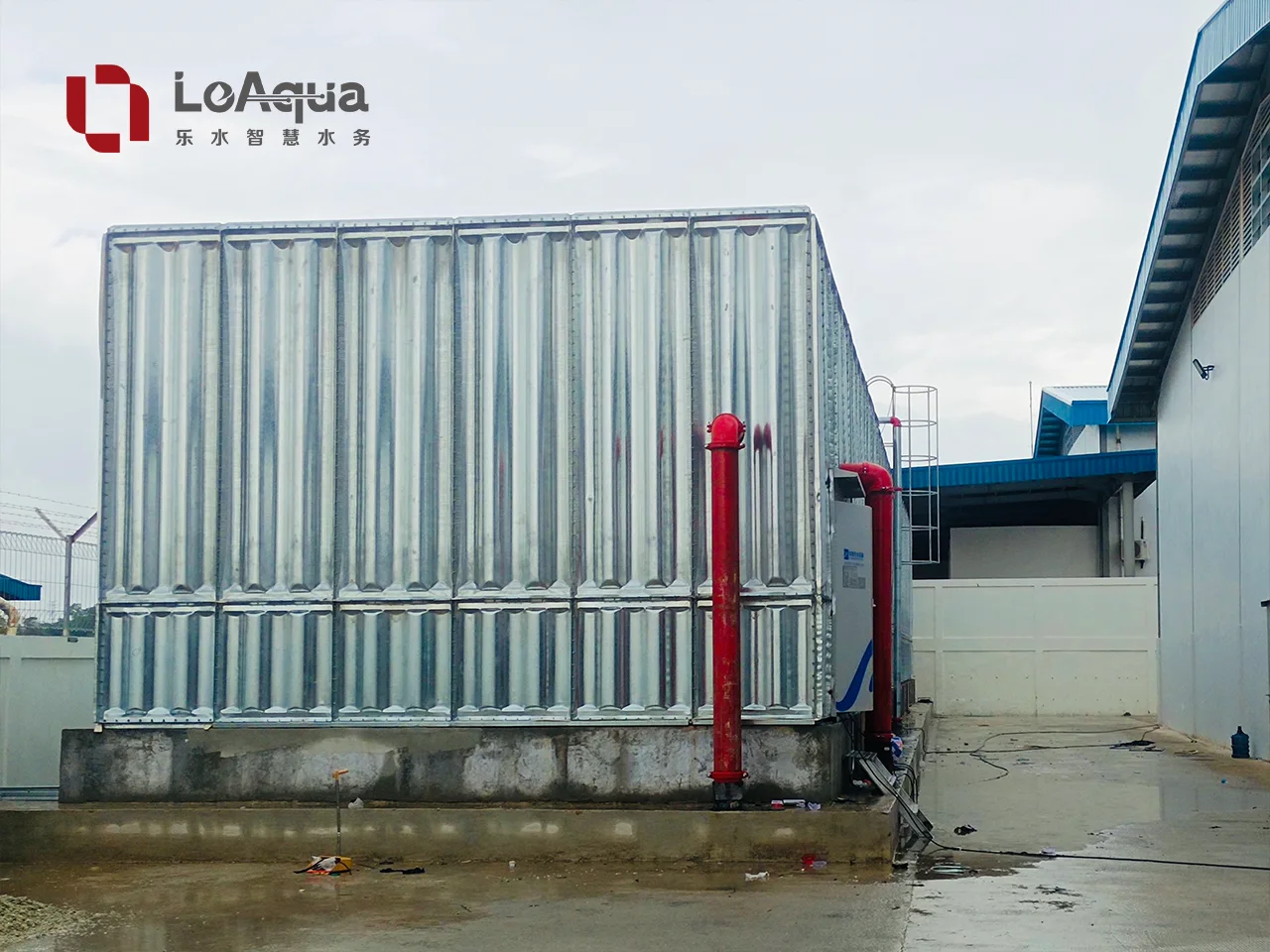
Sometimes the available footprint is smaller than expected, making a taller tank the better solution.
On another project, height restrictions may require the same storage volume to be spread over a larger area.
Underground installations introduce another set of considerations, including excavation depth, soil conditions and the future use of the ground above the tank. In many developments, the completed underground tank eventually sits beneath landscaped areas, internal roads or parking facilities, meaning structural requirements are determined by much more than water storage alone.
These factors don’t change the required capacity.
They change the way that capacity is delivered.
Looking only at storage volume without considering the site is a little like choosing a vehicle based only on how many passengers it can carry.
The number matters, but it is rarely the only decision that determines whether the solution fits the job.
Tomorrow’s Expansion Often Changes Today’s Design
A question that appears surprisingly early in many projects has nothing to do with the tank that will be built today.
Instead, it sounds something like this:
“If we need more storage in five years, what are our options?”
No one expects engineers to predict the future.
However, understanding whether future expansion is even possible often influences today’s design decisions.
A manufacturing facility may add another production line.
A residential development may be built in phases.
A commercial complex may eventually require additional fire protection storage.
The required capacity at handover may be completely adequate, yet the project itself is expected to continue evolving.
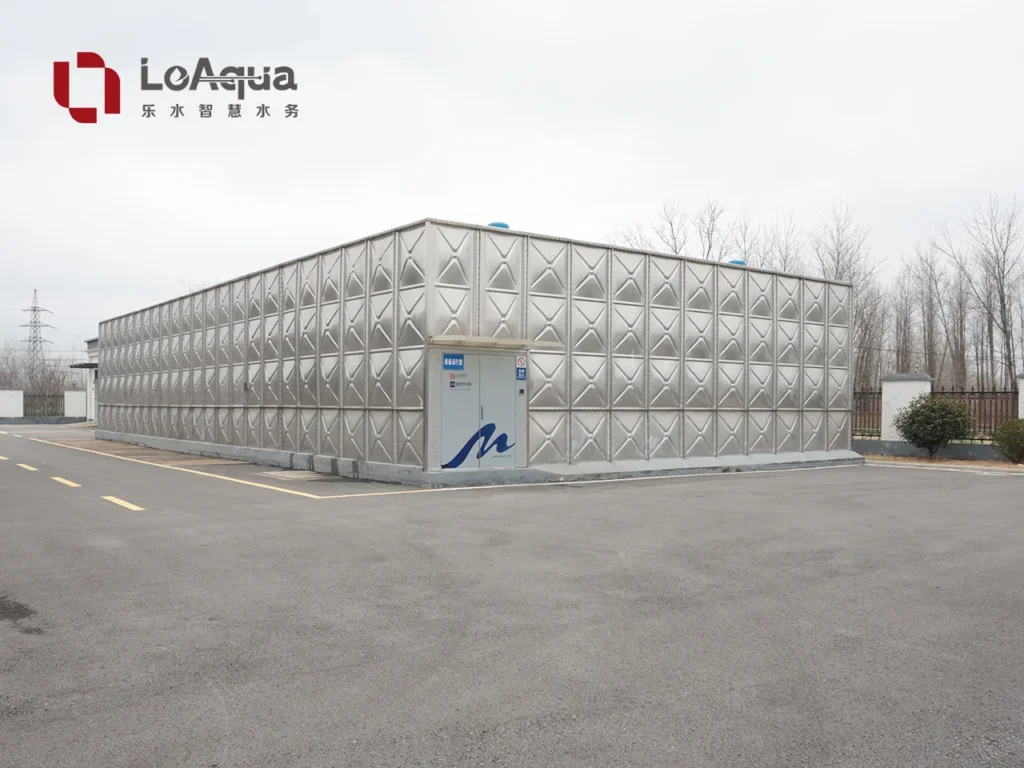
This is one reason modular water tank systems are frequently considered during the planning stage. While future expansion always depends on structural design, available space and site conditions, modular construction generally provides more flexibility than solutions that are difficult to modify once installed.
Planning for possible expansion doesn’t mean building a larger tank today.
It means avoiding decisions that unnecessarily limit tomorrow’s options.
Maintenance Is Part of Capacity Planning
Storage volume affects more than the amount of water inside the tank.
Larger tanks usually require different inspection routines, cleaning schedules and maintenance planning than smaller installations.
These considerations rarely appear on the first page of a specification, but they become increasingly important once the facility enters operation.
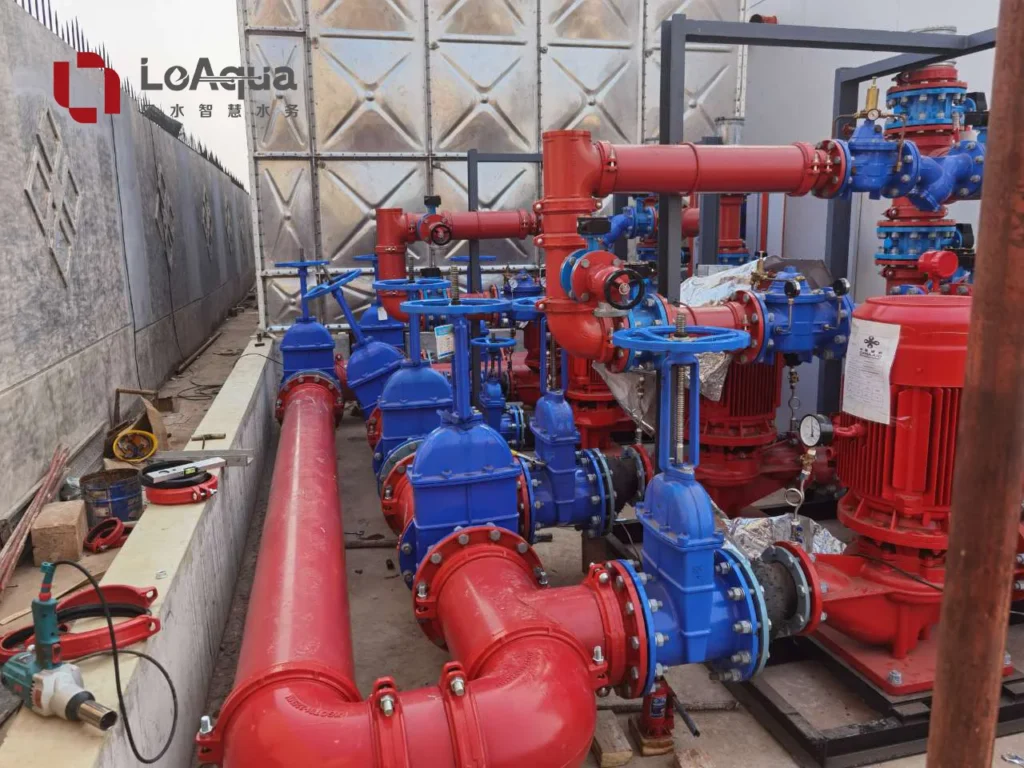
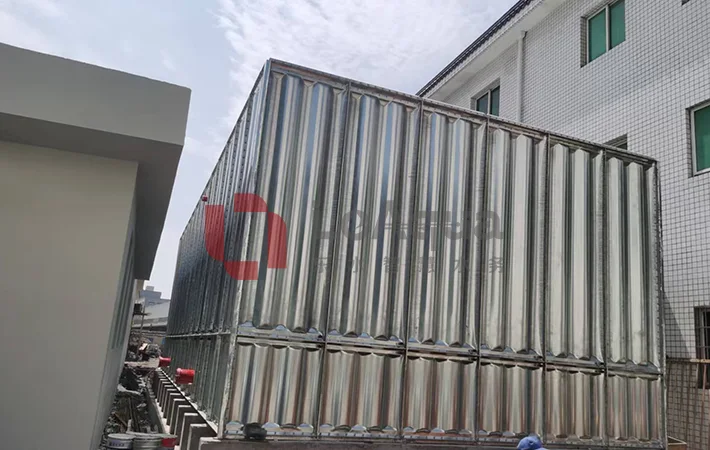
For example, operators may need safe access for routine inspections, sufficient space around pipe connections and practical methods for draining or cleaning the tank without causing unnecessary disruption.
A design that looks efficient on paper should also make sense years later when routine maintenance becomes part of normal operation.
Engineers therefore think beyond the storage figure itself.
They also consider how that volume will be managed throughout the life of the project.

Good Water Tank Design Is About Balance
There is no universal “best” water tank capacity.
The right solution depends on balancing several factors rather than maximising a single one.
Storage demand, available space, construction schedule, maintenance requirements, future development and budget all influence the final design.
Focusing on only one of those elements can easily create unnecessary compromises elsewhere.
Successful projects rarely begin with a perfect number.
They begin with a clear understanding of what the project is trying to achieve.
Once that objective is defined, the capacity becomes much easier to determine.
Final Thoughts
Water tank capacity will always remain one of the most important design parameters.
But experienced engineers know it is rarely the first decision they make.
Before calculating storage volume, they need to understand the site, the application, future operational requirements and how the tank will fit into the wider project.
At LeAqua, every project starts with those broader questions before detailed manufacturing drawings are prepared. Whether the solution is a bolted stainless steel water tank, a welded tank, a composite modular system or an underground installation, the objective is the same: design a water storage solution that remains practical throughout its entire service life.
The most successful water tank projects are not simply designed around capacity.
They are designed around how that capacity will be used.