When people compare water tanks, the discussion often starts with materials.
Stainless steel or composite?
SUS304 or SUS316?
Corrosion resistance or cost?
Those questions matter, but on large construction projects they are rarely the first ones engineers try to answer.
Instead, the discussion usually begins with the project itself.
How will the tank be installed?
How much structural support is available?
Will the system need to be expanded in the future?
How easy will maintenance be once the building is operating?
Only after those questions have been explored does the choice of tank construction begin to make sense.
This is one reason two projects with the same storage capacity can end up using different types of water tanks.
The decision is often influenced less by the material alone and more by the way the tank will be used throughout its service life.
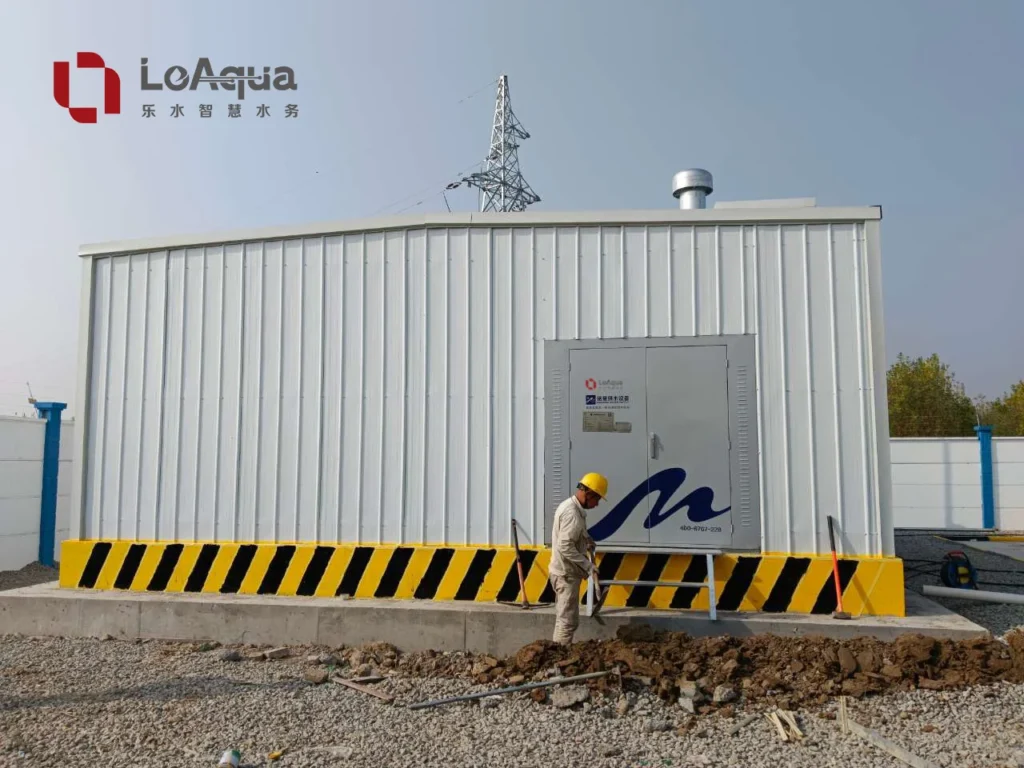
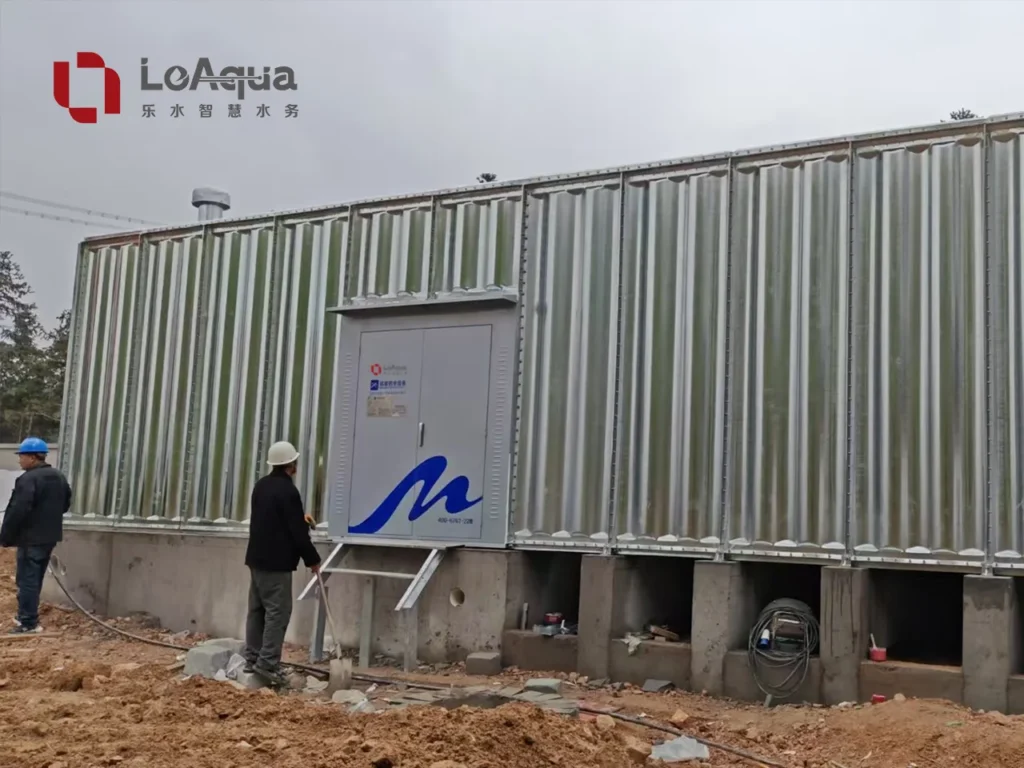
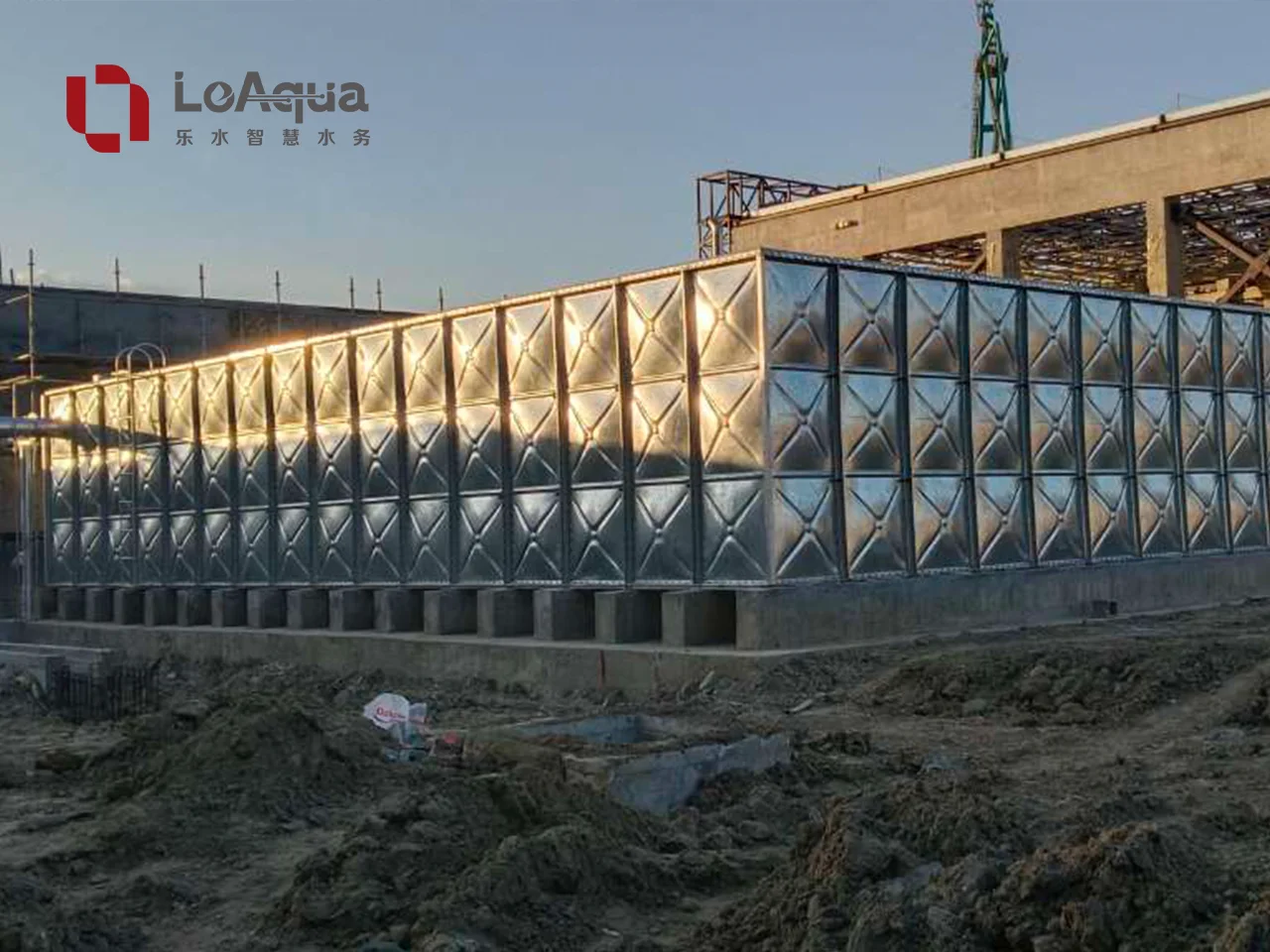
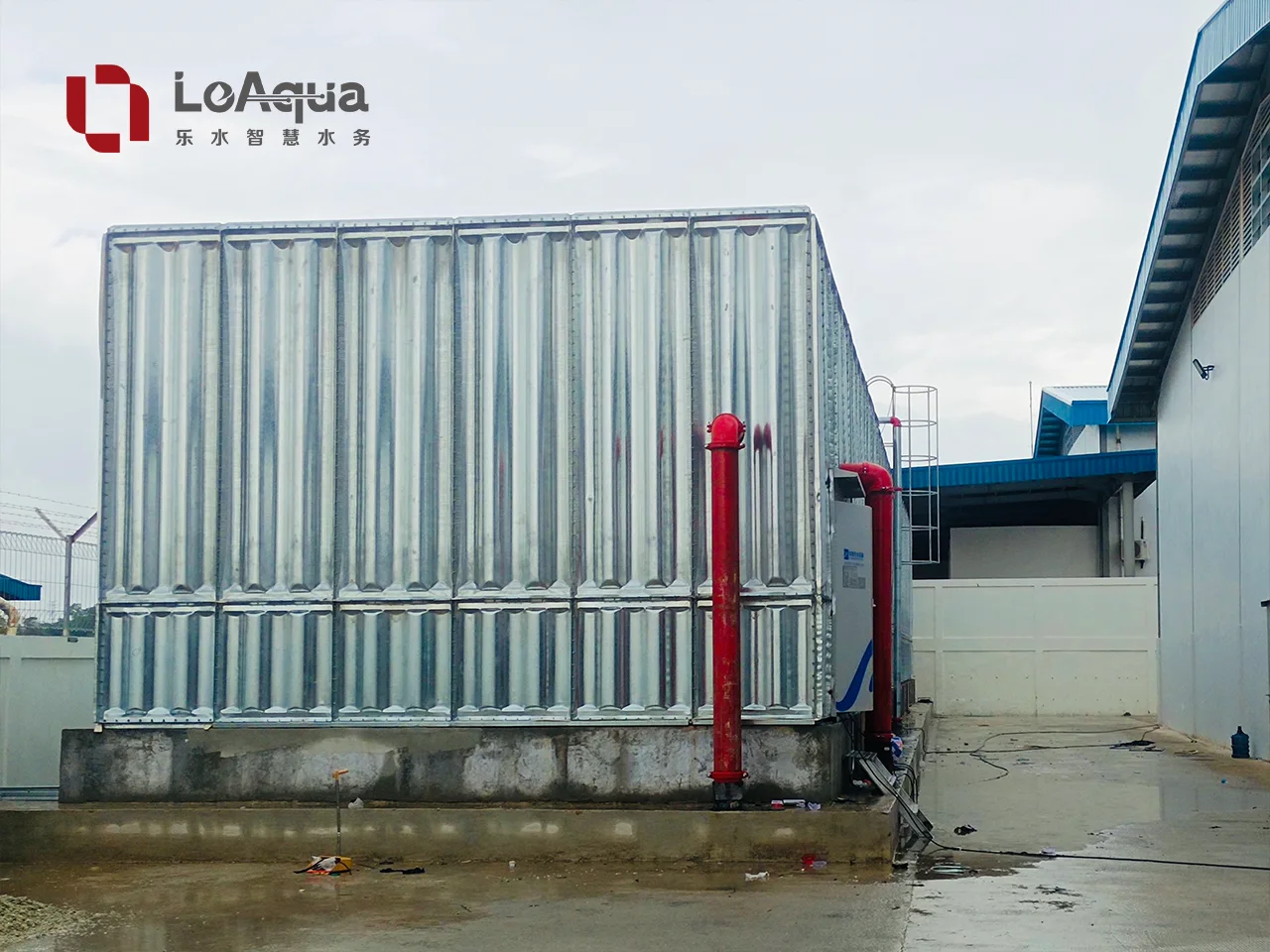
In this article, composite water tank refers to a modular pressed-panel system manufactured from stainless steel bonded to galvanized steel, rather than FRP or other composite materials. That distinction is important because different composite tank technologies are designed for different applications.
Why Large Projects Look Beyond Material Names
During early design meetings, engineers rarely spend much time debating material names on their own.
The conversation usually revolves around performance.
Will the structure remain stable under long-term loading?
How will transportation affect installation?
Can the system be assembled efficiently within the available construction programme?
Will future maintenance require significant disruption to the facility?
These questions naturally lead to a discussion about tank construction.
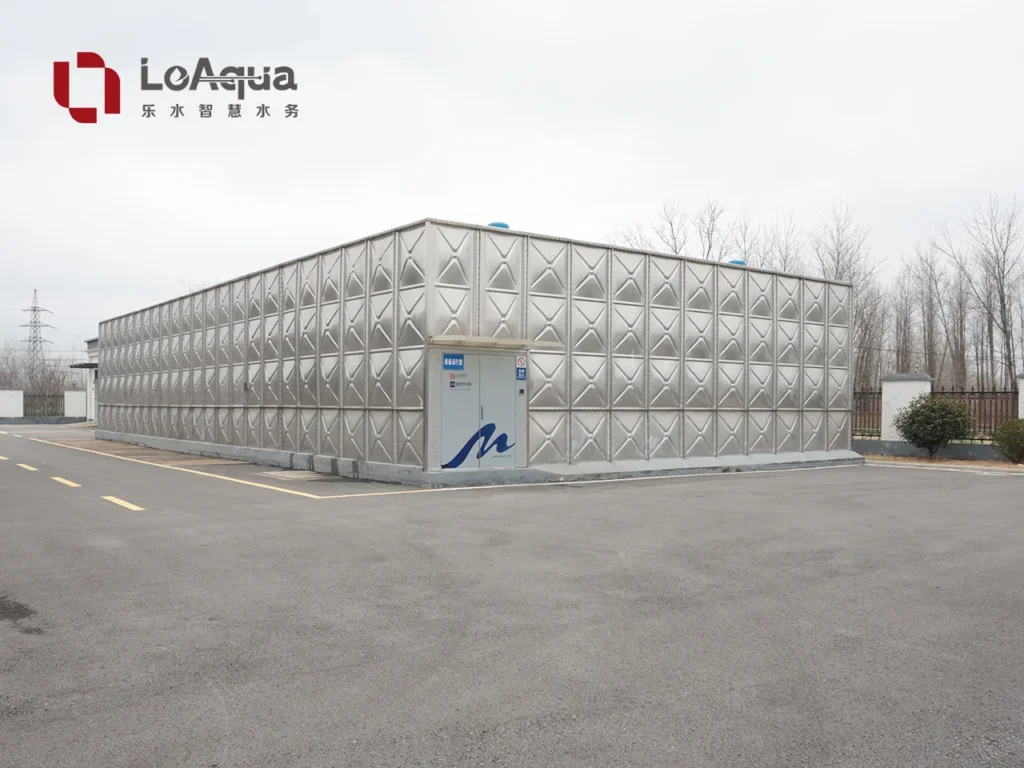
A conventional stainless steel tank relies entirely on stainless steel panels for its structural shell.
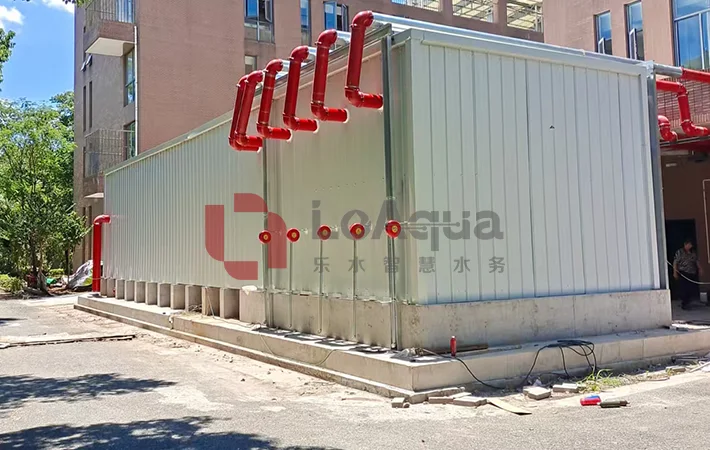
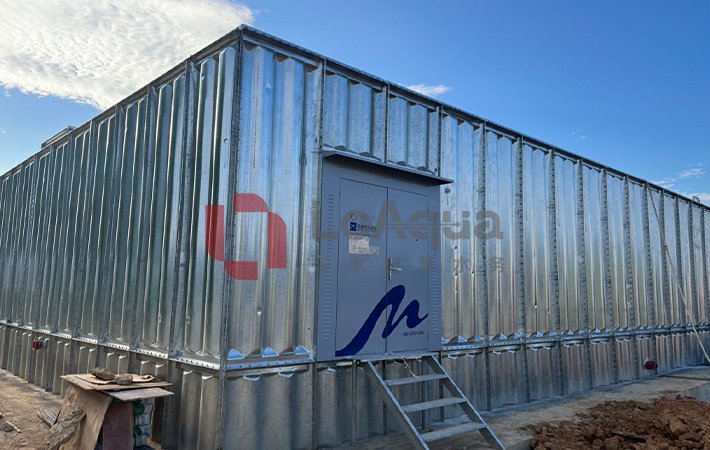
A composite water tank combines the corrosion resistance of stainless steel on the water-contact surface with the strength provided by a galvanized steel backing layer. The result is not simply a different material—it is a different structural approach.
For large-capacity installations, that distinction can influence manufacturing, transportation and installation planning just as much as the initial material specification.
Rather than asking which material is universally “better”, experienced engineers usually ask a different question:
“Which construction method fits this project most effectively?”
That subtle difference changes the entire conversation.
Instead of comparing materials in isolation, the focus shifts towards how the complete system will perform over decades of operation.
Material Selection Is Only One Part of Structural Design
It is easy to assume that choosing the material automatically determines how the tank will perform.
In reality, engineers look at the relationship between the material, the panel structure and the overall design.
Two tanks may both use stainless steel on the internal water-contact surface, yet behave differently because their panel construction is different.
This becomes more noticeable as storage capacity increases.
Larger tanks place greater demands on structural rigidity, joint design and long-term dimensional stability.
For that reason, engineers usually evaluate the complete panel system rather than looking at the material alone.
The discussion gradually moves away from “What is the panel made from?” and towards “How does the panel behave once the tank is in service?”
That perspective often provides a much clearer basis for selecting the appropriate solution for a large project.
Installation Methods Can Influence the Final Decision
One topic that receives more attention on large projects than many people expect is installation.
A water tank may perform well once it is in service, but it still has to reach the site, be assembled safely and fit within the construction programme.
Those practical considerations often influence the selection process.
For modular systems, transportation is usually planned around individual panels rather than completed sections. This can simplify delivery where access roads are narrow or lifting capacity is limited.
Installation conditions also vary considerably between projects.
A municipal pumping station, an industrial facility and a commercial building may all require similar storage capacities, yet the available working space can be completely different.
Because of this, engineers tend to evaluate the complete installation process rather than looking only at the finished tank.
The objective is not simply to install the tank successfully.
It is to complete the installation without creating unnecessary challenges for the rest of the project.
Initial Cost Is Only Part of the Discussion
Material cost is often one of the first figures compared during procurement.
It is rarely the last.
Experienced project teams usually look beyond the purchase price and consider how the chosen system will perform throughout its expected service life.
Questions often include:
Will inspections be straightforward?
How much routine maintenance is likely to be required?
If the facility expands in the future, how much of the existing system can remain in place?
Could changes to the surrounding building affect future access?
None of these questions has a simple numerical answer.
Instead, they help engineers understand how the tank will fit into the wider operation of the facility.
In many large projects, those long-term considerations eventually carry as much weight as the initial material selection.
Different Projects Reach Different Conclusions
One misconception is that every large project should arrive at the same solution.
Real engineering rarely works that way.
Some facilities prioritise corrosion resistance above almost everything else.
Others focus on structural efficiency, construction schedules or future flexibility.
Even projects within the same industry may make different decisions because their operating conditions are not identical.
For that reason, experienced engineers usually avoid asking,
“Which tank is the best?”
Instead, the more useful question is,
“Which solution best matches the way this project will be built, operated and maintained?”
That shift in perspective often leads to better decisions than comparing specifications in isolation.
Final Thoughts
Comparing a composite water tank with a conventional stainless steel tank is not simply a comparison of materials.
It is a comparison of design philosophies.
Both systems can provide reliable water storage when they are correctly designed for their intended application. The differences become more meaningful when installation conditions, long-term maintenance, transportation, structural requirements and future development are considered together.
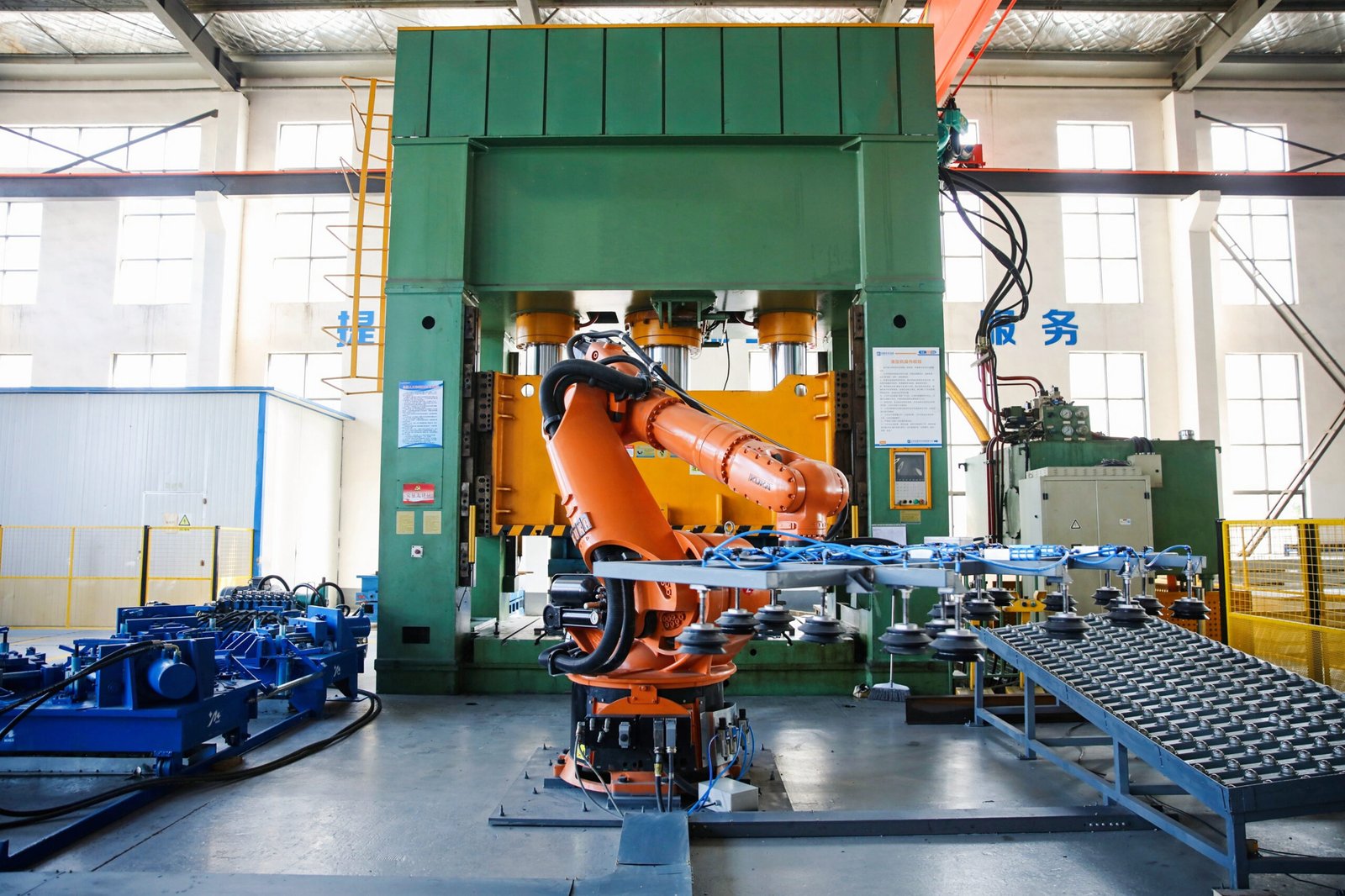
At LeAqua, composite water tanks are manufactured using modular pressed panels with stainless steel on the water-contact surface and galvanized steel as the structural backing. For projects requiring additional rigidity, the Double-sided Rib-Reinforced panel design further improves panel stiffness while maintaining the modular characteristics needed for efficient transportation and installation.
The most successful large projects are rarely defined by choosing one material over another.
They succeed because the selected water tank matches the engineering requirements of the project as a whole.