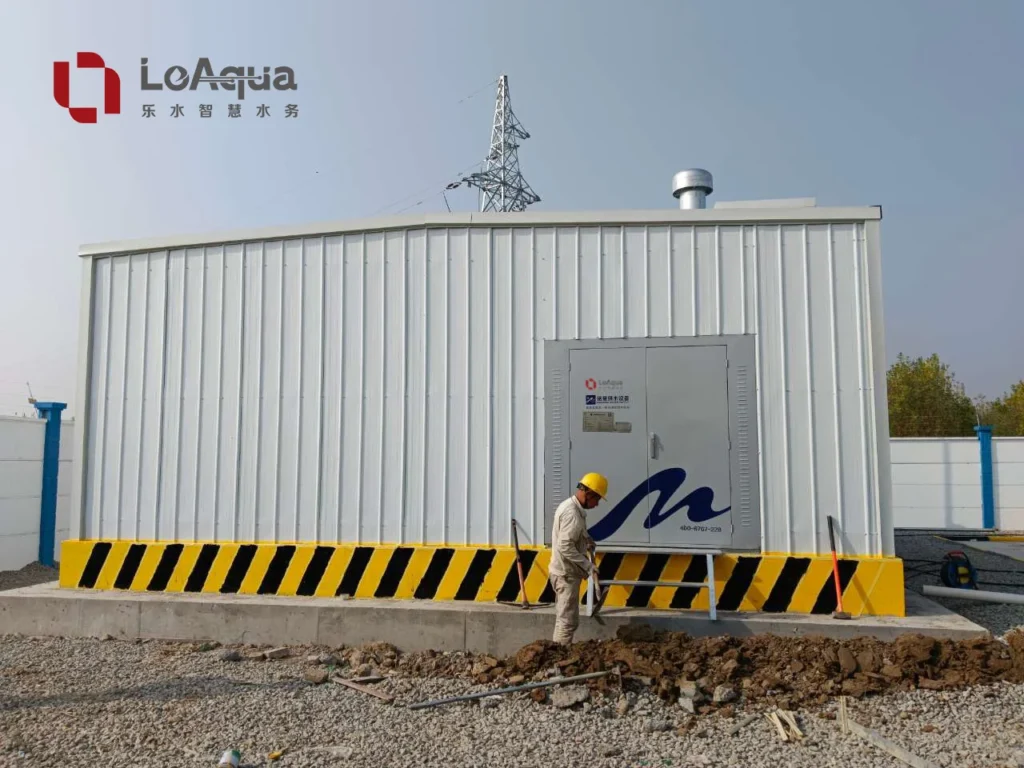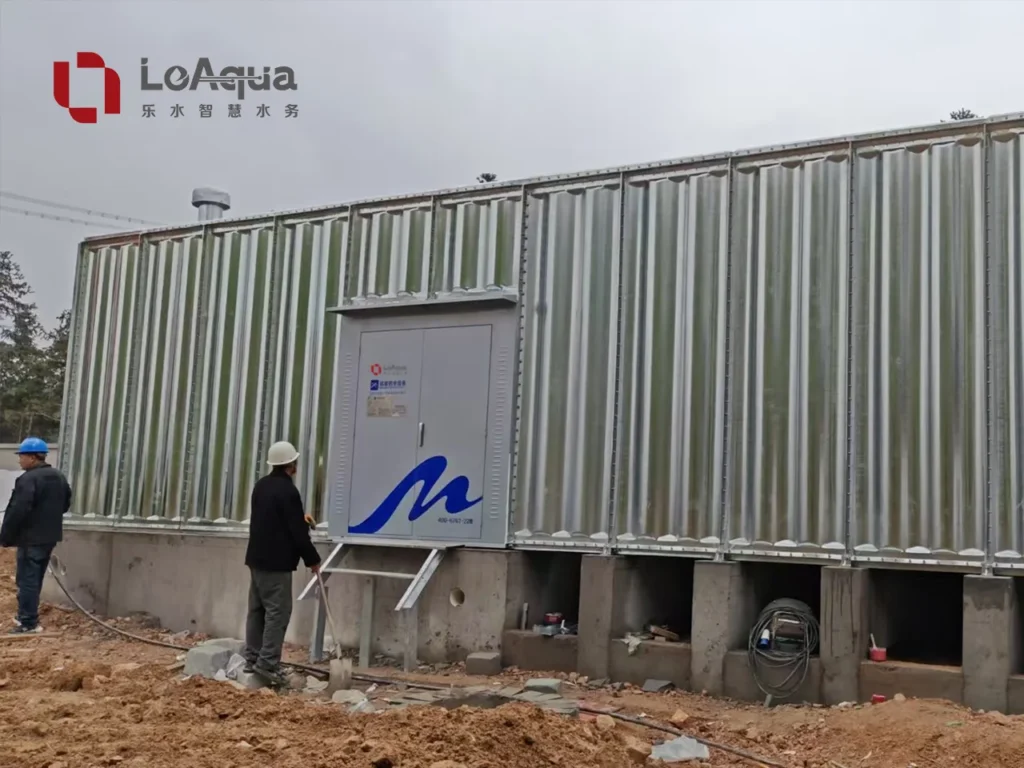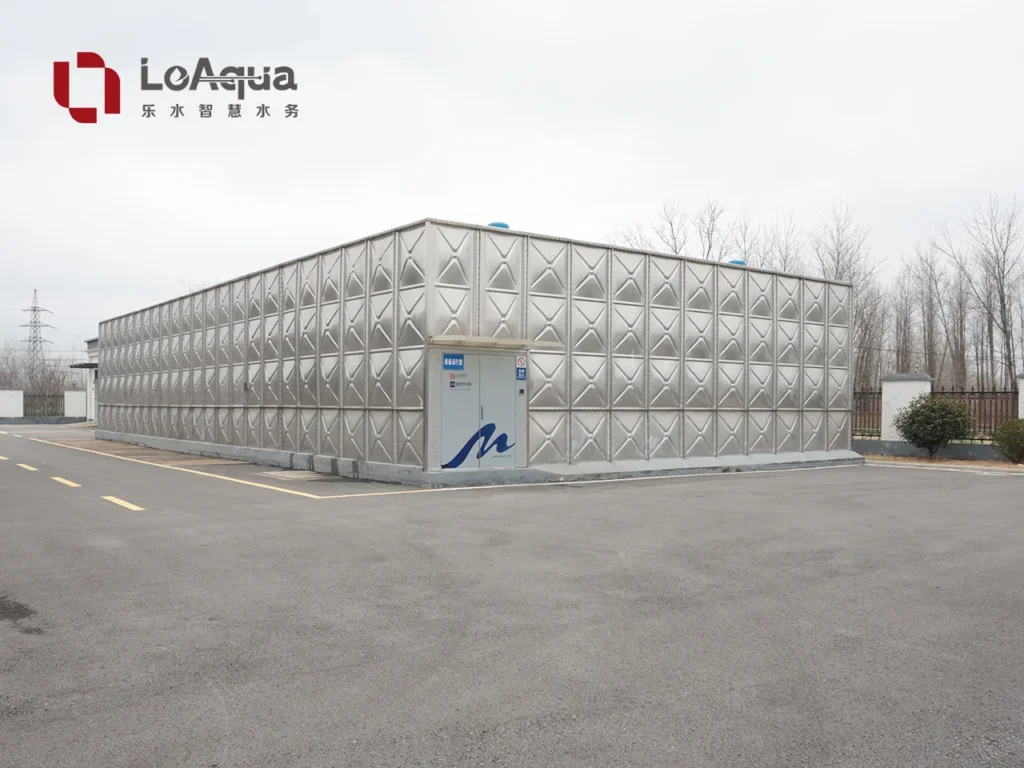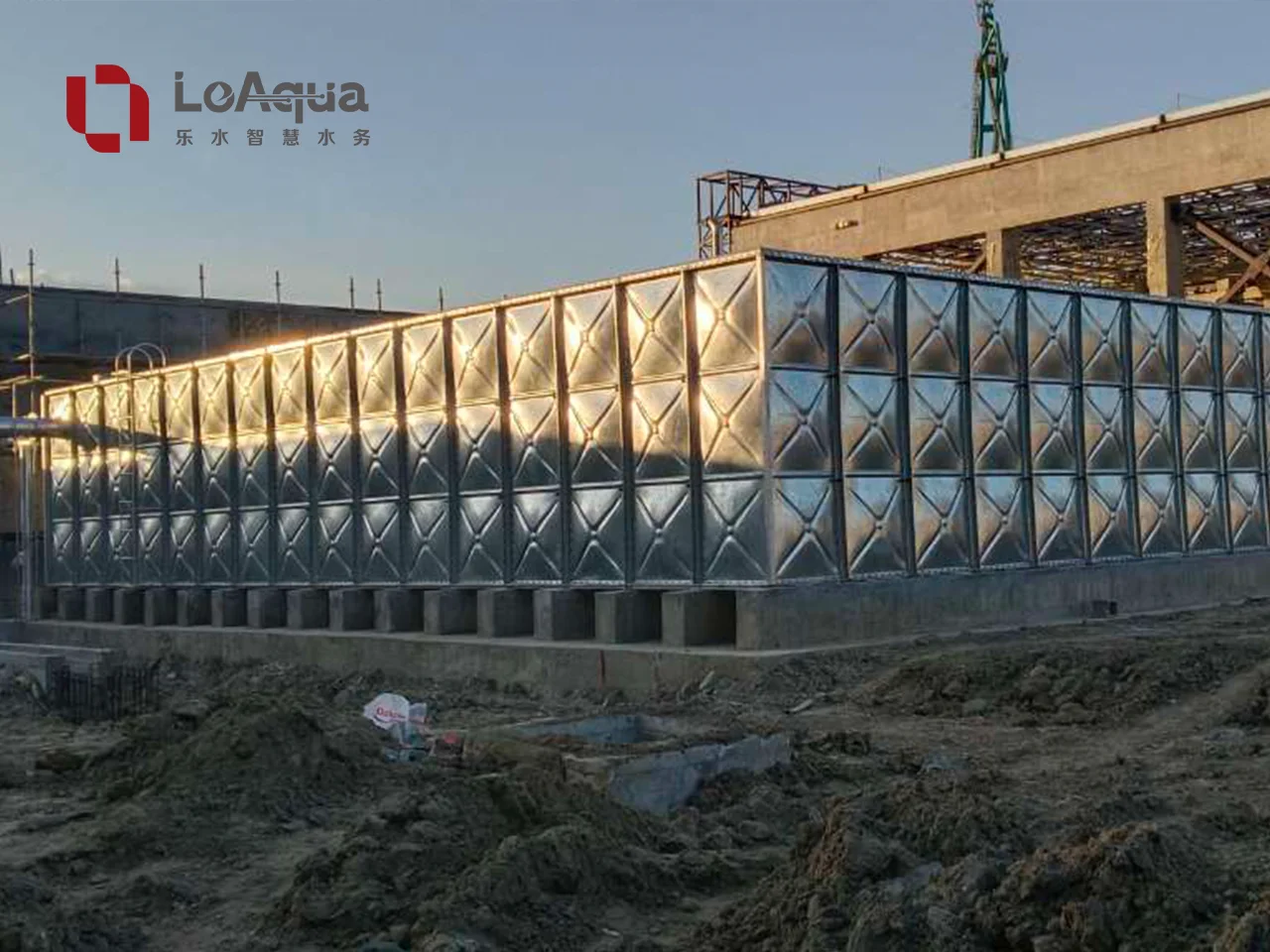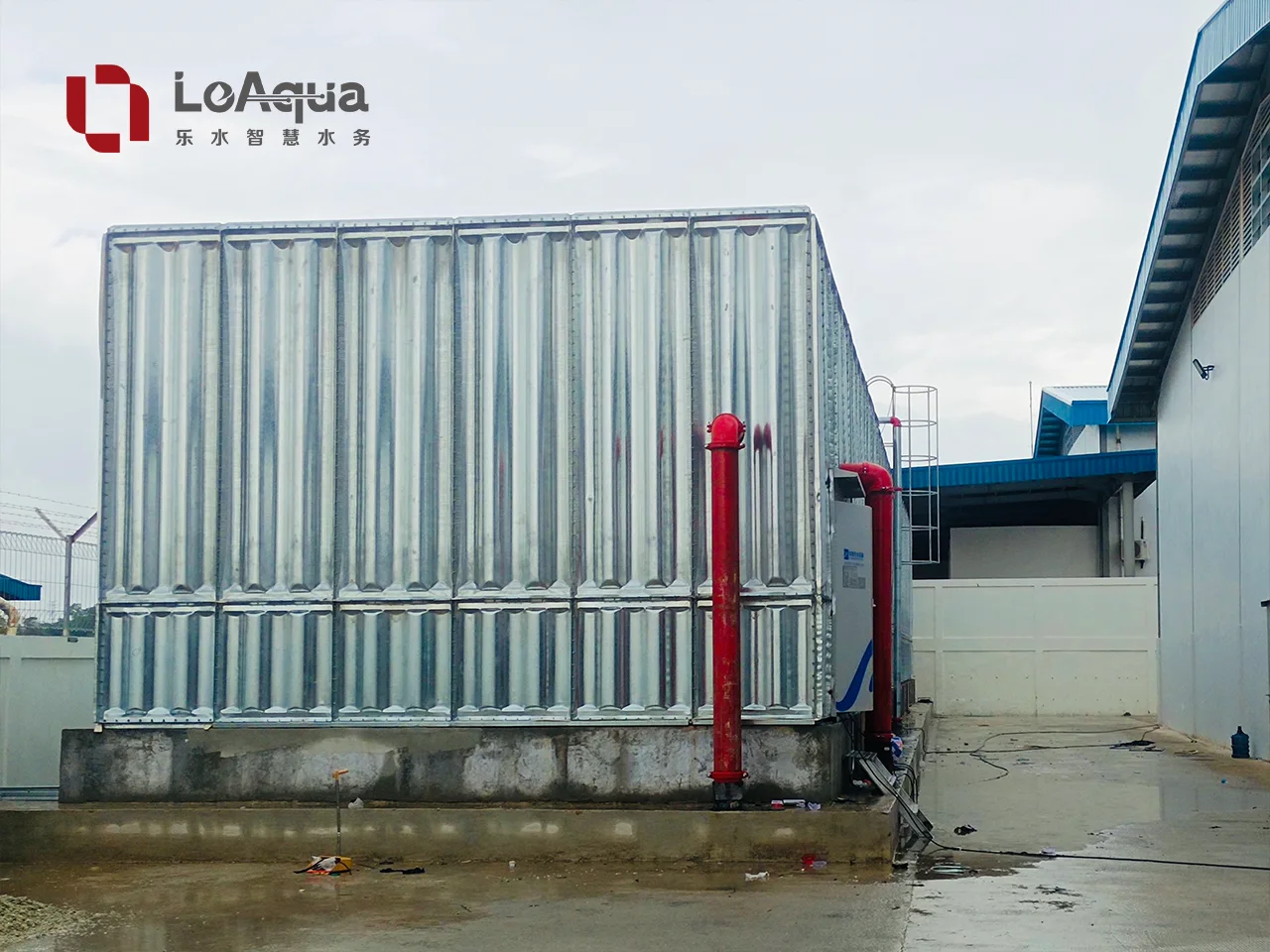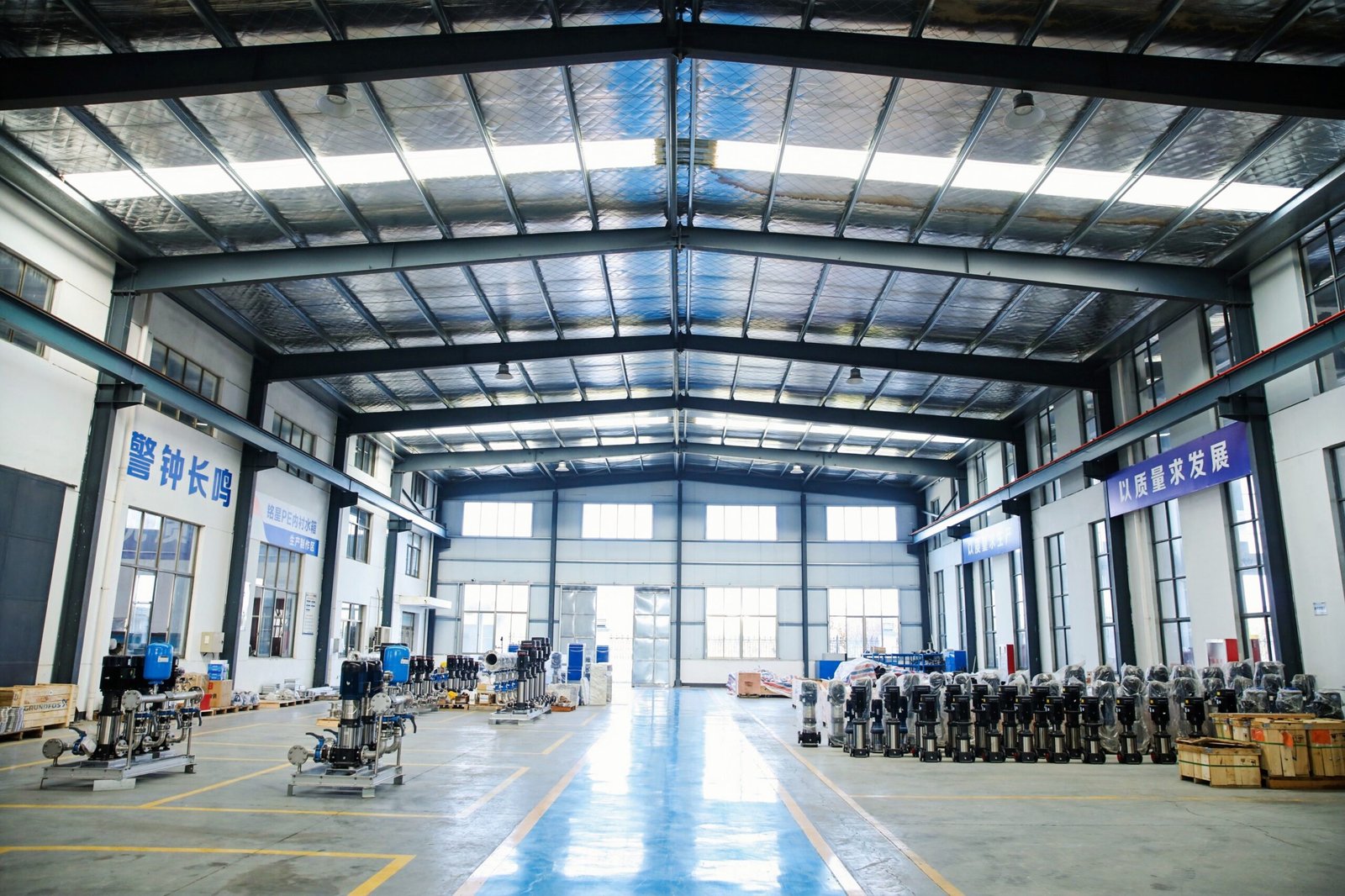
A water tank is often one of the first components people think about when planning a water supply system.
It stores water.
It provides reserve capacity.
It supports domestic supply, fire protection and industrial processes.
At first glance, it seems like the center of the entire system.
In reality, it isn’t.
Visit almost any completed project and you’ll notice something interesting.
The water tank is rarely working alone.
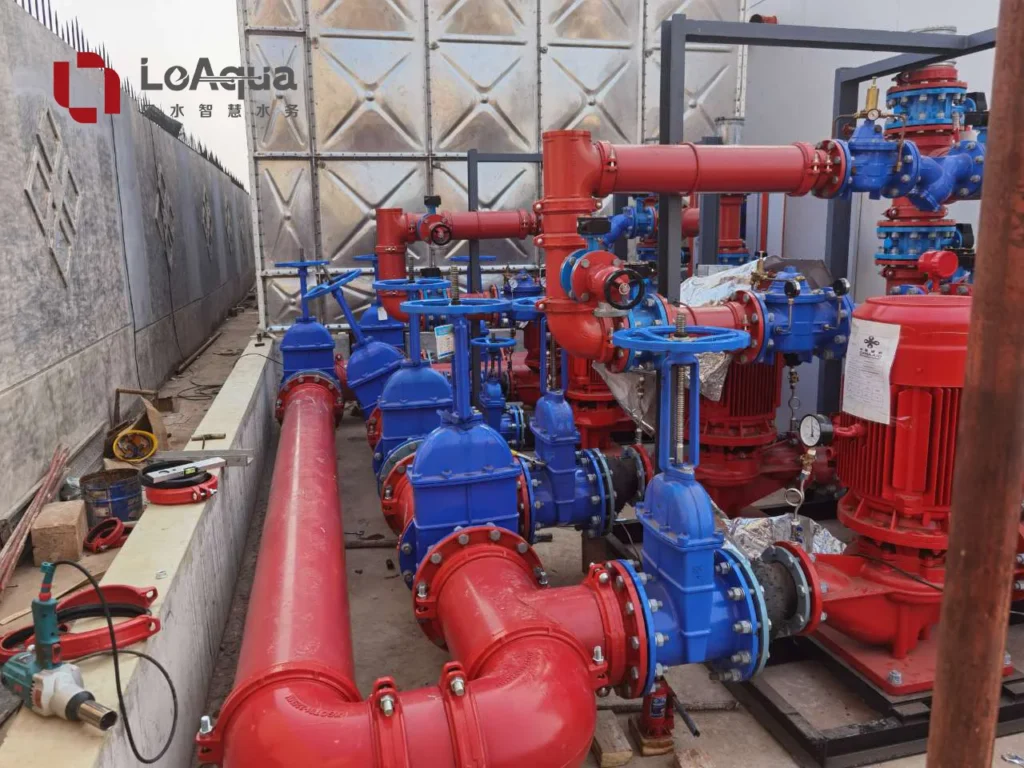
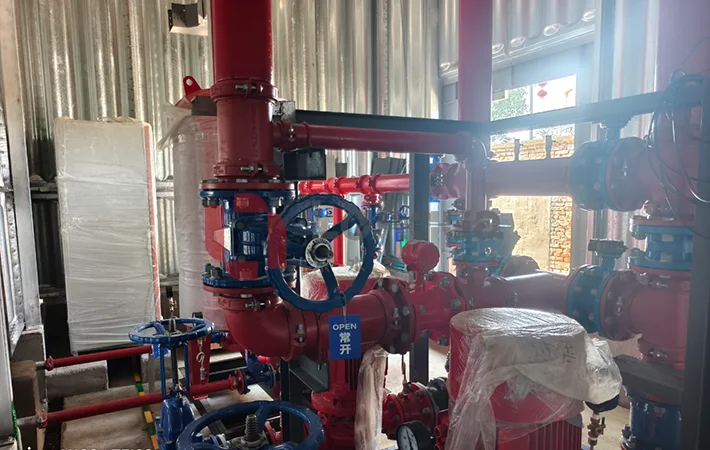
Somewhere nearby there is usually a pump room, a control panel, a network of valves and instrumentation, or increasingly, a monitoring system that allows operators to understand what is happening without opening the tank.
The tank stores water.
The system delivers it.
That difference may sound obvious, yet it changes the way engineers approach almost every project.
Instead of asking, “Which water tank should we buy?”, they often begin with a different question:
“How will water move through this site from the moment it arrives until the moment it is needed?”
Once that question is asked, the discussion naturally becomes much broader than the tank itself.
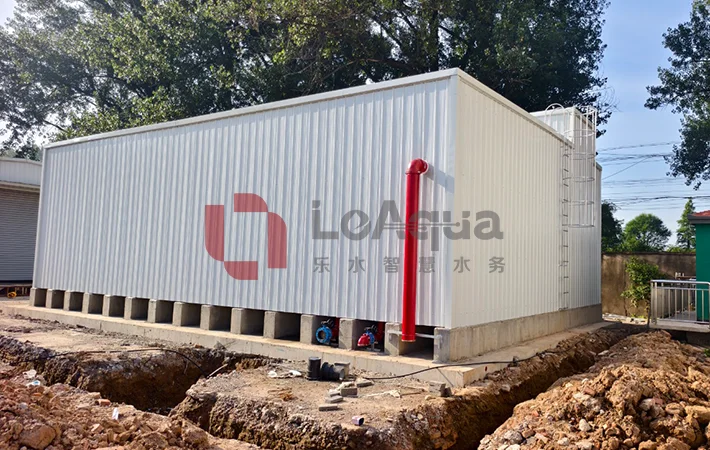
Storage Does Not Create Water Pressure
One misunderstanding appears surprisingly often, especially during the early stages of a project.
If a larger water tank is installed, won’t the water supply automatically become better?
Not necessarily.
A water tank provides storage.
It does not automatically provide stable pressure throughout a building or industrial facility.
Imagine a newly constructed factory.
The storage volume has been carefully calculated and the tank has already been installed.
When production begins, several process lines start drawing water at almost the same time.
Demand changes within seconds.
The water inside the tank is available, but without a properly designed pumping system and suitable controls, supplying that water consistently becomes a completely different challenge.
The same situation can occur in hospitals, hotels, schools and residential developments where demand rises and falls throughout the day.
In these projects, storage capacity remains important.
But so does the ability to deliver water where it is needed, when it is needed and at the required pressure.
The tank answers only one part of that challenge.
Water Supply Is Really About Coordination
One reason experienced engineers spend so much time reviewing drawings is that a water supply system is made up of components that depend on one another.
Changing one element often affects several others.
A larger tank may require different pump selection.
A higher flow rate may influence pipe sizing.
A revised building layout may change equipment locations.
Even maintenance access for one component can affect how another component is installed.
Because of this, projects are rarely designed by looking at the tank in isolation.
Instead, engineers try to understand how storage, pumping, controls and distribution will work together once the building is operating.
When those elements are considered as a complete system, many decisions become easier.
When they are considered separately, unexpected problems tend to appear much later—usually during installation or commissioning.
The Best Water Tank May Still Be the Wrong Solution
It sounds contradictory, but it happens more often than people expect.
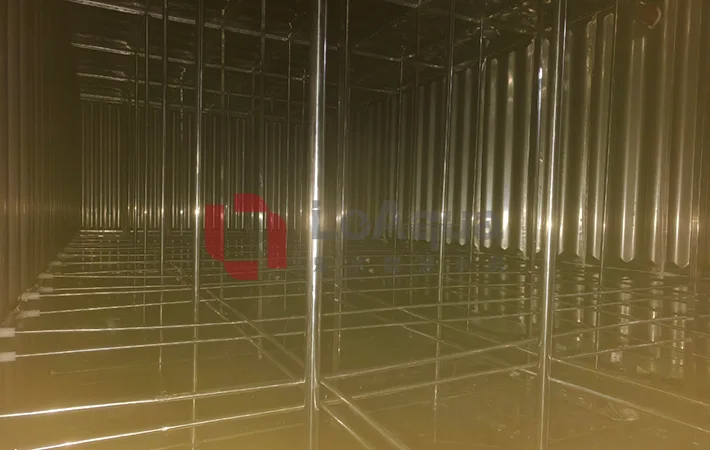
A project may specify a high-quality stainless steel water tank with the correct storage capacity and appropriate material selection.
Everything about the tank may be technically correct.
Yet the overall water supply system still fails to perform as expected.
The reason is usually not the tank itself.
Perhaps the pumps were selected without considering actual demand variations.
Perhaps the control strategy cannot respond quickly enough during peak consumption.
Sometimes the pipe network creates unexpected pressure losses, or maintenance access was overlooked during the design stage.
None of these issues can be solved simply by replacing the water tank.
They require engineers to look beyond individual components and understand how the complete system behaves once it is in operation.
Good equipment is important.
Good coordination is even more important.
Modern Water Supply Projects Are Becoming More Integrated
Construction projects have become increasingly complex over the past decade.
Buildings are larger.
Infrastructure is expected to operate for longer.
Owners want more operational data while reducing maintenance costs.
As a result, the conversation has gradually shifted.
Instead of asking how individual pieces of equipment perform, project teams increasingly ask how they perform together.
A water storage tank, booster pumps, control panels, level sensors and remote monitoring may all be supplied by different manufacturers.
If they are designed independently, every interface becomes another point that must be coordinated on site.
Increasingly, engineers prefer to think about these components as parts of a single water supply system rather than separate products.
That approach doesn’t eliminate engineering work.
It simply moves more of the coordination into the design stage, where changes are easier to make than after equipment has already been delivered.
Thinking Beyond Equipment Lists
Specifications often describe projects as lists.
One water tank.
Three pumps.
Several valves.
A control cabinet.
Instrumentation.
Reading those documents, it is easy to think the project is simply a collection of equipment.
In reality, successful water supply systems are defined less by the individual products and more by the relationships between them.
The water level inside the tank influences when pumps start and stop.
The pump operation affects pressure throughout the building.
Monitoring equipment provides information that helps operators respond before small issues become larger ones.
None of these components works in isolation.
The more closely they are considered together during design, the more predictable the entire system usually becomes once it enters service.
That is why experienced engineers often spend as much time discussing interfaces between components as they do discussing the components themselves.
Final Thoughts
A water tank remains one of the most important elements of any water supply project.
Without reliable storage, the rest of the system has very little to work with.
However, reliable water supply depends on much more than storage capacity alone.
It depends on how water is transferred, monitored, controlled and maintained throughout the life of the facility.
At LeAqua, water tanks are often the starting point of a much broader engineering discussion. Depending on project requirements, water storage systems may be combined with booster pumps, intelligent control systems and remote monitoring to create a coordinated water supply solution rather than a collection of independent products.
The most reliable projects are rarely built around one outstanding piece of equipment.
They succeed because every part of the system is designed to work together.