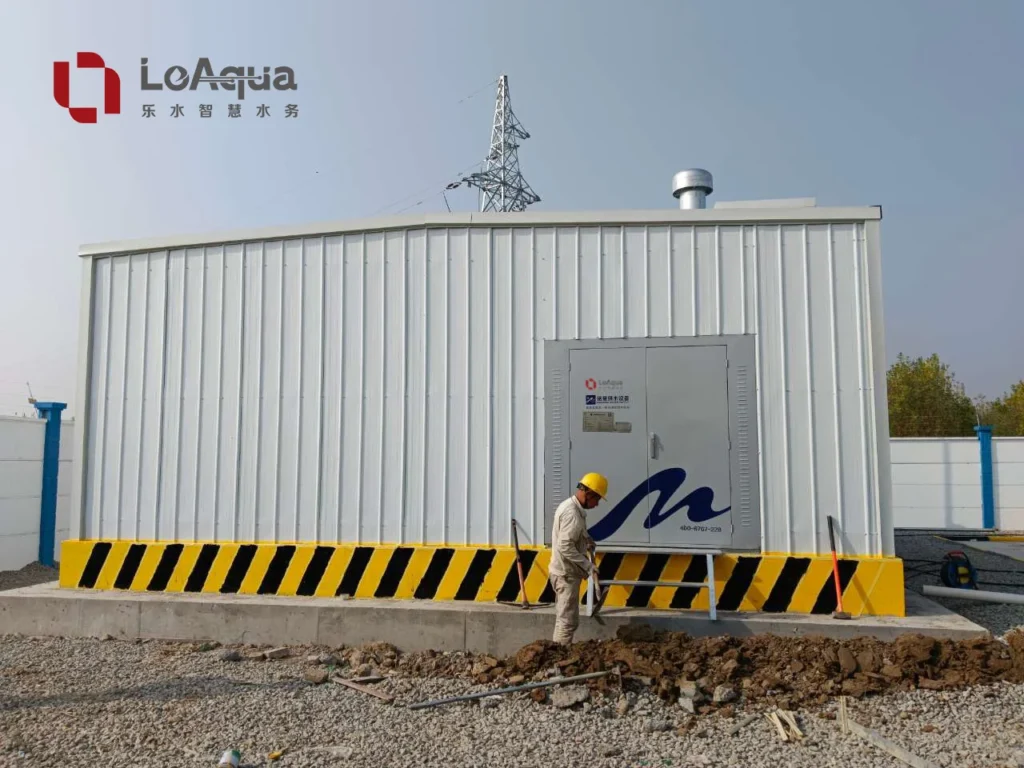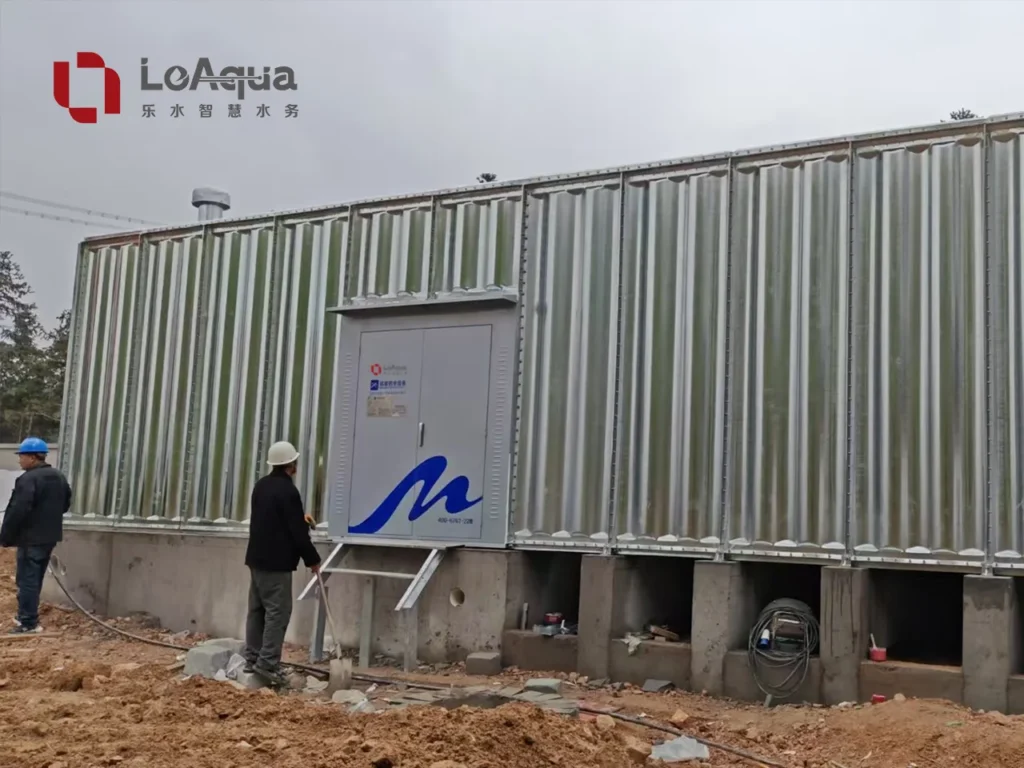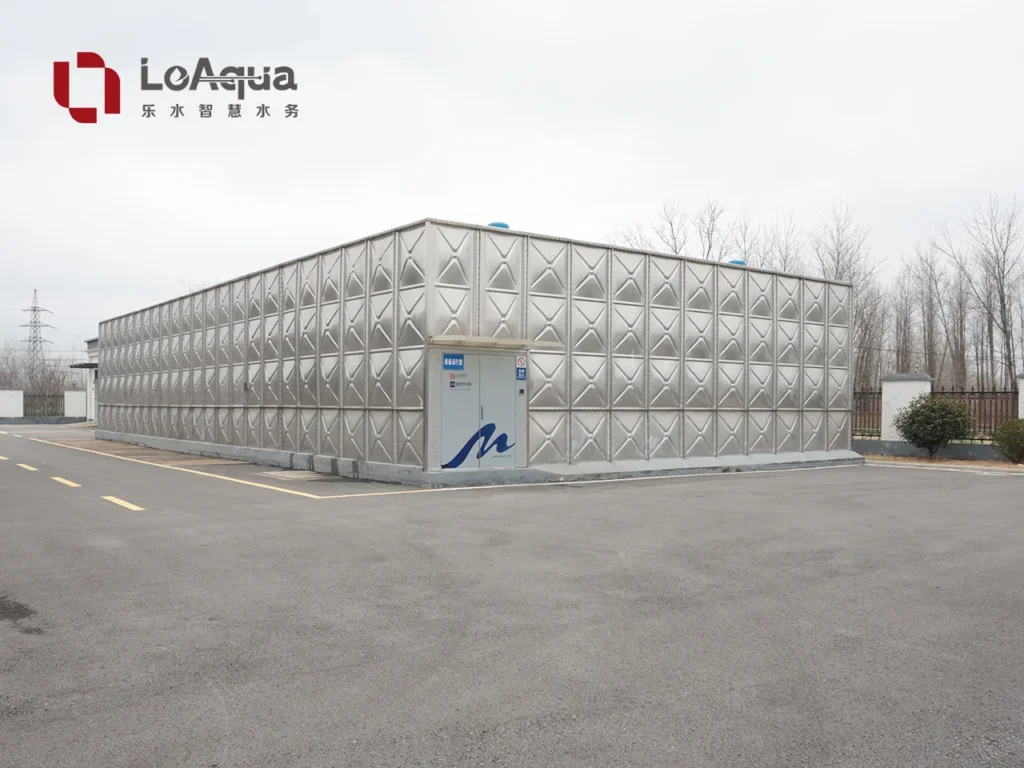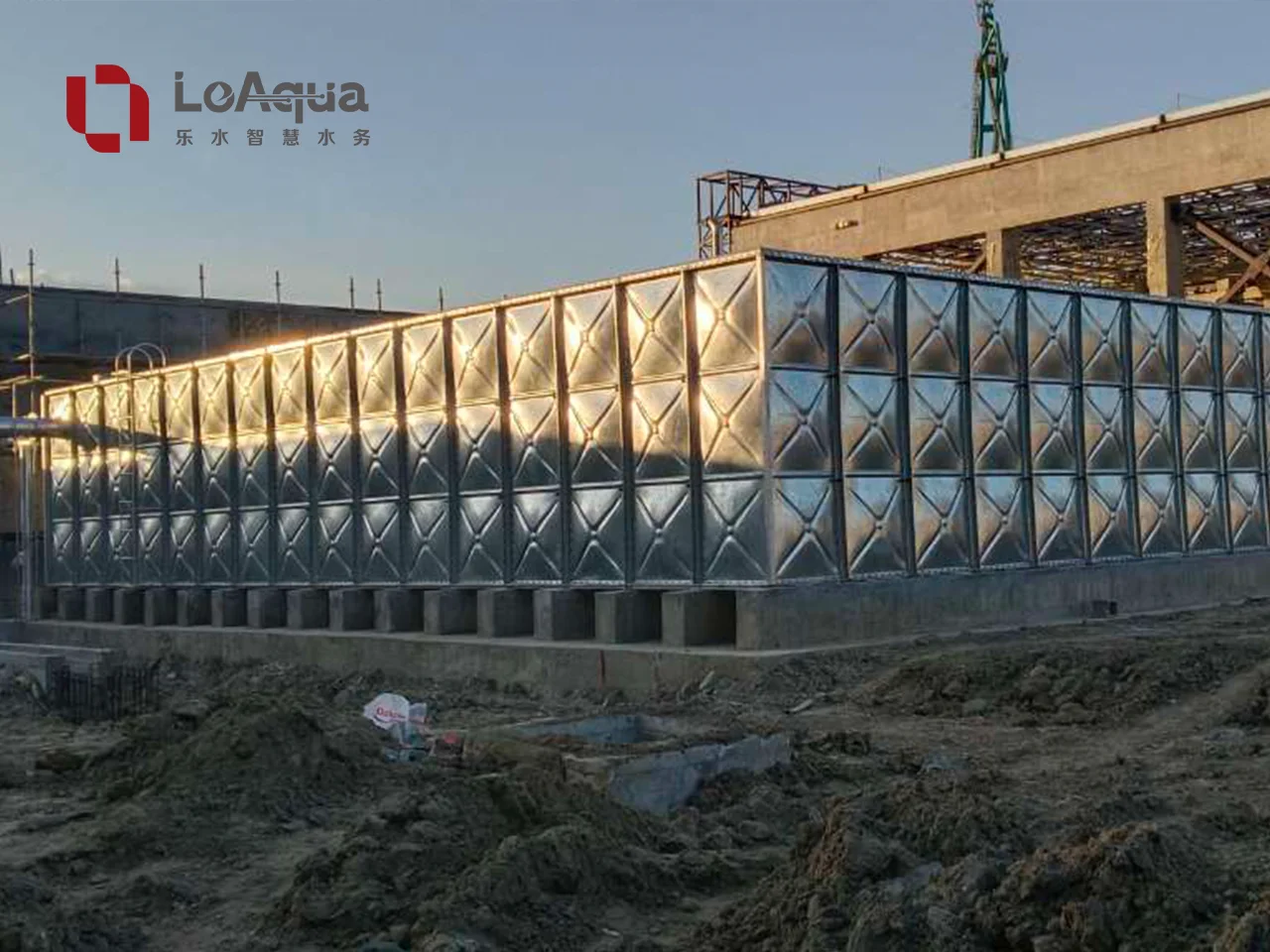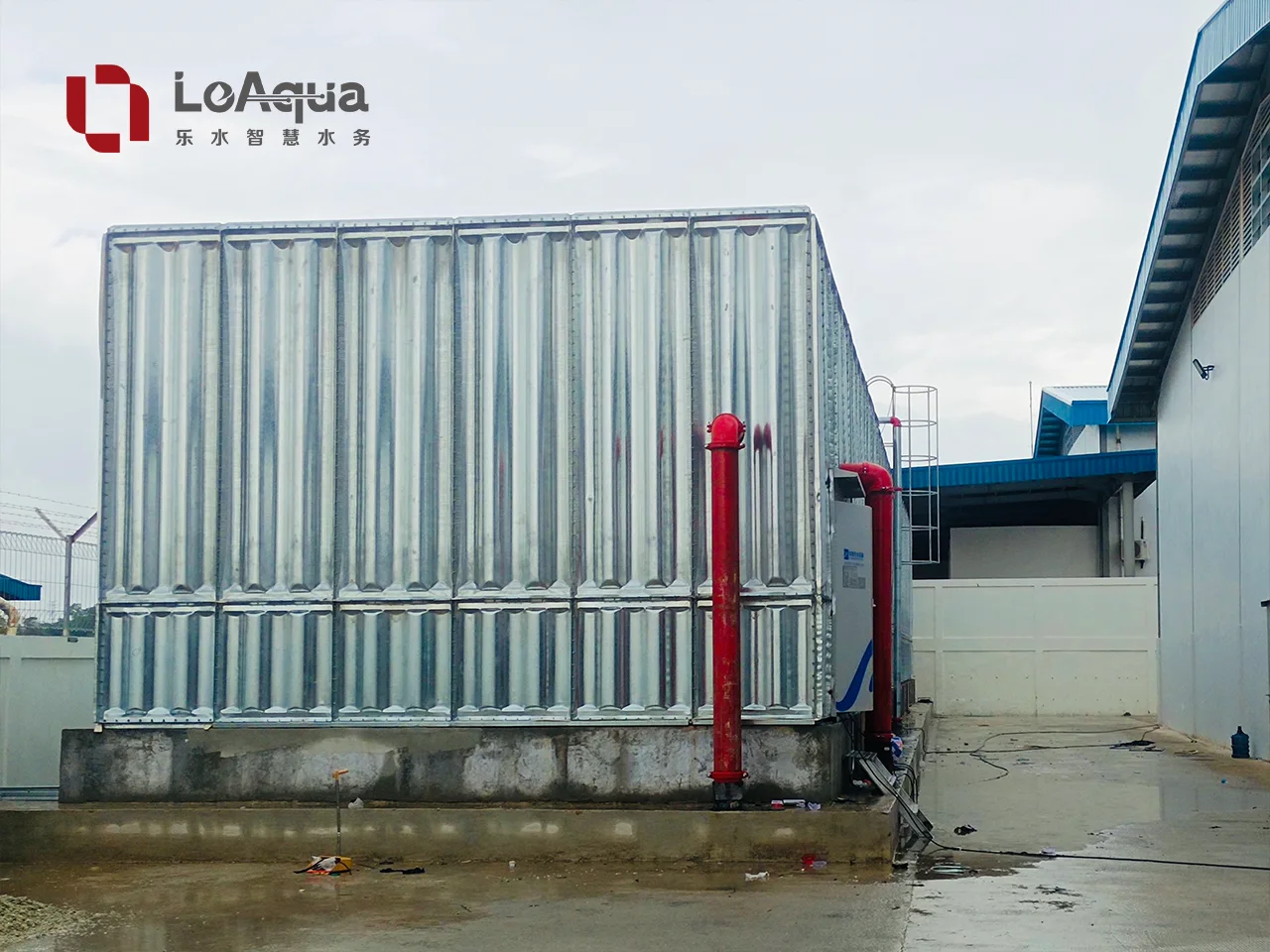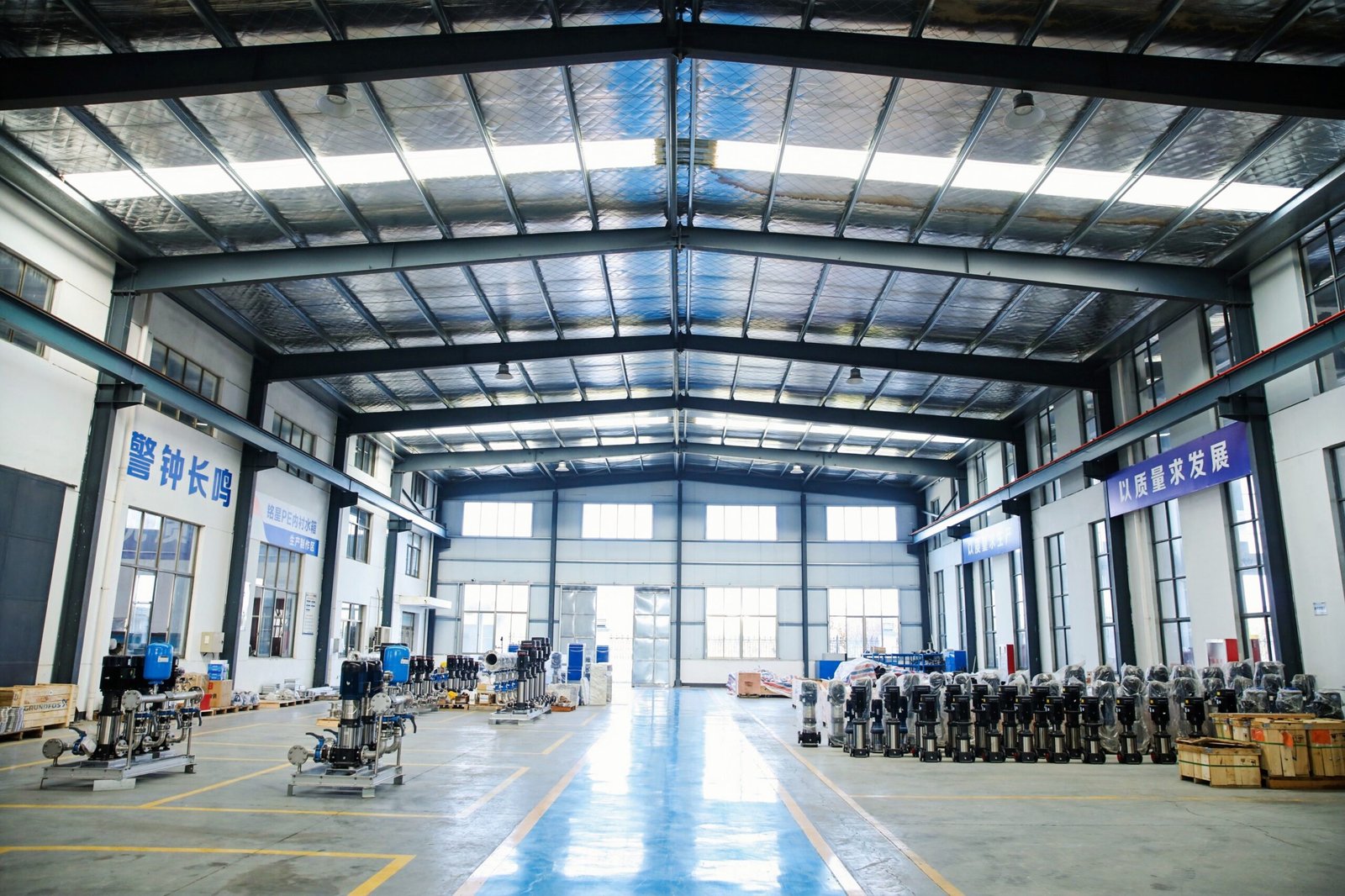
A water tank is often one of the first components people think about when planning a water supply system.
It stores water.
It provides reserve capacity.
It supports domestic supply, fire protection and industrial processes.
At first glance, it seems like the centre of the entire system.
In reality, it isn’t.
Visit almost any completed project and you’ll notice something interesting.
The water tank is rarely working alone.
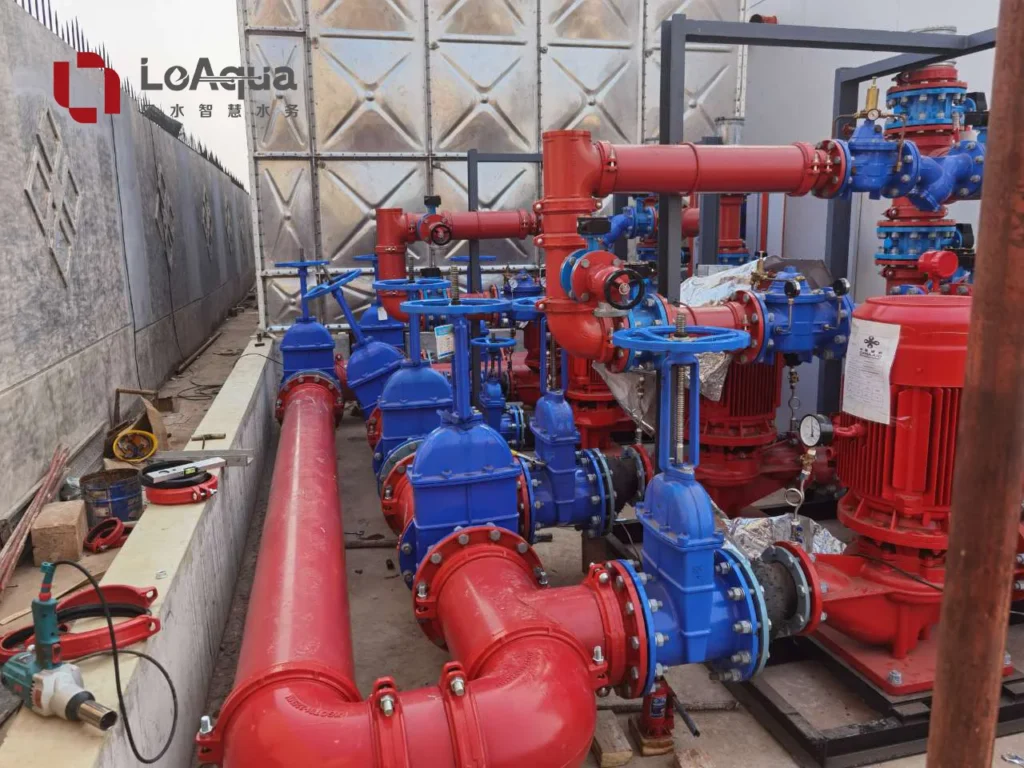
Somewhere nearby there is usually a pump room, a control panel, a network of valves and instrumentation, or increasingly, a monitoring system that allows operators to understand what is happening without opening the tank.
The tank stores water.
The system delivers it.
That difference may sound obvious, yet it changes the way engineers approach almost every project.
Instead of asking, “Which water tank should we buy?”, they often begin with a different question:
“How will water move through this site from the moment it arrives until the moment it is needed?”
Once that question is asked, the discussion naturally becomes much broader than the tank itself.
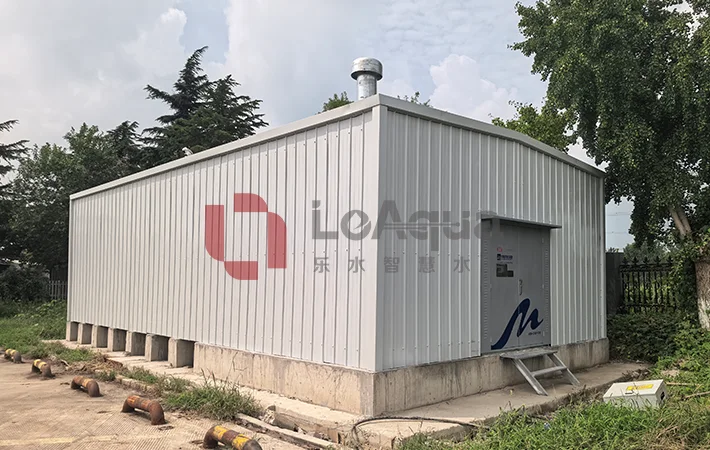
Storage Does Not Create Water Pressure
One misunderstanding appears surprisingly often, especially during the early stages of a project.
If a larger water tank is installed, won’t the water supply automatically become better?
Not necessarily.
A water tank provides storage.
It does not automatically provide stable pressure throughout a building or industrial facility.
Imagine a newly constructed factory.
The storage volume has been carefully calculated and the tank has already been installed.
When production begins, several process lines start drawing water at almost the same time.
Demand changes within seconds.
The water inside the tank is available, but without a properly designed pumping system and suitable controls, supplying that water consistently becomes a completely different challenge.
The same situation can occur in hospitals, hotels, schools and residential developments where demand rises and falls throughout the day.
In these projects, storage capacity remains important.
But so does the ability to deliver water where it is needed, when it is needed and at the required pressure.
The tank answers only one part of that challenge.
Water Supply Is Really About Coordination
One reason experienced engineers spend so much time reviewing drawings is that a water supply system is made up of components that depend on one another.
Changing one element often affects several others.
A larger tank may require different pump selection.
A higher flow rate may influence pipe sizing.
A revised building layout may change equipment locations.
Even maintenance access for one component can affect how another component is installed.
Because of this, projects are rarely designed by looking at the tank in isolation.
Instead, engineers try to understand how storage, pumping, controls and distribution will work together once the building is operating.
When those elements are considered as a complete system, many decisions become easier.
When they are considered separately, unexpected problems tend to appear much later—usually during installation or commissioning.
A Reliable System Depends on Communication Between Components
Once a water supply system enters operation, individual pieces of equipment no longer work independently.
The water level inside the tank influences when pumps start or stop.
Pressure sensors provide feedback that helps maintain stable delivery throughout the building.
Control panels respond to changing demand, while monitoring systems allow operators to understand how the system is performing without waiting for a fault to occur.
Viewed separately, each component has a straightforward job.
Viewed together, they become part of a continuous process.
That is why experienced engineers pay close attention to the interfaces between equipment rather than focusing only on the equipment itself.
A well-sized pump cannot compensate for poor system coordination.
Likewise, increasing storage capacity does not automatically solve operational issues if the control strategy is not suited to the way the building actually uses water.
Reliable performance comes from the way these components exchange information and respond to changing conditions over time.
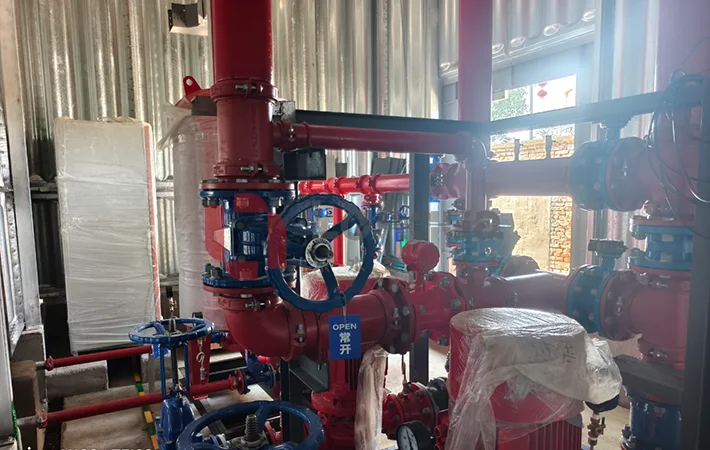
Designing for Operation, Not Just Installation
Construction projects have a clear finish line.
The building is completed, equipment is commissioned and the site is handed over.
From that point onward, however, the people operating the facility begin a completely different journey.
They are not thinking about installation.
They are thinking about reliability.
Can the system cope with changing demand during the busiest hours of the day?
Will maintenance interrupt water supply?
How quickly can operators identify an abnormal condition before it develops into a larger problem?
These questions rarely appear in product catalogues, yet they influence how successful a water supply system will be over the next ten or twenty years.
Good engineering therefore looks beyond the installation itself.
It considers how the entire system will behave every day after construction has been forgotten.
The Objective Is Water Supply, Not Individual Equipment
It is surprisingly easy for projects to become centred on equipment.
Discussions focus on tank capacity.
Pump curves.
Pipe diameters.
Control cabinets.
Each topic is important, but none of them represents the final objective.
The objective is simple.
When someone opens a valve, starts a production process or activates a fire protection system, water should be available in the right quantity and at the required pressure.
Everything else exists to make that happen.
Looking at the project from that perspective often changes design priorities.
Instead of asking whether one component is better than another, engineers begin asking whether every component contributes to the same operational goal.
That subtle shift leads to more balanced decisions and, in many cases, more reliable systems.
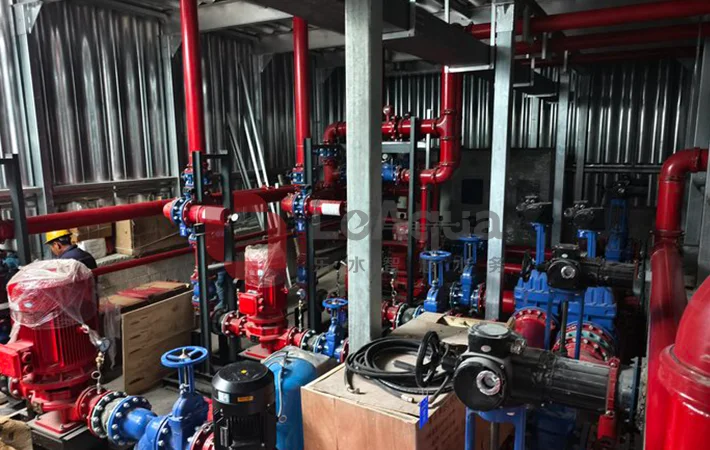
Final Thoughts
Water tanks and pumps perform different tasks, but neither achieves its full purpose alone.
Storage provides security.
Pumping provides movement.
Controls and monitoring help the entire system respond to changing operating conditions.
When these elements are considered together from the beginning, projects are often easier to coordinate, easier to commission and easier to operate over the long term.
At LeAqua, many projects begin with water storage requirements but naturally develop into broader discussions about complete water supply systems. By coordinating storage tanks, pumping equipment, intelligent controls and monitoring as part of one engineering process, the focus remains on delivering dependable performance rather than simply supplying individual products.
People rarely judge a water supply system by the brand of its water tank or the model of its pumps.
They remember whether clean, reliable water was available whenever the facility needed it.