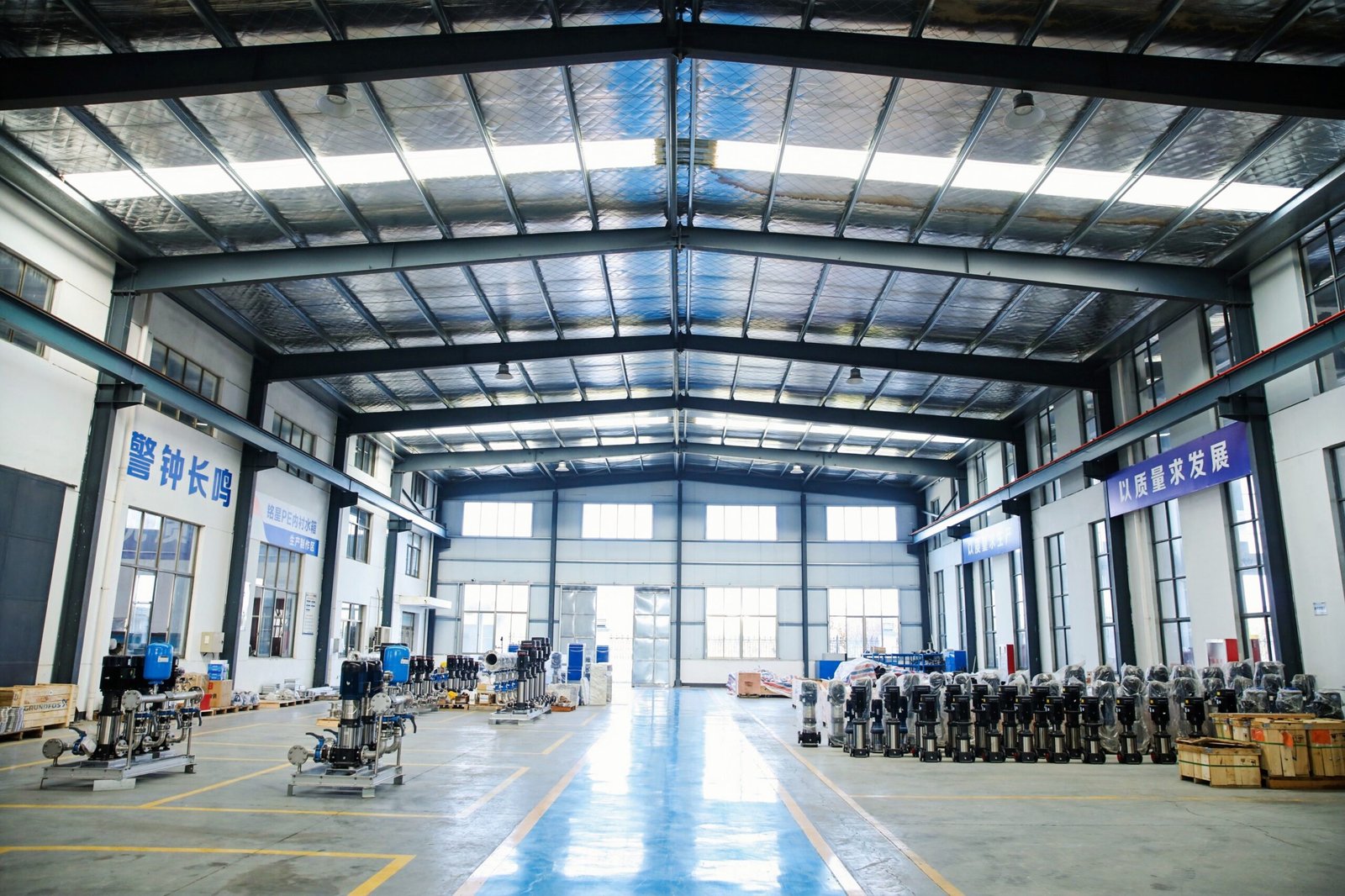
Choosing the right stainless steel water tank material is important for long-term water storage performance, durability, and maintenance costs.
Among all stainless steel materials used in water tanks, Type 304 and Type 316 are the two most common options. While both provide excellent corrosion resistance and long service life, their performance differs significantly depending on the installation environment and water quality conditions.
For most commercial buildings and municipal water storage systems, 304 stainless steel water tanks are widely used because of their balance between cost and corrosion resistance. However, in coastal regions, chemical plants, or high-humidity environments, 316 stainless steel water tanks may provide better long-term reliability.
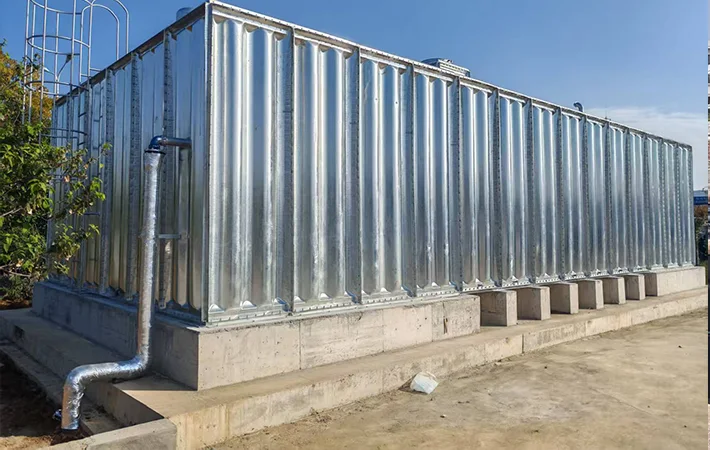
What Is the Difference Between 304 and 316 Stainless Steel?
The main difference between Type 304 and Type 316 stainless steel is the addition of molybdenum in Type 316.
This additional element significantly improves resistance against chloride corrosion, saltwater, and aggressive chemical environments.
| Item | 304 Stainless Steel | 316 Stainless Steel |
|---|---|---|
| Chromium | 18–20% | 16–18% |
| Nickel | 8–10.5% | 10–14% |
| Molybdenum | No | 2–3% |
| Corrosion Resistance | Good | Excellent |
| Heat Resistance | Standard | Higher |
| Cost | Lower | Higher |
| Typical Applications | Commercial buildings | Marine & chemical environments |
Because of its superior corrosion resistance, 316 stainless steel is commonly used in marine engineering, chemical processing, food factories, and coastal projects.
Which Stainless Steel Water Tank Is Better for Commercial Buildings?
For standard commercial water supply systems, Type 304 stainless steel is usually sufficient.
Applications include:
- Hotels
- Residential buildings
- Shopping malls
- Office buildings
- Municipal water supply
- General industrial water storage
Type 304 offers stable performance, reliable corrosion resistance, and lower overall project costs.
However, Type 316 becomes more suitable under the following conditions:
- Coastal regions with salt spray exposure
- Chemical plants
- High-humidity environments
- High-temperature applications
- Acidic or alkaline water conditions
Selecting the correct material should always consider both environmental conditions and long-term maintenance requirements.
Structural Design Is Equally Important as Material Selection
In large-capacity water storage systems, material selection alone does not determine the overall performance of the water tank.
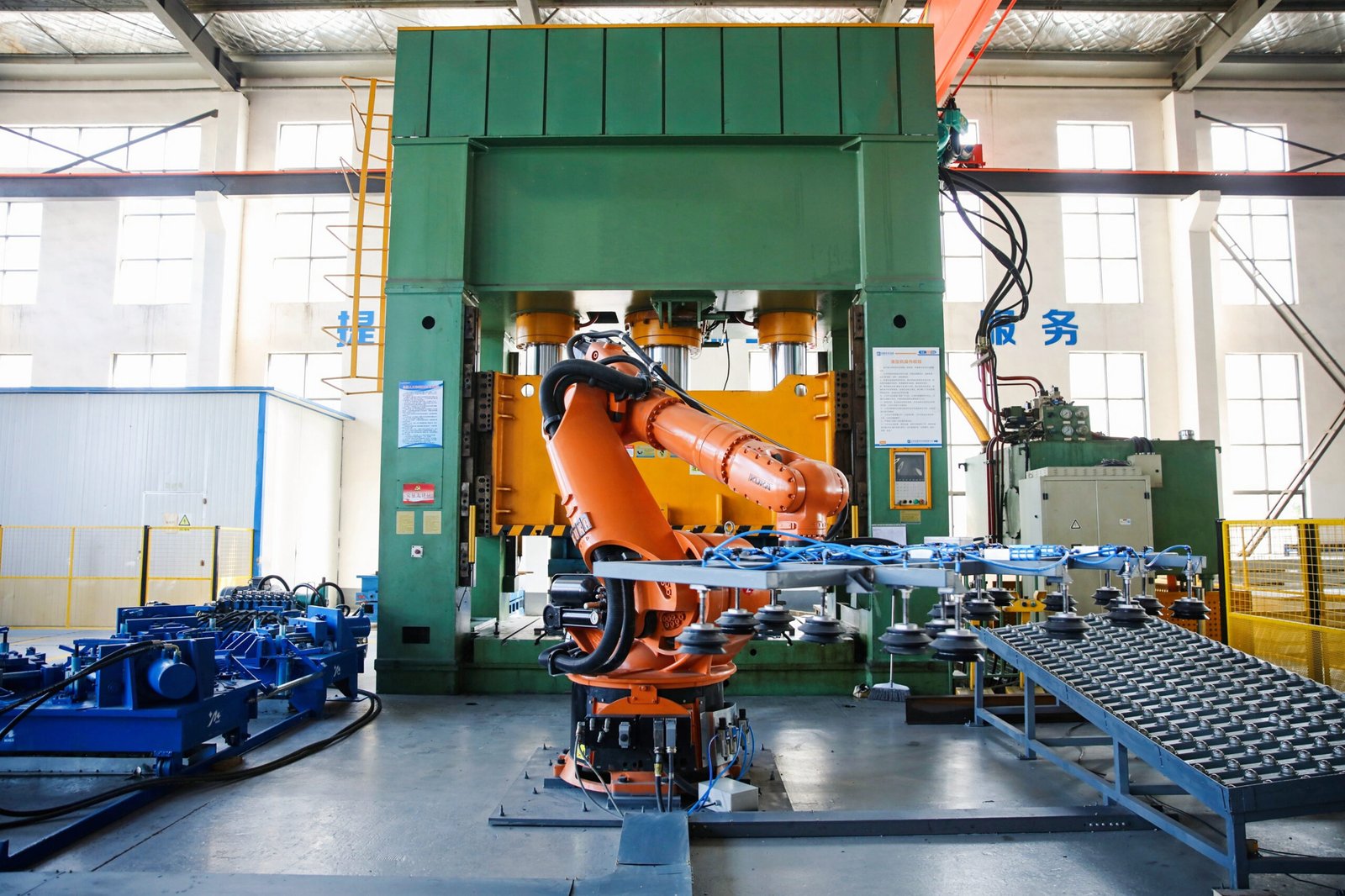
Structural rigidity, panel geometry, reinforcement design, manufacturing precision, and anti-corrosion treatment all affect the long-term stability of the tank.
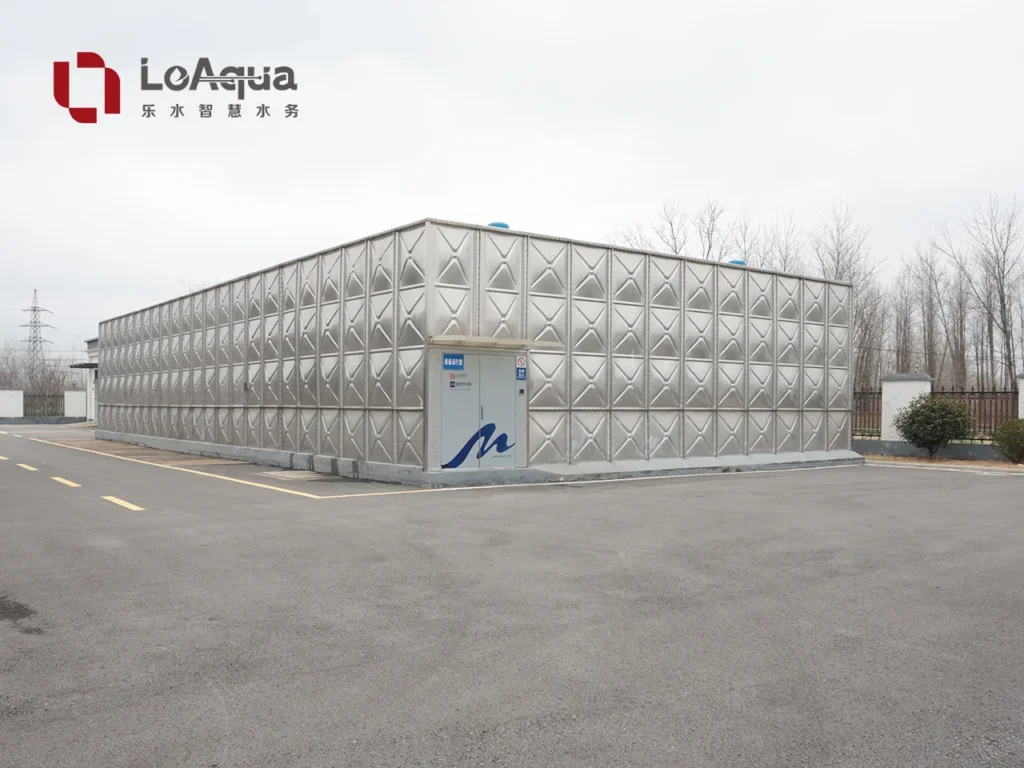
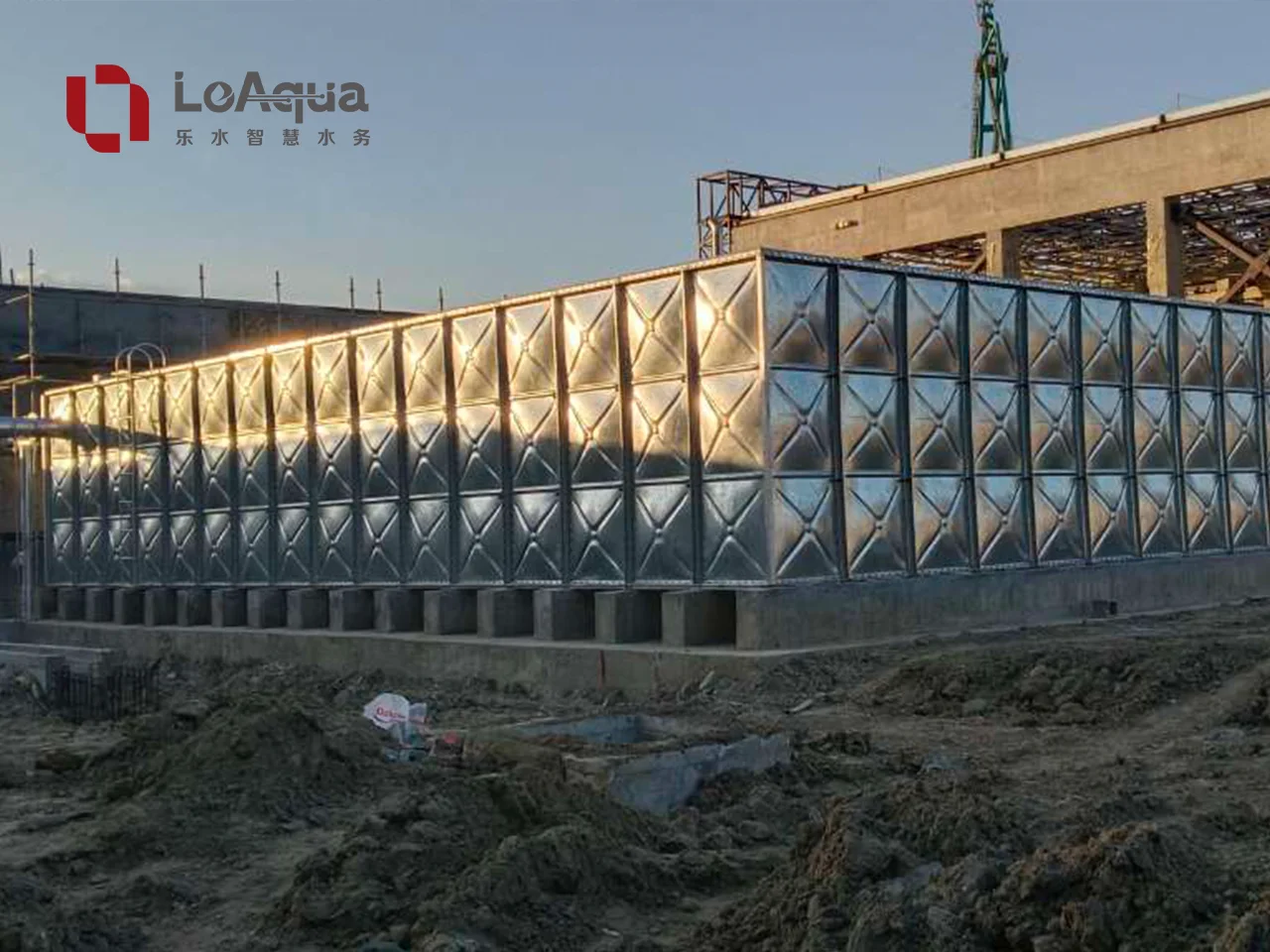
Modern modular stainless steel water tanks increasingly adopt deep-drawing molding processes and reinforced panel structures to improve rigidity and reduce deformation under water pressure.
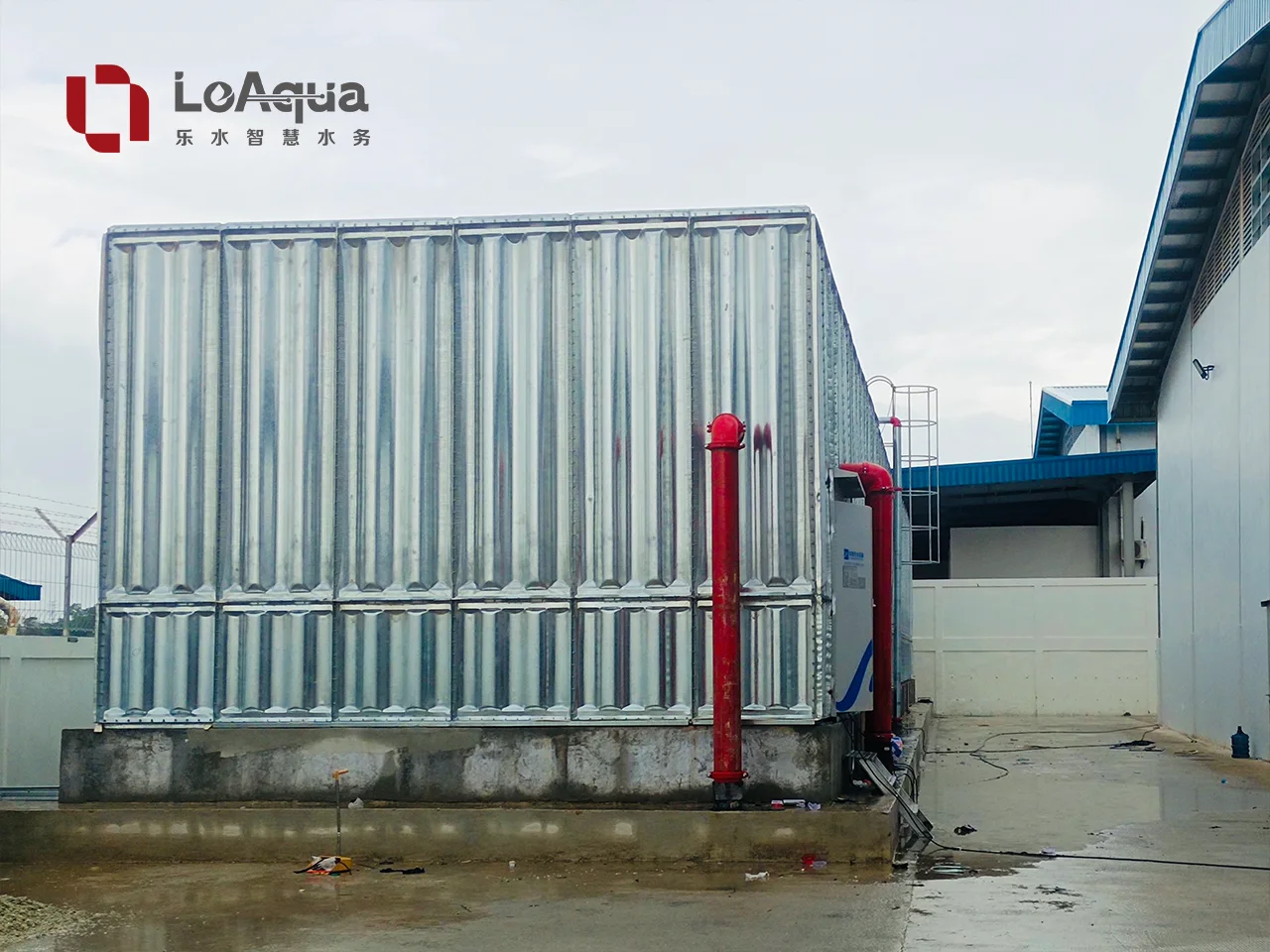
For example, double-sided arc-ribbed modular panels can significantly improve stiffness and distribute internal water pressure more evenly across the structure.
According to engineering testing data, deep-drawn double-sided arc-ribbed panels can achieve more than three times the rigidity of traditional flat modular panels.
Are Tie-Rods Always Necessary in Stainless Steel Water Tanks?
Traditional modular water tanks often rely on internal tie-rods to maintain structural stability.
However, advanced structural panel designs can reduce the need for excessive internal reinforcement under standard operating conditions.
Double-sided arc-ribbed water tank panels improve deformation resistance by using continuous concave and convex corrugated geometry to disperse water pressure.
Under normal design conditions, this structural approach can simplify the internal structure and improve cleaning accessibility.
For extra-high tanks or special engineering projects, localized reinforcement may still be required according to structural calculations and project specifications.
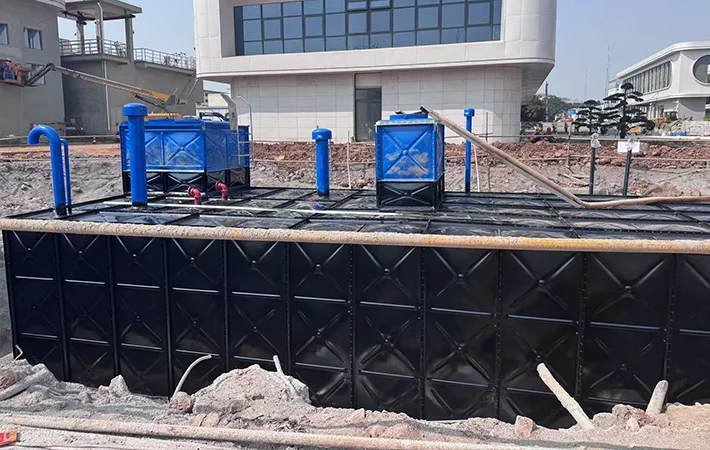
When Should You Choose 316 Stainless Steel Water Tanks?
316 stainless steel water tanks are recommended for:
- Marine engineering projects
- Coastal commercial buildings
- Chemical processing plants
- Food and pharmaceutical industries
- High-salinity water storage
- High-temperature environments
Although the initial cost of 316 stainless steel is higher, its improved corrosion resistance may significantly reduce long-term maintenance and replacement costs in harsh environments.
Conclusion
Choosing between 304 and 316 stainless steel water tanks depends on application environment, water quality, corrosion exposure, and project budget.
For most commercial and municipal water storage systems, 304 stainless steel provides reliable and cost-effective performance.
For highly corrosive environments, 316 stainless steel offers superior durability and long-term structural reliability.
In addition to material selection, tank structural design, manufacturing quality, anti-corrosion treatment, and installation standards also play critical roles in the overall service life of a stainless steel water tank.