Stainless steel water tanks are commonly divided into two major structural types: bolted modular tanks and welded tanks.
Both structures are widely used in commercial buildings, industrial water storage systems, fire protection projects, and municipal water supply applications.
However, differences in installation method, corrosion resistance, maintenance, transportation, and structural performance can significantly affect long-term project reliability.
What Is a Bolted Stainless Steel Water Tank?
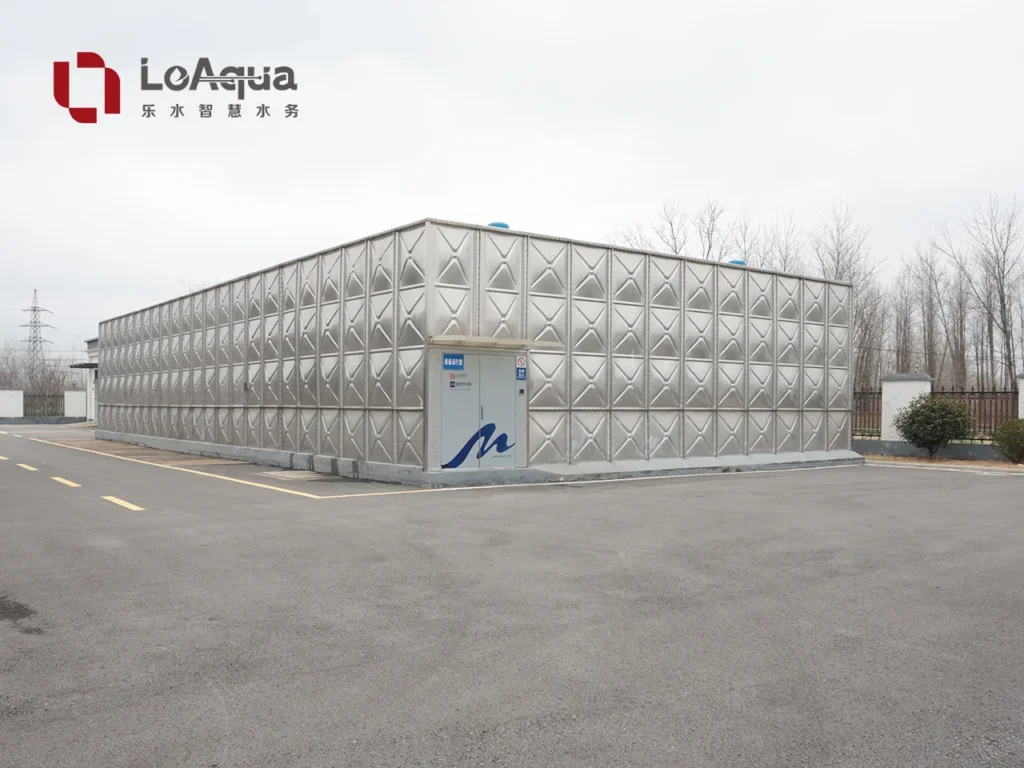
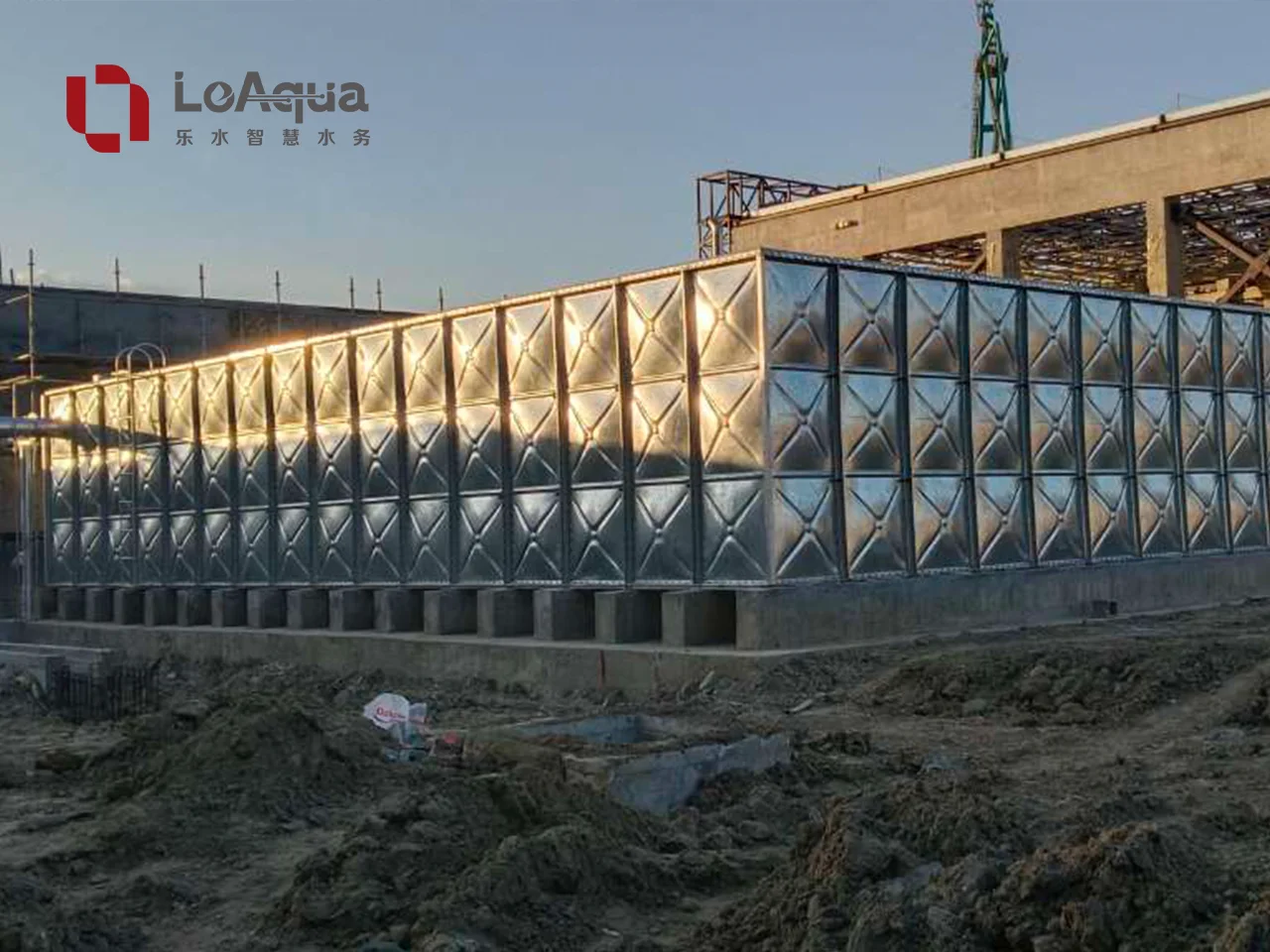
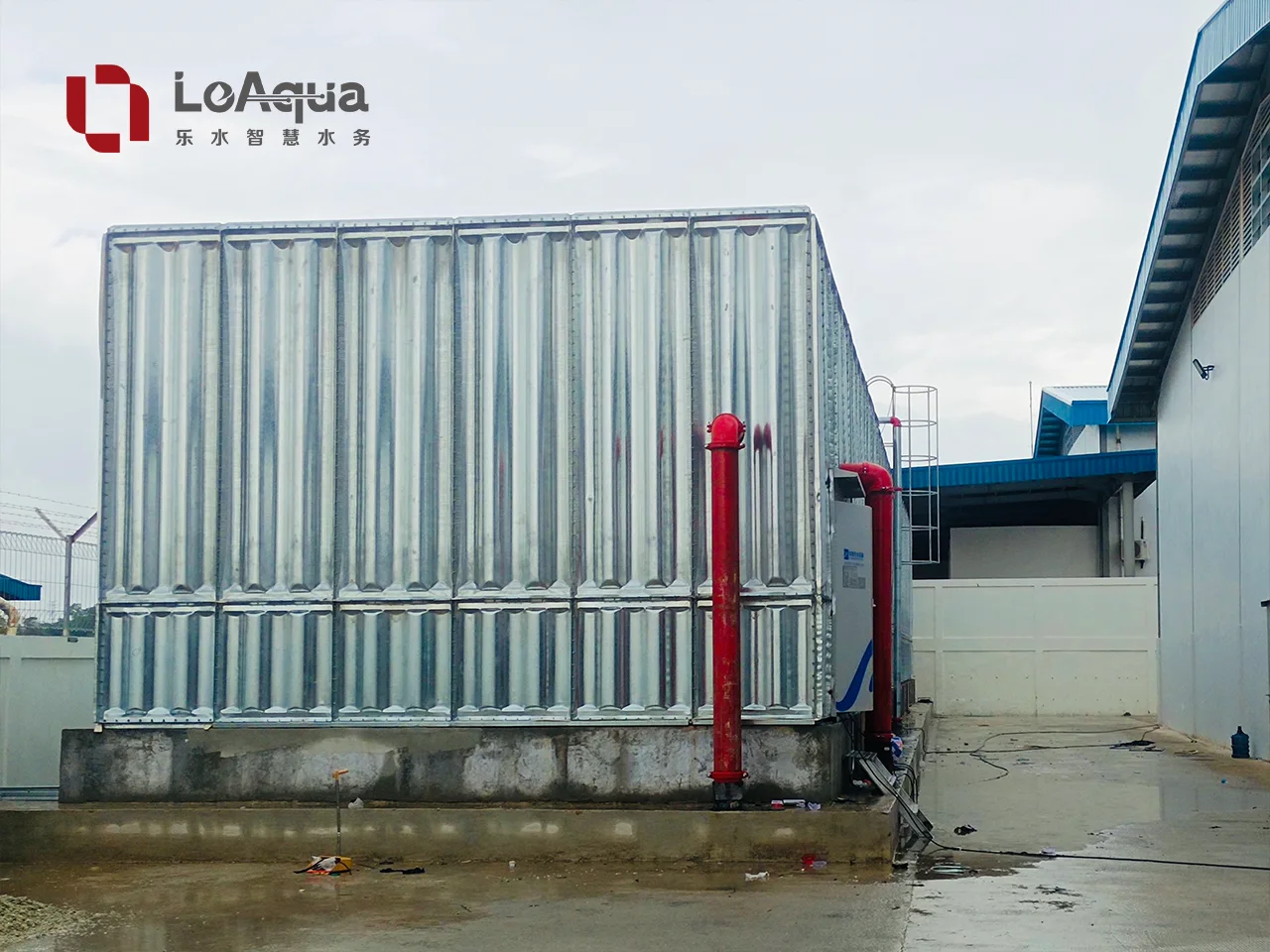
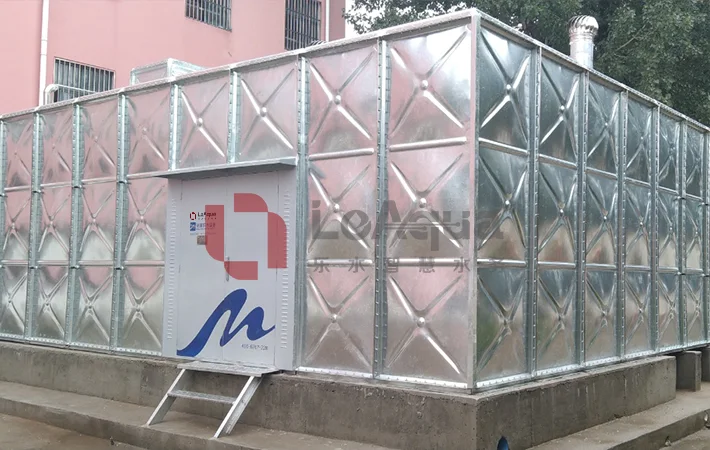
A bolted stainless steel water tank is assembled using modular panels connected by high-strength bolts and sealing gaskets.
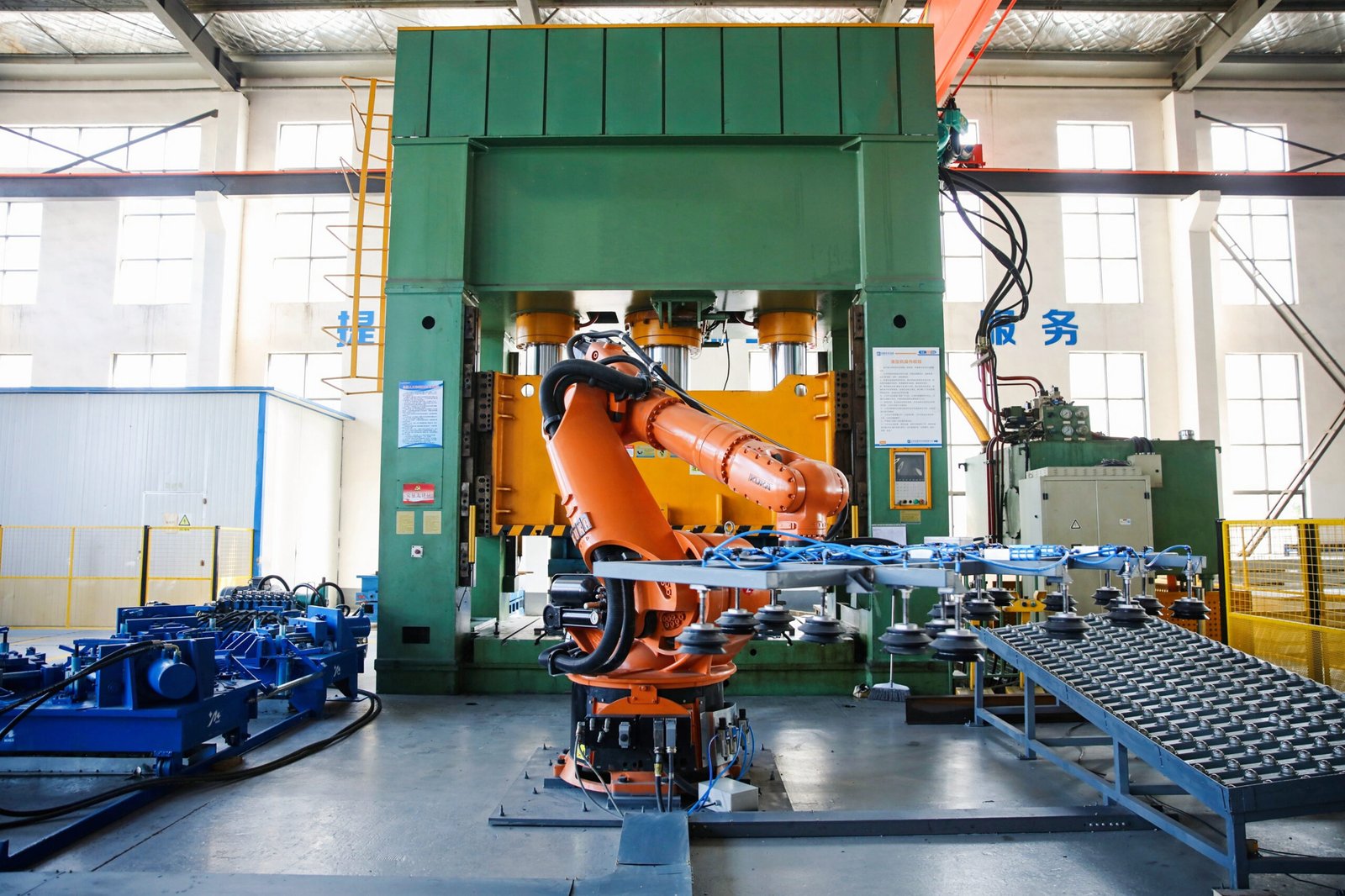
The modular panels are usually manufactured through hydraulic deep-drawing forming processes to improve rigidity and dimensional accuracy.
Common panel sizes include:
- 1m × 1m
- 1m × 2m
- 1m × 3m
Bolted tanks are widely used because they are easier to transport, install, expand, and maintain.
What Is a Welded Stainless Steel Water Tank?
A welded stainless steel water tank is fabricated by directly welding stainless steel plates together on-site or in the factory.
This structure is commonly used for:
- Small-capacity tanks
- Customized irregular tanks
- Temporary projects
Although welded tanks can provide flexible dimensions, welding quality and anti-corrosion treatment become critical factors affecting service life.
Bolted vs Welded Stainless Steel Water Tank Comparison
| Item | Bolted Water Tank | Welded Water Tank |
|---|---|---|
| Installation | Modular assembly | On-site welding |
| Transportation | Easier | More difficult |
| Expansion | Flexible | Limited |
| Corrosion Risk | Lower | Higher at weld seams |
| Maintenance | Easier | More complex |
| Structural Stability | High | Depends on welding quality |
| Construction Speed | Faster | Slower |
| Future Relocation | Possible | Difficult |
Why Welded Areas Are More Vulnerable to Corrosion
One common issue with welded stainless steel tanks is corrosion around welding seams.
Improper welding processes or insufficient anti-corrosion treatment may damage the protective chromium oxide layer on stainless steel surfaces.
Over time, this may increase the risk of:
- Rust
- Leakage
- Structural fatigue
- Maintenance problems
For this reason, many modern large-capacity water storage systems increasingly adopt modular bolted structures instead of fully welded tanks.
Advantages of Modular Bolted Water Tanks
Modern modular water tanks use high-strength molded panels combined with hot-dip galvanized bolts or stainless steel bolts.
Compared with traditional welded structures, modular tanks offer several advantages:
Improved Structural Rigidity
Deep-drawn modular panels can significantly improve rigidity and deformation resistance.
Some advanced double-sided arc-ribbed panels achieve more than three times the rigidity of conventional flat panels.
Reduced Corrosion Risk
Because the structure minimizes on-site welding, corrosion risks caused by damaged weld seams are reduced.
Easier Maintenance
The internal structure is cleaner and easier to inspect.
Certain advanced structural designs can also reduce excessive internal tie-rods, improving cleaning accessibility.
Faster Installation
Bolted modular tanks are easier to transport and assemble, especially for large commercial projects.
Which Water Tank Structure Is Better for Commercial Projects?
For large commercial buildings, municipal systems, fire protection projects, and integrated pump stations, bolted modular stainless steel water tanks are often preferred because of:
- Faster installation
- Better structural consistency
- Easier maintenance
- Reduced welding-related corrosion risks
- Better scalability
Welded tanks may still be suitable for small customized applications or projects with special space limitations.
Conclusion
Both bolted and welded stainless steel water tanks have their own advantages depending on project requirements.
However, for large-capacity commercial water storage systems, modular bolted structures increasingly provide better long-term performance, installation efficiency, and maintenance reliability.
Structural design quality, anti-corrosion treatment, manufacturing precision, and engineering standards remain essential factors regardless of tank type.