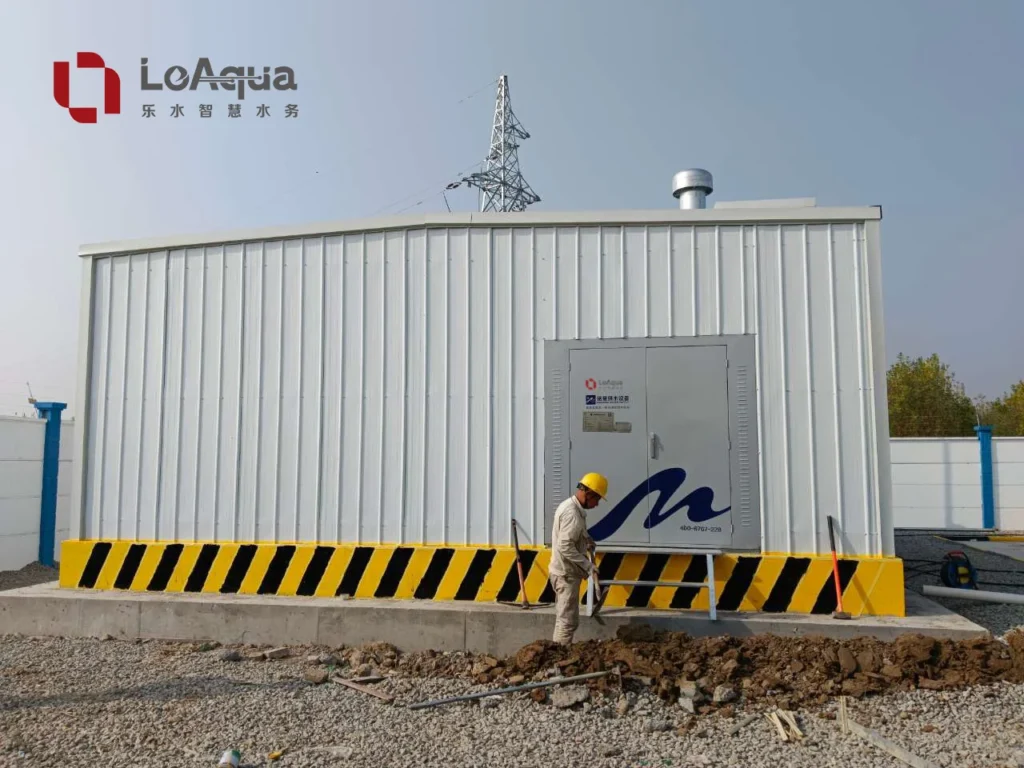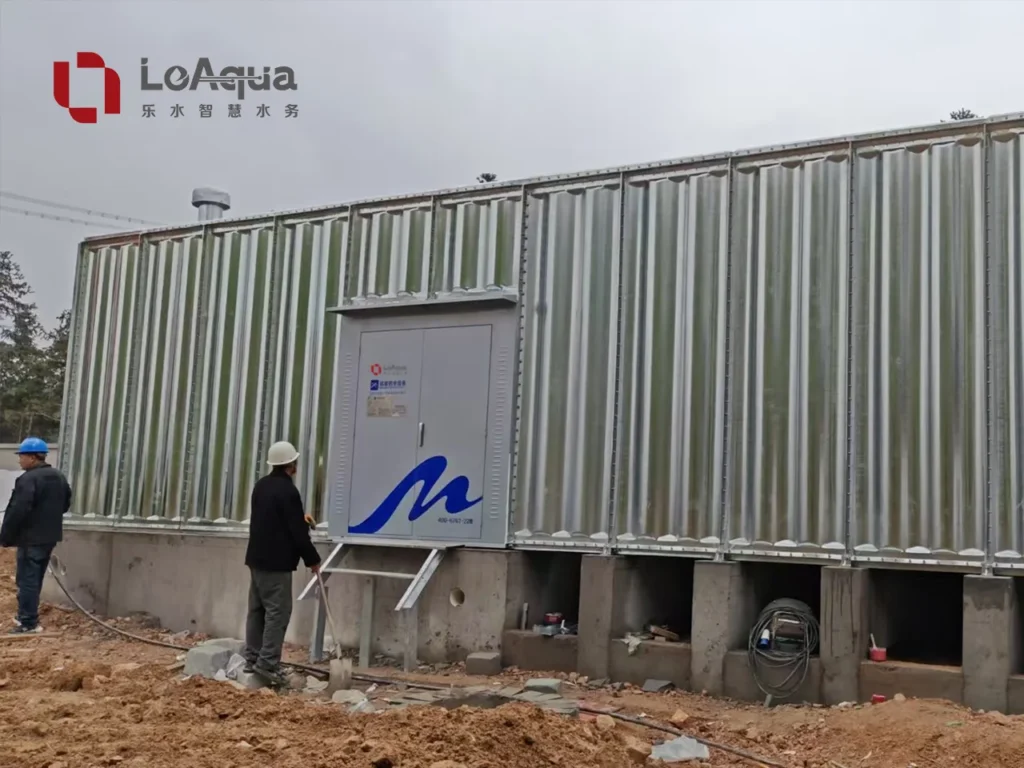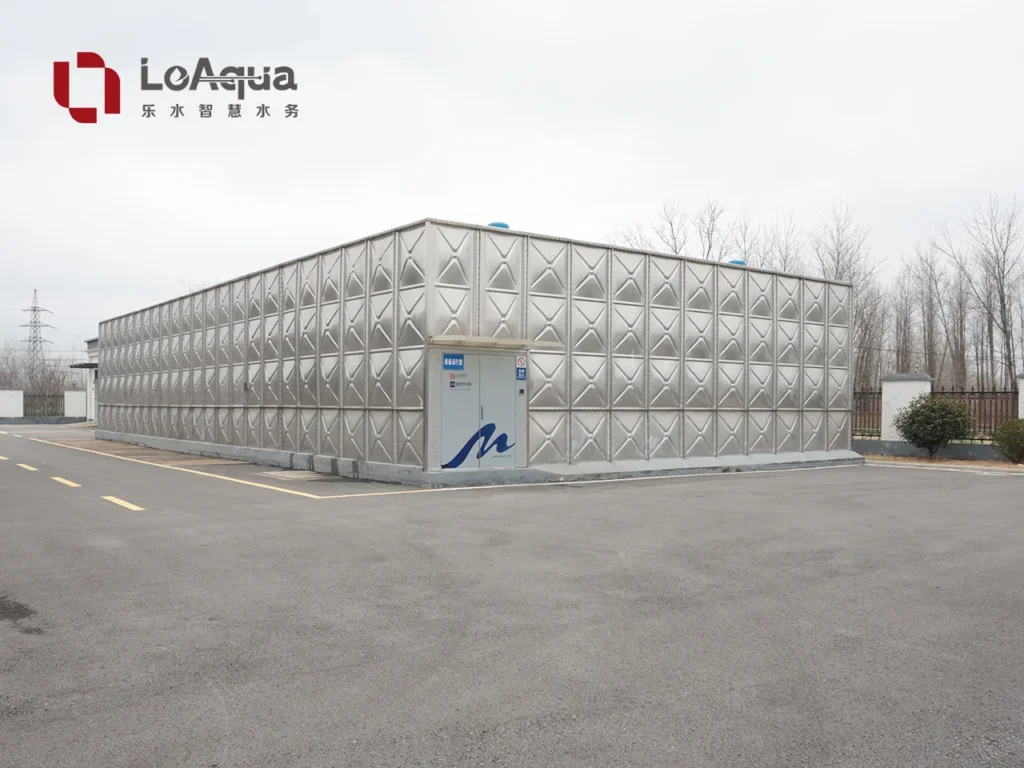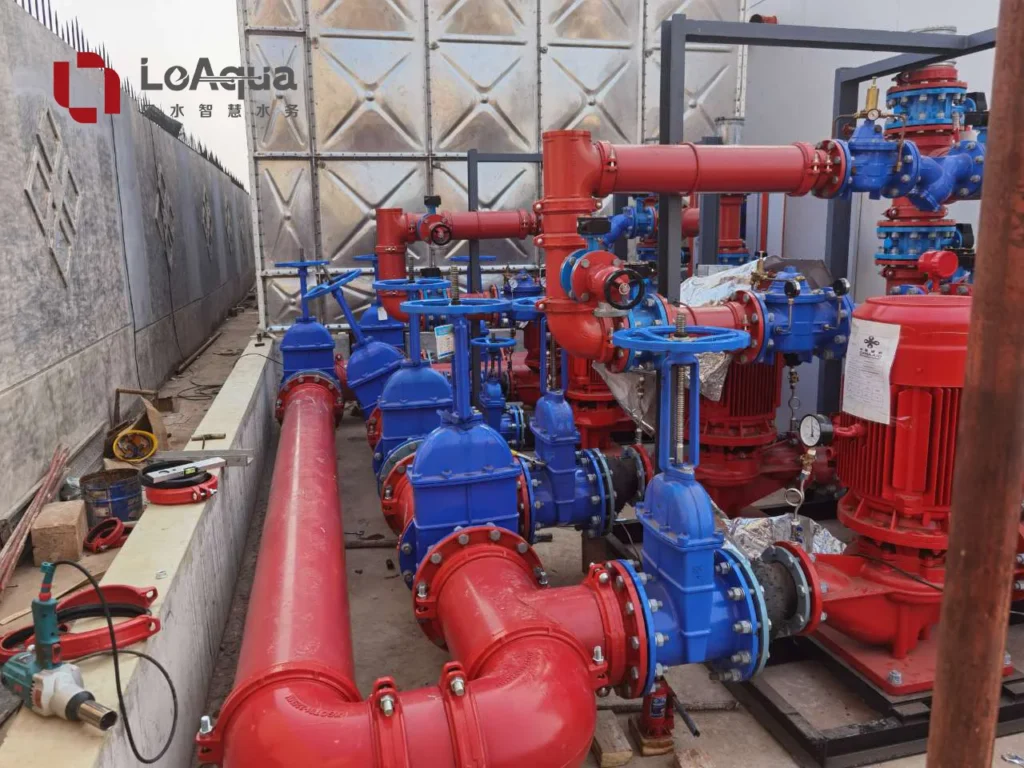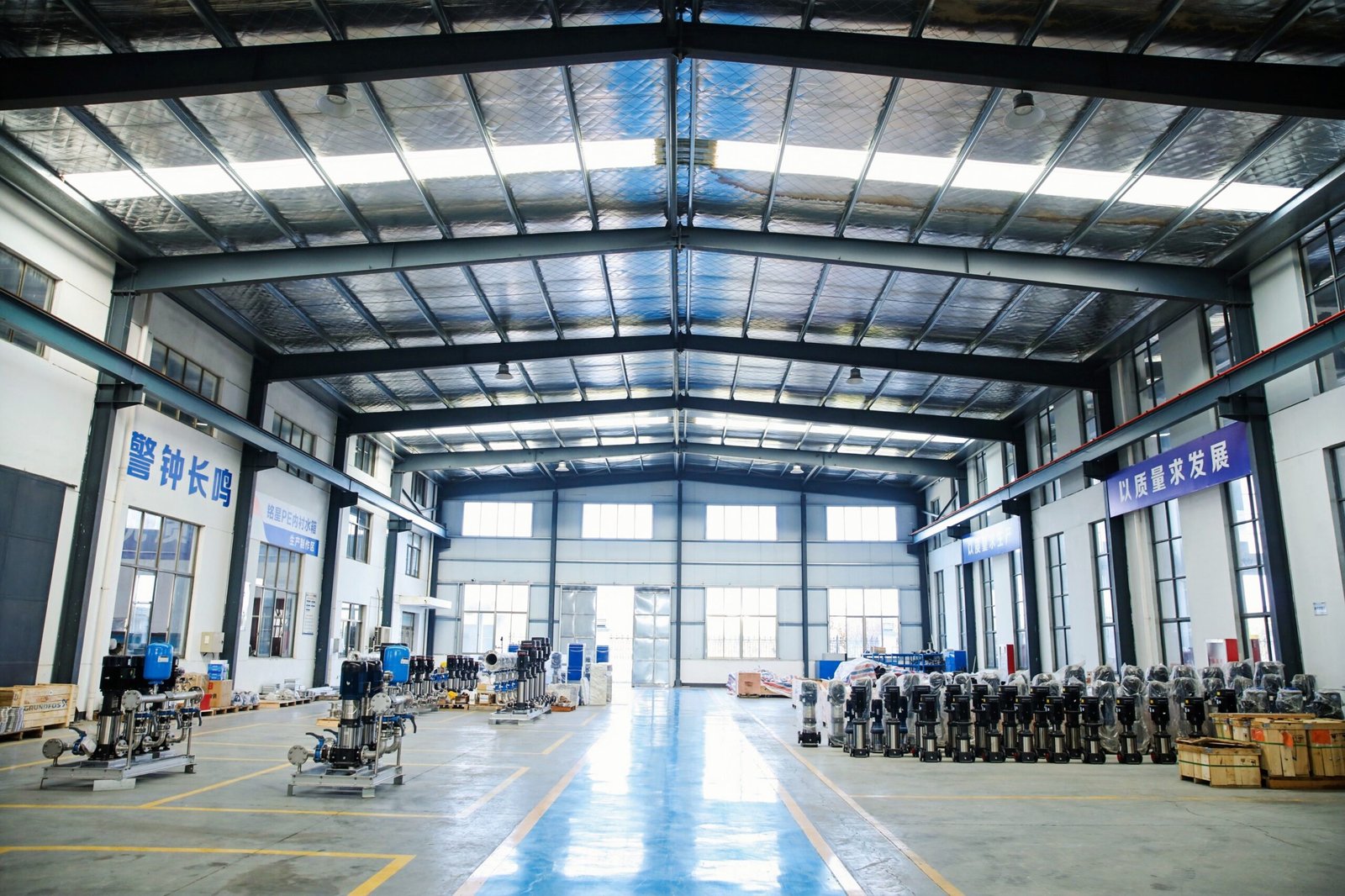
Underground water storage systems are widely used in commercial buildings, fire protection projects, municipal infrastructure, hotels, hospitals, and industrial facilities.
Traditionally, many underground water tanks were constructed using reinforced concrete structures. However, modern projects increasingly adopt underground stainless steel water tanks because of their improved corrosion resistance, modular installation advantages, structural reliability, and easier maintenance.
For projects requiring long-term durability and efficient installation, modular stainless steel water tanks are becoming a more practical solution compared with conventional underground concrete water reservoirs.
Why Traditional Concrete Underground Water Tanks Face Challenges
Concrete underground water tanks have been widely used for decades, but several long-term problems commonly occur during operation.
Typical issues include:
-
Cracking
-
Water leakage
-
Honeycomb surface defects
-
Long construction periods
-
Large structural weight
-
Difficult maintenance
-
Poor waterproofing reliability
In underground environments with constant humidity and groundwater exposure, structural aging may gradually affect long-term reliability.
For fire protection projects, maintenance accessibility and system stability become even more critical.
Advantages of Underground Stainless Steel Water Tanks
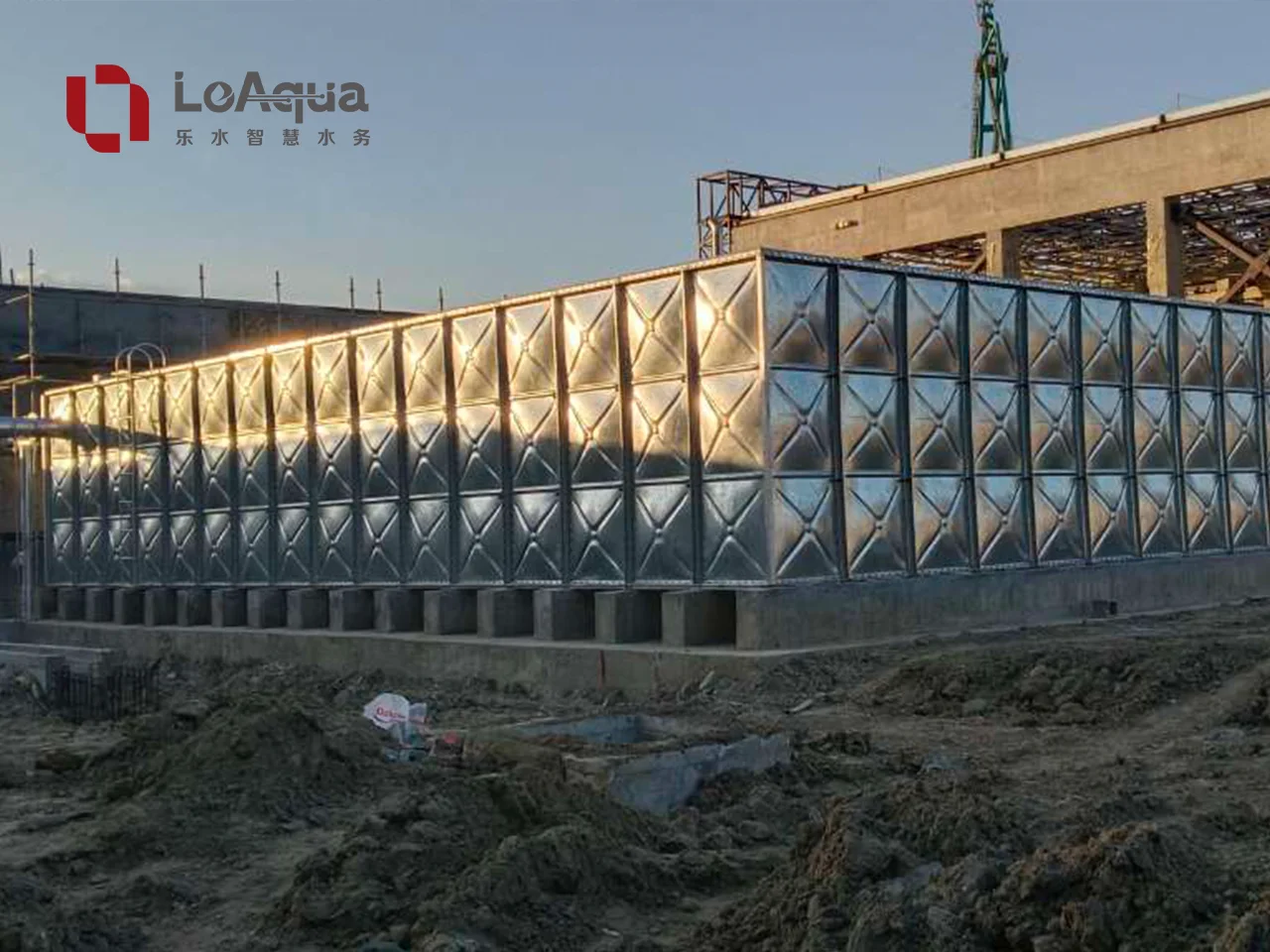
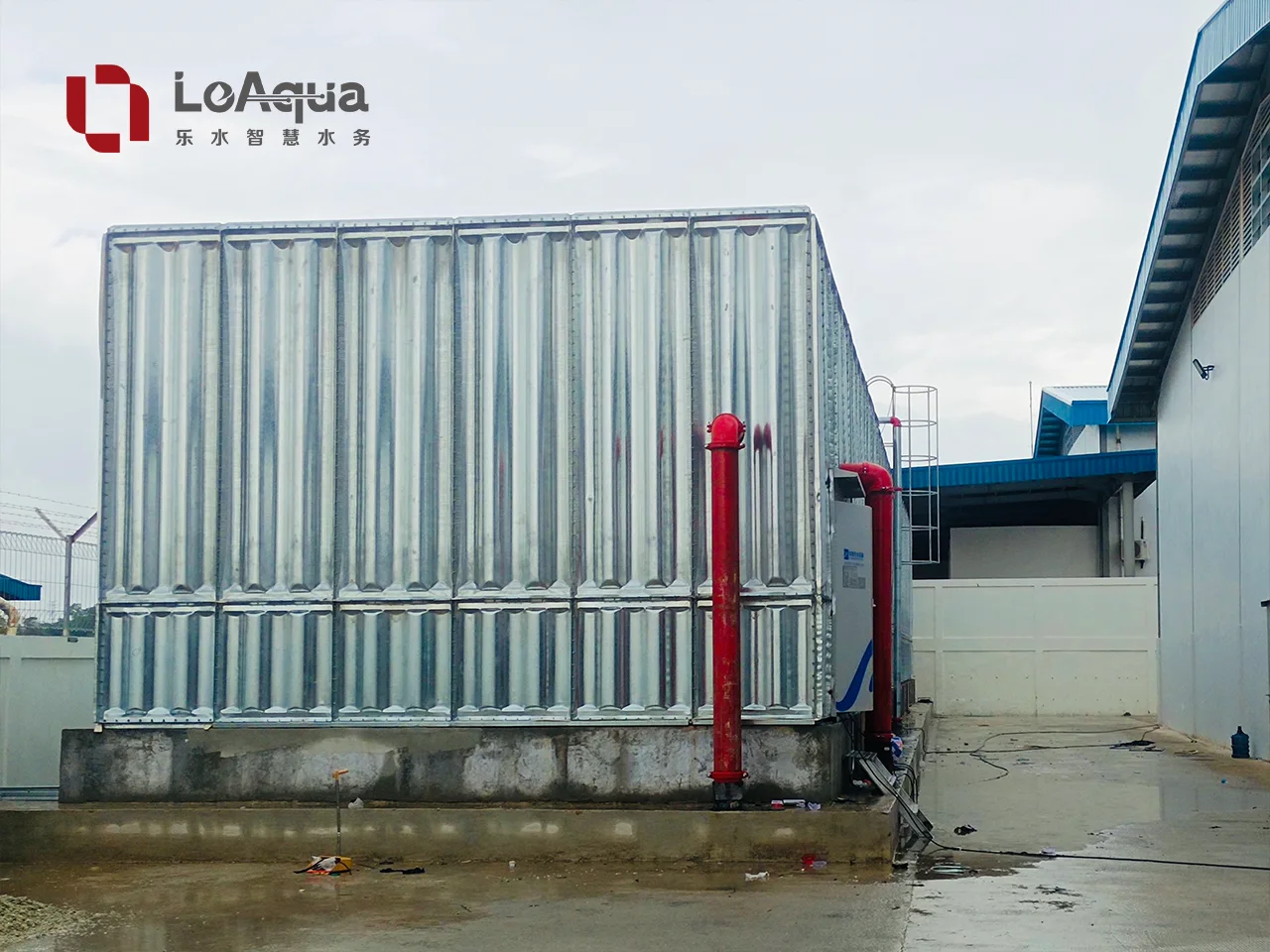
Modern underground stainless steel water tanks adopt modular structures combined with factory-prefabricated components.
Compared with traditional concrete tanks, modular stainless steel systems offer several engineering advantages.
Faster Installation and Shorter Construction Period
Concrete water tanks usually require:
-
Foundation excavation
-
Reinforcement work
-
Concrete curing
-
Waterproof treatment
-
On-site coordination
This process may significantly increase project timelines.
By comparison, modular underground stainless steel water tanks use prefabricated panel systems that can greatly reduce on-site construction complexity.
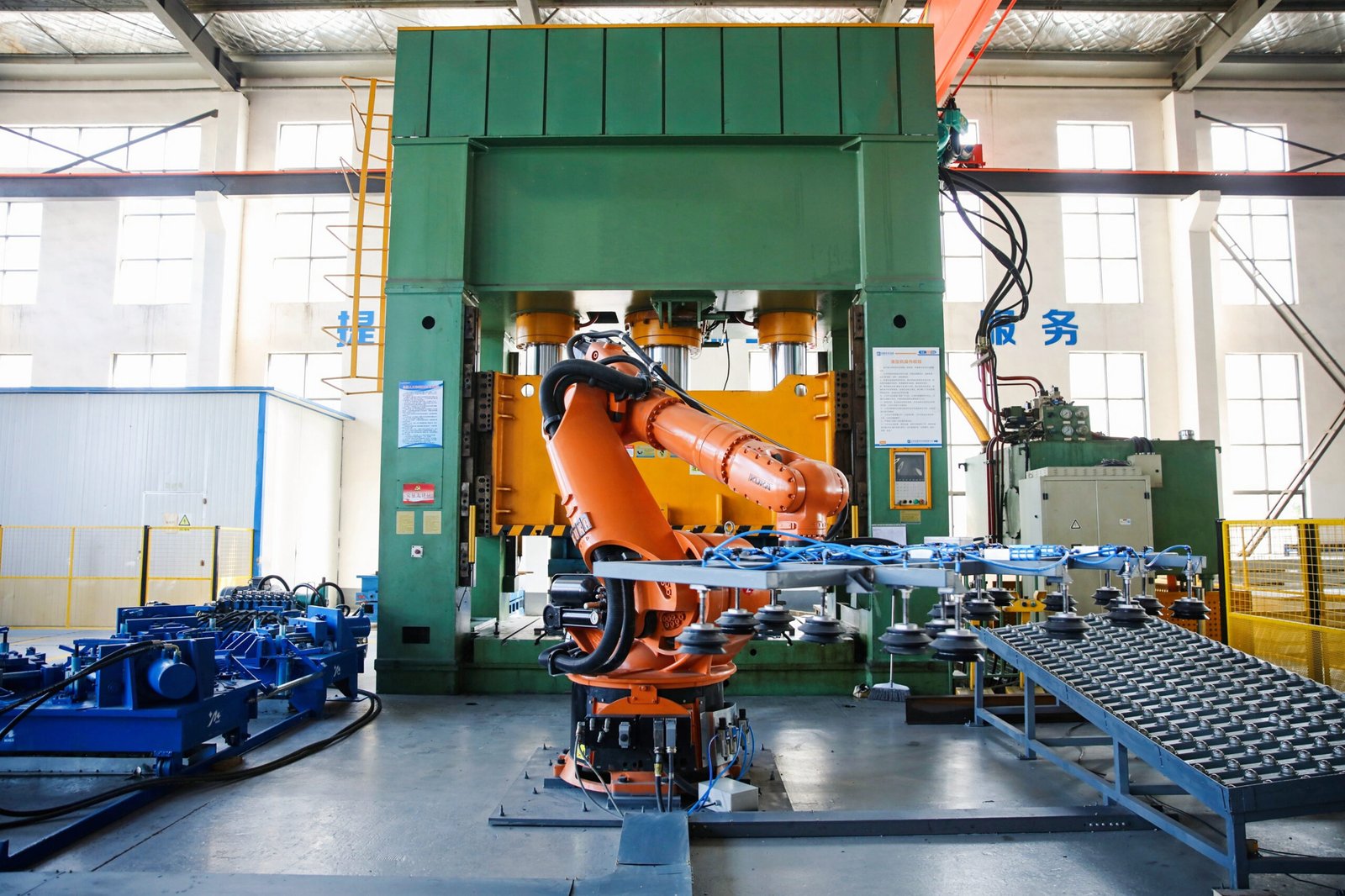
Factory-prefabricated modules improve installation efficiency while reducing quality risks caused by uncontrolled site conditions.
Better Corrosion Resistance in Underground Environments
Underground environments are highly demanding for water storage systems because of:
-
High humidity
-
Groundwater exposure
-
Soil corrosion
-
Long-term moisture accumulation
For underground projects, corrosion protection becomes one of the most important engineering considerations.
Modern underground stainless steel water tanks commonly adopt:
-
SUS304 stainless steel panels
-
Hot-dip galvanized structural supports
-
High-strength bolted connections
-
Multi-layer anti-corrosion systems
-
Epoxy coal tar protective coatings
Compared with ordinary welded structures, integrated deep-drawn modular panels can also reduce corrosion risks associated with welding seams.
Why Structural Design Matters in Underground Water Tanks
In underground applications, structural performance is not determined only by material thickness.
Factors such as:
-
Panel geometry
-
Reinforcement design
-
Load distribution
-
Foundation structure
-
Anti-floating capability
all directly affect long-term operational safety.
Advanced modular systems increasingly adopt deep-drawn reinforced panels to improve rigidity and deformation resistance.
For example, double-sided arc-ribbed panel geometry can distribute internal water pressure more evenly and improve structural stiffness.
Engineering testing shows that deep-drawn double-sided arc-ribbed panels may achieve more than three times the rigidity of conventional flat modular panels.
Anti-Floating Design Is Critical for Underground Water Tanks
One of the most important engineering risks for underground water tanks is groundwater buoyancy.
Improper anti-floating design may lead to:
-
Structural uplift
-
Tank deformation
-
Foundation cracking
-
Pipeline damage
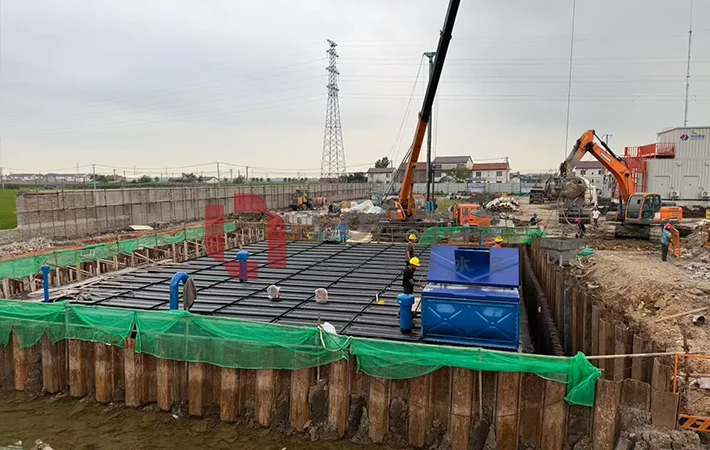
Modern underground integrated pump station systems increasingly adopt raft foundation structures combined with anti-floating engineering measures to reduce buoyancy risks caused by groundwater and surface water pressure.
Proper structural calculations and foundation design are essential for long-term underground system safety.
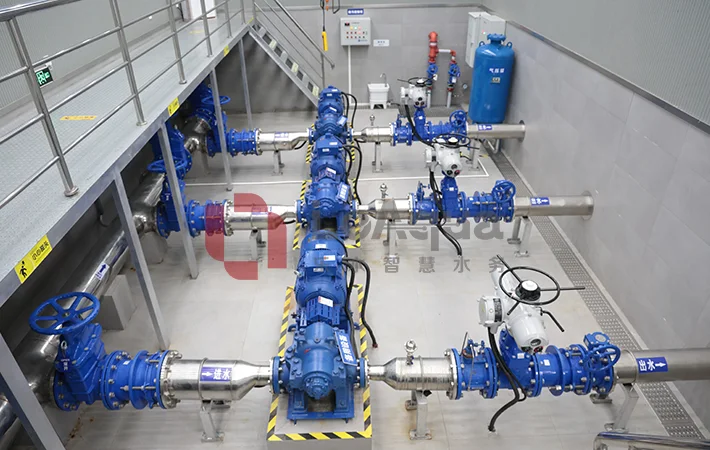
Underground Stainless Steel Water Tanks for Fire Protection Systems
Underground stainless steel water tanks are widely used in:
-
Fire protection systems
-
Integrated fire pump stations
-
Commercial complexes
-
Municipal projects
-
Industrial facilities
Compared with traditional concrete pump rooms, integrated underground stainless steel pump stations can improve:
-
Space utilization
-
Construction efficiency
-
System integration
-
Remote monitoring capability
-
Maintenance accessibility
Modern intelligent pump stations may also include:
-
Water level monitoring
-
Pressure monitoring
-
Flow monitoring
-
Remote alarm systems
-
Smart control systems
Conclusion
Compared with traditional concrete water reservoirs, underground stainless steel water tanks increasingly provide better corrosion resistance, faster installation, improved structural reliability, and easier maintenance.
For modern commercial buildings, fire protection systems, and municipal infrastructure projects, professionally engineered underground stainless steel water storage systems offer significant long-term advantages in both operational efficiency and structural durability.