When a new project reaches the stage of planning its water infrastructure, one of the first questions is usually straightforward:
“What kind of water tank do we need?”
It seems like the obvious place to start.
After all, every water supply system needs somewhere to store water.
But if you sit in on the early design meetings of a large industrial facility, hospital, commercial development or municipal project, you’ll notice that experienced engineers often begin somewhere else.
Instead of selecting a tank immediately, they try to understand how water will move through the entire site.
Where will the water come from?
How will demand change throughout the day?
What happens if one pump is taken offline for maintenance?
Could the site expand in the future?
The answers to those questions influence much more than the size or material of a water tank.
They shape the entire water storage system.
That is why successful projects are rarely designed around a single product.
They are designed around how every part of the system works together.
A Water Tank Is Only One Part of the Journey
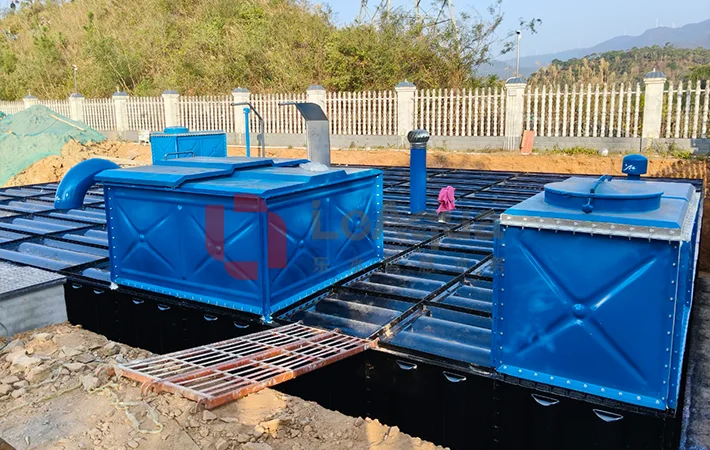
It is easy to think of a water tank as the centre of a water supply system.
In reality, it is better described as the starting point.
Water enters the tank.
It is stored safely until it is needed.
From there, the rest of the system begins to take over.
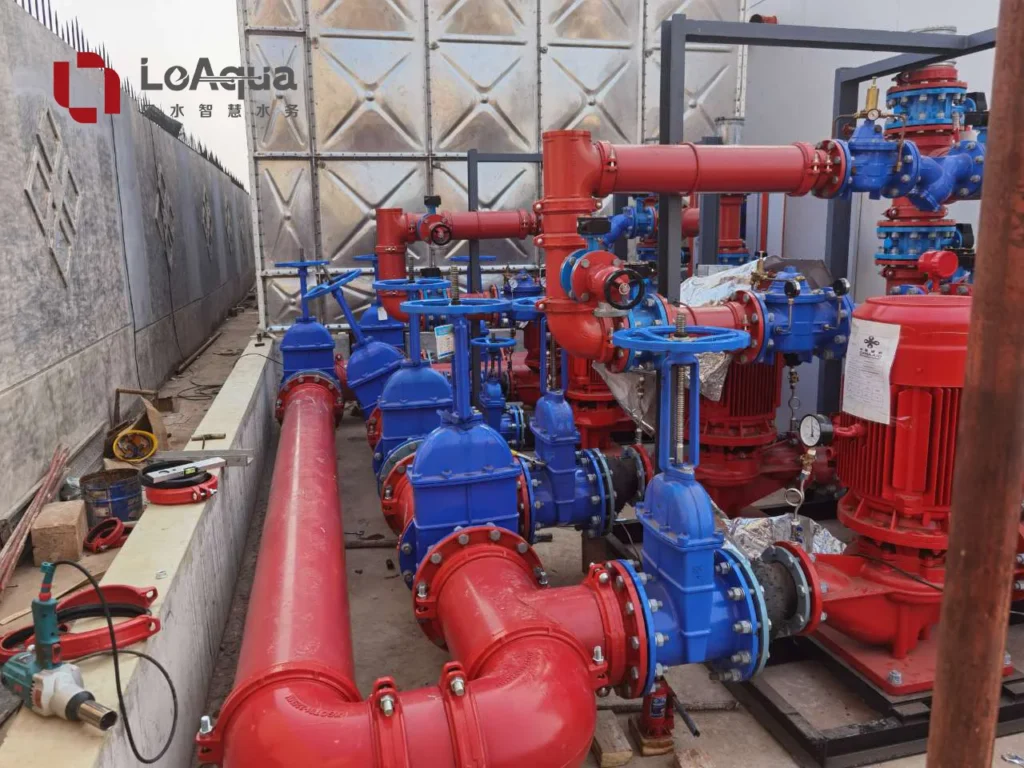
Pumps move the water to different parts of the facility.
Control systems regulate pressure and operating sequences.
Sensors monitor water levels and operating conditions.
Pipework distributes water to the locations where it is actually required.
If any one of those elements is poorly coordinated, the overall performance of the system may suffer even when the tank itself is designed correctly.
For that reason, experienced engineers rarely ask whether a water tank is “good” or “bad.”
Instead, they ask a more practical question:
“How well does this tank fit into the complete water supply system?”
That change in perspective often leads to better engineering decisions.
Every Project Has Different Priorities
Two facilities may require exactly the same storage capacity while facing completely different engineering challenges.
A manufacturing plant may experience rapid changes in water demand as production lines start and stop.
A hospital places greater emphasis on uninterrupted operation and system redundancy.
A residential development may need to accommodate future expansion as additional buildings are completed.
Even within the same industry, no two sites are exactly alike.
That is why water storage planning is rarely based on capacity alone.
Engineers evaluate available space, construction schedules, maintenance access, future development plans, utility connections and operational requirements before deciding how different components should work together.
Once those requirements become clear, selecting the appropriate water tank is usually much easier.
The tank is still an essential part of the project.
It simply isn’t the only part that matters.
Good System Design Solves Problems Before Construction Begins
Many of the most expensive problems on a water supply project are not caused by poor equipment.
They are caused by poor coordination.
For example, the water tank may be designed before the final pump selection is confirmed. Pipe routes may change after the tank foundation has already been completed. Maintenance access may look acceptable on a drawing but become difficult once other equipment has been installed.
None of these issues necessarily reflects the quality of the individual products.
They are usually the result of different parts of the project being designed independently.
This is why experienced engineers spend considerable time reviewing the relationships between components before manufacturing begins.
The objective is not simply to ensure that every piece of equipment works.
It is to ensure that every piece works together.
A well-planned water storage system should allow storage, pumping, distribution and future maintenance to support one another rather than creating unnecessary compromises later in the project.
Planning for Tomorrow Is Just as Important as Solving Today’s Requirements
Every completed project represents a snapshot in time.
Many facilities continue to grow long after the original construction work has finished.
Factories add production lines.
Hospitals expand their buildings.
Industrial parks welcome new tenants.
Municipal infrastructure is upgraded as demand increases.
When these changes occur, the original water storage system is often expected to adapt without disrupting normal operation.
For that reason, experienced engineers frequently discuss questions that have little to do with today’s storage capacity.
Is there enough space for future equipment?
Can additional storage be incorporated if demand increases?
Will maintenance remain practical if new buildings are added nearby?
These conversations may seem unrelated to the water tank itself, but they often influence the final design.
Planning for future flexibility does not necessarily increase today’s project cost.
More often, it helps avoid expensive modifications years later.
A Water Tank Performs Best When It Is Part of a Complete System
There is nothing wrong with evaluating individual equipment.
Every project still requires careful selection of water storage tanks, pumps, valves and control systems.
The challenge begins when those components are considered separately.
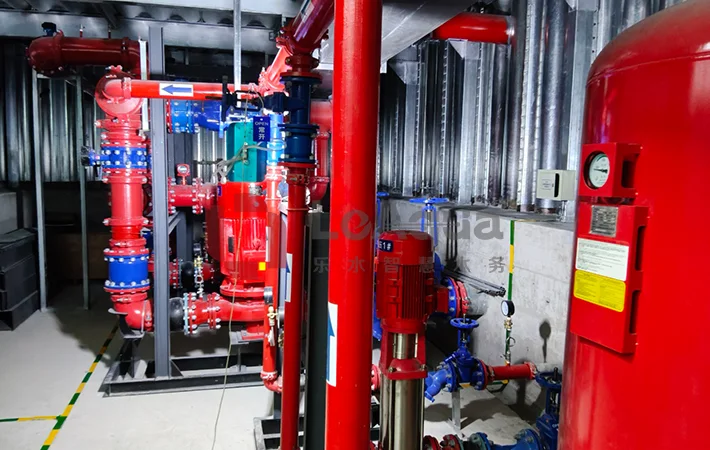
A water tank stores water.
A pump moves it.
The control system determines when and how that movement takes place.
Monitoring equipment provides the information needed to operate and maintain the system with confidence.
Each element performs a different task.
Reliable water supply depends on how effectively those tasks are coordinated.
That is why many successful projects focus less on individual products and more on how the complete water storage system will perform throughout its operational life.
Final Thoughts
Choosing the right water tank will always remain an important engineering decision.
However, reliable water supply depends on much more than selecting the correct storage vessel.
It requires engineers to consider storage, pumping, controls, maintenance and future operation as parts of one coordinated system.
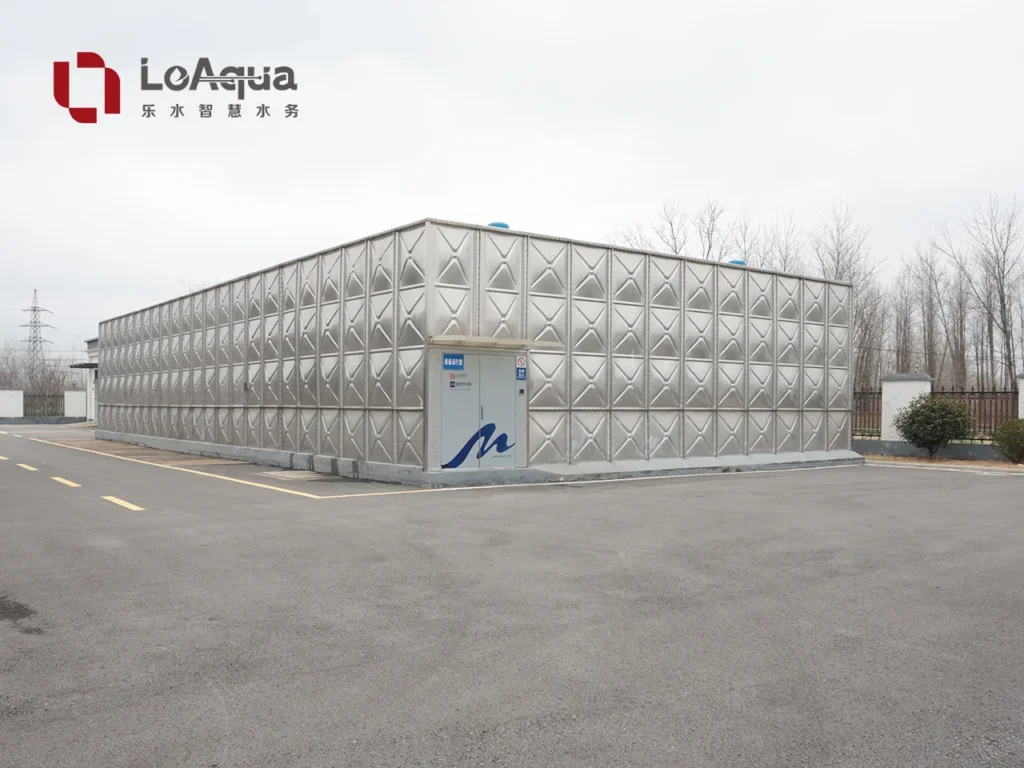
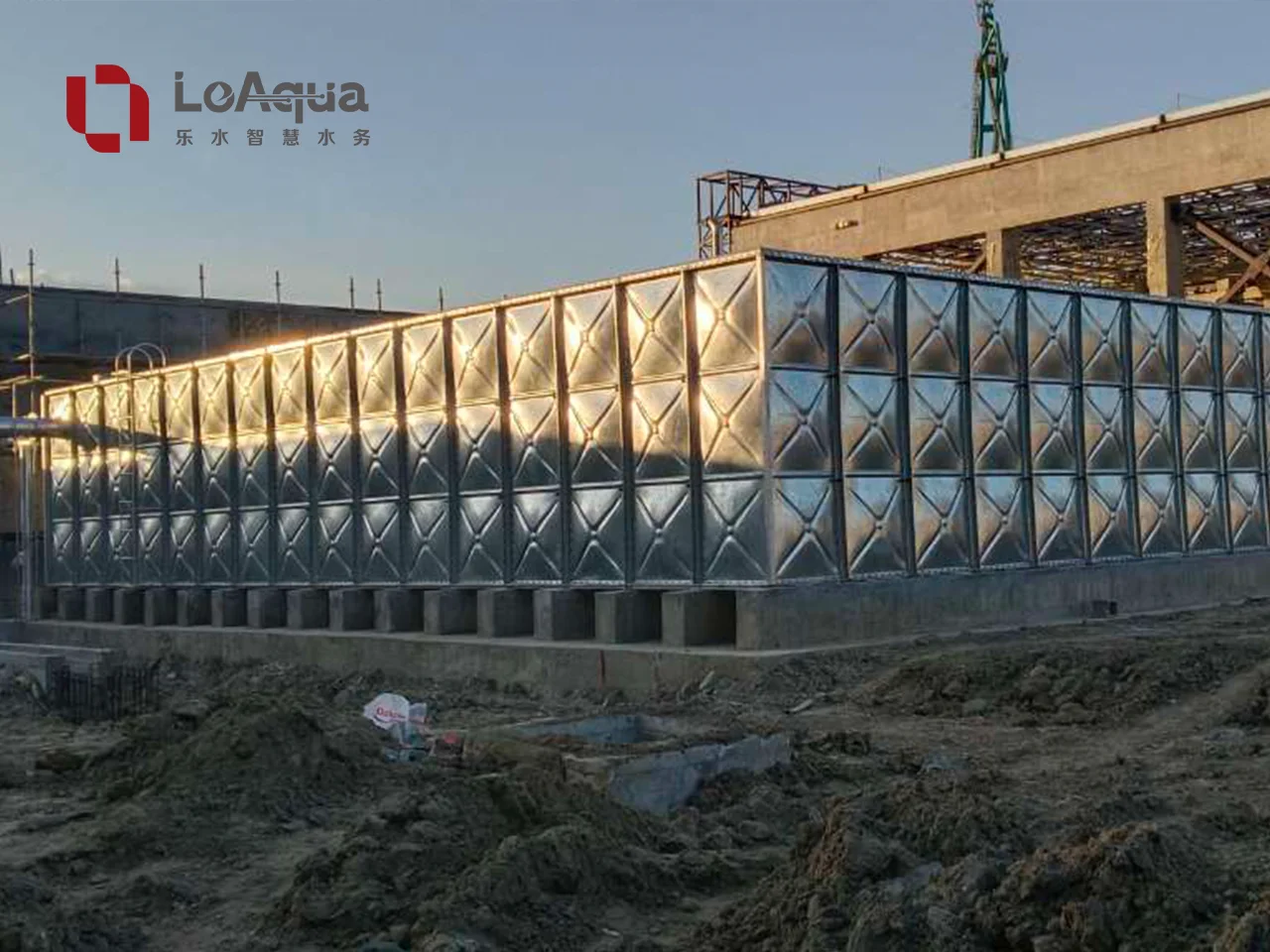
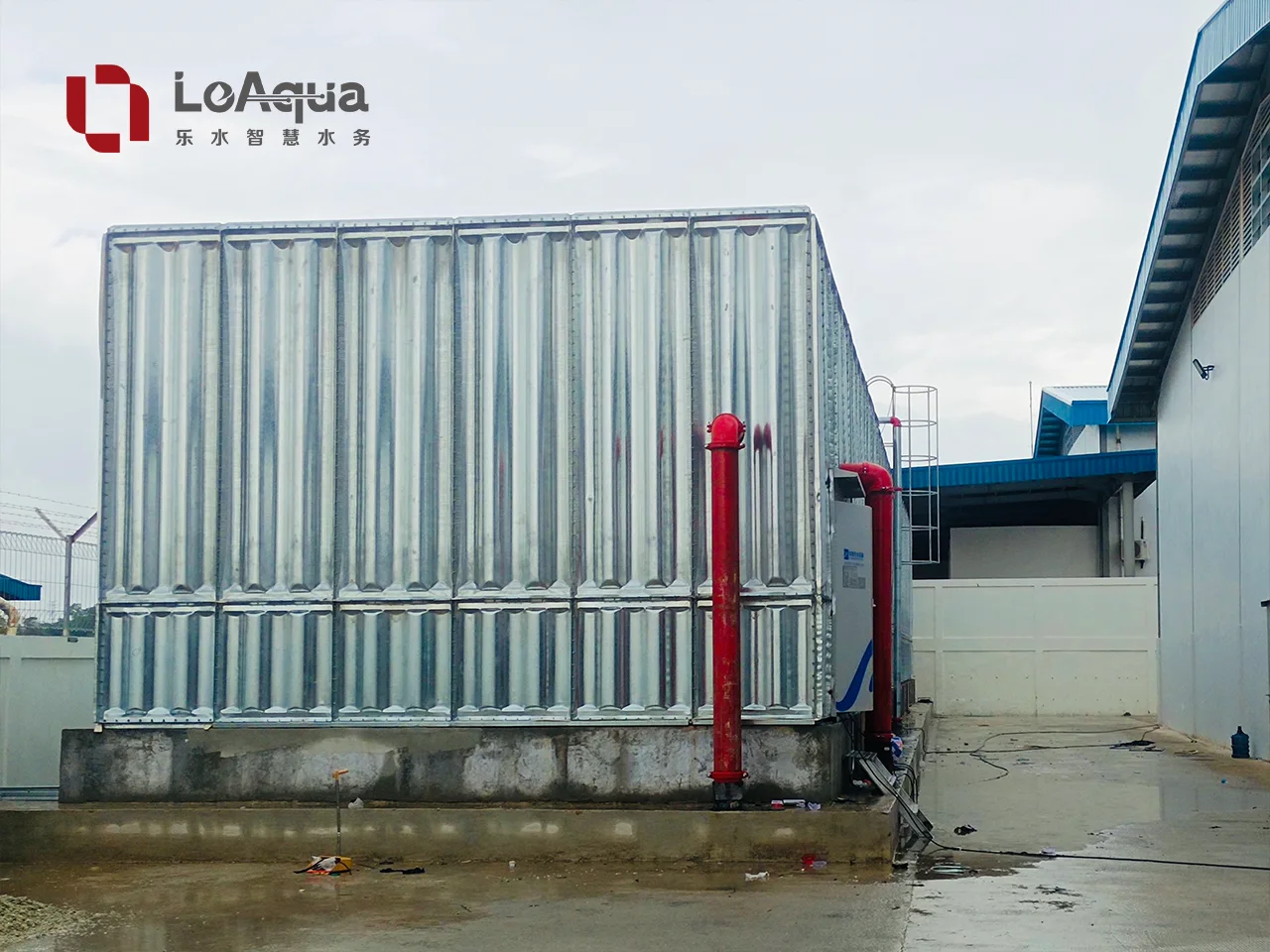
At LeAqua, water storage projects begin with understanding how the complete system will operate before manufacturing starts. Depending on project requirements, stainless steel water tanks, modular composite tanks, booster pump equipment and monitoring technologies can be planned together to support reliable long-term operation.
The goal is not simply to deliver a water tank.
It is to provide a water storage solution that continues to perform as the project grows and evolves.