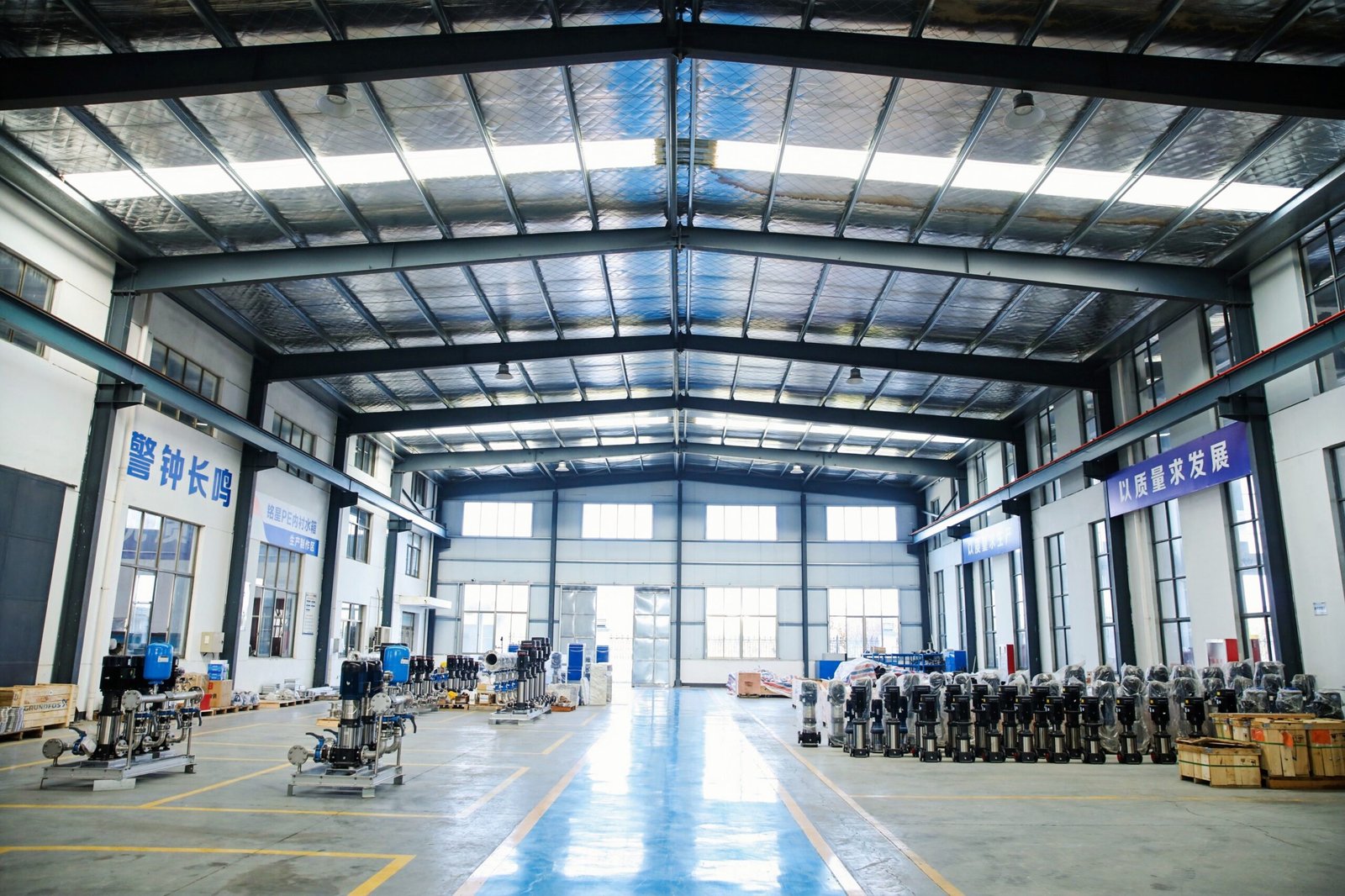
Modern water storage systems increasingly require higher standards for structural reliability, corrosion resistance, installation efficiency, and long-term maintenance performance.
As infrastructure projects continue evolving, modular composite water tanks are becoming a more widely adopted solution for commercial buildings, municipal water supply systems, fire protection projects, and industrial facilities.
Compared with traditional concrete reservoirs and ordinary welded steel tanks, modular composite water tanks provide advantages in structural engineering, transportation efficiency, corrosion protection, and modular installation.
LeAqua modular composite water tank systems are designed to improve long-term operational reliability while simplifying installation and maintenance requirements for modern infrastructure projects.
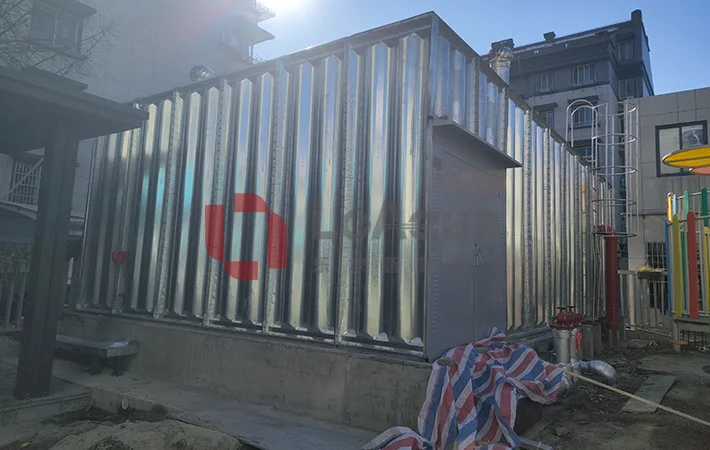
What Is a Modular Composite Water Tank?
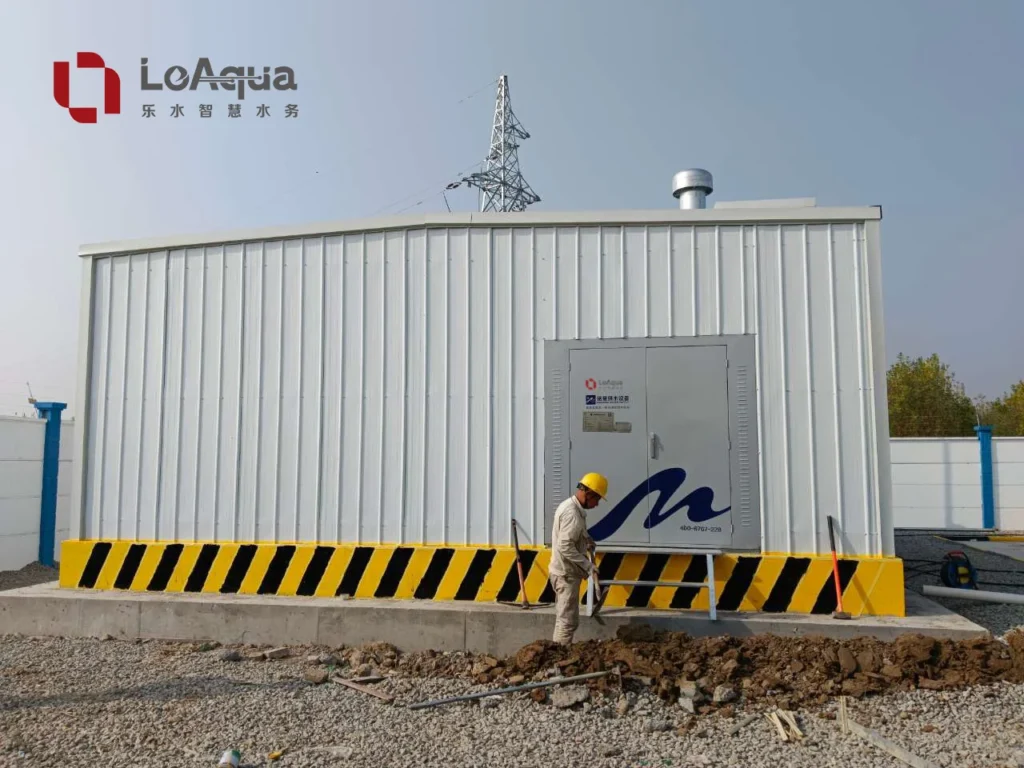
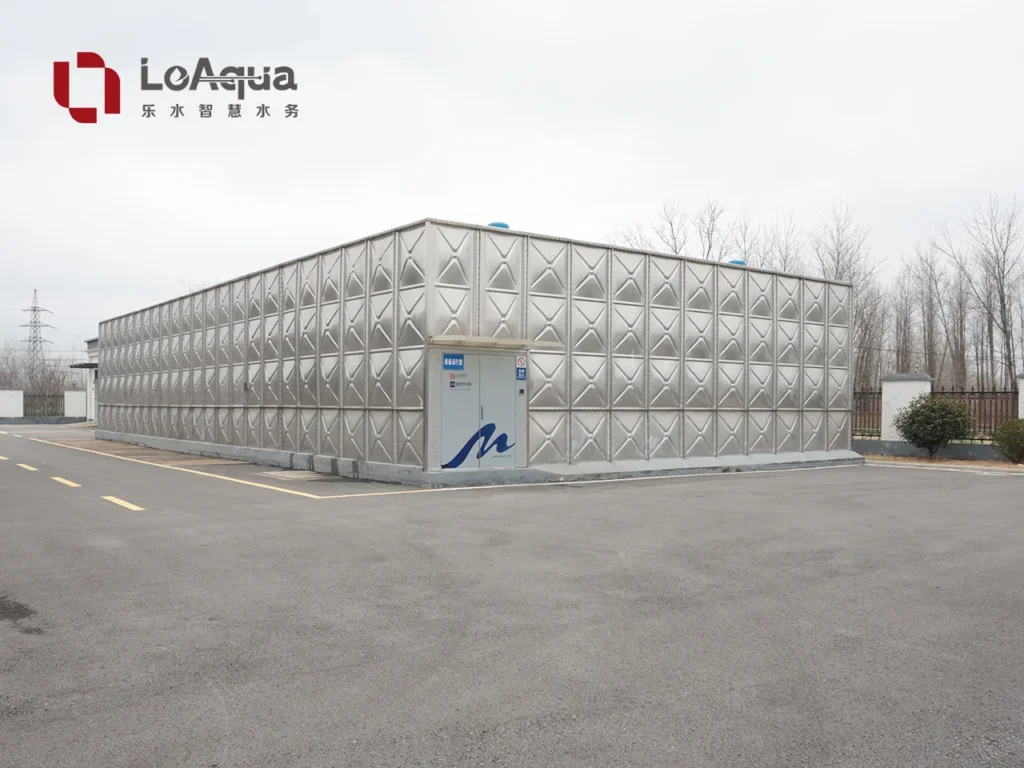
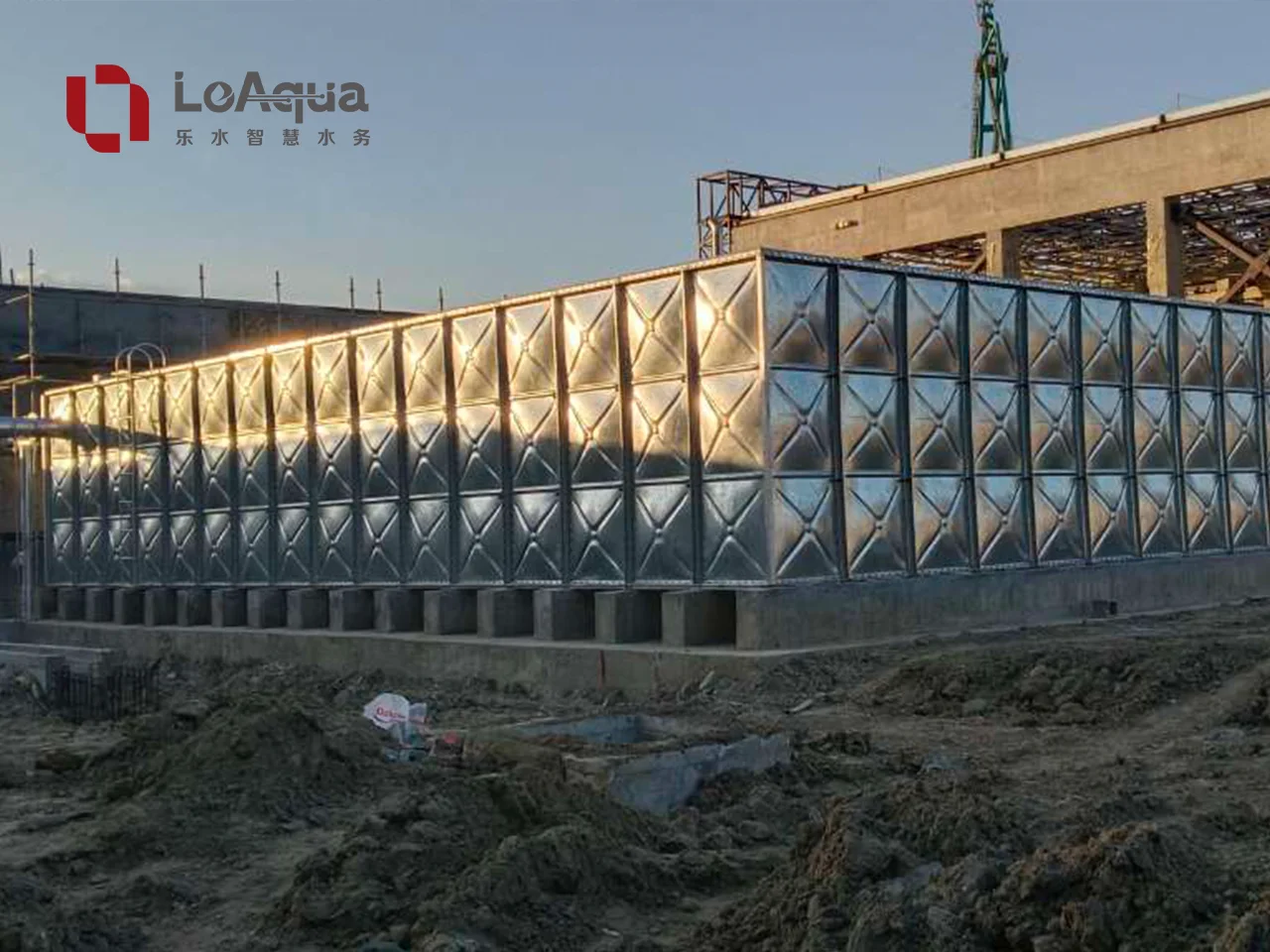
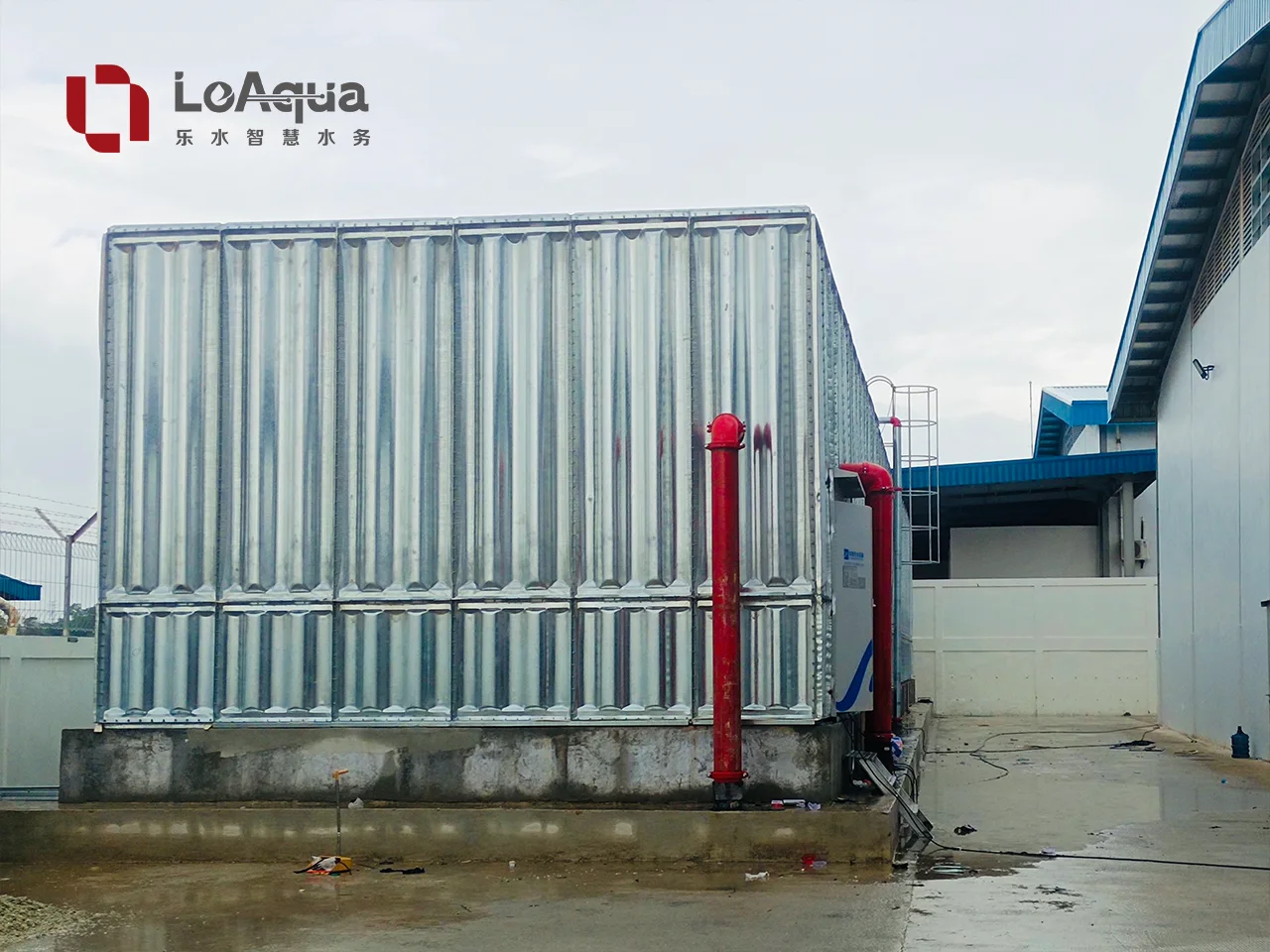
A modular composite water tank is a prefabricated water storage system assembled from modular structural panels and reinforced support components.
Compared with traditional welded tanks, modular systems use standardized panels connected through bolted assembly structures.
This modular design improves:
- Transportation efficiency
- Installation flexibility
- Structural consistency
- Maintenance accessibility
- Future expansion capability
Modern modular composite water tanks are widely used in:
- Commercial buildings
- Fire protection systems
- Municipal infrastructure
- Industrial water supply
- Hotels and hospitals
- Integrated pump stations
Why Composite Structural Design Matters
In large-capacity water storage systems, structural performance is not determined only by material thickness.
Factors such as:
- Panel geometry
- Reinforcement structure
- Load distribution
- Corrosion resistance
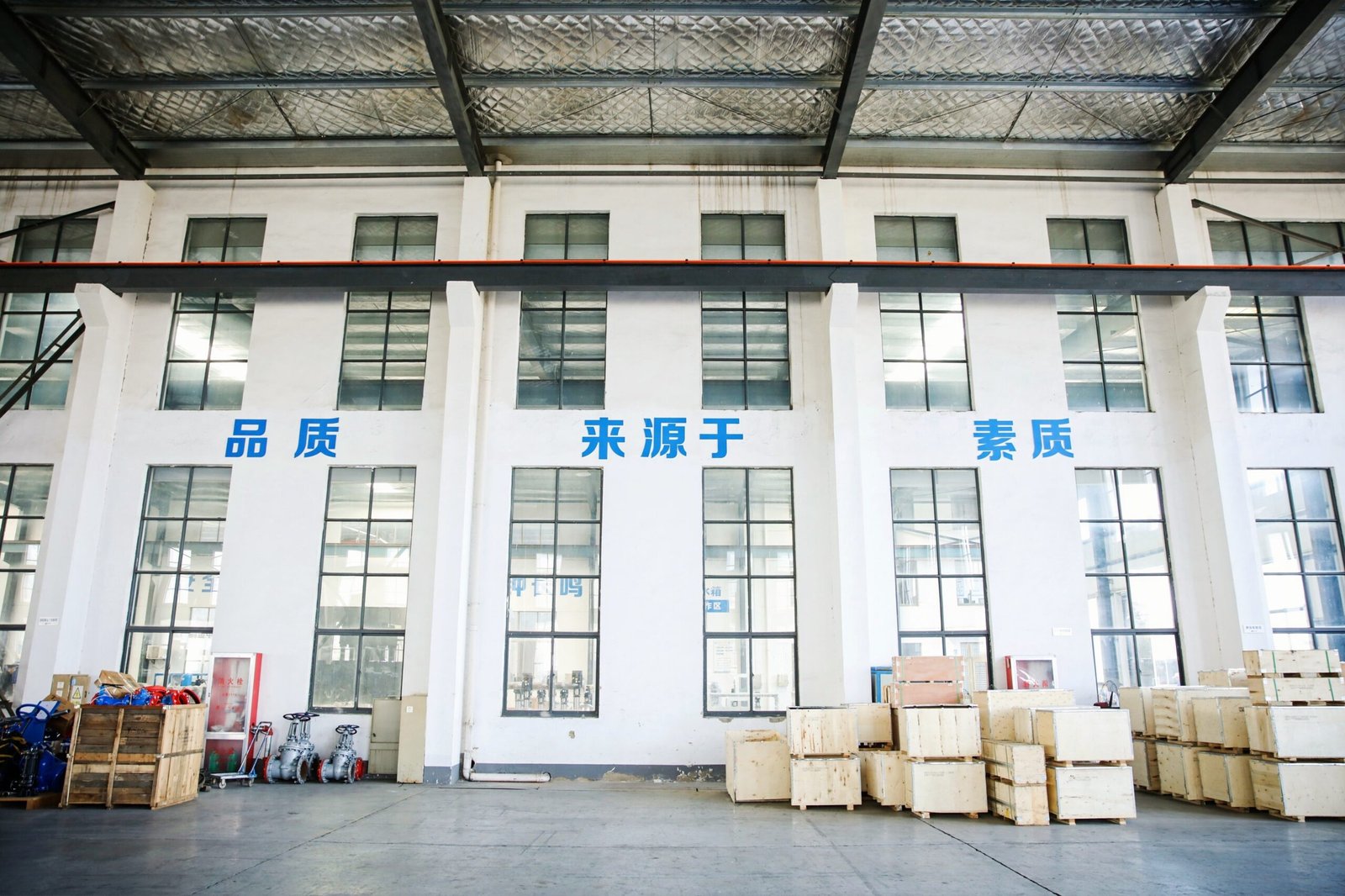
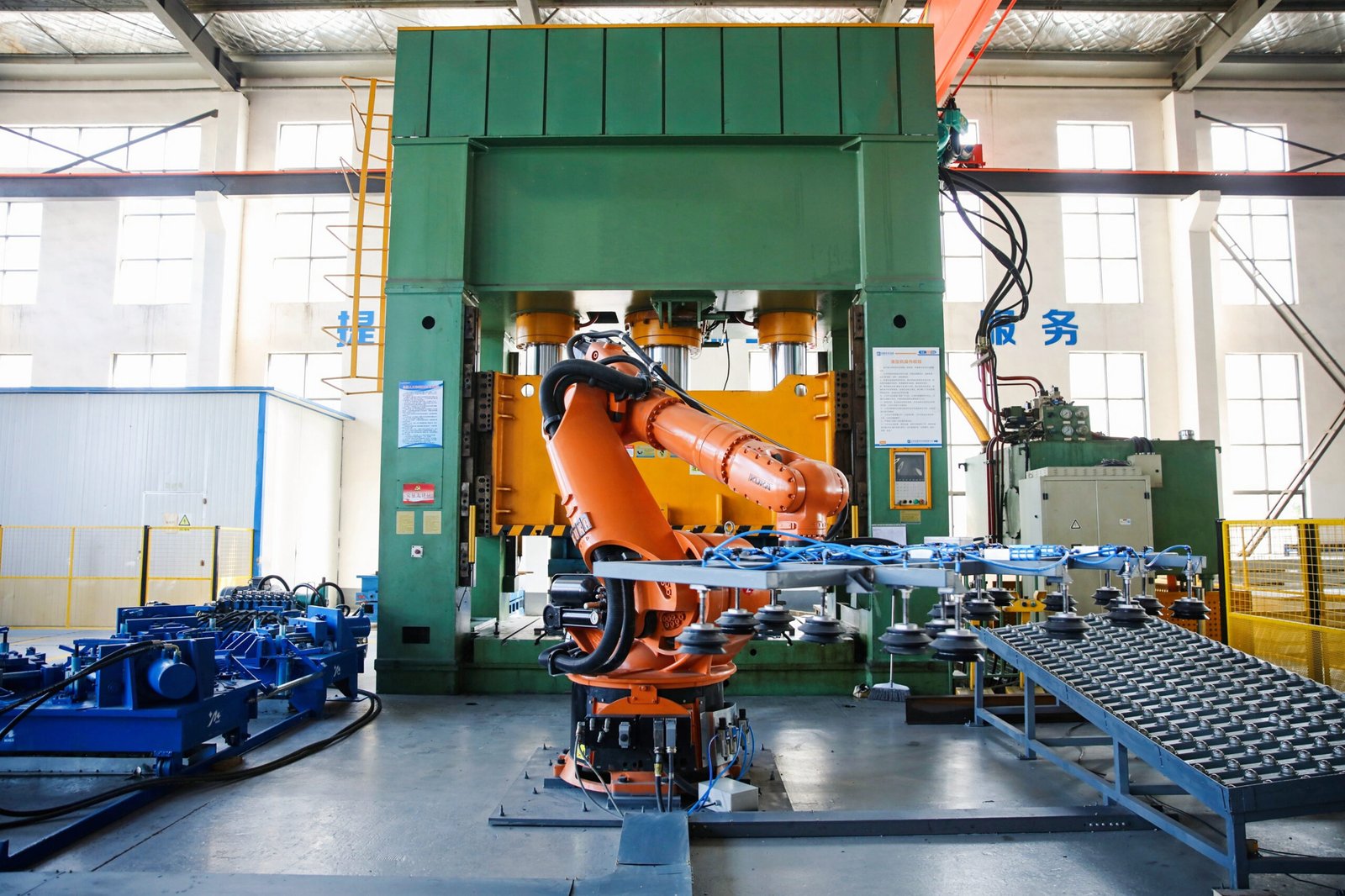
- Manufacturing precision
all directly affect long-term reliability.
LeAqua modular composite water tanks adopt reinforced modular structural designs to improve rigidity and deformation resistance under water pressure.
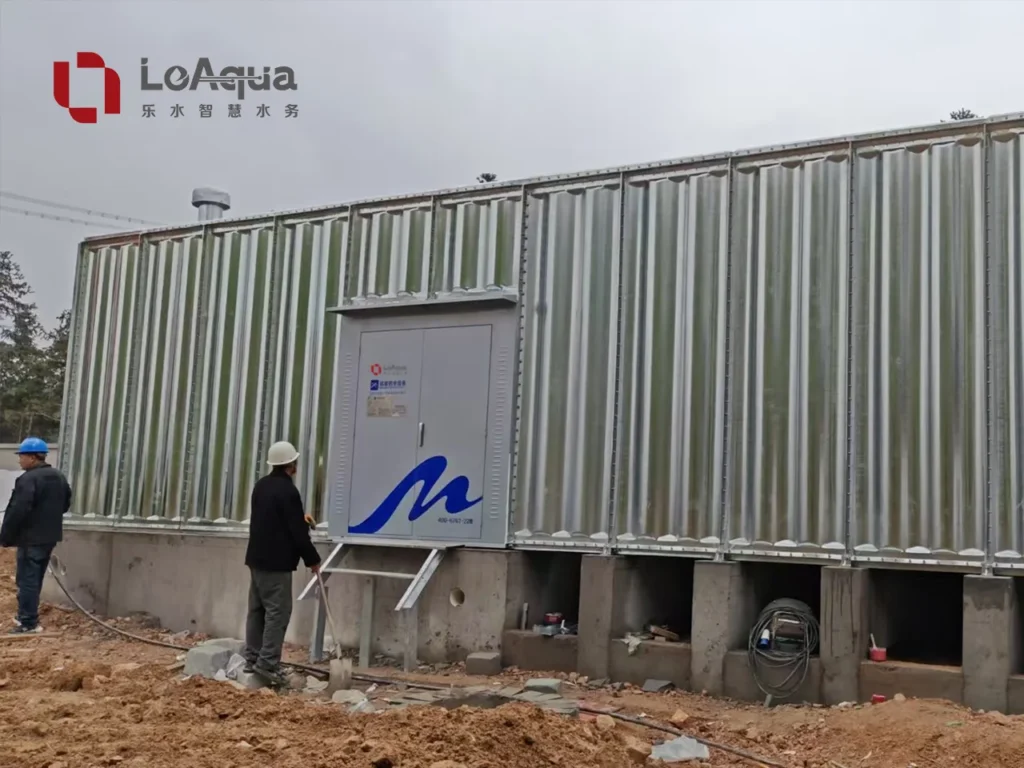
Advanced deep-drawn modular panels can distribute stress more evenly across the tank body and improve structural stability.
Compared with conventional flat panels, reinforced corrugated structures may significantly improve rigidity performance while reducing excessive structural deformation.
Corrosion Resistance for Long-Term Water Storage
Water tanks often operate in humid or corrosive environments for many years.
Improper corrosion protection may eventually lead to:
- Structural weakening
- Leakage
- Rust
- Maintenance problems
Modern modular composite water tanks increasingly adopt multiple anti-corrosion protection systems, including:
- Stainless steel internal surfaces
- Hot-dip galvanized structural supports
- Protective coating systems
- High-strength bolted connections
LeAqua modular composite water tank systems are engineered to improve corrosion resistance and long-term durability for demanding infrastructure environments.
Faster Installation Compared with Traditional Structures
Traditional concrete reservoirs and welded tanks often require lengthy on-site construction procedures.
By comparison, modular composite water tanks use prefabricated components that simplify installation.
Advantages include:
- Reduced construction time
- Easier transportation
- Improved installation efficiency
- Better quality consistency
- Reduced on-site welding
This is especially important for large commercial projects and underground pump station systems where construction schedules are critical.
Why Modular Water Tanks Are Increasingly Used in Fire Protection Systems
Modern fire protection systems increasingly adopt modular composite water tanks because they provide:
- Stable structural performance
- Easier maintenance
- Faster installation
- Better system integration
- Long-term corrosion resistance
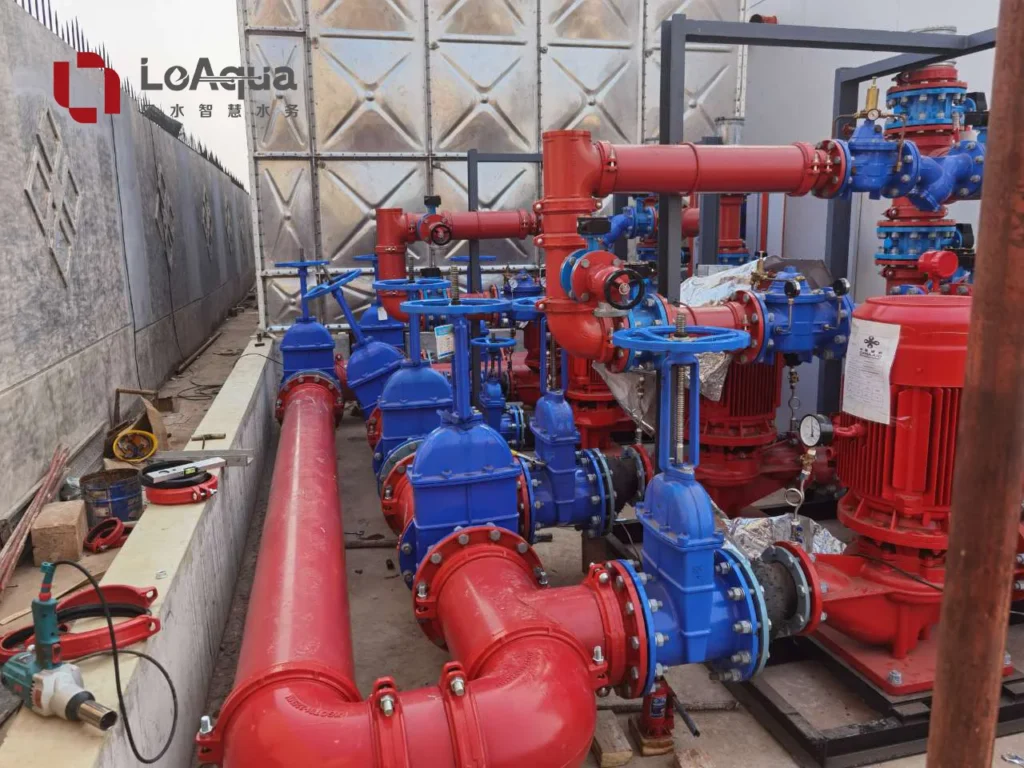
LeAqua integrated pump station systems can combine modular water storage tanks, pumps, intelligent monitoring systems, and control equipment into a unified modular solution.
This integrated design improves operational efficiency and simplifies maintenance management.
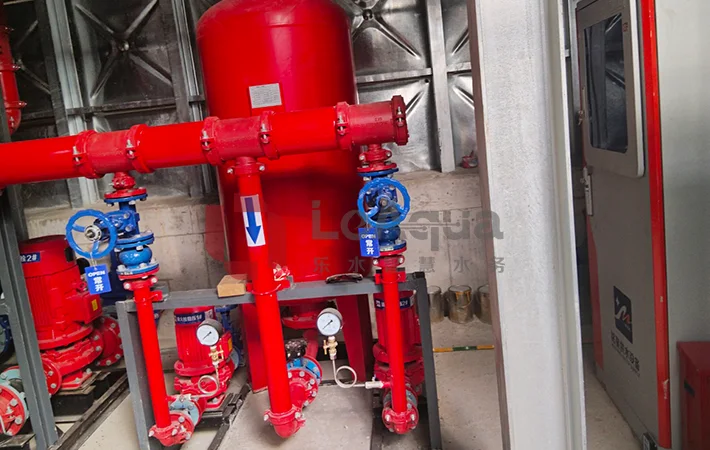
Smart Water Storage and Intelligent Monitoring
Modern water storage projects increasingly require intelligent management systems.
Modular composite water tanks may integrate:
- Water level monitoring
- Pressure sensors
- Remote alarm systems
- Intelligent pump control
- Real-time monitoring systems
These intelligent features improve operational safety and maintenance efficiency for modern infrastructure projects.
Conclusion
Modular composite water tanks are becoming an increasingly practical solution for modern water storage applications because they improve installation efficiency, structural reliability, corrosion resistance, and long-term maintenance performance.
LeAqua modular composite water tank systems are designed to support modern commercial buildings, fire protection systems, municipal infrastructure, and integrated pump station projects with professionally engineered modular water storage solutions.