Water accumulation inside a stainless steel water tank is more than a simple maintenance issue. Stagnant water can affect hygiene, increase cleaning frequency, and reduce the long-term reliability of water storage systems.
In many traditional modular water tanks, poor drainage structure and internal obstructions create dead zones where water cannot fully discharge.
As a research-driven manufacturer, LeAqua focuses on improving water tank hygiene and drainage performance through structural engineering and optimized tank geometry.
Why Water Accumulation Is a Problem
When water remains inside a storage tank for long periods, several issues may occur:
- sediment accumulation
- bacterial growth
- unpleasant odors
- increased maintenance difficulty
- water quality deterioration
For potable water systems and industrial applications, proper drainage is an important part of hygienic water storage design.
Common Causes of Water Accumulation in Water Tanks
Flat Bottom Tank Design
Traditional flat-bottom water tanks often allow small amounts of water to remain after drainage.
Over time, stagnant water may collect:
- dirt
- rust particles
- sediment
- biological contaminants
Internal Reinforcement Structures
Many conventional water tanks use:
- tie-rods
- internal supports
- reinforcement bars
These structures can interrupt water flow and create hard-to-clean dead corners.
Poor Drainage Geometry
Improper outlet positioning and weak internal slope design may prevent complete water discharge.
In some tanks, water naturally settles in low-flow areas where cleaning becomes difficult.
How Modern Water Tank Design Prevents Stagnant Water
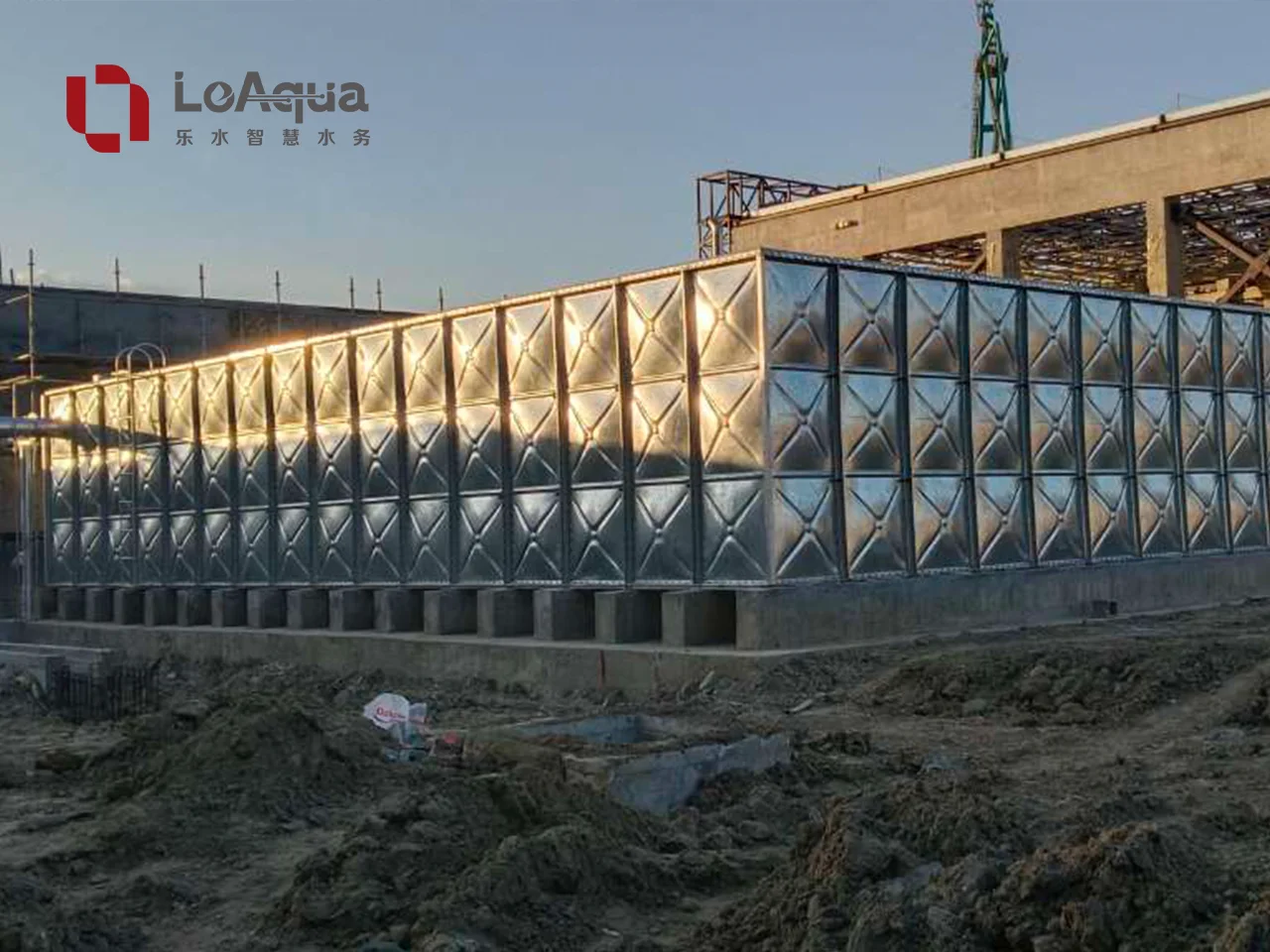
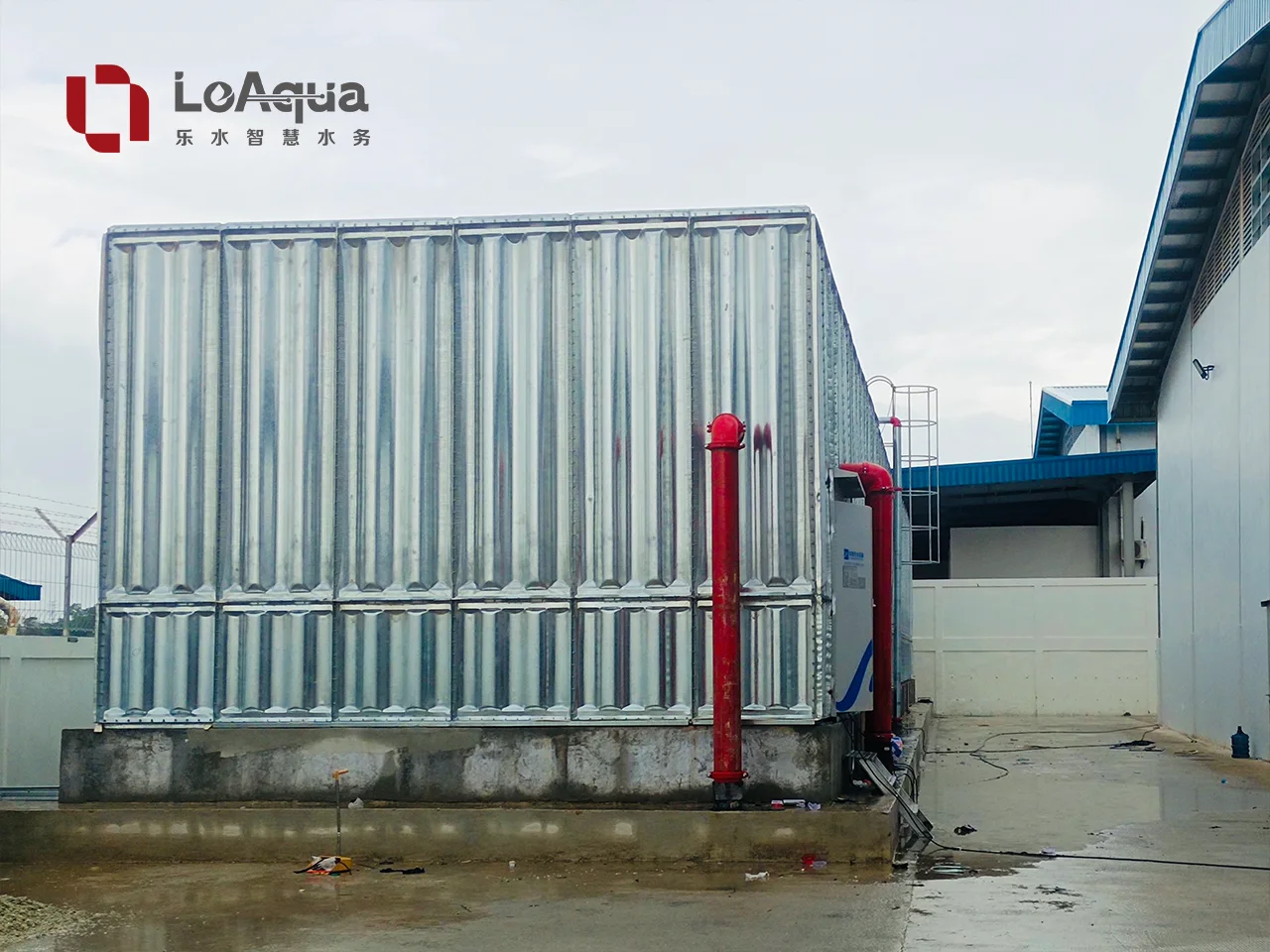
Modern stainless steel modular water tanks increasingly use structural optimization to improve drainage and internal hygiene.
Instead of relying only on maintenance procedures, advanced tank systems solve water accumulation problems through engineering design.
Optimized Bottom Panel Structure
Advanced tank systems use specially designed bottom panels to improve water flow toward drainage outlets.
By optimizing panel geometry, the tank can:
- reduce stagnant water zones
- improve drainage efficiency
- minimize residual water retention
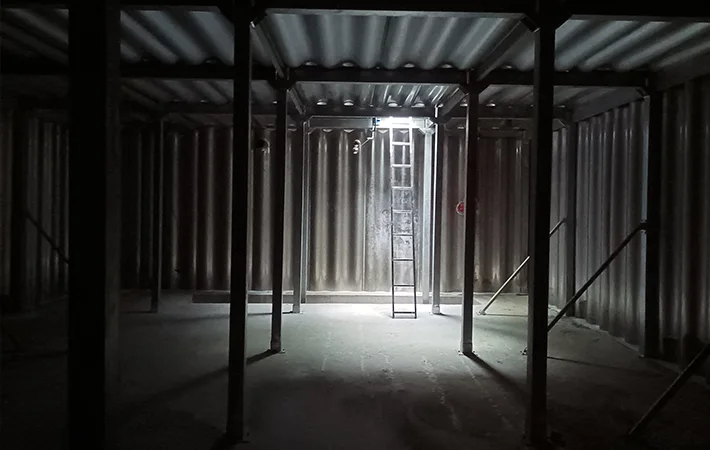
Tie-Rod-Free Internal Design
Through arc-ribbed structural engineering, LeAqua develops tie-rod-free water tank systems with simplified internal layouts.
This design helps:
- improve water circulation
- eliminate dead corners
- simplify tank cleaning
- reduce contamination risks
Smooth Internal Surfaces Improve Hygiene
Smooth stainless steel surfaces also contribute to easier cleaning and improved hygiene performance.
Compared with complex internal reinforcement structures, simplified tank interiors:
- reduce sediment buildup
- improve cleaning accessibility
- enhance long-term sanitation performance
Why Stainless Steel Tanks Are Better for Hygienic Water Storage
Stainless steel is widely used in modern water storage systems because it provides:
FeatureBenefitCorrosion ResistanceReduces contamination riskSmooth SurfaceEasier cleaningStructural DurabilityLong service lifeHygienic PerformanceSuitable for potable water
Combined with optimized drainage structure, stainless steel water tanks provide a more reliable hygienic storage solution.
Engineering Design Matters More Than Maintenance Alone
Many water accumulation problems originate from structural limitations rather than cleaning frequency.
Modern water tank engineering increasingly focuses on:
- drainage optimization
- structural geometry
- internal accessibility
- hygienic design principles
Through continuous R&D and structural analysis, LeAqua develops modular water tank systems designed for both structural performance and long-term maintenance efficiency.
Water Tank FAQ
Why does water accumulate inside water tanks?
Water accumulation is usually caused by poor drainage design, flat bottom structures, internal obstructions, or insufficient water flow.
Is stagnant water dangerous?
Stagnant water may increase the risk of sediment buildup, bacterial growth, and water quality problems.
How can water accumulation be prevented?
Optimized drainage structure, smooth internal surfaces, and simplified internal layouts can significantly reduce stagnant water zones.
Are tie-rod-free water tanks easier to clean?
Yes. Tie-rod-free designs improve accessibility and reduce internal dead corners, making cleaning and drainage more efficient.
Conclusion
Preventing water accumulation requires more than routine maintenance. It depends on proper structural engineering, optimized drainage geometry, and hygienic internal water tank design.
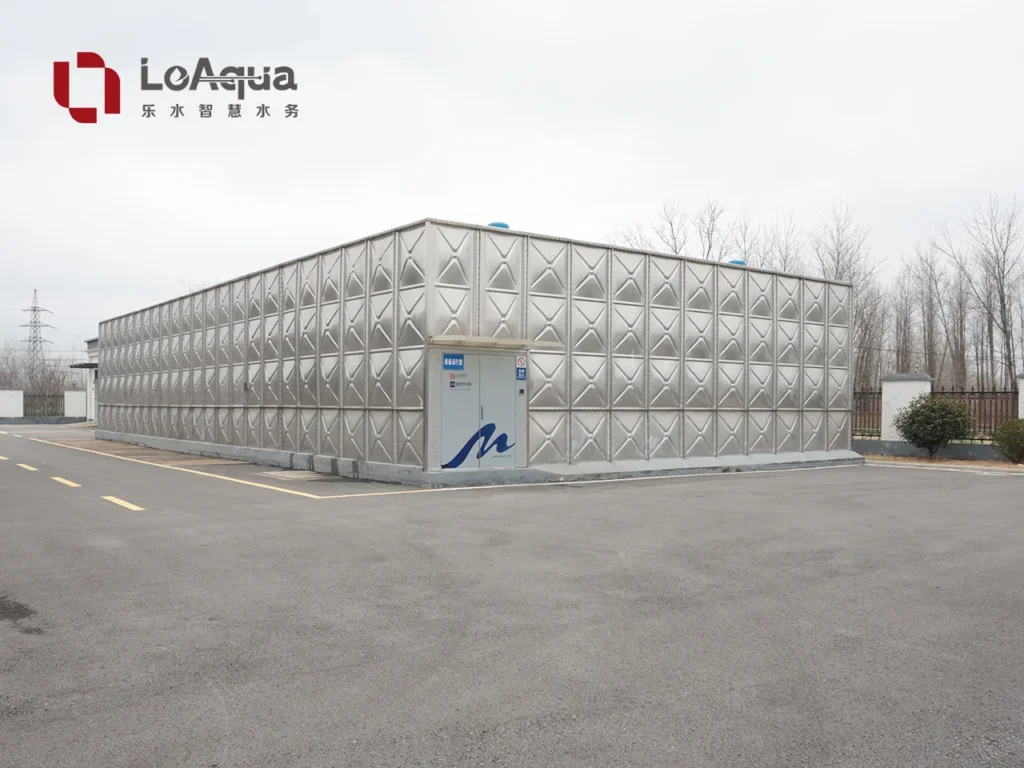
By combining stainless steel materials, arc-ribbed structural optimization, and tie-rod-free modular design, LeAqua develops water storage systems designed for improved hygiene, easier maintenance, and long-term operational reliability,and the typical product is Double-sided Rib-Reinforced Water Tank.