A bolted water tank is one of those products that looks straightforward on paper.
The drawings are complete. Every panel has a part number. The bolt quantities have been counted. Delivery has been arranged.
Yet many installation delays have very little to do with the tank itself.
More often, they happen because something outside the tank wasn’t checked carefully enough.
Sometimes the foundation is finished, but the dimensions don’t quite match the latest drawings.
Sometimes the tank can be delivered to the site, but there’s no practical way to move the panels into the installation area.
Sometimes the civil works and the installation schedule are prepared by different teams, and one small change made weeks earlier isn’t communicated until the first truck arrives.
None of these problems are caused by the quality of the tank.
They are coordination problems.
That’s why experienced project teams spend far more time preparing for installation than many people expect. By the time the first panel is lifted into position, most of the important decisions should already have been made.
This article looks at the checks that are commonly completed before a bolted water tank installation begins—not because they are complicated, but because they are easy to overlook.
The Foundation Tells You Whether Installation Will Be Easy
People often ask how long it takes to install a bolted water tank.
The honest answer is that the installation speed is usually decided before the installation team even arrives.
Everything starts with the foundation.
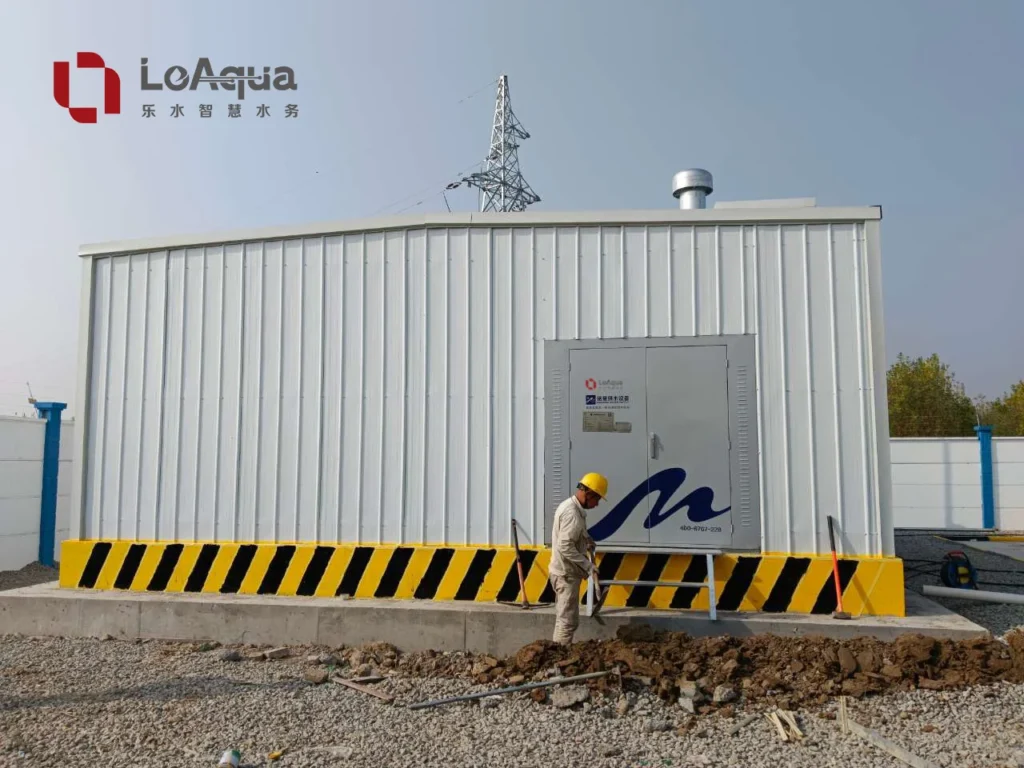
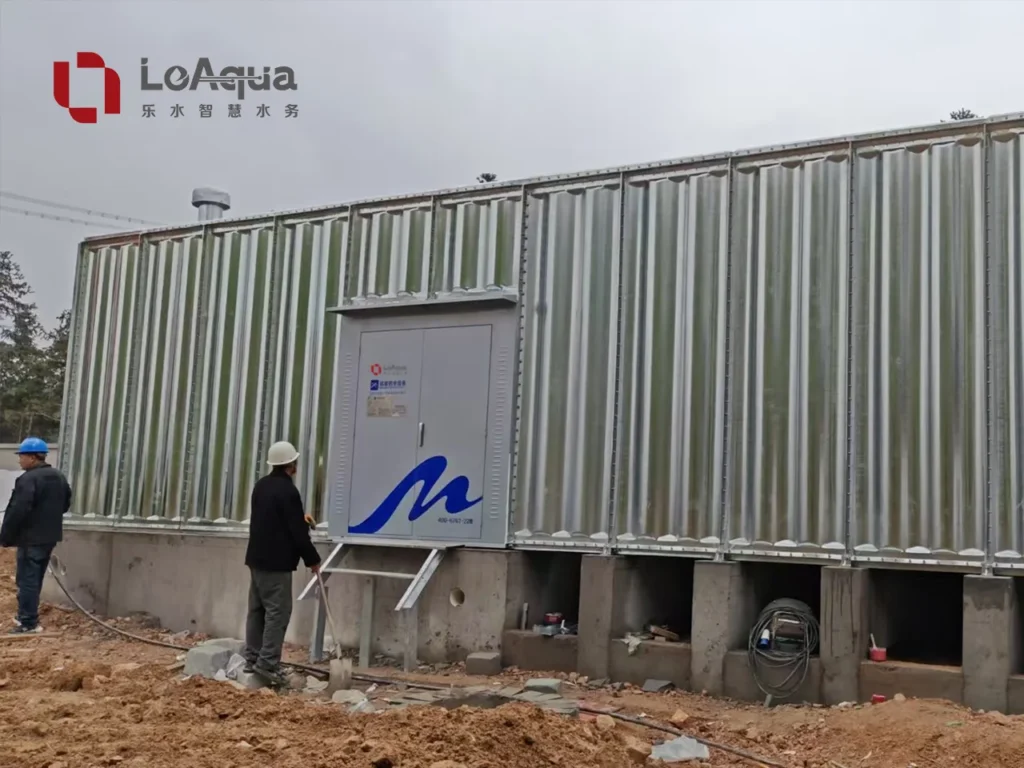
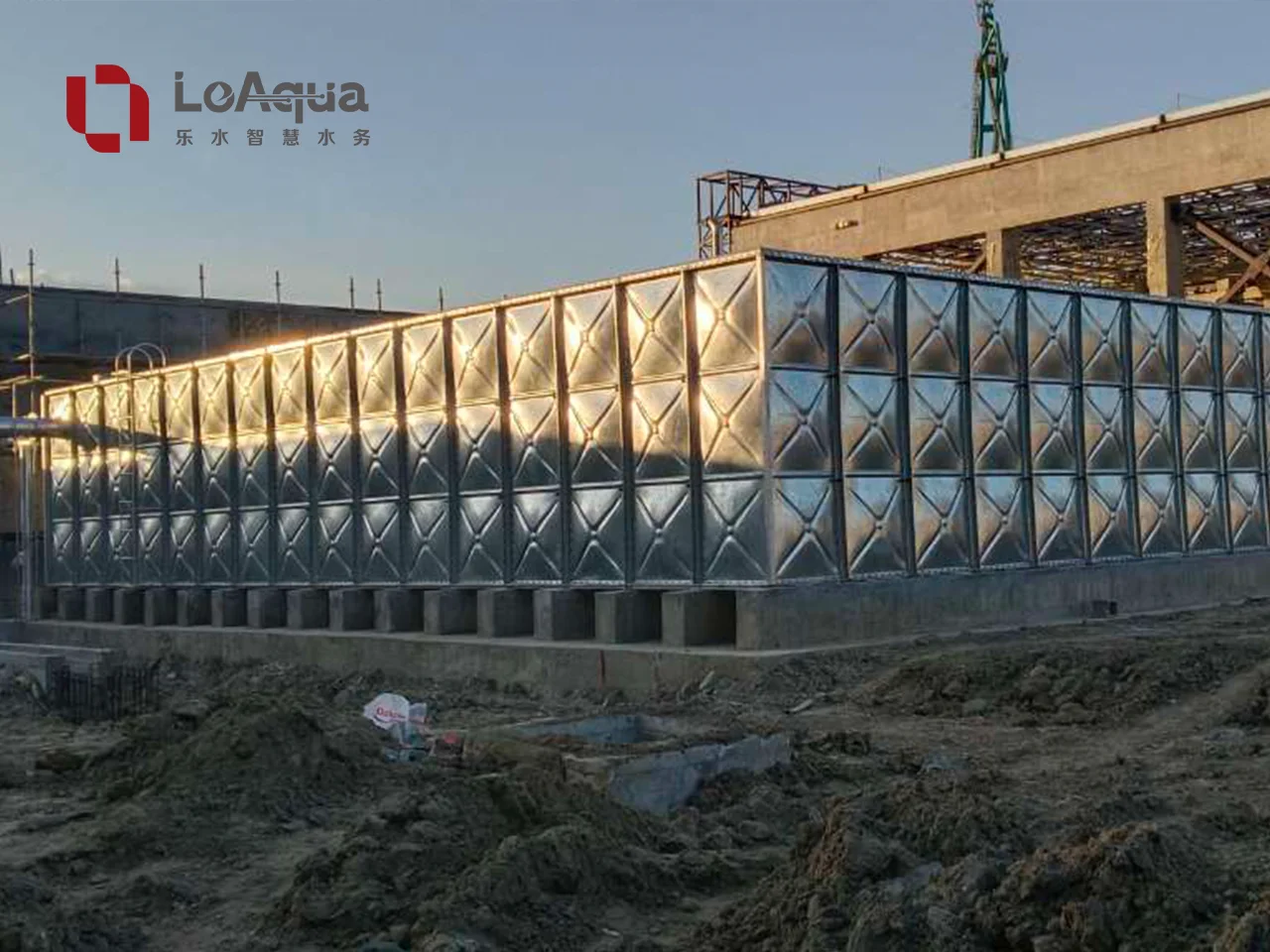
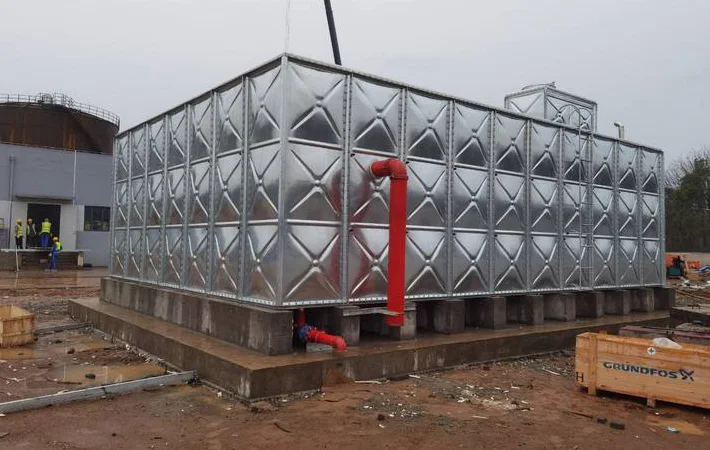
A concrete base can look perfectly finished and still create problems during assembly. It doesn’t take a major error. A slight difference in level across the foundation, an anchor positioned a little differently from the drawing, or an unfinished drainage channel can all slow the work once the first row of panels is in place.
This is why many contractors walk the foundation one last time before arranging delivery.
Not because they expect something to be wrong.
Because correcting concrete is much easier before several tonnes of steel have been assembled on top of it.
Another point that’s often forgotten is that foundation drawings sometimes change during civil construction. If the latest revision isn’t shared with the installation team, everyone may be working from a different version of the project.
That situation is far more common than most people realise.
For modular bolted water tanks, the panels are manufactured to precise dimensions in the factory. The installation team can adjust small details on site, but they shouldn’t be expected to compensate for problems that should have been solved weeks earlier.
Good installations rarely begin with a wrench.
They begin with a tape measure.
Before Looking at the Tank, Look at the Route to the Tank
One question comes up on almost every project:
“Can we actually get everything to the installation area?”
It sounds obvious, yet it’s one of the last questions some teams ask.
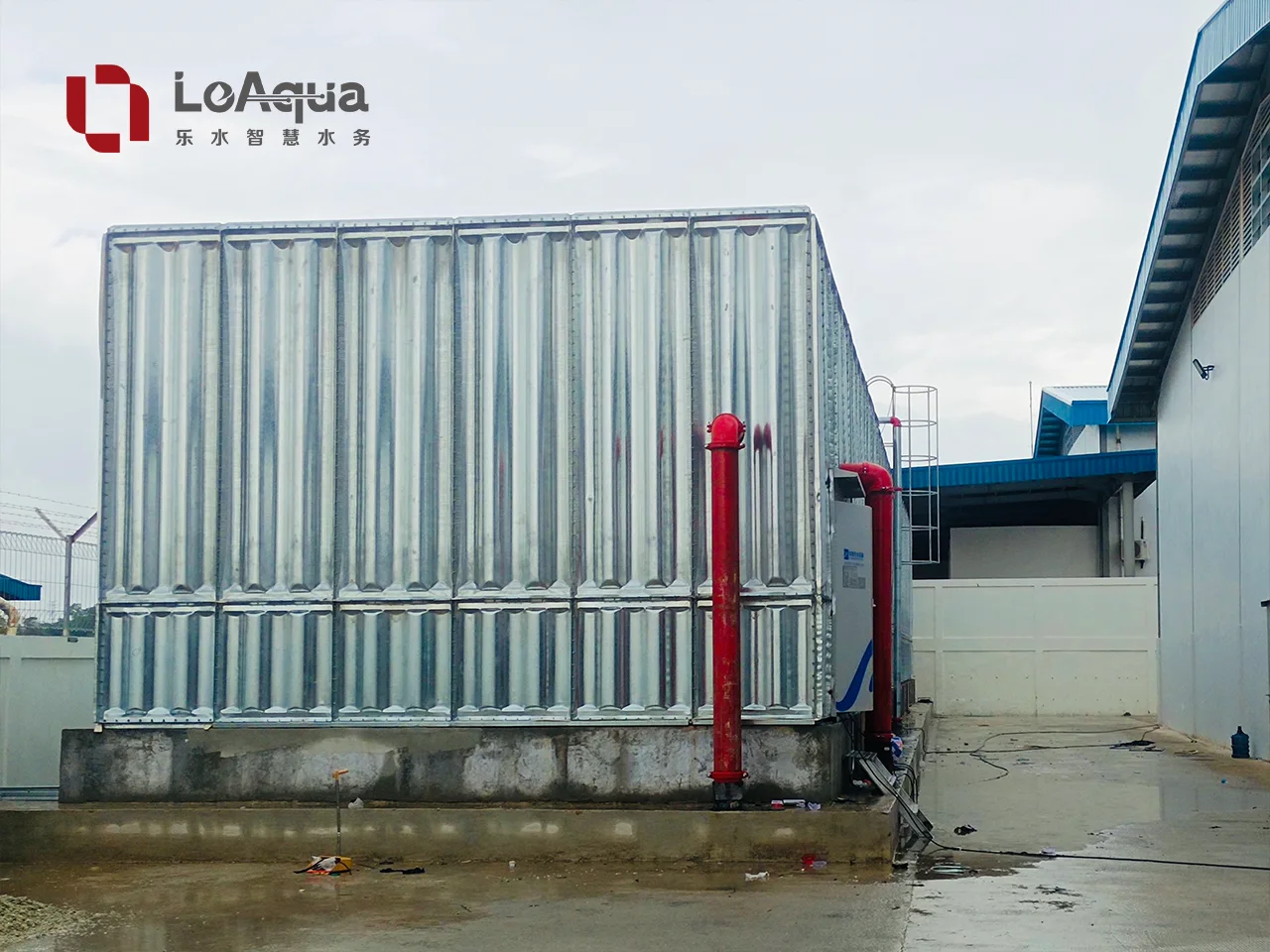
A tank might fit perfectly once it’s assembled, but the installation area may only be reached through a narrow service corridor, a basement entrance, or a temporary construction road shared with other contractors.
In those situations, the challenge isn’t assembling the tank—it’s getting the components there safely and efficiently.
This is one reason bolted water tanks have become common on projects where access is limited.
Instead of transporting a single large structure, the system arrives as individual panels, reinforcement members, bolts, and sealing materials. That gives the installation team much more flexibility, but it doesn’t remove the need for planning.
Before fabrication is complete, experienced project managers usually confirm simple things:
Can a forklift reach the unloading area?
Will a crane have enough operating space?
Are there overhead pipes or power lines?
Will other trades still be working in the same area during installation?
These questions are rarely shown on product brochures, yet they often have a greater impact on the construction schedule than the tank specification itself.
A well-planned delivery route doesn’t make the tank better.
It simply allows the installation team to spend their time assembling the system instead of solving avoidable logistical problems.
Open Every Package Before You Need It
One habit separates experienced installation teams from inexperienced ones.
They don’t start assembling the tank as soon as the delivery truck leaves.
Instead, they spend time checking what has actually arrived.
At first glance, this may seem unnecessary. Every shipment is packed according to a list, and every panel carries its own identification mark.
But construction sites are busy places. Materials for several contractors may be delivered on the same day. Components are sometimes moved before the installation team arrives, and packaging that looked intact during transport may have been damaged during unloading.
A short inspection at this stage usually answers several practical questions.
Are all panel sizes present?
Are the sealing materials stored correctly?
Have the bolts and washers been kept together?
Is there any visible transport damage that should be recorded before assembly begins?
Finding a missing component before installation starts is an inconvenience.
Finding it after half the tank has been assembled is usually a delay.
For that reason, experienced teams treat the delivery inspection as part of the installation—not something separate from it.
The Installation Sequence Is Planned Long Before the First Bolt Is Tightened
People watching a bolted water tank being assembled often think the process is straightforward.
Panels are connected one by one until the tank is complete.
In reality, the order matters.
Changing the assembly sequence halfway through a project rarely makes the work impossible, but it often makes it slower.
Most installation teams already know where they want to begin before opening the first package.
On larger projects, they may even arrange the panels around the foundation according to the installation sequence rather than simply unloading them wherever space is available.
It saves surprisingly little time at the beginning of the day.
It saves a great deal of time by the end of the week.
Planning the sequence early also reduces unnecessary handling.
Every time a panel is moved, there is another opportunity for scratches, accidental damage or simply wasted labour.
The shortest lifting distance is often the safest one.
This is one reason modular bolted water tanks work well on complex construction sites. Individual panels can be organised around the working area instead of forcing the installation team to work around one large fabricated structure.
Good assembly is rarely fast because people hurry.
It is fast because unnecessary movement has already been removed from the process.
Think About the Maintenance Team Before the Installation Team Leaves
Installation is temporary.
Maintenance lasts for decades.
That difference is easy to forget when everyone on site is focused on finishing the project.
One question often reveals whether a design has been thought through carefully:
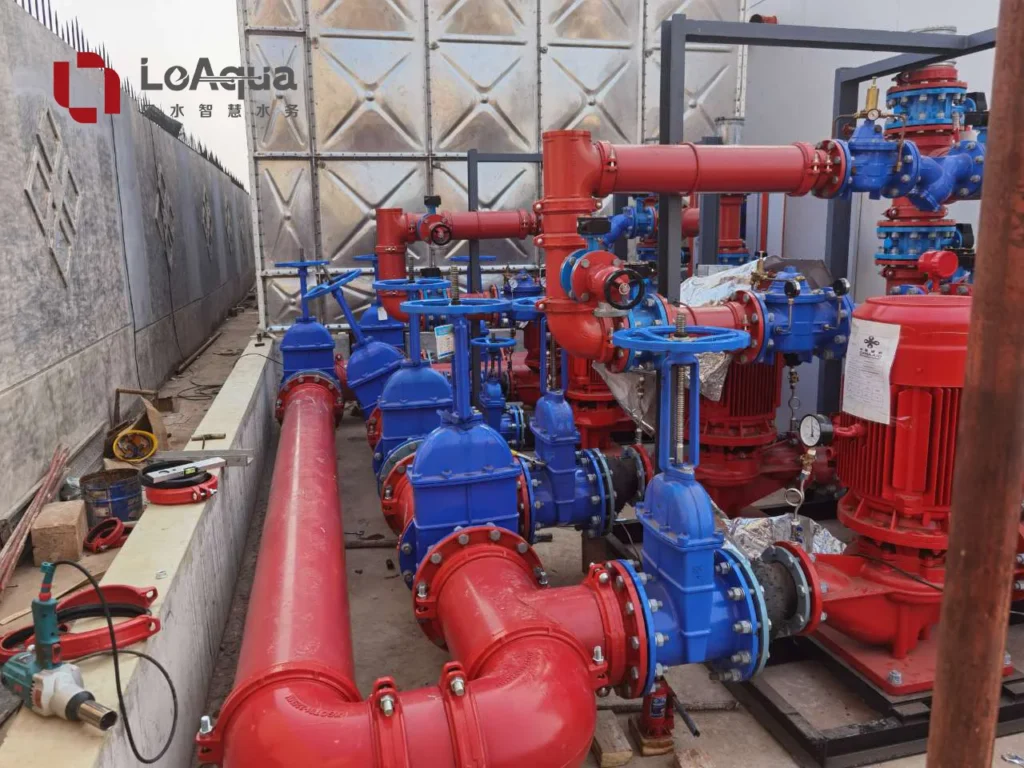
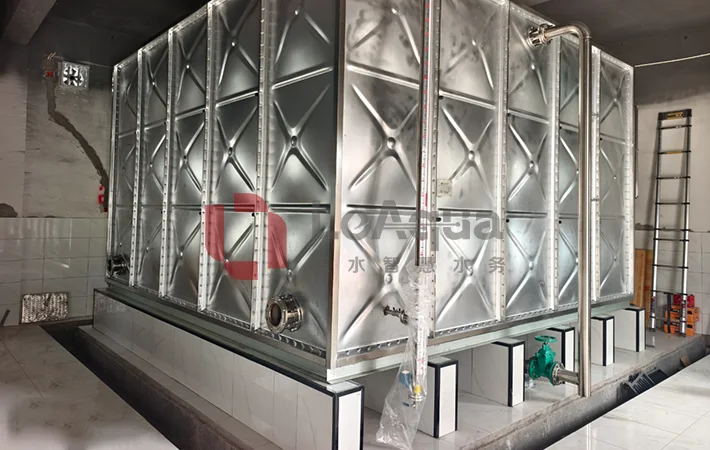
“If someone needs to replace a valve five years from now, how will they reach it?”
The same applies to inspection openings, level sensors, overflow pipes and drain valves.
These components may all function perfectly on the day of commissioning.
The real test comes much later, when routine maintenance becomes part of normal operation.
A tank that is difficult to inspect is unlikely to be inspected as often as it should be.
That doesn’t necessarily create an immediate problem, but it can make small issues harder to identify before they become expensive repairs.
For this reason, experienced project teams often walk around the completed installation before handover—not to admire the finished tank, but to imagine carrying out the first maintenance visit.
If something already feels difficult on the day the project is completed, it will almost certainly feel worse several years later.
Designing for maintenance doesn’t add much work during construction.
Ignoring it often adds work for everyone afterwards.
Final Thoughts
A successful bolted water tank installation is rarely remembered because everything went perfectly.
It is remembered because nothing unexpected happened.
The foundation matched the drawings.
The delivery arrived in the right order.
The panels were assembled without unnecessary rework.
The maintenance access made sense.
None of these details are particularly impressive on their own.
Together, they determine whether the installation feels routine or becomes a sequence of avoidable problems.
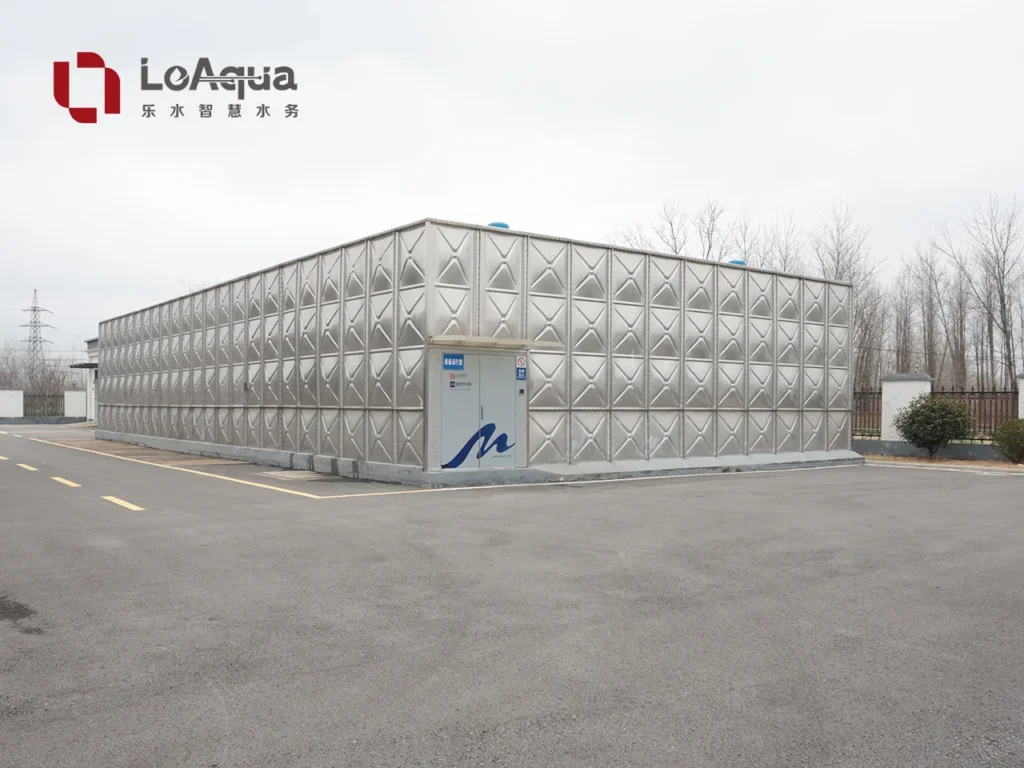
At LeAqua, we see a bolted water tank as more than a collection of panels and bolts. Every installation is part of a larger construction project involving civil works, logistics, equipment, and future operation. The more these elements are coordinated before installation begins, the smoother the project usually becomes.
A well-installed tank is not simply the result of good manufacturing.More often, it is the result of careful preparation.
From the Site
One of the easiest ways to lose half a day’s work is to discover that a foundation dimension was taken from an outdated drawing revision. It doesn’t happen often, but when it does, the installation team usually has no choice but to stop and wait while the discrepancy is resolved.