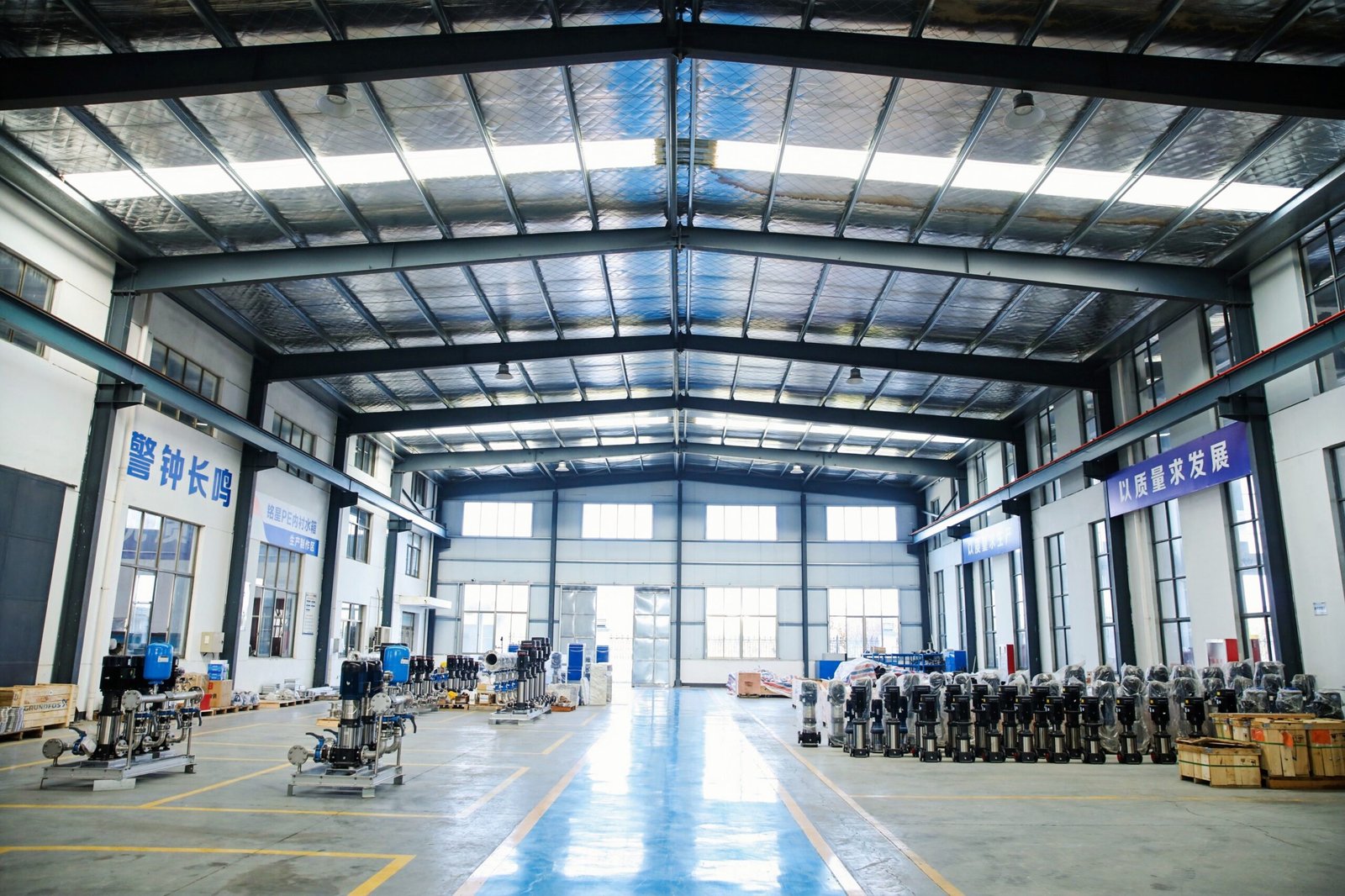
People often imagine that manufacturing begins as soon as an order is confirmed.
In reality, very little happens on the factory floor during the first few days.
Before anyone cuts steel or forms a panel, the project usually exists only as drawings, calculations and conversations between different teams.
That stage isn’t particularly visible, but it has a surprising influence on everything that follows.
A drawing changed at the right time might save several days on site. A missing dimension that slips through the review process can have the opposite effect.
This is one reason experienced manufacturers rarely rush straight into production, even when the delivery schedule is tight.
Most of the work at this stage has nothing to do with machines.
It’s about making sure everyone is working from the same understanding of the project.
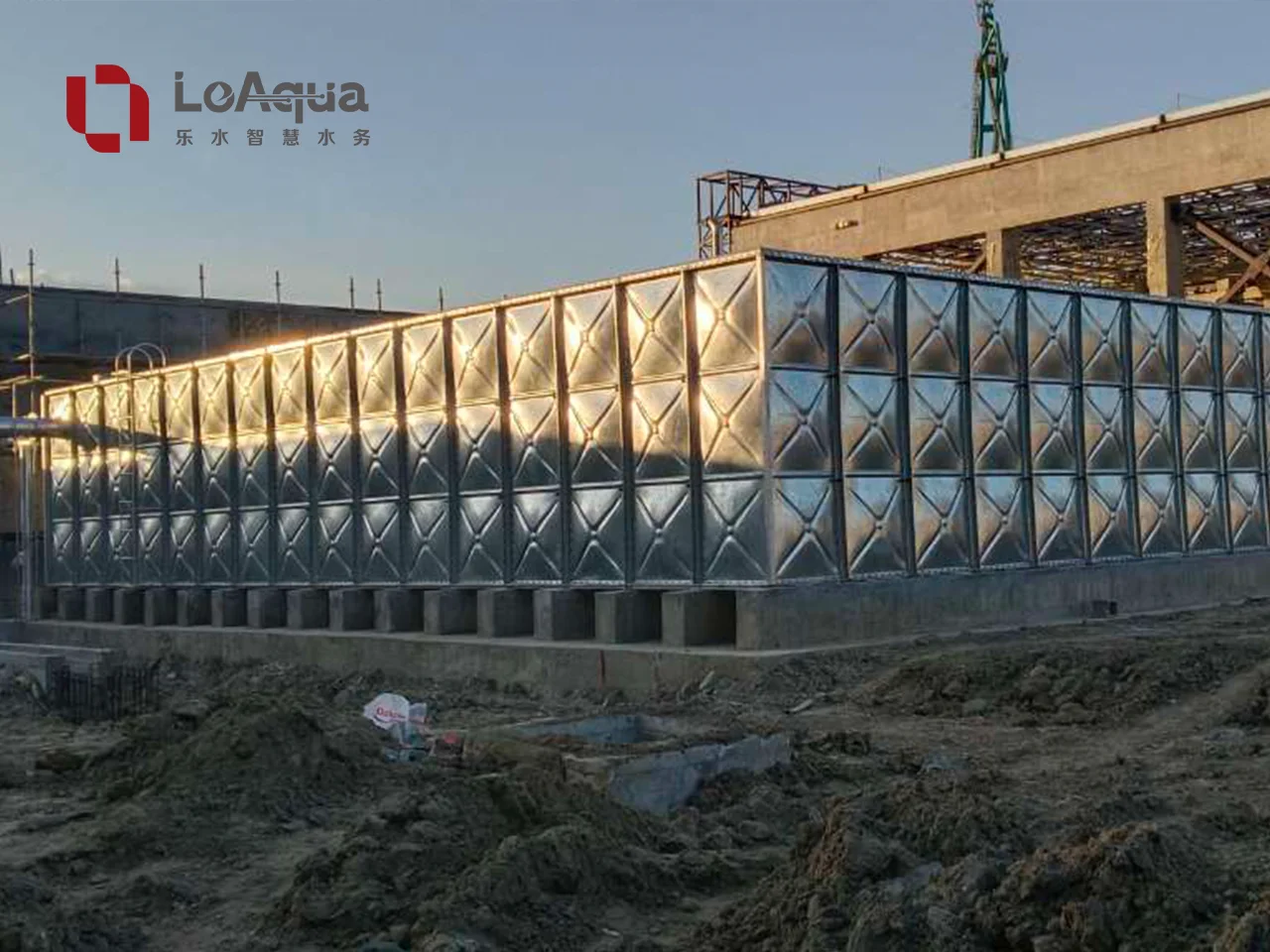
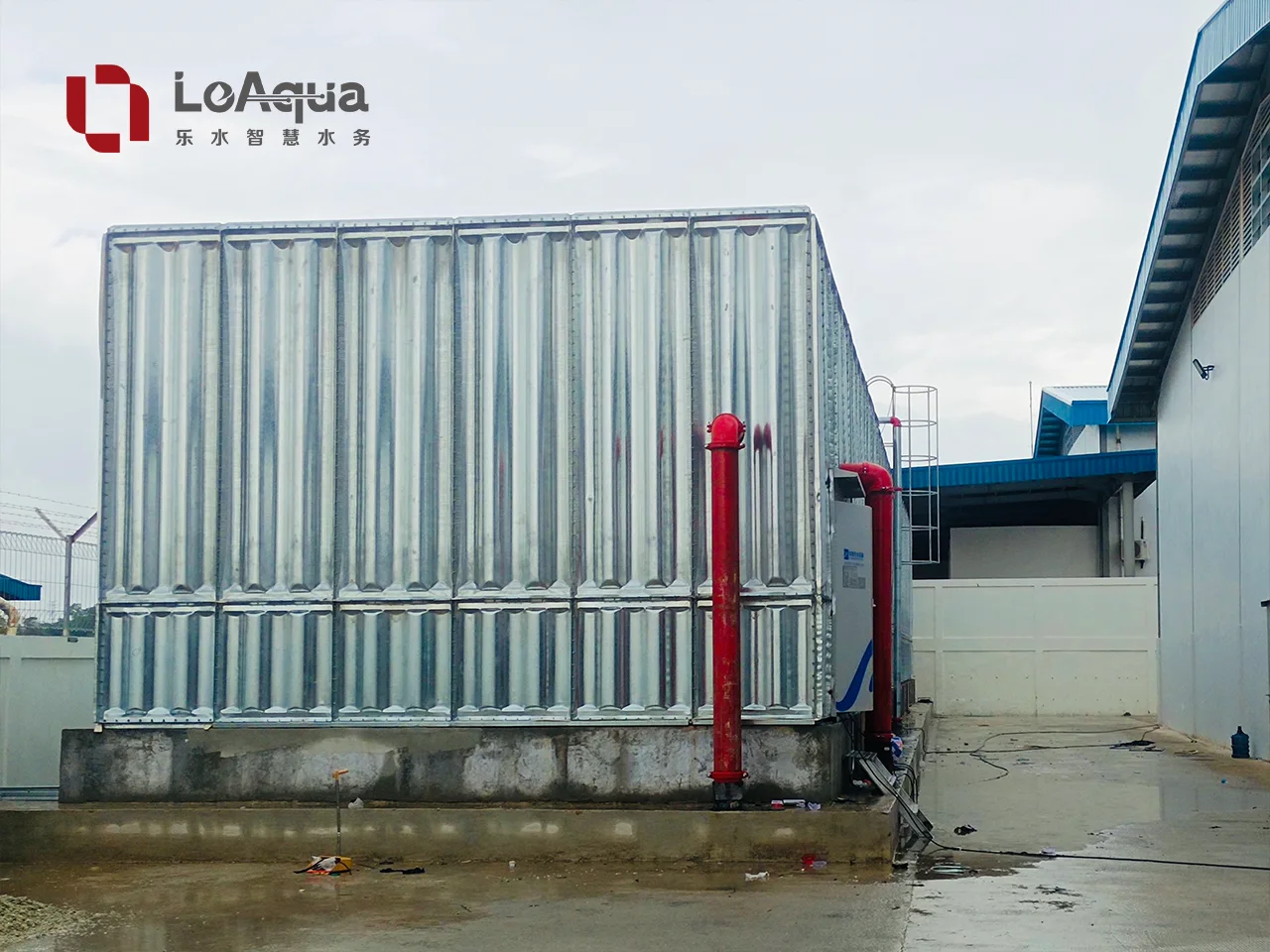
For a modular bolted water tank, that preparation is especially important because every panel is manufactured to match a specific layout. Once production starts, changing one detail often affects many others.
The First Discussion Usually Isn’t About Steel
Clients sometimes expect the first technical meeting to focus on materials.
Should the tank use SUS304 or SUS316?
How thick will the panels be?
Will it be insulated?
Those questions matter, but they are rarely the starting point.
The first discussion is usually much simpler.
“What are we actually building?”
That question sounds obvious, yet it often uncovers details that haven’t been fully defined.
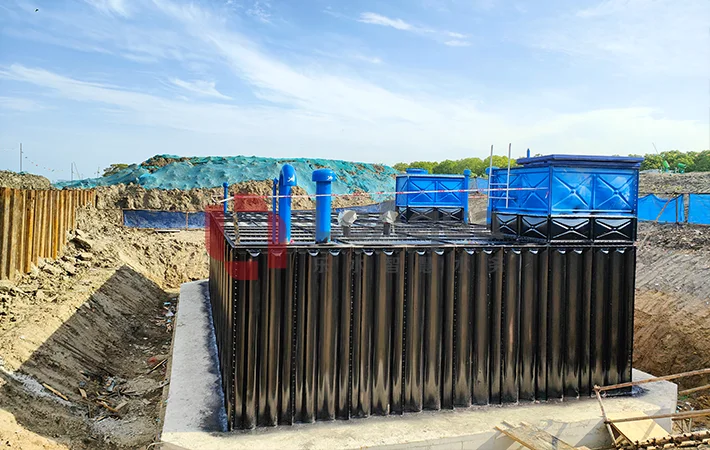
A water tank serving a residential building is planned differently from one supplying a manufacturing plant. A fire water tank may share the same basic structure but follow a completely different operating philosophy. An underground installation raises another set of questions before anyone starts thinking about panel production.
Instead of opening a material catalogue, the project team often begins by reviewing the overall application.
Where will the tank be installed?
Who will maintain it?
Will additional capacity be needed in a few years?
Has the civil design already been completed?
The answers influence much more than the specification sheet.
We’ve seen projects where the storage volume never changed, but the tank layout changed twice because another contractor revised the pipe routing. On another project, the tank dimensions remained exactly the same while the access platform was relocated to match the building’s final layout.
Neither change affected manufacturing quality.
Both changes affected manufacturing preparation.
This is why experienced project teams spend time confirming the project itself before confirming the product.
The steel comes later.
Understanding the job comes first.
Drawings Almost Never Stay Exactly the Same
One misconception about manufacturing is that the approved drawing is the final drawing.
In practice, revisions are common.
Sometimes they’re minor. A nozzle moves to avoid another pipe. An access opening shifts because of a beam. A ladder changes position after the equipment layout is updated.
Individually, none of these adjustments looks significant.
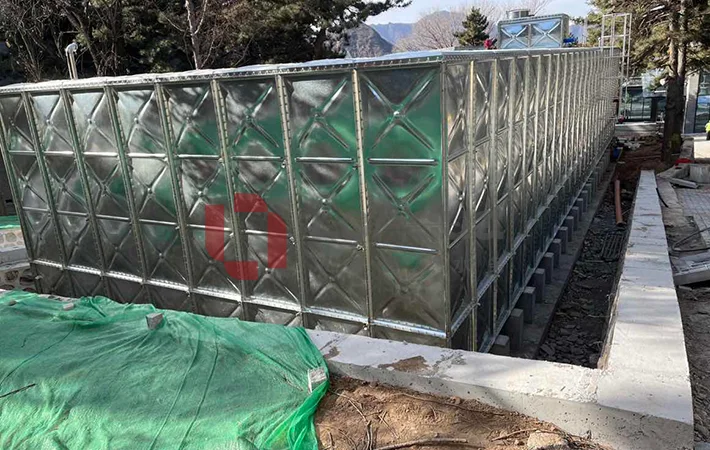
Together, they can affect the way a modular bolted water tank is manufactured.
That doesn’t mean the project is in trouble. It simply reflects the reality that water tanks are rarely designed in isolation. Civil engineers, mechanical designers, plumbing contractors and equipment suppliers are often working on different parts of the same project at the same time.
As those disciplines become better coordinated, the tank drawing becomes more accurate.
For that reason, many manufacturers prefer to freeze the production drawings only after the key interfaces have been confirmed.
Waiting an extra day for the correct drawing is usually less expensive than remanufacturing panels that were produced from the wrong revision.
The goal isn’t to avoid every drawing change.
The goal is to make sure production starts with the right one.
Panel Layout Is Decided Before the First Panel Exists
Once the drawings have been agreed, attention shifts to something most clients never see—the panel layout.
From the outside, two bolted water tanks may look almost identical. Inside the engineering office, however, they can be completely different projects.
The panel arrangement determines far more than the appearance of the finished tank.
It influences where joints are located, how loads are transferred through the structure, how installation progresses on site, and even how the components are packed for delivery.
This is why panel layout isn’t treated as a production task.
It’s part of the engineering process.
On modular projects, the layout is often reviewed several times before manufacturing begins. Sometimes the changes are obvious, such as increasing the tank height or changing the footprint. More often they’re much smaller.
A pipe connection moves.
An access opening needs to avoid another piece of equipment.
A customer asks for additional inspection space.
None of those requests sounds particularly significant on its own, but they can affect how individual panels are arranged.
Starting production before those details are settled may save a day in the factory, but it can easily create several days of extra work later.
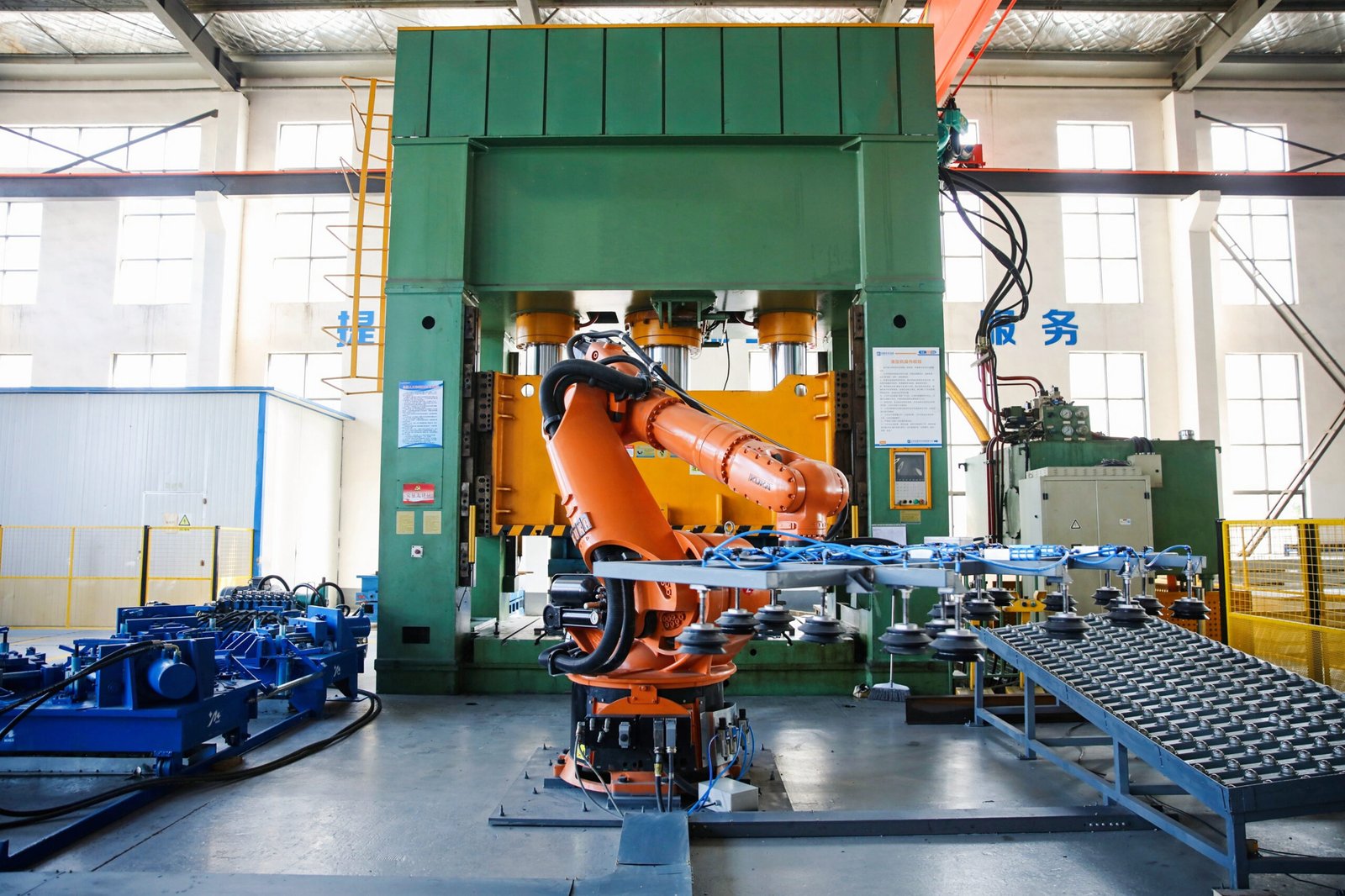
Good manufacturing doesn’t begin with pressing steel.
It begins with knowing exactly what needs to be manufactured.
Manufacturing Is Also About Planning the Site
It’s easy to think of manufacturing as something that happens entirely inside the factory.
In reality, production planning often includes decisions that won’t matter until weeks later, when the installation team arrives on site.
For example, the order in which panels are packed isn’t always random.
If the installation sequence has already been agreed, many manufacturers prefer to organise the shipment so that the first components needed are the first ones unloaded.
It sounds like a small detail.
On a busy construction site, it can make a noticeable difference.
The same thinking applies to transport.
A project in a city centre may face very different delivery restrictions from one located in an industrial park. Some sites only allow unloading during specific hours. Others have limited space for storing materials before installation begins.
Those practical constraints are often considered while the tank is still being manufactured, not after it leaves the factory.
A well-organised production schedule should support the construction schedule, not compete with it.
Once Production Starts, Every Change Becomes More Expensive
One question appears on almost every project:
“Can we still change this?”
The answer depends on when the question is asked.
Before manufacturing begins, many adjustments can be made with relatively little impact.
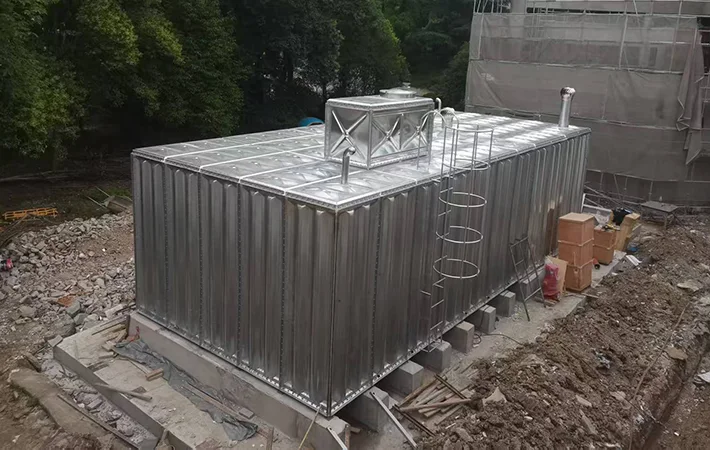
After production starts, even a small revision may affect several connected components.
That doesn’t mean changes become impossible.
It simply means they become more expensive—not only in terms of manufacturing, but also in planning, scheduling and delivery.
For this reason, many project teams try to reach a clear “drawing freeze” before releasing the tank for production.
It’s less about limiting flexibility and more about protecting the overall project programme.
Everyone benefits when fabrication starts from a stable set of information.
Final Thoughts
By the time the first panel enters production, the success of the project has already been influenced by dozens of decisions that most people never see.
Drawing reviews, site coordination, foundation checks, panel layout, transport planning and installation sequencing all happen quietly in the background, yet they often determine whether manufacturing and installation proceed smoothly.
For modular bolted water tanks, these preparation stages are especially important because every panel is produced for a specific position within the final structure.
At LeAqua, manufacturing begins only after the project team has confirmed that the technical details, installation conditions and production drawings are aligned. Taking extra time before fabrication is usually far less costly than making corrections after the panels have already been produced.
Good manufacturing is not simply about producing panels accurately.
It’s about making sure the right panels are produced at the right time for the right project.