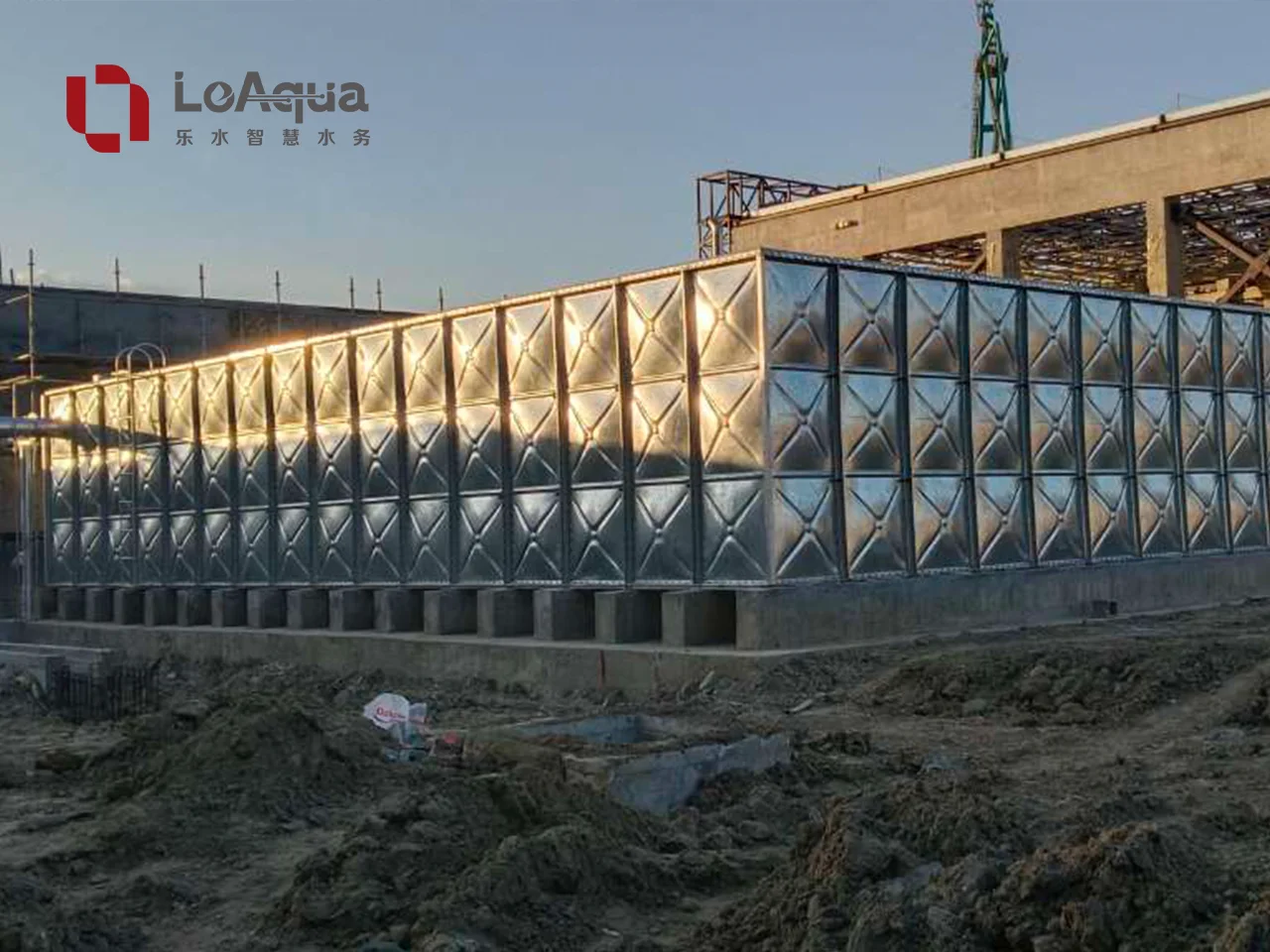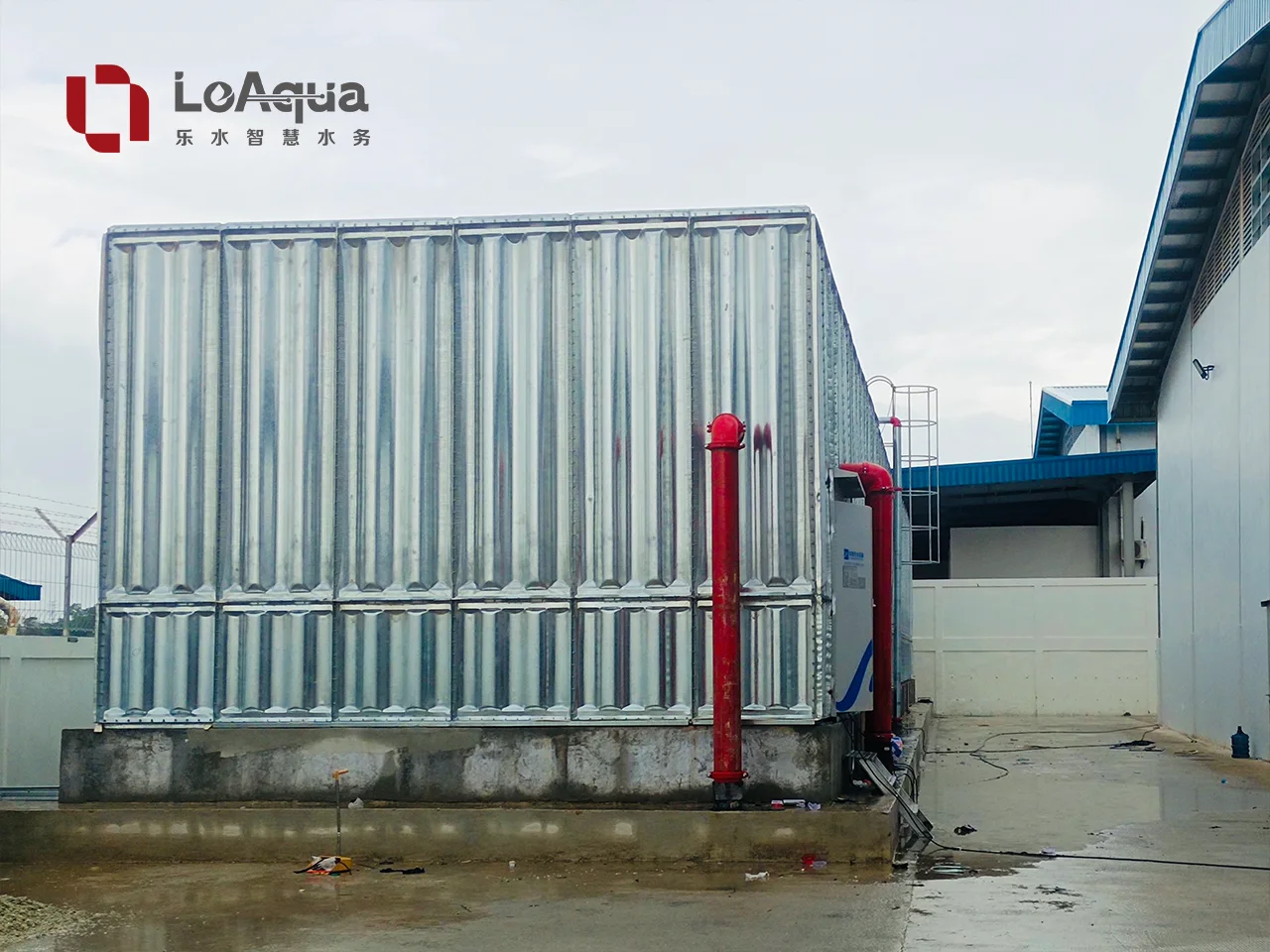
Water storage decisions are often simplified into one question: how much capacity is required?
In practice, selecting a stainless steel water tank involves a much broader evaluation process.
Tank capacity remains important, but long-term reliability, installation conditions, maintenance accessibility, structural configuration, and future operational requirements can have a greater impact on project performance over time.
As infrastructure projects become more complex, project owners increasingly evaluate water storage systems from a lifecycle perspective rather than focusing solely on initial specifications.
LeAqua develops stainless steel water tank solutions intended to support modern commercial, industrial, municipal, and water supply applications through practical engineering and long-term operational thinking.
Water Storage Requirements Start With Usage Scenarios
A water tank should not be selected in isolation.
The intended application influences almost every design decision.
Different projects may prioritize different goals:
- Daily domestic water supply
- Fire reserve storage
- Industrial process support
- Pressure stabilization
- Emergency backup capacity
Although two projects may require identical volumes, the preferred tank configuration can differ significantly depending on operating conditions.
Understanding usage requirements early often improves both installation efficiency and long-term system performance.
Capacity Alone Does Not Define Performance
Many water tank discussions focus primarily on liters or cubic meters.
However, storage volume alone does not determine whether a system performs effectively.
Other factors frequently influence project outcomes:
- Available installation space
- Structural loading conditions
- Accessibility for maintenance
- Expansion requirements
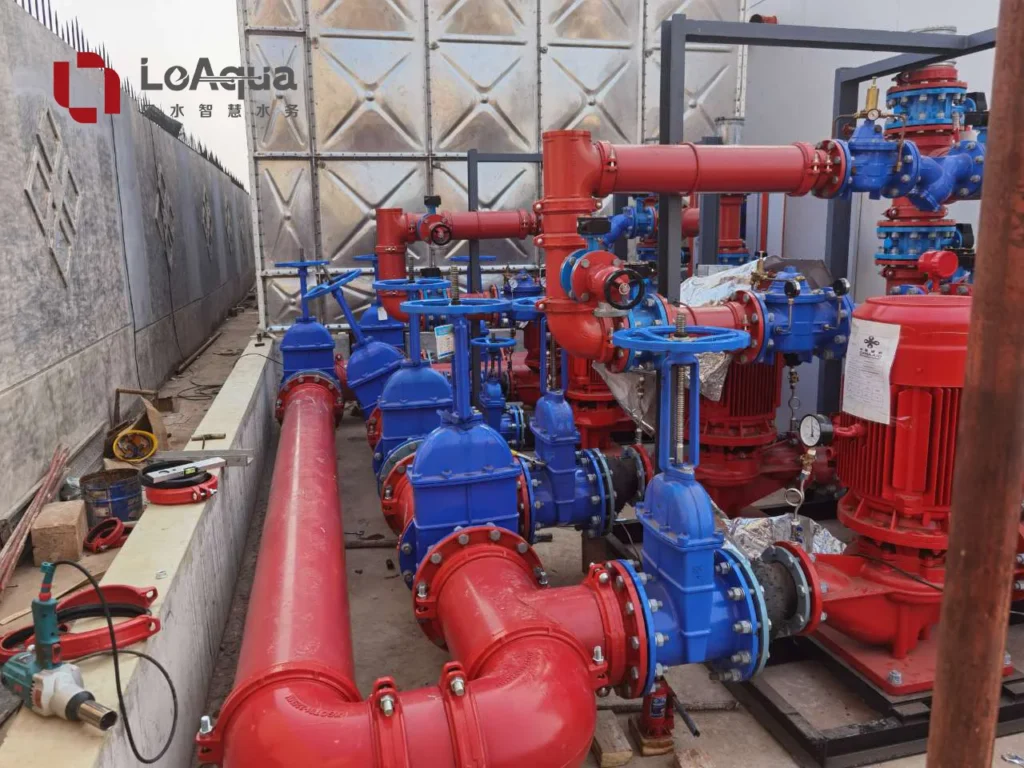
- Integration with pumping equipment
Selecting a stainless steel water tank based only on capacity may result in unnecessary operational limitations later.
A balanced approach often creates better long-term value.
Installation Conditions Influence Tank Design
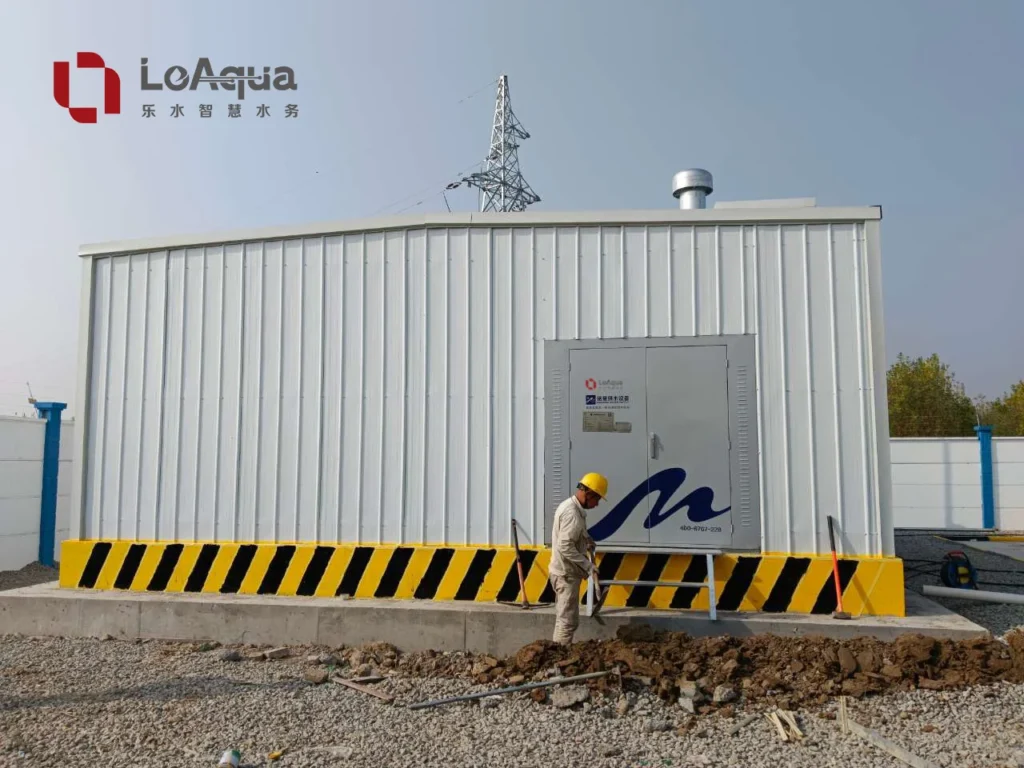
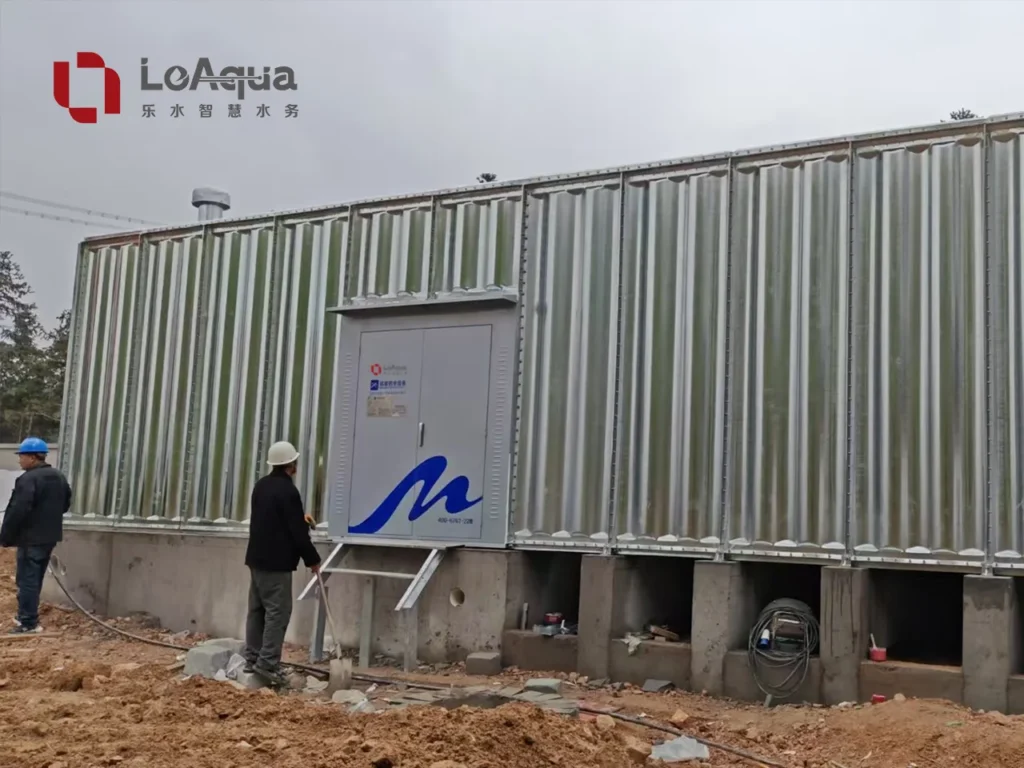
Modern projects install water storage systems in a wide range of environments.
Examples include:
- Equipment rooms
- Rooftop installations
- Utility buildings
- Underground infrastructure
- Commercial developments
Each environment creates different engineering considerations.
Space constraints, transportation access, and maintenance requirements all influence the most appropriate tank configuration.
For this reason, installation planning is increasingly considered during early-stage project development rather than after civil construction has already progressed.
Lifecycle Thinking Is Becoming More Important
Infrastructure decisions increasingly prioritize long-term performance.
Project owners now commonly evaluate:
- Expected operating life
- Inspection requirements
- Maintenance accessibility
- Operational continuity
- Future adaptability
This shift reflects a broader industry trend.
The most effective water storage solution is not necessarily the lowest initial investment—it is often the solution that supports stable operation throughout the project lifecycle.
LeAqua approaches stainless steel water tank design with attention to long-term maintainability and practical operating requirements.
Maintenance Planning Should Not Be Ignored
Water tanks are frequently expected to operate quietly in the background for years.
However, inspection and maintenance remain important parts of reliable system performance.
Good planning typically considers:
- Access routes
- Internal inspection conditions
- Cleaning procedures
- Equipment coordination
- Future servicing
Design choices made during installation can significantly influence maintenance efficiency later.
Projects that consider these requirements early often experience fewer operational interruptions.
Water Storage Systems Are Increasingly Connected
Water infrastructure continues to become more integrated.
Water tanks increasingly operate alongside:
- Booster systems
- Monitoring equipment
- Control systems
- Building management platforms
- Digital maintenance processes
This changes the role of the tank itself.
Rather than functioning as an isolated container, the stainless steel water tank becomes part of a larger operating system.
This integration influences design decisions and future expansion planning.
Long-Term Flexibility Supports Changing Demand
Water demand rarely remains static.
Buildings evolve.
Facilities expand.
Operational requirements change.
Water storage systems designed with flexibility in mind may provide stronger long-term project outcomes.
Considering future requirements during the initial selection stage can reduce modification costs and improve infrastructure resilience.
Why Stainless Steel Continues to Be Widely Used
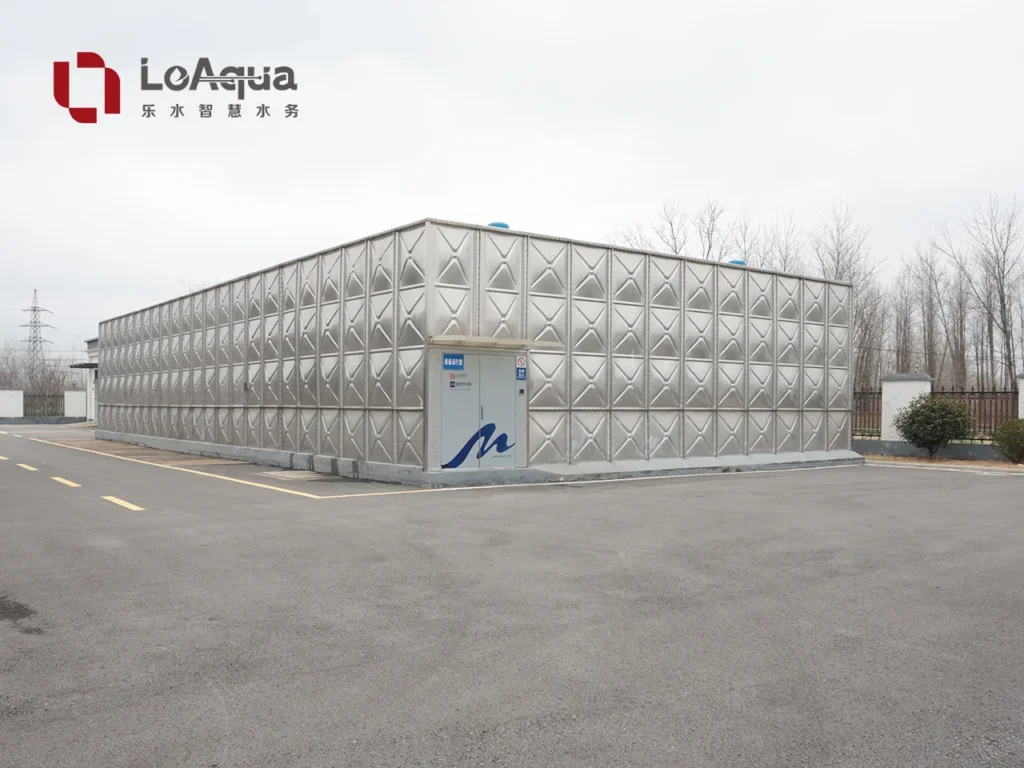
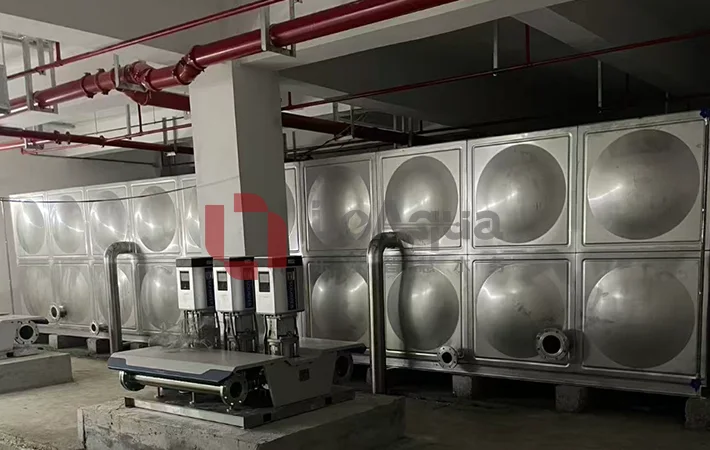
Stainless steel water tanks continue to be selected across many applications because they support a combination of characteristics valued in infrastructure planning.
These considerations often include:
- Structural durability
- Adaptability
- Maintenance practicality
- Long-term operational value
Different projects require different solutions, but stainless steel continues to remain a widely recognized option in modern water storage.
Conclusion
Choosing a stainless steel water tank involves more than determining storage volume.
Installation conditions, maintenance planning, lifecycle expectations, and future operating requirements all influence project success.
By evaluating these factors together, project owners can make more informed decisions and build water infrastructure designed to support reliable long-term performance.
LeAqua continues to support modern water storage applications through practical engineering and a focus on long-term operational value.