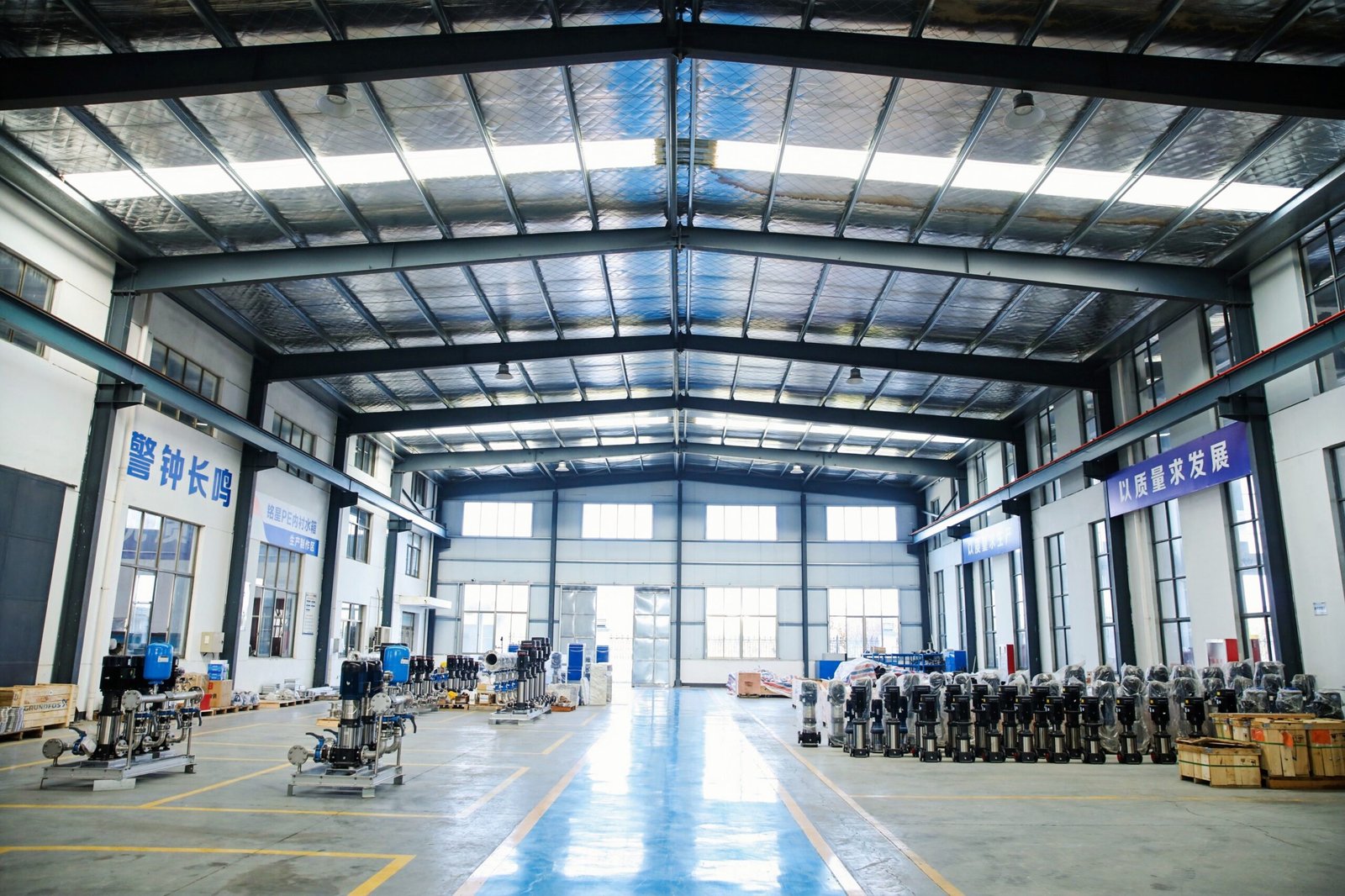
Many people assume that once a water storage system has been manufactured, the most difficult part of the project is already completed.
From a construction perspective, this seems reasonable.
The equipment has been produced.
The transportation has been arranged.
The installation team is ready.
However, experienced engineers understand that many problems appear before installation actually begins.
A water storage system does not operate as an independent piece of equipment. It needs to connect with the building, pipework, pumps, electrical systems and daily operating requirements.
A tank that fits perfectly in a factory environment may still create challenges if the site conditions, foundation, connection layout or maintenance space have not been reviewed carefully.
This is why professional engineering teams usually carry out a detailed review before equipment arrives on site.
The purpose is not only to make installation easier.
It is to ensure that the complete system can operate correctly after commissioning.
A successful installation is usually the result of decisions made weeks or months earlier.
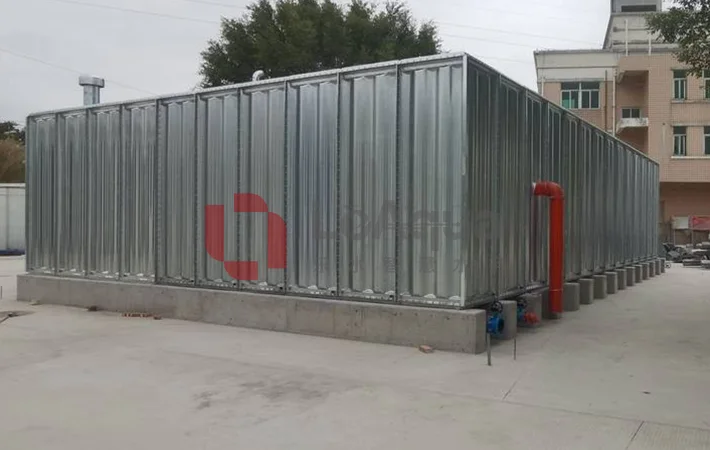
Site Conditions Are Reviewed Before Equipment Delivery
The first step in installation preparation is understanding the actual site.
Although drawings provide important information, the construction environment often includes details that cannot be fully understood from documents alone.
Engineers typically review several factors before transportation and installation are arranged.
Installation Location
The location of the water storage system affects almost every following decision.
Engineers consider:
- Available installation space
- Distance from other equipment
- Accessibility for maintenance
- Ventilation conditions
- Environmental exposure
- Future expansion possibilities
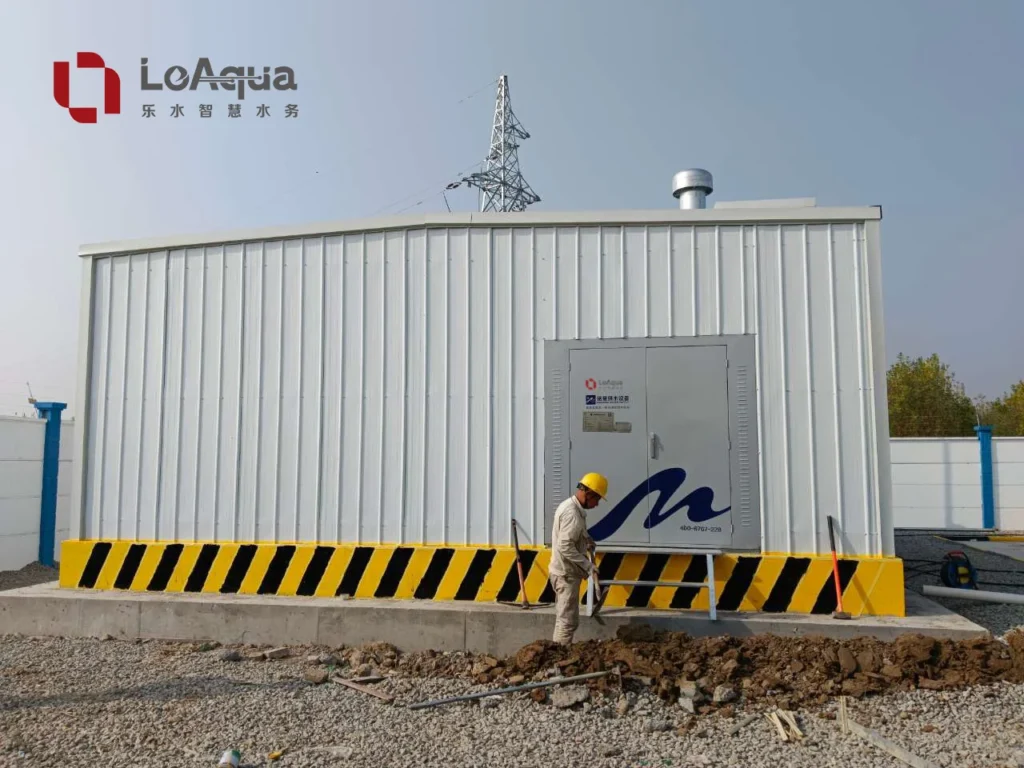
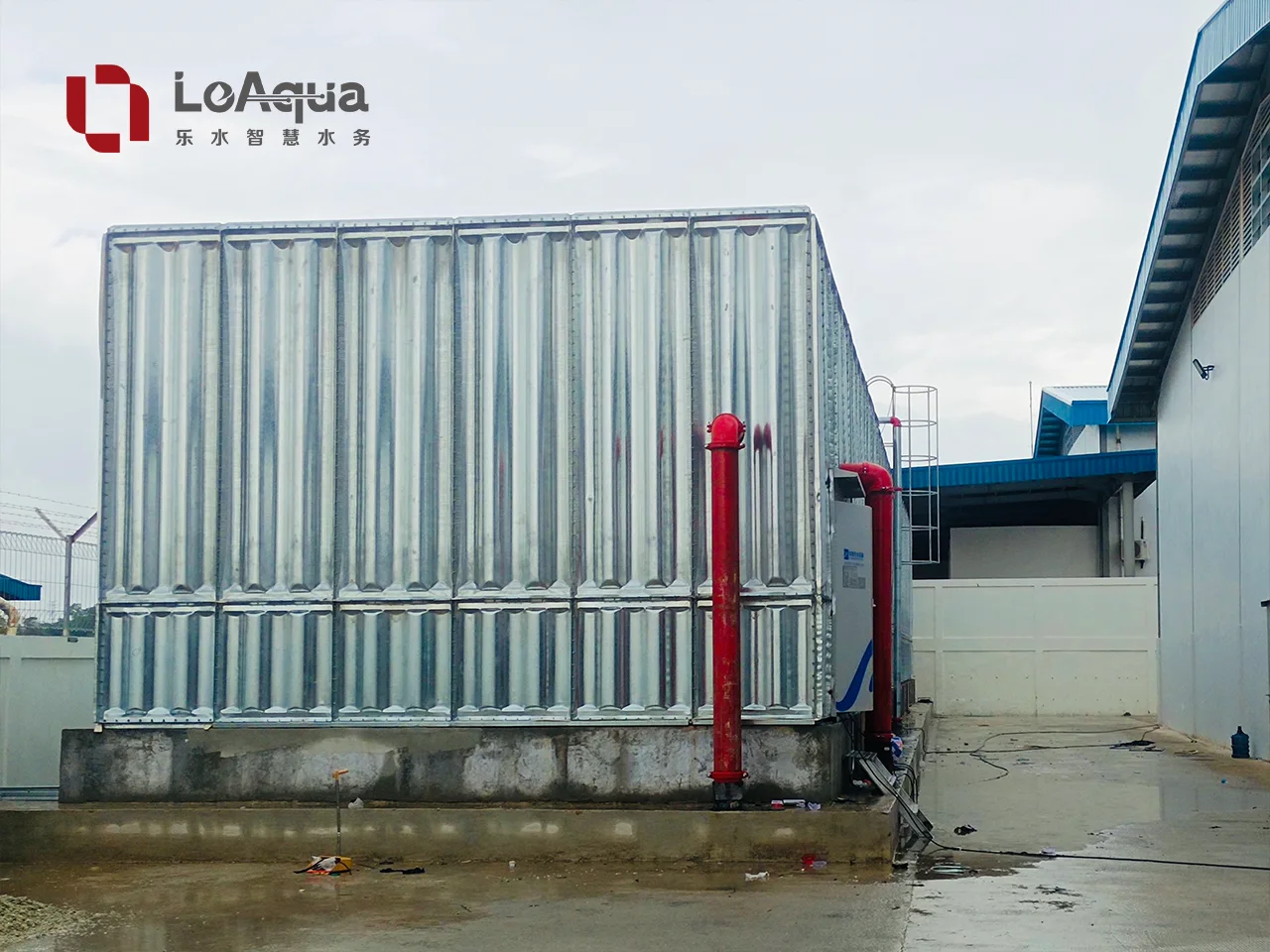
For example, a water tank installed inside a mechanical room may have completely different requirements compared with an outdoor installation.
An indoor system may focus more on access and connection arrangement, while an outdoor system may require additional consideration for weather conditions and long-term protection.
The objective is not simply finding a place where the equipment can fit.
The objective is ensuring the equipment can be operated and maintained throughout its service life.
Foundation and Structural Requirements
Before installation begins, engineers also review whether the supporting structure is suitable.
A water storage system can contain a significant amount of weight when fully filled.
Therefore, the foundation needs to be considered together with:
- Tank dimensions
- Operating water volume
- Structural loading
- Levelness requirements
- Drainage arrangement
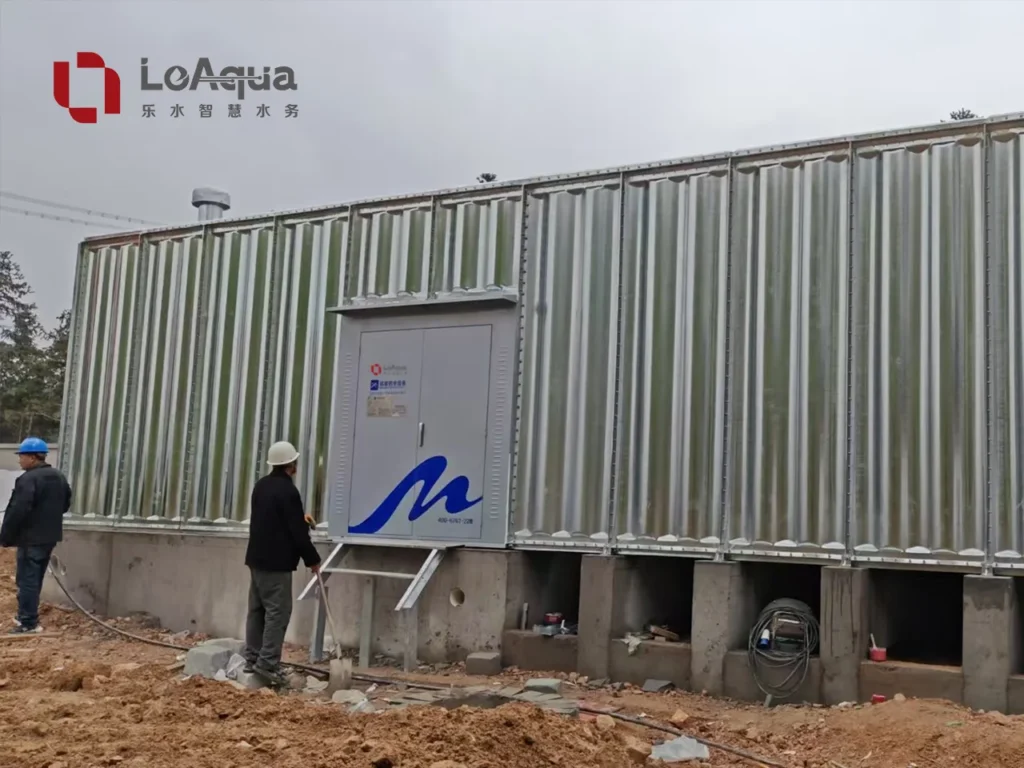
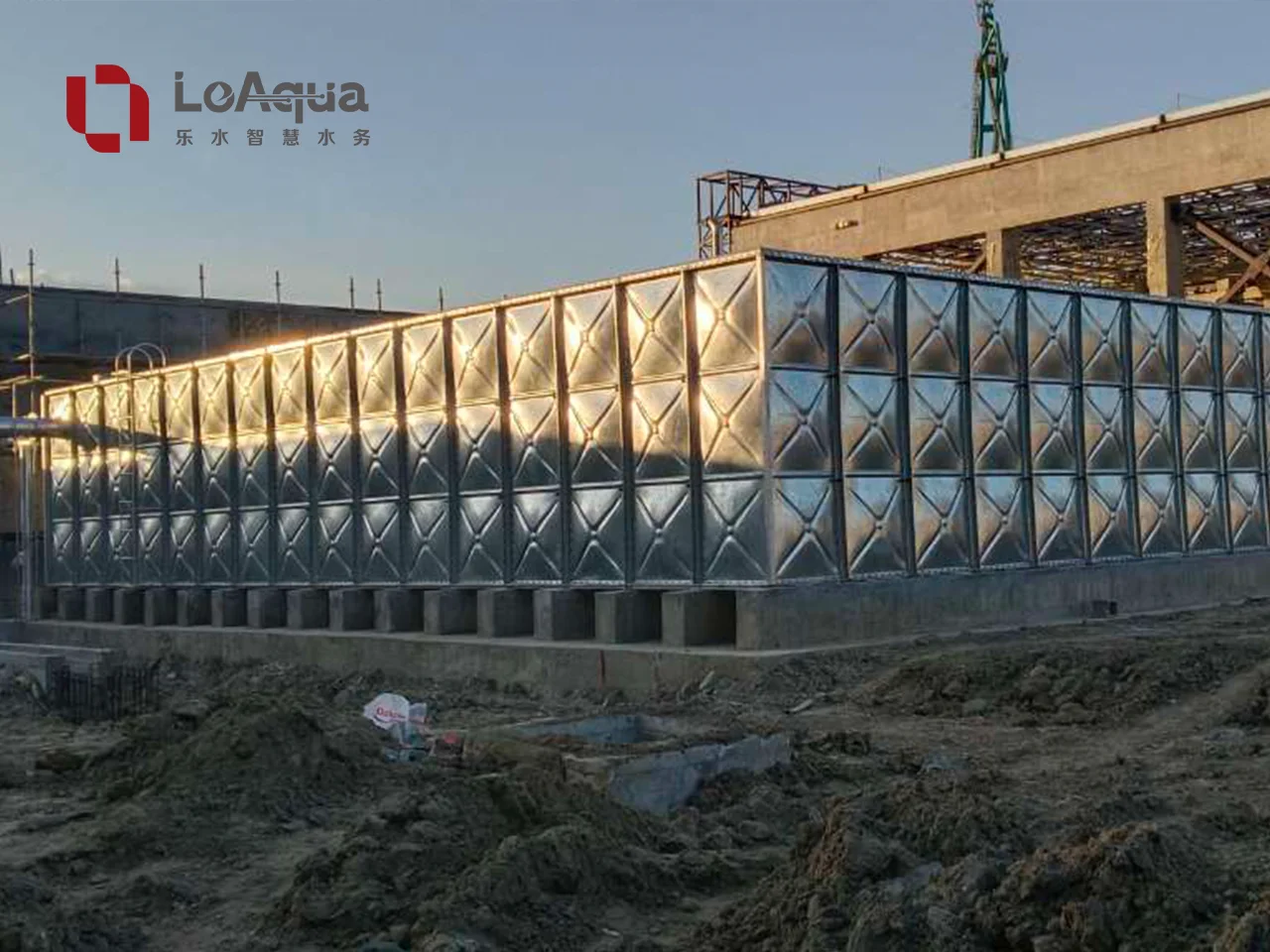
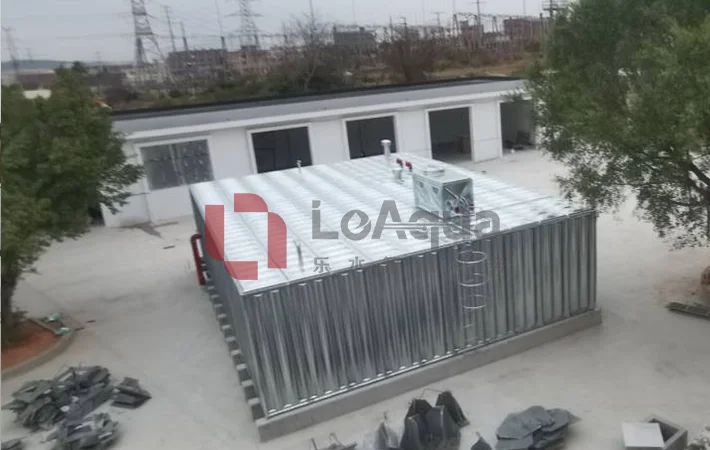
For modular water tanks, foundation accuracy is especially important because individual panels are assembled together during installation.
A properly prepared foundation helps maintain correct alignment, improves installation efficiency and reduces unnecessary adjustment work on site.
This is one reason why water tank installation should not be considered only as an assembly process.
The preparation work before installation has a direct influence on the final performance of the system.
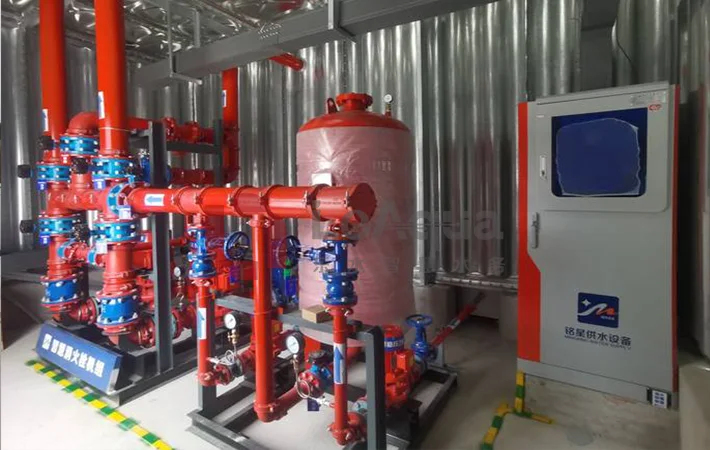
Equipment Transportation and Installation Access
Another point engineers review is how the equipment will arrive and be installed.
This is often overlooked during early project discussions.
A water storage system may be technically suitable for the project, but installation can become difficult if transportation routes or lifting conditions are not considered in advance.
Engineers may evaluate:
- Site entrance dimensions
- Transportation limitations
- Crane or lifting requirements
- Installation sequence
- Available working area
This is particularly important for large-capacity systems.
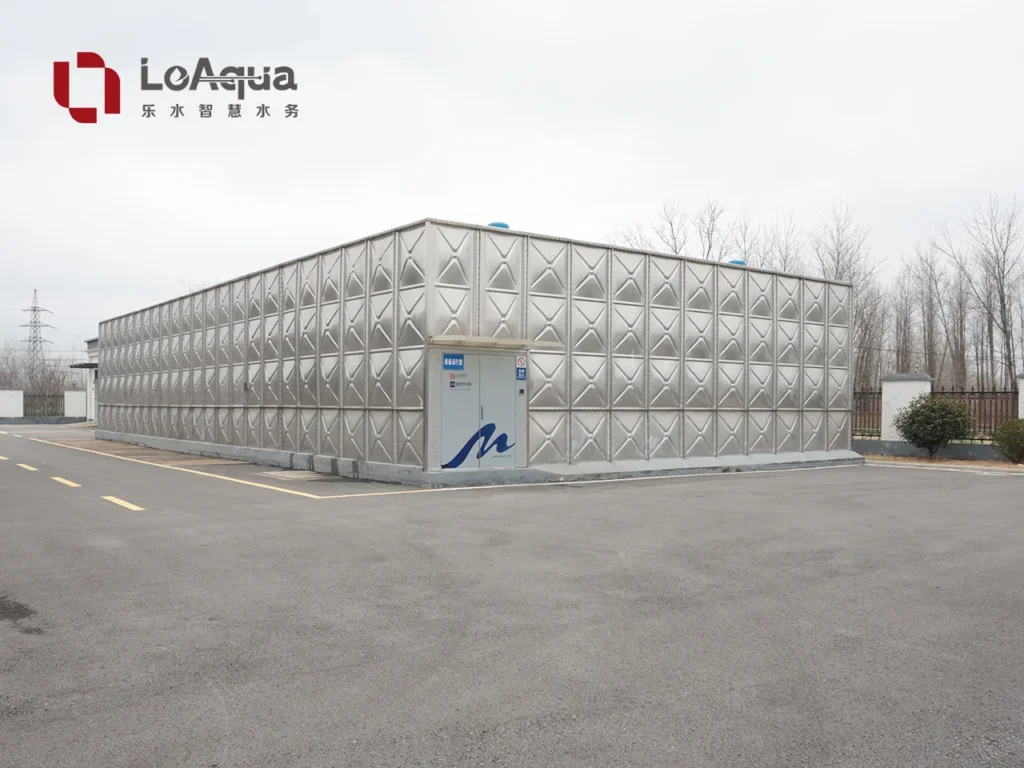
For example, a modular tank design can provide advantages in projects where transportation space is limited because components can be delivered separately and assembled at the installation location.
However, the installation sequence still needs to be planned carefully.
A good design considers not only how the equipment performs after completion, but also how efficiently it can be delivered and assembled.
Engineering Note
During project reviews, engineers often find that installation problems are not caused by the equipment itself. They usually come from missing coordination between the equipment design and the actual construction environment.
A successful water storage project requires the equipment, site conditions and installation process to be considered together before construction begins.
Tank, Pump and Building Connections Must Be Reviewed Together
A water storage system does not end at the tank outlet.
The stored water must eventually reach the point where it is needed, which means the connection between storage, pumping equipment and the building distribution network becomes a critical part of the installation review.
This is one area where separate equipment selection can create challenges.
A water tank supplier may focus mainly on storage requirements.
A pump supplier may focus on flow rate and pressure.
An electrical contractor may focus on power supply and control wiring.
However, the complete system needs all of these elements to work together.
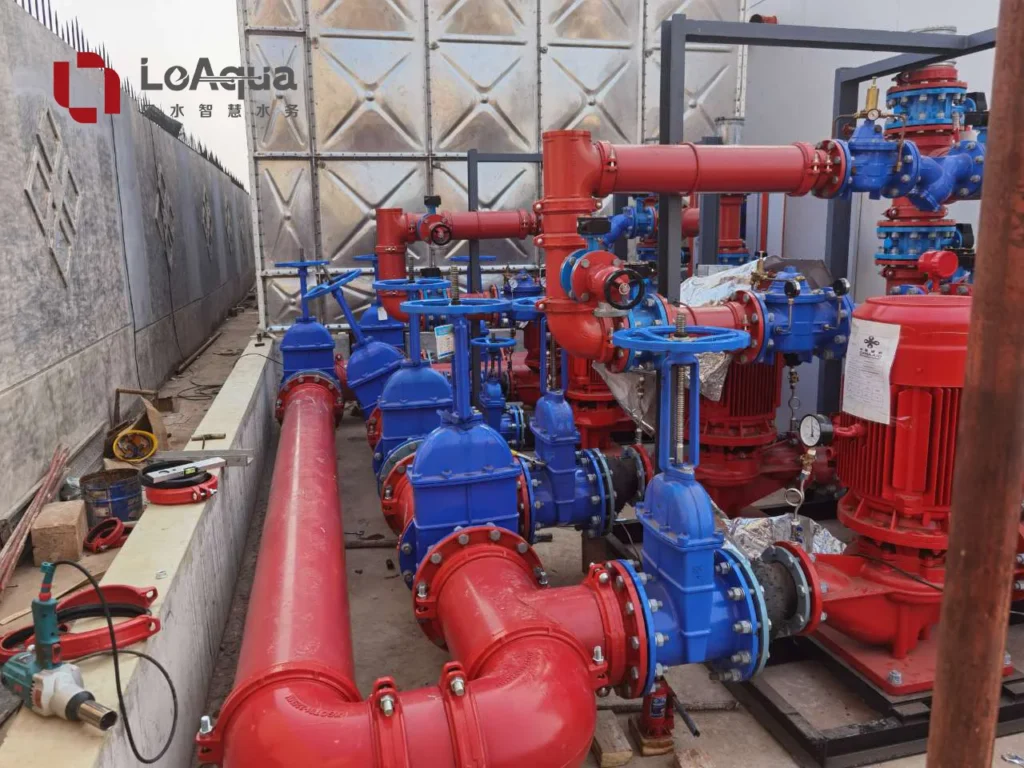
Before installation begins, engineers typically review:
- Tank inlet and outlet locations
- Pump suction and discharge connections
- Required flow and pressure conditions
- Pipe routing and pressure losses
- Equipment layout
- Valve and maintenance access
- Control cabinet location
These details may appear small during the design stage, but they can significantly affect installation efficiency and future operation.
For example, an unsuitable pipe arrangement may increase hydraulic losses and require additional pump capacity.
A poorly planned equipment layout may make future maintenance more difficult.
A control cabinet installed in the wrong location may create unnecessary challenges during operation.
The purpose of engineering review is therefore not only to confirm that every component fits physically.
It is to confirm that every component works together as part of the same water supply system.
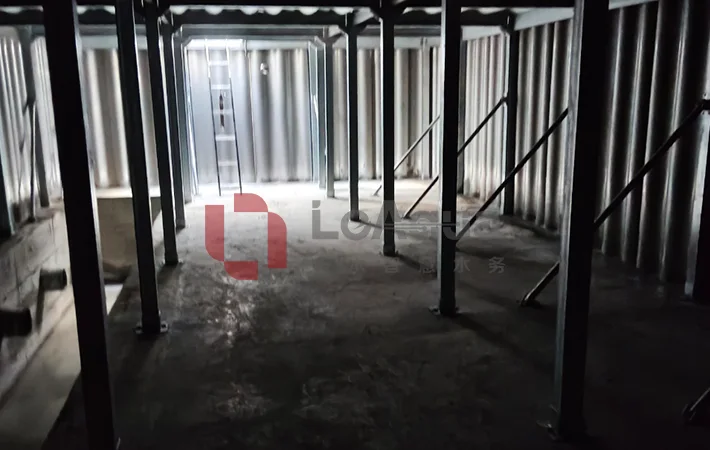
Why Integrated Engineering Reduces Installation Risks
Traditional projects often involve multiple suppliers providing different parts of the water system.
This approach can work, but it also creates additional coordination requirements.
Each supplier may understand their own equipment well, while fewer people are responsible for reviewing the interaction between all components.
For complex projects, this coordination becomes increasingly important.
An integrated engineering approach allows storage tanks, pumps, controls and monitoring systems to be reviewed together before manufacturing and installation.
This helps answer important questions earlier:
- Are pump parameters suitable for the actual operating conditions?
- Does the tank capacity support the expected demand pattern?
- Can the control system coordinate different operating modes?
- Are communication interfaces prepared for remote monitoring?
- Has future expansion been considered?
Solving these questions before equipment reaches the site can reduce adjustment work during installation and commissioning.
This is one reason why more projects are considering factory-integrated solutions instead of purchasing individual components separately.
An integrated pump station is not simply a combination of a tank and pumps.
It is a system where storage, pumping, control and monitoring are designed around the same operating requirements.
Electrical, Control and Monitoring Systems Need Early Preparation
Modern water supply projects increasingly require more than basic pumping functions.
Operators often need to know:
- Current water level
- Pump operating status
- Pressure conditions
- Alarm information
- Equipment running time
- Maintenance requirements
For this reason, electrical and control systems should be considered during the early design stage rather than added after installation.
Engineers review:
- Power supply requirements
- Control cabinet arrangement
- Sensor installation points
- Communication methods
- Remote monitoring requirements
- Alarm logic
A well-designed control system allows equipment to operate according to actual demand rather than simply running continuously.
For example, pumps can be controlled according to pressure changes or water consumption patterns, helping improve operational stability and reduce unnecessary energy consumption.
Remote monitoring can also provide valuable information after the project is completed.
Instead of waiting until a problem becomes obvious, operators can review operating conditions and identify abnormal situations earlier.
The key point is that monitoring is most effective when it is considered part of the original system design, not added as an afterthought.
Commissioning Preparation Before Operation
Installation is not complete when the equipment has been assembled.
Before a water storage system begins normal operation, engineers usually perform a series of checks to confirm that the system functions as expected.
Typical commissioning preparation includes:
Mechanical Checks
Engineers verify:
- Equipment installation accuracy
- Pipe connections
- Valve operation
- Leakage conditions
- Drainage arrangements
Pump Performance Checks
The pumping system is reviewed to confirm:
- Correct rotation direction
- Expected pressure performance
- Flow conditions
- Automatic switching between duty and standby pumps
Control System Checks
The control system is tested to confirm:
- Sensor signals
- Alarm functions
- Operating sequences
- Communication between equipment
These checks are important because a system can appear complete from the outside while still requiring adjustments before reliable operation.
A properly planned engineering process reduces surprises during this stage.
Engineering Note
The final performance of a water storage system is influenced long before the first drop of water enters the tank.
Site preparation, equipment coordination, hydraulic review and control planning all contribute to how successfully the system operates after installation.
The best installation projects are usually those where engineering decisions were completed before construction pressure began.
Final Thoughts
Installing a water storage system is not simply a process of placing a tank on a foundation and connecting pipes.
A successful project requires coordination between storage, pumping, distribution and control systems.
Engineers review site conditions, hydraulic requirements, equipment connections and future operating needs because every decision affects the performance of the complete system.
At LeAqua, water storage projects are approached from a system perspective. Water tanks, pump sets, control systems and monitoring functions can be considered together during engineering review, helping create a coordinated solution from design through installation.
The objective is not only to deliver equipment to a project site.
It is to ensure that the complete water supply system is prepared to operate reliably after installation.