Water storage infrastructure continues to evolve as projects demand greater flexibility, faster implementation, and stronger long-term performance.
As a result, modular design principles are becoming increasingly important in modern water storage planning.
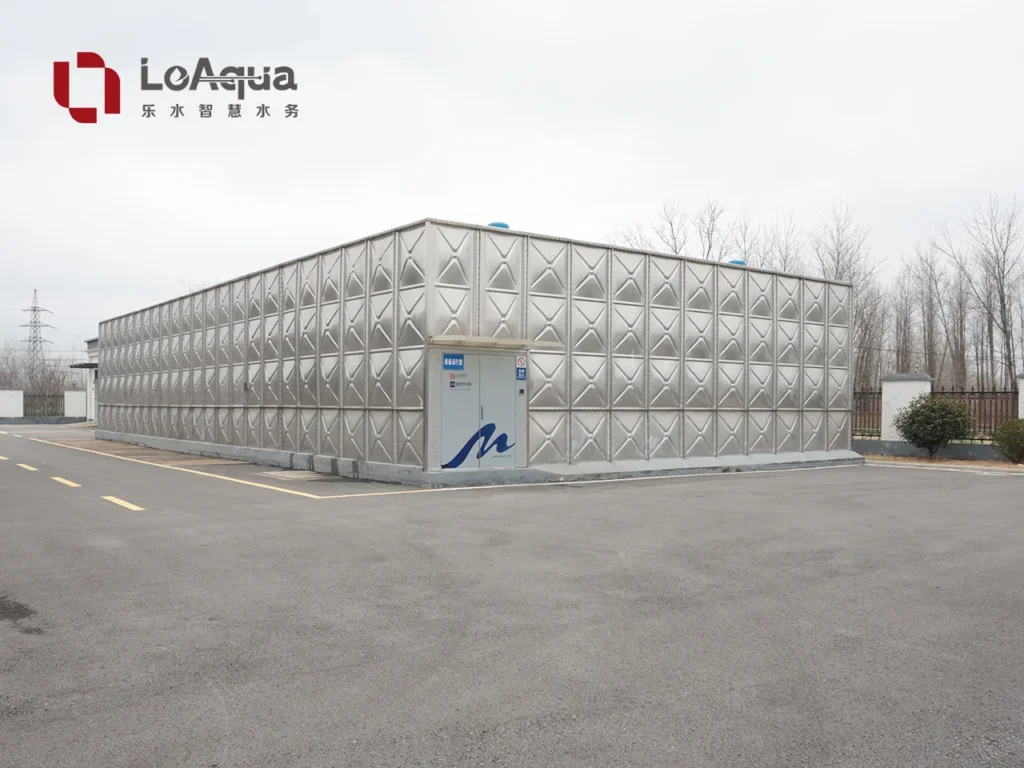
Among the solutions receiving growing attention are modular bolted stainless steel water tanks.
By combining panel-based construction with engineered assembly, these systems support modern infrastructure requirements while allowing greater adaptability across different installation environments.
LeAqua develops modular bolted stainless steel water tank solutions designed to support practical implementation and reliable long-term operation.

Why Modular Design Is Changing Water Storage
Traditional infrastructure often relied on fixed structures that were difficult to adapt once installed.
Today, project owners increasingly expect systems that can respond to:
- Changing demand
- Construction constraints
- Space optimization
- Future development
This shift has increased interest in modular approaches.
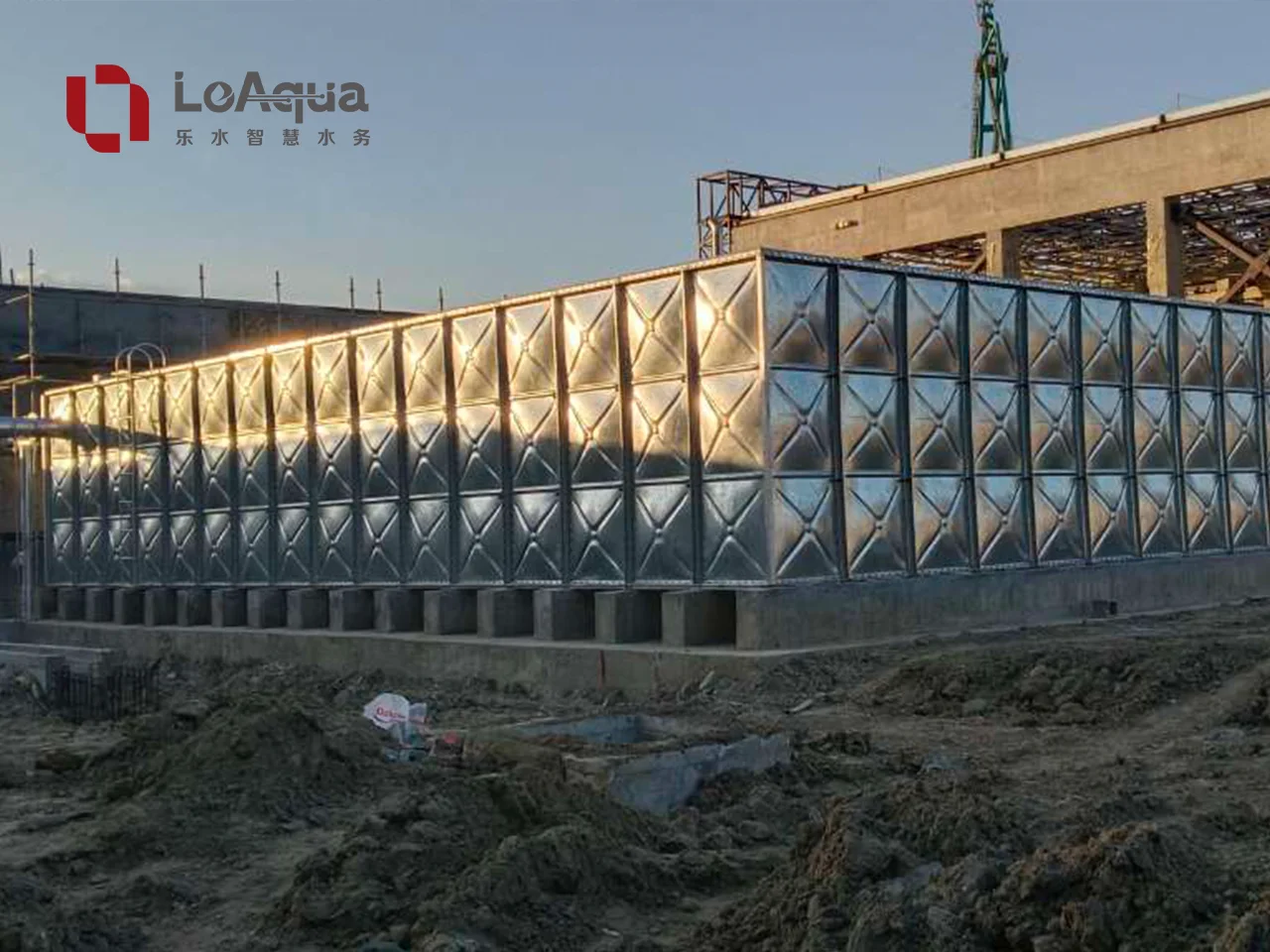
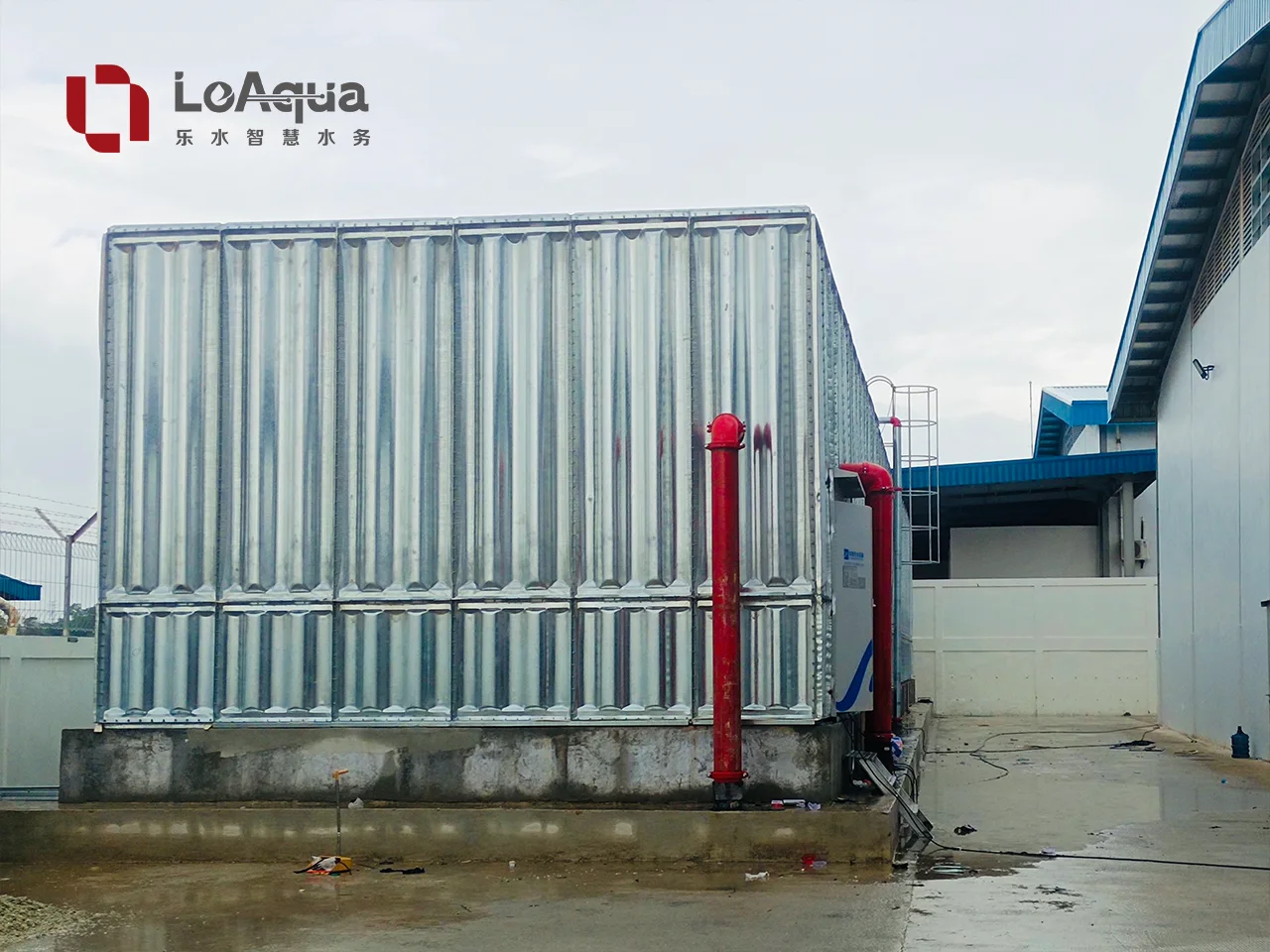
A modular bolted stainless steel water tank allows engineers to configure water storage according to project requirements rather than forcing projects to follow standardized layouts.
Bolted Construction Supports Flexible Implementation
The bolted structure creates opportunities for efficient project execution.
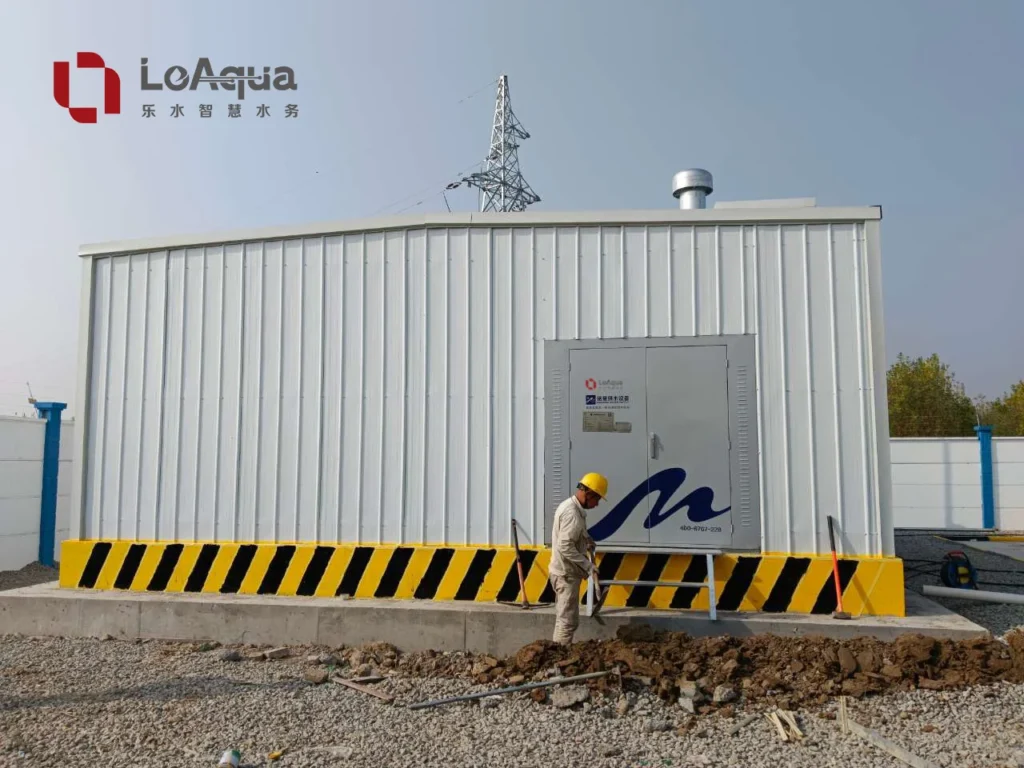
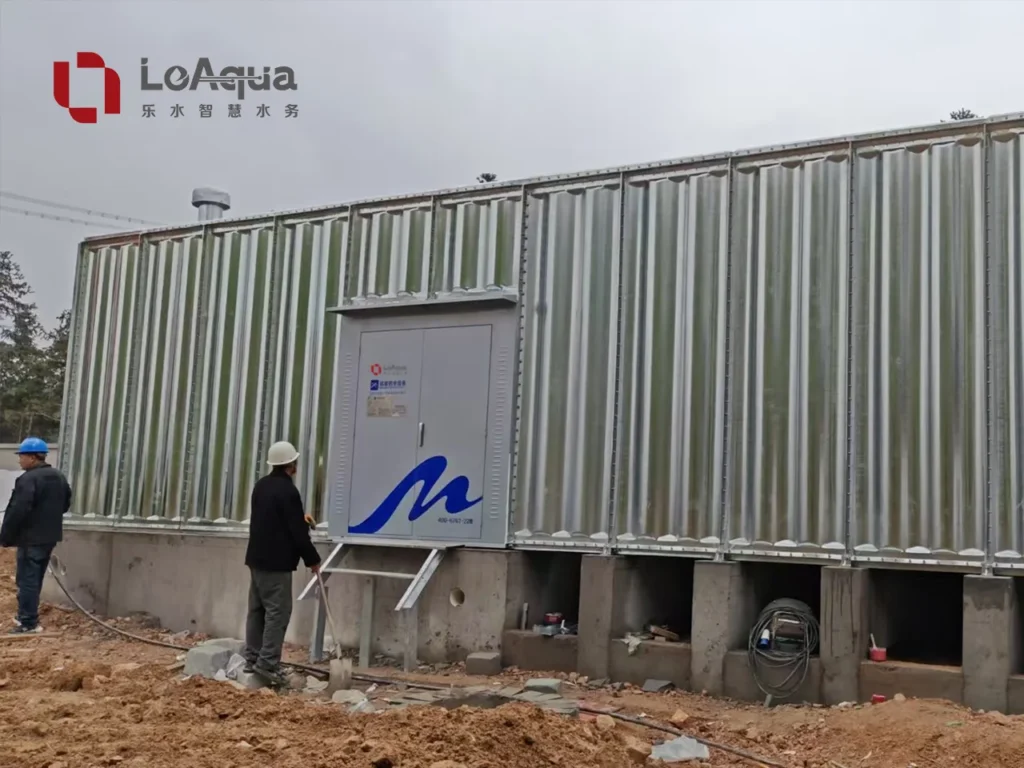
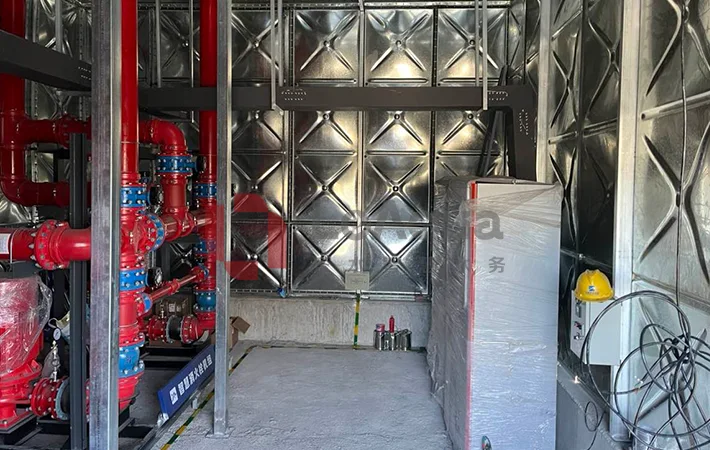
Individual panels can be transported separately and assembled according to site conditions.
This approach may simplify implementation in environments such as:
- Commercial developments
- Equipment buildings
- Utility projects
- Infrastructure upgrades
The modular structure also allows greater flexibility during planning and coordination.
Water Storage Is Becoming More Integrated
Modern water storage increasingly functions as part of a larger operational system.
Water tanks may operate alongside:
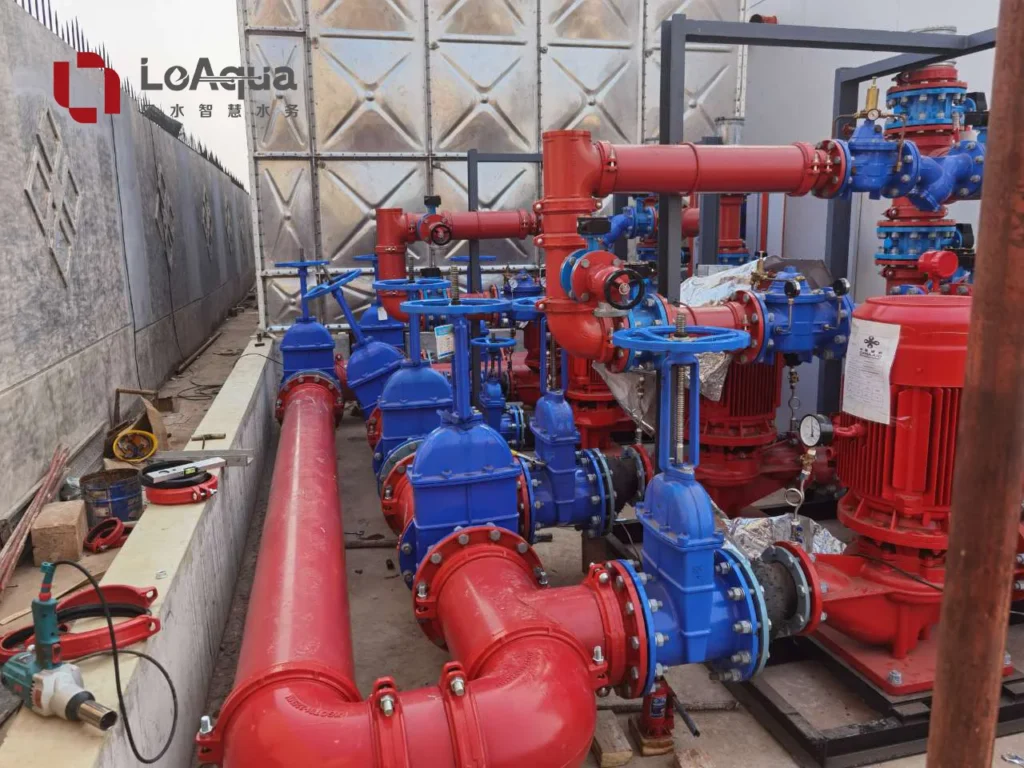
- Pump equipment
- Monitoring systems
- Building infrastructure
- Digital operation platforms
A modular bolted stainless steel water tank can support this integration by allowing layouts to adapt to broader infrastructure requirements.
Long-Term Adaptability Matters
Infrastructure rarely remains unchanged.
Population growth, operational changes, and future expansion can influence water demand.
Modular design principles help project owners consider future requirements earlier in the planning process.
LeAqua approaches modular water storage with attention to practical engineering and long-term operational value.
Conclusion
Modular bolted stainless steel water tanks continue to become an important solution for modern infrastructure because they support flexibility, adaptability, and long-term planning.
As projects become more dynamic, modular thinking increasingly shapes how water storage systems are designed and implemented.