Selecting a water tank supplier is often more complicated than comparing product prices.
For many projects, the water tank is not an isolated piece of equipment.
It is part of a larger water supply system that needs to operate for many years.
A supplier may provide a tank that meets basic requirements, but engineers usually need to consider much more:
Can the supplier understand the project requirements?
Can they provide technical drawings and engineering support?
Can they manufacture consistently according to specifications?
Can they support installation and commissioning?
These questions become especially important for large commercial buildings, industrial facilities, infrastructure projects and international construction projects.
A successful water storage project depends not only on the quality of the tank itself.
It also depends on the supplier’s ability to support the complete process from design review to final operation.
This is why experienced engineers usually evaluate suppliers based on several factors rather than making decisions based only on initial cost.
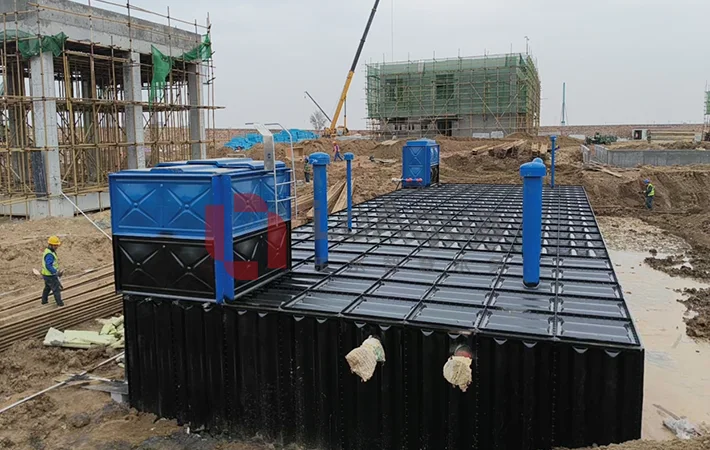
Technical Understanding Comes Before Product Selection
One of the first things engineers evaluate is whether a supplier understands the technical requirements behind the project.
A professional water tank supplier should not only ask:
“What capacity tank do you need?”
A deeper discussion usually includes:
- What is the application?
- How will the water be used?
- What are the operating conditions?
- What installation environment is involved?
- Are there future expansion requirements?
The same storage capacity can represent completely different engineering requirements.
For example, a tank used for a commercial building, industrial facility or fire protection system may have the same volume but different priorities regarding design, connections, maintenance and operation.
A supplier with engineering capability can help identify these differences before manufacturing begins.
This reduces the risk of selecting equipment based on incomplete information.
Can the Supplier Provide Engineering Support?
For many international projects, the relationship between supplier and customer does not end after an order is placed.
Engineers often need technical information before, during and after manufacturing.
Typical support may include:
- Technical drawings
- Product specifications
- Material information
- Installation guidance
- Connection details
- Project documentation
For complex projects, technical communication becomes especially important.
A supplier needs to understand how the tank will connect with other parts of the system, including:
- Pumps
- Pipework
- Control systems
- Building infrastructure
This is why engineering support is often one of the most important differences between a manufacturer and a simple equipment seller.
Engineering Note
A water tank is usually one part of a larger system.
Suppliers that understand the relationship between storage, pumping and operation can provide more useful support than suppliers that focus only on manufacturing individual components.
Manufacturing Capability and Quality Control
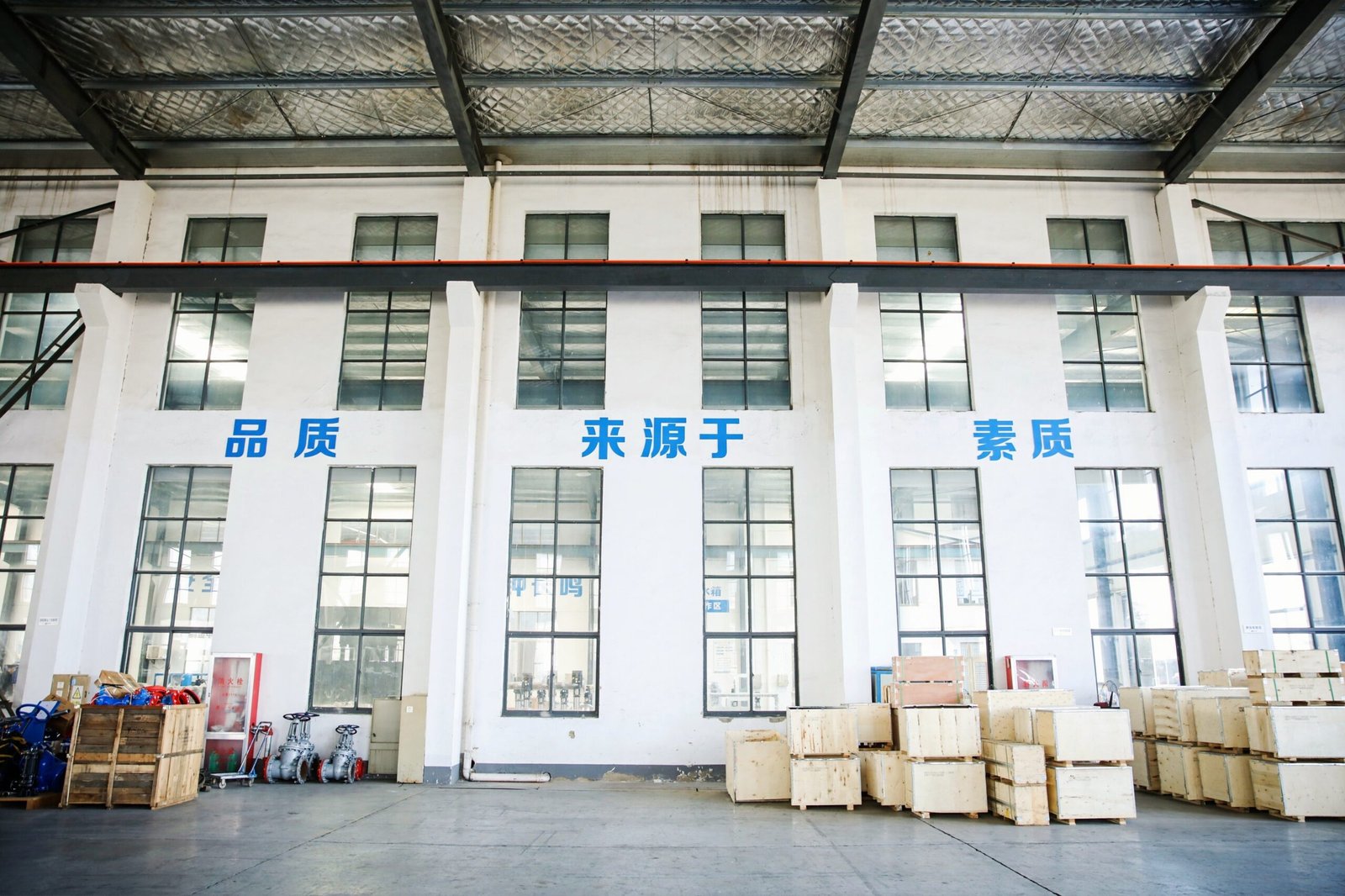
After technical requirements are confirmed, engineers usually evaluate whether a supplier has sufficient manufacturing capability.
The purpose is not only to confirm production capacity.
It is to understand whether the supplier can maintain consistent quality throughout different projects.
Important considerations may include:
- Manufacturing facilities
- Production process
- Material control
- Quality inspection procedures
- Experience with similar projects
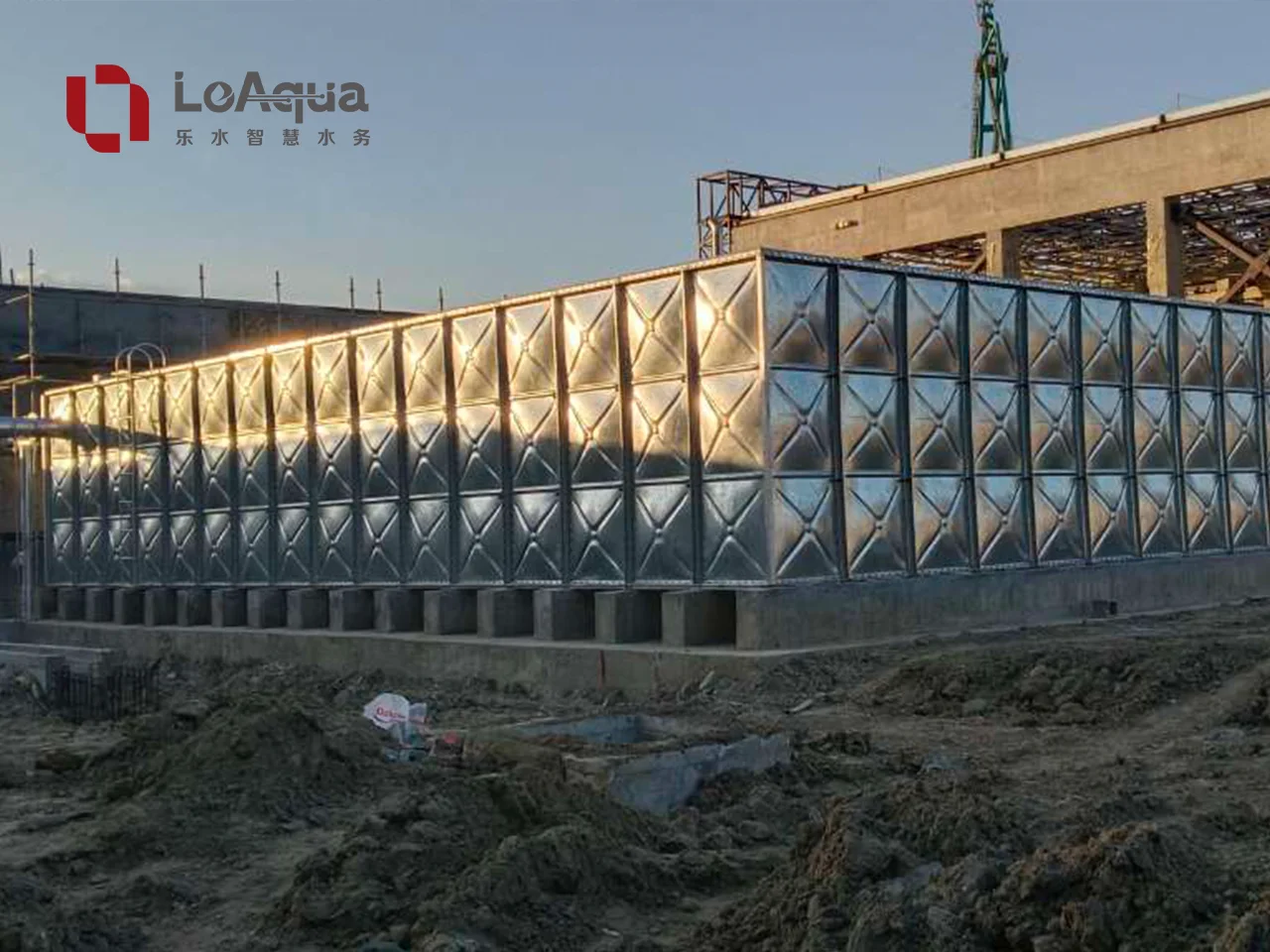
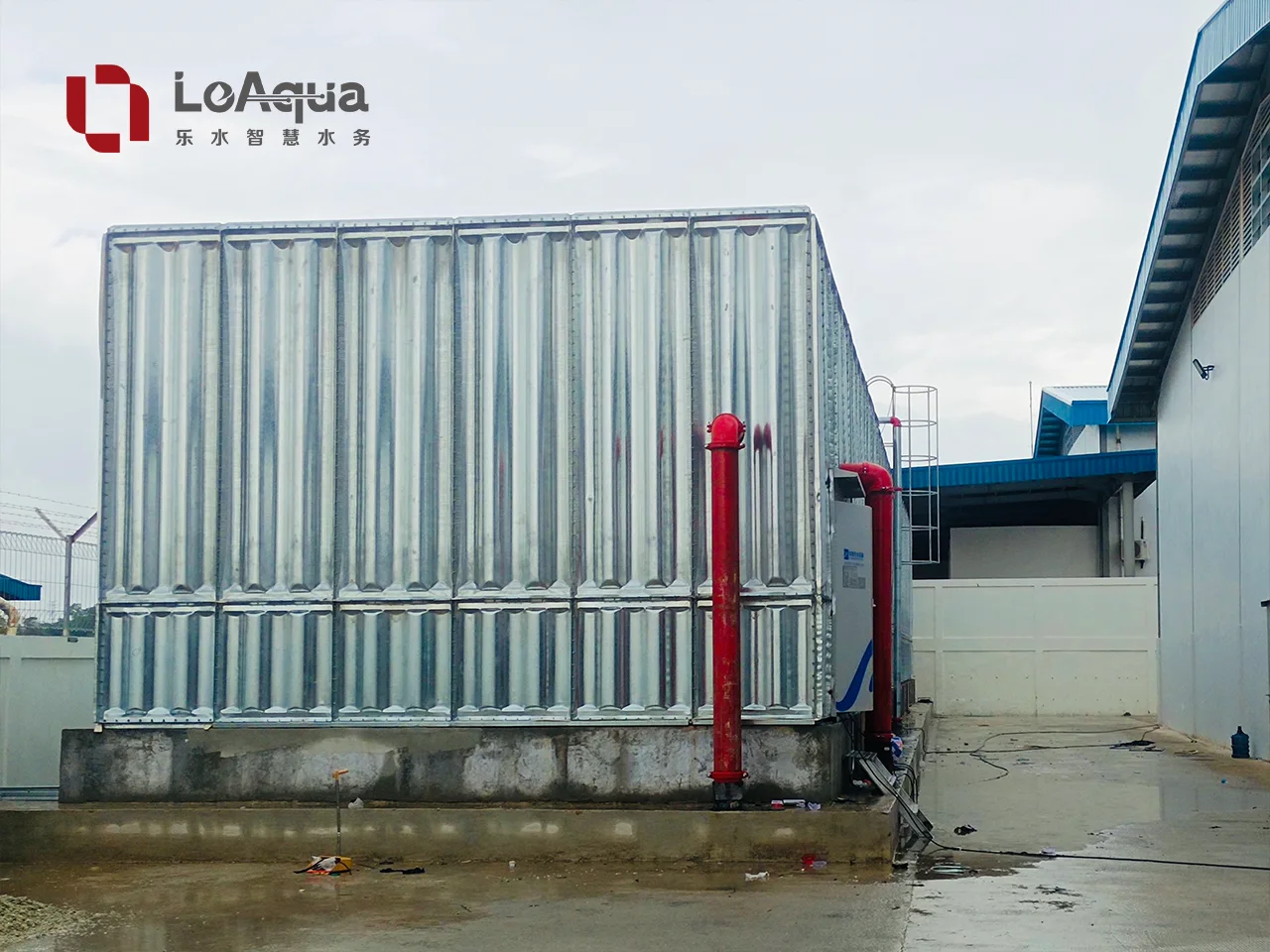
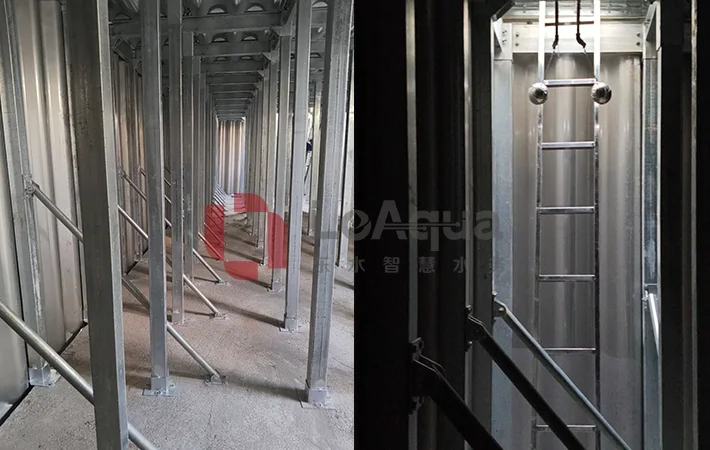
For modular water tanks, manufacturing accuracy is particularly important because the final structure depends on the consistency of individual panels, connections and assembly components.
A supplier with strong production control can reduce installation issues caused by inconsistent components.
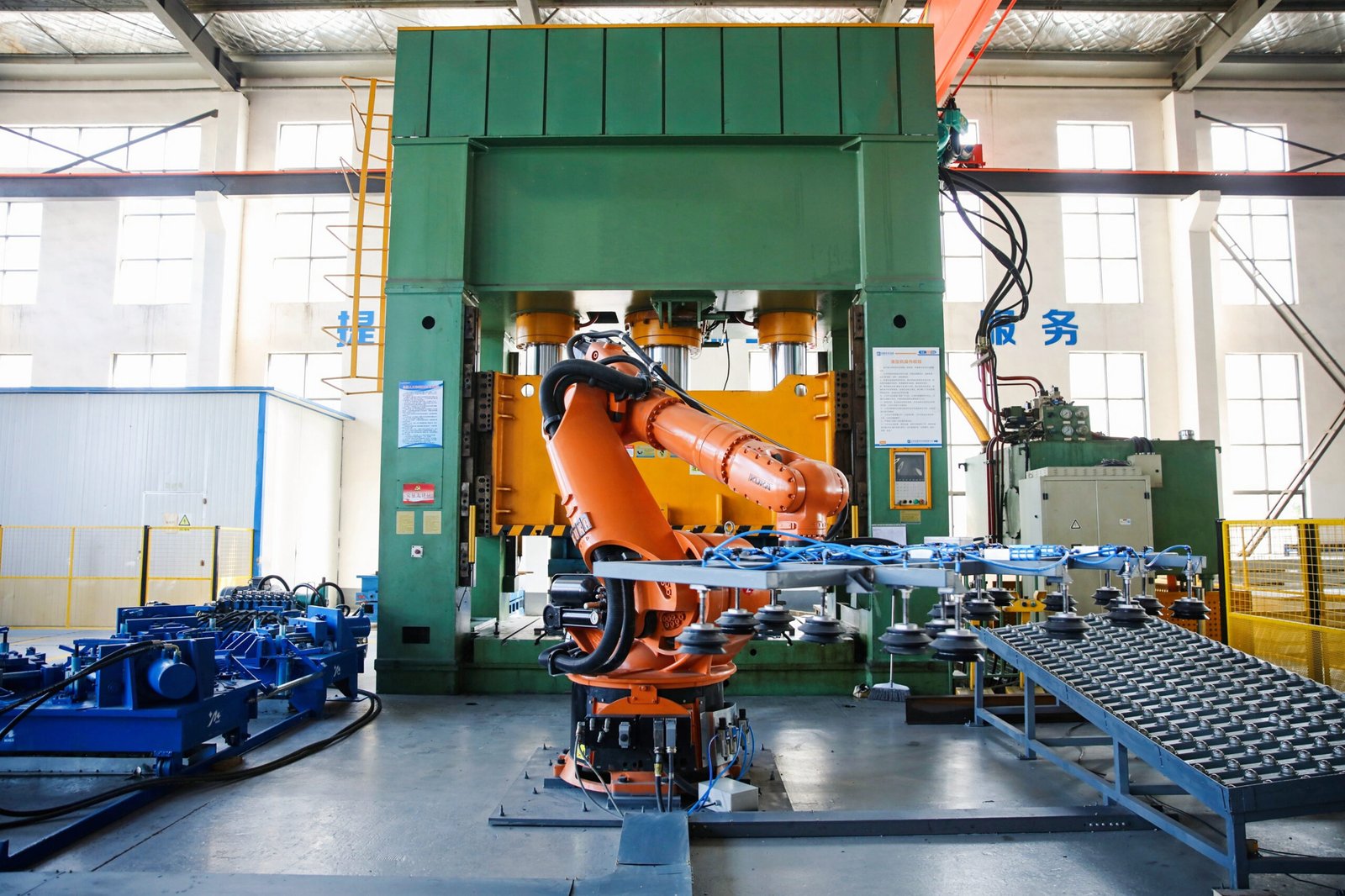
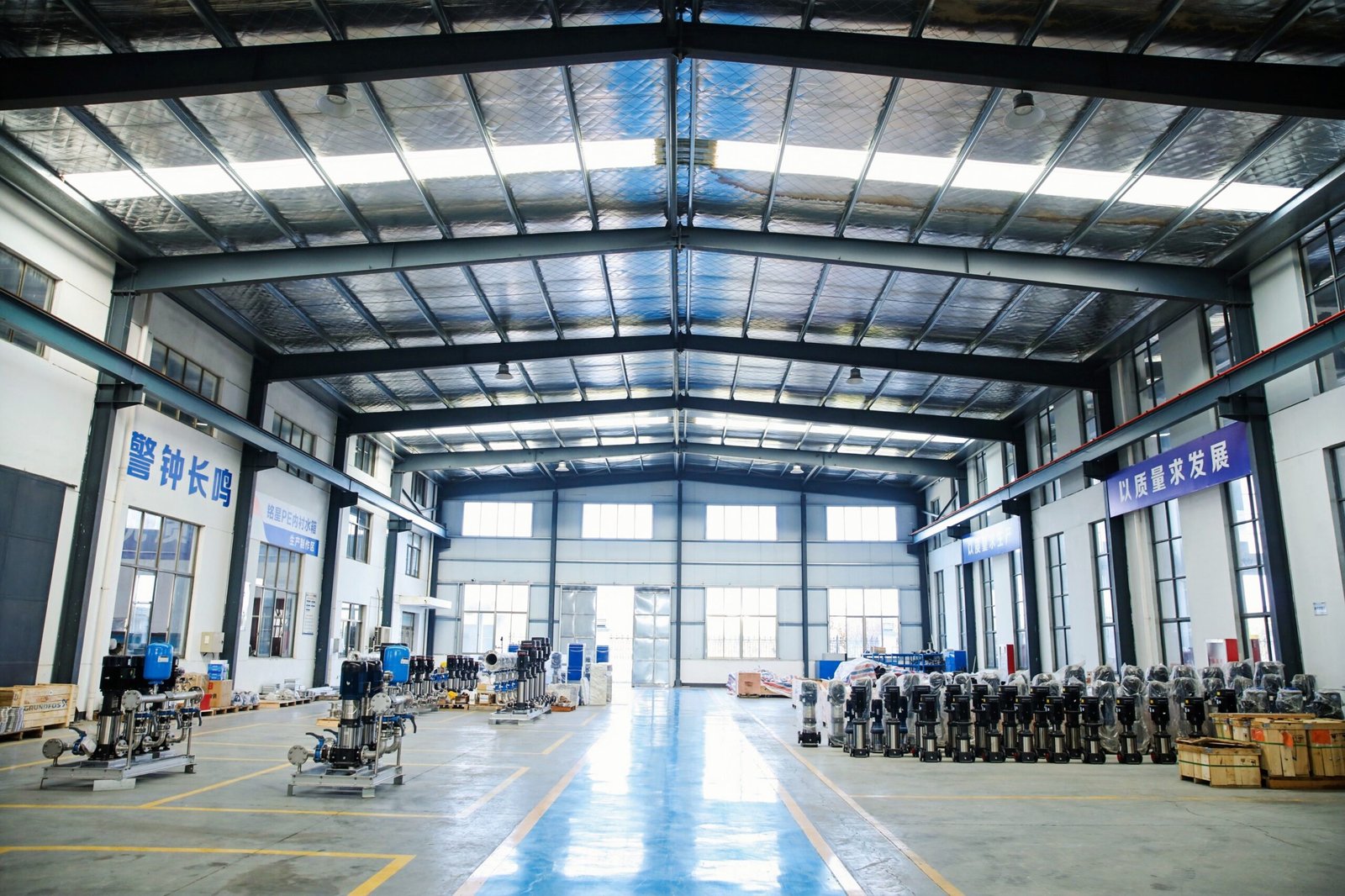
How Engineers Evaluate Factory Capability
A supplier’s manufacturing capability is another important factor engineers consider before placing an order.
A water tank may appear simple from the outside, but consistent quality depends on many details during production.
Engineers often review:
- Manufacturing equipment
- Production processes
- Material management
- Quality inspection procedures
- Production experience with similar projects
For modular water tanks, manufacturing accuracy becomes especially important because the final structure is assembled from multiple components.
Small differences in panel dimensions, drilling accuracy or connection details can affect installation efficiency and final performance.
A capable manufacturer should have clear control over:
- Raw material inspection
- Production processes
- Component accuracy
- Finished product inspection
This is especially important for overseas projects where solving production issues after delivery can be more difficult and expensive.
A supplier with a complete manufacturing process can provide greater confidence that the delivered equipment will match the approved technical requirements.
Does the Supplier Have Engineering Experience Beyond Manufacturing?
For many projects, manufacturing ability alone is not enough.
Engineers often need suppliers who can participate in technical discussions before production begins.
This includes questions such as:
- Is the proposed tank configuration suitable for the project?
- Are the connection locations practical?
- Does the design consider installation conditions?
- Can the solution work together with pumps and control systems?
A supplier with engineering experience can often identify potential issues earlier.
For example, during project review, engineers may discover that:
- The available installation space is different from the original assumption.
- The transportation route creates limitations.
- The pump arrangement requires adjustment.
- Maintenance access needs additional consideration.
These issues are easier to solve during the design stage than after manufacturing has started.
Therefore, many professional projects prefer suppliers who can provide engineering support rather than only supplying standard products.
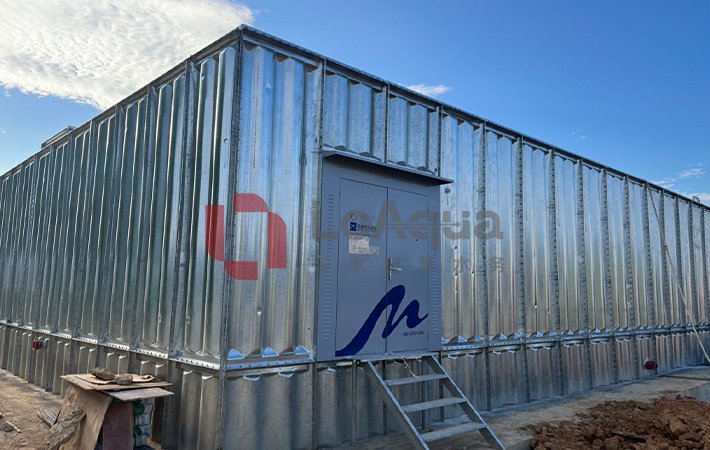
International Project Experience Matters for Overseas Customers
For international projects, engineers also consider whether a supplier understands overseas delivery requirements.
A technically suitable product still needs to meet practical project conditions, including:
- Export packaging requirements
- Technical documentation
- Installation instructions
- Communication during delivery
- Coordination with local contractors
Different regions may have different expectations regarding project documents, installation methods and operating environments.
A supplier experienced in international projects is usually more familiar with these requirements.
For example, overseas projects may require:
- Detailed product drawings
- Material specifications
- Installation manuals
- Inspection records
- Project-specific documentation
These documents help engineers, contractors and owners understand the equipment before and during installation.
Project Experience Shows Practical Application
Another factor engineers review is whether a supplier has experience with similar applications.
Past projects can provide valuable information about:
- Project scale
- Application conditions
- Installation environment
- Technical challenges
- Final implementation results
However, project experience should not only be measured by the number of completed projects.
The more important question is whether the supplier understands different project requirements.
A supplier that has worked with commercial buildings, industrial facilities, infrastructure projects and public facilities may have broader experience dealing with different operating conditions.
Why System Thinking Matters When Choosing a Supplier
One important change in modern water supply projects is that engineers are increasingly looking beyond individual equipment.
A water tank is only one part of the complete system.
The final performance depends on how storage connects with:
- Pumps
- Pipe networks
- Control systems
- Monitoring platforms
This is why suppliers with system-level understanding can provide additional value.
For example, when selecting a water storage solution, engineers may need to consider:
- Is the pump capacity matched with storage requirements?
- Are connection arrangements suitable?
- Can the control system support actual operating conditions?
- Can future expansion be considered?
A supplier who understands these relationships can help reduce coordination problems between different equipment providers.
This is also one reason integrated solutions are receiving increasing attention in modern water supply projects.
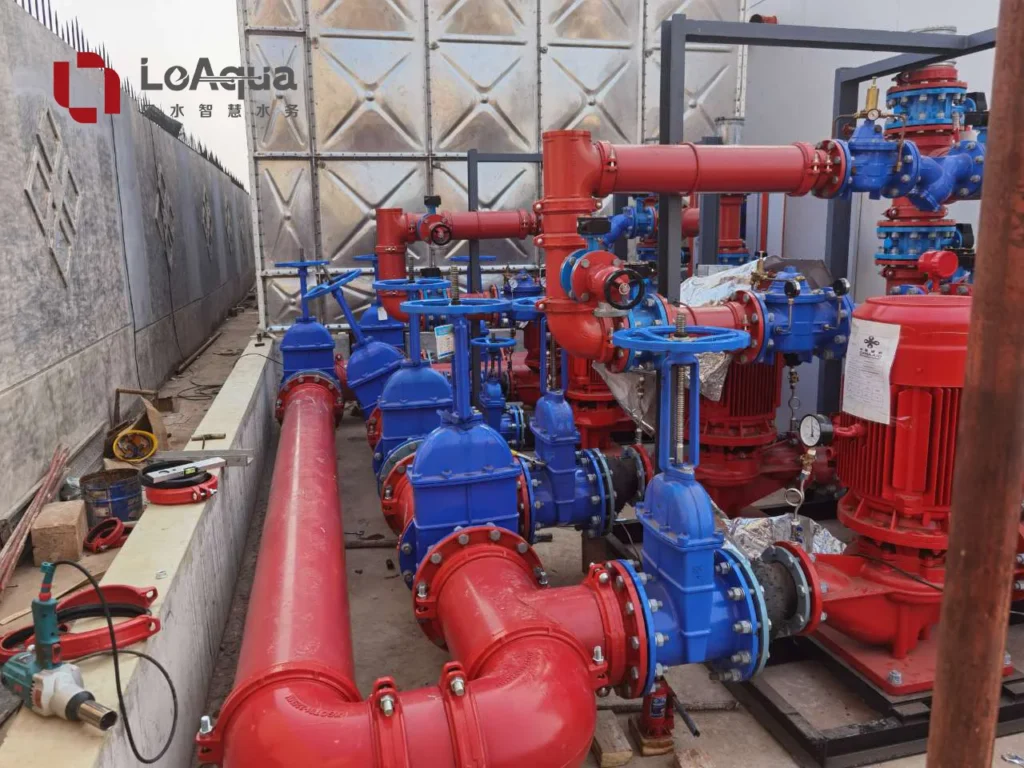
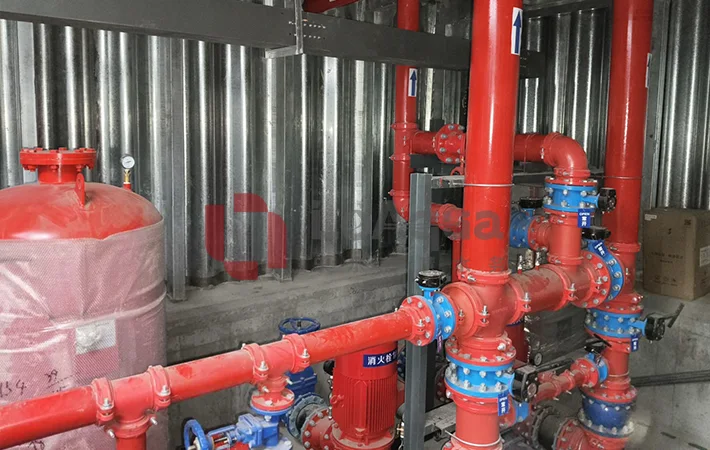
An integrated pump station combines storage, pumping equipment and control functions into a coordinated system.
Instead of managing several independent components, engineers can review the complete solution from one engineering perspective.
What Makes a Water Tank Supplier a Long-Term Partner?
The relationship between an engineer and supplier often continues beyond manufacturing.
During the project lifecycle, customers may need support with:
- Technical questions
- Installation guidance
- Operating adjustments
- Future expansion
Therefore, the ideal supplier is not simply the company that provides the lowest initial quotation.
Engineers usually look for suppliers that can provide:
- Technical understanding
- Stable manufacturing quality
- Clear communication
- Project support
- Long-term cooperation capability
A reliable supplier helps reduce uncertainty throughout the project.
Final Thoughts
Choosing a water tank supplier is an engineering decision, not only a purchasing decision.
Engineers evaluate more than product appearance or initial cost.
They consider technical understanding, manufacturing capability, project experience and the supplier’s ability to support the complete water system.
A suitable supplier should understand not only how to manufacture a tank, but also how that tank will operate within the larger water supply system.
At LeAqua, water storage projects are approached from this complete engineering perspective. With manufacturing capability, technical development experience and system integration knowledge, LeAqua supports projects from design review through installation and operation.
The right supplier does not simply deliver equipment.
The right supplier helps ensure that the entire water storage system performs as expected throughout its service life.