Completing the installation of a water mist system does not mean the system is ready for service. Before handover, the project team must confirm that the installed equipment matches the approved design, operates correctly and communicates with the building’s fire alarm and control systems.
Water mist system commissioning should cover more than starting the pump and checking for leaks. It should verify the water supply, pump unit, pipework, valves, nozzles, detection devices, alarms, control logic and supporting documents as one complete fire protection system.
The exact tests and acceptance criteria depend on the project standard, approved design, system listing and requirements of the local authority.
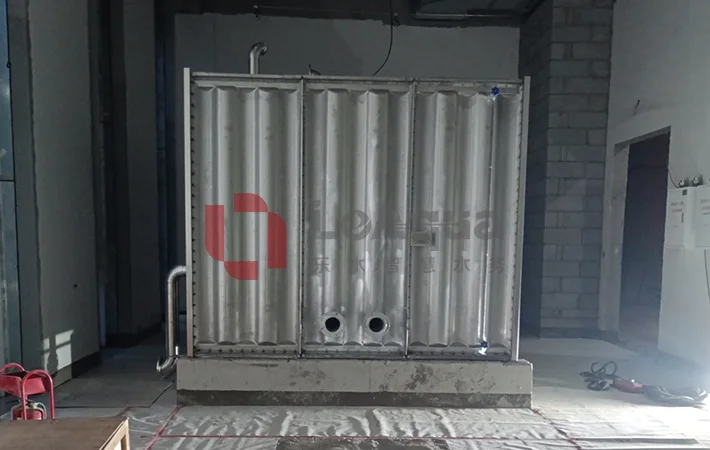
What Is Water Mist System Commissioning?
Water mist system commissioning is the documented process used to confirm that the installed system matches its approved design and performs its intended functions. It includes physical inspection, pipe preparation, pressure and functional testing, alarm verification, system restoration and final handover records.
A high-pressure water mist system is an engineered system. Commissioning requirements should therefore be established during design and procurement rather than discussed only after installation.
Why Is Commissioning Project-Specific?
A test procedure suitable for one application cannot automatically be transferred to another. An archive, data centre, machinery space and tunnel may use different detection methods, nozzle arrangements, discharge zones and operating sequences.
The project team should confirm:
- What fire hazard the system was designed to protect
- Which drawings and calculations have been approved
- Which equipment models are included in the approved configuration
- Whether the system is automatic, manual or uses both activation methods
- How ventilation, shutdowns, alarms and other systems should respond
- Which tests require attendance from the consultant or approval authority
- Whether a controlled discharge test is required or permitted
These decisions should be recorded before testing begins. Otherwise, the contractor may complete a functional test that does not satisfy the final acceptance requirements.
Water Mist System Commissioning Checklist
| Commissioning area | What should be checked | Typical evidence |
|---|---|---|
| Approved documents | Drawings, equipment schedules and operating sequence match the accepted design | Approved submittals and revision records |
| Installed equipment | Pumps, valves, nozzles and controls match the specified models and locations | Inspection checklist and photographs |
| Pipework condition | Pipework is complete, supported, clean and ready for operation | Flushing and inspection records |
| Water supply | Available water, pump arrangement and supply duration match the design basis | Test results and system calculations |
| Controls and alarms | Detection, activation, fault signals and system interlocks operate correctly | Cause-and-effect test records |
| Handover | Final drawings, manuals, test reports and training records are complete | Handover document register |
The checklist should be adapted to the approved project documents. It should not be used as a substitute for the applicable standard or the manufacturer’s instructions.
A Practical Commissioning Sequence
1. Review the approved design
Confirm the latest drawings, hydraulic information, equipment schedule, control logic and test procedure. Testing against an outdated drawing can create disagreements even when the installed equipment operates normally.
2. Inspect the installation
Check equipment identification, pipe routing, valve positions, nozzle locations, supports and access for maintenance. Nozzles should not be blocked by building services, ceilings, storage racks or recently installed equipment.
3. Prepare the pipework
Pipework cleanliness is especially important where nozzles contain small internal passages. Flushing, cleaning and water-quality requirements should follow the system documentation. Nozzles should not be exposed to construction debris during this work.
4. Complete pressure and leakage tests
Test pressure, duration and acceptance limits must come from the applicable design documents and standards. Recording only that the system “passed” is not enough; the report should identify the tested section, test conditions, date and responsible parties.
5. Test the water supply and pump unit
Verify starting methods, normal operating sequence, standby arrangements where provided, pressure indication, fault monitoring and emergency power functions required by the design.
6. Verify detection and control logic
Test automatic and manual activation inputs without causing an unintended discharge. Confirm alarms, zone indication, valve operation, pump commands, ventilation responses and signals sent to the fire alarm or building management system.
7. Perform the approved functional test
The test should demonstrate the required operating sequence. A live discharge should only be conducted where it is required, properly planned and safe for the protected area. Sensitive equipment and occupied spaces may require additional controls.
8. Restore and document the system
After testing, return valves, controls and power supplies to their normal operating condition. Remove temporary isolation measures and record any remaining defects. A tested system that has not been correctly restored is not ready for service.
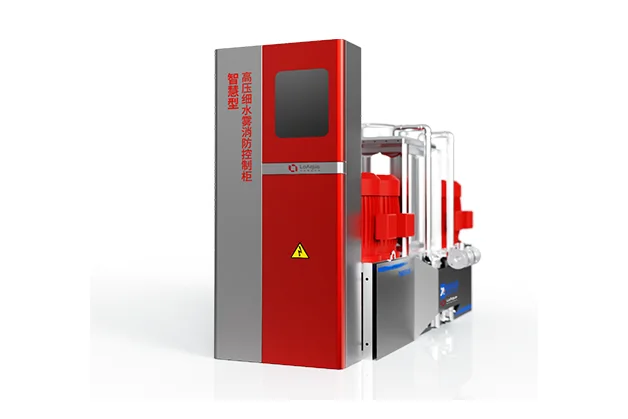
What Should the Handover Package Include?
A complete handover package normally includes:
- Approved and as-built drawings
- Equipment and component schedules
- Hydraulic or system design documentation
- Pressure, flushing and functional test records
- Cause-and-effect or control sequence
- Operation and maintenance manuals
- Spare-parts information
- Training and attendance records
- List of outstanding defects
- Inspection and maintenance schedule
The owner should also know who is responsible for future testing and where replacement components can be obtained. This is particularly important for overseas projects where specialist service support may not be available locally.
Standards and Component Evidence
NFPA 750 addresses design, installation, maintenance and testing requirements for water mist fire suppression systems. The applicable edition and acceptance route should be confirmed with the project engineer and Authority Having Jurisdiction.
Component approval must also be checked against the project specification. UL Solutions’ water mist testing information identifies standards used for testing water mist equipment, including UL 2167 for water mist nozzles.
A reference to NFPA or UL does not prove that every component in a proposed system has been listed or certified. Model numbers and supporting documents must be checked individually. LeAqua’s technical references page also explains why technical experience should not be treated as automatic compliance in every destination market.
Preparing a Water Mist Project for LeAqua
LeAqua offers high-pressure water mist systems for project-specific fire protection applications. To evaluate an equipment and documentation scope, the project team should provide the protected hazard, room dimensions, zoning plan, applicable standards, required operating sequence and local approval requirements.
Commissioning responsibilities should also be defined in the quotation. The parties need to know who will prepare the test procedure, provide instruments, conduct on-site tests, coordinate with the fire alarm contractor and submit the final records.
Send these project requirements through the LeAqua water mist enquiry form before finalising the equipment scope.