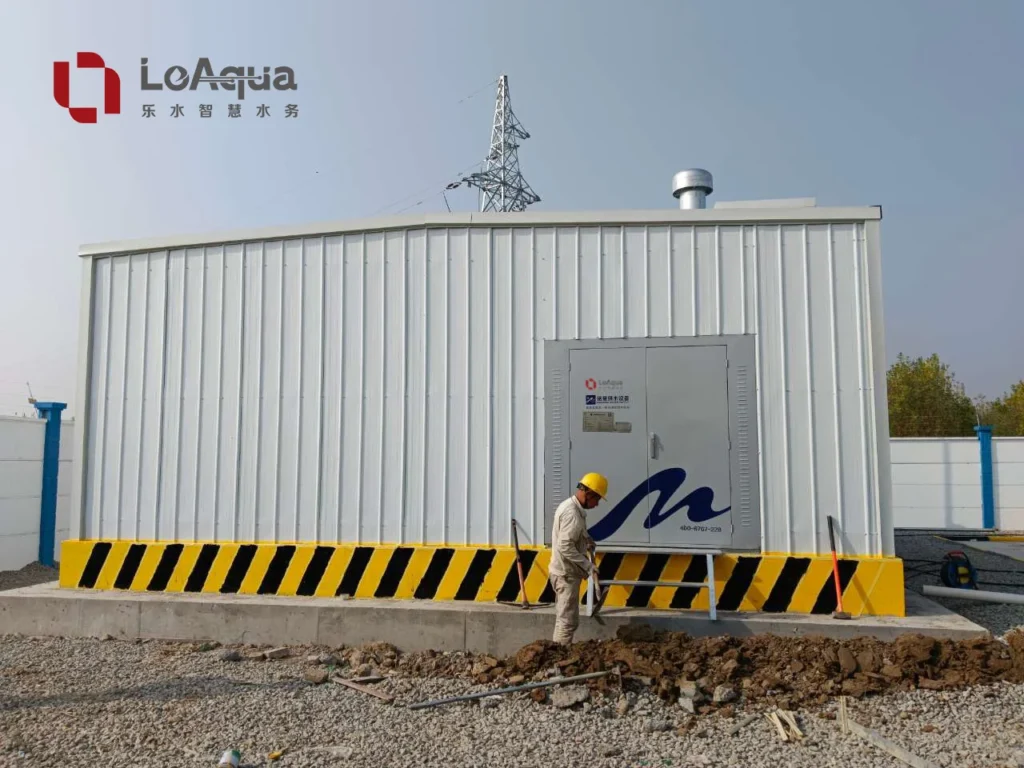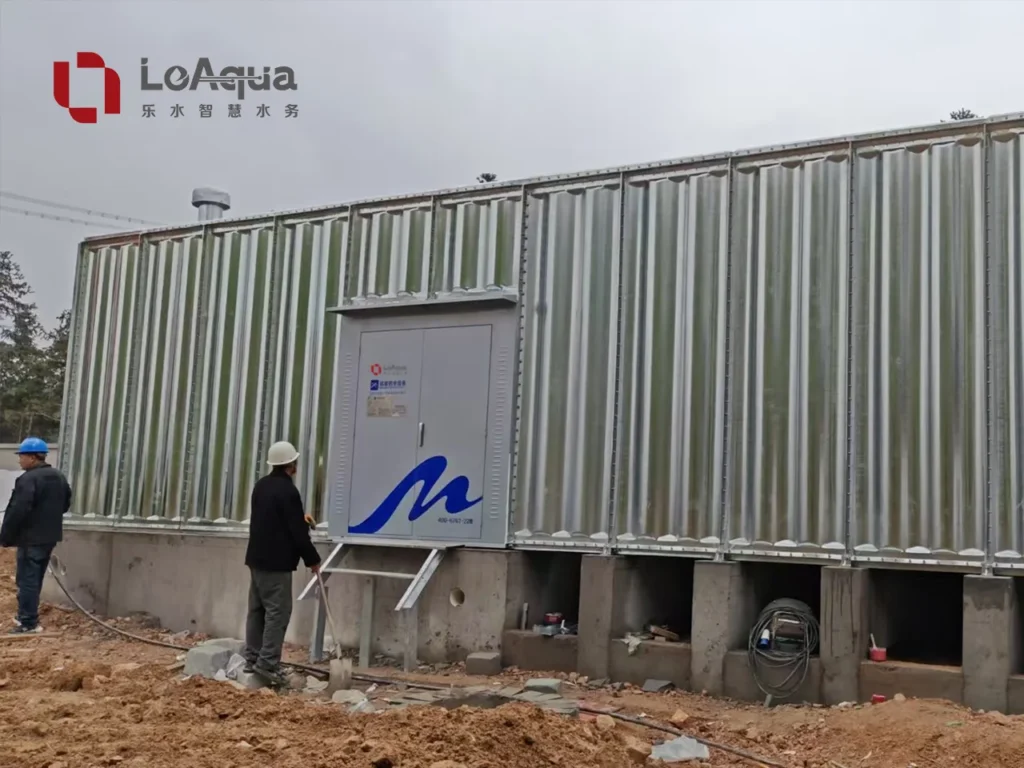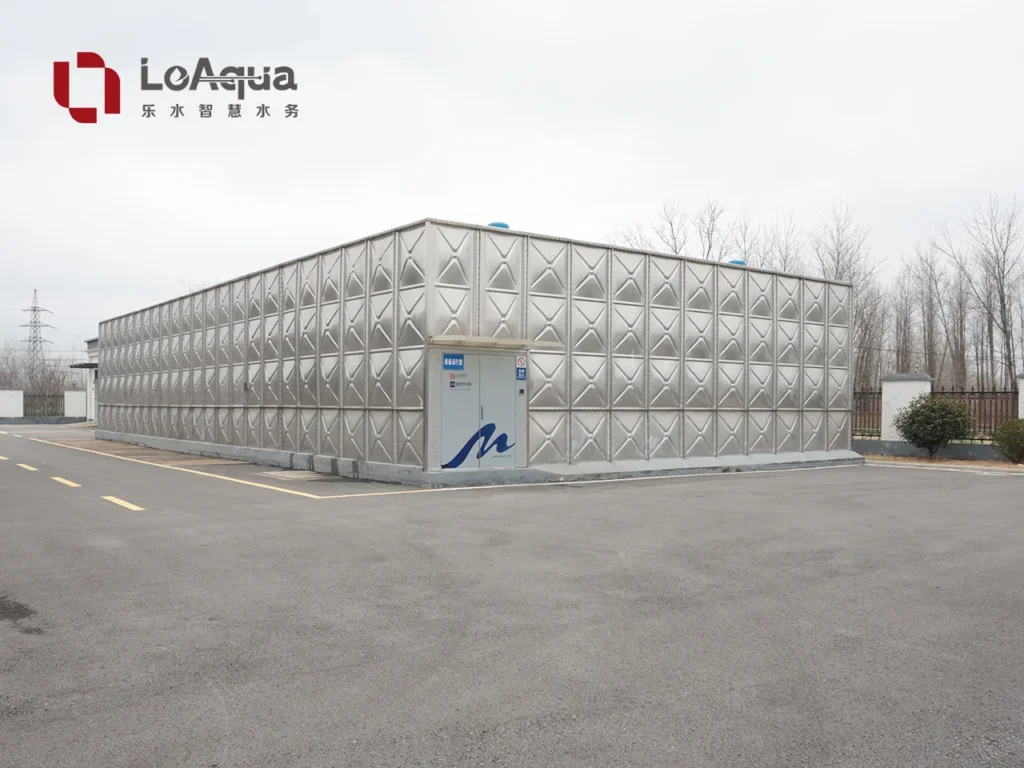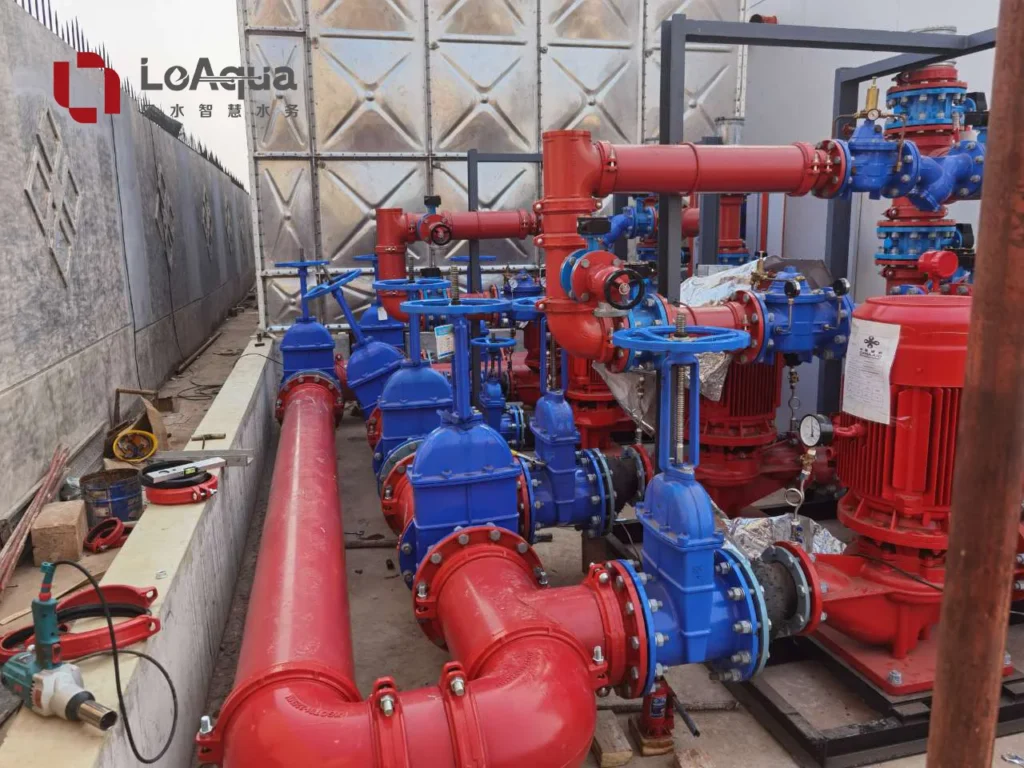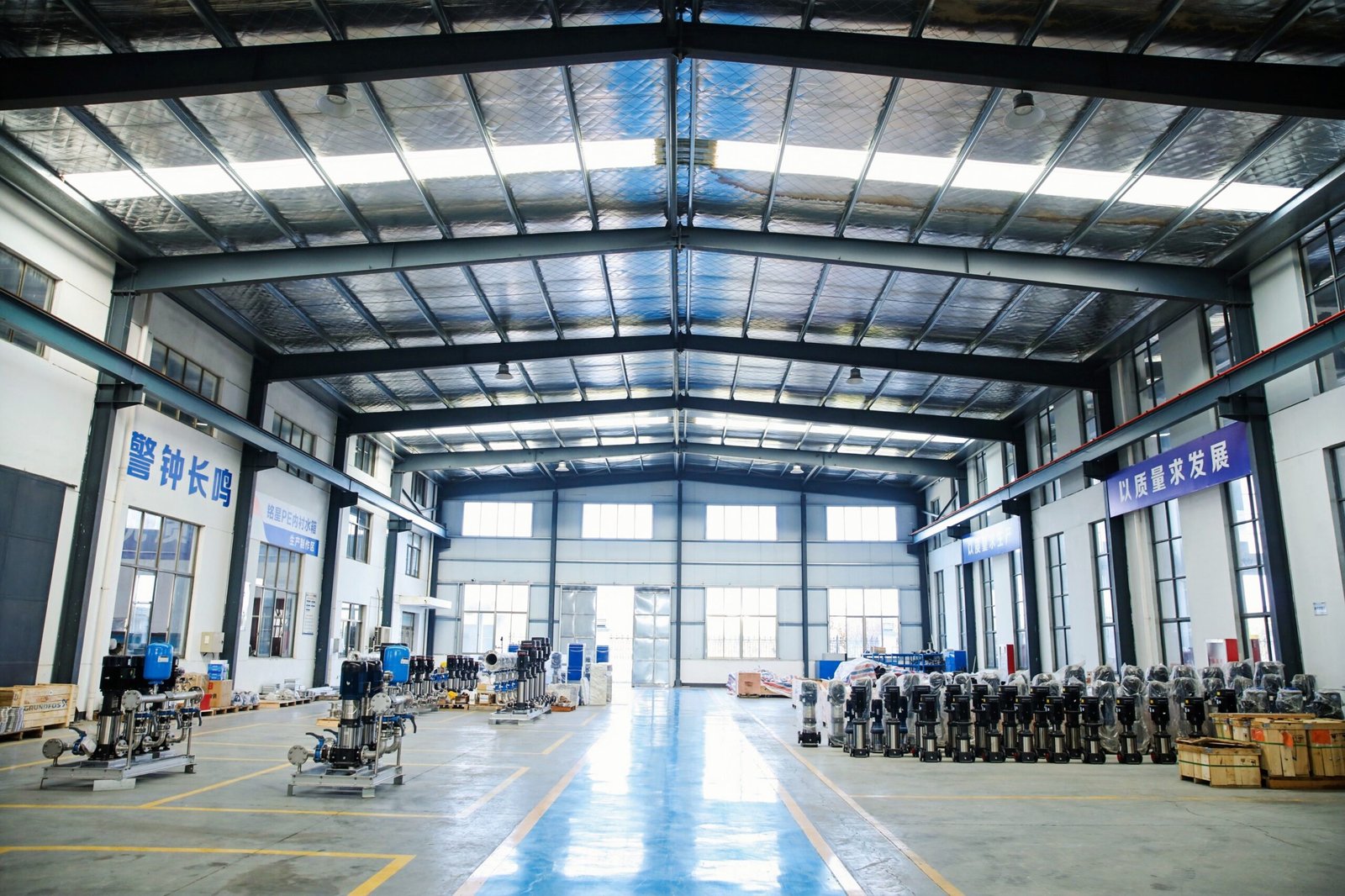
In 2026, stainless steel tank selection is increasingly being evaluated as part of a complete water storage and supply system, rather than as an isolated tank purchase. Project teams are also paying more attention to documentation, system integration, maintenance access and market-specific compliance
Choosing a stainless steel water tank is no longer simply a matter of selecting a capacity and asking for a quotation. For most commercial, industrial and infrastructure projects, the tank becomes part of a larger water storage or water supply system. Its material, structure, installation method and maintenance requirements can all affect how the system performs years later. That is why the better question is not: “Which stainless steel water tank is the best?” It is: “Which stainless steel water tank is right for this project?” A 300 m³ tank for a commercial building may have very different requirements from a 300 m³ tank for an industrial facility. A tank installed indoors may also require a different approach from one installed outdoors or underground. In 2026, engineers and project buyers should look beyond the headline specifications and evaluate the complete design.
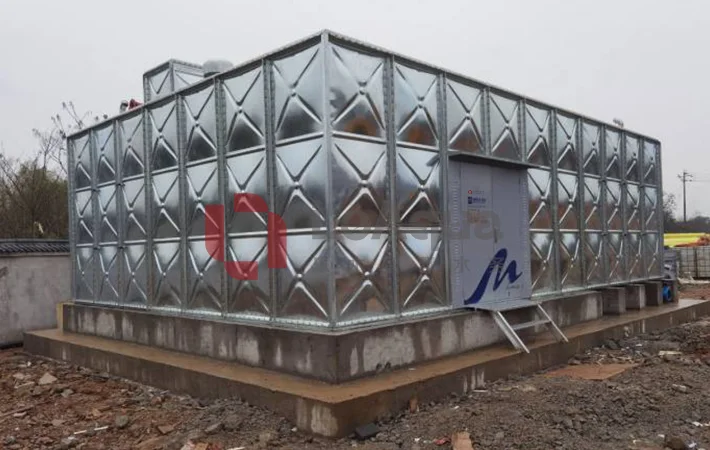
1. Start With the Application
Before comparing stainless steel grades or panel thicknesses, define what the tank will actually be used for. Typical applications include:
- Potable water
- Fire protection water
- Commercial building water storage
- Industrial water
- Process-related storage
- Infrastructure projects
The application does not automatically determine one specific tank type. Instead, it defines the requirements the tank needs to meet. For example, potable water projects may place particular attention on water-contact materials, internal cleanliness and applicable local approvals. Fire protection projects may place more emphasis on reserve volume, pump coordination and emergency operation. The first step is therefore to understand the project requirements before selecting the tank.
2. Should You Choose 304 or 316 Stainless Steel?
This is one of the most common questions. For many projects, 304 stainless steel may be appropriate. In environments with greater chloride exposure or other demanding conditions, engineers may consider 316. The decision should be based on the actual environment rather than assuming that 316 is always the better choice. Engineers may look at:
- Water chemistry
- Chloride exposure
- Coastal conditions
- Indoor or outdoor installation
- Cleaning chemicals
- Operating temperature
- Local project requirements
A coastal site, for example, may present different corrosion considerations from an indoor installation in a controlled environment. The important point is that stainless steel grade should be selected according to exposure conditions, not simply according to tank capacity or price. For projects involving drinking water, the project team should also verify the applicable requirements for materials and components that contact potable water in the target market.
3. Do Not Compare Tanks by Plate Thickness Alone
When comparing quotations, it is tempting to focus on one number: “This tank uses thicker steel, so it must be better.” That conclusion is too simple. Tank performance also depends on:
- Panel dimensions
- Panel geometry
- Reinforcement method
- Tank height
- Connection design
- Foundation conditions
- Seismic requirements
- Hydrostatic loading
Two tanks can use the same stainless steel grade and similar thickness while having very different structural designs. For modular tanks in particular, panel geometry can have a significant influence on stiffness and internal arrangement. This is why engineers should ask suppliers how the tank structure has been designed rather than comparing thickness alone.
4. Welded or Bolted?
The construction method is another major decision.
Welded Stainless Steel Tanks
Welded construction can be suitable where the project specification and site conditions support on-site or factory welding. However, the project may need to consider:
- Welding procedures
- Qualified personnel
- Inspection
- Site conditions
- Construction time
- Heat-affected areas
For large projects, these requirements can become part of the construction schedule.
Bolted Stainless Steel Tanks
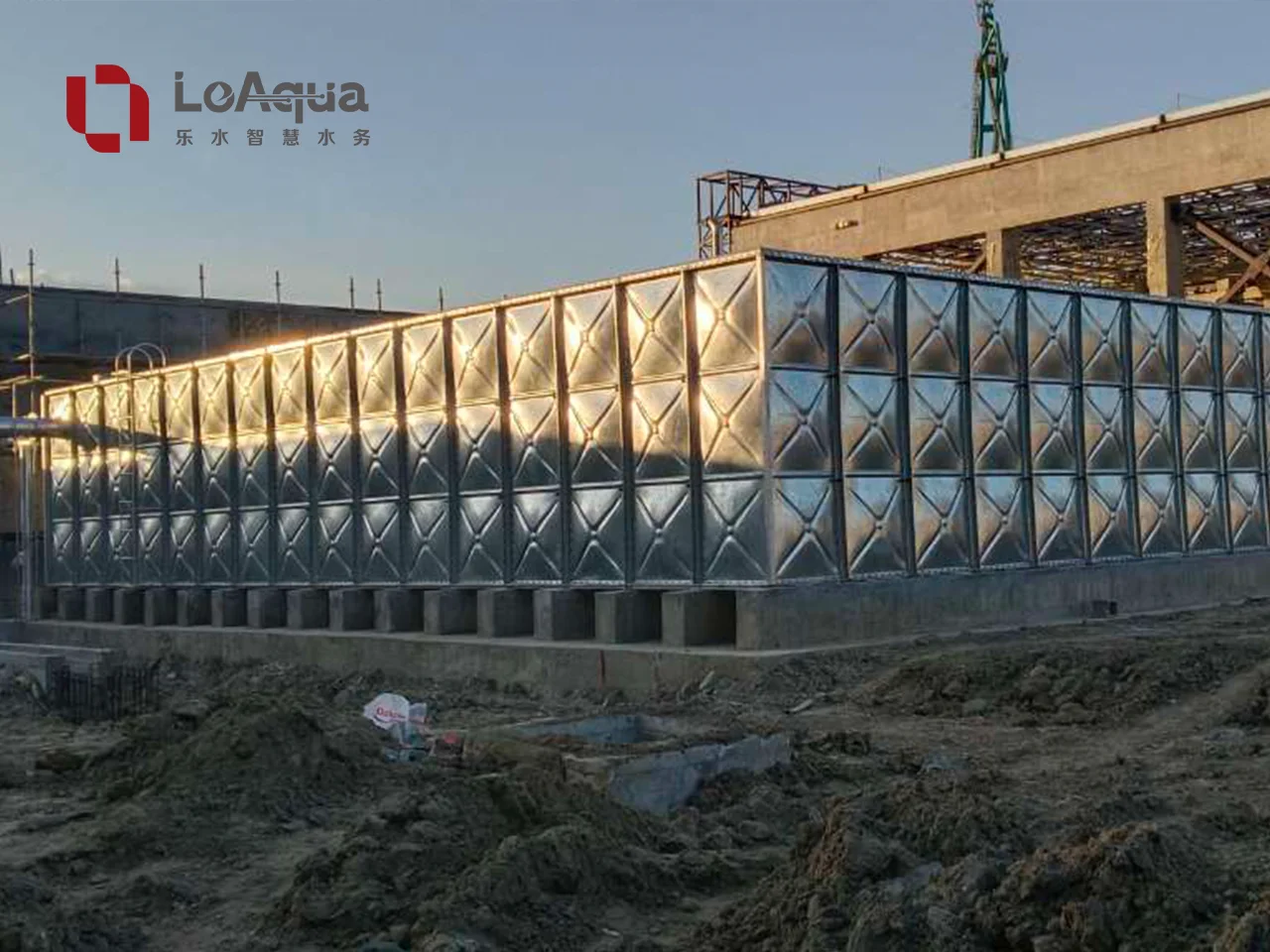
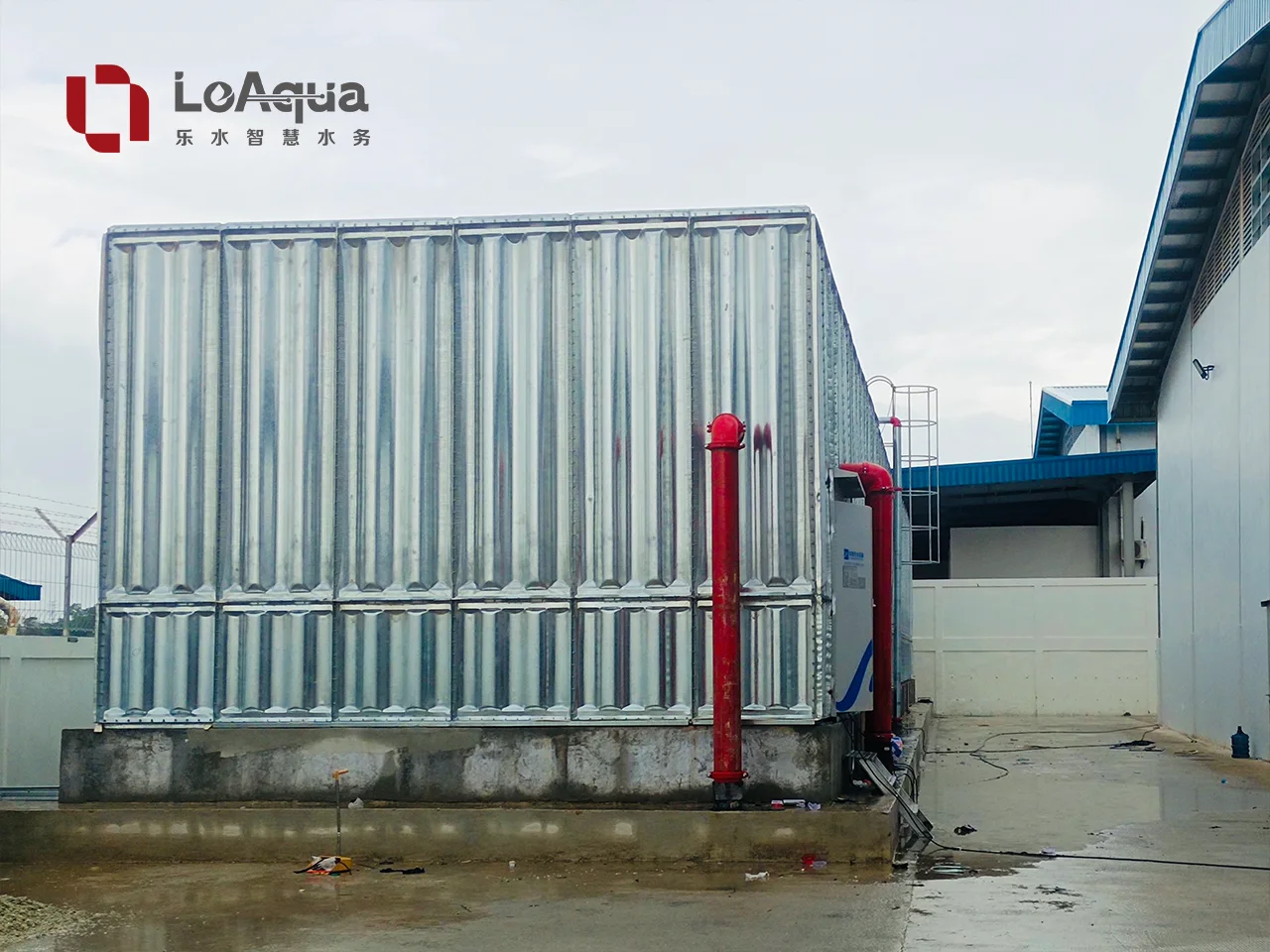
Bolted tanks use factory-produced panels that are assembled at the project site. This can be useful when:
- Site access is limited
- Large completed structures are difficult to transport
- On-site welding is undesirable
- Installation needs to be divided into stages
- Modular construction is preferred
Neither method is automatically better. The useful question is: Which construction method fits the project site and construction programme? For a project with difficult access, modular bolted construction may deserve serious consideration.
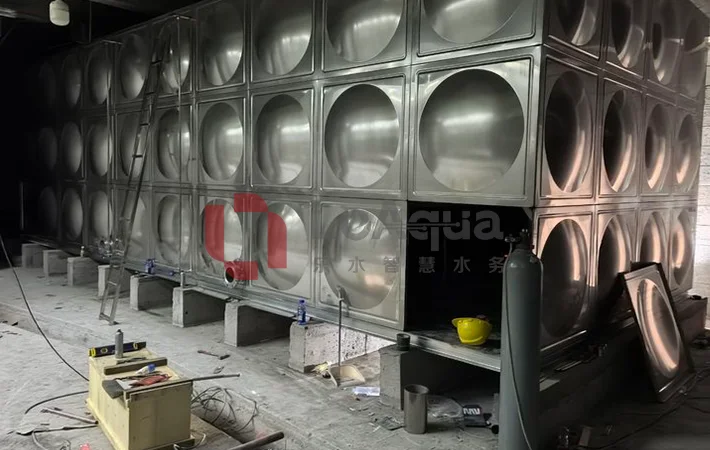
5. Look at the Panel Design
Stainless steel is only part of the engineering story. Panel geometry and reinforcement can be just as important. Traditional flat panels may rely on additional reinforcement to achieve the required structural performance. Other designs use formed geometry to increase panel stiffness. This is where rib-reinforced stainless steel tanks become interesting. A formed rib pattern can contribute to panel rigidity while maintaining a modular construction method. For projects where internal inspection and cleaning matter, the internal arrangement also deserves attention. Engineers should therefore look at:
- Panel geometry
- Structural rigidity
- Internal reinforcement
- Cleaning access
- Connection arrangement
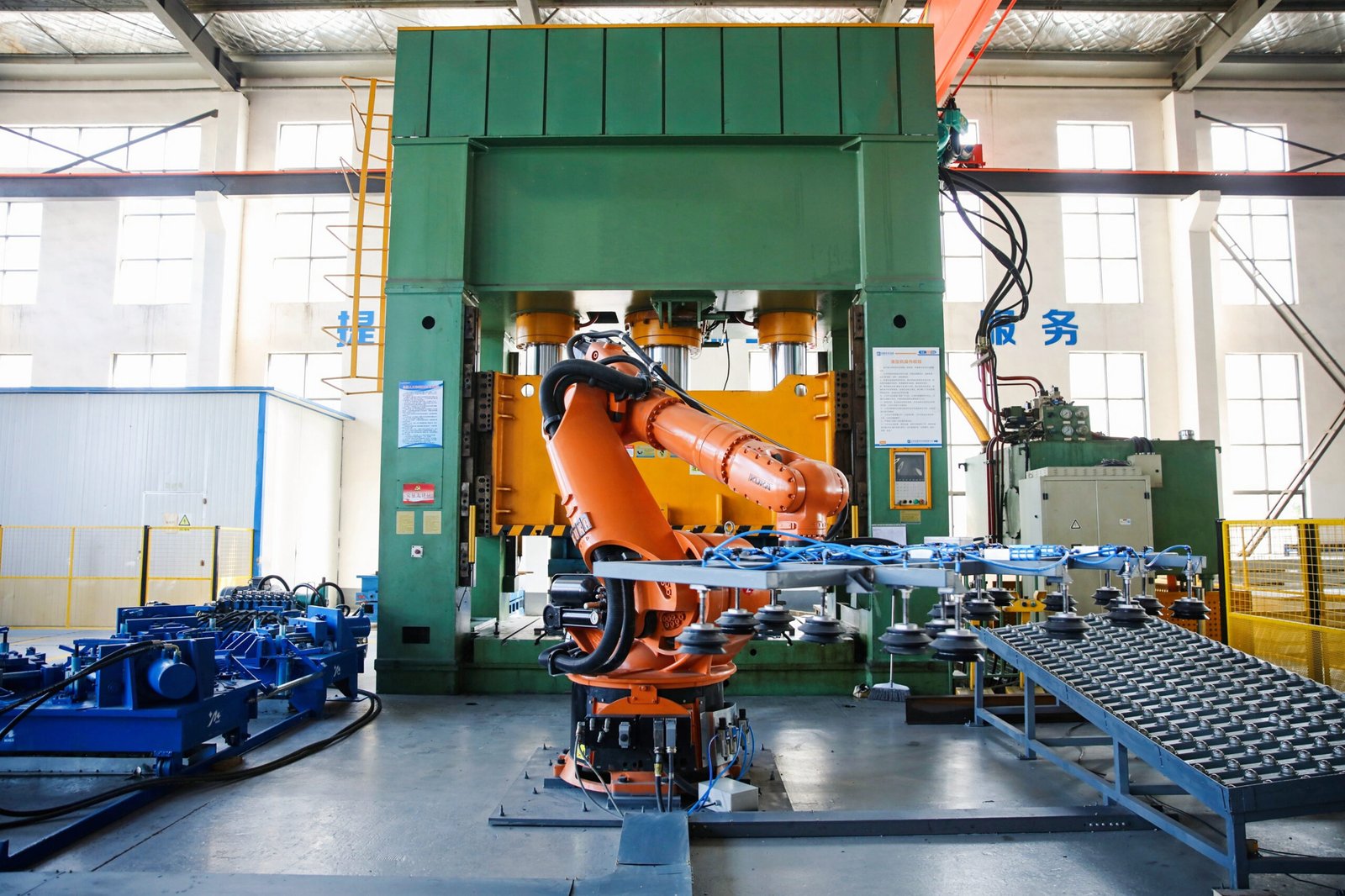
- Manufacturing accuracy
The same stainless steel grade can be used in two tanks with very different structural characteristics.
6. Select Capacity From Water Demand
Once the basic tank structure has been considered, capacity still needs to be determined. This should not be based simply on: “The building is large, so we need a large tank.” Engineers normally consider:
- Average water demand
- Peak demand
- Required reserve
- Operating schedule
- Emergency requirements
- Future expansion
A 500 m³ tank can have very different design requirements depending on whether it is supplying a commercial building, an industrial facility or a fire protection system. Engineers should also distinguish between nominal geometric capacity and the amount of water that is actually available for the intended operating purpose. For a more detailed explanation, see: How Engineers Select Water Tank Capacity for Different Applications
7. Consider Where the Tank Will Be Installed
Installation conditions should be reviewed before the final tank configuration is approved. Engineers may need to consider:
- Indoor or outdoor installation
- Above-ground or underground installation
- Available footprint
- Transportation route
- Lifting requirements
- Maintenance access
- Local environmental conditions
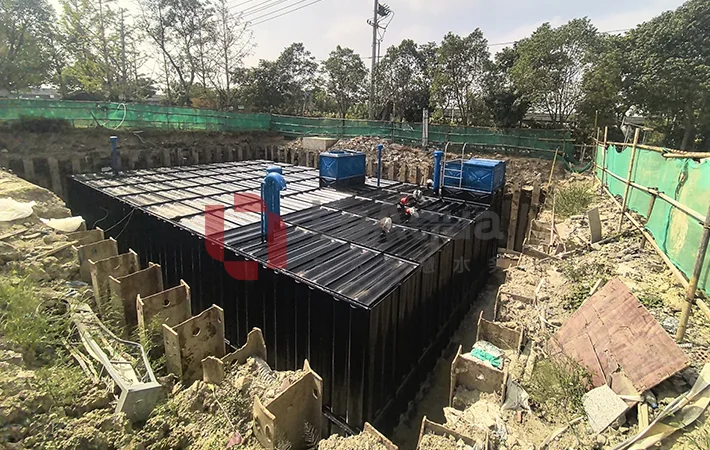
Underground water tanks introduce additional structural and site considerations, while rooftop tanks may require careful review of building loads and access. On restricted sites, modular panels can make transportation and assembly more manageable. The tank therefore needs to be selected together with the site—not after the site has already been fixed.
8. Think About Maintenance Before Buying
A stainless steel water tank may remain in service for many years. The people maintaining it in the future may not be the same people who purchased or installed it. Before placing an order, it is worth asking:
- Can the internal surfaces be inspected?
- Is there enough space for cleaning?
- Can components be replaced?
- Are connections accessible?
- Will maintenance interrupt the entire water supply?
The internal structure matters here. A tank with a large amount of internal reinforcement may require more complicated access for inspection and cleaning. A more open internal arrangement may make routine work easier. Maintenance is therefore not an issue to solve after installation. It should influence the initial tank selection.
9. Do Not Select the Tank Separately From the Pump System
The tank stores water. The pump system delivers it. For many projects, these two functions need to be designed together. Engineers may review:
- Pump flow
- Pump head
- Water level
- Suction arrangement
- Pipe losses
- Duty and standby configuration
- Pressure requirements
- Control logic
A tank with sufficient capacity can still be part of a poorly performing water supply system if the pumping arrangement is not properly matched. For projects requiring storage, pumping, control and monitoring to be coordinated from the beginning, a water tank with pump system can provide a more complete approach. This is also where a conventional tank purchase can develop into a broader integrated pump station project.
For projects where the tank forms part of a prefabricated tank-and-pump fire water supply station, engineers may also need to review the applicable design references for the complete system. In China, the current 24CS01-1 reference atlas covers the selection and installation of prefabricated tank-pump integrated fire water supply stations and includes layouts for above-ground and underground pump stations, tank compartment arrangements, pump selection, SW large-module rib-reinforced panels, foundations and intelligent monitoring systems.
10. What Should You Ask the Supplier?
Before approving a stainless steel water tank, engineers should ask for more than a price. Depending on the project, useful documents may include:
- General arrangement drawings
- Material specifications
- Panel or section drawings
- Connection details
- Foundation requirements
- Installation instructions
- Inspection records
- Test documentation
- Operation and maintenance information
For regulated or potable-water projects, the purchaser should also confirm which approvals and certifications are required in the target market. The key is to compare suppliers on both product and engineering support. A low quotation is not necessarily a low-cost solution if technical information is missing or site changes later require expensive modifications.
Check the Standards Behind the Tank
Standards are another point that should be checked before purchasing a stainless steel water tank.
For a project in China, the applicable national, industry and project standards can provide the basis for material selection, structural design, manufacturing and testing.
LeAqua’s parent company, Jiangsu Mingxing Water Supply Equipment Co., Ltd., has participated in the development of Chinese standards for water-related and water-supply technologies. For example, the company is listed by China’s National Public Service Platform for Standards as one of the principal drafting organizations for the national standard project Assessment Guideline for Water-Saving Buildings.
For international projects, however, engineers should not assume that compliance with a Chinese standard automatically means compliance with local regulations. Applicable standards and certification requirements should be identified according to the project location, application and contract specification.
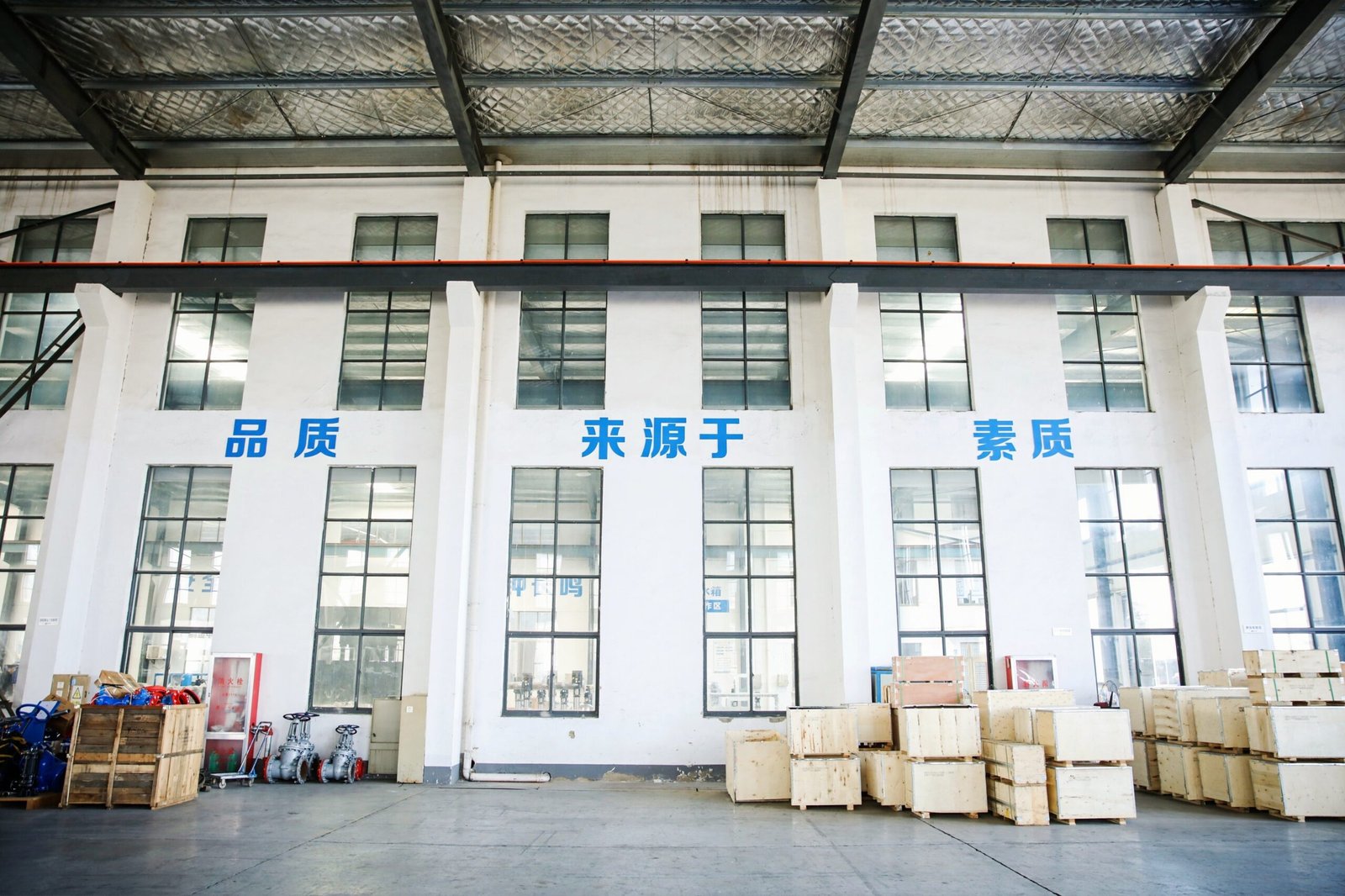
This distinction is important. A technically capable manufacturer should be able to explain which standards its product is designed and manufactured against, provide the relevant technical documentation, and review additional project-specific requirements when working with an international engineering team.
2026 Stainless Steel Water Tank Checklist
Before placing an order, review these questions:
Item |
What to Check |
| Application | What water will be stored? |
| Material | Is 304, 316 or another grade appropriate? |
| Capacity | Does the storage volume match actual demand? |
| Structure | How are the panels reinforced? |
| Construction | Welded or bolted? |
| Installation | Can the tank be transported and assembled at the site? |
| Maintenance | Can the tank be inspected and cleaned safely? |
| Pumping | Does the tank work with the required pump system? |
| Controls | Are monitoring and control requirements clear? |
| Documentation | Are drawings, specifications and required approvals available? |
| Supplier | Can the supplier provide engineering support? |
This checklist does not replace project-specific engineering calculations. It simply helps ensure that important questions are answered before purchasing.
Final Thoughts
Choosing a stainless steel water tank in 2026 is not about finding the thickest panel, the largest capacity or the lowest quotation. It is about finding the right combination of: material + structure + capacity + installation method + maintenance + system integration. 304 and 316 may both be appropriate in different conditions. Welded and bolted construction may both have their place. Different panel structures may produce different installation and maintenance experiences. The right answer depends on the project. At LeAqua, stainless steel water tanks are considered as part of a broader water storage and supply system. Depending on the project, that can include modular tank construction, rib-reinforced panel designs, pump integration, controls and remote monitoring. The best stainless steel water tank is not necessarily the one with the longest specification sheet. It is the one that fits the way the project will actually be built, operated and maintained.