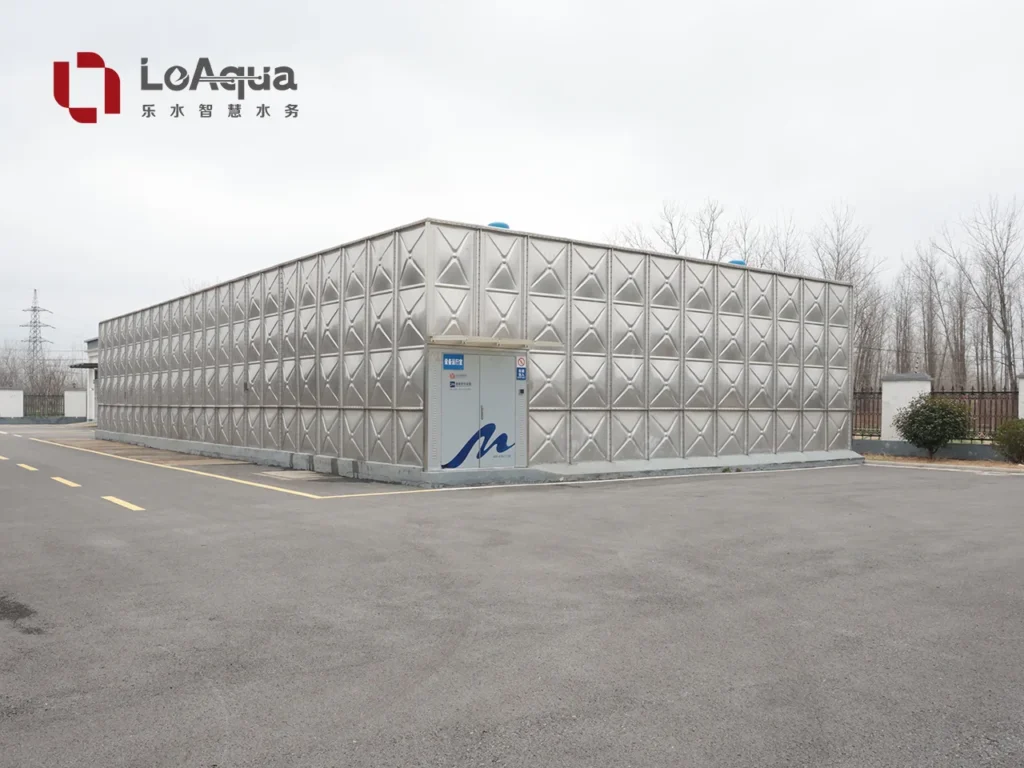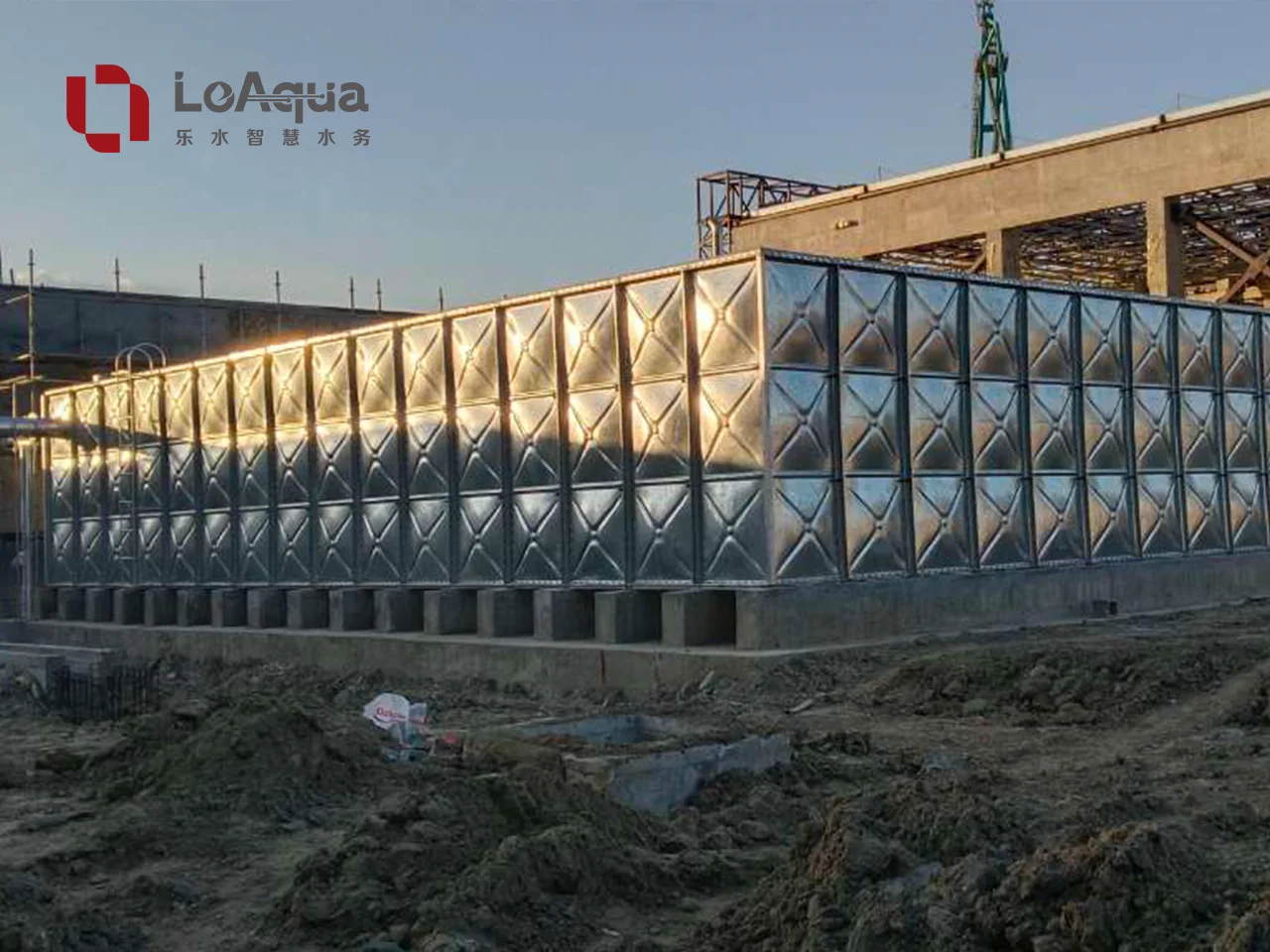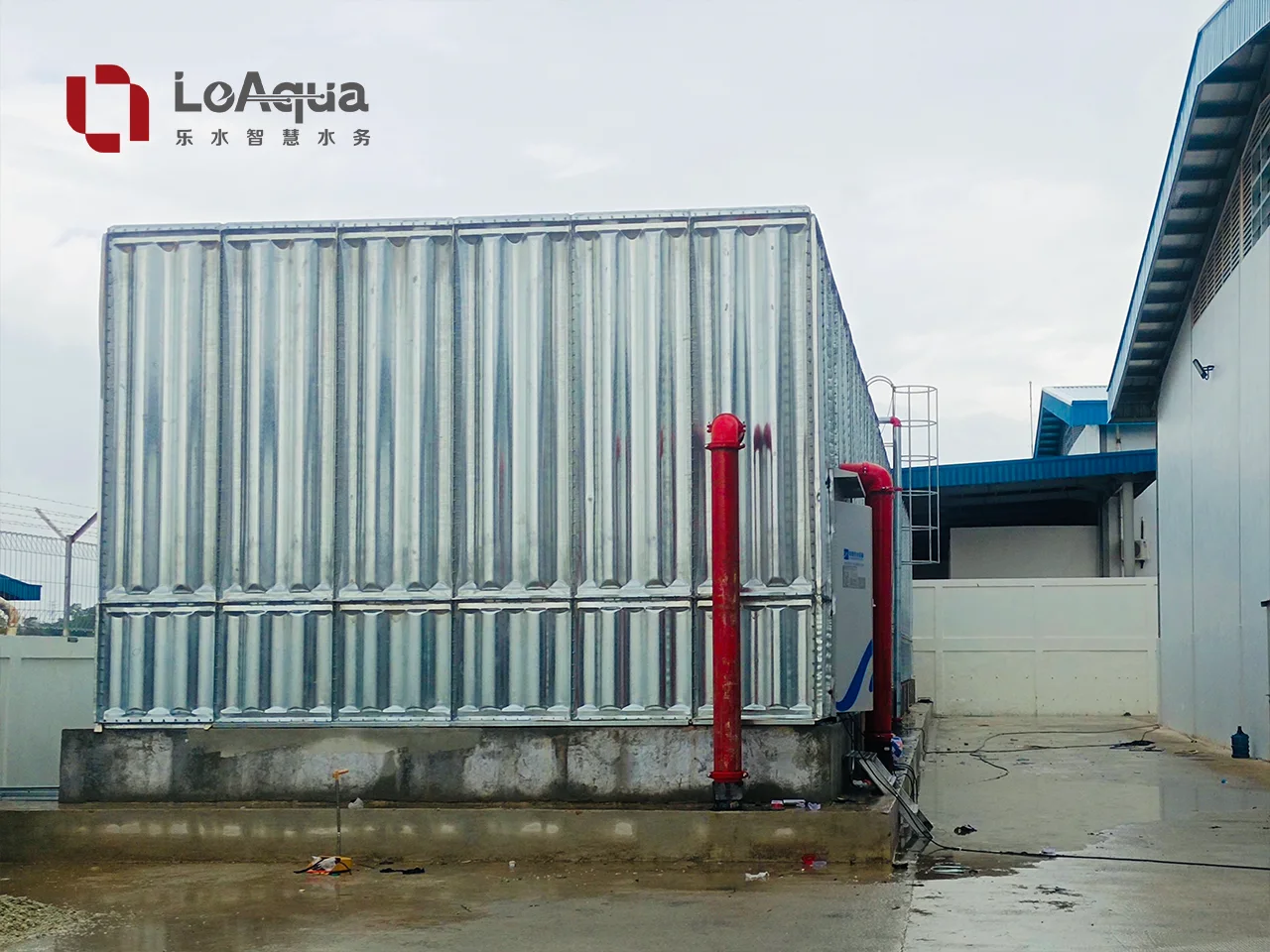
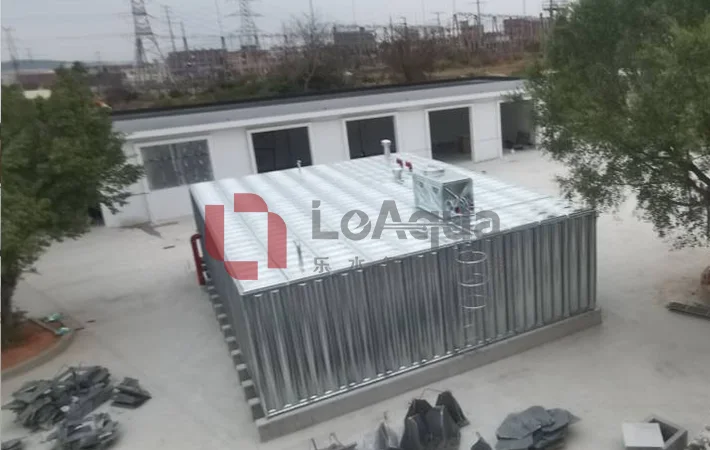
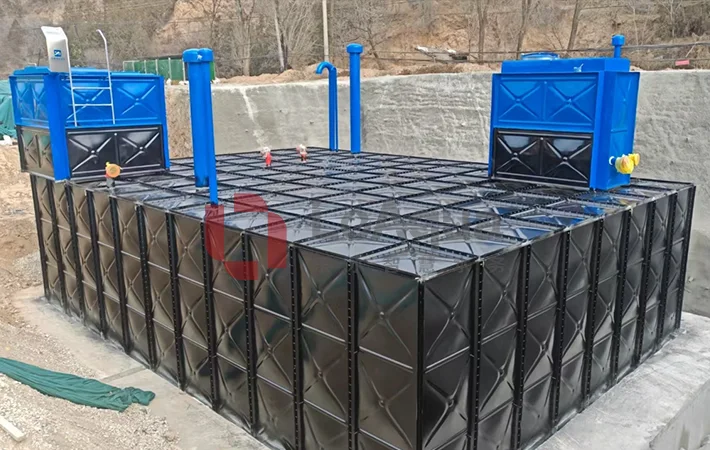
A 100000 litre water tank provides a nominal storage capacity of 100 cubic metres, or 100 m³. Tanks of this size are commonly considered for commercial buildings, factories, fire protection systems, municipal projects and other applications that require substantial water storage.
However, capacity alone is not enough to request an accurate quotation. The dimensions, material, structural design, installation conditions and supply scope can all affect the final water tank price.
Before contacting a water tank factory, buyers should define how the water will be used, how much installation space is available and what the supplier is expected to provide.
How Big Is a 100000 Litre Water Tank?
A 100000 litre water tank has a gross internal volume of approximately 100 m³. Because sectional tanks can be assembled in different length, width and height combinations, there is no single standard footprint.
Possible conceptual arrangements include:
| Length | Width | Height | Gross volume |
|---|---|---|---|
| 10 m | 5 m | 2 m | 100 m³ |
| 8 m | 5 m | 2.5 m | 100 m³ |
| 5 m | 5 m | 4 m | 100 m³ |
These dimensions are examples rather than final designs. The practical dimensions must consider panel sizes, freeboard, overflow level, internal reinforcement, foundation conditions and maintenance access.
A taller tank may occupy less floor space, but the increased water pressure can affect panel thickness and structural reinforcement. A lower tank normally requires a larger foundation area. The best arrangement therefore depends on the site rather than capacity alone.
Is 100000 Litres the Nominal or Usable Capacity?
This question should be resolved before the tank is ordered.
Nominal capacity is usually calculated from the overall internal dimensions. Effective or usable capacity may be lower because the tank is not normally filled to the underside of the roof. Space may be required above the overflow level, and the outlet cannot always draw every litre from the bottom of the tank.
For fire water storage, the required effective volume may also be defined by the project’s hydraulic design or local regulations. If the project requires 100000 litres of usable water, ordering a tank with exactly 100 m³ of gross geometric volume may not be sufficient.
The quotation should clearly state whether the listed capacity is nominal, effective or based on a specified operating water level.
How Much Does a 100000 Litre Water Tank Cost?
There is no responsible fixed price for a 100000 litre water tank without reviewing the project requirements. Two tanks with the same capacity may have different costs because their materials, dimensions, structural loads and included accessories are different.
The main water tank price factors include:
- Tank material and material grade
- Length, width and height
- Panel thickness and reinforcement arrangement
- Stored water type
- Indoor or outdoor installation
- Wind, seismic and other structural requirements
- Roof, base and supporting structure
- Inlet, outlet, overflow and drain connections
- Manholes, ladders, level controls and other accessories
- Insulation or external protection where required
- Packing and international transport
- Installation and commissioning scope
- Drawings, calculations and project documentation
Material prices and freight costs can also change over time. A factory quotation should therefore include a validity period and explain what is included rather than presenting only one total price.
For a closer examination of material and structural cost factors, see the guide to stainless steel water tank pricing.
Which Material Is Suitable for a 100 m³ Water Tank?
The material should be selected according to water quality, application, environment, required service conditions and project budget.
A stainless steel water tank may be considered for potable water, building water supply and projects that prioritize hygiene and corrosion resistance. The required stainless steel grade should be confirmed from the stored water and environmental conditions rather than selected by name alone.
A GRP sectional water tank offers modular construction and relatively light individual panels. It may be useful where transportation, manual handling or corrosion exposure is an important consideration.
A stainless steel composite water tank combines different materials within the tank structure. It may provide another option when the project needs to balance the water-contact surface, structural requirements and budget.
No material is automatically the cheapest or best for every 100000 litre tank. The correct comparison should use the same capacity, dimensions, design conditions, accessories and supply scope.
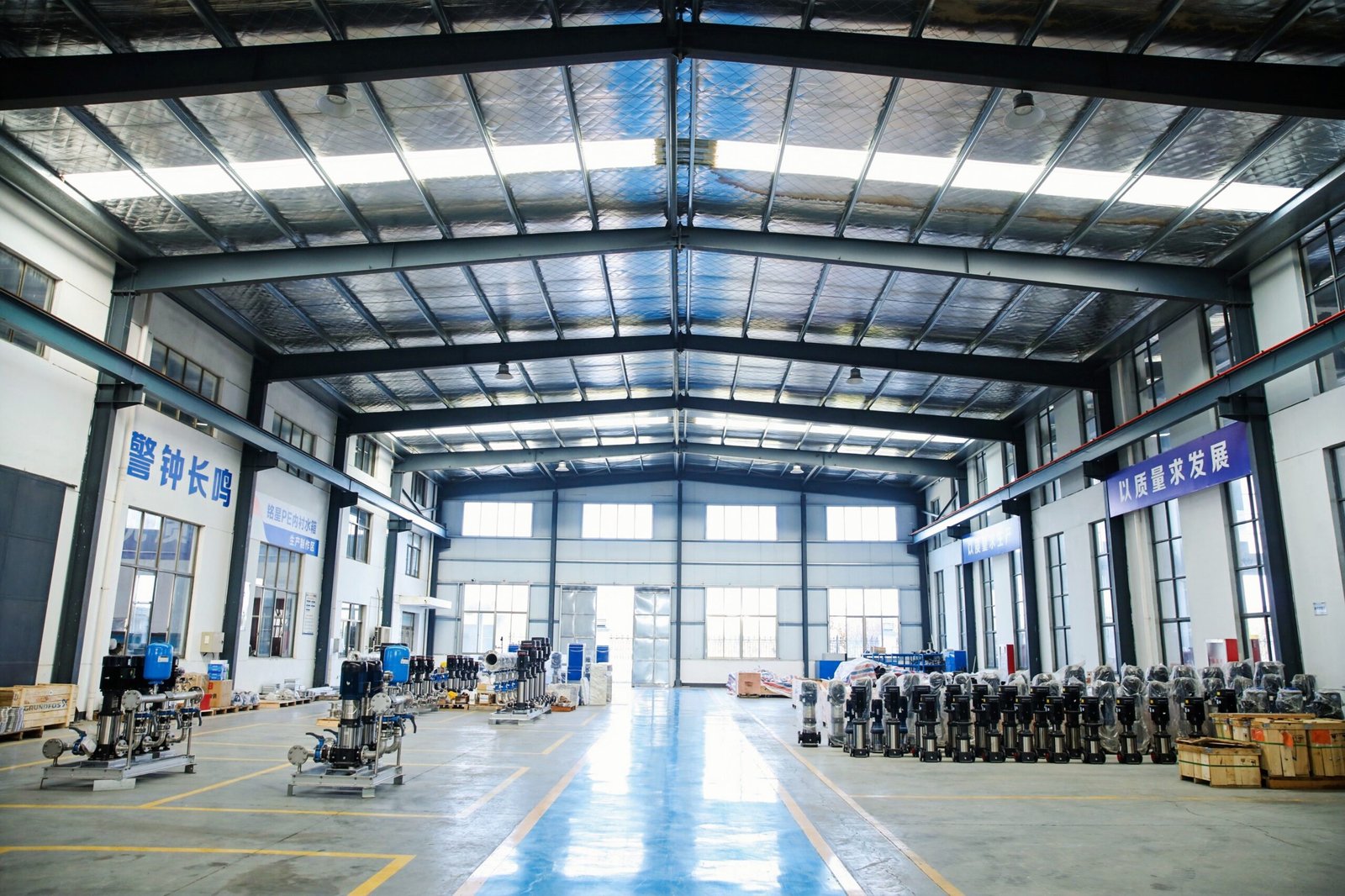
How Should You Evaluate a Water Tank Factory?
A low factory price does not necessarily mean the final project cost will be lower. Missing accessories, inadequate documentation or unclear installation responsibilities can create additional costs after the order is placed.
Before choosing a water tank factory, review:
- Whether the supplier manufactures the proposed tank type
- Whether the quotation identifies the material grade
- Whether panel thicknesses and reinforcement are clearly stated
- Whether shop drawings are supplied for approval
- Whether the design reflects the project location and operating conditions
- Whether production and inspection records are available
- Whether packing is suitable for the intended transport method
- Whether installation guidance or site support is included
- Whether spare parts and maintenance requirements are explained
- Whether the supplier can provide evidence relevant to the required standards
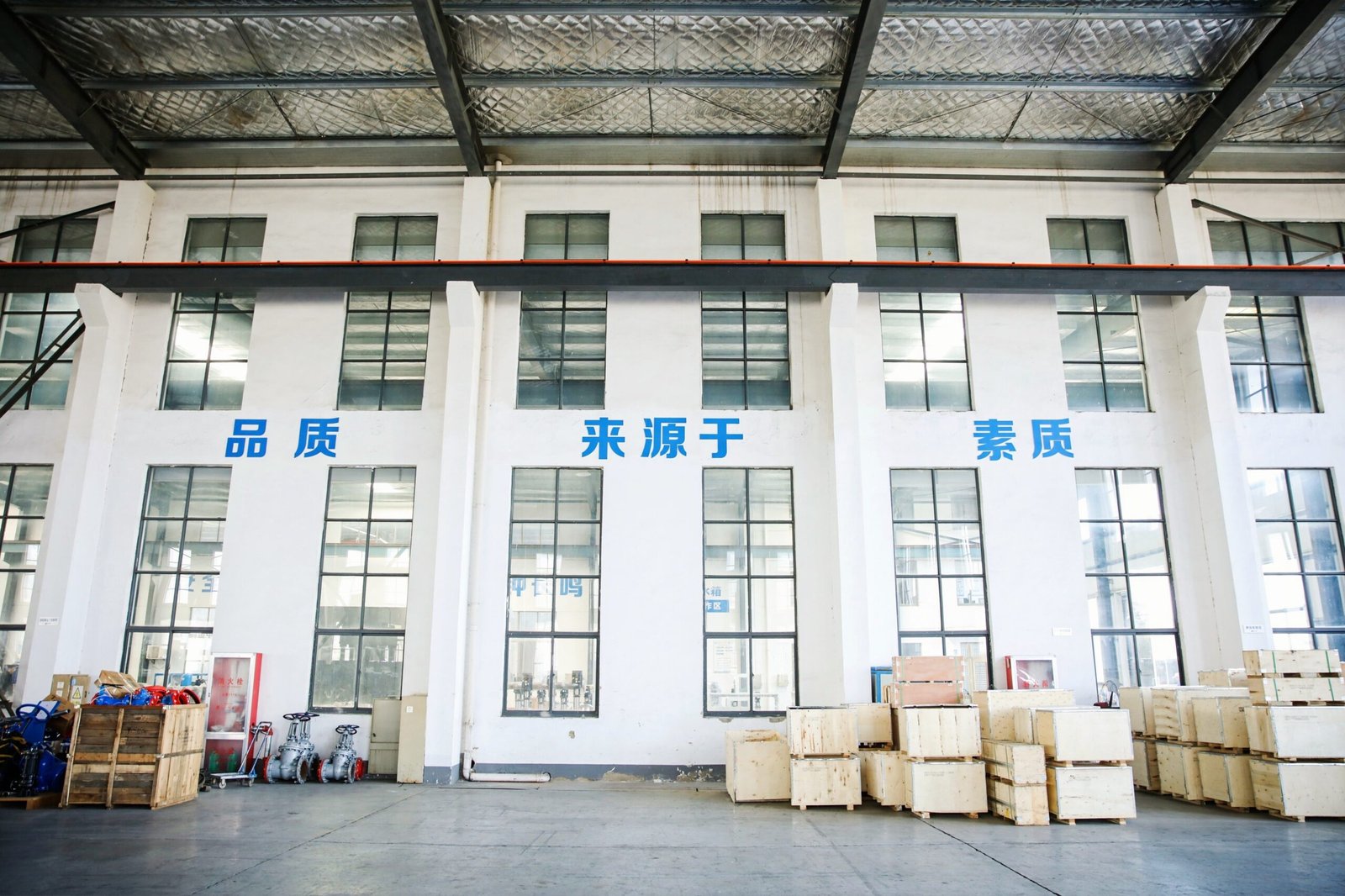
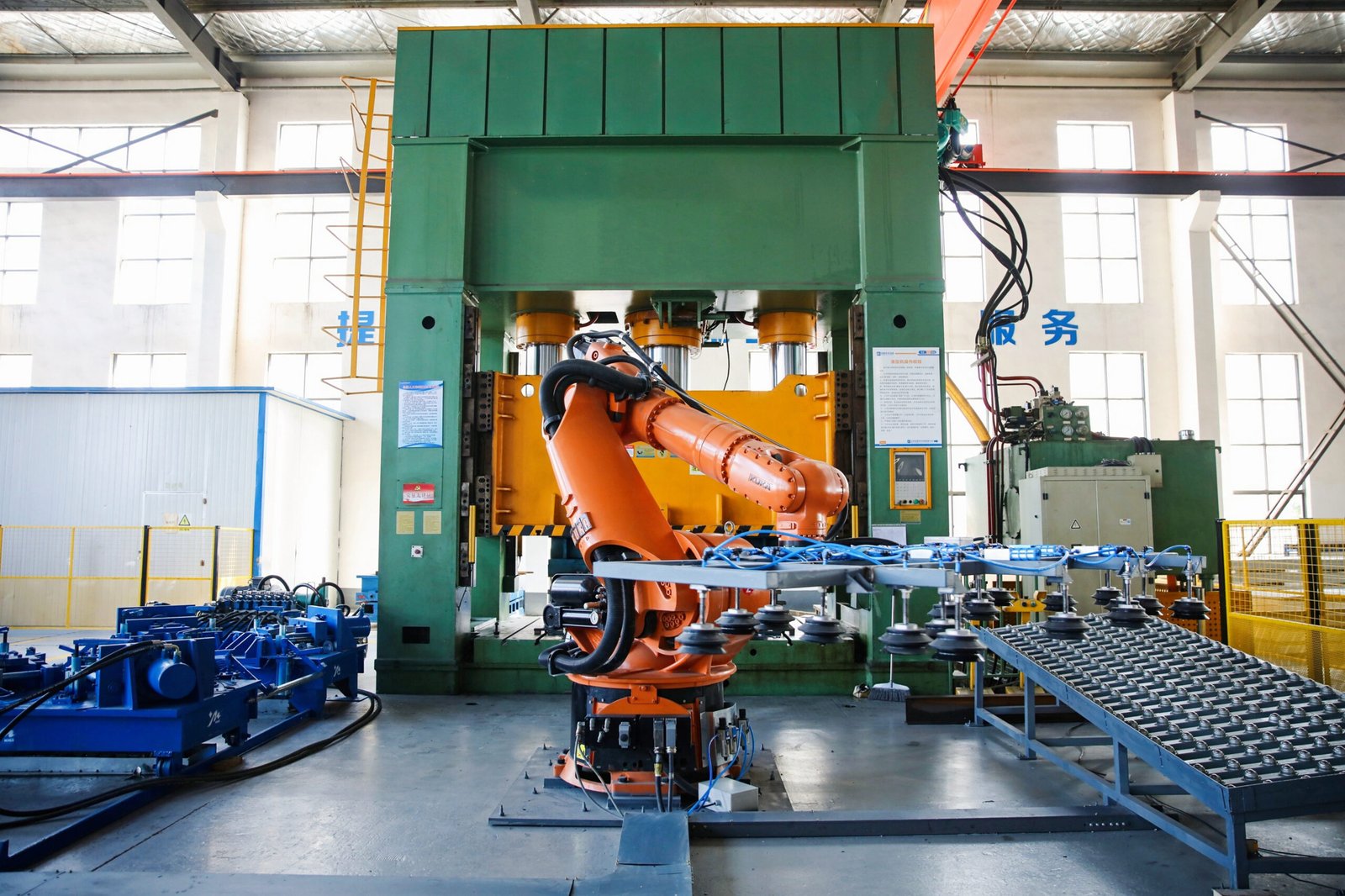
Factory photographs and videos can help, but they should not replace technical documents. Buyers should compare what will actually be manufactured and delivered.
LeAqua’s water tank product range includes stainless steel, GRP and composite sectional configurations for project-specific water storage requirements.
What Should the Factory Quotation Include?
A useful quotation should allow the buyer to understand the complete supply boundary.
At minimum, it should identify:
- Tank capacity and proposed dimensions
- Material specifications
- Panel and structural configuration
- Included internal and external components
- Pipe connection sizes and locations
- Accessories
- Foundation or support requirements
- Drawings and technical documents
- Packing method
- Delivery terms
- Installation responsibilities
- Testing and acceptance scope
- Production and delivery schedule
- Quotation validity
If one supplier includes the full tank assembly while another quotes only panels and basic accessories, their prices cannot be compared directly.
What Information Should You Send to the Supplier?
To receive a practical quotation for a 100000 litre water tank, provide:
- Project country and installation location
- Intended use of the stored water
- Required nominal or effective capacity
- Available length, width and height
- Preferred material, if already specified
- Indoor or outdoor installation
- Water temperature and relevant water-quality information
- Required inlet, outlet, overflow and drain sizes
- Structural or environmental design conditions
- Applicable standards and approval requirements
- Required accessories
- Delivery destination
- Whether installation or supervision is needed
When some details are not yet available, send the layout and project specification first. The supplier can then identify which missing parameters must be confirmed before the design and price are finalized.
For a project-specific proposal, send these requirements through the LeAqua water tank quotation form.